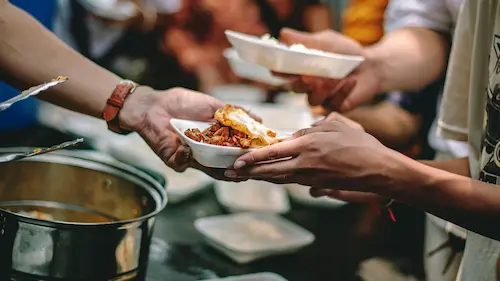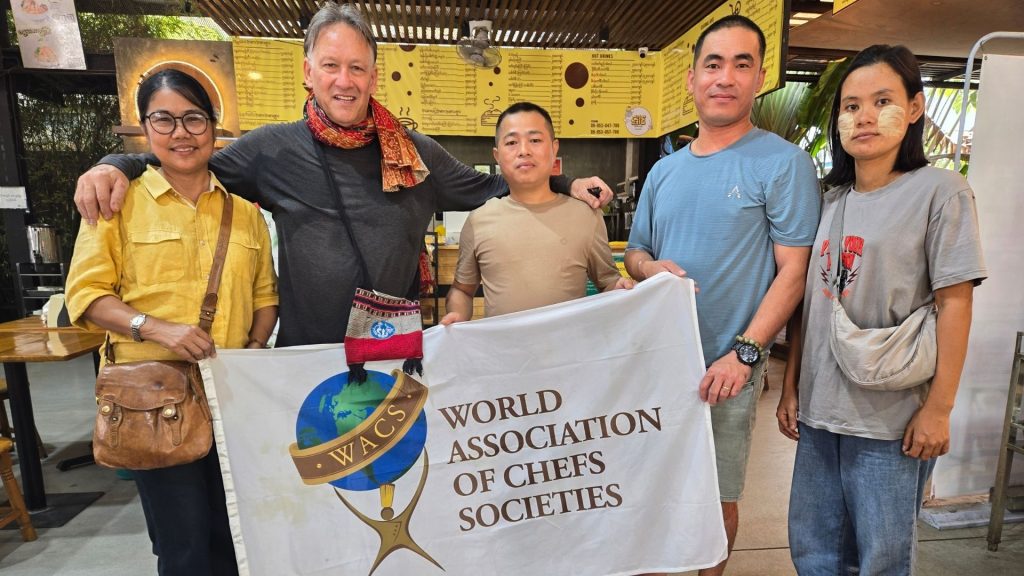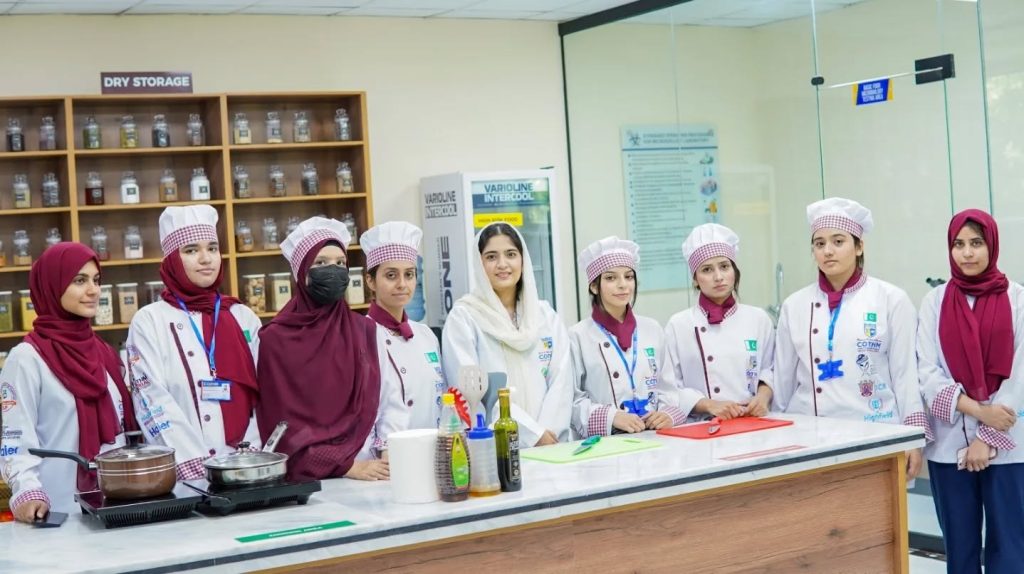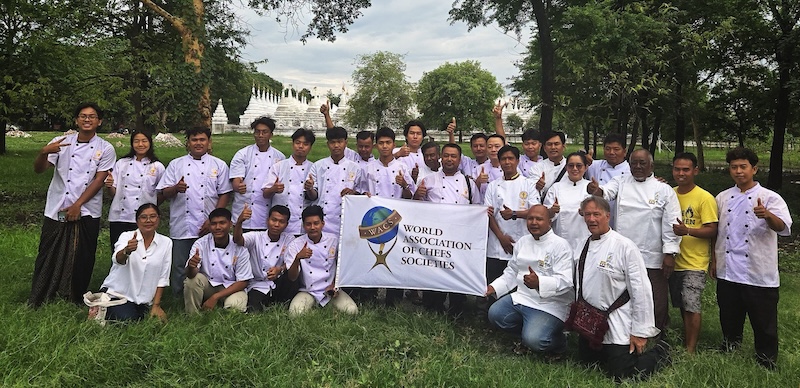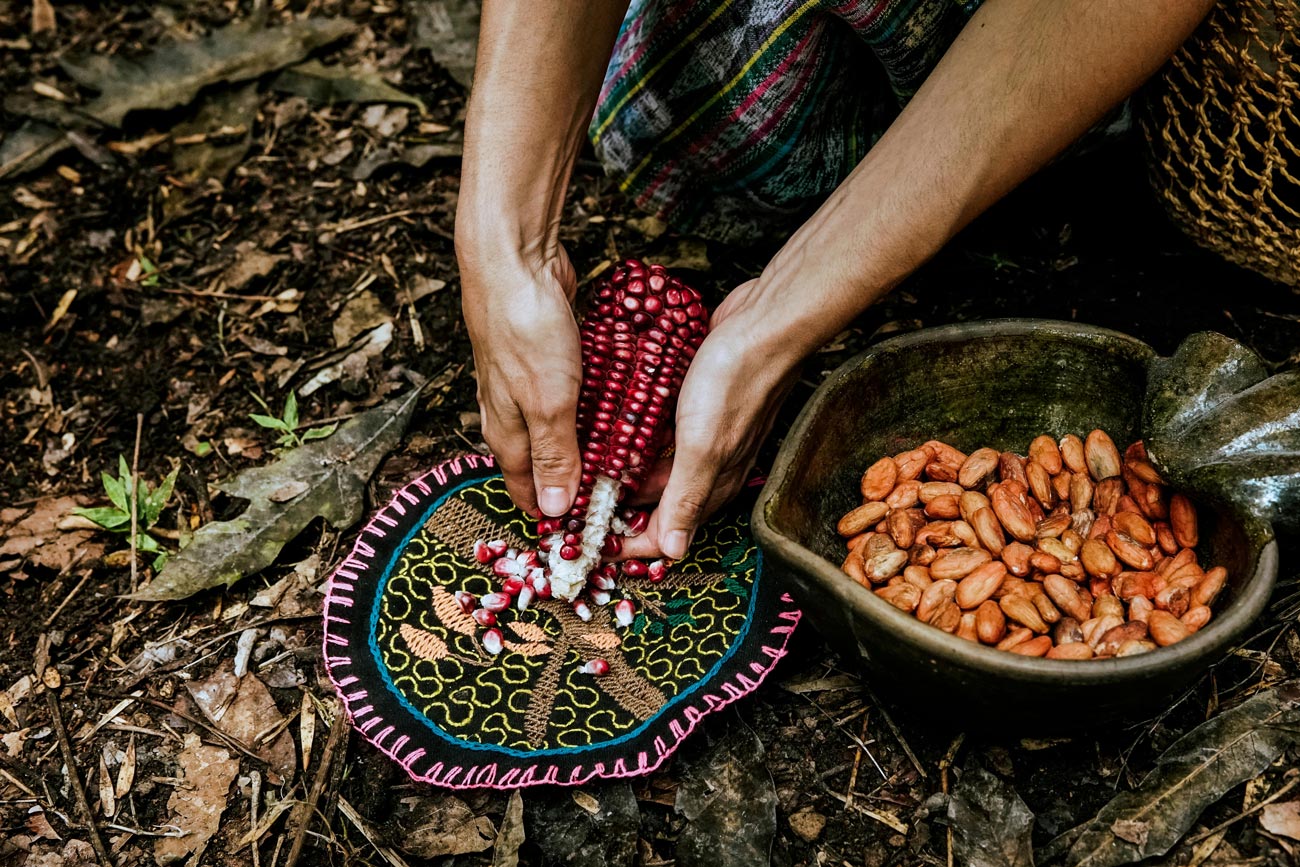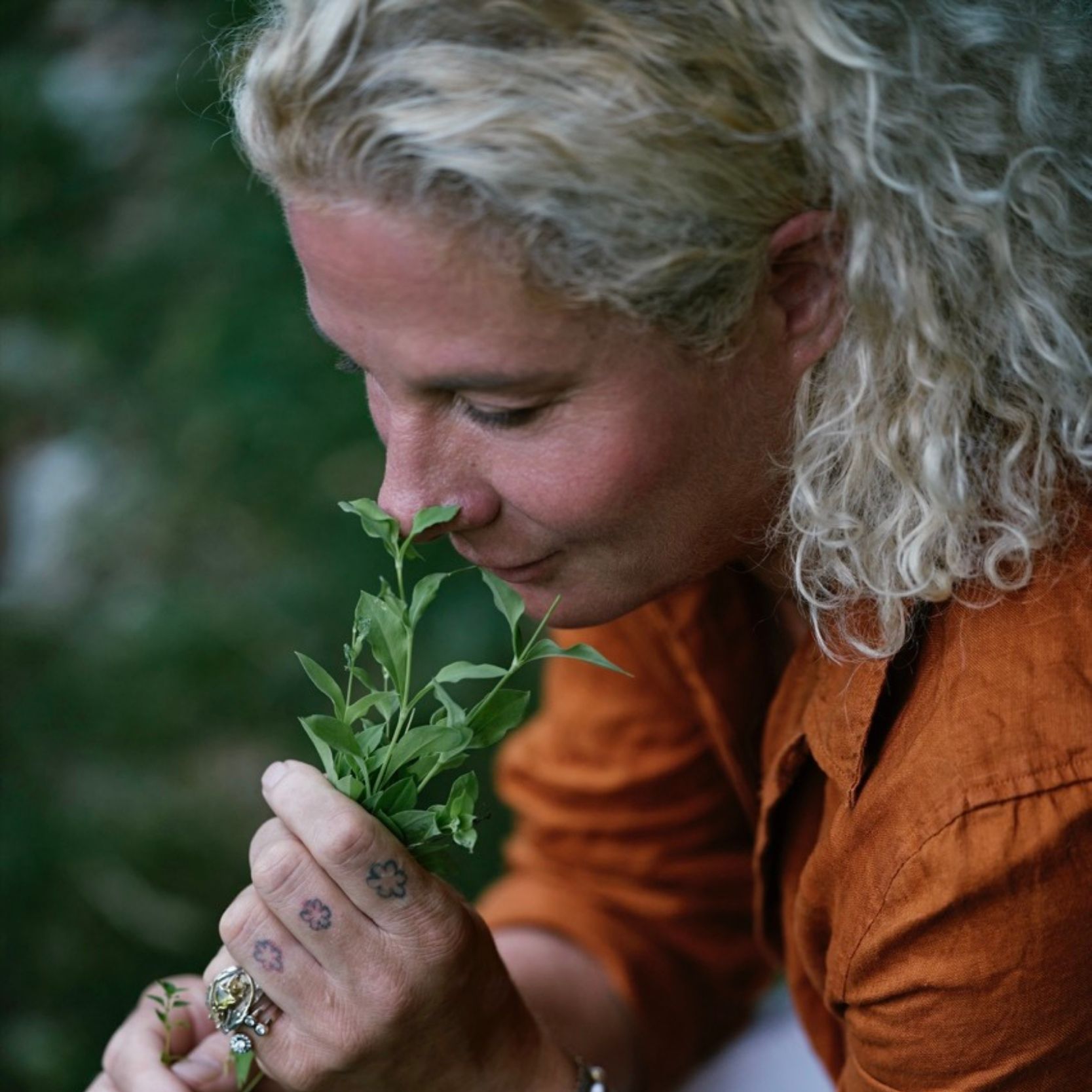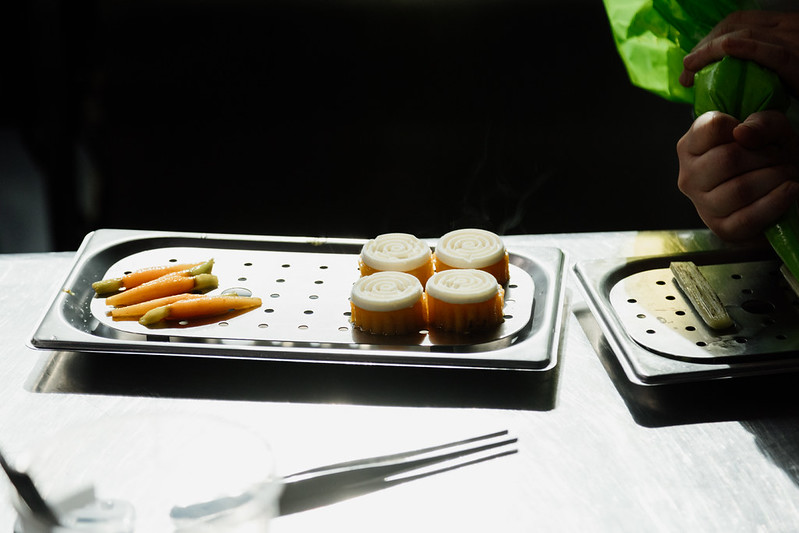

Right now, you are building the pantry you’ll pass on. Your contribution to culinary heritage is taking shape with each recipe you test, each ingredient choice you make.
Would it make a menu you’d be proud of?
Food is the ultimate connector, bridging time and space, and bringing people together in ways not much else can. Our plates can be a celebration of identity, connection, and ecology. Food culture is something we inherit, transform, and share. Rooted in the past and growing into the future, it is a living legacy and an invitation to be a part of the process.
Written in time-honored techniques and place-making ingredients, on jars and in cookbooks, the culinary traditions in our kitchens are alive, simultaneously preserving and making collective memory.
Chefs are active stewards of food culture’s living legacy. In this article, we reflect on simple ways that chefs can make the most of their role as food culture custodians and future ancestors.
Food Makes Future
The future is what we make it, through everyday actions. Here are four areas of action that every chef can incorporate into their culinary practice and the pantry they’ll pass on.
Nurture intergenerational relationships
Intergenerational knowledge is power. We’ve written plenty about the importance of mentorship, but it doesn’t even need to fit into that box. Family, friends, colleagues – seek out and foster relationships with elders and up-and-comings in a spirit of openness and curiosity.
We inherit what we see and learn, and we pass on what we learn and do. There are more opportunities than you realize to engage with and influence others of all ages, in your home or professional kitchen.
SEE THIS IN ACTION
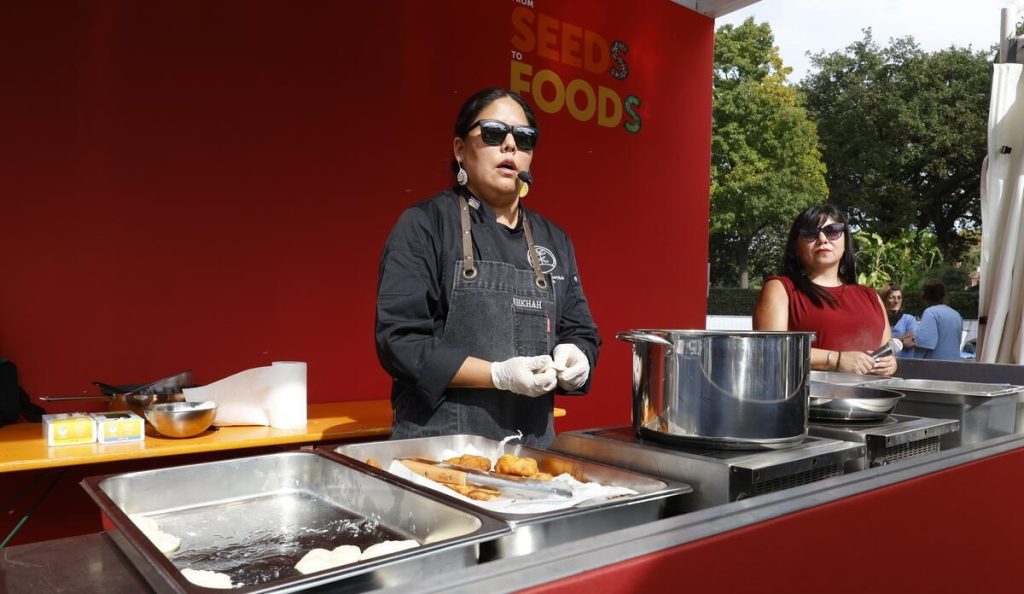
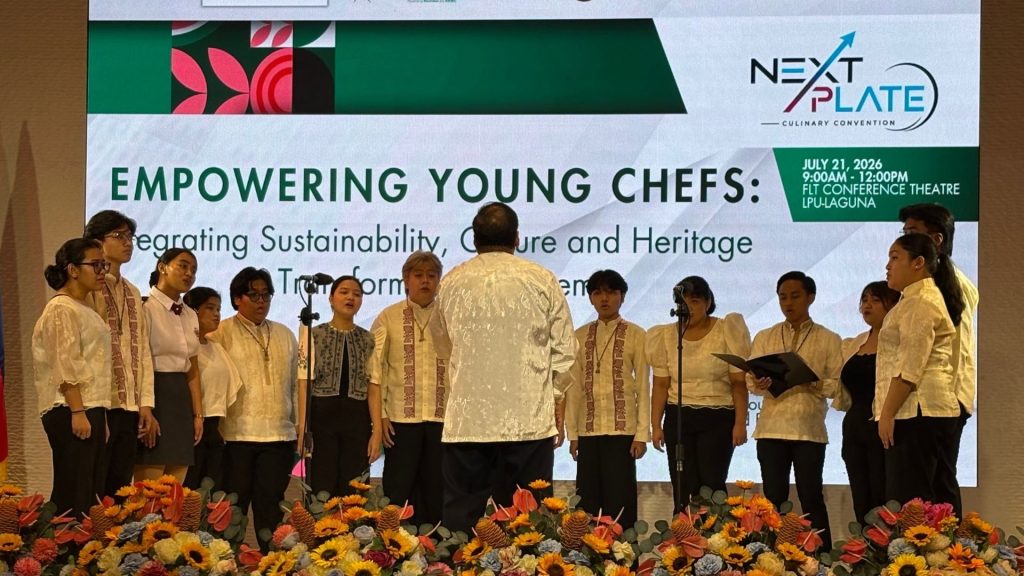
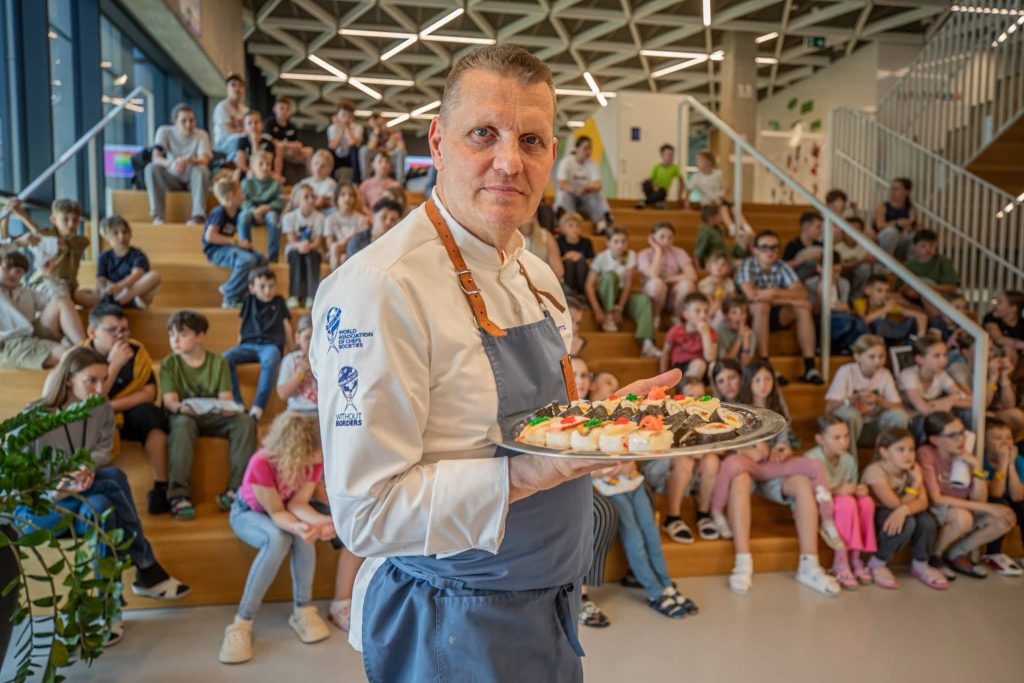
The World Food Forum (WFF)’s Young Chefs Programme equips chefs (aged 18-35) with skills, knowledge, and networks to take a leading role in transforming agrifood systems through culinary practices. From advancing better nutrition to promoting food security and biodiversity, its ultimate goal is to create leaders that can inspire and guide other chefs to advocate for more sustainable and healthier consumption habits. Each participant is paired with a mentor from Worldchefs’ community.
Put underutilised ingredients back on the menu
Cook more beans. Source the greens your grandmother used to talk about. Recipe test like the future depends on it, because it does!
We have a world of biodiverse pantry items to pull from, but yet nearly half our calories come from just three crops: rice, wheat, and maize. Rediscover and promote heritage ingredients native to where you live. Learn and tell their stories. Talk to your local farmers and food producers for inspiration and start collaborating.
SEE THIS IN ACTION
Three Michelin-Starred Chef Ana Roš views local sourcing as a commitment to the legacy and the future. Hear from here why memory-making matters.
“I want people to remember what they had, not just, ‘Oh, do you remember that dish? Maybe yes, maybe not.’ No, you have to remember it. It’s important.”
Some of our best and most innovative technology is as old as dirt.
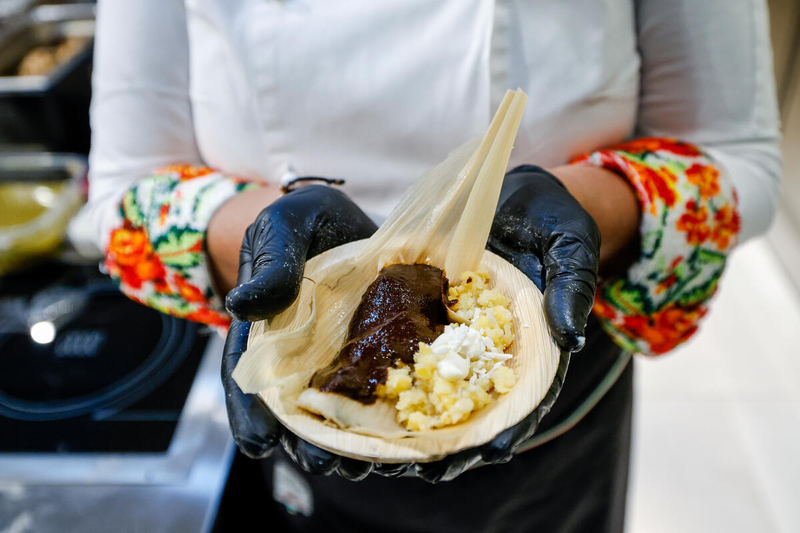
Take a moment to reflect on how much observation, experimentation and skill sits behind processes like fermentation. Or the brilliance of nixtamalization. Think about the creativity and cunning required to process and use every part of an ingredient.
These are some of our oldest food technologies. Perfected through practice and intergenerational learning, all across the globe we find diverse examples of the scientific process from farm to table. From regenerative agriculture to salt curing, research and explore an ancient innovation and see how it can inspire your next menu.
SEE THIS IN ACTION
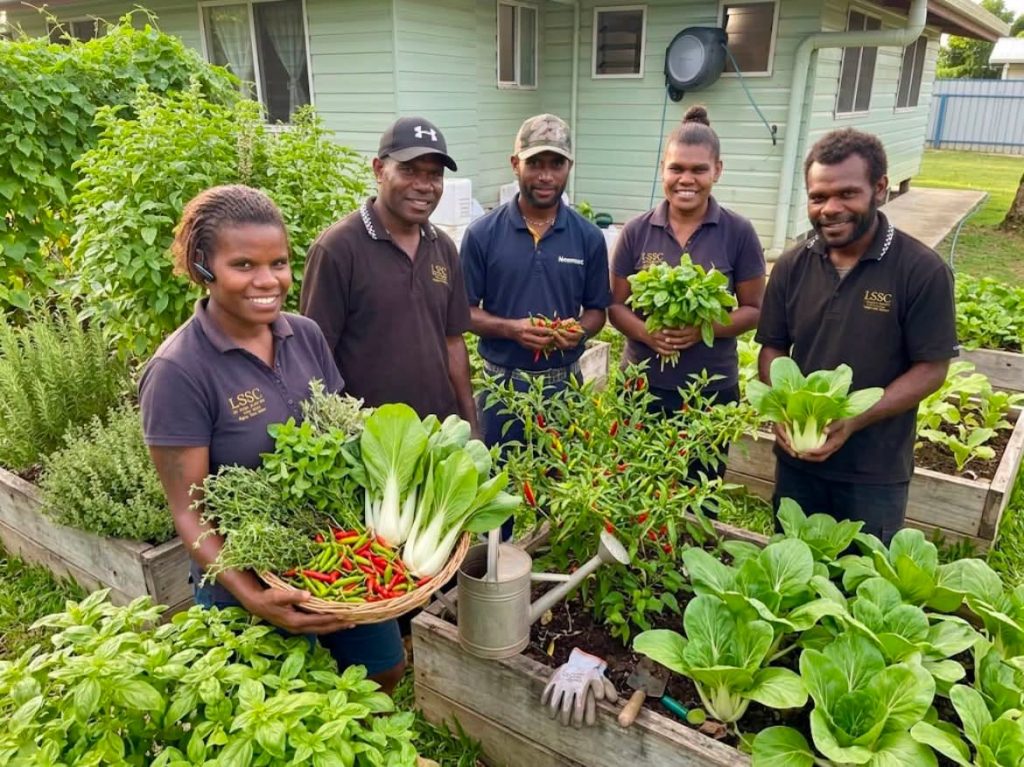
Zimbabwean cuisine is rich in heritage, flavor, and sustainability, yet many traditional foods and techniques remain underutilized. In this webcast, Fezile Ncube in Masvingo, Zimbabwe and Martin Christensson in Rome, Italy, introduce the unique ingredients and techniques of Zimbabwean cuisine, the challenges in food knowledge, preservation and sustainability, and the role of chefs in shaping sustainable food systems through the ‘Whatz Cooking’ project.
Explore heritage recipes and make them your own
Every recipe is a living document. They are testaments of someone’s day, markers of a growing season’s climate, stories of migration and movement and of staying put. Become a part of your heritage cuisine’s story by working with and adapting its recipes.
SEE THIS IN ACTION
Chefs, as storytellers, create delicious ways for people to reconnect with food culture, putting agricultural origins, cultural traditions, and shared values on a plate. Through their craft, chefs can inspire others to try new things and learn more about what they may have previously ignored.
In this article you can find chefs sharing their take on heritage recipes and the stories behind them.
These are just four simple suggestions, courses of action with huge potential. Your next menu is an opportunity. We know that chefs have an incredible, unique capacity to inspire change as trusted messengers. Bringing these four areas of action to your community through food can have more of an impact than you might realize, and the stories of these ideas in action show us just that.
Worldchefs’ recent UNESCO participation also shared this lesson. UNESCO guidelines remind us that safeguarding heritage means ensuring its vitality, not freezing it in time. Culinary heritage is alive, and we are its heartbeat. How will knowing that change the pantry you protect?
Resources
The word innovationgets thrown around a lot these days, as if it’s something out of reach. Just like the word future. But neither really are – they’re right with us, on our plates. Below are three resources to get more involved in the future of food.
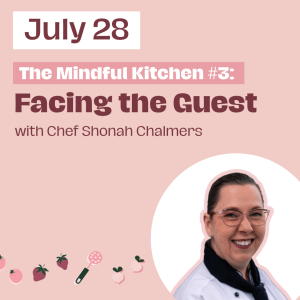
Sign up for The Mindful Kitchen #3: Facing the Guest
Learn how you can drive impact and inspire smarter food choices and sustainable kitchen leadership. On July 28th, we have the last installment of a three-part series on The Mindful Kitchen, part of the FoodChoices4LIFE initiative.
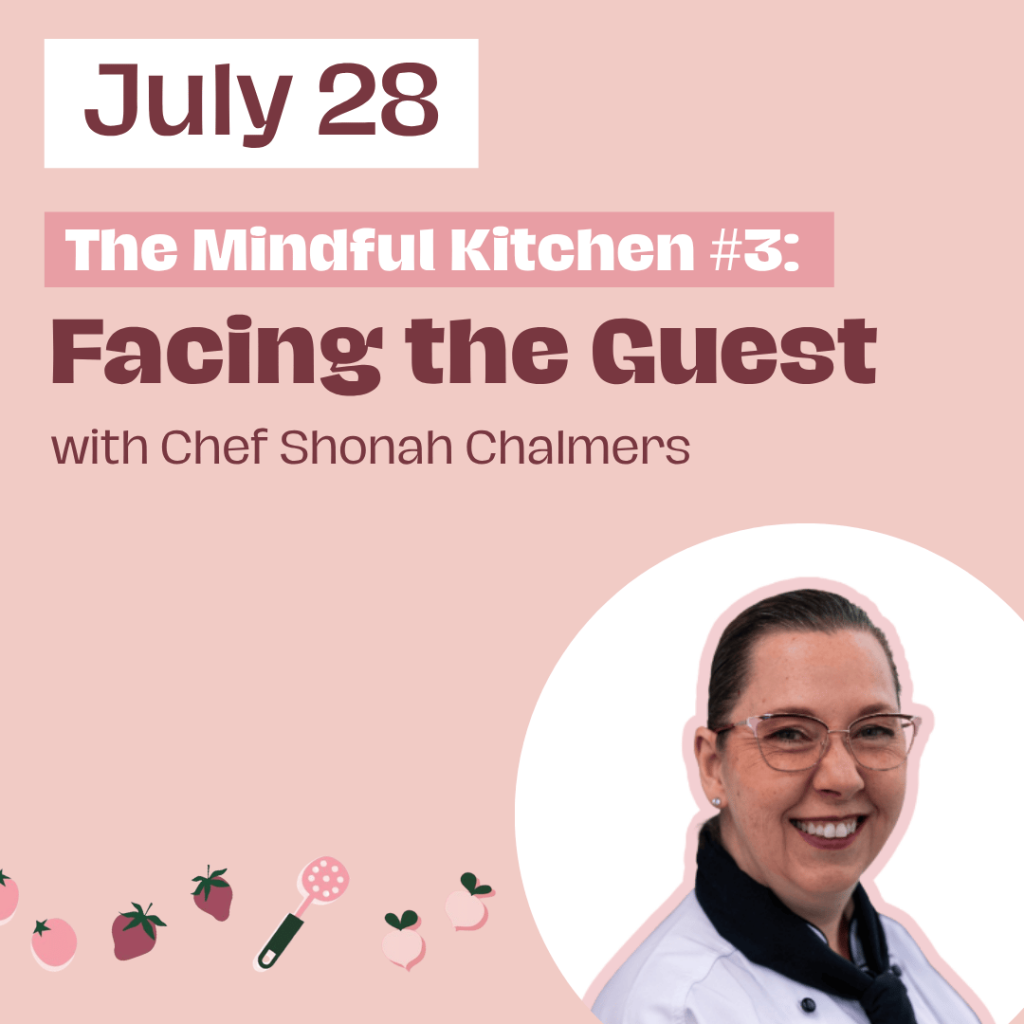
The Mindful Kitchen #3: Facing the Guest, presented by Chef Shonah Chalmers, dives into menu psychology, sustainable menu engineering, and subtle guest communication techniques that help drive climate-smart choices in food service environments.
Read more about chefs as trusted messengers in our June article:
A chef’s recommendation is more than a selling point. It’s an opportunity to rebuild trust and drive change.
From chefs’ specials to viral recipes, what a chef recommends means more now than ever. Whether it’s a new ingredient or an issue they advocate for, people care what’s cooking. Why?
Worldchefs just launched a new Young Chefs Mentorship Program Toolkit, a practical resource created to help National Chef Associations build structured mentorship opportunities for young chefs in their communities. The toolkit offers associations a clear starting point to connect young chefs with experienced culinary professionals, turning mentorship into a more accessible and consistent pathway for learning, confidence-building, and career development. Learn more about it here.
Find Worldchefs at the World Food Forum this October
Find Worldchefs at the World Food Forum (WFF) from 8 to 16 October 2026 at the FAO headquarters in Rome!
Learn more about the WFF Young Chef Programme here.
A chef’s recommendation is more than a selling point. It’s an opportunity to rebuild trust and drive change.
From chefs’ specials to viral recipes, what a chef recommends means more now than ever. Whether it’s a new ingredient or an issue they advocate for, people care what’s cooking.
Why? Every restaurant visit is a small exercise in trust. If a chef suggests a dish, a customer orders it not because they’ve studied its origins, ingredients, or technique. They try it because they trust the chef.
That trust is powerful. It can help to shape what and how people eat. It is fundamental in systems change and development, a binding agent — an essential ingredient of growth, societal well-being, and governance. Trust is also sorely lacking in so many institutions today, and much more difficult to add than a bit of salt.
The food service sector occupies a unique position between producers, policymakers, and consumers, making it a powerful driver for healthier and more sustainable food choices. Restaurants are increasingly serving as educational spaces and cultural conduits. In the halls of the United Nations, school canteens, community kitchens and boardrooms, chefs are showing up to deliver important recommendations.
Chefs have been recognized as agents of change for decades. But today they have a bigger platform than ever to drive change, as trusted messengers in their communities and in the global movement towards good food for all. In this article, we explore how building trust, insights from behavioral science, and global initiatives are providing chefs everywhere with opportunities to make an impact.
Trusted Messengers: Chefs deliver more than food & flavor
WHAT IS A TRUSTED MESSENGER?
We’re borrowing the termfrom public health. Trusted messengers are who people turn to for reliable, unbiased information. They can take many forms, from individuals to organizations. Be it a local health clinic, hairdresser, preacher or chef, who communities consider to be trusted messengers varies based on shared experience, identity, values, and built relationships. They earn this confidence by participating in and understanding culture. Their position and perceived credibility means they can deliver messages that make sense to their community, messages that are more likely to have influence.
Beyond being respected sources of information, trusted messengers are also conduits, helping to deliver information across their network. They are essential in communicating the needs and concerns of their community to others. They help to center values by sharing them in an authentic way, and by doing so, ensure that our food systems are grounded in lived experience and wellbeing, not just technical solutions.
Who delivers a message matters. They are the bridge between information and action. Whether or not the messenger is trusted makes all the difference.
CHEFS & THE STATE OF TRUST
We don’t really need references to write that trust, broadly, is at a low point. The research might still stun. The 2026 Edelman Trust Barometer finds that 70% of the global survey’s 33,938 respondents across 28 nations are hesitant or unwilling to trust someone who has different values, information sources, approaches to societal problems, or backgrounds than them. Optimism is at a low, too, with just 32% of people globally believing the next generation will be better off.
While trust in institutions, media, and others wanes, greater transparency is also being demanded, especially when it comes to food. Despite the pessimism, people care about and are actively seeking information on what they eat. The question is: who do people trust enough to listen to?
In the face of a global food crisis, the news isn’t always easy to swallow. But who would shoot the messenger when they’re bringing you a delicious meal? Perhaps this is one of the many reasons behind why chefs make strong trusted messengers, and why recent research shows that food service professionals are increasingly viewed as trusted voices.
The new Consumer Observatory Trust Report from EIT Food – The State of Trust in Europe’s Food System tracks how trust has evolved between 2021 and 2025 across five key Food System actors: farmers, retailers, restaurants and caterers, manufacturers, and public authorities. Key findings from the report include:
Farmers continue to lead on trust: 68% of Europeans trust them in 2025.
Retailers are regaining trust, now at 54%.
Restaurants and caterers see the biggest gain, rising from 48% to 53%.
Authorities and manufacturers are improving, yet remain among the least trusted actors.
Transparency, competence, and care are the key drivers of trust recovery.
The Edelman Trust Barometer survey has also shown gains in food influencers as trusted voices, especially when it comes to leveraging relationships to boost institutional trust. A key finding in Trust’s 2026 report illustrated that trusted voices in food can open doors. People who trust influencers say they would trust or consider trusting a company they currently distrust if it were vouched for by someone they already trust, such as a food or lifestyle influencer (62%, among the 48% who trust an influencer). In a time when consumer confidence is desperately lacking, who or what a chef gets behind can also help to broker trust.
The data show that chefs yield power. As connectors and food culture custodians, they serve as a direct link between diverse food systems actors through their daily interactions with food producers and diners alike. Their expertise and credibility give them a unique platform to educate on topics ranging from nutrition and biodiversity to local sourcing and agroecology. Their reach helps shape food choices across the food web.
Food is deeply connected to emotion, memory, and personal histories. As storytellers, chefs make tangible what usually gets lost in technical jargon or policy dialogue. Through the universal language of food, they translate complex issues into relatable, actionable messages that resonate with decision makers, from heads of household to heads of state.
Rising trust in restaurants, caterers, and food influencers demonstrates the growing influence of chefs as trusted messengers. It also offers an opportunity to inform how we can rebuild trust, centering identity, values, and community engagement. Trust is a prerequisite for meaningful behavior change. By understanding where and why trust is making gains, communities, advocates, and policymakers can better support the movement towards healthier and more sustainable diets.
Today, everyone has to take action to make our planet a better place. Working on sustainability can be done with little action: more plants in your food, less waste, using blue water to cook, grey water to clean, etc. Every small action makes a difference. Let’s do this together.
TRUST & CHANGING WHAT WE EAT: LEVERAGING BEHAVIORAL SCIENCE
We know that cost, convenience, and taste are top considerations when it comes to consumer choices. Yet even in a cost-of-living crisis, 88% of consumers consider trust to be just as important as price and quality. Chefs, as trusted messengers, can inform these choices. People listen to chefs; they act on their recommendations. This is a bigger deal than most might realize.
What we choose to eat has far-reaching impacts on both markets and climate. Consumers’ purchasing decisions account for about 60% of the world’s GDP and constitute nearly half of food-related greenhouse gas emissions. The food environment impacts how people make these choices, and while it can be forced using strategies like taxes and bans, these measures only go so far. To get to the root, we need to change behavior.
When it comes to shifting consumer food decisions, research shows that positive and engaging experiences do more than fear-based messaging. The emerging field of culinary psychology explores how memory, culture, emotion, and environment shape what and how we eat. Chefs influence behavior through many different methods, including menu architecture, plating, portion perception, and sensory cues, to create satisfying, health-conscious experiences while maintaining people’s sense of autonomy. Essentially, they make change fun rather than fearful.
Stelios Kiosses, psychotherapist, Course Director at the University of Oxford, and author of Culinary Psychology: Food Choices and the Mind-Body Connection, is a pioneering voice in the emerging field of culinary psychology. With over three decades of clinical experience, Stelios explores how food is inseparably connected to how we think, feel, and live. In this podcast, he discusses the ways chefs and culinary experiences can influence wellbeing, behavior, and satisfaction.
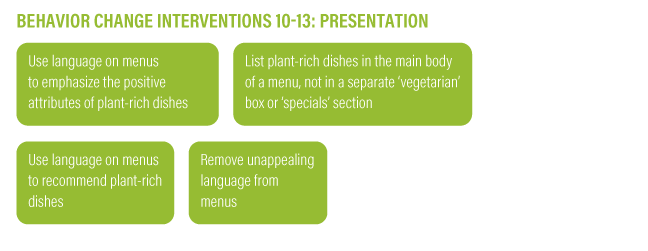
Everyday success stories and the latest research show that co-creating behavioral change interventions with restaurants works. Simple strategies, like using more appealing language to describe a plant-rich dish, are helping to accelerate better consumer choices. For example, Panera Bread swapped the menu item name “Low Fat Vegetarian Black Bean Soup” to “Cuban Black Bean Soup” in trial markets and saw a 13% sales boost. Simple. Ditching “-isms” and making plant-rich dishes the default in schools, hospitals, businesses, and workplaces is yielding remarkable results, too. With the help of behavior science, simple changes like these are having a big impact.
WRI’s Better Buying Lab outlines the top 23 ‘behavior change’ strategies drawing on cutting edge academic research into how people choose food, as well as insights from experts in the food service industry about what works and what doesn’t.
Behavioral change interventions in the food service sector have great potential in the puzzle toward healthier and more sustainable food choices, shifting consumer choices in a positive and engaging way. Chefs, as key voices working at the systems level, have a huge part to play.
From changing menus to participating in global initiatives, chefs are putting behavior change playbooks into action, leveraging behavioral science and using their expertise to cultivate trust and connection through transparency, competency, and care.
Transparency, Competency, Care: Feeding community trust
The recently released EIT report outlined transparency, competence, and care as the key drivers of trust recovery. When you think about it, those three elements are essential to the way professional kitchens operate.
To be successful, chefs need to bring transparency, competence, and care into every part of their work, from procurement and menu development to food safety and plating. Opportunities to lean into these priorities and to build trust show up in their daily decisions and interactions with suppliers, colleagues, and diners.
With a larger platform than ever to effect change, chefs around the globe are channeling their expertise, credibility, and platforms to empower communities and help to redesign a better food system. International initiatives like FoodChoices4Life and the World Food Forum’s Young Chefs Programme are working in collaboration with Worldchefs to grow the movement through education, mentorship, and practical guidance for culinary professionals everywhere. Emergency food relief efforts between World Central Kitchen and World Chefs Without Borders are showing the public that when systems fail, we can trust that chefs will be on the frontlines to feed their communities. And so many local programs are making social impact a key part of their culinary practice.
Through global initiatives and the actions of an increasing number of culinary associations, schools, and industry leaders, the food service sector continues to build skills to feed greater community trust, within the industry and beyond.
“This initiative is an incredible opportunity to work with young chefs from across the globe as they champion sustainable food systems in their communities, tackling issues such as food waste, nutrition, biodiversity, food heritage, and women’s empowerment,” says Jordann Norbert, Chief Executive Officer at EcoFood Training and Certification Agency and mentor for the FAO World Food Forum Young Chefs Programme (YCC). Learn more about the YCC here.
Takeaways
Chefs are more than food influencers. They are trusted messengers, policy advocates, and system shapers. Their expertise and storytelling capacity are powerful resources in achieving good food for all. By leveraging their influence, chefs can foster shared experience and community trust, impact behavior change and consumer habits, and reach policy and decision makers. From immigration reform and school meals to supporting small-scale producers and protecting biodiversity, chefs are actively engaged in issues that matter most.
As business owners, market drivers, and community builders, empowering their potential as trusted messengers is essential in recovering trust across the food web and working together towards a healthy, fair, and delicious food future.
Education is fundamental in this process. Open source resources to educate chefs on sustainable practices and behavioral science are bringing more culinary professionals into the fold. Mentorship and training programs like the Young Chefs Programme are equipping the next generation of industry leaders with the networks and know-how needed to tackle the world’s biggest challenges. All of this work is recovering trust — and recovering hope.
Systems change requires that we work together, and that requires trust. Chefs are connectors at every point in the food system and invite diverse voices to the table. Their invitation to action helps to drive meaningful engagement across communities, sectors, and demographics, and fights back against insularity.
Where can we build trust and connect to find common ground? The chef’s table is a great place for both.
Resources
Education is essential to continue to grow the movement and to strengthen every chef’s capacity as a trusted messenger and changemaker.
Worldchefs’ is offering three upcoming webinars as part of the FoodChoices4LIFE initiative:
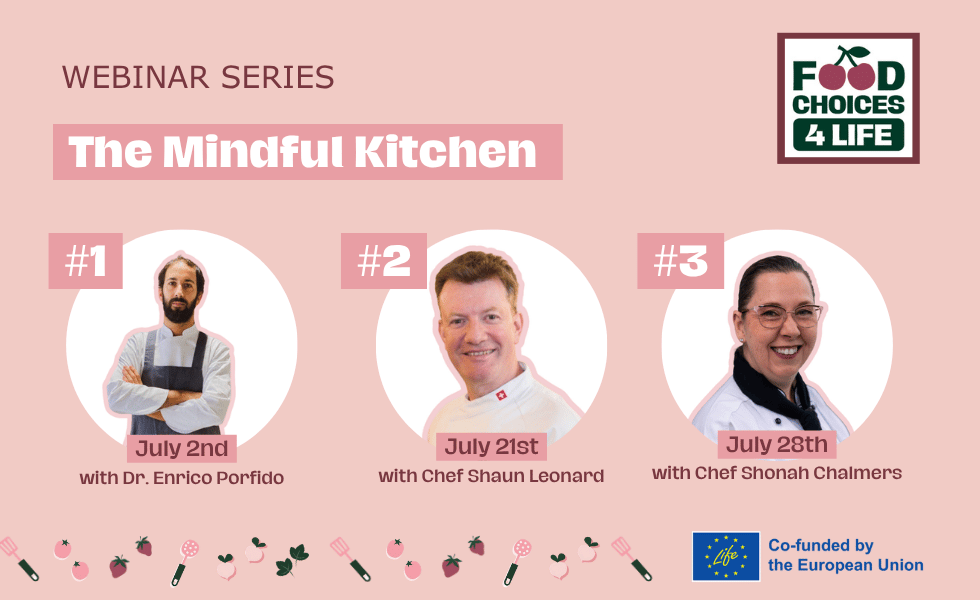
The Mindful Kitchen. Designed for future-forward culinary professionals, the series explores how chefs can lead the transition toward more sustainable food systems through climate-smart kitchen practices, menu design, and guest engagement.
Across three connected episodes, top global experts will show how to bridge the gap between global food systems, daily kitchen operations, and consumer menu psychology, giving chefs practical tools to cut costs, eliminate waste, and inspire climate-smart dining.
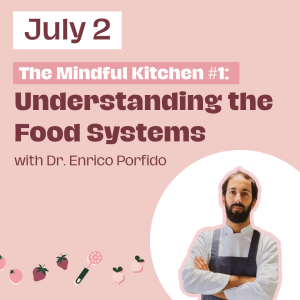
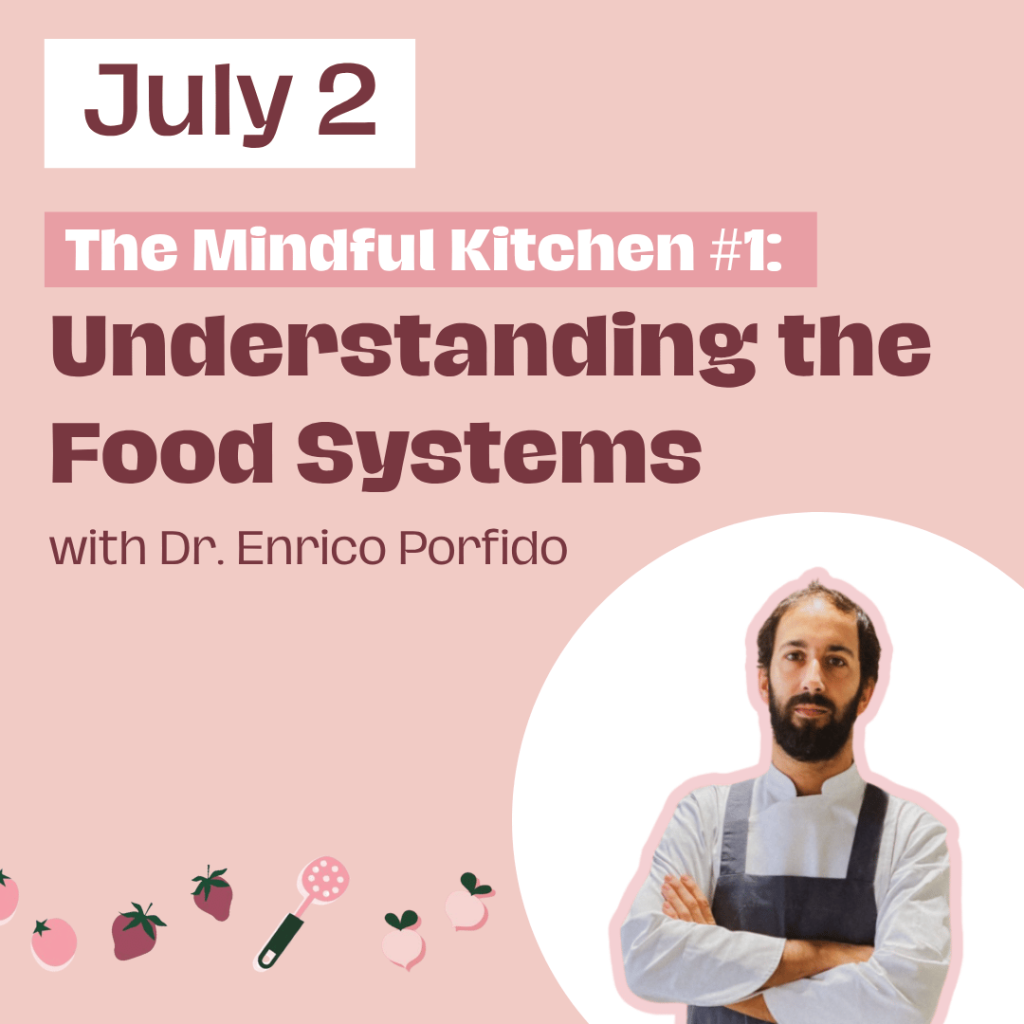
The series begins on July 2, 2026, with The Mindful Kitchen #1: Understanding the Food Systems, featuring Dr. Enrico Porfido from the Universitat de Barcelona. This foundational webinar explores the global farm-to-fork network, the role of food policies, and how chefs can use menus and guest experiences to encourage climate-smart dining.
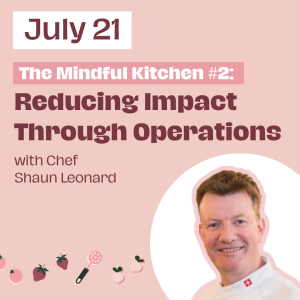
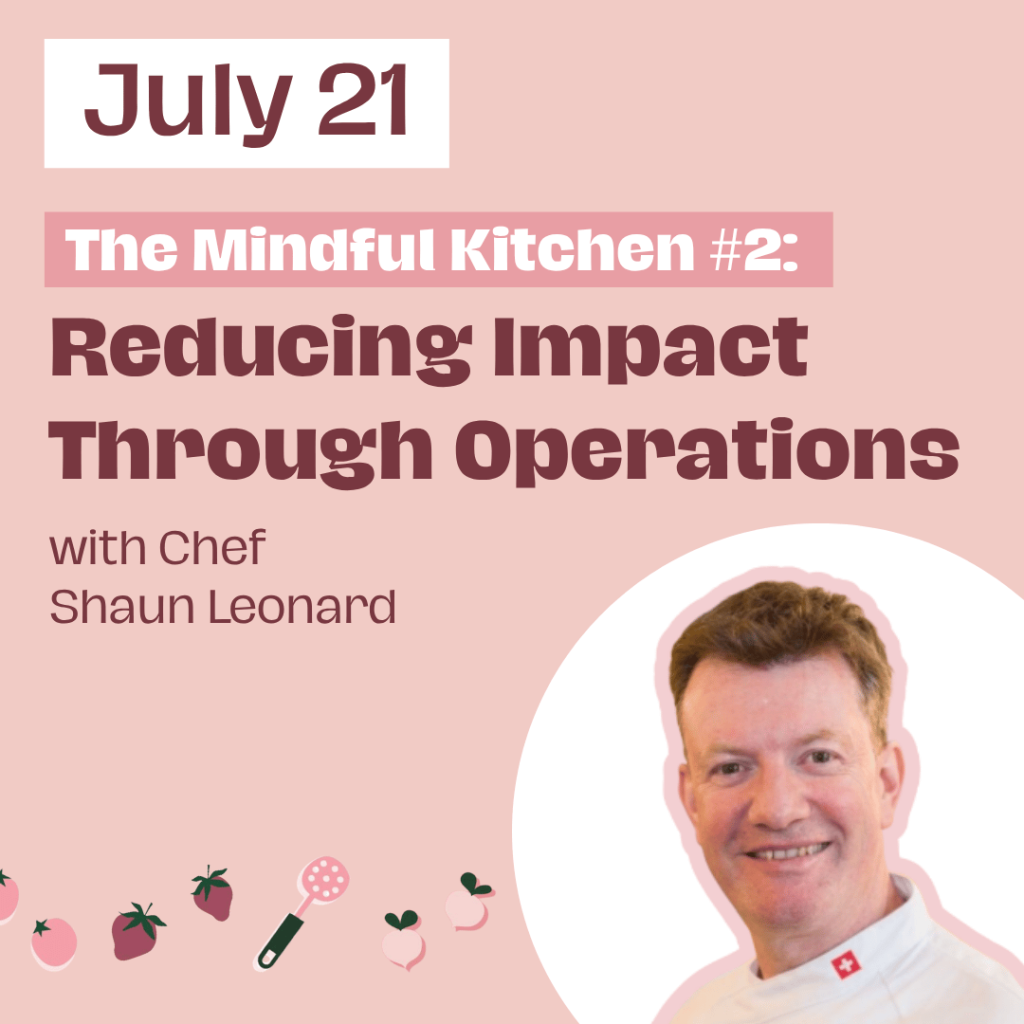
On July 21, 2026, Chef Shaun Leonard of BHMS Swiss Culinary Academy leads The Mindful Kitchen #2: Reducing Impact Through Operations. Focused on zero-waste kitchen strategies, the session will cover full-product utilization, food waste tracking, upcycling techniques, and building a sustainability-driven kitchen culture.
The series concludes on July 28, 2026, with The Mindful Kitchen #3: Facing the Guest, presented by Chef Shonah Chalmers. This session dives into menu psychology, sustainable menu engineering, and subtle guest communication techniques that help drive climate-smart choices in food service environments.
Please note: Signing up for the first webinar will automatically register you for all three.
Learn more about FoodChoices4Life in the latest edition of Worldchefs Magazine: Issue 32.
About FoodChoices4LIFE
FoodChoices4LIFE is a European initiative empowering citizens and food professionals to accelerate climate action and behavioral change in food systems. Building on the legacy of previous EU LIFE projects, this initiative promotes healthier, more sustainable diets through education, awareness campaigns, and practical tools.
AbouttheFoodChoices4LIFE Partners
Worldchefs: Worldchefs is a non-political professional organisation, dedicated to maintaining and improving the culinary standards of global cuisines. We accomplish these goals through education, training, and professional development of our membership. As an authority and opinion leader on food, Worldchefs represents a global voice on all issues related to the culinary profession.

EUFIC (Coordinator): The European Food Information Council (EUFIC) is a consumer-oriented non-profit organisation, founded to make the science behind food and health more accessible and easier to understand among the public. Our mission is to produce science-based content to empower and facilitate healthier and more sustainable diets and lifestyles among European citizens.

University of Tuscia: University of Tuscia, founded in Viterbo in 1979, rapidly developed into a well-established cultural reference. With over 10,000 students and 200 faculty members, it is recognized for research in forestry, climate change, and innovation in food systems, including food loss and waste reduction. The Department for Innovation in Biological, Agri-food and Forest Systems is now engaged in the FoodChoices4Life project.

Interested in advocacy?
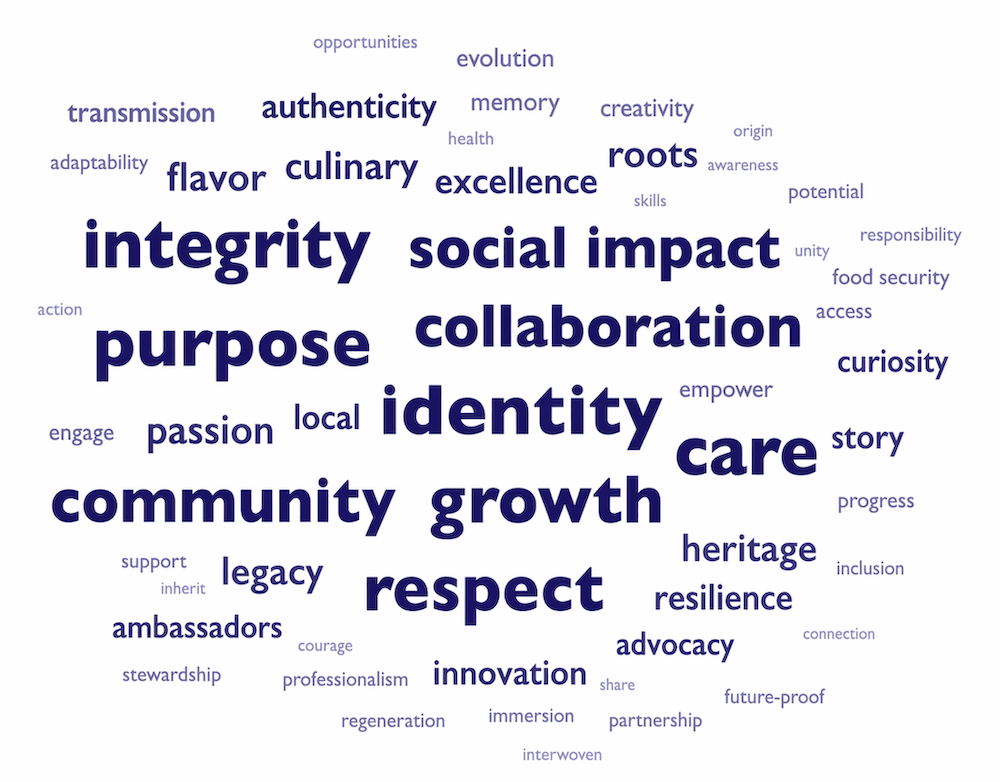
We asked Worldchefs’ national associations, Education Partners, and Executive Committee to share words that reflect the priorities of their members at this moment. Here’s what matters most to chefs. It’s one reason to stay optimistic.
If you are interested in getting involved in global advocacy, or if you have a local project to share, we want to hear from you.
Contact the Worldchefs team to talk more about the many ways you can get involved in advocacy related to a wide range of topics.
Worldchefs is proud to announce three upcoming webinars as part of the FoodChoices4LIFE initiative: The Mindful Kitchen. Designed for future-forward culinary professionals, the series explores how chefs can lead the transition toward more sustainable food systems through climate-smart kitchen practices, menu design, and guest engagement.
Through three connected webinar sessions, participants will gain concrete insights and actions to influence sustainable food choices.
The series begins on July 2, 2026, with The Mindful Kitchen #1: Understanding the Food Systems, featuring Dr. Enrico Porfido from the Universitat de Barcelona. This foundational webinar explores the global farm-to-fork network, the role of food policies, and how chefs can use menus and guest experiences to encourage climate-smart dining.
On July 21, 2026, Chef Shaun Leonard of BHMS Swiss Culinary Academy leads The Mindful Kitchen #2: Reducing Impact Through Operations. Focused on zero-waste kitchen strategies, the session will cover full-product utilization, food waste tracking, upcycling techniques, and building a sustainability-driven kitchen culture.
The series concludes on July 28, 2026, with The Mindful Kitchen #3: Facing the Guest, presented by Chef Shonah Chalmers. This session dives into menu psychology, sustainable menu engineering, and subtle guest communication techniques that help drive climate-smart choices in foodservice environments.
All webinars will take place at 2 PM CET and will be streamed on Zoom, Facebook Live, and YouTube. Zoom participants will also receive a digital badge and certificate upon completion.
Join us for this engaging webinar series and discover how you can drive impact and inspire smarter food choices and sustainable kitchen leadership. See you then!
Please note: Signing up for the first webinar will automatically register you for all three.
About FoodChoices4LIFE
FoodChoices4LIFE is a European initiative empowering citizens and food professionals to accelerate climate action and behavioral change in food systems. Building on the legacy of previous EU LIFE projects, this initiative promotes healthier, more sustainable diets through education, awareness campaigns, and practical tools.
Co-funded by the European Union. Views and opinions expressed are, however, those of the author(s) only and do not necessarily reflect those of the European Union or CINEA. Neither the European Union nor the granting authority can be held responsible for them.
AbouttheFoodChoices4LIFE Partners
Worldchefs: Worldchefs is a non-political professional organisation, dedicated to maintaining and improving the culinary standards of global cuisines. We accomplish these goals through education, training, and professional development of our membership. As an authority and opinion leader on food, Worldchefs represents a global voice on all issues related to the culinary profession.
EUFIC (Coordinator): The European Food Information Council (EUFIC) is a consumer-oriented non-profit organisation, founded to make the science behind food and health more accessible and easier to understand among the public. Our mission is to produce science-based content to empower and facilitate healthier and more sustainable diets and lifestyles among European citizens.
University of Tuscia: University of Tuscia, founded in Viterbo in 1979, rapidly developed into a well-established cultural reference. With over 10,000 students and 200 faculty members, it is recognized for research in forestry, climate change, and innovation in food systems, including food loss and waste reduction. The Department for Innovation in Biological, Agri-food and Forest Systems is now engaged in the FoodChoices4Life project.
We use cookies on our website to give you the most relevant experience by remembering your preferences and repeat visits. By clicking “Accept All”, you consent to the use of ALL the cookies. However, you may visit "Cookie Settings" to provide a controlled consent.
This website uses cookies to improve your experience while you navigate through the website. Out of these, the cookies that are categorized as necessary are stored on your browser as they are essential for the working of basic functionalities of the website. We also use third-party cookies that help us analyze and understand how you use this website. These cookies will be stored in your browser only with your consent. You also have the option to opt-out of these cookies. But opting out of some of these cookies may affect your browsing experience.
Necessary cookies are absolutely essential for the website to function properly. These cookies ensure basic functionalities and security features of the website, anonymously.
Cookie
Duration
Description
cookielawinfo-checkbox-analytics
11 months
This cookie is set by GDPR Cookie Consent plugin. The cookie is used to store the user consent for the cookies in the category "Analytics".
cookielawinfo-checkbox-functional
11 months
The cookie is set by GDPR cookie consent to record the user consent for the cookies in the category "Functional".
cookielawinfo-checkbox-necessary
11 months
This cookie is set by GDPR Cookie Consent plugin. The cookies is used to store the user consent for the cookies in the category "Necessary".
cookielawinfo-checkbox-others
11 months
This cookie is set by GDPR Cookie Consent plugin. The cookie is used to store the user consent for the cookies in the category "Other.
cookielawinfo-checkbox-performance
11 months
This cookie is set by GDPR Cookie Consent plugin. The cookie is used to store the user consent for the cookies in the category "Performance".
viewed_cookie_policy
11 months
The cookie is set by the GDPR Cookie Consent plugin and is used to store whether or not user has consented to the use of cookies. It does not store any personal data.
Functional cookies help to perform certain functionalities like sharing the content of the website on social media platforms, collect feedbacks, and other third-party features.
Performance cookies are used to understand and analyze the key performance indexes of the website which helps in delivering a better user experience for the visitors.
Analytical cookies are used to understand how visitors interact with the website. These cookies help provide information on metrics the number of visitors, bounce rate, traffic source, etc.
Advertisement cookies are used to provide visitors with relevant ads and marketing campaigns. These cookies track visitors across websites and collect information to provide customized ads.