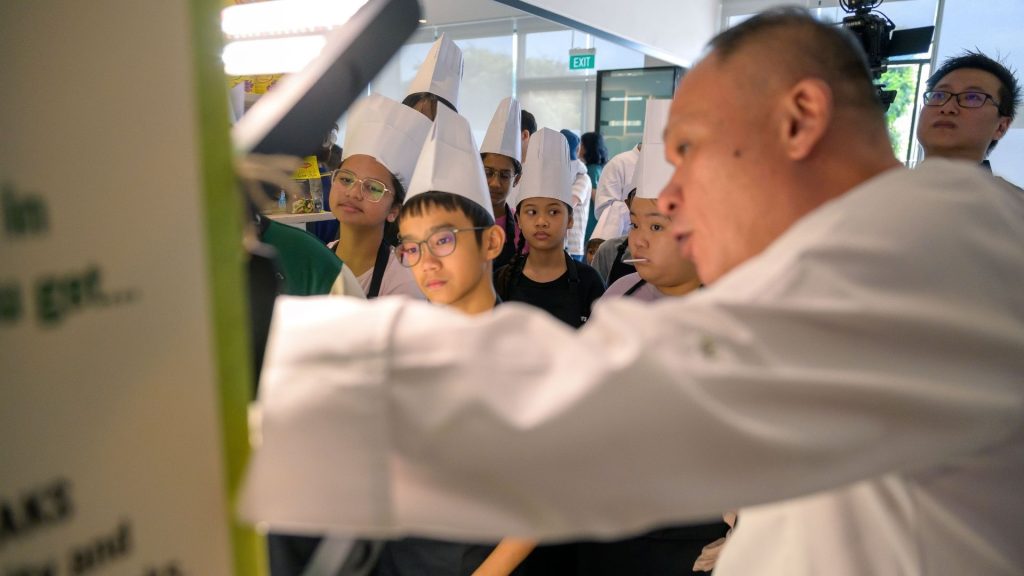
A chef’s guide to using tea as a tool for modern gastronomy.
What if the right tea pairing is not about matching flavours at all?
In professional gastronomy, pairing is ultimately about balance. And tea gives chefs an unusually versatile way to create it, not simply as a beverage, but as an ingredient, aromatic, palate cleanser and finishing touch. At the Dilmah School of Tea, we encourage chefs to ask a different question: not “Which tea goes with this dish?” but “What does this dish need?”
Pair by Function
Think of tea as another tool in the chef’s repertoire.
A robust breakfast tea can lend structure and depth to slow-cooked meats. A delicate green tea can introduce freshness to seafood while respecting its natural sweetness. Earl Grey can bring citrus lift to pastry, while a smoky tea can add layers of complexity to savoury preparations.
The objective is not for tea to dominate. It is to make the hero ingredient more expressive.
Think Beyond the Plate
Tea’s role can extend across the entire dining journey.
A bright infusion can awaken the palate before a meal. A structured tea can temper the richness of a main course. A delicate herbal infusion can provide a clean, considered finish after dessert.
For tasting menus, tea offers another compelling advantage: complexity without alcohol. Its aromas, tannins and natural flavour spectrum can guide guests through subtle transitions while answering the growing demand for sophisticated no- and low-alcohol experiences.
Provenance Matters
For chefs, origin is more than a story. It influences performance.
With Dilmah’s commitment to Single Origin Pure Ceylon Tea, teas are grown, crafted and packed at origin, preserving the distinctive character of Sri Lanka’s diverse tea-growing regions. High-grown teas express differently from low-grown teas, giving chefs greater precision when building a pairing.
The result? Less reliance on pairing charts. More confidence to create.
Because once a chef understands tea’s contribution, freshness, body, aroma, tannin or balance, the possibilities become almost limitless. Tea pairing is not about following rules. It is about understanding flavour well enough to create your own.
About Dilmah Tea
Sri Lankan family tea company Dilmah, was established by Merrill J. Fernando to bring quality, Single Origin Ceylon Tea, garden fresh and unblended, to tea drinkers around the world. His Dilmah Tea brand was the first genuinely ethical tea brand, bringing a smile to the faces of the underprivileged in Sri Lanka, whilst giving consumers quality, authenticity and natural goodness in their cup of tea. For more information, visit https://www.dilmahtea.com/.
Become a Worldchefs Partner
Partner with Worldchefs to get connected with our international membership of professional associations, hospitality schools, and companies around the globe.
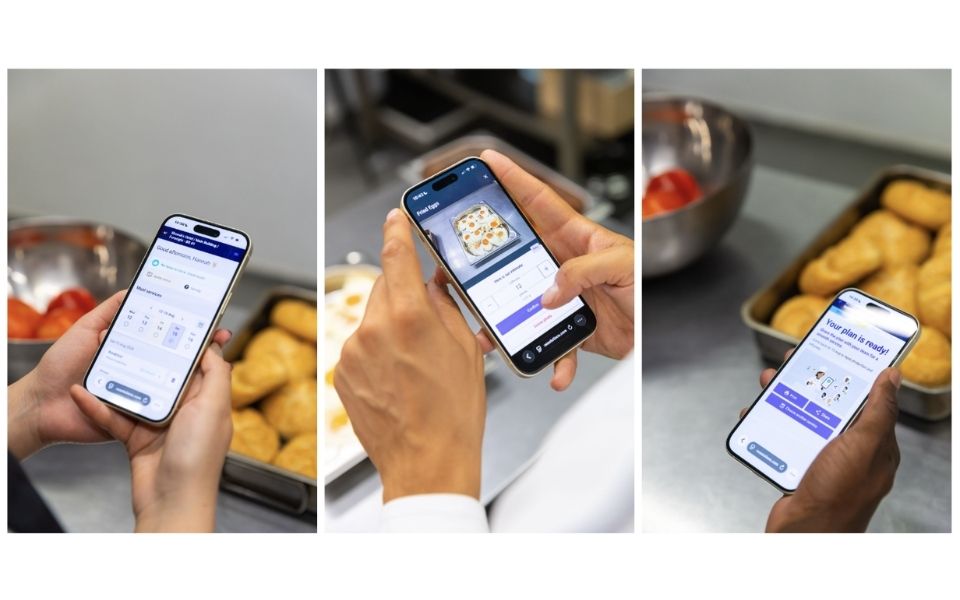
Winnow Foresight is designed to help hotel teams with smaller food and beverage footprints forecast demand more precisely and reduce overproduction while enhancing the guest experience
London, UK – 29 September 2026 – Winnow, the global Artificial Intelligence (AI)-powered food waste measurement company, today announced the launch of Winnow Foresight, a new mobile-first, AI-powered production forecasting solution built to help hotel kitchen teams predict guest demand and prevent food waste before it occurs.
Developed in collaboration with Hilton chefs, the new web app supports Hilton’s Travel with Purpose strategy by giving hotel teams practical tools to reduce overproduction, manage costs and improve the guest experience. Winnow Foresight was designed specifically for focused-service hotels and other properties with lighter food and beverage operations, a segment that has historically had less access to advanced food waste technology than larger, full-service properties. With more than 5,000 focused-service hotels around the world across brands such as Hampton by Hilton, Tru by Hilton, Hilton Garden Inn and others, Hilton offers a meaningful example of the segment the technology is designed to support.
Accessed via mobile device, Foresight is a web app that uses AI-powered forecasting to predict demand at the item level and help kitchen teams optimize production plans, giving them the insight to prevent overproduction before it happens rather than only measure waste afterwards. Early results from Hilton properties piloting Winnow Foresight point to meaningful reductions in overproduction alongside gains in food quality and guest satisfaction:
Hampton by Hilton Budapest cut the weight of leftovers by 69% within six months, including a 64% reduction in leftover croissants alone, while lifting breakfast satisfaction by 4% and reducing cost per cover by 10%.
Hilton London Croydon reduced the weight of leftovers by 52% within five months, including a 57% reduction in leftover sausage and a 48% reduction in leftover scrambled eggs, freeing up chefs’ time to focus on food quality rather than managing surplus.
Hilton Frankfurt Airport achieved a 66% total reduction in overproduction weight and a 5% saving on food costs.
“For years, Winnow has helped kitchens measure the food they waste. Foresight goes a step further and helps them see it coming. Working with Hilton’s chefs, we’ve built a tool that predicts demand at the item level, so teams can prepare the right amount of food from the start. That’s the difference between managing waste and preventing it,” said Marc Zornes, CEO of Winnow.
“Chefs at our focused-service hotels often operate with leaner teams and need simple, practical tools that work for smaller operations, so every decision about what to prepare each day matters,” said Chef Sebastian Nohse, Senior Director, Culinary and Food & Beverage Development, EMEA, Hilton. “Winnow Foresight takes the guesswork out of production planning. Our chefs are cooking with more precision, wasting less, and spending more time on the food itself rather than managing leftovers.”
Winnow and Hilton have partnered since 2017 to advance food waste reduction efforts across the hospitality industry. Winnow Vision, the company’s flagship food waste measurement system, is now installed across more than 220 Hilton hotels worldwide, together preventing more than 5,900 tons of food waste, avoiding more than 7.8 million wasted meals and 13,000 tonnes of CO2 equivalent emissions. Winnow Foresight extends that partnership into production planning and is currently live in approximately 13 Hilton hotels across Europe, the Middle East and Africa, with Hilton evaluating results ahead of a potential wider rollout.
About Winnow
Winnow builds AI tools that help chefs run leaner, smarter kitchens by cutting food waste in half. Trusted by leading hospitality brands including Hilton, Marriott, Accor, and IKEA, Winnow’s technology is used in 3,500+ kitchens in almost 100 countries. By giving teams daily insight into what’s being wasted and why, Winnow helps reduce overproduction, improve planning, and lower costs. A certified B Corporation, Winnow’s mission is to help the hospitality industry save $1 billion in food waste annually – because food is too valuable to waste. Founded in 2013, Winnow now has offices in London, Chicago, Cluj-Napoca, Dubai and Singapore. For more information, visit winnowsolutions.com.
Brussels, 28 September 2026 — For years, food-sustainability campaigns have followed the same playbook: tell people the facts, what to eat, then hope they listen. New research from the FoodChoices4LIFE EU-funded project suggests that playbook mostly fails, and one of its biggest failures is the label “plant-based” itself, which puts people off and feeds into a wider backlash against meat substitutes across Europe. That evidence is now shaping Cook4Climate, the project’s public-facing campaign, taking place this October and bringing together chefs and citizens from across Europe to show that tasty and sustainable eating can go hand in hand.
Why so many sustainability messages fail
Researchers from FoodChoices4LIFE reviewed 73 consumer-facing and 83 chef-facing interventions documented in the international scientific literature, then surveyed and ran focus groups with citizens in eight EU countries (Belgium, France, Germany, Italy, Poland, Romania, Spain and Sweden), and with chefs, to see what actually moves people.
What they realised is that much sustainability messaging still relies on a simple instruction, “eat less meat”, “go plant-based”, delivered through a poster, a leaflet or a social media post. It’s also the least effective approach available. Only 58% of the consumer-facing actions reviewed were shown to trigger any positive change in food behaviour, and simple messages and recommendations performed worst of any category (53% success), well behind education (86%, though that finding rests on just seven tested actions). Among chefs, the same pattern held: 70% of actions succeeded overall, but simple messaging lagged at 69%, against 91% for recipe changes and 76% for nudges like menu reordering.
The plant-based backlash
Delivery format wasn’t the only thing that mattered: what a message actually said was also important, especially around plant-based eating. Plant-based framed options such as adding plant-rich dishes to the menu without any indication that they are plant-based (28.3%) or highlighting the taste of plant-rich dishes (37.3%) landed with far less enthusiasm than dishes framed as seasonal or local: 59% for more seasonal options and 59.8% for more local options.
The same pattern held when it came to actual choices. Consumers said they were far more likely to cut down on meat by adding more vegetables (37.7%) or legumes (32.2%) to their plate than by reaching for a commercial plant-based meat alternative (26.5%). The resistance wasn’t to plant-based eating itself: consumers were happy to eat more vegetables and legumes, both of which are plant-based too. The resistance was to processed meat analogues, which they said would win them over through improved taste and texture, not by being marketed as ‘greener’. That reluctance held even when it came to replacing meat outright: given the choice, 36.4% would rather swap beef or lamb for chicken, pork or fish than for a plant-based alternative.
“We’ve spent years telling people to eat plant-based, and a lot of that messaging simply hasn’t landed. People hear it as a lecture, not an invitation. Cook4Climate is built on what the research says actually works: small, tasty, feasible swaps, more veg, more legumes, more seasonal ingredients, tap water over bottled, for citizens, with chefs playing their part through practical, recipe-level changes,” says Betty Chang, Research Area Lead at EUFIC.
What Cook4Climate does differently
Instead of another simple instruction to eat less meat or go plant-based, Cook4Climate puts that evidence into action: a set of hands-on resources and activities that let citizens across the EU experience firsthand why sustainable eating matters, and take practical steps to make it happen this October.
A free digital cookbook where citizens can cook from 27 traditional recipes, one contributed by a chef from each EU Member State, each built around seasonal ingredients, plant-forward cooking, food preservation, or ingredients that are usually discarded, proving that classic, much-loved dishes can also be climate-smart. The recipes are organised by season, with substitutions listed so they can be cooked year-round.
A Europe-widesocial media cooking challenge where citizens, chefs and influencers are invited to put a sustainable spin on their cooking and inspire others to do the same. Participants can either cook a dish from the FoodChoices4LIFE cookbook or reinvent a traditional dish of their own, then snap a photo or video and share it using #Cook4Climate.
A series of sustainable cooking events where citizens can meet chefs and learn firsthand. More than 25 chefs are hosting over 50 events across Europe this month. Citizens can find one near them using the campaign’s interactive events map.
A web-based AI-driven app where citizens can track their food consumption and waste. It gives personalised feedback on the environmental impact of their choices, making the effect of everyday habits more tangible and helping counter climate-related misinformation.
A food waste quiz where citizens can identify the best ways for them to cut food waste, and get practical, personalised tips in return that help save money, protect the environment, and lower the risk of food poisoning.
A social media toolkit with a set of ready-to-use visuals for anyone who champions healthy and sustainable eating and wants to help spread the word about the campaign across their own channels.
Cook4Climate is also rallying chefs and food influencers from across Europe. Throughout October, a network of ambassadors will bring sustainable cooking to new audiences, from restaurant menus to social media feeds.
“Chefs shape millions of meals every day, and every menu is an opportunity to introduce people to new ingredients, flavours and dishes. That’s why chefs have such an important role in Cook4Climate. We can show that climate-smart food can be delicious, exciting and practical, while using our influence beyond the plate to inspire more sustainable food choices. By sharing what works with our teams, guests and fellow chefs, we can help bring even more people along,” says Shonah Chalmers, Sustainability Chair at Worldchefs.
How to get involved
If you cook at home: join the cooking challenge and share your dish using #Cook4Climate, join a chef-led cooking event near you on the campaign’s interactive map, and download the free recipe cookbook, app and quiz to start making small, feasible food choices that are good for you and the planet.
If you’re a chef, run a restaurant: visit the “For Chefs” section of cook4climate.eu to watch webinars on how chefs can drive sustainable food system change, access resources to spread the word, and join the cooking challenge.
If you’re a journalist: contact us to arrange interviews with the FoodChoices4LIFE research team, campaign spokespeople or participating chefs, and to find out more about the research behind the campaign. You can also support your reporting on healthy and sustainable diets through this press toolkit.
THE END
About Cook4Climate
Cook4Climate is the public-facing annual campaign of the FoodChoices4LIFE project, showing that tasty, healthy and sustainable eating can go hand in hand. Throughout October 2026 and 2027, it runs a cooking challenge involving influencers and chefs, and connects EU citizens with 25+ chefs hosting 50+ cooking events. The website serves as the heart of the campaign, where citizens, partners and chefs can find the resources they need to take part and learn how to make lasting changes in the kitchen. More at www.cook4climate.eu.
About FoodChoices4LIFE
FoodChoices4LIFE is a three-year project (1 October 2025 – 30 September 2028) co-funded by the EU LIFE programme (call LIFE-2024-SAP-CLIMA-GOV). It aims to help people across Europe eat healthier, live more sustainably and waste less, combining Europe-wide public campaigns with training for chefs, journalists and local administrators, and an AI-powered app to guide climate-smart meal choices. Over its lifetime, the project targets more than 100 in-person events, over 500,000 people reached through social campaigns, 500+ chefs engaged, and a 25–30% reduction in household dietary CO₂ emissions. It builds on two earlier EU LIFE projects, Su-Eatable Life and Climate Smart Chefs. The consortium is coordinated by EUFIC, with the University of Tuscia, Worldchefs and pOsti as partners.
Media contact
Lorena Vargas Media Manager at the European Food Information Council (EUFIC) +32 485 31 95 67 lorena.vargas@eufic.org
AbouttheFoodChoices4LIFE Partners
Worldchefs: Worldchefs is a non-political professional organisation, dedicated to maintaining and improving the culinary standards of global cuisines. We accomplish these goals through education, training, and professional development of our membership. As an authority and opinion leader on food, Worldchefs represents a global voice on all issues related to the culinary profession.
EUFIC (Coordinator): The European Food Information Council (EUFIC) is a consumer-oriented non-profit organisation, founded to make the science behind food and health more accessible and easier to understand among the public. Our mission is to produce science-based content to empower and facilitate healthier and more sustainable diets and lifestyles among European citizens.
University of Tuscia: University of Tuscia, founded in Viterbo in 1979, rapidly developed into a well-established cultural reference. With over 10,000 students and 200 faculty members, it is recognized for research in forestry, climate change, and innovation in food systems, including food loss and waste reduction. The Department for Innovation in Biological, Agri-food and Forest Systems is now engaged in the FoodChoices4Life project.
Strengthening global culinary communities through education, innovation, and kitchen hygiene leadership.
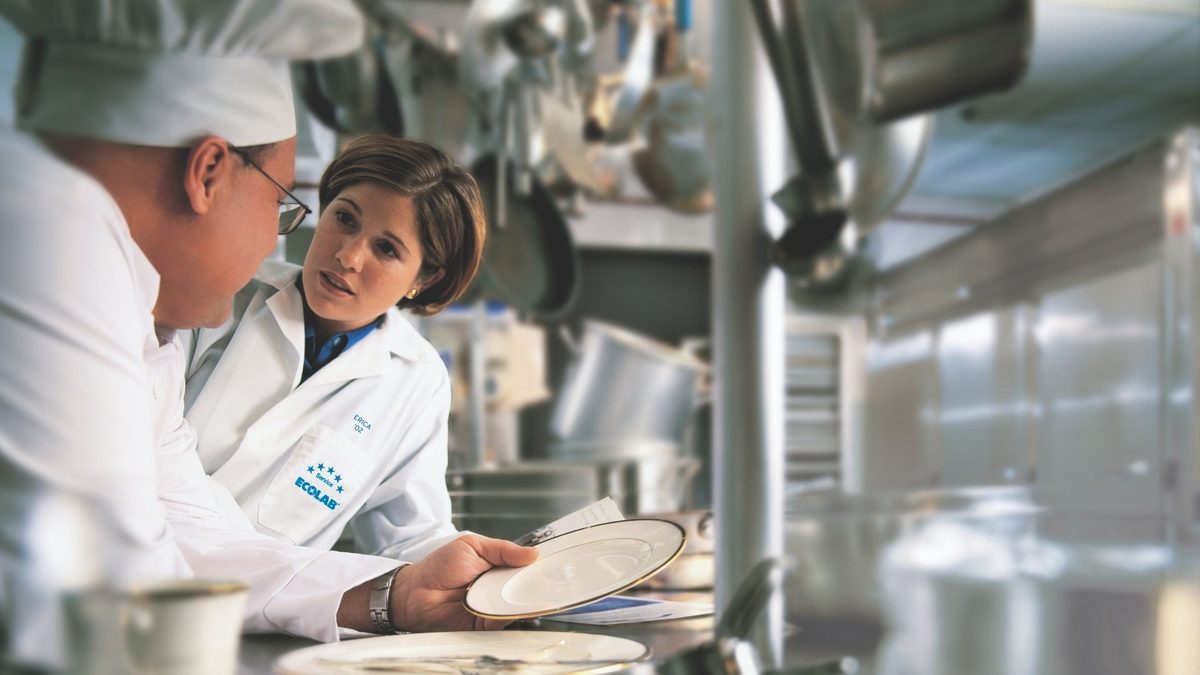
Ecolab, the global leader in water, hygiene and infection prevention solutions and services recently joined Worldchefs (The World Association for Chefs’ Societies) as a Collaborative Partner. Through this partnership, Ecolab and Worldchefs will work together to empower culinary professionals worldwide with the knowledge, tools, and best practices needed to create cleaner, safer, more sustainable, and efficient foodservice operations.
The partnership brings together Worldchefs’ global network of chefs and culinary educators with Ecolab’s expertise in food safety, hygiene, water stewardship, and operational performance. Together, the organizations will support chefs and foodservice professionals in addressing some of the industry’s most pressing challenges, from food safety and resource efficiency to sustainability and workforce development.
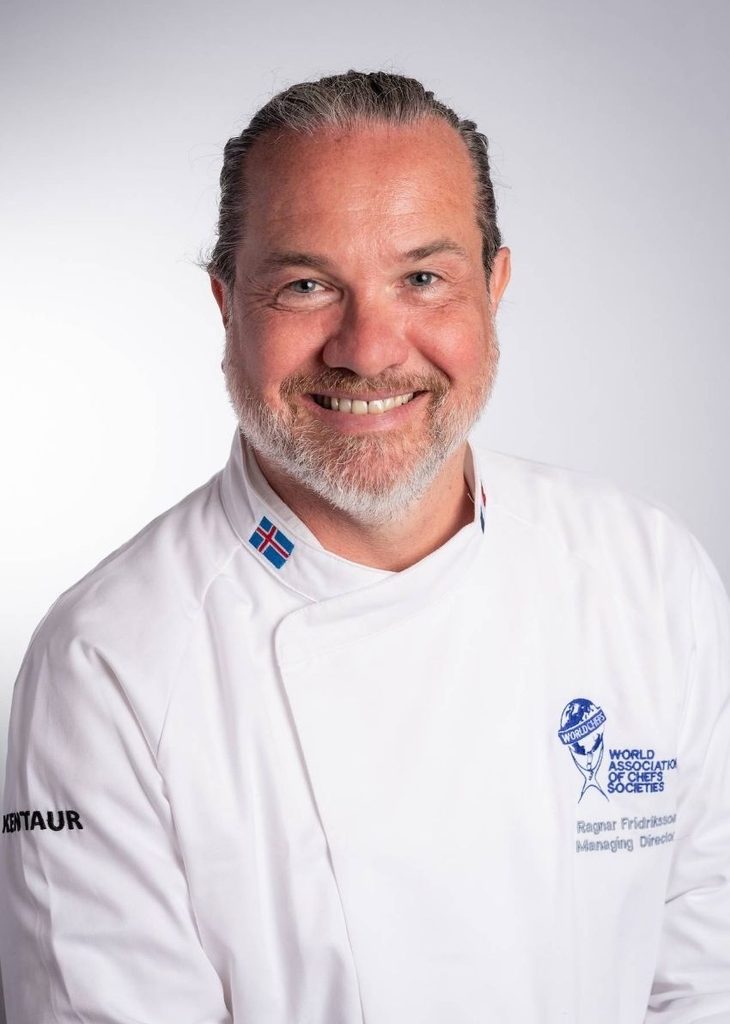
Ragnar Fridriksson
“At Worldchefs, we are committed to supporting culinary professionals with the education and resources they need to succeed in a rapidly evolving industry,” said Ragnar Fridriksson,Managing Director of Worldchefs.
“Ecolab shares our commitment to raising standards across professional kitchens, helping chefs protect guests, improve operations, and build more sustainable foodservice environments.”
As a trusted partner to restaurants, hotels, institutional kitchens, and foodservice operators around the world, Ecolab helps customers achieve high standards of cleanliness, food safety, and sustainability while improving business performance. Operating in more than 170 countries, the company combines science-based solutions, digital technologies, and expert service to help customers protect people and resources vital to life.
Through the partnership, Ecolab will contribute industry expertise and thought leadership to support Worldchefs’ educational initiatives, events, and community engagement activities. The collaboration will focus on advancing awareness around:
Food safety best practices
Hand hygiene and infection prevention
Sustainable kitchen operations
Water and energy conservation
Operational efficiency and cost optimization
Building a strong food safety culture across foodservice organizations
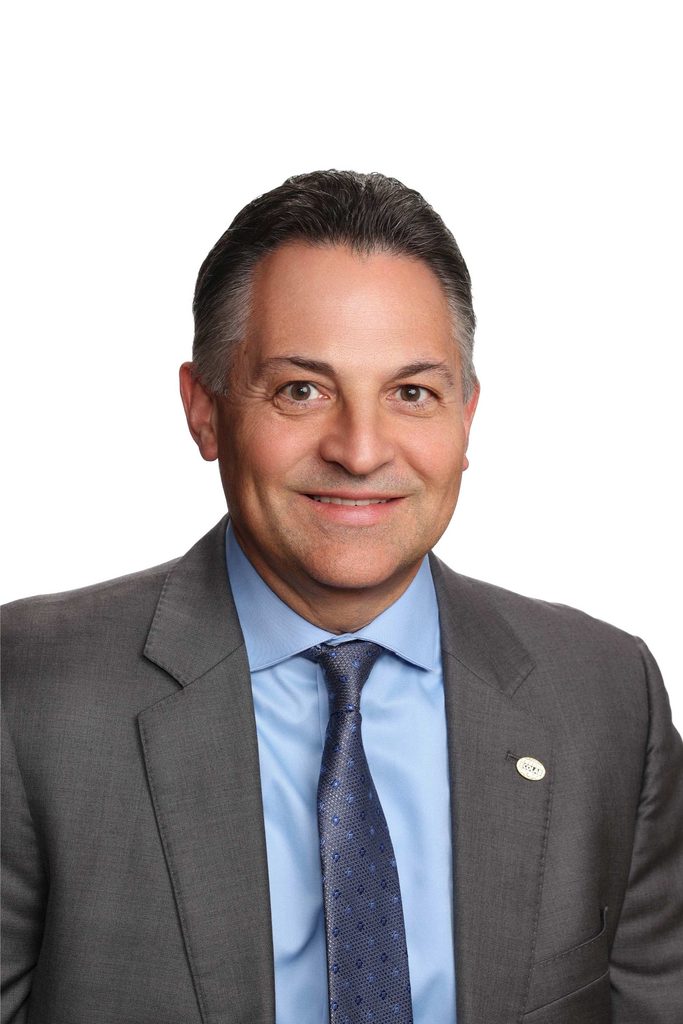
Greg Cocchiarella
“Chefs are at the heart of delivering exceptional guest experiences—ensuring clean, safe, and sustainable kitchen operations while improving efficiency and protecting the health and wellbeing of every guest”, said Greg Cocchiarella, VP of Industry Relations, Global Institutional at Ecolab.
“By partnering with Worldchefs, we can help provide culinary professionals with practical solutions and expertise that meet each operations unique business needs, while helping to create a more sustainable future for the industry.”
The partnership reflects both organizations’ shared vision of elevating standards throughout the global foodservice community. By combining Worldchefs’ reach and influence with Ecolab’s scientific expertise and innovation, the collaboration aims to inspire positive change across kitchens, culinary schools, hospitality businesses, and foodservice operations worldwide.
As the hospitality and foodservice sectors continue to evolve, Ecolab and Worldchefs look forward to supporting chefs with the knowledge and solutions needed to create clean, safe, and healthy environments where people can thrive.
About Ecolab
Ecolab (NYSE: ECL) is a global sustainability leader offering water, hygiene, and infection prevention solutions and services that help businesses protect people and the resources vital to life. With annual sales of approximately $16 billion and operations in more than 170 countries, Ecolab helps customers improve operational performance while advancing sustainability goals through science-based solutions, digital insights, and expert service.
Worldchefs, the World Association of Chefs’ Societies, is a global network of national chef associations dedicated to maintaining and improving culinary standards worldwide. Founded in 1928, Worldchefs supports chefs through education, certification, competitions, sustainability initiatives, networking opportunities, and industry partnerships that advance the culinary profession.
Become a Partner
Partner with Worldchefs to get connected with our international membership of professional associations, hospitality schools, and companies around the globe.
Not simply ingredients that fill a pantry, but ingredients with a story, a provenance and a purpose. Olive oil is selected for its origin. Chocolate for the character of its cacao. Vinegar for the depth created through time. Wine for the expression of its terroir.
So why should tea be any different?
For too long, tea has been relegated to the beverage station, something prepared after the meal rather than something that can shape it.
But tea has never been merely a beverage. It is an ingredient with remarkable culinary potential.
Think of Tea as a Flavour, Not a Beverage
Ask a chef what tea tastes like and the answer is rarely simple.
A tea can be floral and delicate. Bright and citrusy. Toasted and profound. Naturally sweet. Earthy. Herbaceous. It can carry gentle tannins, lingering umami or an aromatic finish.
These are not just tasting notes. They are culinary tools.
A fragrant Ceylon tea can bring aromatic lift to a dessert. A robust black tea can add depth to a reduction or marinade. A delicate green tea can introduce freshness without overwhelming a delicate ingredient. A smoky, roasted character can build complexity into a savoury dish.
The question, then, is not “How do I cook with tea?”. It is: “What can tea do for this dish?” That shift in thinking is where the opportunity begins.
Origin Changes Everything
For a chef, provenance is never a footnote. It influences the ingredient, the technique and ultimately the experience on the plate. At Dilmah, we believe tea deserves the same consideration.
Think of wine. A sommelier would never describe a wine simply as “red”. The vineyard, region, producer and vintage all contribute to its character. Tea is no different. Dilmah’s commitment to Single Origin Pure Ceylon Tea means the tea is grown, handpicked, crafted and packed in Sri Lanka, where it originates. From the mist-covered highlands to the warmer low-grown regions, differences in altitude, climate, rainfall and soil create distinctive expressions of Ceylon Tea.
For chefs, this is more than provenance. It is a flavour map.
Understanding where a tea comes from allows it to be approached with the same precision as any other serious culinary ingredient, considered for its character, matched to other ingredients and selected for the role it needs to play.
What Happens When Chefs Start Thinking Differently?
This is where tea becomes interesting. Because once tea leaves the beverage menu, its possibilities multiply. It can become:
A broth.
A beurre blanc.
A marinade.
An infused butter.
A glaze.
A dessert.
A pastry.
A bread.
A cocktail.
A zero-proof creation.
And perhaps most importantly, tea can add complexity without competing for attention. The finest culinary ingredients know when to lead and when to support. Tea can do both.
From the School of Tea to the Professional Kitchen
When the Dilmah Founder, Merrill J. Fernando founded Dilmah, his ambition extended beyond producing tea. He wanted the world to understand it, its origin, craftsmanship, character and possibilities.
That philosophy continues through the Dilmah School of Tea, where chefs, pastry professionals, sommeliers, mixologists and hospitality professionals from more than 100 countries have explored tea through a gastronomic lens.
The purpose is not simply to teach another collection of recipes. It is to change the way professionals think about tea. Because once you understand tea’s flavour architecture, you begin to see it differently. You stop asking where tea belongs on the menu. And start asking where it belongs on the plate.
The Hospitality Opportunity
Today’s guests are looking for more than something delicious. They remember discovery.
A tea pairing that transforms a familiar course. A dessert finished tableside with an aromatic infusion. A breakfast where tea appears across several courses. A zero-proof creation with the complexity traditionally associated with a cocktail.
These are not gimmicks. They are opportunities to create distinctive culinary experiences around an ingredient guests already know, but may never have experienced this way.
For chefs and hospitality professionals, that distinction matters. Because when menus become increasingly competitive, innovation does not always require an exotic new ingredient. Sometimes, it means looking again at the ingredient already in the kitchen.
For more than three decades, Dilmah has worked alongside chefs, hotels, culinary institutions and hospitality professionals to explore what tea can become.
Our belief is simple: Tea belongs wherever flavour is created.
Not simply beside the cup. Not simply at the end of the meal. But in the hands of the chef, where provenance becomes possibility, flavour becomes experience, and an ingredient as familiar as tea can become something entirely unexpected.
The next time you reach for tea, don’t ask what to brew.Ask what to create.
About Dilmah Tea
Sri Lankan family tea company Dilmah, was established by Merrill J. Fernando to bring quality, Single Origin Ceylon Tea, garden fresh and unblended, to tea drinkers around the world. His Dilmah Tea brand was the first genuinely ethical tea brand, bringing a smile to the faces of the underprivileged in Sri Lanka, whilst giving consumers quality, authenticity and natural goodness in their cup of tea. For more information, visit https://www.dilmahtea.com/.
Become a Worldchefs Partner
Partner with Worldchefs to get connected with our international membership of professional associations, hospitality schools, and companies around the globe.
In a busy professional kitchen, the best equipment improvements are often the ones that make everyday work simpler: less maintenance, easier training, dependable performance and more flexibility during service.
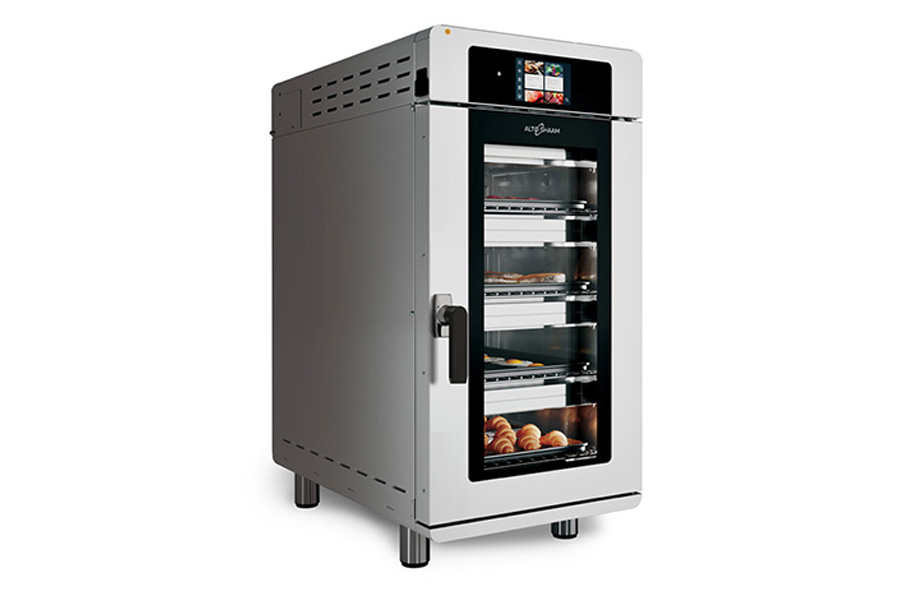
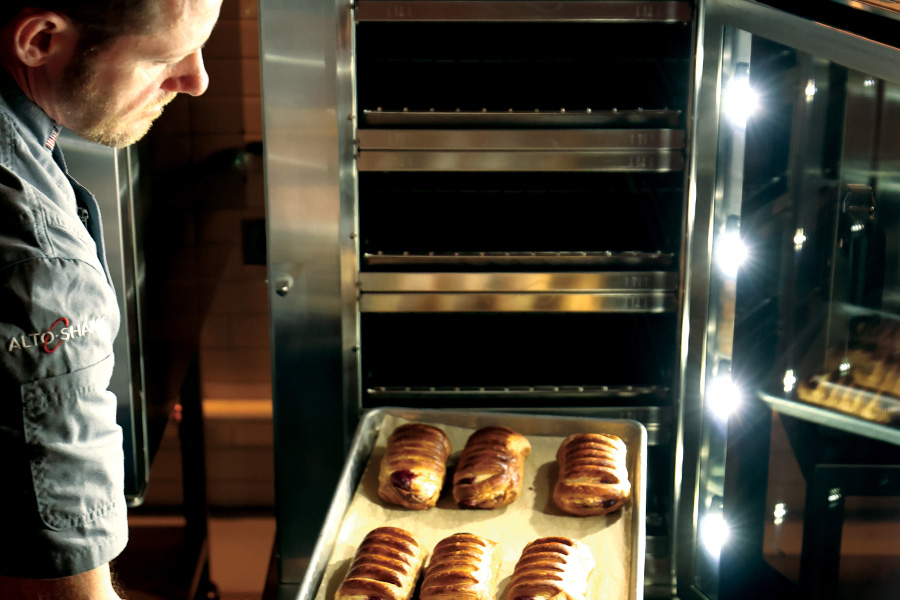
Worldchefs Global Partner Alto-Shaam has introduced a series of operator-driven updates to its Vector® VMC2 Multi-Cook Ovens, building on feedback from the people using the equipment in working kitchens. The latest developments focus on making the Vector experience easier to operate and maintain while supporting the consistency and flexibility kitchen teams need every day.
Built for multi-cook flexibility
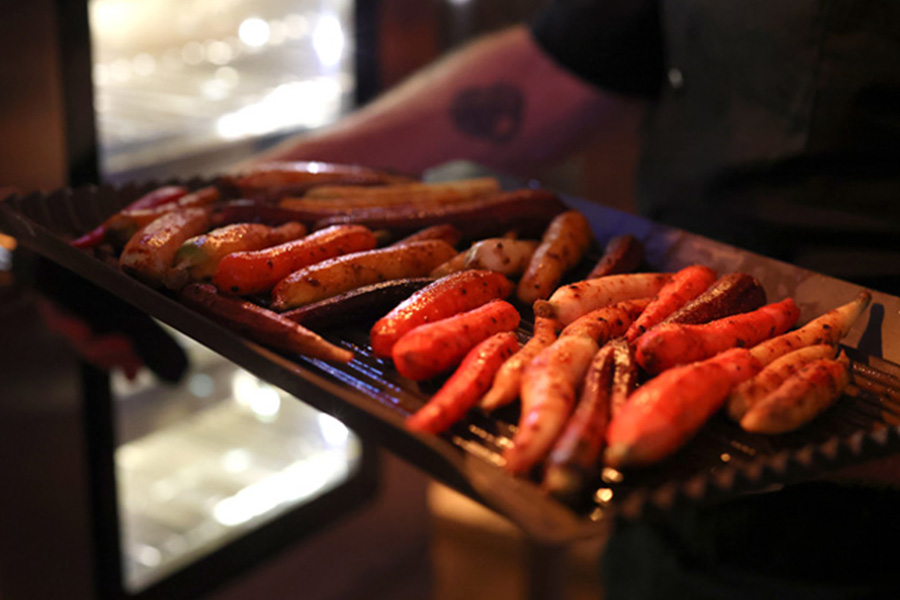
At the heart of the Vector VMC2 is Alto-Shaam’s Structured Air Technology®, which enables different menu items to cook simultaneously in independently controlled chambers without flavour transfer.
The Vector® VMC2-H4H Multi-Cook Oven is designed for kitchens where space is limited, combining ventless operation with a compact footprint. Individual chambers allow operators to adjust temperature, fan speed and cooking time separately, helping teams prepare a range of menu items at the same time while maintaining consistent results.
Five improvements shaped by operators
The latest VMC2 developments address some of the practical challenges teams encounter during everyday kitchen operations.
Maintenance-free air filters The updated design removes the recurring task of cleaning or replacing air filters, helping reduce routine equipment maintenance for kitchen teams.
A redesigned fan system Changes to the fan system are designed to support quieter and more efficient operation with reduced vibration and mechanical wear.
An enhanced cooling system Optimised airflow helps protect the oven’s electronics and maintain reliable performance, particularly in hot kitchens and tighter installations.
Capacitive touch controls An updated control interface aims to make operation intuitive for staff with different levels of experience, while also supporting quicker training.
Door safety and durability enhancements A reinforced door handle and door stopper have been introduced to strengthen durability and support safer everyday use in high-volume environments.
Together, the updates reflect a straightforward approach: keep the multi-cook performance operators already rely on, while refining the details that can make day-to-day kitchen work easier.
See the Vector VMC2 in action
See how the Vector VMC2 performs in a professional kitchen and watch it in action.
Founded in 1955, Alto-Shaam develops commercial foodservice equipment designed around the needs of professional kitchen operators. The family-led company pioneered the original Cook & Hold oven and today offers a broad portfolio of cooking, holding, chilling and display solutions. Alto-Shaam has been a Worldchefs Global Partner since 2023, supporting the global chef community through innovation, equipment solutions and educational content. For more information, visit https://www.alto-shaam.com/en/about-us.
About Worldchefs
The World Association of Chefs’ Societies, known as Worldchefs, is a federation made up of 110 national chef associations. A leading voice in the hospitality industry, Worldchefs carries years of history since its founding in 1928 at the Sorbonne by the venerable Auguste Escoffier.
Representing a mobilized international membership of culinary professionals, Worldchefs is committed to advancing the profession and leveraging the influence of the chef jacket for the betterment of the industry and humanity at large.
Worldchefs is dedicated to raising culinary standards and social awareness through these core focus areas:
Education – Worldchefs offers support for education and professional development through the landmark Worldchefs Academy online training program, a diverse network of Worldchefs Education Partners and curriculum, and the world’s first Global Culinary Certification recognizing on-the-job skillsin hospitality;
Networking – Worldchefs connects culinary professionals around the world through their online community platform and provides a gateway for industry networking opportunities through endorsed events and the biennial Worldchefs Congress & Expo;
Competition – Worldchefs sets global standards for competition rules, provides Competition Seminars and assurance of Worldchefs Certified Judges, and operates the prestigious Global Chefs Challenge;
Humanitarianism & Sustainability – Worldchefs Feed the Planet and World Chefs Without Borders programs relieve food poverty, deliver crisis support, and promote sustainability across the globe.
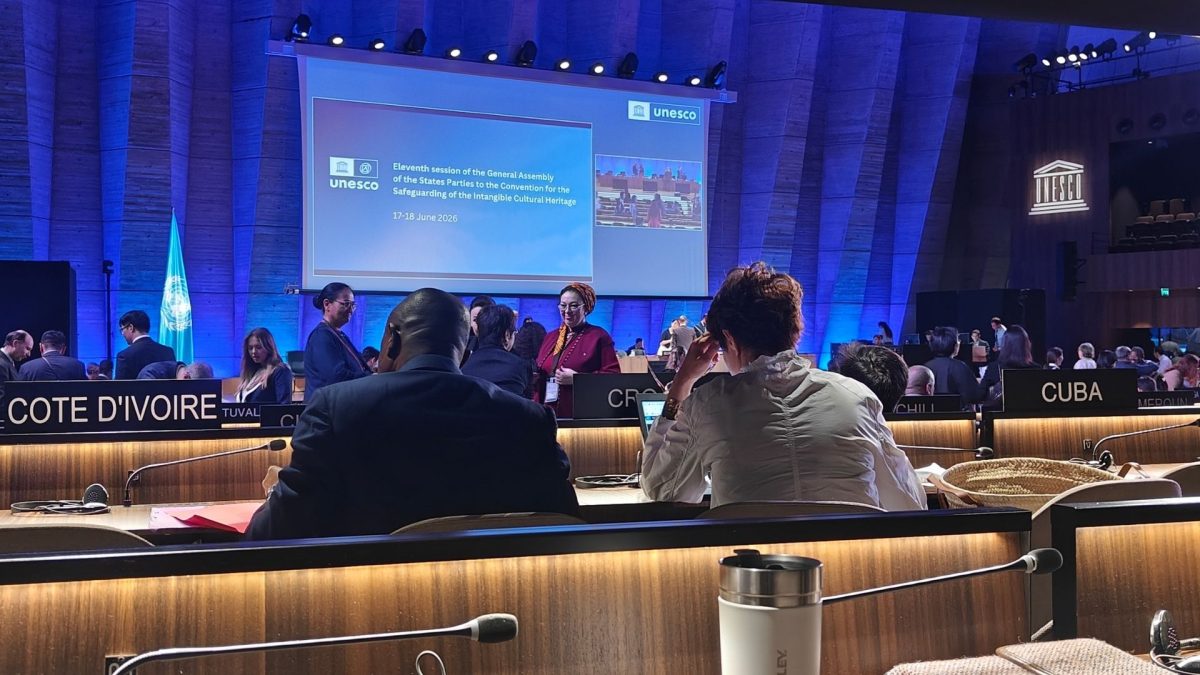
As part of Worldchefs’ growing work around education, sustainability and cultural heritage, Director of Operations and Projects Connie Lau represented the organization at UNESCO Headquarters during the 11th General Assembly of the States Parties to the Convention for the Safeguarding of the Intangible Cultural Heritage. Following the meeting, Worldchefs reflects on the discussions and what they mean for chefs around the world.
Worldchefs joined international discussions on living heritage during the 11th session of the General Assembly of the States Parties to the Convention for the Safeguarding of the Intangible Cultural Heritage, held at UNESCO Headquarters in Paris on 17 and 18 June 2026.
The session brought together representatives from governments, cultural institutions, non-governmental organizations and other stakeholders to exchange perspectives on the future implementation of the Convention and the shared responsibility of safeguarding intangible cultural heritage around the world.
For Worldchefs, the experience offered an important opportunity to reflect on culinary heritage not only as a cultural expression, but as living knowledge shaped by people, places, skills and traditions.
Learning from the International Community
Several interventions during the session provided important lessons for Worldchefs.
Romania highlighted the importance of ensuring that people and organizations have the knowledge and skills needed to safeguard living heritage. South Africa and Oman demonstrated how heritage can be connected with sustainable development, local identity and community participation. Jordan provided a powerful reminder of the threats that war, conflict and displacement can pose to heritage. When communities can no longer practise or transmit their traditions, the loss extends beyond physical places. Knowledge, identity, memory and cultural continuity are also placed at risk.
Together, these discussions reinforced the importance of connecting heritage protection with education, sustainability and community resilience. They also raised an important question for Worldchefs: how can the culinary profession contribute to keeping living heritage active, respected and relevant?
Culinary Heritage Is Living Heritage
Under the UNESCO Convention, intangible cultural heritage is recognized as the practices, expressions, knowledge and skills that communities identify as part of their cultural heritage. It is passed from generation to generation and continues to evolve as communities respond to their environment, history and changing circumstances.
Following this understanding, culinary heritage can also be seen as living heritage. In the culinary world, this can include knowledge and practices linked to farming, ingredients, recipes, preparation techniques, eating traditions, celebrations and rituals.
A recipe is rarely only a list of ingredients. It may represent a family history, a particular landscape, a seasonal rhythm, a local product, or a community’s relationship with nature.
Chefs can help support the transmission of this knowledge by learning from communities, supporting local producers, practising traditional skills, documenting techniques and sharing the stories behind food. Their role, however, must be rooted in respect.
Culinary heritage belongs first to the communities, families, producers and traditional knowledge holders who practise and sustain it. Chefs can contribute by listening, learning and helping pass this knowledge forward responsibly.
Education and capacity-building will be central to how Worldchefs continues to explore culinary heritage.
Young chefs need opportunities to learn directly from experienced chefs, local producers, farmers, communities and traditional knowledge holders. Through practical training, mentorship and community engagement, they can develop the skills to understand, practise and transmit culinary traditions.
They should also learn how culinary heritage connects with sustainable development, responsible sourcing, cultural identity, local economies and community resilience.
Connie Lau
“Safeguarding culinary heritage starts with people. By training young chefs to learn from communities, practise traditional skills and pass this knowledge forward, we can protect cultural identity while creating lasting value for chefs, cities and sustainable local development.
I was also very pleased to connect with representatives from Cambodia’s Ministry of Culture and Fine Arts, KHA, a heritage organisation in Korea, and the Executive Secretary representing Cabo Verde. These connections open the door to further discussions with UNESCO and other relevant stakeholders on how we can move this work forward together.”
– Connie Lau, Director of Operations and Projects at Worldchefs
The goal is not to preserve traditions as something fixed in the past. Living heritage evolves as communities respond to their environment, history and changing circumstances. The challenge is to carry traditions forward while respecting their origins and the people to whom they belong.
From Reflection to Action: Worldchefs Village
Worldchefs’ attendance at the General Assembly was not only an opportunity to listen. It also opened space to consider how the organisation’s global network can help connect international heritage discussions with practical action.
This direction will be reflected through upcoming Worldchefs Village activations, including the Culinary World Cup 2026 in Luxembourg-Kirchberg from 21 to 25 November 2026 and Sirha Lyon from 21 to 25 January 2027.
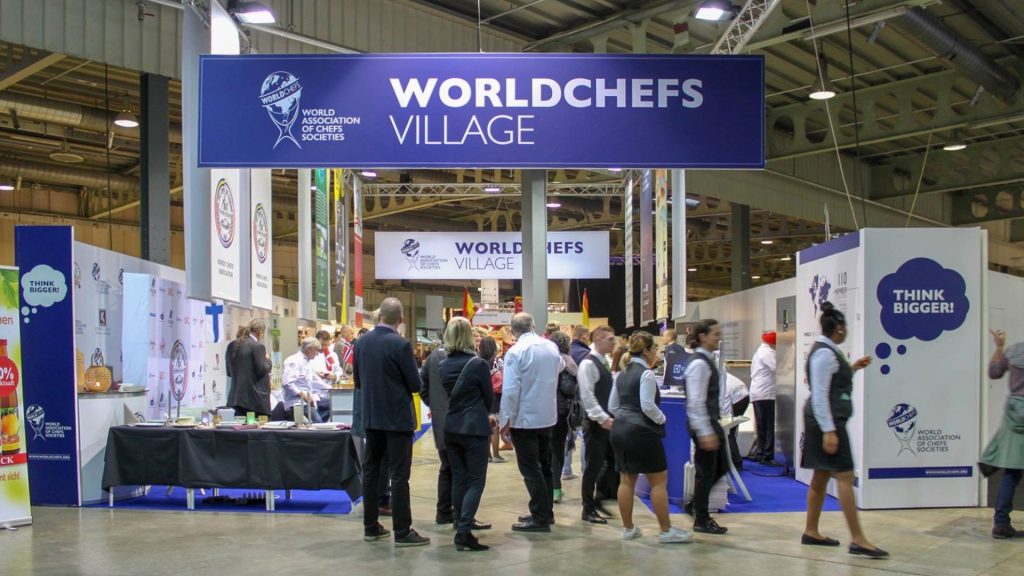
Worldchefs Village provides national chef associations, regions, tourism organisations, culinary schools, producers and partners with an international platform to showcase culinary identity and regional food culture.
Heritage-focused showcases can bring together traditional and regional ingredients, culinary demonstrations, preparation techniques, local producers, craftspeople, recipes and the stories behind them. The purpose goes beyond presenting traditional dishes. It is also about helping audiences understand the people, places, skills and values behind the food.
Through these platforms, culinary heritage can support chefs, strengthen regional visibility, promote responsible tourism and create opportunities for local producers and communities.
Looking Ahead to Paris 2028
Worldchefs will celebrate its 100th anniversary at the Worldchefs Congress & Expo 2028 in Paris, the city where the organisation was founded in 1928.
This milestone offers an opportunity to connect the history of Worldchefs with the future of the culinary profession. It can bring together chefs, young people, educators, cultural institutions, cities, communities, governments and international partners around a shared question: how can culinary knowledge be protected, respected and carried forward for the next 100 years?
Creating Lasting Value
Safeguarding culinary heritage cannot be achieved by one organisation or profession alone. It requires cooperation between communities, chefs, educators, producers, researchers, cultural organisations, governments, cities and tourism bodies.
For chefs, this work can deepen cultural knowledge, strengthen professional skills and open new opportunities to serve as educators and responsible storytellers.
For cities and regions, culinary heritage can strengthen identity, responsible tourism and relationships with local producers.
For communities, it can help maintain knowledge, create economic opportunities and ensure that younger generations remain connected to their traditions.
Worldchefs can contribute its international network, culinary expertise and platforms for education and visibility. Its national association members bring the local knowledge, professional expertise and community relationships needed to turn this ambition into meaningful action.
Worldchefs’ attendance at the UNESCO General Assembly reinforced the importance of connecting culinary heritage, sustainability and youth education. The next step is to continue the dialogue with relevant stakeholders and explore practical ways to train young people, support communities, strengthen capacity and ensure that culinary knowledge remains alive, respected and relevant.
Heritage connects us with where we come from. Education gives us the ability to carry it forward.
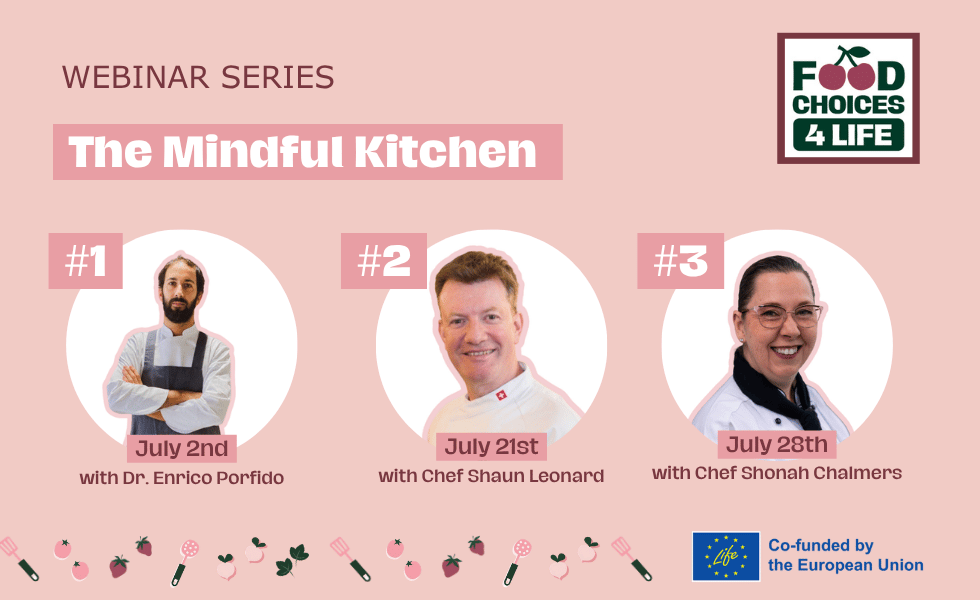
Worldchefs is proud to announce three upcoming webinars as part of the FoodChoices4LIFE initiative: The Mindful Kitchen. Designed for future-forward culinary professionals, the series explores how chefs can lead the transition toward more sustainable food systems through climate-smart kitchen practices, menu design, and guest engagement.
Through three connected webinar sessions, participants will gain concrete insights and actions to influence sustainable food choices.
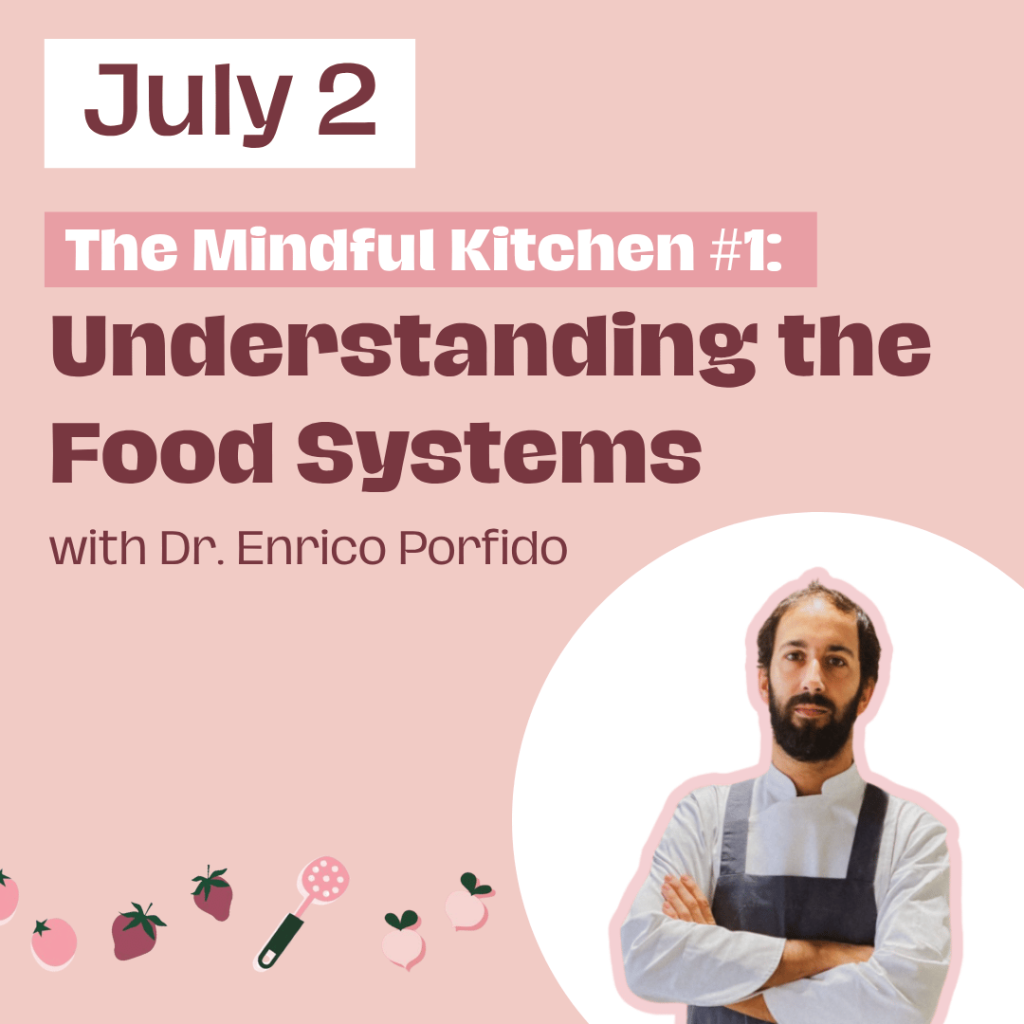
The series begins on July 2, 2026, with The Mindful Kitchen #1: Understanding the Food Systems, featuring Dr. Enrico Porfido from the Universitat de Barcelona. This foundational webinar explores the global farm-to-fork network, the role of food policies, and how chefs can use menus and guest experiences to encourage climate-smart dining.
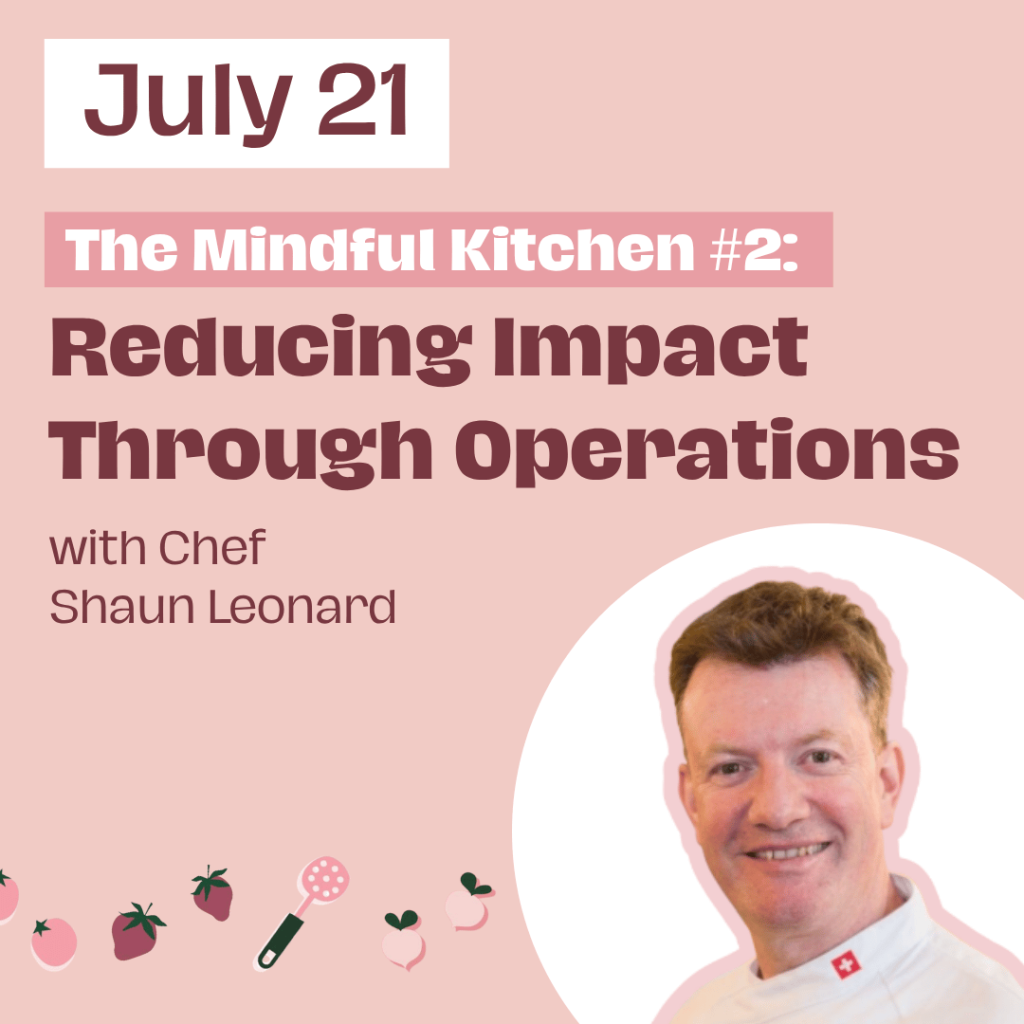
On July 21, 2026, Chef Shaun Leonard of BHMS Swiss Culinary Academy leads The Mindful Kitchen #2: Reducing Impact Through Operations. Focused on zero-waste kitchen strategies, the session will cover full-product utilization, food waste tracking, upcycling techniques, and building a sustainability-driven kitchen culture.
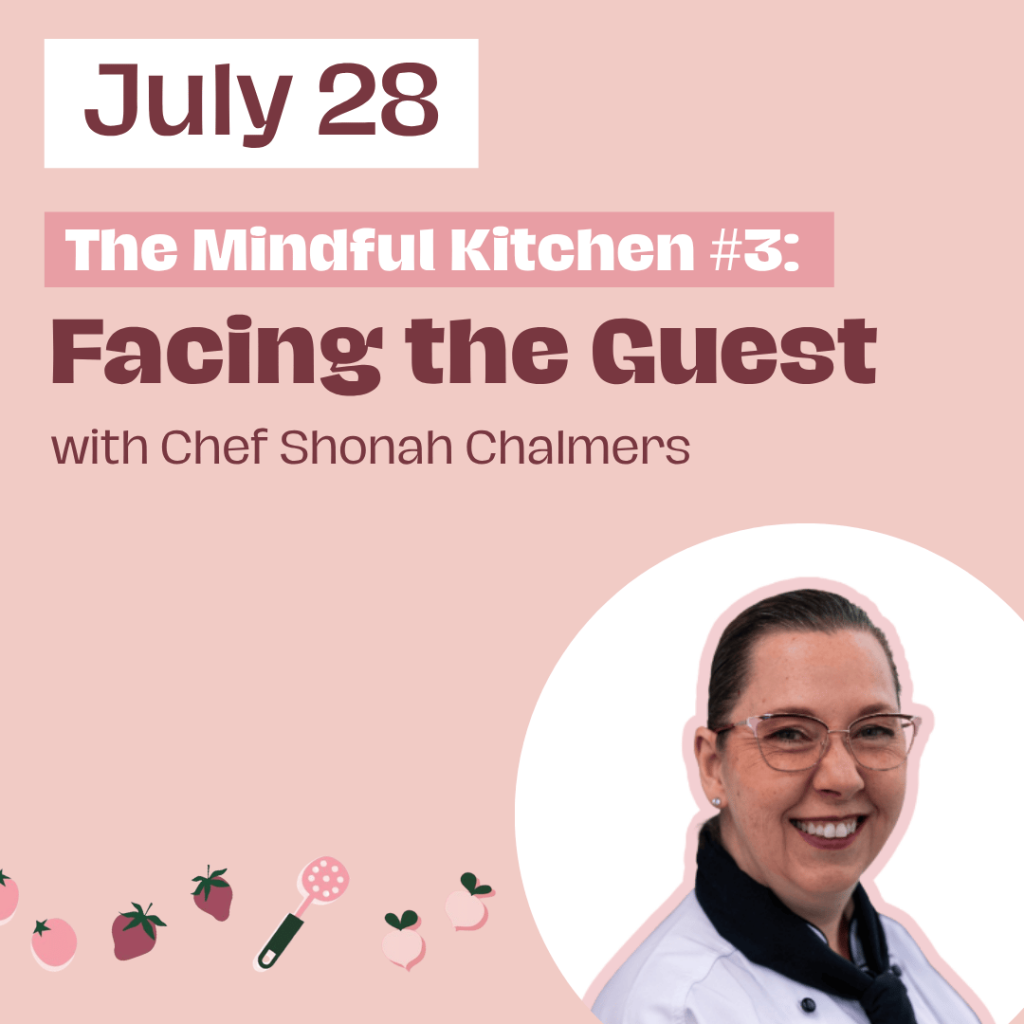
The series concludes on July 28, 2026, with The Mindful Kitchen #3: Facing the Guest, presented by Chef Shonah Chalmers. This session dives into menu psychology, sustainable menu engineering, and subtle guest communication techniques that help drive climate-smart choices in foodservice environments.
All webinars will take place at 2 PM CET and will be streamed on Zoom, Facebook Live, and YouTube. Zoom participants will also receive a digital badge and certificate upon completion.
Join us for this engaging webinar series and discover how you can drive impact and inspire smarter food choices and sustainable kitchen leadership. See you then!
Please note: Signing up for the first webinar will automatically register you for all three.
About FoodChoices4LIFE
FoodChoices4LIFE is a European initiative empowering citizens and food professionals to accelerate climate action and behavioral change in food systems. Building on the legacy of previous EU LIFE projects, this initiative promotes healthier, more sustainable diets through education, awareness campaigns, and practical tools.
Co-funded by the European Union. Views and opinions expressed are, however, those of the author(s) only and do not necessarily reflect those of the European Union or CINEA. Neither the European Union nor the granting authority can be held responsible for them.
AbouttheFoodChoices4LIFE Partners
Worldchefs: Worldchefs is a non-political professional organisation, dedicated to maintaining and improving the culinary standards of global cuisines. We accomplish these goals through education, training, and professional development of our membership. As an authority and opinion leader on food, Worldchefs represents a global voice on all issues related to the culinary profession.
EUFIC (Coordinator): The European Food Information Council (EUFIC) is a consumer-oriented non-profit organisation, founded to make the science behind food and health more accessible and easier to understand among the public. Our mission is to produce science-based content to empower and facilitate healthier and more sustainable diets and lifestyles among European citizens.
University of Tuscia: University of Tuscia, founded in Viterbo in 1979, rapidly developed into a well-established cultural reference. With over 10,000 students and 200 faculty members, it is recognized for research in forestry, climate change, and innovation in food systems, including food loss and waste reduction. The Department for Innovation in Biological, Agri-food and Forest Systems is now engaged in the FoodChoices4Life project.
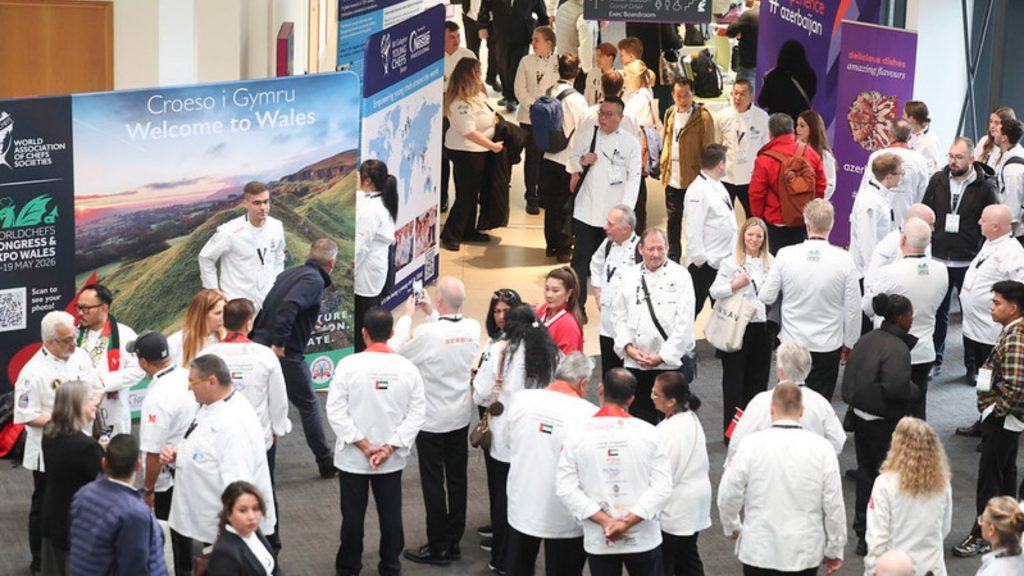
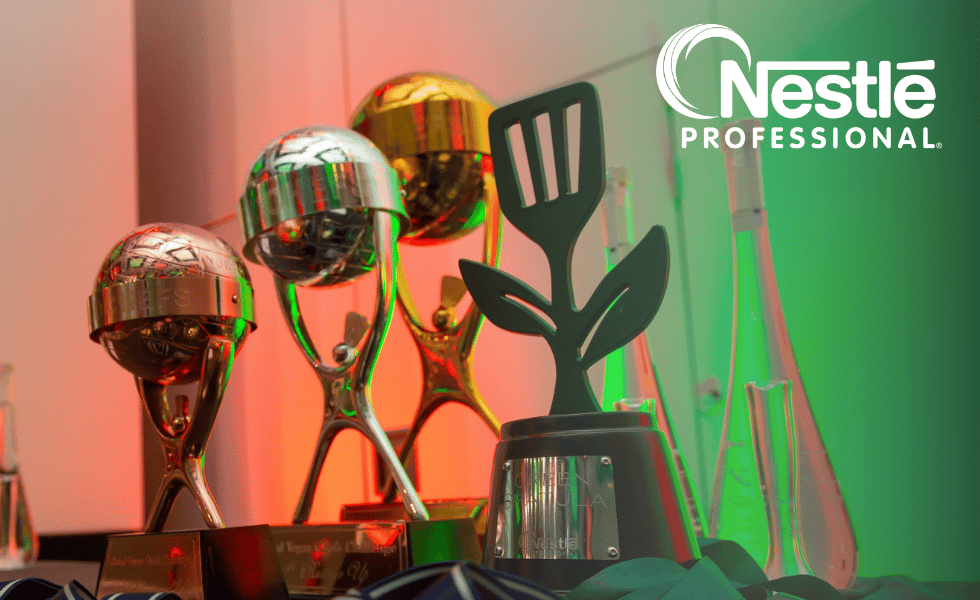
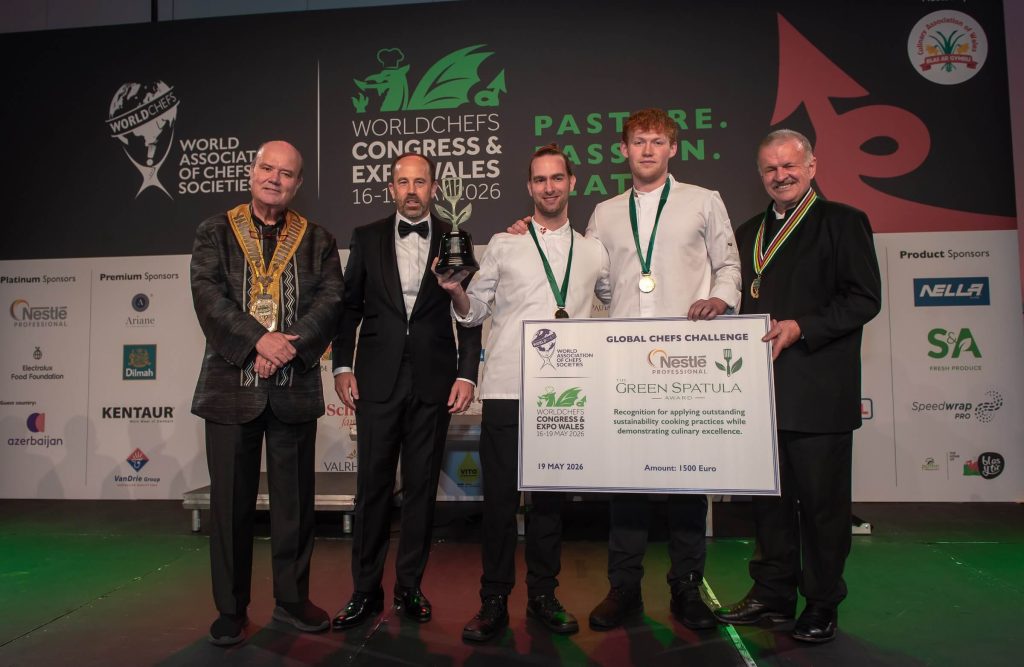
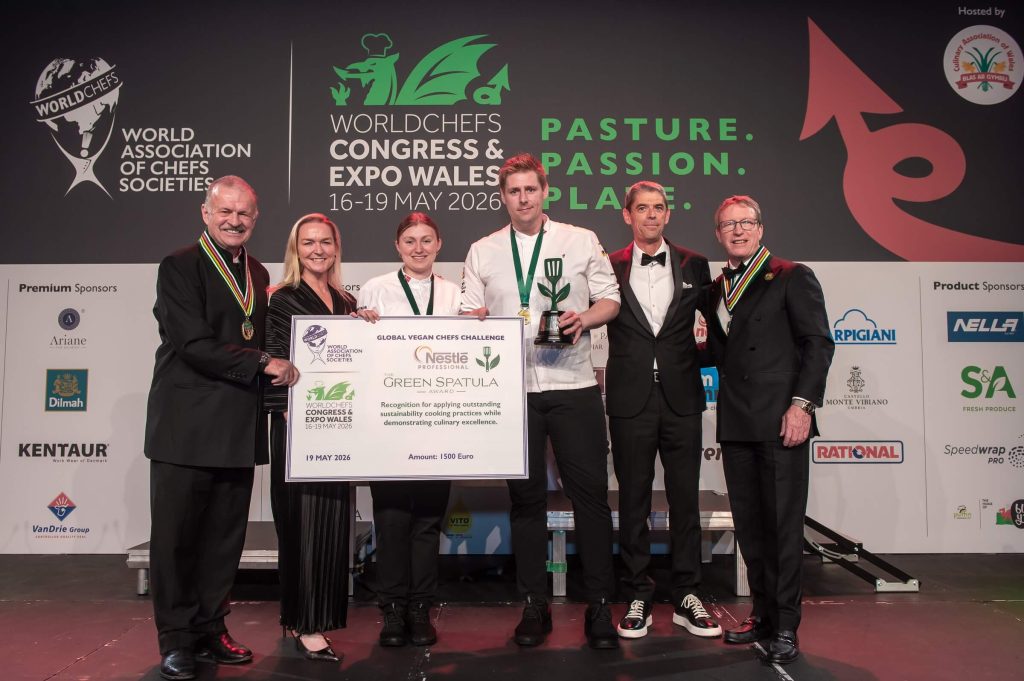
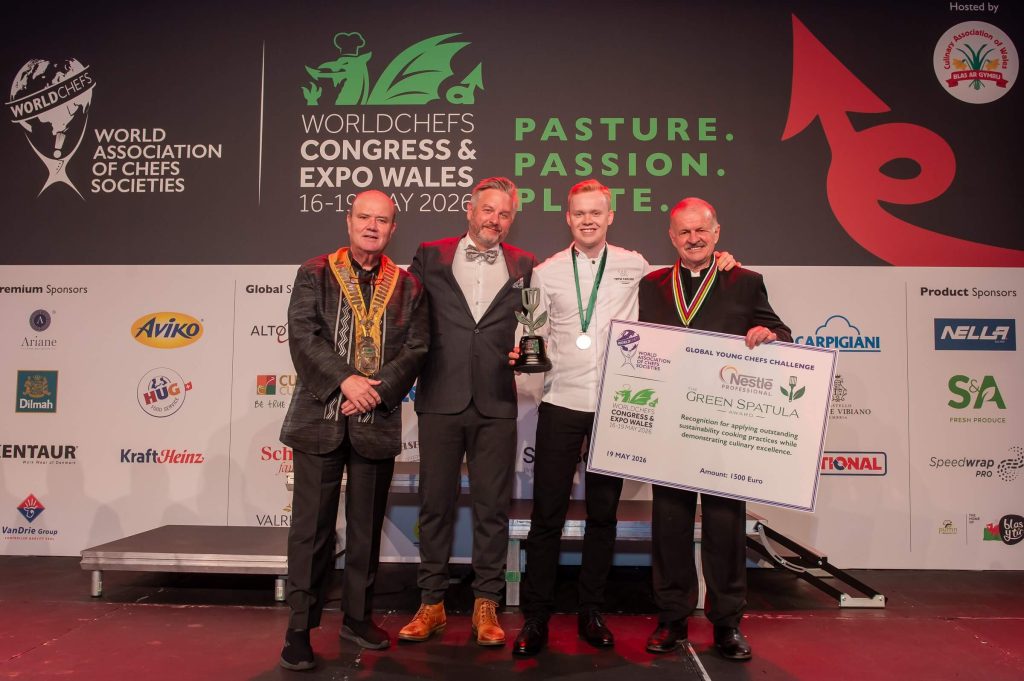
May 20, 2026 – Nestlé Professional has awarded the 2nd annual Green Spatula Awards during the Global Chefs Challenge Finals at the Worldchefs Congress in Wales.
“Sustainability is core to our purpose at Nestlé Professional. This award uniquely bridges culinary excellence with responsible kitchen leadership, inspiring the entire industry to make more sustainable choices” explains Reinhold Jakobi, SVP and Head of Nestlé Professional’s Strategic Business Unit.
The Global Chefs Challenge is where the world’s top chefs meet to compete in four competition categories. Selected through top performance at the Worldchefs Regional Semi-Finals in 2025, qualifying teams go head-to-head at the Global Chef Challenge Finals.
Andy Cuthbert, President, Worldchefs explains, “We’re proud to encourage the top chefs from around the world to be true agents of change. The Nestlé Professional Green Spatula Award represents creativity, leadership, and respect for our planet.”
The 2026 Green Spatula Award Winners:
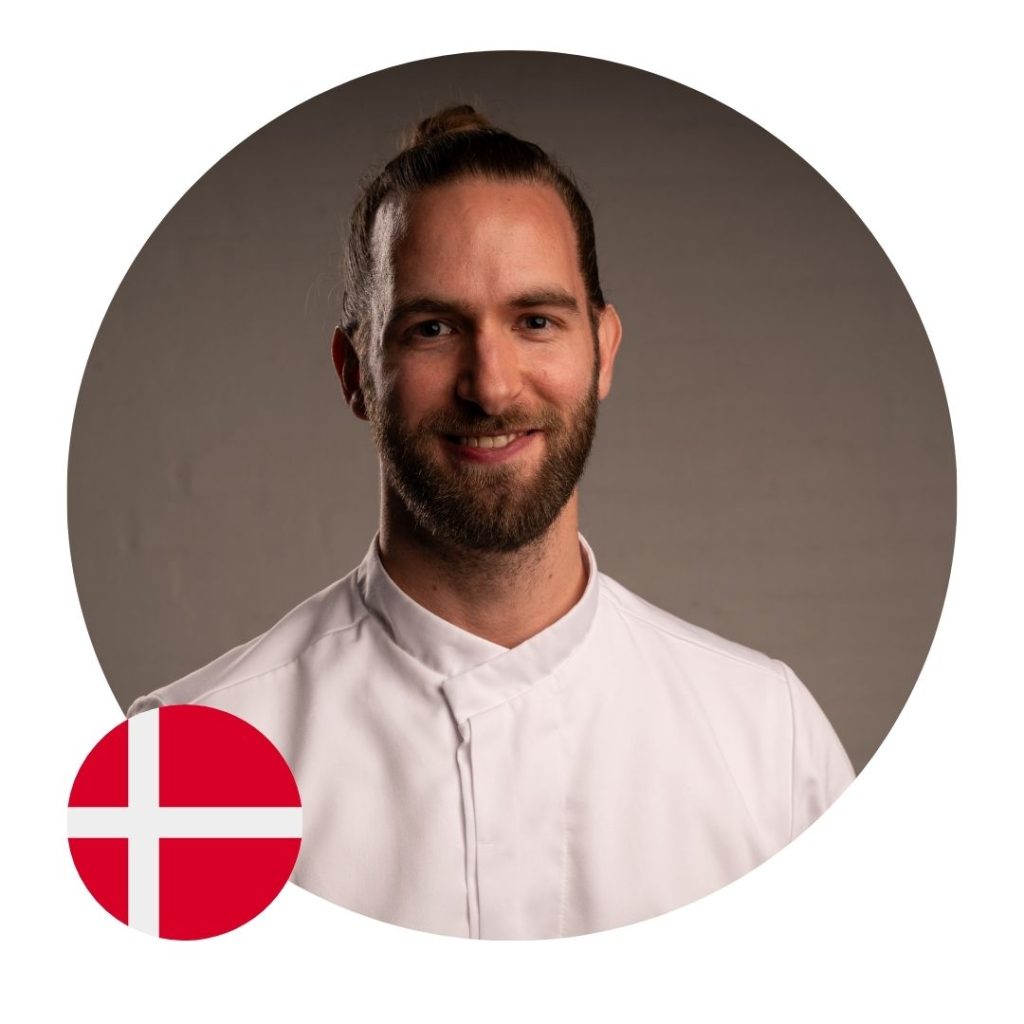
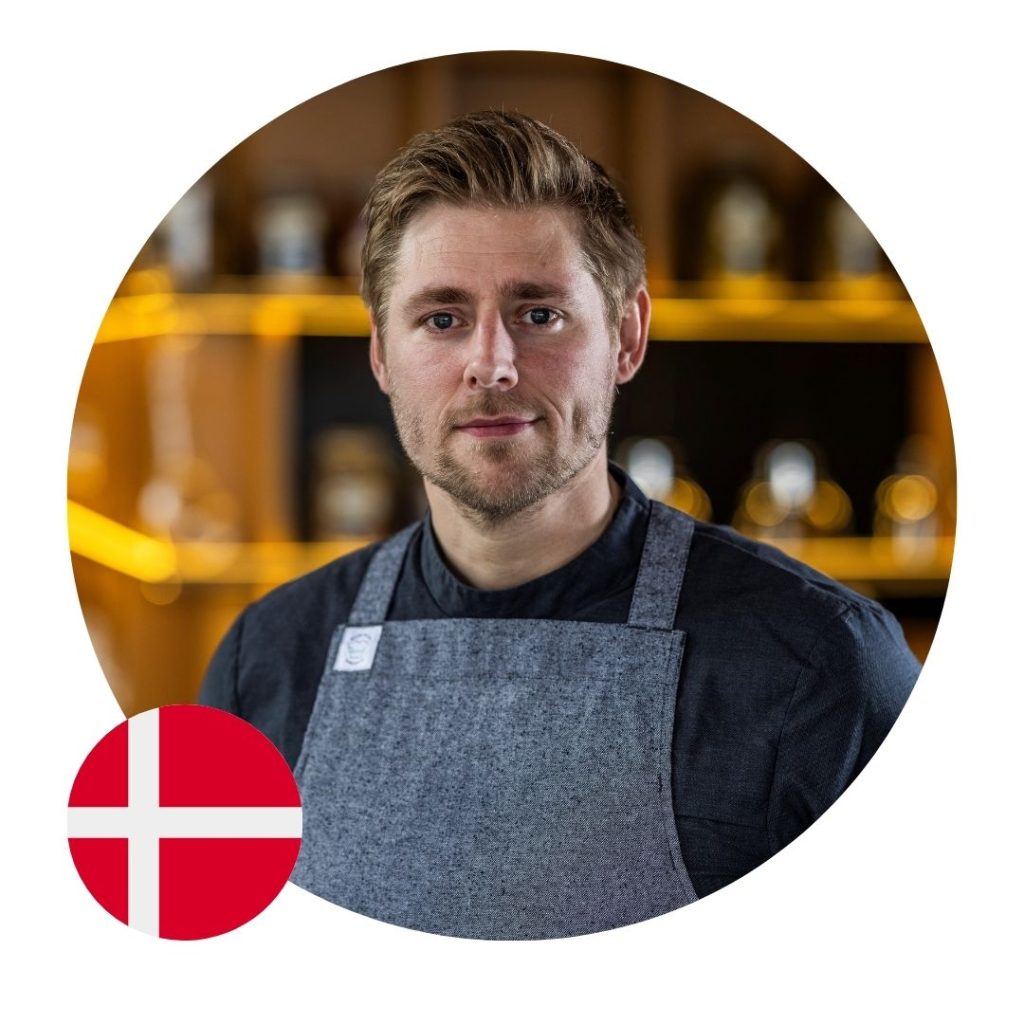
Tommy Jespersen, Denmark (Global Chefs Challenge) – Tommy brings extensive experience from the country’s fine-dining scene, alongside an impressive international competition background with the National Culinary Team of Denmark.
Bjarke Jeppesen, Denmark (Global Vegan Chefs Challenge) – Bjarke has built a strong career within Nordic cuisine. For the past three years he has been a head chef at the Treetop restaurant situated in Vejle. With his focus on sustainable local produced foods, the restaurant received the green star from the Michelin Guide.
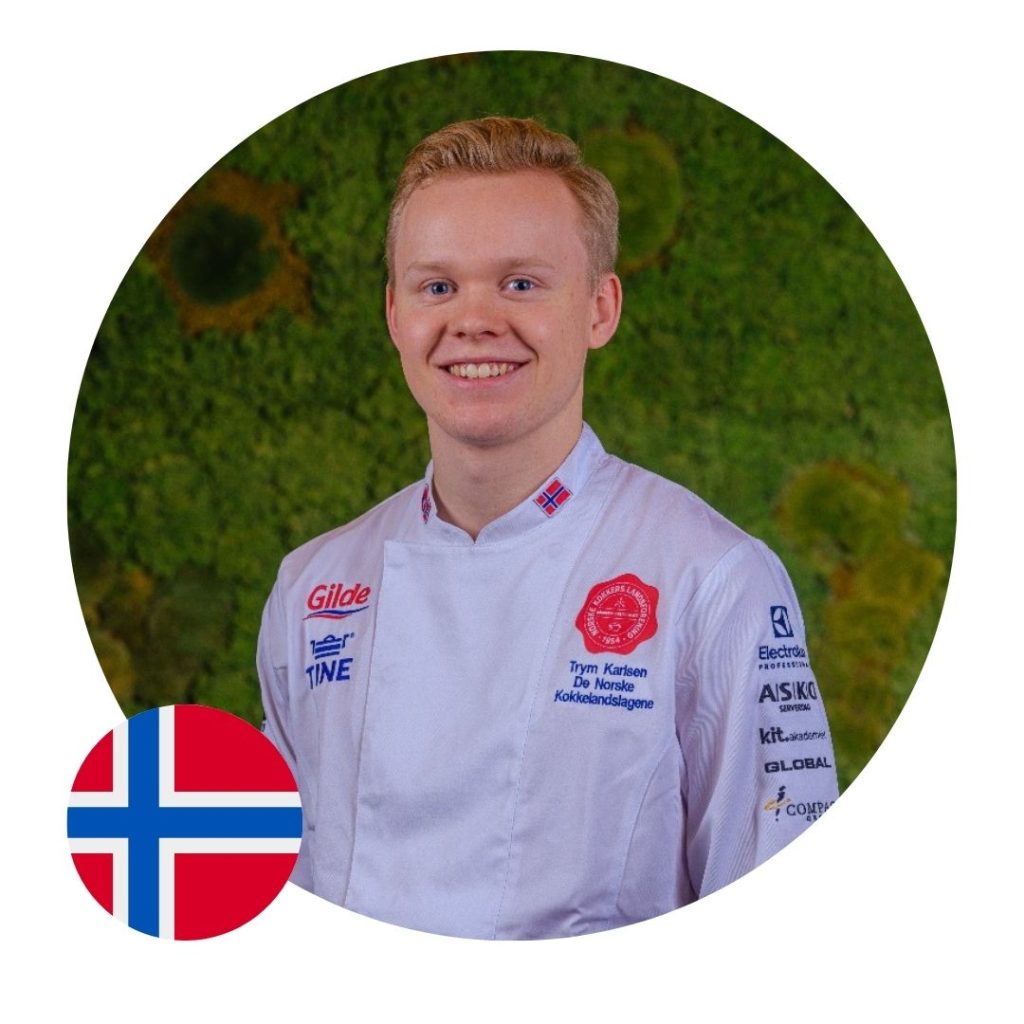
Trym Karlsen, Norway (Global Young Chefs Challenge) – Trym has developed an impressive culinary career at a young age. Growing up with a chef father, he quickly developed a strong passion for food, focusing on pure ingredients, sustainability, and flavor balance. He has experience in top-level competitions and as part of the Norwegian National Culinary Team.
Professional Kitchen Sustainable Practices
“It is an honor to recognize the global top chefs who go beyond delivering exceptional culinary experiences and embed meaningful sustainable practices into their kitchen” states Ana Aragón, Head of Sustainability & Nutrition, Nestlé Professional.
The recognized chefs demonstrated leadership across key sustainable practices for the professional kitchens, including:
Energy Use & Cooking Methods: Optimizing energy-efficient equipment, meal planning, favoring cold and fermented dishes, keeping lids on pots, and shifting to electric power where possible.
Responsible Sourcing: Increasing plant-based options, and using fresh, local, seasonal, and ingredients from farms applying regenerative agriculture practices.
Water Conservation: Using right-sized pans, steaming and pressure-cooking, and minimizing running water.
Food Waste Reduction: Measuring waste, creative repurposing of scraps, accurate portioning, and menu design focused on whole-ingredient use.
Balanced Plate: Designing proportions that follow nutritional guidelines and give vegetables more room on the plate.
Background of the Award
Launched in 2024 at the Worldchefs Congress in Singapore, the award has grown rapidly. This year it was integrated into the Regional Semi-Finals across Asia, the Americas, Africa, and the Middle East. Competitors in the Global Chefs Challenge, Global Young Chefs Challenge, and Global Vegan Chefs Challenge were automatically considered, with winners selected by a jury based on waste management, energy & water optimization, and overall sustainable approach.
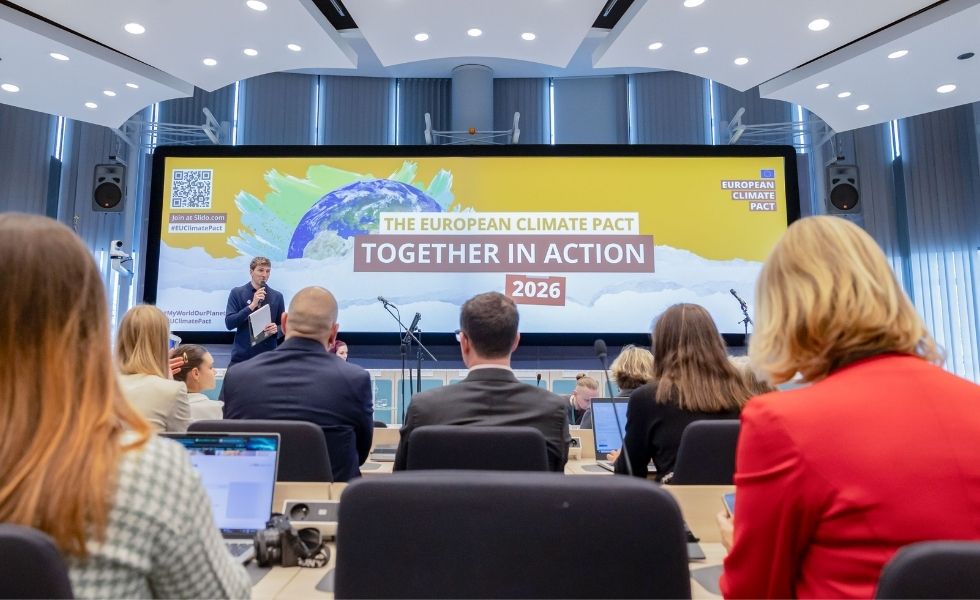
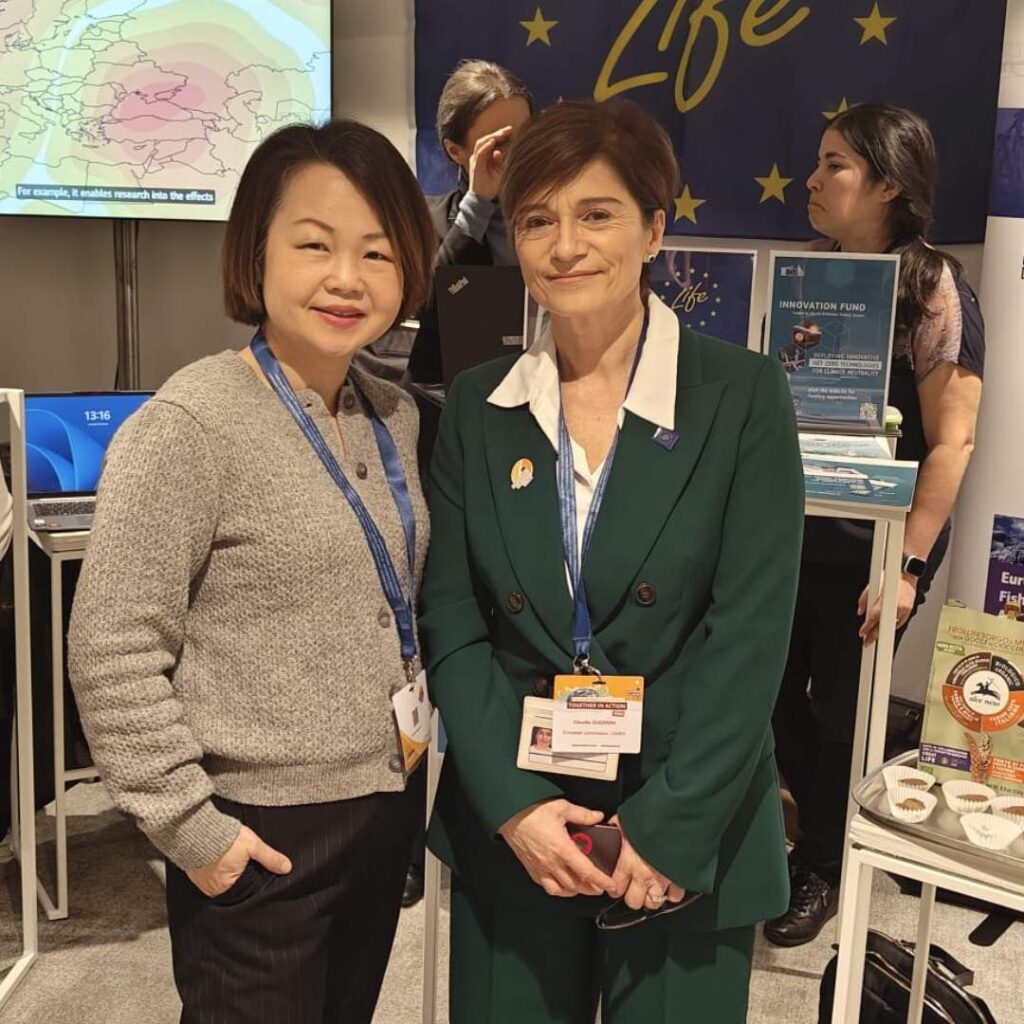
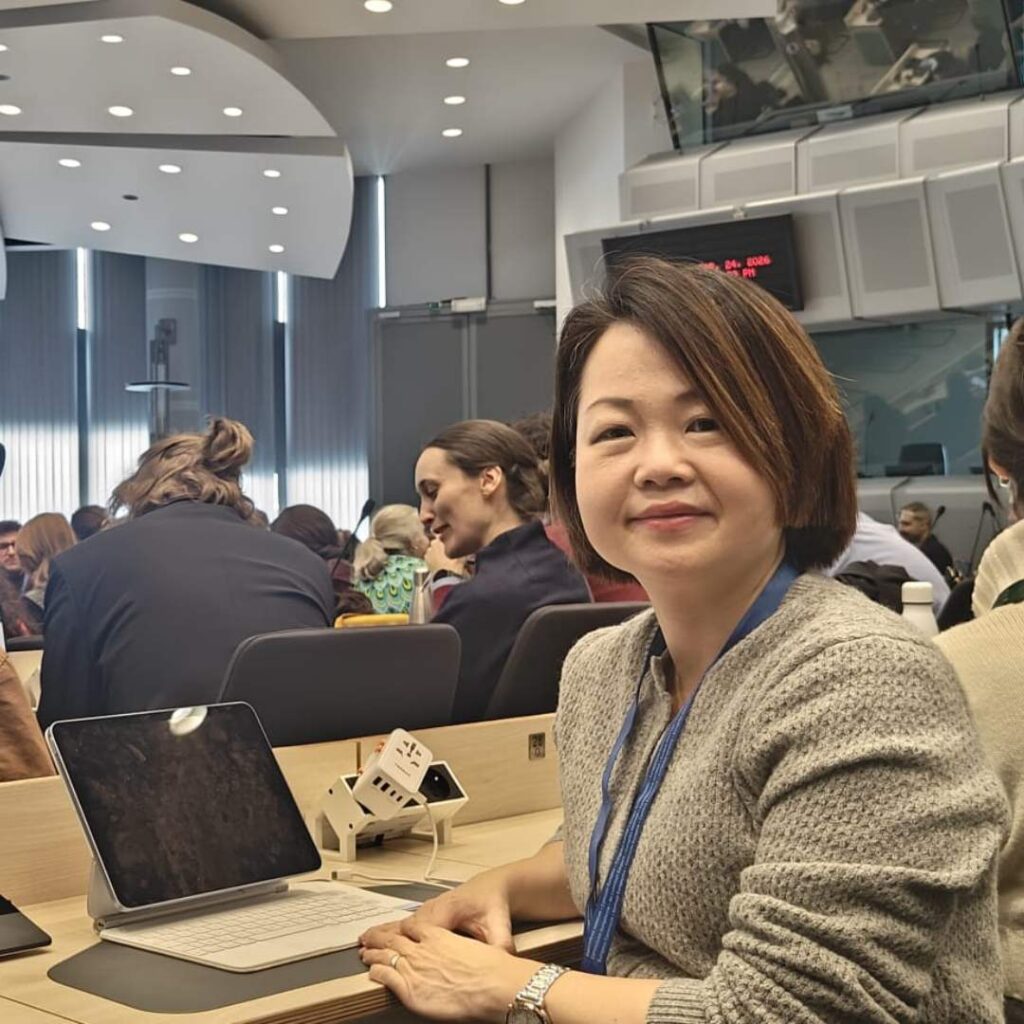
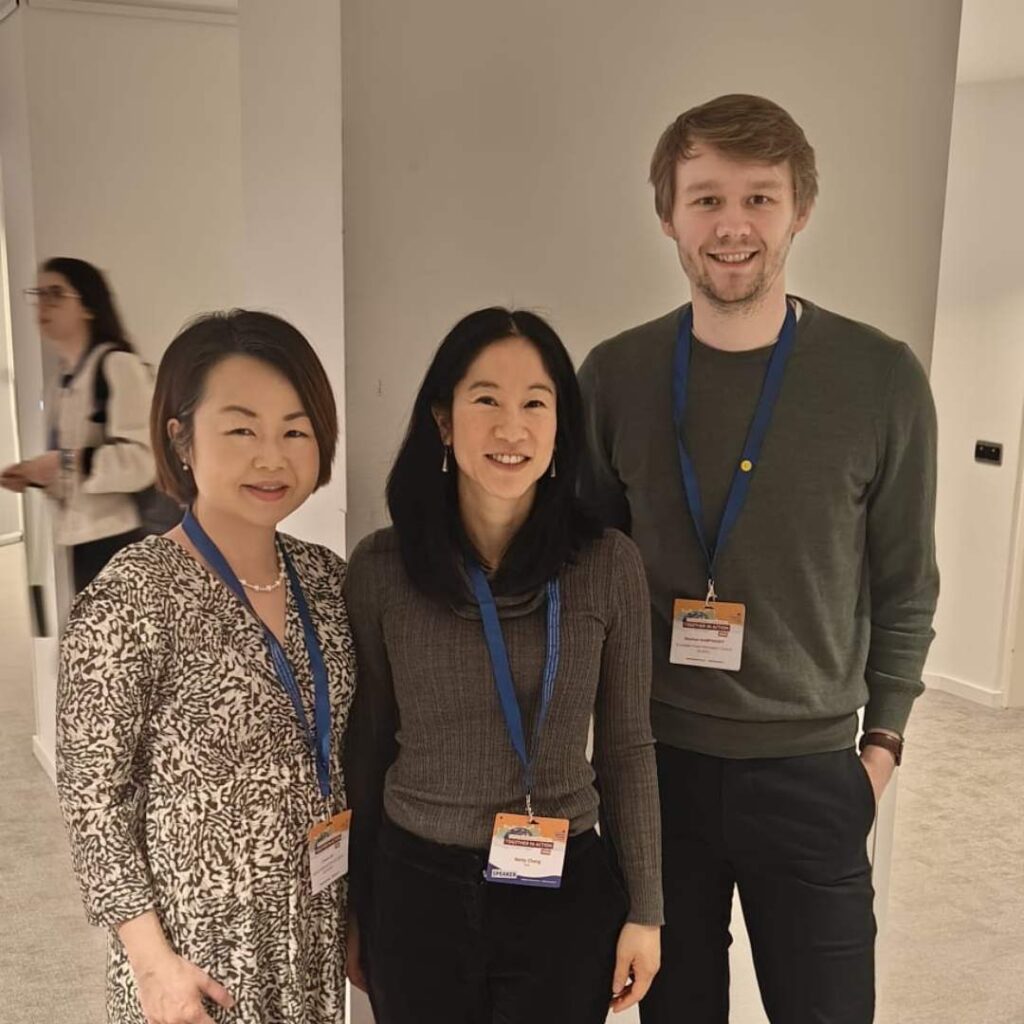
Worldchefs joined climate leaders, policymakers, and community changemakers in Brussels for Together in Action 2026, the European Climate Pact’s annual event. The gathering brought together more than 800 participants in Brussels, many more online, and nearly 150 speakers from 25 countries for discussions on climate resilience, collaboration, and practical action across Europe.
Chefs at the Center of Climate Action
For Worldchefs, the event reinforced a clear message: food systems must be part of the climate conversation, and chefs have an important role to play in turning ambition into action. The program included sessions on food systems for a just transition, resilience across sectors including food, and tackling greenwashing in climate communication. These themes are directly relevant to the culinary profession, from sourcing and menu development to waste reduction, education, and consumer influence.
Chefs have a unique role in connecting climate action to everyday practice across the food system.
Connie Lau, Director of Operations and Projects at Worldchefs
Climate Goals Drive Change with FoodChoices4LIFE
This is why FoodChoices4LIFE matters. FoodChoices4LIFE is a European Commission co-funded project led by the European Food Information Council (EUFIC) with Worldchefs and the University of Tuscia, designed to accelerate climate action and behavioral change in EU food systems through better food choices. The project empowers chefs, associations, and citizens across the 27 EU Member States, combining science-backed communication, public engagement, and training to support healthier, more sustainable, and less wasteful eating habits.
The project is ambitious by design. According to the project framework, FoodChoices4LIFE aims to organize more than 100 in-person events across Europe, reach over 500,000 people through campaigns, engage more than 500 chefs, and train journalists and local administrators. This creates a practical pathway to connect the influence of the professional kitchen with European climate goals and to make chef-led climate action more visible, scalable, and evidence-based.
FoodChoices4LIFE also builds on strong foundations, as it is a continuation of the earlier EU LIFE initiatives, Climate Smart Chefs. It builds upon the previous intiatives’ network, and with Worldchefs now coordinating the new secretariat, the organization’s role strengthens as a connector between policy, science, culinary education, and implementation on the ground.
Feed the Planet: Scaling Global Impact
That European engagement is reinforced by Worldchefs’ broader global sustainability work through Feed the Planet. Feed the Planet encompasses all of Worldchefs sustainability efforts, in collaboration with Electrolux Food Foundation and AIESEC, aimed to educate, empower, and mobilize communities. The efforts do this through chef education, food waste reduction workshops, and awareness-building. As of today, Feed the Planet’s impact is widespread, with nearly 18,000 graduates have completed the program Sustainability Education for Culinary Professionals, while the Food Heroes initiative has reached more than 300,000 children worldwide. Learn more about Worldchefs’ Feed the Planet activations here.
“As we see through Feed the Planet, the impact of our work is measured by the people and communities it reaches. Chefs return to their kitchens with a deeper understanding of sustainability, and young people discover that their food choices matter. It’s about building a shared sense of responsibility. What continues to inspire me is how chefs across the world are embracing their role as educators and advocates, showing that when we ground our actions in values, we can help shape a more sustainable future.”
– Shonah Chalmers, Chair of Worldchefs’ Feed the Planet Committee
Shonah Chalmers
A key takeaway from the European Climate Pact event in Brussels was that progress depends on science, honesty, and context. Climate action cannot rely on one-size-fits-all solutions, and it cannot be diluted by greenwashing. Different countries, geographies, and food cultures face different realities. What matters is building practical pathways forward and working together with purpose.
For Worldchefs, that means continuing to bring the chef voice into climate discussions and turning dialogue into action across kitchens, classrooms, communities, and supply chains. Through initiatives like FoodChoices4LIFE and Feed the Planet, Worldchefs is showing that chefs are an essential part of the food system, with the power to help lead its transition toward a healthier, more resilient, and more sustainable future.
Connie Lau
“It is very important that Worldchefs is part of these conversations and dialogues. Through FoodChoices4Life and our wider Feed the Planet initiatives, we work with chefs as change agents to reduce food waste, strengthen sustainability in the kitchen, and influence customers toward better food choices. Chefs have a unique role in connecting climate action to everyday practice across the food system.”
– Connie Lau, Director of Operations and Projects at Worldchefs
Connie Lau and FoodChoices4LIFE partners in Brussels.
We use cookies on our website to give you the most relevant experience by remembering your preferences and repeat visits. By clicking “Accept All”, you consent to the use of ALL the cookies. However, you may visit "Cookie Settings" to provide a controlled consent.
This website uses cookies to improve your experience while you navigate through the website. Out of these, the cookies that are categorized as necessary are stored on your browser as they are essential for the working of basic functionalities of the website. We also use third-party cookies that help us analyze and understand how you use this website. These cookies will be stored in your browser only with your consent. You also have the option to opt-out of these cookies. But opting out of some of these cookies may affect your browsing experience.
Necessary cookies are absolutely essential for the website to function properly. These cookies ensure basic functionalities and security features of the website, anonymously.
Cookie
Duration
Description
cookielawinfo-checkbox-analytics
11 months
This cookie is set by GDPR Cookie Consent plugin. The cookie is used to store the user consent for the cookies in the category "Analytics".
cookielawinfo-checkbox-functional
11 months
The cookie is set by GDPR cookie consent to record the user consent for the cookies in the category "Functional".
cookielawinfo-checkbox-necessary
11 months
This cookie is set by GDPR Cookie Consent plugin. The cookies is used to store the user consent for the cookies in the category "Necessary".
cookielawinfo-checkbox-others
11 months
This cookie is set by GDPR Cookie Consent plugin. The cookie is used to store the user consent for the cookies in the category "Other.
cookielawinfo-checkbox-performance
11 months
This cookie is set by GDPR Cookie Consent plugin. The cookie is used to store the user consent for the cookies in the category "Performance".
viewed_cookie_policy
11 months
The cookie is set by the GDPR Cookie Consent plugin and is used to store whether or not user has consented to the use of cookies. It does not store any personal data.
Functional cookies help to perform certain functionalities like sharing the content of the website on social media platforms, collect feedbacks, and other third-party features.
Performance cookies are used to understand and analyze the key performance indexes of the website which helps in delivering a better user experience for the visitors.
Analytical cookies are used to understand how visitors interact with the website. These cookies help provide information on metrics the number of visitors, bounce rate, traffic source, etc.
Advertisement cookies are used to provide visitors with relevant ads and marketing campaigns. These cookies track visitors across websites and collect information to provide customized ads.