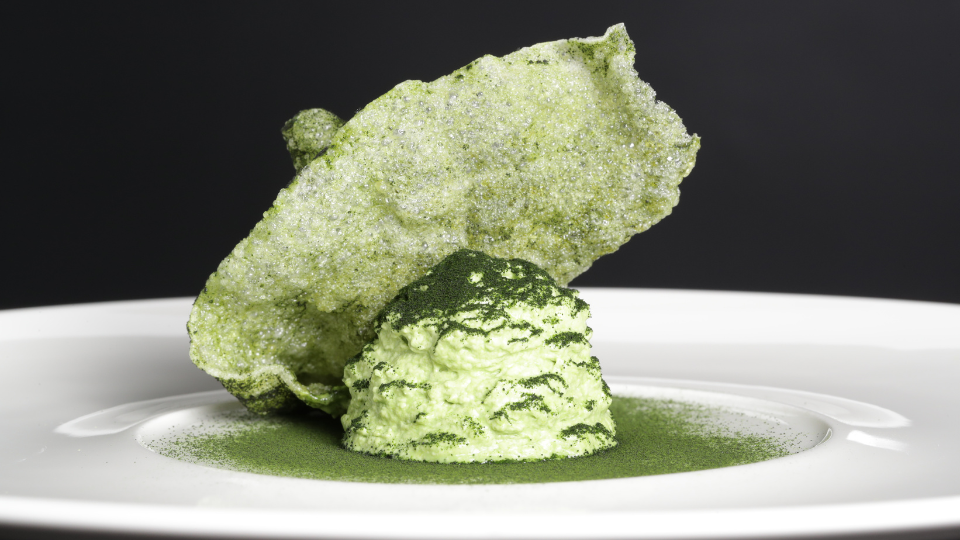
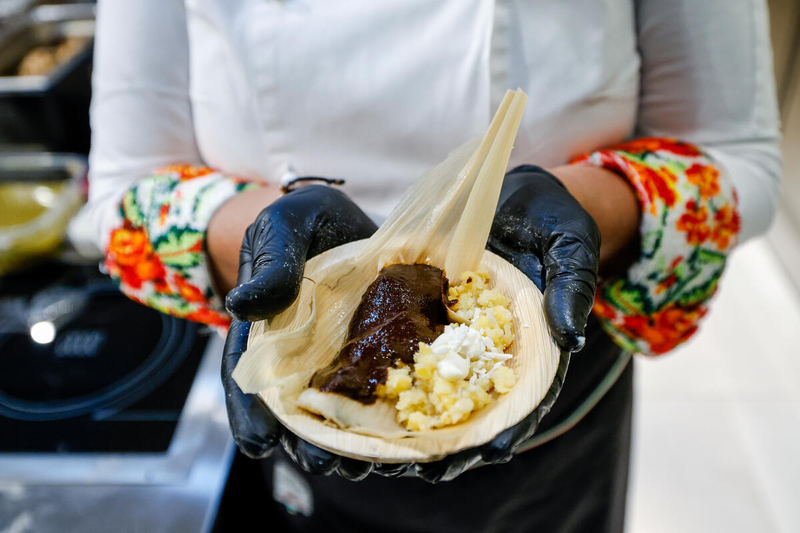
Right now, you are building the pantry you’ll pass on. Your contribution to culinary heritage is taking shape with each recipe you test, each ingredient choice you make.
Would it make a menu you’d be proud of?
Food is the ultimate connector, bridging time and space, and bringing people together in ways not much else can. Our plates can be a celebration of identity, connection, and ecology. Food culture is something we inherit, transform, and share. Rooted in the past and growing into the future, it is a living legacy and an invitation to be a part of the process.
Written in time-honored techniques and place-making ingredients, on jars and in cookbooks, the culinary traditions in our kitchens are alive, simultaneously preserving and making collective memory.
Chefs are active stewards of food culture’s living legacy. In this article, we reflect on simple ways that chefs can make the most of their role as food culture custodians and future ancestors.
Food Makes Future
The future is what we make it, through everyday actions. Here are four areas of action that every chef can incorporate into their culinary practice and the pantry they’ll pass on.
Nurture intergenerational relationships
Intergenerational knowledge is power. We’ve written plenty about the importance of mentorship, but it doesn’t even need to fit into that box. Family, friends, colleagues – seek out and foster relationships with elders and up-and-comings in a spirit of openness and curiosity.
We inherit what we see and learn, and we pass on what we learn and do. There are more opportunities than you realize to engage with and influence others of all ages, in your home or professional kitchen.
SEE THIS IN ACTION
Put underutilised ingredients back on the menu
Cook more beans. Source the greens your grandmother used to talk about. Recipe test like the future depends on it, because it does!
We have a world of biodiverse pantry items to pull from, but yet nearly half our calories come from just three crops: rice, wheat, and maize. Rediscover and promote heritage ingredients native to where you live. Learn and tell their stories. Talk to your local farmers and food producers for inspiration and start collaborating.
SEE THIS IN ACTION
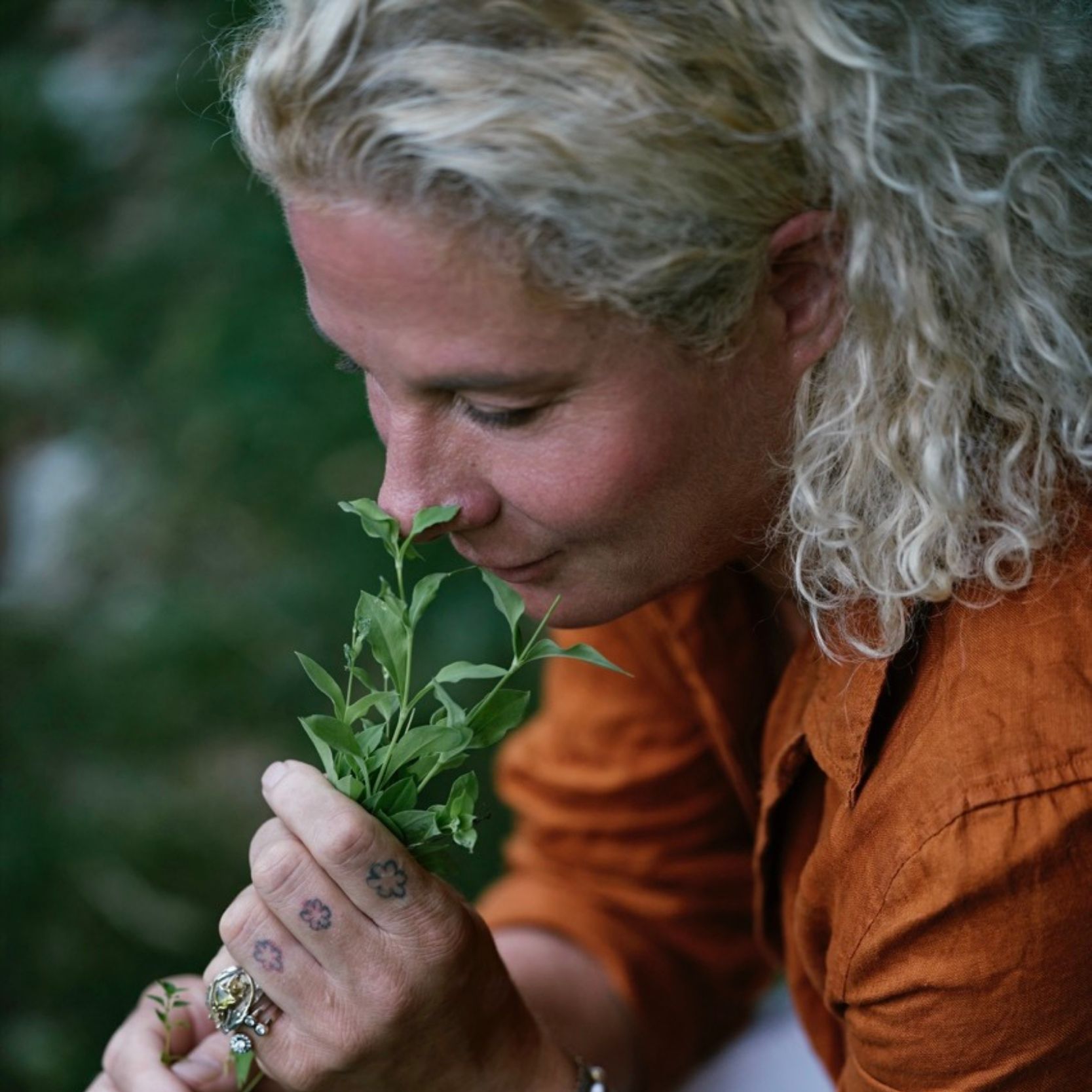
“I want people to remember what they had, not just, ‘Oh, do you remember that dish? Maybe yes, maybe not.’ No, you have to remember it. It’s important.”
Learn about innovative and ancient techniques
Some of our best and most innovative technology is as old as dirt.
Take a moment to reflect on how much observation, experimentation and skill sits behind processes like fermentation. Or the brilliance of nixtamalization. Think about the creativity and cunning required to process and use every part of an ingredient.
These are some of our oldest food technologies. Perfected through practice and intergenerational learning, all across the globe we find diverse examples of the scientific process from farm to table. From regenerative agriculture to salt curing, research and explore an ancient innovation and see how it can inspire your next menu.
SEE THIS IN ACTION
Explore heritage recipes and make them your own
Every recipe is a living document. They are testaments of someone’s day, markers of a growing season’s climate, stories of migration and movement and of staying put. Become a part of your heritage cuisine’s story by working with and adapting its recipes.
SEE THIS IN ACTION
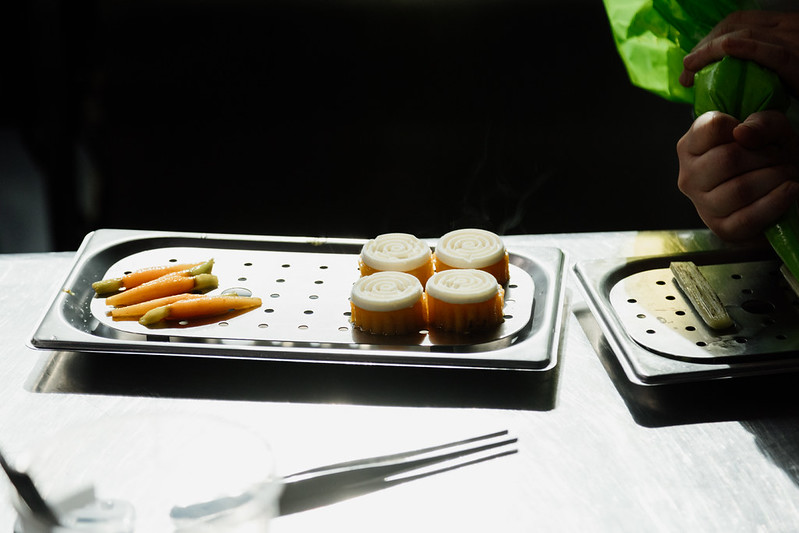
Chefs, as storytellers, create delicious ways for people to reconnect with food culture, putting agricultural origins, cultural traditions, and shared values on a plate. Through their craft, chefs can inspire others to try new things and learn more about what they may have previously ignored.
In this article you can find chefs sharing their take on heritage recipes and the stories behind them.
Takeaway
These are just four simple suggestions, courses of action with huge potential. Your next menu is an opportunity. We know that chefs have an incredible, unique capacity to inspire change as trusted messengers. Bringing these four areas of action to your community through food can have more of an impact than you might realize, and the stories of these ideas in action show us just that.
Worldchefs’ recent UNESCO participation also shared this lesson. UNESCO guidelines remind us that safeguarding heritage means ensuring its vitality, not freezing it in time. Culinary heritage is alive, and we are its heartbeat. How will knowing that change the pantry you protect?
Resources
The word innovation gets thrown around a lot these days, as if it’s something out of reach. Just like the word future. But neither really are – they’re right with us, on our plates. Below are three resources to get more involved in the future of food.
Sign up for The Mindful Kitchen #3: Facing the Guest
Learn how you can drive impact and inspire smarter food choices and sustainable kitchen leadership. On July 28th, we have the last installment of a three-part series on The Mindful Kitchen, part of the FoodChoices4LIFE initiative.
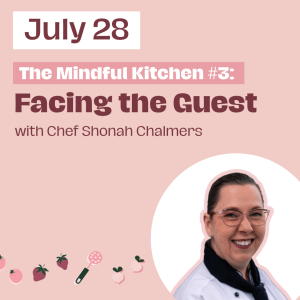
The Mindful Kitchen #3: Facing the Guest, presented by Chef Shonah Chalmers, dives into menu psychology, sustainable menu engineering, and subtle guest communication techniques that help drive climate-smart choices in food service environments.
Read more about chefs as trusted messengers in our June article:

A chef’s recommendation is more than a selling point. It’s an opportunity to rebuild trust and drive change.
From chefs’ specials to viral recipes, what a chef recommends means more now than ever. Whether it’s a new ingredient or an issue they advocate for, people care what’s cooking. Why?
Interested in more on mentorship?
Worldchefs just launched a new Young Chefs Mentorship Program Toolkit, a practical resource created to help National Chef Associations build structured mentorship opportunities for young chefs in their communities. The toolkit offers associations a clear starting point to connect young chefs with experienced culinary professionals, turning mentorship into a more accessible and consistent pathway for learning, confidence-building, and career development. Learn more about it here.
Find Worldchefs at the World Food Forum this October
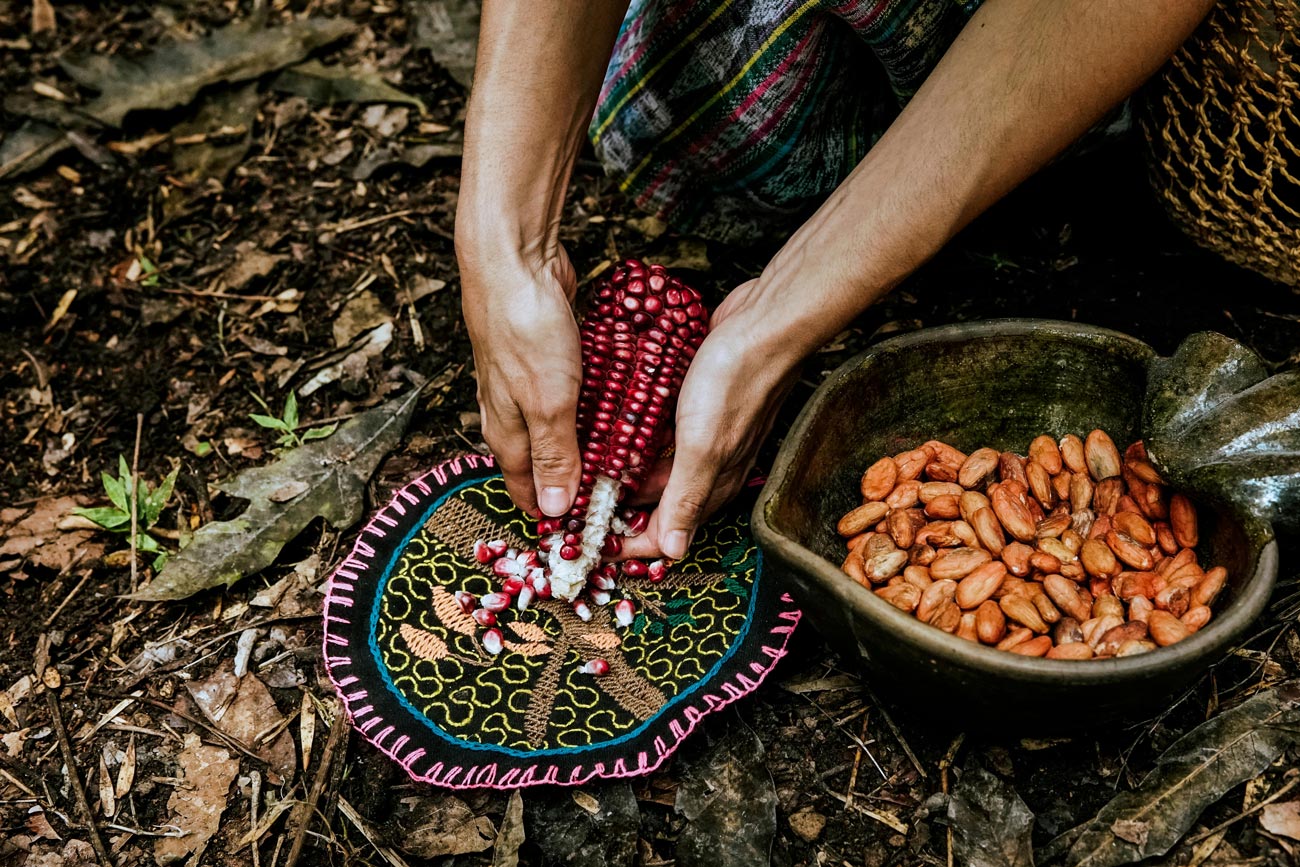
Find Worldchefs at the World Food Forum (WFF) from 8 to 16 October 2026 at the FAO headquarters in Rome!
Learn more about the WFF Young Chef Programme here.
Credits
Cover photo: ITALY 2026. International Day of Plant Health (IDPH) 12 May 2026. Rome, Italy. A detail of the maize-based dish in the hands of Chef Diana Beltran during her cooking demonstration at the FAO MuNe Food Laboratory on the occasion of the International Day of Plant Health at FAO Headquarters, Food Laboratory (FAO MuNe). ©FAO/Giuseppe Carotenuto. Copyright ©FAO.
This article was authored by Clare Crowe Pettersson.