Categories
Industry News Industry Trends Member News News

Giving Food Heritage a Future: Chef Neeola on the Young Chefs Programme & Reclaiming Indigenous Ingredients

Championing indigenous ingredients with Young Chefs Programme’s Eniola Okeola

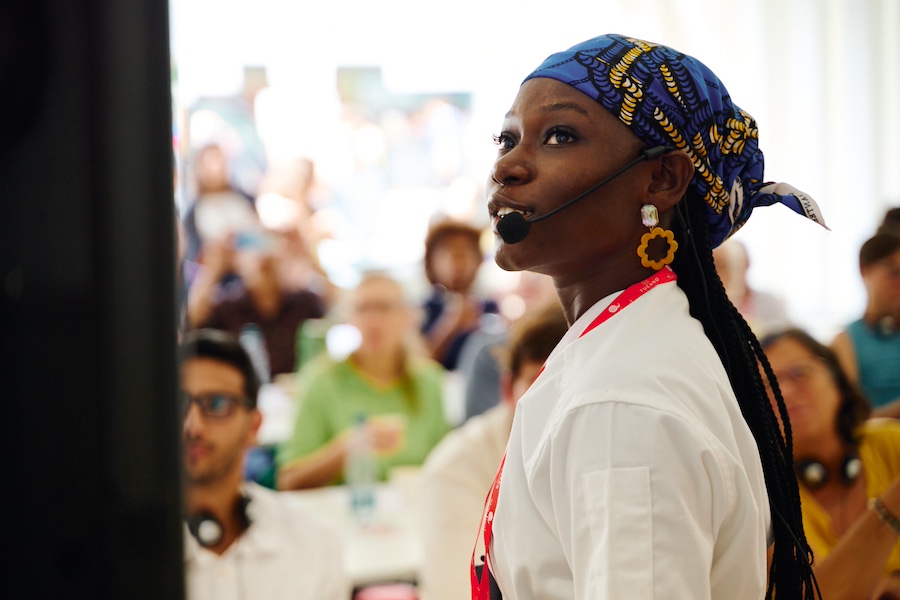
To celebrate World Food Day and the International Year of the Woman Farmer, we caught up with Young Chef Programme’s Eniola Okeola (Chef Neeola) en route to Rome for the World Food Forum’s flagship event.

A Nigerian chef, writer, and food advocate working at the intersection of culinary heritage, biodiversity and sustainable food systems, Chef Neeola explores how culinary practice can strengthen local food systems and preserve indigenous food knowledge.

As part of the our 2026 Young Chefs Programme cohort, Eniola is developing Reclaiming Indigenous Fats and Oils for Sustainable Nigerian Food Systems, a project exploring the culinary use of indigenous fats, particularly shea butter, and creating new connections between women producers, chefs, and consumers.

In this interview, we hear how she is bringing indigenous fats back into contemporary kitchens and advocating for new pathways to support the people behind the ingredients.

Nigeria is the worldโ€™s largest producer of shea in the world, yet itโ€™s often missing from urban kitchens. When did you first become aware of this gap, and what inspired you to put indigenous fats like shea butter and Atili oil at the center of your cooking?
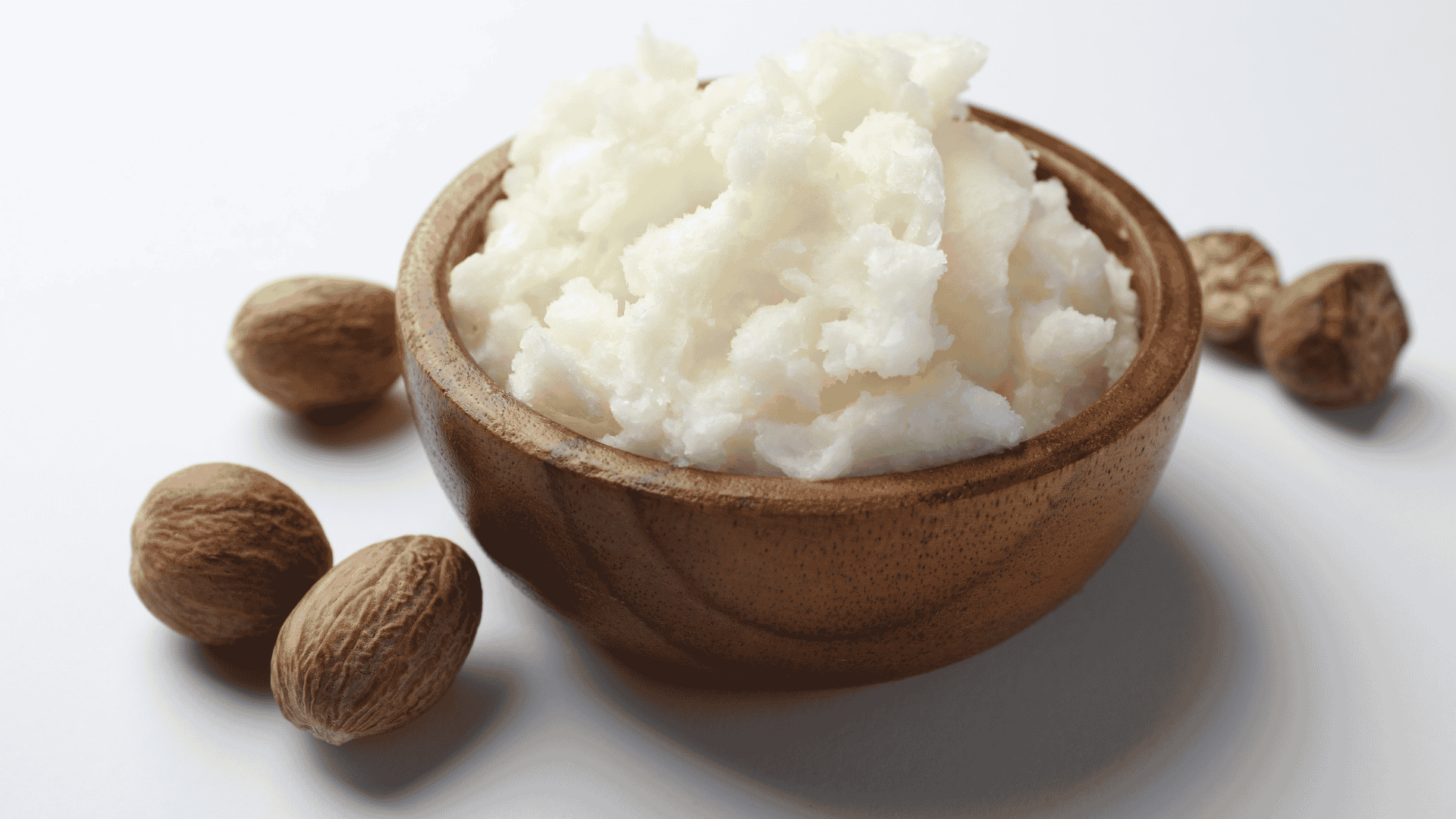
My interest in indigenous fats and oils started with curiosity. Growing up in an urban environment, I was familiar with the fats and oils we used at home, but shea butter was not one of them. My mum had mentioned eating shea butter and I had met other people who cooked with it, but I had never really thought about its place in our food culture. I only began to understand the extent of the gap between its production and its use in urban kitchens when I started researching for this project.

Around the same time, I visited ร’fรฌkรฌ through a Slow Food Farms project. I had been told that shea trees grew there and that shea butter was produced in the community, but I learnt that production had moved to neighbouring Tรฉdรฉ. I saw the trees in ร’fรฌkรฌ and eventually visited Tรฉdรฉ, which further deepened my interest in the ingredient and its significance to these communities.

The more I researched, the more I wanted to understand how an ingredient so deeply rooted in some communities could be largely absent from the everyday cooking of many urban Nigerians. I was also drawn to the history of ร’fรฌkรฌ and Tรฉdรฉ and the importance of shea butter and Atili oil in their food cultures.

This curiosity led to my project, “Reclaiming Indigenous Fats and Oils for Sustainable Nigerian Food Systems”. My work currently focuses on shea butter, while Atili oil remains part of the wider scope of my interest. I want to explore how we can bring these indigenous fats back into contemporary kitchens, reconnect consumers with their culinary heritage, and create greater appreciation for the people and knowledge behind their production.

You’ve worked with shea-producing communities, chefs, and urban consumers. What has been the most rewarding moment so far, and what have rural women producers taught you that has shaped your approach?

Every part of this journey has been rewarding, but one of the things I find most satisfying is being able to connect urban consumers and chefs with the women who produce shea butter. Many of these women supply companies and industries that use shea butter for cosmetics, so creating another pathway through culinary use, even on a smaller scale, has been encouraging. I am beginning to see chefs and individual consumers patronise them, their customer base grow, and the knowledge they have shared with me reach new audiences.

During one of my conversations with Alhaja Ajarat, a shea butter producer in Tedรฉ, she spoke about how delicious shea butter was in their food and how it was one of their major cooking fats. She also expressed how much she would love to see younger generations use it more in cooking and that stayed with me because it reminded me that beyond introducing an ingredient to people who are unfamiliar with it, it is about helping to sustain a food culture that the producers themselves value. Although the demand for culinary shea butter is still small compared with its use in cosmetics, seeing people begin to explore it as food and purchase directly from the producers is a meaningful step.

The women have also taught me the importance of listening to the people who have worked with an ingredient long before I became interested in it. As a chef, it is easy to approach an ingredient through its culinary possibilities, thinking about what I can create with it or how I can introduce it to new audiences. However, speaking with producers has helped me appreciate the knowledge, experience and history that already exist around it. I have learnt that my role is also to help make existing knowledge more visible, connect it with new audiences and ensure that the women behind the ingredient are part of the opportunities that follow.
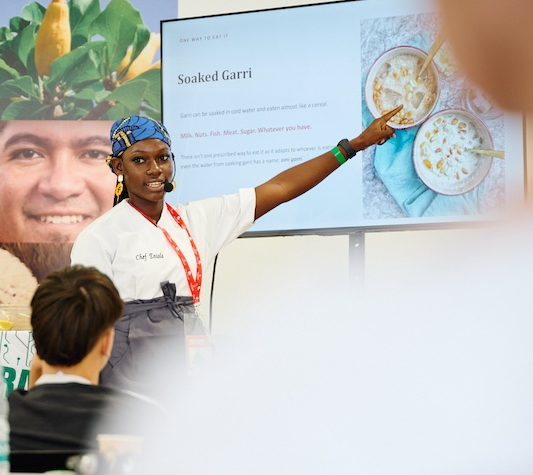
Eniola Young Chefs Programme WFF
The Young Chefs Programme paired you with your mentor, Suhair Kilani, expert masterclasses, and an international platform. How has that support helped you grow, and what has it unlocked for your project?

Being paired with Dr. Suhair Kilani has been one of the most valuable parts of the Young Chefs Programme for me. She has been incredibly supportive, checking in on my progress, encouraging me, helping me think through my research and offering practical advice on how to move the project forward. Having someone who takes a genuine interest in what you are building and continues to cheer you on makes a difference, especially when you are still figuring things out and learning as you go. I feel very fortunate to have her as my mentor.

Another significant outcome has been the opportunity to take this work into wider conversations. The international exposure has been significant. It has opened up opportunities to speak on international platforms both physically and virtually, like the African Food Systems Forum in Kigali and the World Food Forum Flagship event. It has also helped me connect with people working across food systems and think more seriously about what the project could become. I have been able to take my work beyond Nigeria and introduce people from different backgrounds to indigenous Nigerian fats, particularly shea butter, and its culinary uses beyond cosmetics. These experiences have helped me see how a project rooted in a local food culture can contribute to wider conversations about biodiversity, food heritage and sustainable food systems.

The programme has also helped me move from having an idea I was curious about to implementing activities and securing grant support for the project. Beyond the visibility, I have grown in confidence and become more deliberate about how I communicate my work and the change I hope it can contribute to. For me, that has been one of the biggest things the programme has unlocked.

At the World Food Forum flagship event in Rome this October, what do you want policymakers, scientists, and investors room to take away from a young chef’s perspective, and what would you ask that they prioritize when they go back to their offices and boardrooms?

When policymakers, scientists and investors return to their offices and boardrooms, I would like them to consider these three questions:

  1. How can we strengthen existing efforts to preserve and promote local ingredients and food traditions that risk being undervalued or lost?
  2. How can we ensure that the producers and communities sustaining them benefit from the value their work creates, while also making room for chefs and young food professionals to contribute to the policies and decisions shaping these food systems?
  3. And what practical investments can help bring these ingredients into more of our everyday kitchens?

From my perspective as a young chef, we already have people doing important work to champion indigenous ingredients and preserve food traditions. The opportunity now is to build on that work and create more pathways for it to have a wider impact. We need to recognise that chefs contribute to food systems beyond cooking. Through our work with ingredients, producers, businesses and consumers, we can influence what people value, what they eat and what creates demand across the food chain.

I would therefore encourage greater investment in women-led food value chains and initiatives that connect producers with chefs, researchers and businesses. I would also like to see policies and funding mechanisms that allow young chefs and other food professionals to contribute to research, innovation and decision making, rather than limiting our participation to advocacy events and cooking demonstrations.

The future of food will be shaped by decisions made in policy rooms, laboratories, farms, markets and kitchens. Chefs should be part of those conversations, alongside the producers and communities whose knowledge sustains our food systems.

Youโ€™re putting the 2026 World Food Forum theme into action in your project, reclaiming indigenous fats and oils for sustainable Nigerian food systems through field documentation, sensory tasting sessions, and culinary activation. As someone who is helping to design the future now, what does ‘Innovate today. Nourish tomorrow.’ mean to you?

To me, “Innovate today. Nourishing tomorrow” means finding ways to make the knowledge, ingredients and food traditions we have today relevant to the generations that come after us. Innovation should not always mean looking for something entirely new. It should also mean looking at what we already have, understanding its value, and finding new ways to use it to meet the needs of the present and the future.

I am exploring how indigenous fats can be brought into contemporary kitchens and become part of how people cook and eat today. However, I believe this must go beyond creating new recipes or encouraging people to use these ingredients. We also need to understand their nutritional properties and communicate them accurately, so that people can make informed choices about what they eat.

Lastly, innovation should also consider the people who have sustained its use; the knowledge they carry, the food cultures it belongs to and the possibilities it holds for the future. If we can build on that knowledge, make it relevant to new generations and ensure that these ingredients continue to nourish us, then we are preserving our food heritage and giving it a future.

You coordinate the Slow Food Cooks Alliance in Nigeria, among a long list of other advocacy projects.  What advice would you give to chefs, particularly women, who want to be a part of shaping how their communities eat? Can you share your favorite resources for people interested in taking action towards championing indigenous ingredients, documenting traditional recipes, and encouraging responsible sourcing?

My advice would be to start with what you have, stay curious about the food cultures around you, and do not underestimate the influence you can have as a chef. The ingredients we choose, the people we source from and the stories we tell through our food all influence how people eat and what they learn to value.

For women in particular, I would say that our knowledge and experience deserve a place in conversations that shape our food systems. We can contribute beyond the kitchen, whether through research, community initiatives, entrepreneurship or policy discussions. We do not have to know everything before we begin, but we must be willing to learn, collaborate and create opportunities for other women along the way.

For anyone looking to get started, I recommend a few resources:

Beyond these resources, speak to farmers, processors, market traders and home cooks; acknowledge the people who share that knowledge. Build relationships with producers and understand where your ingredients come from. Most importantly, look for ways to turn what you learn into action, whether by introducing indigenous ingredients to your menus, creating demand for local produce or helping pass traditional food knowledge on to younger generations.

With thanks to Chef Neeola for sharing her insights and recommendations, we wish our global community a happy World Food Day!
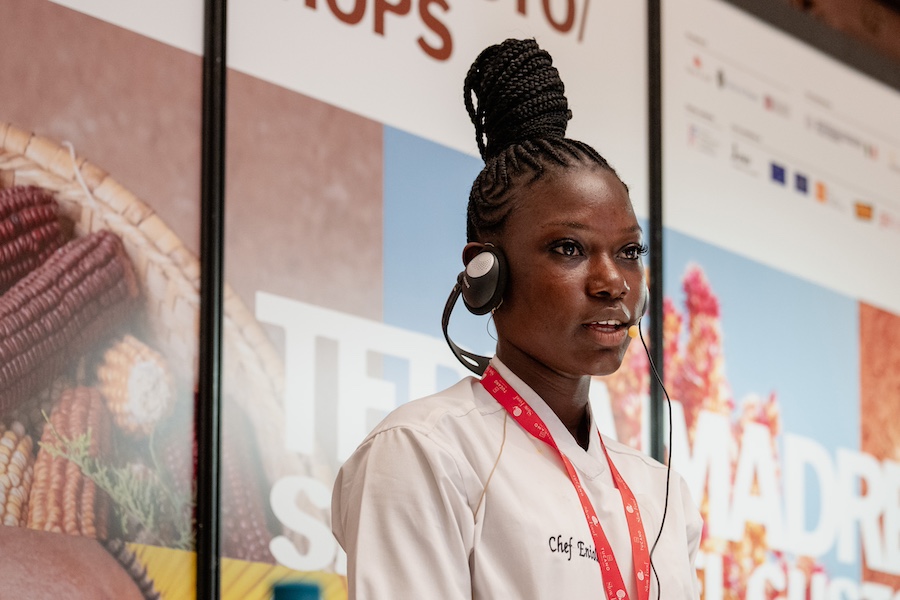

Eniola Young Chefs Programme WFF

The future of food will be shaped by decisions made in policy rooms, laboratories, farms, markets and kitchens. Chefs should be part of those conversations, alongside the producers and communities whose knowledge sustains our food systems.

Follow Chef Neeola on:

About Eniola Grace Okeola

Eniola Okeola, (Chef Neeola), is a Nigerian chef, writer and food advocate working at the intersection of culinary heritage, biodiversity and sustainable food systems.

Professionally trained in culinary arts and patisserie, she worked her way from intern to commis chef, specializing in pastry while gaining experience across both hot and cold kitchen operations. She also managed her restaurantโ€™s garden for a period, ensuring the availability of edible flowers and microgreens for its menus. She has since expanded her work beyond the kitchen to explore how culinary practice can strengthen local food systems and preserve indigenous food knowledge.

A 2026 participant in the World Food Forum Young Chefs Programme, Eniola is developing Reclaiming Indigenous Fats and Oils for Sustainable Nigerian Food Systems, a project exploring the culinary use of indigenous fats, particularly shea butter, and creating new connections between women producers, chefs and consumers. She also coordinates the Slow Food Cooks Alliance Nigeria, championing indigenous ingredients, food traditions and the people who sustain them.

Credits

Sincere thanks to Eniola for this interview.

Written by Clare Crowe Pettersson.
Categories
Industry News

Pressure Comes With the Kitchen. Looking Out for Each Other Should Too.

Chef, you know when a service is starting to go off the rails. But can you recognise when someone on your team is reaching their limit?

10 October marks World Mental Health Day, an opportunity to reflect on a familiar reality: professional kitchens are high-pressure environments where speed, precision and the ability to think on your feet are part of the job.

But there’s a difference between rising to the challenges of a demanding service and accepting everything that happens in the heat of it as normal.

In recent years, conversations around burnout, stress and mental health in hospitality have become more open. Yet awareness alone isn’t enough. It’s time to look more closely at the habits we’ve learned to accept, the tools that can help us through difficult moments, and how we look after the people working alongside us.

When โ€œThat’s Just the Jobโ€ Goes Too Far

An occasional late finish might be unavoidable. But when overtime becomes the rule rather than the exception, that’s a different story. The same goes for consistently missed breaks, uneven workloads, or mistakes met with shouting and humiliation.

At what point do we stop seeing these situations as problems and start calling them โ€œjust life in the kitchenโ€?

This isn’t just a question of workplace culture. It has real consequences for whether people can see a future for themselves in the industry.

In the 2026 report Should I Stay or Should I Go? Insights from a Global Survey on Chefs’ Intention to Leave, Bournemouth University and The Burnt Chef Project surveyed 460 chefs. Of those surveyed, 69% reported often or always thinking about leaving their jobs.

And yet, many still love cooking, creating and working alongside their teams. What makes them question their future is often everything surrounding the job: unsustainable hours, understaffing, work-life conflict and harmful management practices.

The problem isn’t necessarily that chefs have lost their passion for cooking. It’s the price some feel they have to pay to keep doing what they love.

Changing that reality takes practical decisions: more sustainable schedules, breaks that are actually respected, fairer workloads and feedback that helps people improve without tearing them down.

Building a positive kitchen culture doesn’t mean lowering expectations. It means creating the conditions for people to meet high standards without consistently sacrificing their wellbeing.

Of course, even the best-run kitchens will have moments of intense pressure. And alongside the changes we need to make in our workplaces, there are personal skills worth developing too.

When the Heat Is On: Find Your Reset

During a busy service, it doesn’t take much for tensions to rise. A wrong order, a delayed preparation, an unexpected problem to solve while everything else keeps moving. In those moments, having a few tools to regain focus can make a difference.

TRY THIS: Small Resets for Busy Kitchens
  • Box breathing: Breathe in for four seconds, hold for four, breathe out for four, then pause for another four before repeating.
  • Physiological sigh: Take two consecutive inhales through your nose, followed by a slow, full exhale.
  • Physical grounding: Bring your attention back to your body for a moment. Notice your feet against the floor or focus on another simple physical sensation.
  • Ask yourself, โ€œNow what?โ€ When something goes wrong, shift your attention to the next useful step instead of dwelling on the mistake.

For more practical insights, tune in to When the Heat Is On: Mindfulness and Confidence with Melanie Underwood, an episode of World on a Plate exploring mindfulness, confidence and managing pressure in professional kitchens.

Looking Out for Each Other Starts with Listening

Looking after our mental health isn’t only about recognising our own limits. It also means paying attention to the people we spend so much of our working lives alongside.

A colleague who suddenly becomes quieter, seems constantly exhausted or struggles to concentrate may be going through a difficult time. We can’t know what’s happening based on these signs alone, but we can find an appropriate moment to check in.

And, more importantly, listen to the answer.

Active listening isn’t about immediately finding a solution. It’s about making space, avoiding quick judgements and taking what someone chooses to share seriously.

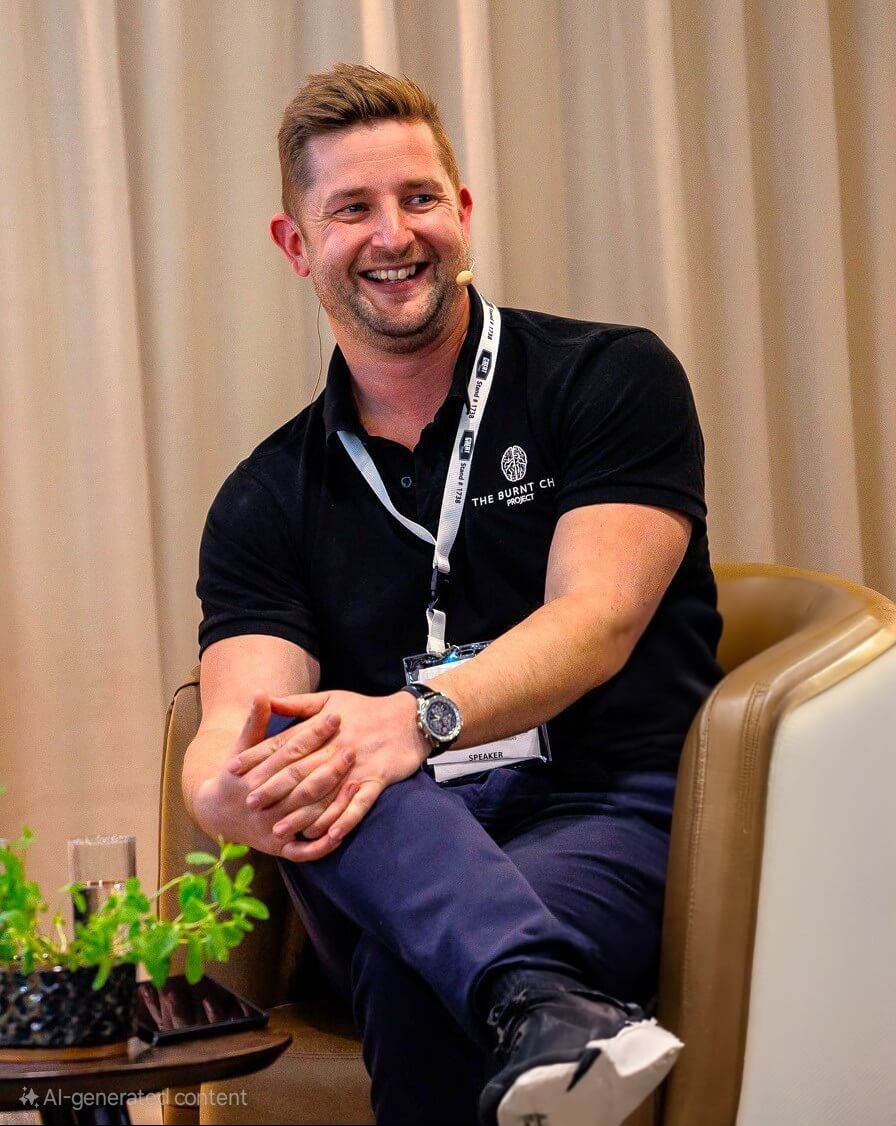
As Kris Hall, Founder and CEO of The Burnt Chef Project, explains, human connection is a fundamental part of supporting mental health in hospitality.

Kris Hall

What we really value, and in hospitality this is specifically true, is connection. In order for us to be able to feel like weโ€™re seen and heard, we need to connect with another human being.

โ€” Kris Hall, The Burnt Chef Project

A conversation is no substitute for professional support. But it can be the first step towards recognising when someone needs help.

And for those in leadership positions, listening brings another responsibility: taking concerns seriously and considering what can actually change in the way work is organised.

This also connects with the World Health Organization’s theme for World Mental Health Day 2026, โ€œLived experiences heard: real voices, real changeโ€. People’s experiences should have a meaningful role in shaping the decisions that affect their wellbeing.

To explore the importance of connection and active listening, tune in to From Burnout to Breakthrough with The Burnt Chef Project CEO Kris Hall and discover the resources available through The Burnt Chef Project.

You Feed Everyone Else. Don’t Forget Yourself.

Here’s a paradox many hospitality professionals will recognise: we can spend an entire service preparing, tasting and perfecting food for others without finding a moment to sit down and eat ourselves.

Between prep, service and clean-up, even our most basic needs can slip to the bottom of the list.

Yet looking after our mental health also means paying attention to our physical wellbeing.

It’s not about following the perfect diet or expecting good nutrition to solve mental health challenges on its own. It’s about recognising the importance of eating regularly, staying hydrated and having genuine opportunities to rest and recover.

And here too, the responsibility shouldn’t fall entirely on individuals. Finding time for a proper break often depends on how work is organised and managed.

In a profession dedicated to feeding others, it’s worth remembering that the people preparing the food need nourishment, care and support too.

The Standard We Set for Each Other

A successful service takes organisation, communication, attention to detail and teamwork. We consider these essential to delivering the quality our guests expect.

So why shouldn’t we place the same importance on how we look after the people who make that service possible?

Wellbeing shouldn’t become a priority only when someone reaches breaking point. It should have a place in everyday decisions, professional training, leadership and the way we work together.

This World Mental Health Day, we can start by taking a closer look at what happens in our own kitchens: which habits need to change, which struggles we’ve learned to overlook, and how much room we give ourselves and others to ask for support.

Because a kitchen doesn’t prove its excellence only through the quality of its food or its ability to handle a demanding service. It proves it in the way it treats the people who make it all happen.

Pressure comes with the kitchen. Looking out for each other should too.

Categories
Industry News

How Chefs Are Making Gluten-Free Dining Accessible Without Sacrificing Flavour

Gluten-free dining is a necessity for so many, but too often, options are limited. From infamously chalky flavours and textures to unlabelled gluten contaminants, those with restricted diets face immeasurable challenges in the dining sphere that we have a responsibility to fix. Making gluten-free dining safe, accessible and delicious is an act of culinary advocacy and food security. Hereโ€™s how to get started.

The Reality of Gluten-Free Dining

Coeliac disease affects roughly one in 100 people worldwide, yet the barriers to safe dining extend far beyond medical diagnosis. When restaurants offer gluten-free choices only as afterthoughts or charge premium prices for ingredient swaps, they create a system where safe, enjoyable meals become privileges rather than standards.

The cost barrier alone makes gluten-free diets considerably more difficult for lower-income  individuals to maintain, because labelled gluten-free products are less available and more expensive. Diners often have to choose between health and budget. Compounded by fewer options overall and premium substitutions at restaurants, the reality for many customers is that current restaurant practices are inaccessible.

WHAT CHEFS CAN DO

When you redesign your kitchen and menu to treat gluten-free cooking as the norm rather than an exception, you eliminate the upcharge model that deepens inequity. The shift starts with ingredient awareness and a commitment to ongoing recipe research. You can also experiment with naturally gluten-free staples that deliver flavour and nutrition without compromise.

Cross-contamination and gluten exposure can be a serious health risk. Training your entire team on this reality makes gluten-free preparation second nature instead of a special procedure that slows service. When everyone in your kitchen grasps the stakes, safe execution becomes instinctive.

5 Naturally Gluten-Free Ingredients Every Chef Should Stock

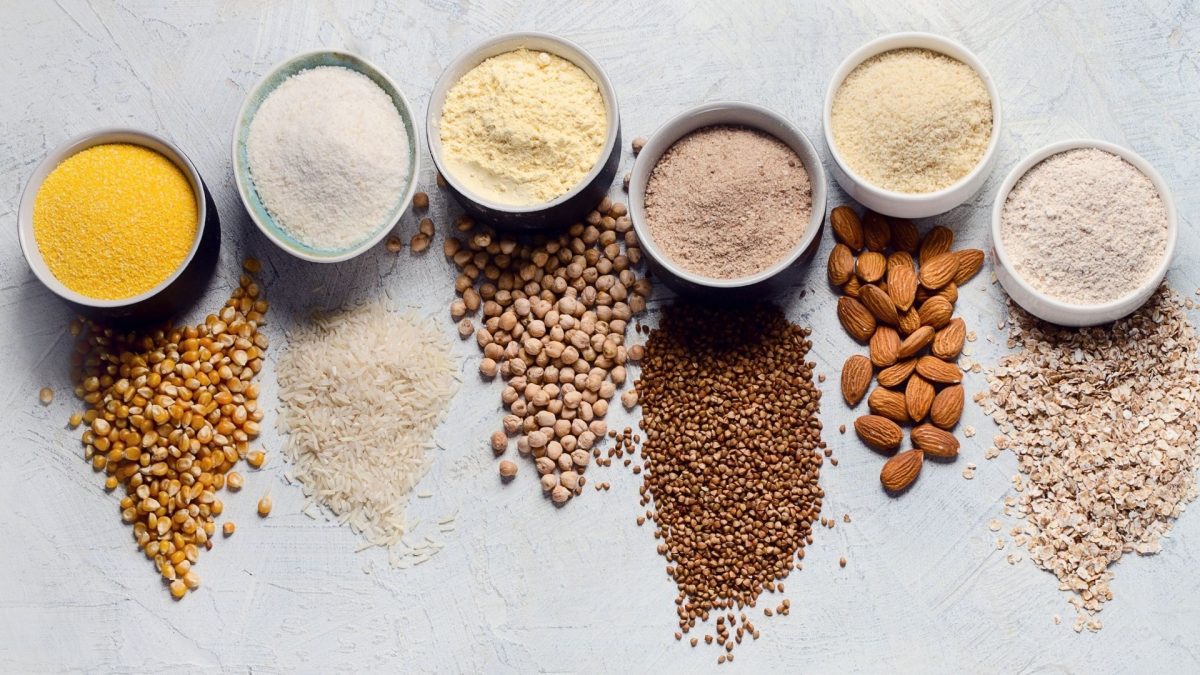
Building a gluten-free menu that rivals traditional offerings requires smart ingredient choices. Here are five naturally gluten-free staples that deliver flavour, versatility and nutritional value without relying on processed or premium substitutes.

1.  Quinoa as the Go-to Protein-Packed, Nutrient-Dense Ancient Grain

Quinoa offers a reliable base for pilafs, bowls and sides, offering a pleasant texture without turning mushy like some processed gluten-free pastas. With a high protein and fibre content, this grain is a nutritional powerhouse. Use it as a foundation for mains or as a hearty side that complements proteins and vegetables equally well.

Quick cooking time and excellent flavour absorption make quinoa ideal for everything from warm grain salads to porridge-style breakfast preparations. Its subtle taste doesn’t compete with bold seasonings, allowing you to incorporate this versatile grain into cuisines ranging from Mediterranean to Latin American to Asian-inspired menus.

2.  Chickpea Flour as the Go-to Versatile, Wheat-Free Binding Agent

Chickpea flour, also called gram flour, does not contain gluten, as it is made from chickpeas. Legumes are generally safe, naturally gluten-free staples that should anchor your pantry.

The wheat-free alternative works beautifully as a binding ingredient in doughs and coatings without compromising structure. Itโ€™s important not to confuse gram flour with graham flour, though, as graham flour does contain gluten.

Falafel and fritters showcase this ingredient’s strengths, especially in meals with a Middle Eastern profile. The slightly nutty, earthy flavour adds depth to preparations, and the resulting crusts turn crisp and golden when coating proteins or vegetables.

3.  Arrowroot as the Go-to Neutral, Reliable Thickening Starch

Arrowroot offers an essential swap for wheat. This starch is free of gluten, like many tubers, and creates glossy, clear reductions without dulling flavours or risking cross-contamination. Its neutral taste and reliable thickening power make it indispensable for coeliac-safe cooking in restaurants.

As gluten-free bread options rise in popularity, diverse grains and inclusive baking practices should become standard. Chickpea flour and arrowroot powder are key ingredients in gluten-free multigrain mixes, allowing kitchens to make and serve high-quality bread that rivals traditional loaves.

4.  Fruits and Vegetables as Go-to Fibre-Rich, Versatile Staples

Fruits and vegetables offer countless possibilities, as long as you avoid cross-contamination during prep and storage. Stock your kitchen with a variety of produce to build vibrant, nutrient-dense plates. Consider staples like:

  • Brussels sprouts
    • Broccoli
    • Carrots
    • Apples
    • Kale

These ingredients form the foundation of preparations that celebrate natural flavour and texture without requiring speciality substitutes. When your menu emphasises whole, unprocessed produce, gluten-free diners can confidently choose from a wide range of options rather than being confined to one or two safe items.

5.  SAN-J Tamari as the Go-to Certified Gluten-Free, Umami-Rich Soy Sauce

While traditional soy sauce contains wheat, making it unsafe for coeliac diners, certified gluten-free tamari delivers umami depth without the risk of gluten cross-contamination. SAN-J Tamari is made from 100% soybeans and is certified by the Gluten-Free Certification Organization. You can use it in traditional Korean soups like siraegi doenjang, a sustainable, zero-waste dish  made with sun-dried radish greens.

With vegetables, tofu, sesame oil and gluten-free soy sauce for chefs to use instead of the traditional sauce, this sustainable meal makes the most of a coeliac-safe dining experience. SAN-J Tamari can also support gluten-free adaptations of marinades, broths and dipping sauces where chefs need soy-sauce depth without introducing wheat. Certified gluten-free umami ingredients for professional kitchens ensure quality, safe dishes full of rich, authentic flavours.

How to Communicate Gluten-Free Options Without Isolating Diners

Coeliac diners often hold serious concerns about cross-contamination in professional kitchens, and for good reason. Many experience hypervigilance and excessive fear regarding safety with food-related stress, fatigue and feelings of social exclusion.

Food has the remarkable power to help us understand each other, so our approach should reflect this. Making every diner feel included means building transparent systems that communicate safety without any stigma.

Your kitchen practices and front-of-house approach need to work together to create trust from the outset. Clear menu labelling, knowledgeable staff and visible commitment to safe preparation help coeliac diners relax and enjoy the experience rather than spending the meal worrying about what might go wrong.

WHAT CHEFS CAN DO

Transparent kitchen practices build trust. Start by redesigning your workflow to include dedicated prep stations, clear labelling, and staff training that treats gluten-free and coeliac-safe ingredients as everyday tools, not special accommodations.

Designate specific cutting boards, utensils and prep areas for gluten-free work to prevent mistakes during rush service. Colour-coded systems help reduce error at a glance. Front-of-house staff should also receive comprehensive training to ask the right questions without making diners feel interrogated or othered.

Both service language and menus should communicate safety without making coeliac diners feel like a burden or an exception. Instead of segregating gluten-free items into a separate section, weave them throughout your menu to normalise the options.

Empowering Your Team to Be Food System Changemakers

Your professional kitchen can be a classroom, where everyone, even the most senior members, continuously learns. Mastering coeliac-safe cooking in restaurants is an act of continued advocacy that extends beyond individual meals.

As chefs, we have a responsibility to champion food security and train the next generation to view dietary needs as opportunities for innovation. When you invest in teaching inclusive cooking practices, that knowledge sticks. Your staff carry it throughout their careers, spreading better standards across the industry.

WHAT CHEFS CAN DO

Lead the charge in your communities by continuing to explore inclusive gluten-free cooking. Making safe, welcoming gluten-free dining the norm in your kitchen raises awareness about nutrition and food security with every inclusive menu.

Hereโ€™s how we can improve our kitchens:

  • Share your methods with peers: Mentor cooks on the importance of dietary inclusivity.
  • Take time to research more products: Learn more about where SAN-J gluten-free soy sauce is sold, how to ensure your produce isnโ€™t cross-contaminated, or what gluten-free certification really means.
  • Advocate for suppliers: Support businesses that offer high-quality, certified gluten-free ingredients at fair prices.
  • Experiment with recipes: Explore how to blend these flavours for unique combinations without sacrificing texture for the price.

Your leadership can shift industry norms and create ripple effects that benefit diners far beyond your own kitchen.

Serving Inclusivity on Every Plate

Mastering coeliac-safe cooking is a chef’s secret ability for creating a more equitable culinary world. When you redesign your kitchen to eliminate barriers, you’re doing so much more than accommodating one dinerโ€™s dietary restriction. You’re advancing food security, challenging inequity and proving that exceptional dining should be available to everyone. We can all make dining safe, welcoming and enjoyable for all.


Credits

Written by Beth Rush

Beth is a food and nutrition journalist with eight years of experience covering functional ย ingredients, food-as-medicine trends, and market growth strategies. She specializes in ย trade analysis that translates emerging consumer health trends into actionable insights. ย As a certified Autoimmune Holistic Nutrition Specialist and Associate Member of the AHCJ, Beth brings both research rigor and specialized nutrition expertise to herย reporting.

Categories
Industry News Industry Trends Member News News

Signs of Good Food: What Every Kitchen Can Learn from Deaf Culture

For Deaf Awareness Month, we asked Signs of Good Food about deaf culture in the kitchen. They are showing how much deaf chefs bring to the line, and how the industry must reframe what a great kitchen looks like through communication, culture, and community.

Heard. Yes, Chef. Fire table five.

Kitchens are loud. Hoods roar, tickets print, someone’s always yelling “behind.” Sometimes your cook doesn’t hear it. Sometimes your cook can’t.

But deaf cooks and chefs have been running kitchens without that call all along. They sign across the pass, catch a glance in the mirror stationed in front of them, and warn you with an elbow tap instead of a shout. Around the world, deaf chefs are opening restaurants where sign language is part of the hospitality, and a distinct culinary community is taking shape.

For Deaf Awareness Month, we talked with Bri Herold and David Uzzell of Signs of Good Food about what deaf culture brings to the kitchen, from the line to the dining room. 

Tell us about Signs of Good Food. How did it get started?

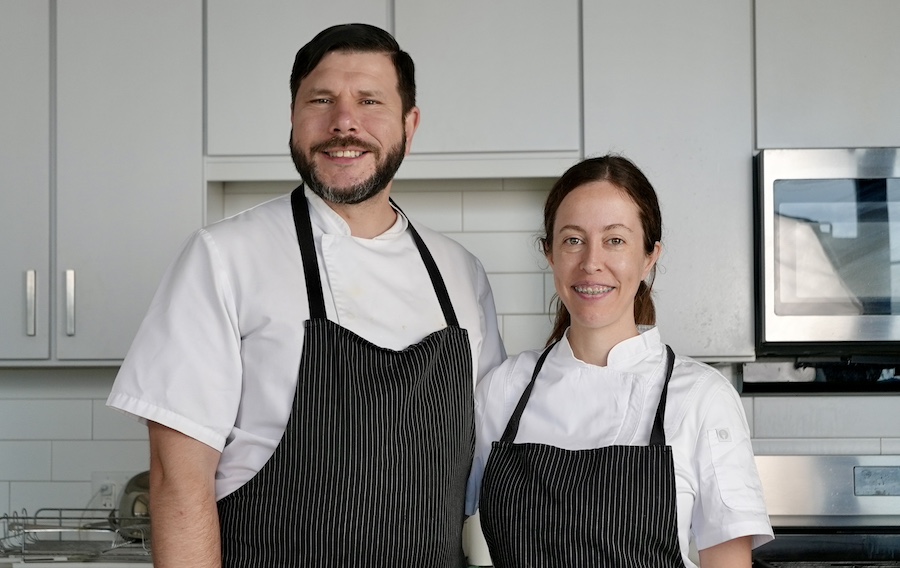
Bri: Signs of Good Food really grew out of the way we already talked about food with each other. David has spent more than 15 years working in restaurants, and Bri is an engineer with a background in biology and chemistry, so we tend to look at the same dish from very different perspectives. David looks at food through the lens of someone who has spent his career in professional kitchensโ€”how it tastes, how itโ€™s made, and what it takes to execute it well. Bri wants to know why it works, how we can experiment with it at home, and why the restaurant industry does things the way it does.

We have been having those conversations for over a decade, and we started sharing them on social media two years ago after a trip to the Minnesota State Fair, when Bri said, โ€œLetโ€™s make a video about this weird deep-fried ranch.โ€ Bri made the video, kept going, and she just grew Signs of Good Food from there.

The name represents what we were already doing: looking for the signs that make food good while sharing it through the sign language we use to communicate. Today, we use recipes, experiments, restaurant experiences, and sign language to explore one question that still drives everything we do: what makes food good?

You two work as a team. How is what you do enriched by both your perspectives?

Bri: Our perspectives are pretty different, which is exactly what makes us work so well as a team. David brings more than 15 years of experience in professional kitchens and front-of-house management, while Bri approaches food as an engineer, scientist, and curious home cook. David often knows from experience that something works, while Bri wants to know whyโ€”and how to make that knowledge easy to understand and share. We usually end up learning something new from each other every day.

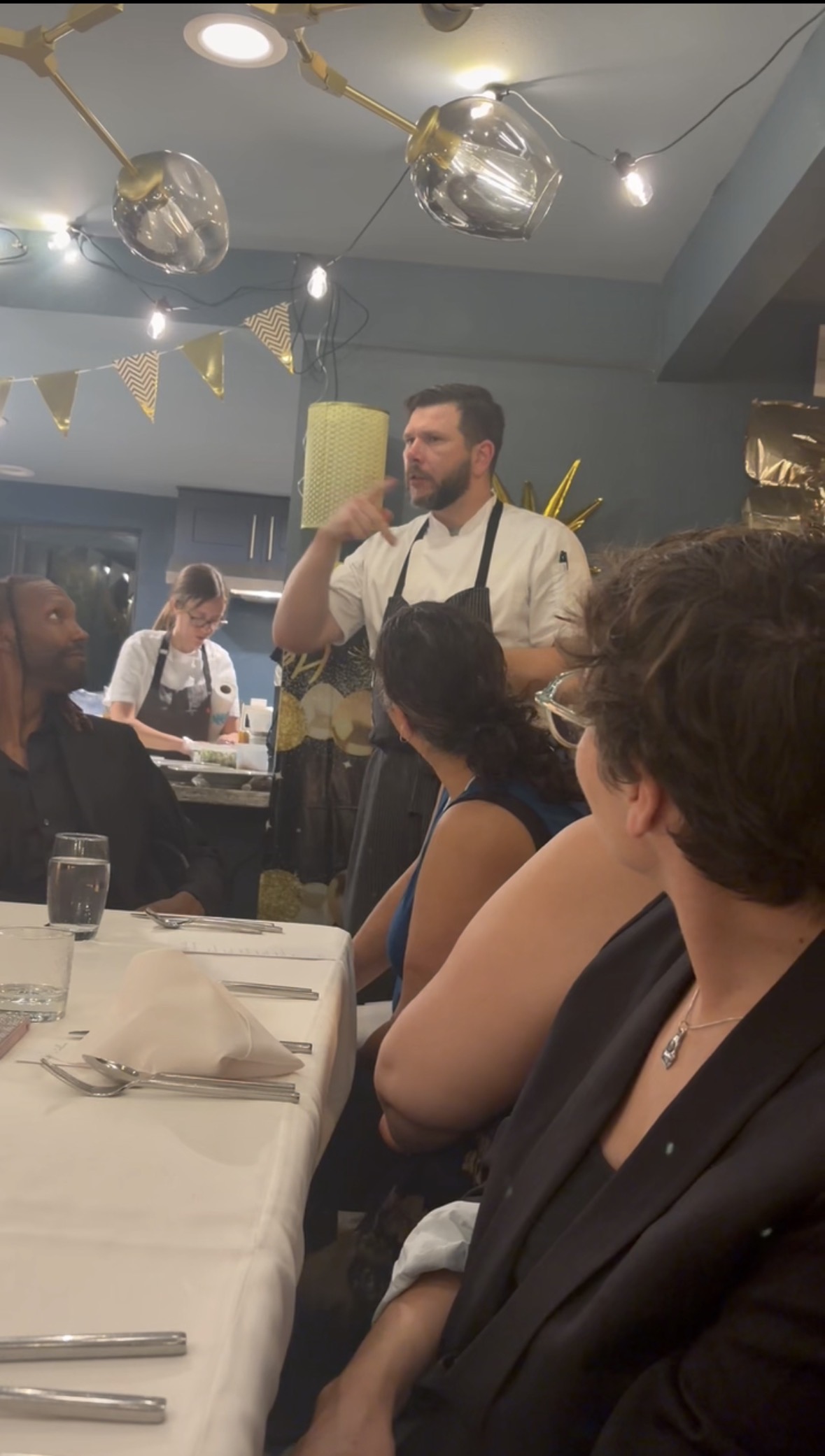
That dynamic carries over into everything we do, from our food edutainment content to the occasional private dining experience. Most recently, we hosted multi-course dinners in Houston, Texas, and Latrobe, Pennsylvania, centered around good food and sign language. We develop the menus and prep together, then take on different roles during service: Bri typically runs expo, while David leads the kitchen and hospitality. Whenever we can, we bring other deaf and/or signing people onto our team, which adds even more perspectives to the experience.

Signs of Good Food Chef David Uzzell
David, youโ€™ve had a remarkable career in the kitchen, from cooking at the White House to working with Josรฉ Andrรฉs. How has working in F&B changed over the course of your career, and what are the biggest gaps you still see today?

David: In the 15 years Iโ€™ve been in the industry, the biggest change Iโ€™ve seen is that weโ€™re becoming more thoughtful about the people behind the stove. Weโ€™re talking more about mental health and work-life balance, recognizing what immigrants, women, and people with disabilities bring to the table, and being more open about issues like pay fairness between the front and back of house.

But while the conversation has changed, thereโ€™s still a gap between talking about inclusion and actually running an inclusive restaurant. Deaf cooks can struggle to get hired because restaurants worry that communication differences will slow down a fast-paced kitchen where everyone else can hear. Those assumptions can prevent someone from getting a chance before a restaurant has even seen what they can do. And getting hired is only the first hurdle. Deaf cooks also need the same access to information, mentorship, and opportunities to develop that their hearing peers receive.

Thatโ€™s one of the biggest gaps I still see: signing deaf people rarely hold leadership positions in the industry. I can count on one hand the number of signing deaf people I know who lead a hearing-staffed kitchen or manage a hearing-run restaurant. Too often, deaf people have to create those opportunities for themselves, work a hundred times harder to outshine everyone else, or find a boss willing to take a bet on them.

Since moving into front of house and management, Iโ€™ve been rethinking some of the treatment I accepted as a line cook and even as a chef. Success shouldnโ€™t depend on how much adversity someone is willing to tolerate. Everyone deserves a seat at the table, including the people putting food on it.

September is Deaf Awareness Month. What are the most important ways that the industry can better support deaf chefs?

David: The biggest thing the industry needs to reframe is how we think about working with deaf people. There can be an assumption that hiring a deaf person means extra workโ€”communicating differently, changing a system, or learning something new. But kitchens already require people to adapt to one another. We learn how our coworkers communicate, develop shorthand during service, and change systems when they arenโ€™t working. Working with a deaf person is simply another version of learning how to work with the people on your team.

And often, those changes make the kitchen better for everyone. Sign language cuts through a loud kitchen. Visual timers work when five timers are beeping at once. Written lineup notes ensure everyone gets the same information. Mirrors improve visibility, and a tap with your elbow when passing behind someone adds another layer of caution.

This reframing becomes especially important when it comes to development. Restaurants may not realize how easily a deaf cook can be left out of incidental learningโ€”the information hearing cooks pick up by overhearing conversations, instructions, and feedback. Deaf cooks may not even know what theyโ€™re missing. Over time, that adds up and can affect their opportunities to learn, grow, and advance.

Iโ€™ve experienced that myself. I had already worked as a chef de partie at a Michelin-starred restaurant when I entered another Michelin-starred restaurant as a prep cook because I wanted the opportunity to work in that particular kitchen. I asked to have a conversation about how we could work together and how I could grow there, including something as basic as access to the information shared during daily line-up. But for my entire time there, I stood through those line-ups without knowing what was being said. When I asked to have a conversation about it, the answer was simply no.

Supporting deaf chefs starts with recognizing that weโ€™re already doing this kind of work in our kitchensโ€”learning how people communicate, adapting systems, and figuring out what different people need to succeed. Deaf cooks also need to advocate for themselves and do their work well, but that isnโ€™t always easy when thereโ€™s a power imbalance or when theyโ€™re missing access to information and opportunities. Thatโ€™s why awareness matters: it puts everyone in a better place to start that conversation. 

Can you share some of your most memorable experiences on the other side of the pass? What can restaurants do to better accommodate deaf diners?

Bri: When we go to restaurants, we usually send a note in advance letting them know that weโ€™re deaf and that we use sign language. Weโ€™ll suggest a few alternatives to speaking to us, like notecards or printed information about the menu, and we enjoy seeing how different restaurants approach it. Thereโ€™s room to have fun and be creative with accessibilityโ€”it can become part of the hospitality experience rather than something separate from it.

A couple of memorable meals come to mind. At a three-Michelin-star restaurant in New York, the team gave us notecards with extremely thoughtful 3D diagrams describing some of the most intricate coursesโ€”how to eat each dish, what the different ingredients were, and even which utensils to use. At a starred restaurant in Chicago, our captain delivered the entire meal in American Sign Language, which absolutely blew us away. Those experiences made us feel like the restaurants had really thought about how we could experience the meal as fully as everyone else.

But whatโ€™s interesting is that we returned to both restaurants a few years later, and the magic had evaporated. The New York restaurant gave us generic printed notecards instead of the thoughtful explanations we had received before. At the restaurant in Chicago, a server spoke to us to confirm our allergies and still got them wrong. That goes beyond hospitalityโ€”it becomes a safety issue. We had to pull out a phone to transcribe the conversation and then hand it to our captain throughout the meal just so we could understand enough to avoid getting sick. And we havenโ€™t always been able to avoid it. Bri has had to excuse herself from the table and be sick during a nice dinner because a restaurant doubled down and insisted on communicating with us in a way we had explained we couldnโ€™t access.

Weโ€™ve had plenty of great restaurant experiences over the years, but even the best restaurants in the world have room to improve when it comes to consistency with deaf diners who use sign language, especially with something as serious as allergies. Great hospitality shouldnโ€™t depend on who happens to be working that night. Read the reservation notes, discuss accessibility needs during pre-shift or make a plan ahead of time, and, if youโ€™re unsure what will work, reach out to the guest beforehand and ask. Often, it really is that simple.

What resources do you recommend for chefs, deaf and hearing alike, to help build a more inclusive workplace?

David: We recommend starting with resources created by deaf people and organizations. Bill Vicarsโ€™ YouTube channel is a great free starting point for learning ASL. Lingvano is another sign language learning resource that we frequently see recommended by new signers.

Weโ€™re also developing resources at Signs of Good Food specifically for the food and hospitality industry. They include signs and strategies that deaf people can use in both back- and front-of-house roles, and that hearing people can use when working with deaf colleagues, serving deaf guests, or even communicating with each other. Iโ€™m currently putting many of these approaches into practice as Assistant General Manager of Dianeโ€™s Place in Minneapolis, Minnesota. 

What advice would you give to young chefs today?

David: Take care of your body, invest in good shoes, keep your knives sharp, keep your station clean, make mistakes and learn from them, and donโ€™t get into hard drugs. Be curious and be ready to work hard.

Beyond that, especially early in your career, move around. Apply to the interesting restaurants youโ€™ve heard about. Take lots of notes, ask lots of questions, write down the answers, and keep a copy somewhere because eventually you will lose a notebook. Understand that whether youโ€™re one day or fifteen years into cooking, youโ€™re always going to learn something new. Thatโ€™s part of the job, and itโ€™s part of what makes it fun.

For young deaf chefs, Iโ€™d add two things. First, by virtue of being deaf, youโ€™re already memorable, so make it count. Be kind to your colleagues and build relationships because you never know what doors those connections might open later.

Second, find the right team. A good team will include you, show curiosity about you as a person, and make an effort to figure out what works. It might not be perfect, but theyโ€™ll try. Speak up sooner rather than later about whatโ€™s working and what needs to change, especially before habits set in. Donโ€™t accept being shut out of meetings or pre-shifts. Figure out how to make those situations accessible; for example, there are good transcription tools that can help you keep pace.

And if a restaurant treats you like an inconvenience instead of part of the team, thatโ€™s a red flag. Pack up your knives and find another kitchen. I spent too long thinking I had to grind it out in toxic workplaces to move up, but you can learn from my mistakes. Kitchens are always looking for good people, and the great ones wonโ€™t care that youโ€™re deafโ€”theyโ€™ll care whether you can bring the noise.

Chef David Uzzell

Working with a deaf person is simply another version of learning how to work with the people on your team.

Chef David Uzzell
For culinary professionals interested in getting involved or being a part of the Deaf Food Atlas, where can they learn more?

Bri: Our Deaf Food Atlas currently features 148 open deaf-owned or deaf-staffed food businesses around the world, with 184 locations documented in total (36 have since closed). Deaf food businesses interested in being included can visit signsofgoodfood.com or send us a message on any of our social media platforms. We read every message and always love hearing from new businesses. Itโ€™s a unique and growing community, and weโ€™re still witnessing a lot of firsts. Washington, D.C., for example, didnโ€™t get its first deaf-owned restaurant until 2020. Weโ€™re excited to see a distinct culinary community starting to take shape around the world, where sign language is central to the hospitality experience.

Bri: Recently our favorite food signs have been POTATO in Japanese Sign Language and PICKLE in the Minnesotan dialect of ASL. We love seeing how food signs differโ€”or sometimes stay surprisingly similarโ€”across sign languages and cultures. Many food signs are iconic, meaning the sign visually reflects the food, how itโ€™s eaten, or how itโ€™s prepared. Sometimes, just by seeing a sign, you can learn something about another cultureโ€™s relationship with food.

We share signs like these on our social media because, to us as deaf people, theyโ€™re another part of understanding the signs of good food. And if you visit a restaurant on our Deaf Food Atlas in another country, you might even find yourself using one of those signsโ€”or learning a new one from the people you meet there.


Sign language across the pass, a tap on the back for behind, visual aids to improve safety and efficiencyโ€”developing systems through the leadership of deaf cooks and chefs is just developing better systems.

Yet, deaf colleagues are often left out of opportunities to advance in the industry, especially at leadership levels. That needs to change. Mastering kitchen communication requires learning, adapting, and advocating for better systems.

When we bridge the gap between talking about inclusion and running an inclusive restaurant, we can achieve better team culture, better service, and a better industry.

Follow David and Bri on Instagram at @signsofgoodfood and read more about their work at signsofgoodfood.com.

About Signs of Good Food

David Uzzell is a deaf chef with a history degree and more than 15 years of experience in the restaurant industry, primarily in fine dining. Bri Herold is a deaf engineer with a background in biology and chemistry who is curious about food science and nutrition and how to use that knowledge to take dinner to the next level.

Together, they test, translate, and simplify professional techniques for curious cooks at every level, sharing food knowledge through recipes, experiments, and sign language. They encourage people to play with their food, explore what makes it good, and feel confident making something delicious with what they have at home.

Credits

Sincere thanks to Bri and David for this interview.

Written by Clare Crowe Pettersson.
Subscribe

* indicates required

What are you looking for?

Generic selectors
Exact matches only
Search in title
Search in content
Post Type Selectors

OUR NETWORK

Discover our network of Chef Associations

Explore our membership options

Connect with chefs around the world

Browse our network of schools

YOUNG CHEFS

Explore our young chef clubs across the globe

Learn, mentor and develop young chefs

Empowering the next generation of culinary leaders

Access events and mentorship from Michelin star chefs

OUR EVENTS

Learn how to judge competitions

Webinars, livestreams and webcasts

Join us at tradeshows across the globe

COMPETITIONS

- Qualifiers coming soon

- Judges coming soon

Tool for competition organizers and judges

FOR JUDGES

Start your certification pathway

Start your certification pathway

See upcoming seminars and hosting information

CERTIFICATION & RECOGNITION

For Chef

Showcase your talent globally

For Employers

Recognize your team’s skills

For Schools

Learn about Recognition of Quality Culinary Education

LEARNING & EDUCATION

Start your culinary journey with free online courses

Discover our catalogue of quality training programs

Learn to apply the fundamentals of sustainability in the kitchen

Find a Worldchefs certified chef

PARTNER WITH US

Explore partnership opportunities

MAKE AN IMPACT

Driving sustainable change

Delivering global humanitarian relief and aid

Inspiring the next generation through food

Driving sustainable change across communities

Developing future leaders of the culinary profession

Integrate your branding and products to one of the biggest competition of the world.