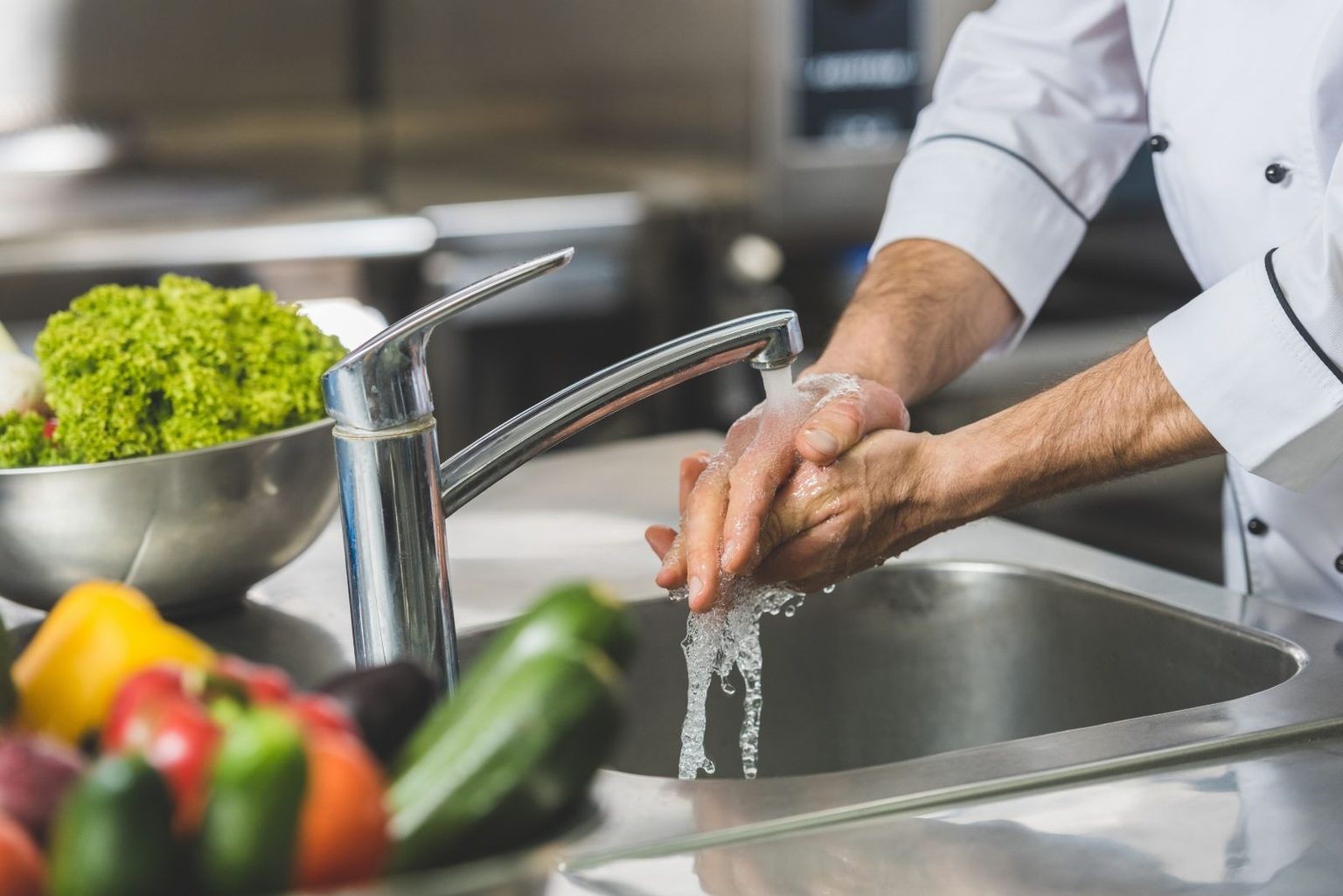
How smarter cleaning, consistent warewashing and operational visibility can help kitchens protect guests and use resources more responsibly
Sustainability is increasingly shaped by everyday decisions in professional kitchens: how often ware is rewashed, how consistently cleaning procedures are followed and how quickly teams spot performance issues.
Food safety remains non-negotiable, but protecting guests and using resources responsibly do not have to be competing priorities. Effective cleaning, consistent warewashing and better operational visibility can make food safety a foundation for more sustainable performance.
Safe operations help prevent avoidable waste
When hygiene standards are not maintained, contaminated ingredients and meals may need to be discarded – wasting not only food, but also the water, energy, raw materials and labour used to prepare it – while disruptions can increase costs and pressure on kitchen teams.
Robust hygiene and sanitation practices can help kitchens protect guests while supporting efforts to reduce avoidable waste.
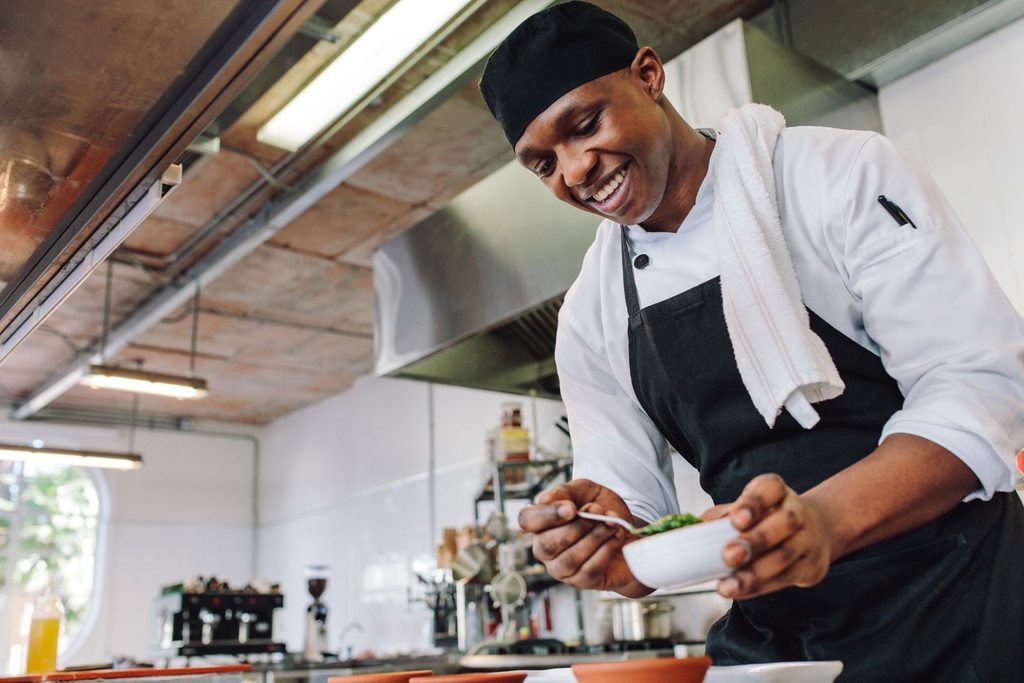
Smarter cleaning supports consistent execution
High hygiene standards do not have to depend on excessive use of cleaning products. Modern cleaning programs combine effective chemistry, controlled dispensing and clear procedures, with precision dosing designed to help deliver the appropriate amount of product for each application.
Simplified processes also help teams clean consistently – especially in busy operations, where time pressure, staff turnover and different experience levels increase the risk of human error.
First-time results matter in the dishroom
Every machine warewashing cycle uses water, energy, chemistry and employee time. When tableware must be washed again because the first result was inconsistent, another cycle is required and additional resources are consumed.
The visible cost of detergent represents only one part of the warewashing operation. An Ecolab warewashing cost model indicates that labour can account for approximately 52% of total warewashing cost, followed by indirect costs at 20%, energy and water at 13%, breakages at 10%, and detergent at approximately 5%. This means that improvement opportunities often extend beyond chemistry alone. Reliable first-time results can help protect employee time while reducing avoidable use of water and energy1.
Effective chemistry, accurate dosing, correct rack loading, maintained equipment and clear operating procedures all contribute to first-time performance.
Ecolab’s SMARTPOWER™ programme combines highly concentrated solid chemistry with controlled dispensing and service support. Compared with conventional 20-litre plastic containers, SMARTPOWER™ can reduce plastic packaging by up to 95%, based on an operation running 500 wash cycles per day2.
By helping reduce avoidable rewash, the programme can also support up to a 10% reduction in the number of racks washed, based on an operation running 500 racks per day. Actual results will vary according to machine type, soil load, water conditions, procedures and site operation3.
Together, these improvements illustrate an important principle: the greatest operational and environmental value comes from achieving the required result correctly the first time.

Better visibility supports better decisions
Many hospitality organizations are increasingly focused on sustainability objectives, but progress depends on clear visibility into everyday operations. Digital tools can help provide it: Ecolab’s DishIQ™ Program, for example, combines equipment, chemistry, monitoring and service support within a connected operating framework, supporting more informed decision-making.
For operational leaders, this visibility can help maintain more consistent performance across shifts and locations. For kitchen teams, it can reduce the time spent identifying and diagnosing avoidable issues.
Technology does not replace strong procedures or experienced people; it gives teams clearer information to act on.
Building a safer, more sustainable kitchen
Food safety and sustainability are interconnected responsibilities. Both depend on effective processes, consistent execution and informed operational decisions.
The future of sustainable kitchens will not be defined by using fewer resources at any cost. It will be defined by using resources more intelligently while protecting cleaning performance, food safety and the guest experience.
For chefs and operators, the opportunity begins with everyday execution:
- clear cleaning procedures;
- accurate and controlled dosing;
- correct rack loading and machine operation;
- reliable first-time results;
- trained and supported teams;
- better visibility into the processes behind every service.
When these elements work together, kitchens can protect guests, support employees and create meaningful opportunities to use water, energy, chemistry and time more responsibly.
Explore Ecolab’s foodservice solutions for safer, more efficient and more sustainable kitchens!
Source notes for publication
- Based on running 500 racks per day and reducing the number of racks washed by 10%. Actual results vary according to operating conditions. ↩︎
- Up to 95% less plastic versus 20-litre plastic containers, based on running 500 wash cycles per day. ↩︎
- Based on running 500 racks per day and reducing the number of racks washed by 10%. Actual results vary according to operating conditions. ↩︎
About Ecolab

Ecolab (NYSE: ECL) is a global sustainability leader offering water, hygiene, and infection prevention solutions and services that help businesses protect people and the resources vital to life. With annual sales of approximately $16 billion and operations in more than 170 countries, Ecolab helps customers improve operational performance while advancing sustainability goals through science-based solutions, digital insights, and expert service.
Discover more at https://www.ecolab.com/en-us/about/industries-we-serve/foodservice/restaurants.
About Worldchefs
Worldchefs, the World Association of Chefs’ Societies, is a global network of national chef associations dedicated to maintaining and improving culinary standards worldwide. Founded in 1928, Worldchefs supports chefs through education, certification, competitions, sustainability initiatives, networking opportunities, and industry partnerships that advance the culinary profession.
Become a Partner
Partner with Worldchefs to get connected with our international membership of professional associations, hospitality schools, and companies around the globe.
Learn more about Worldchefs partnership opportunities at www.worldchefs.org/partnership.
Media contact:
Olivia Ruszczyk communications@worldchefs.org