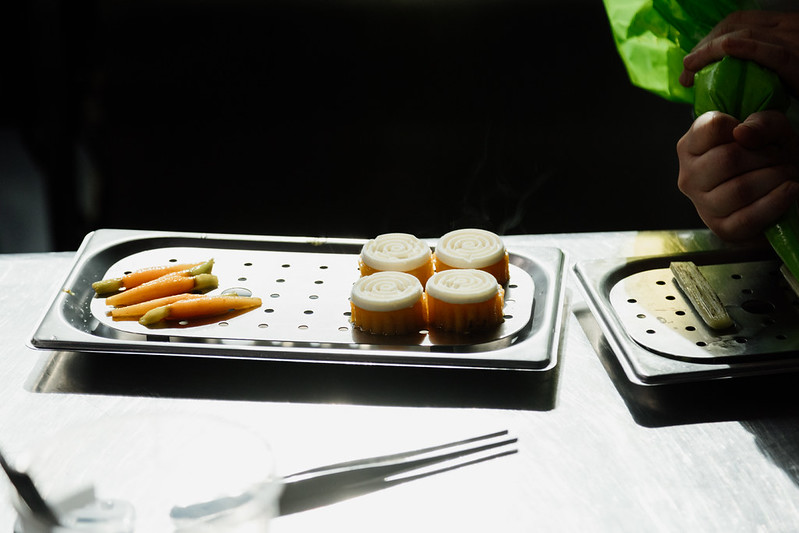
Stories have power. Chefs, as storytellers, create delicious ways for people to reconnect with food culture, putting agricultural origins, cultural traditions, and shared values on a plate.
Everyday, culinary professionals and Worldchefs members are doing incredible work around the globe to help build more conscious kitchens. For Earth Day on April 22nd, we are spotlighting the power of storytelling through food, and how chefs are contributing to positive change. The 2026 Earth Day theme is Our Power, Our Planet, calling people everywhere to stand shoulder to shoulder in defense of the only home we share. Our collective wellbeing depends on planetary wellbeing, too.
Our planet is one thing we universally share alongside food and love. In celebration of Earth Day and this reminder of what connects us, we take a world tour of heritage recipes that show the intersection of sustainable gastronomy, storytelling, and love for the craft of cooking.
Recipes with Soul
Recipes with soul help us to understand each other and the world around us. Chefs, through their craft, can inspire others to try new things and learn more about what they may have previously ignored. Below, you can find chefs sharing sustainable recipes and the stories behind them.
SAFEGUARDING HERITAGE
Worldchefs’ Culture, Cuisine and Heritage Food Committee works to protect heritage produce, support growers, and safeguard the natural environment.
Click the dropdown below to meet some of our committee members through their recipes.
Azerbaijan
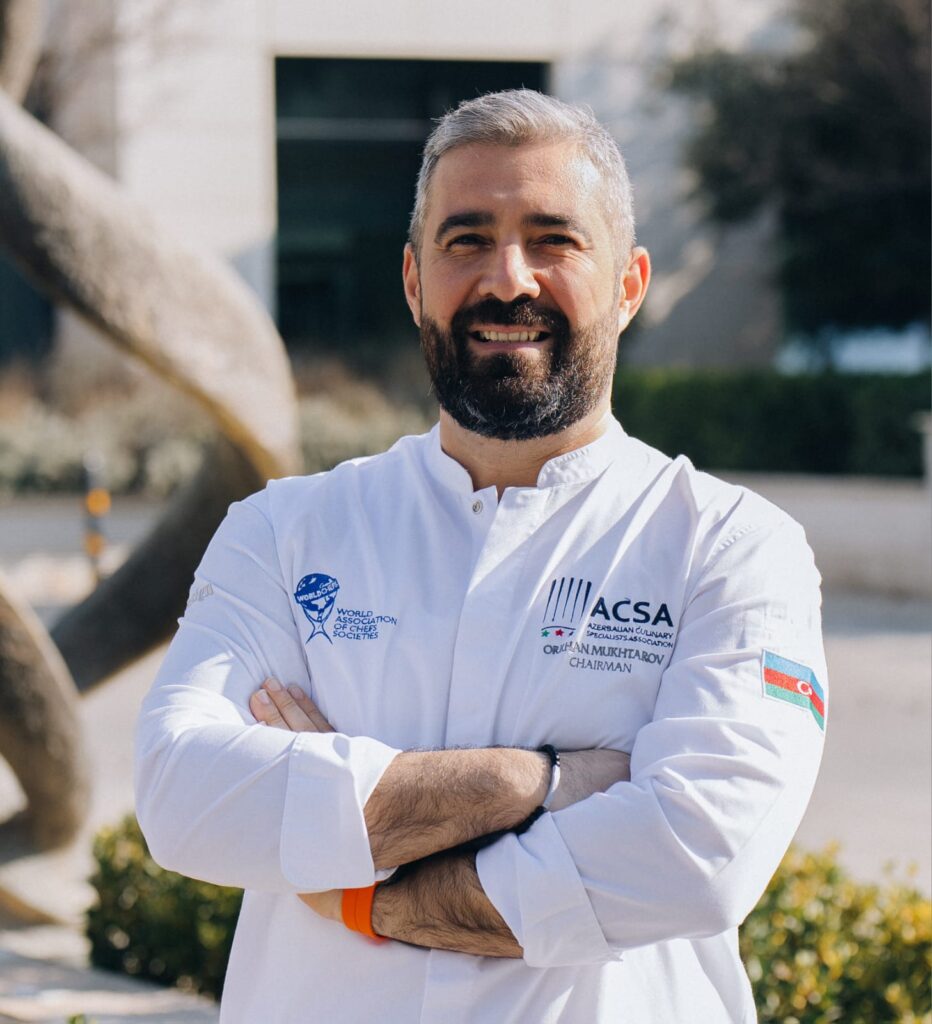
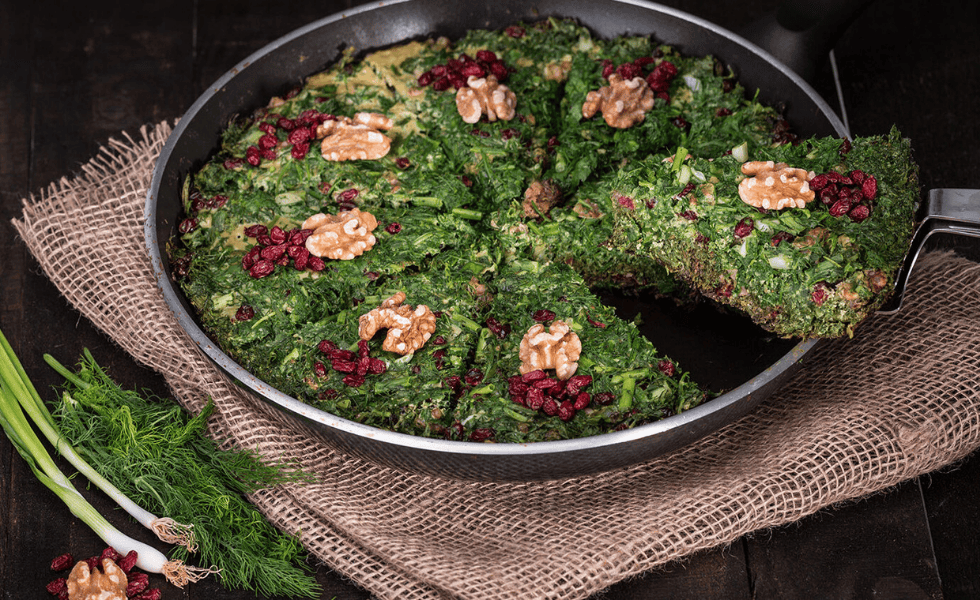
Kükü is a traditional Azerbaijani herb omelette that reflects the deep connection between local cuisine and seasonal agriculture.
Chef Orxan’s dish is prepared with a large amount of fresh herbs such as dill, coriander, spinach, sorrel and green onions, combined with eggs and lightly cooked to preserve natural flavors.
Croatia
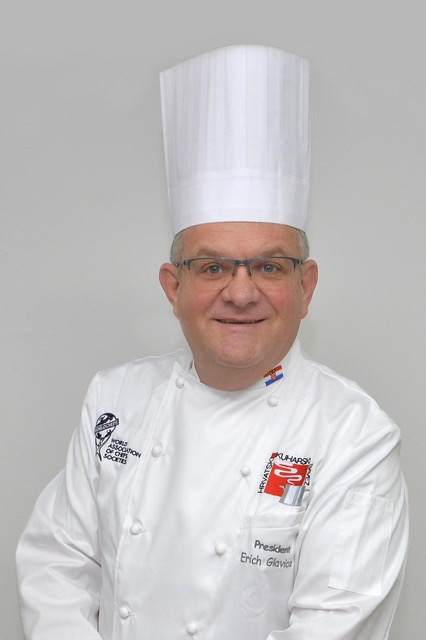
Chef Erich’s stew highlights beans, lentils, and barley, climate powerhouses that deliver big nutrition with a small footprint. Packed with fiber, plant protein, and slow-release energy, these humble ingredients create a rich, hearty and low-impact meal.
Plant-forward and easily made meat free, for the meat-eaters it can include Kranjska klobasa, a traditional sausage made using natural processing methods.
India
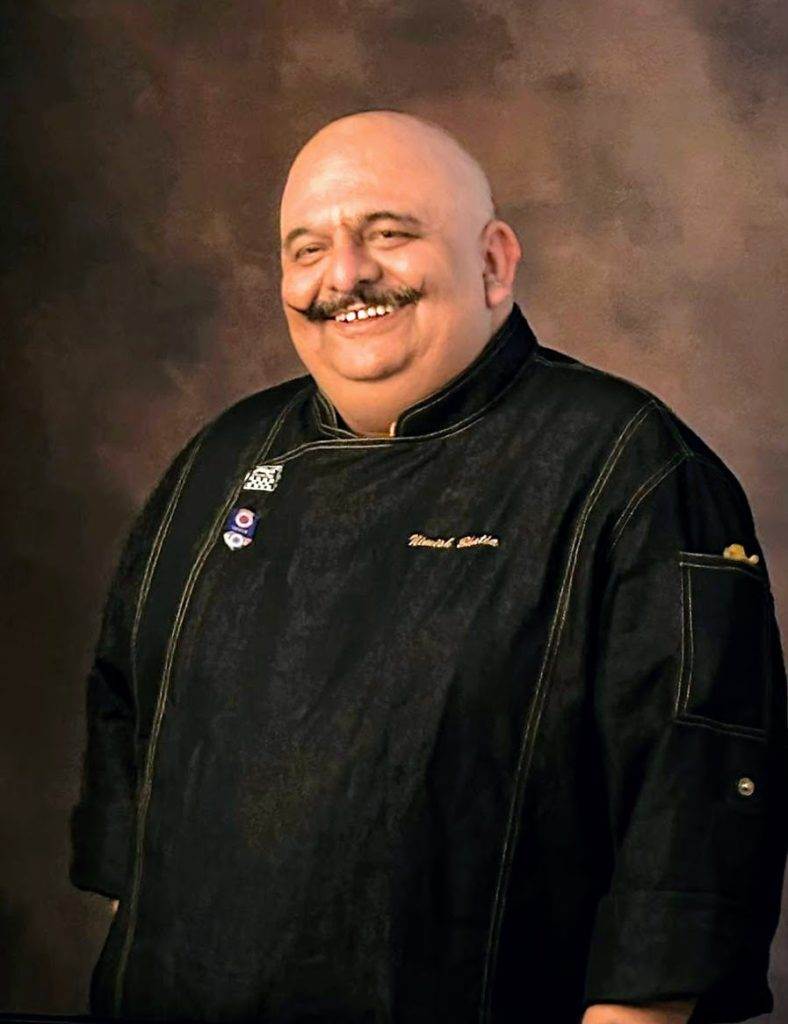
This is Chef Nimish’s ode to the nutritious and hearty fresh ingredients of the great Himalayan cuisine, finished with a touch of international influence.
This recipe is a zero-waste celebration of raw banana where the fruit is roasted whole in its skin to intensify flavor. The pulp becomes a delicately spiced kebab, while the skin transforms into a crisp floral tuile infused with bell pepper essence. Finished with bright curls of pickled yellow baby beetroot for acidity and color contrast.
Italy
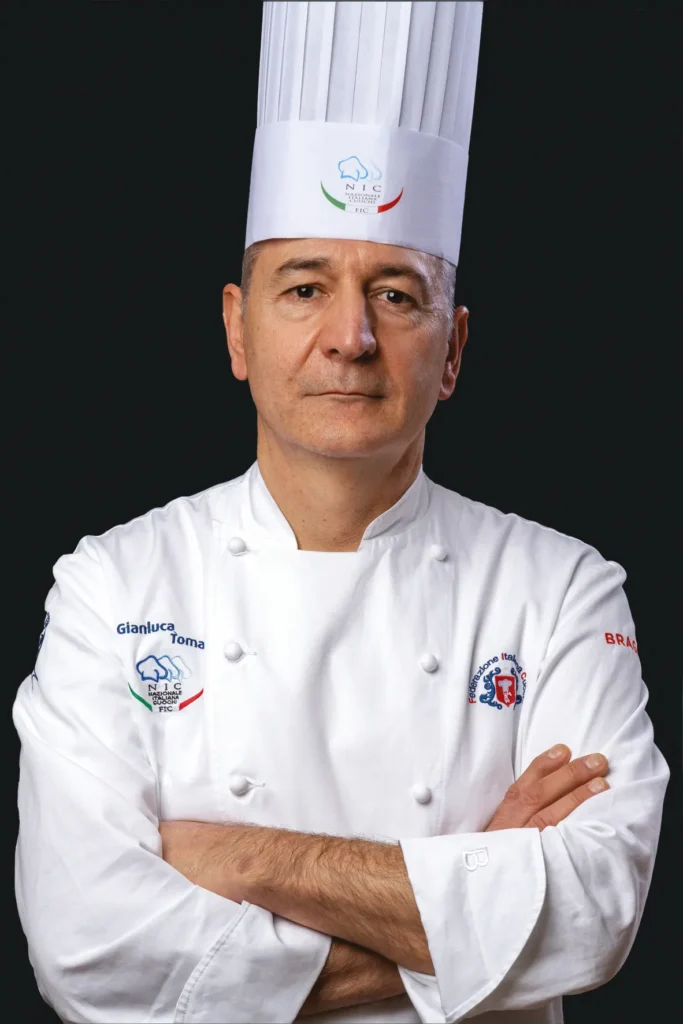
Chef Gianluca adapted a typical recipe from mountain villages in Italy. It is prepared with care using every ingredient with the utmost respect for nature.
Mushrooms are a symbol of symbiosis and connection, and this recipe reminds us of the simple techniques toward sustainable cooking, like vegetable broth from scraps and stale bread for croutons.
Maldives
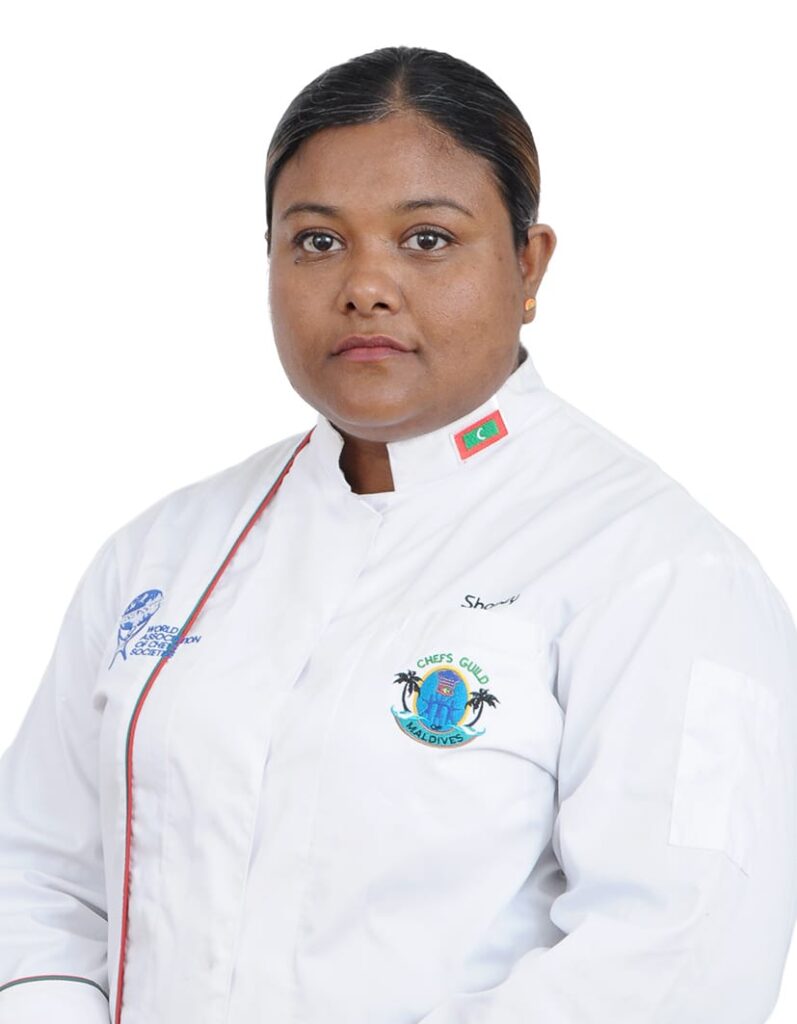
Breadfruit, tuna, and coconut are ingredients that are naturally abundant in the Maldives and have been part of island cooking for generations. This dish from Chef Mariyam brings a warm and comforting feeling, especially during the rainy season when families stay home and the sea is too rough for sailing.
In the past, recipes like this were a way for families to gather around the table and share food made from what the island provides. Breadfruit gives a hearty base, tuna adds rich flavor and protein, and fresh coconut brings a creamy taste that ties everything together.
Serbia
The origins of sarma can be traced back to the Ottoman Empire, where the technique of wrapping various fillings in leaves—such as vine leaves or cabbage—was widely practiced. Over time, different regions adapted the dish to their local ingredients and preferences, leading to the version commonly enjoyed in Serbia today, made with sour cabbage.
Sarma is more than just food; it is a symbol of hospitality, family gatherings, and celebrations.
South Korea
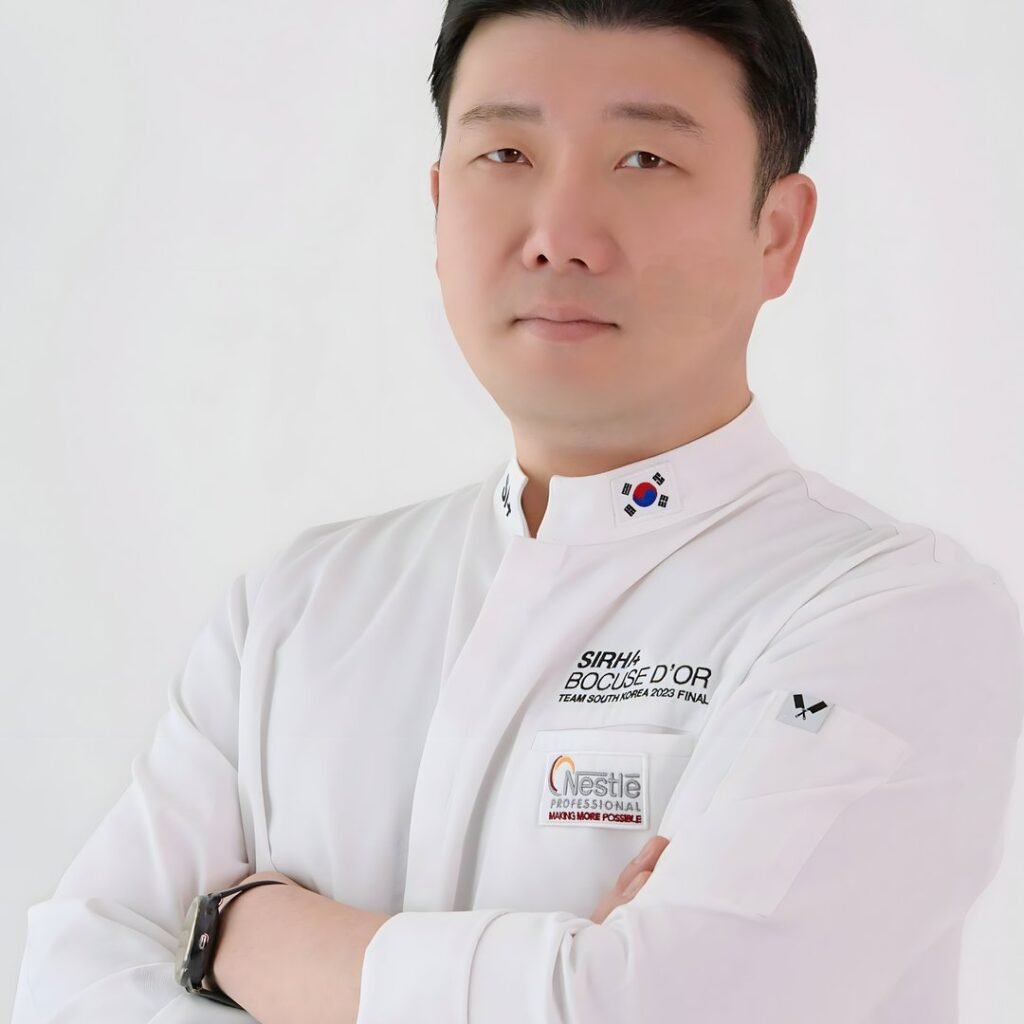
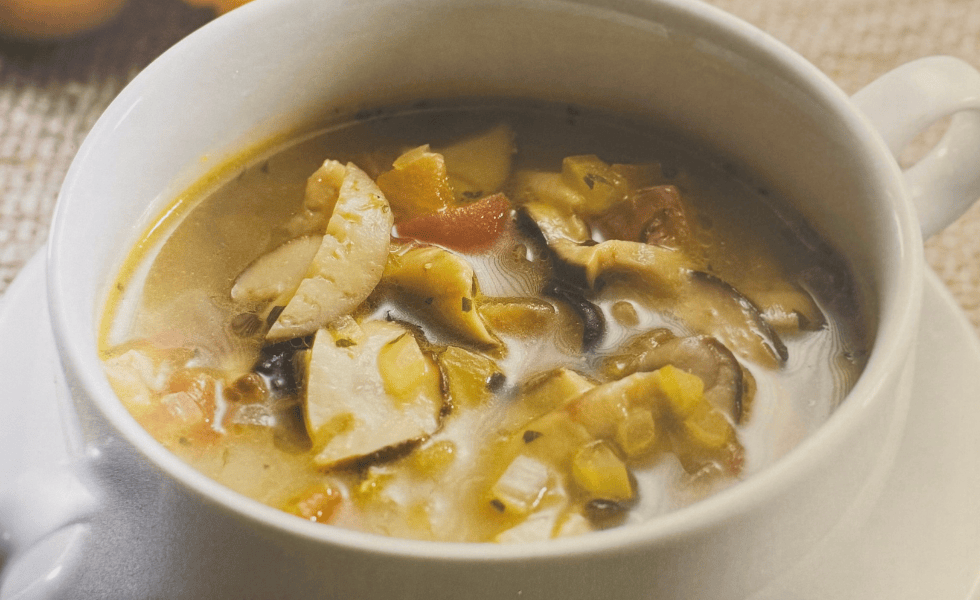
This traditional Korean soup is made with sun-dried radish greens (siraegi) simmered in soybean paste broth.
It reflects Korea’s long tradition of root-to-leaf cooking and seasonal food preservation, where the entire vegetable is utilized to minimize food waste.
USA
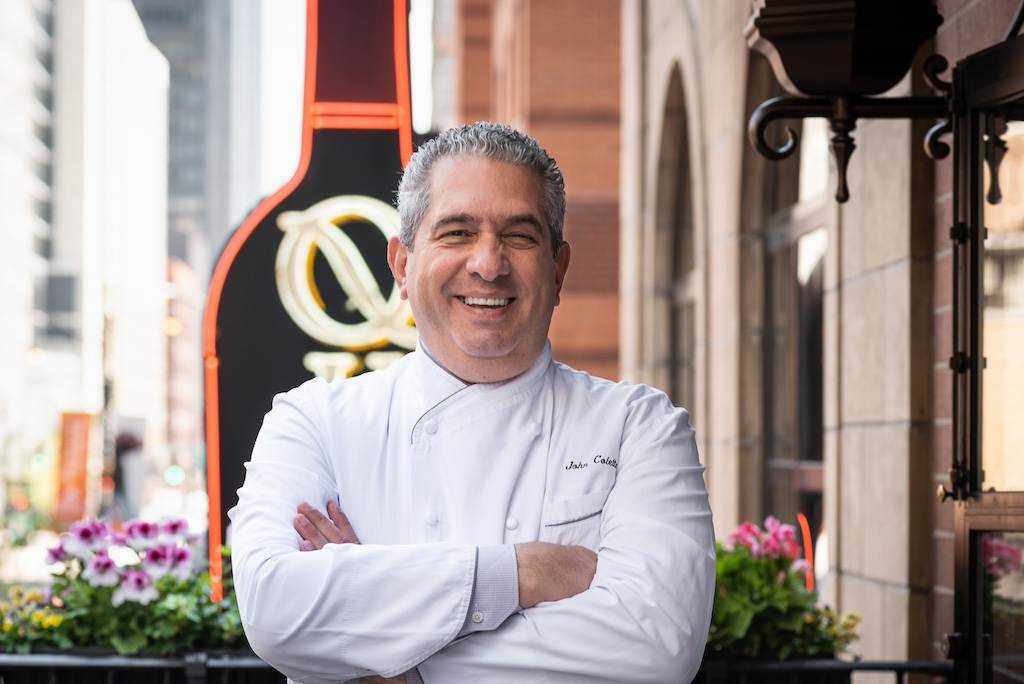
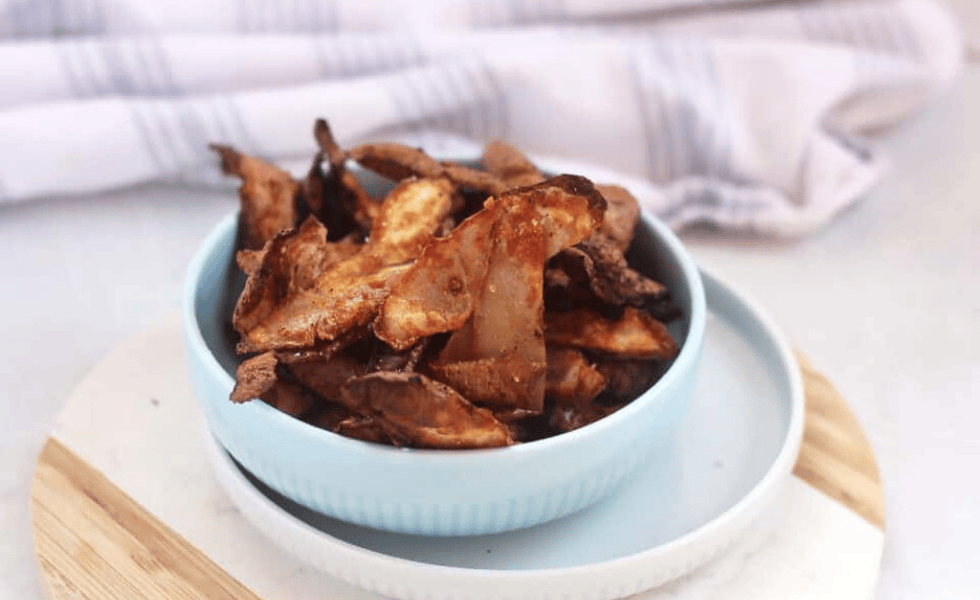
This recipe turns what is often discarded into something delicious. Fresh peelings from seasonal root vegetables become a zero-waste snack that makes the most of local produce, reducing the footprint while boosting natural flavor and nutrition.
These thin strips are rich in fiber and color, then lightly seasoned and air-fried, for a crisp, and sustainable, crunch.
MY SUSTAINABLE RECIPE
Have you seen our My Sustainable Recipe series? Explore these award-winning recipes from the 2024 LIFE Climate Smart Chefs Award Best Sustainable Recipe category.
Italy
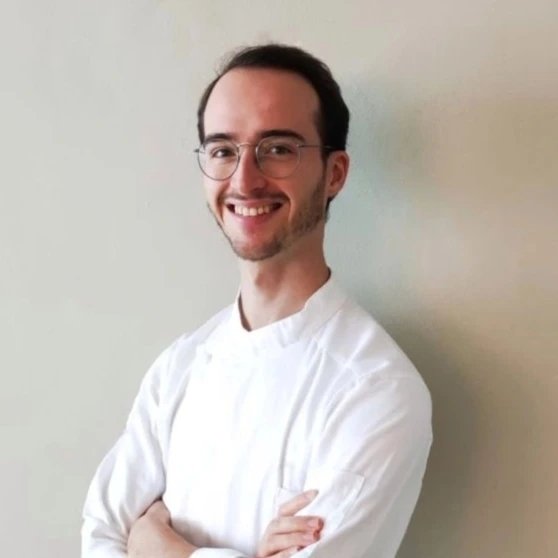
Chef Matteo Farsoni is an Italian gluten-free vegan pastry chef. Before becoming a pastry chef, Matteo studied foreign languages. You can see how he uses food to communicate. Like language, he uses his recipes to help connect people and ideas, like in this zero-waste dish.
Universality is important to him–he wants everyone to be able to experience the joy of food. That’s why he focuses on gluten-free, sugar-free and vegan desserts. The creative challenge to find new alternatives and techniques to make desserts more inclusive keeps him curious and inspired to find new solutions.
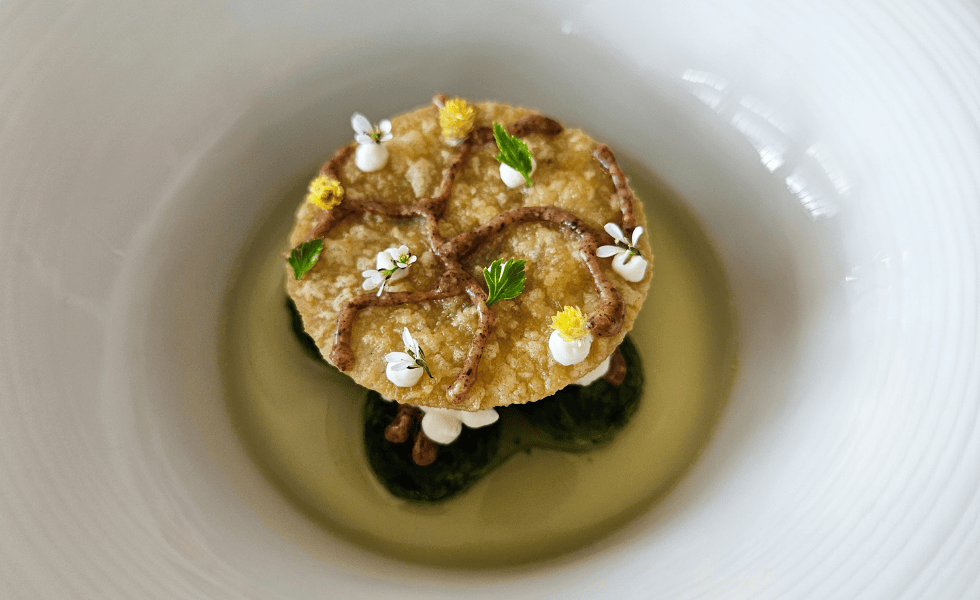
“My aim was to create a sustainable recipe by re-using food that would have been wasted otherwise,” he says. “It is a vegetarian recipe that has a low carbon and water footprint, so it has a low environmental impact, but at the same time it is healthy for our consumption.” This recipe, A Blossoming Future, won the 2024 LIFE Climate Smart Chefs Award Best Sustainable Recipe.
I usually take inspiration from nature, animals, landscapes. Everything that surrounds us can be a potential source of inspiration. And I also take inspiration from other pastry chefs, of course, because in our world we influence each other.
From Chef Matteo’s interview with The Best
Italy
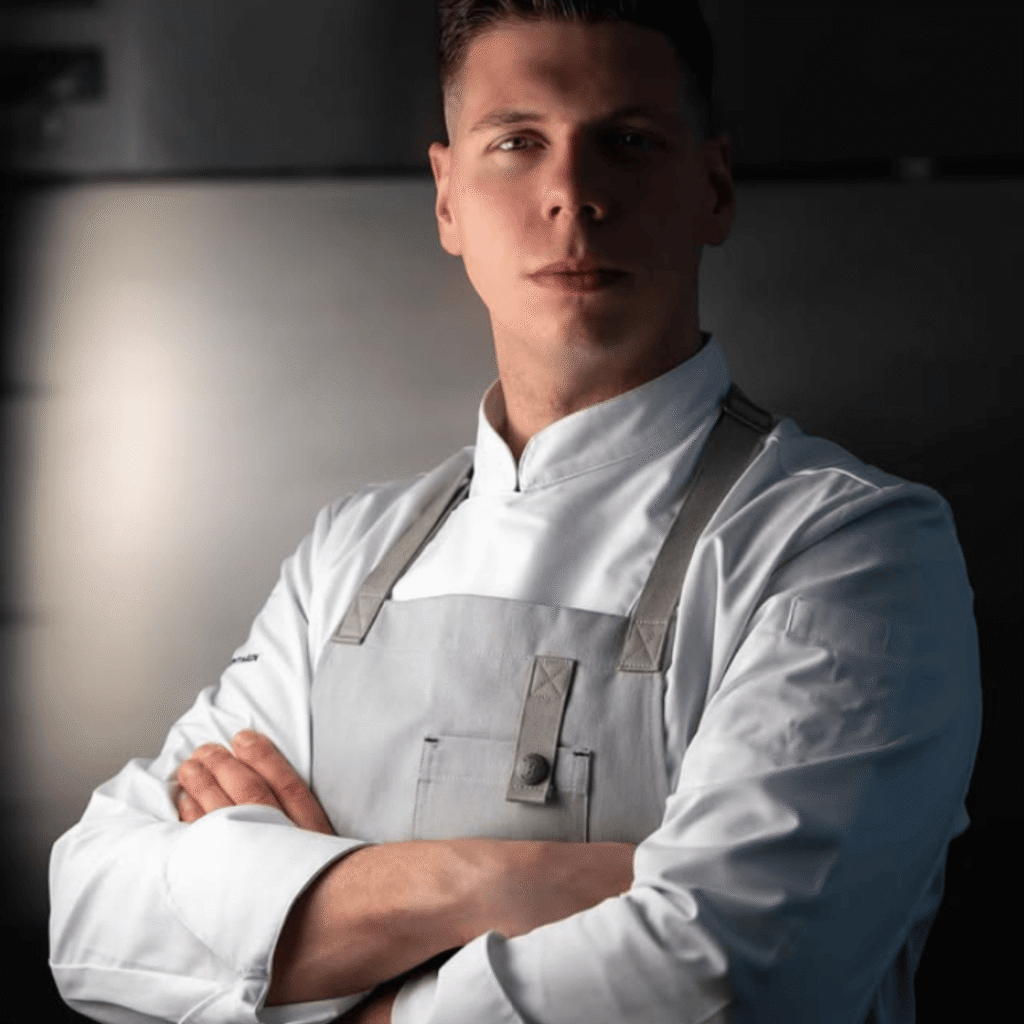
Chef Nazario Contardi is an Alma-trained chef from Ancona. Through this recipe, he celebrates fellow food artisans safeguarding indigenous ingredients, sharing the work of the farmers at Agricoltura Rasoterra, millers at Rocca Madre, pastoralists at Le Capre di Capradosso, and stewards of ancient olive varieties and harvesting methods.
For Chef Nazario, sustainability relies on community, and this recipe demonstrates that beautifully and deliciously. Nazario earned 3rd place at the 2024 LIFE Climate Smart Chefs Award Best Sustainable Recipe category.
For me, sustainability is tradition—the sacred and timeless act of cooking to bring well-being to others. Within this act lies the true key: the feeling of being well. When we respect raw ingredients, we honor those who cultivate them, those who transform them through the alchemy of cooking, and those who are nourished by them. This is where sustainability reveals its deepest meaning: an act of love that connects past, present and future.
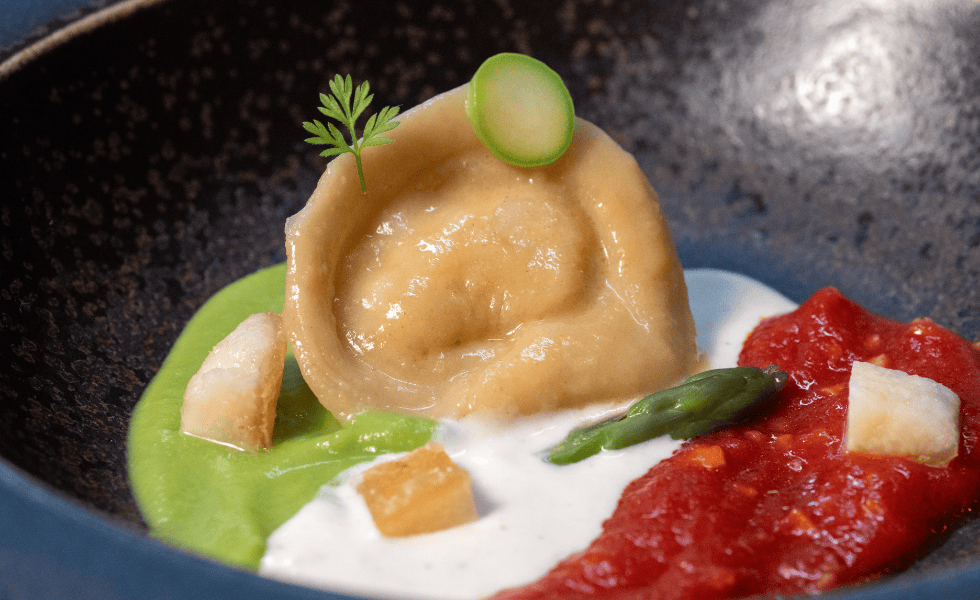
Cyprus
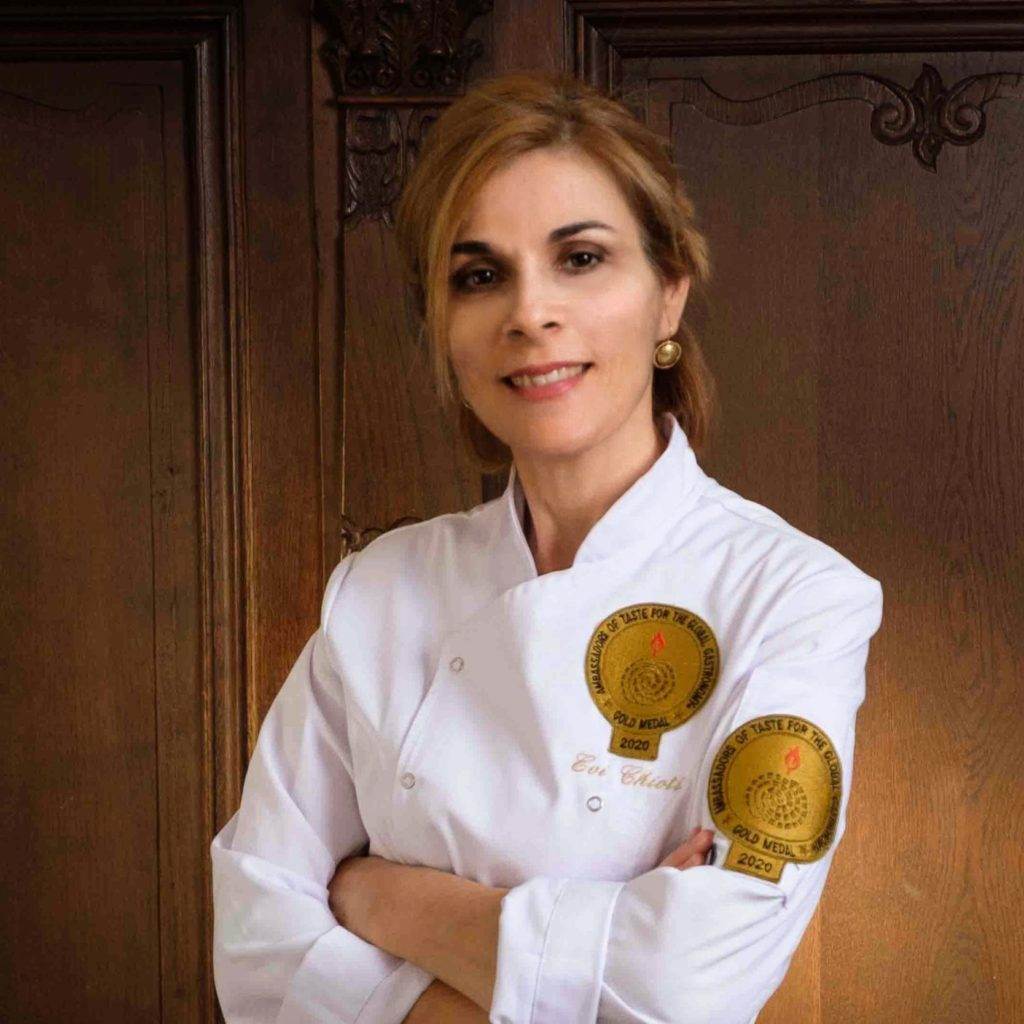
Chef Evi Chioti is a chef, educator, and sustainable gastronomy advocate. For this ingenious and unexpected dessert, she uses ingredients indigenous to Cyprus. This recipe earned her 2nd place in the LIFE Climate Smart Chefs Award Best Sustainable Recipe.
Hear more about her work on Worldchefs podcast, Episode 129 of World on a Plate: Advancing Sustainable Gastronomy & Mediterranean Cuisine.
I used a vegetable that we have in Cyprus. It’s a simple vegetable, not expensive and very nutritious. It was cooked a bit differently than the traditional way, presented differently. I used the juices from cooking for the sauces. I used cherries and other ingredients that were seasonal at the time to create the sauce and decorations for the plate.

continue the tour with MEMBERS WORLDWIDE
With Worldchefs’ members in over 100 countries, there are so many cuisines and fantastic sustainable recipes that deserve the spotlight. To continue the tour, check out more from chefs around the globe.
- Wales: Wales Food&Drink Rooted in Wales resource
- South Africa: Capsicum Culinary Studio Heritage Day recipes
- El Salvador: Asociación de Chefs de El Salvador (ACESA) Sabores de la Memoria: Cocina indígena y Afrodescendiente launch event with the United Nations (FAO)
- Worldchefs Members in Asia: Food of Asia, Soul of Asia free recipe book
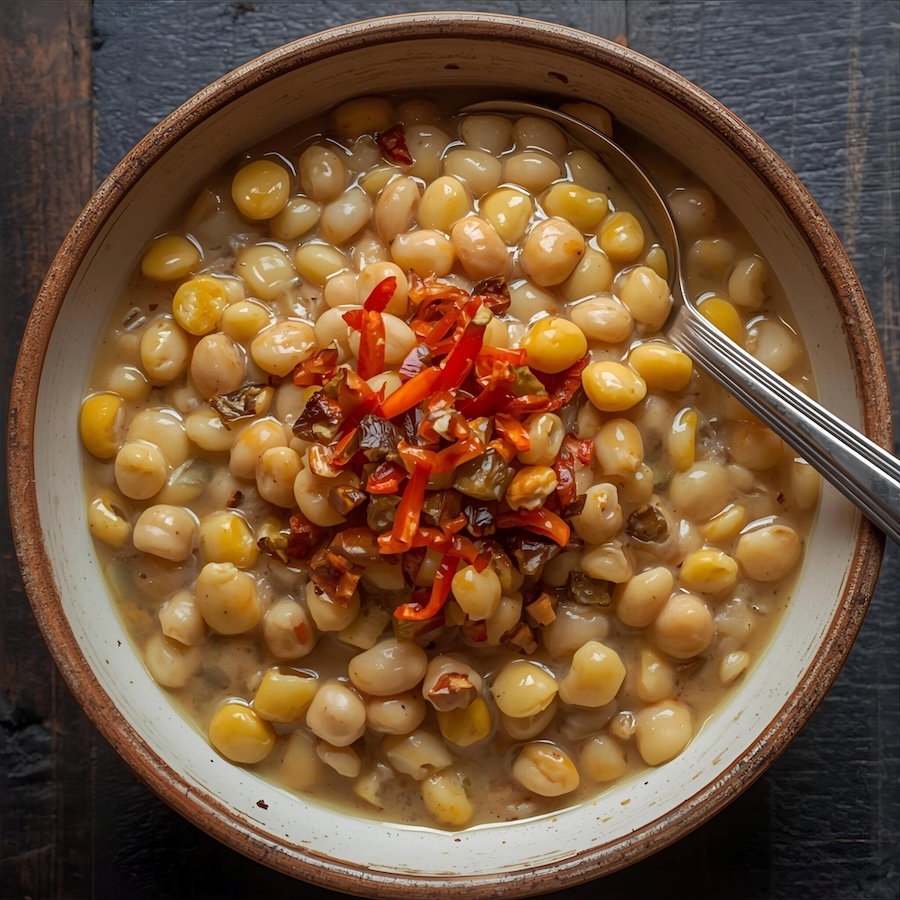
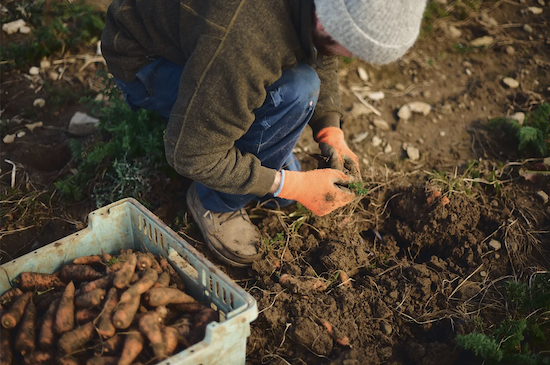
More Than the Sum of Its Parts
These recipes show us the power of the plate. They show us that a dish is much more than the sum of its parts. They bring to the table more of what we have in common, showing that sustainable principles are found universally, and deeply representative of heritage cuisines around the world.
Sourcing local and seasonal ingredients, plant-forward cuisine, and using the whole ingredient to reduce food waste–these techniques and so many more are commonalities we share.
Food is a universal language that chefs are fluent in. But unlike language, it doesn’t need to be spoken to be understood. Like Chef Nazario Contardi shared, “Community is sustainability.”
Community is also power. By coming together through food, we have the opportunity to influence eachother, to teach eachother, and to inspire eachother to take action. Through recipes like these, we can better understand the connection between planetary health and wellbeing and our own, and take real steps toward a more conscious kitchen.
Resources
Looking for more on the sustainable gastronomy movement? Find more ways to get involved:
| FoodChoices4LIFE We invite chefs across our global network to take part in FoodChoices4LIFE, a new EU co-funded initiative led by Worldchefs that promotes climate-smart food choices across Europe. Learn more and get involved here. | Sustainability for Culinary Professionals Join the +17,500 chefs around the world who have gained skills to empower their role as changemakers. Sustainability Education for Culinary Professionals is a free course built to teach chefs to think and act sustainably. Start the free, open-source training here. | Feed the Planet at the 2026 Congress At Worldchefs Congress this May in Wales, join the session Feed the Planet: Driving Global Impact to learn more about our programs and how you can get involved. View the program here. |
Plus, you can always find new inspiration in a growing collection of heritage recipes here.
Credits
Thank you to our Committee Members and Worldchefs community members who submitted their recipes for this article.
Featured image: From the Global Chefs Challenge Europe Semi-Finals 2025.
Written by Clare Crowe Pettersson.