Categories
Industry Trends

Power on a Plate: Chefs Are Serving Stories to Feed Sustainable Food Systems

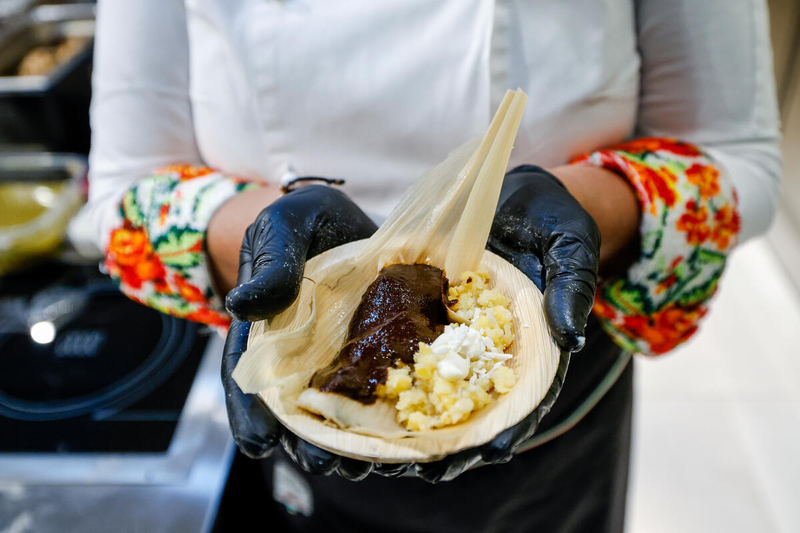
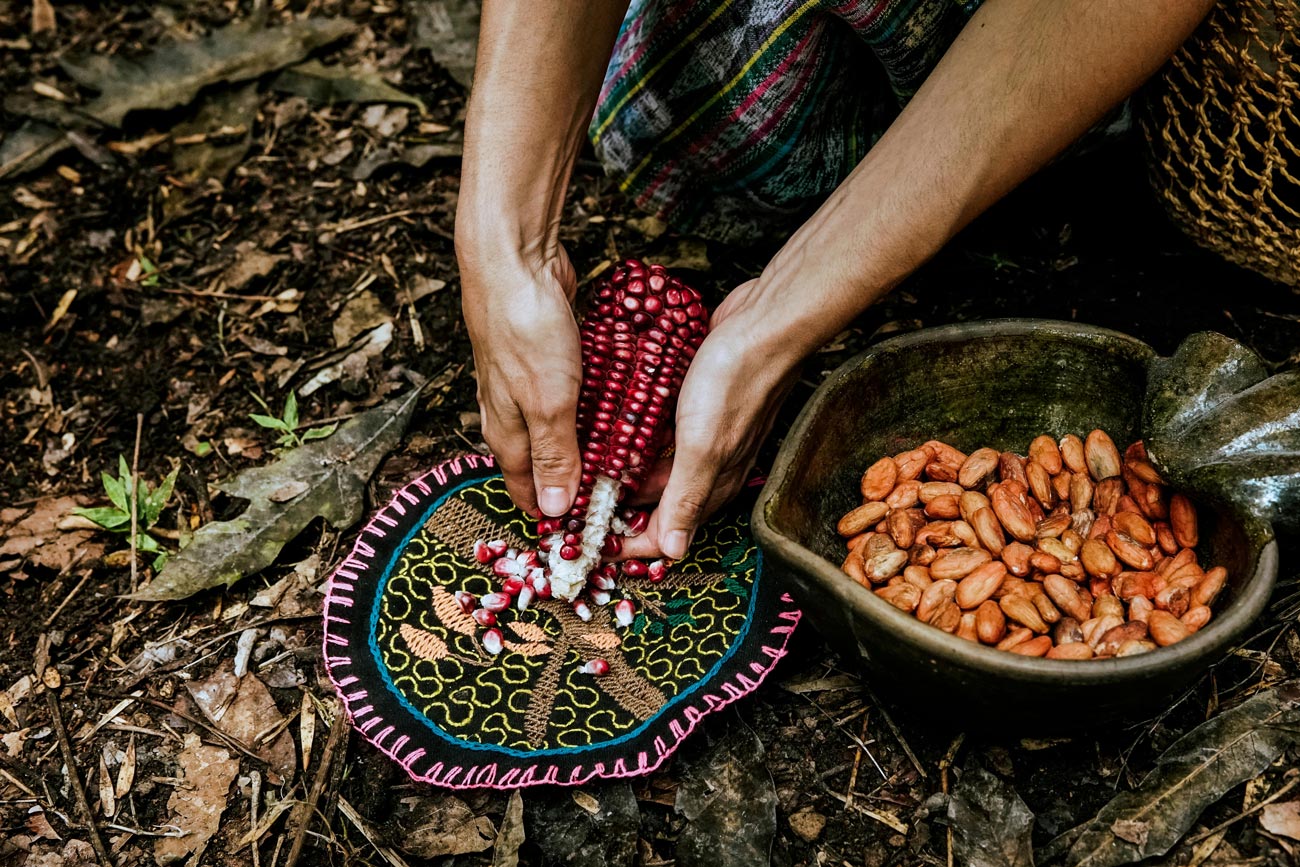
Stories have power. Chefs, as storytellers, create delicious ways for people to reconnect with food culture, putting agricultural origins, cultural traditions, and shared values on a plate.

Everyday, culinary professionals and Worldchefs members are doing incredible work around the globe to help build more conscious kitchens. For Earth Day on April 22nd, we are spotlighting the power of storytelling through food, and how chefs are contributing to positive change. The 2026 Earth Day theme is Our Power, Our Planet, calling people everywhere to stand shoulder to shoulder in defense of the only home we share. Our collective wellbeing depends on planetary wellbeing, too.

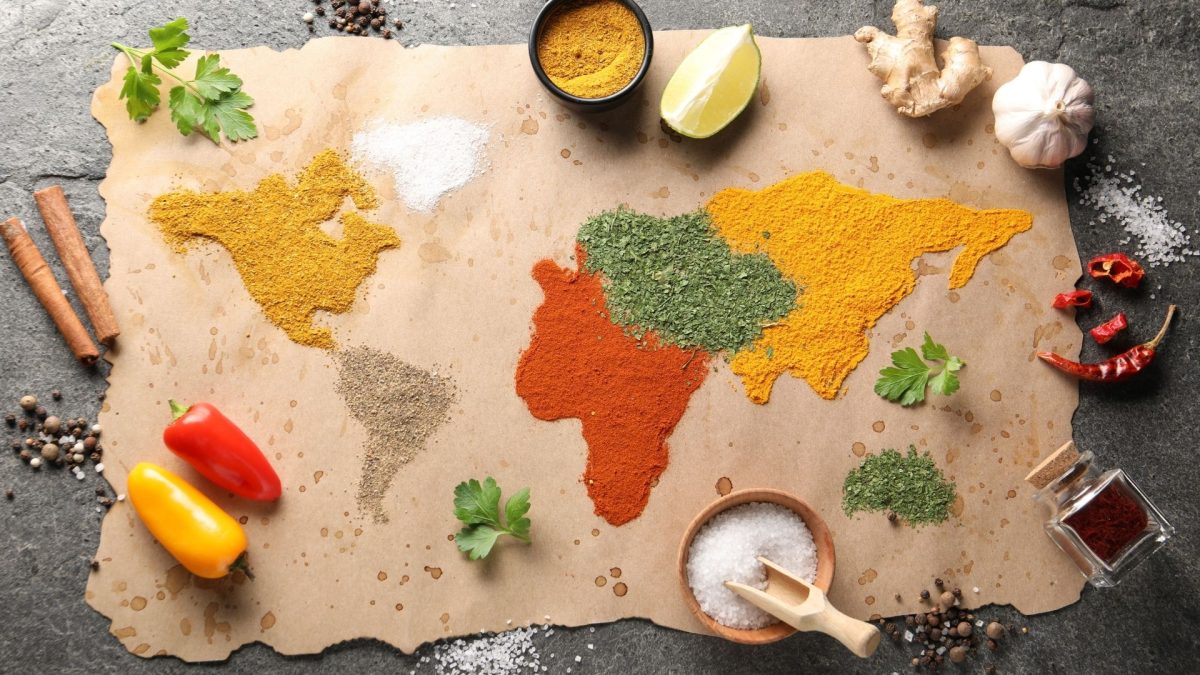
Our planet is one thing we universally share alongside food and love. In celebration of Earth Day and this reminder of what connects us, we take a world tour of heritage recipes that show the intersection of sustainable gastronomy, storytelling, and love for the craft of cooking.

Recipes with Soul

Recipes with soul help us to understand each other and the world around us. Chefs, through their craft, can inspire others to try new things and learn more about what they may have previously ignored. Below, you can find chefs sharing sustainable recipes and the stories behind them.

SAFEGUARDING HERITAGE

Worldchefs’ Culture, Cuisine and Heritage Food Committee works to protect heritage produce, support growers, and safeguard the natural environment.

Click the dropdown below to meet some of our committee members through their recipes.

Azerbaijan 
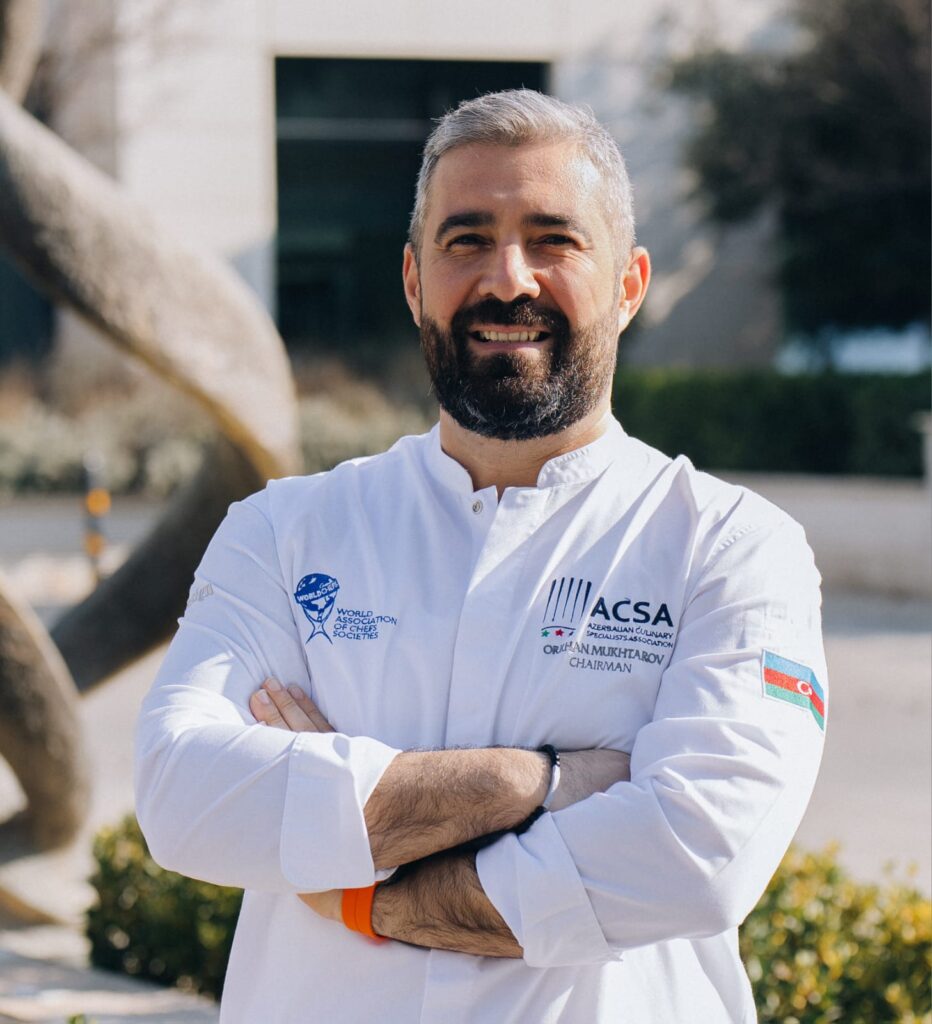
Chef Orxan Muxtarov

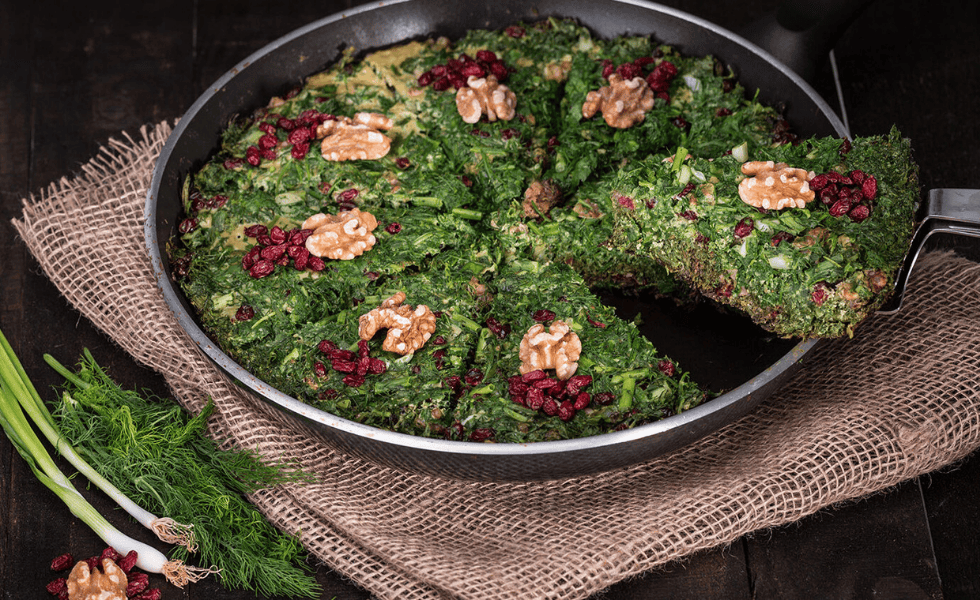
Kükü is a traditional Azerbaijani herb omelette that reflects the deep connection between local cuisine and seasonal agriculture. 

Chef Orxan’s dish is prepared with a large amount of fresh herbs such as dill, coriander, spinach, sorrel and green onions, combined with eggs and lightly cooked to preserve natural flavors.

Croatia
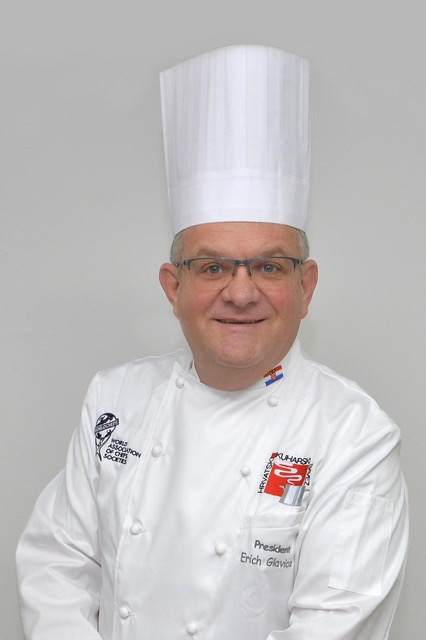
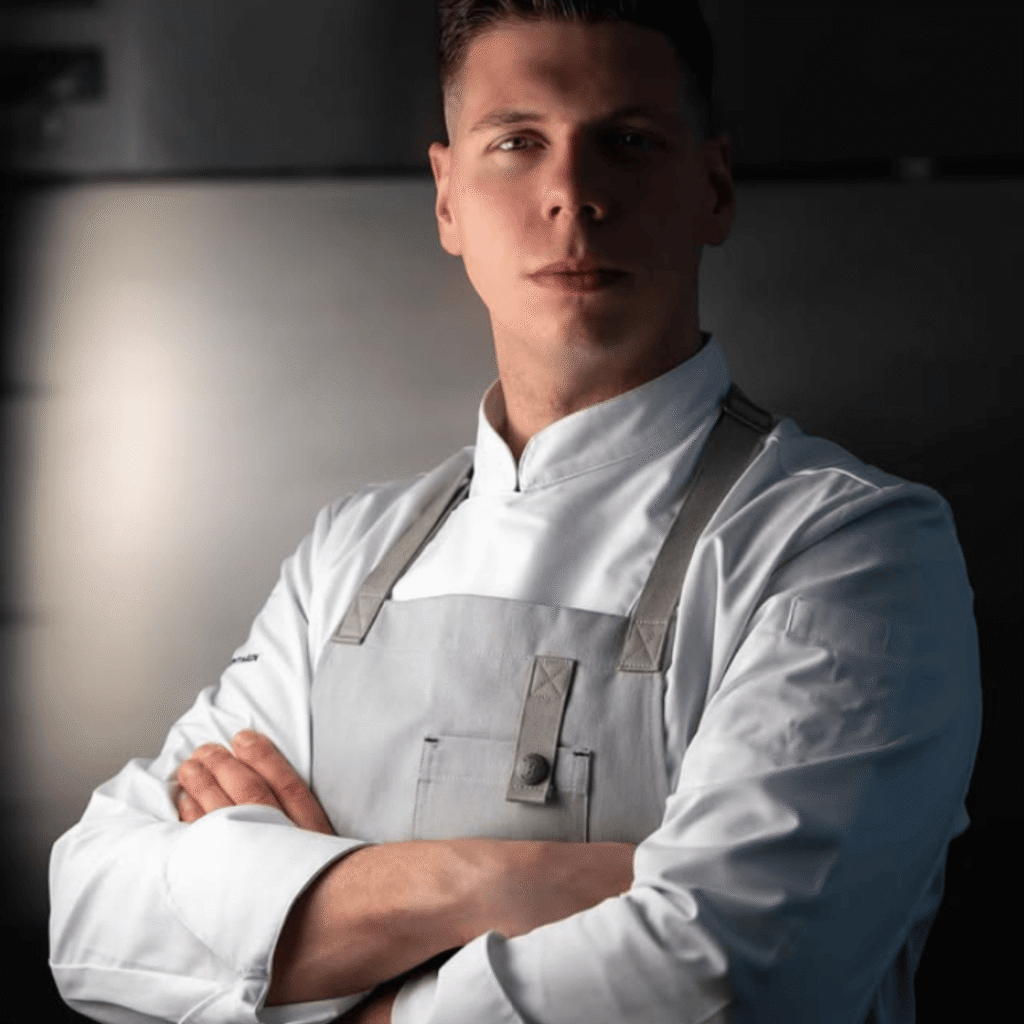
Chef Erich Glavica

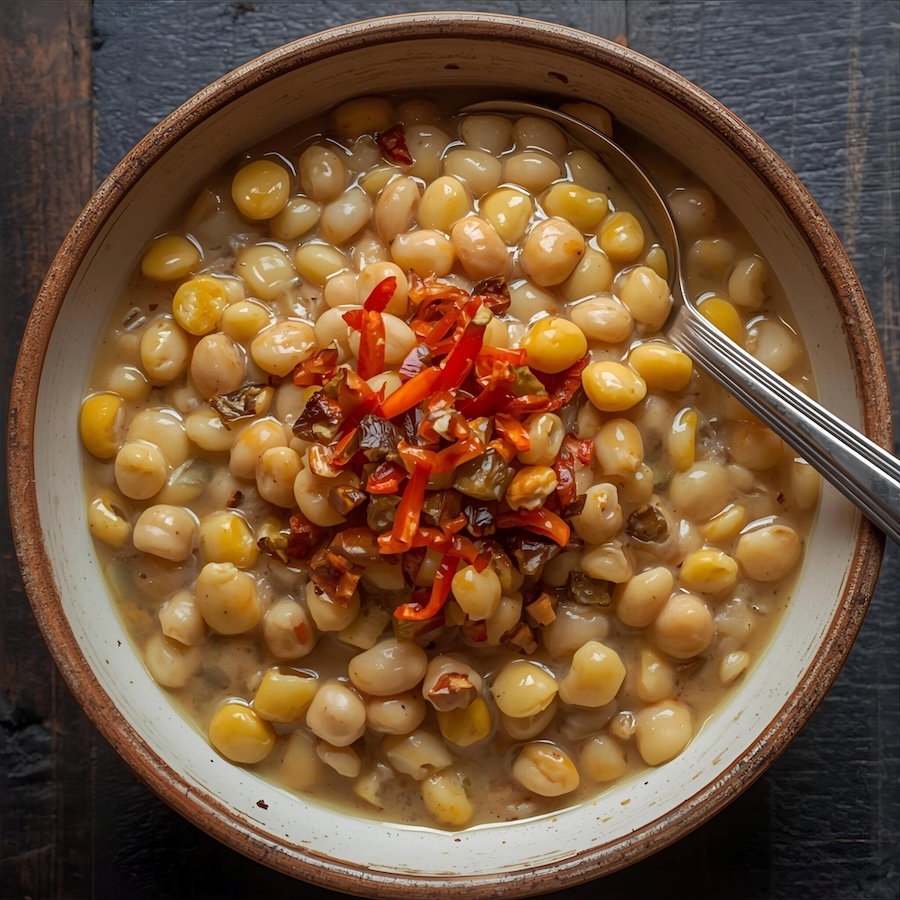
Chef Erich’s stew highlights beans, lentils, and barley, climate powerhouses that deliver big nutrition with a small footprint. Packed with fiber, plant protein, and slow-release energy, these humble ingredients create a rich, hearty and low-impact meal.

Plant-forward and easily made meat free, for the meat-eaters it can include Kranjska klobasa, a traditional sausage made using natural processing methods.

India
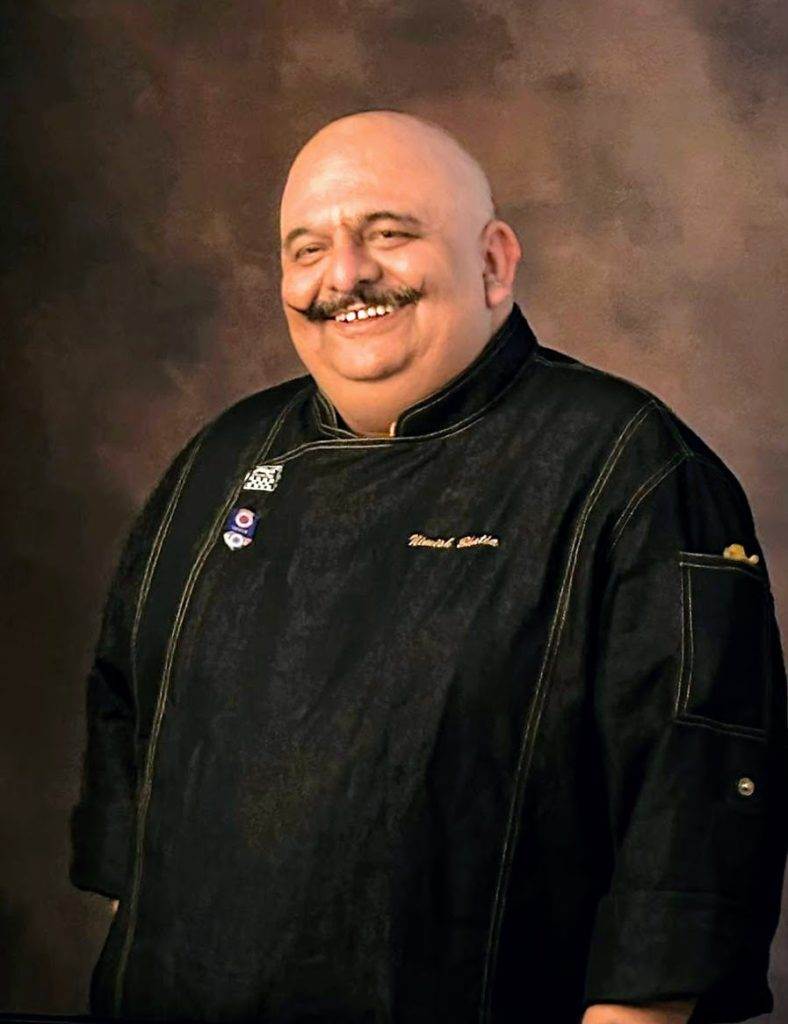
Chef Nimish Bhatia

This is Chef Nimish’s ode to the nutritious and hearty fresh ingredients of the great Himalayan cuisine, finished with a touch of international influence. 

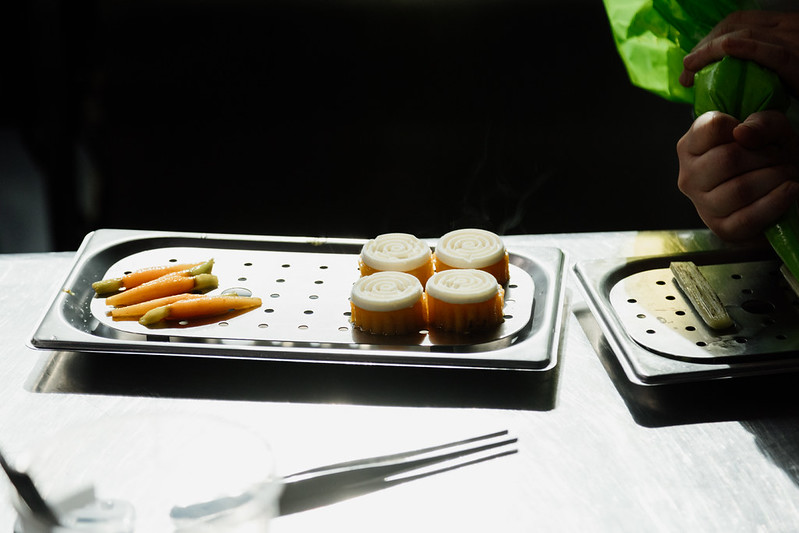
This recipe is a zero-waste celebration of raw banana where the fruit is roasted whole in its skin to intensify flavor. The pulp becomes a delicately spiced kebab, while the skin transforms into a crisp floral tuile infused with bell pepper essence. Finished with bright curls of pickled yellow baby beetroot for acidity and color contrast.

Italy 
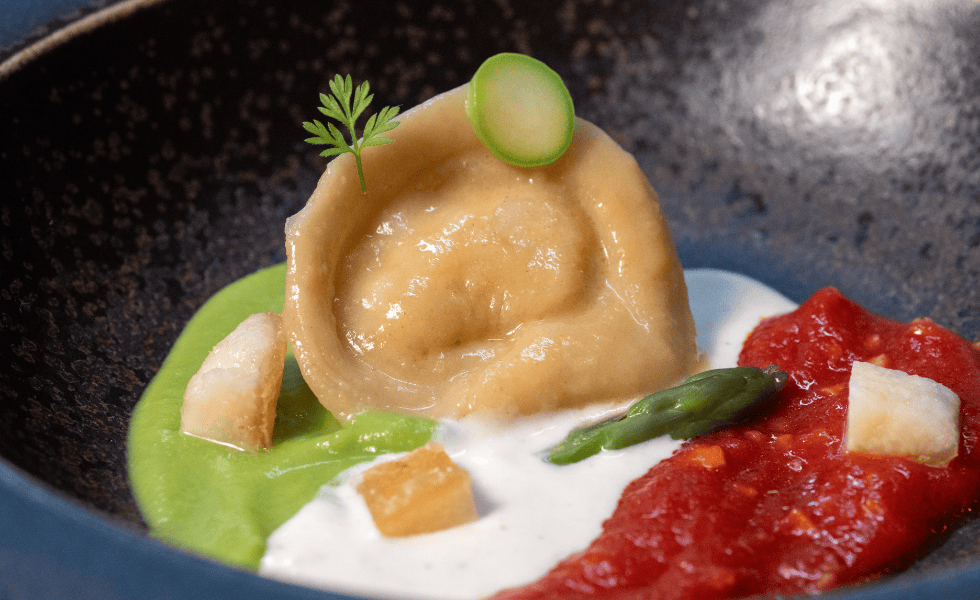
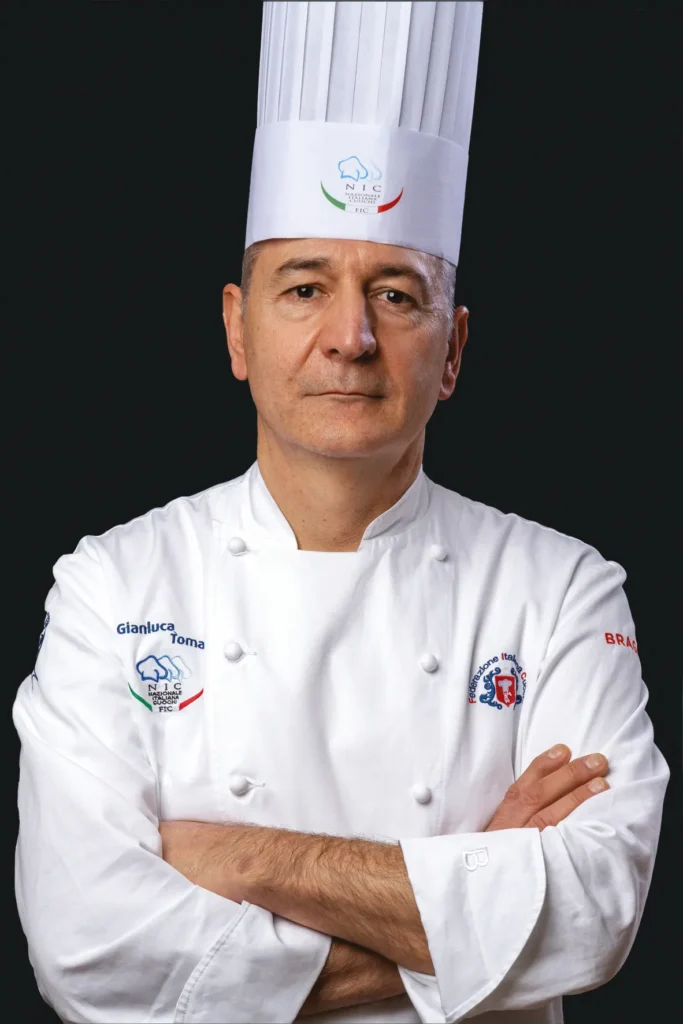
Chef Gianluca Tomasi

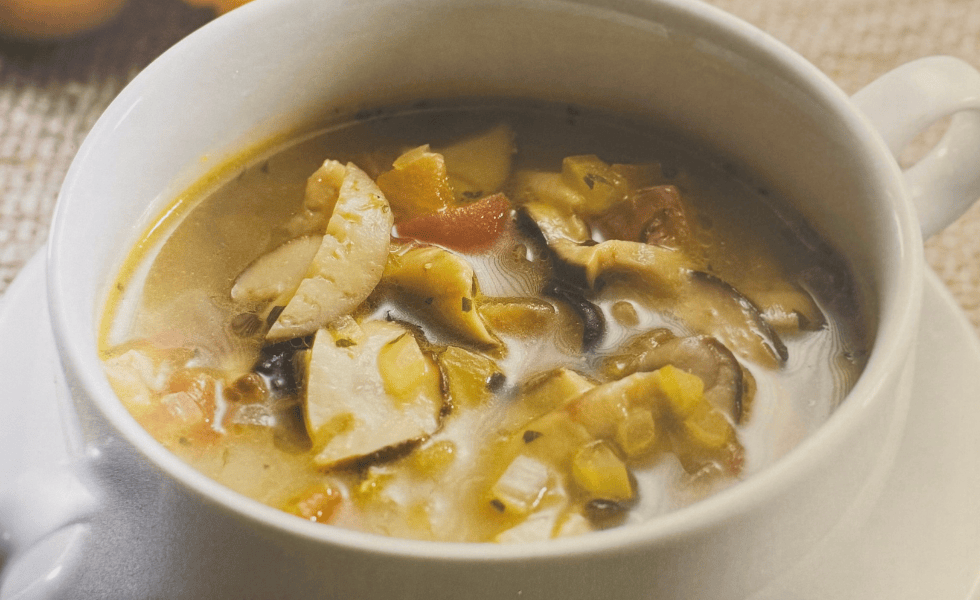
Chef Gianluca adapted a typical recipe from mountain villages in Italy. It is prepared with care using every ingredient with the utmost respect for nature. 

Mushrooms are a symbol of symbiosis and connection, and this recipe reminds us of the simple techniques toward sustainable cooking, like vegetable broth from scraps and stale bread for croutons.

Maldives
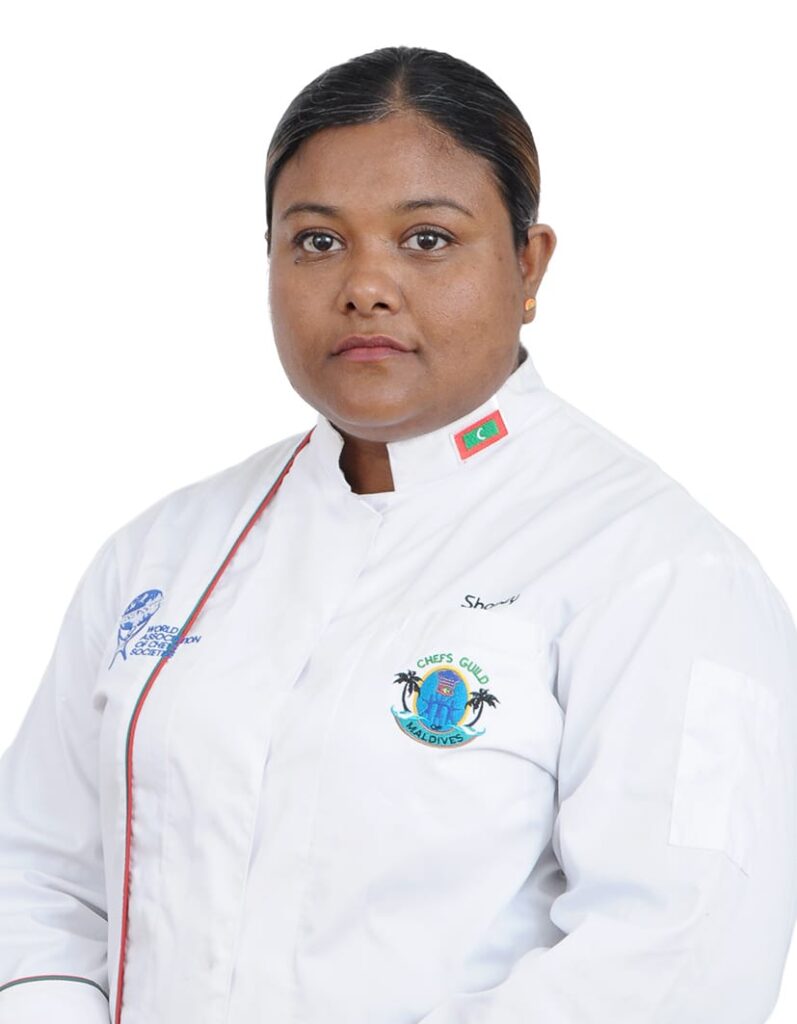
Chef Mariyam Shazy

Breadfruit, tuna, and coconut are ingredients that are naturally abundant in the Maldives and have been part of island cooking for generations. This dish from Chef Mariyam brings a warm and comforting feeling, especially during the rainy season when families stay home and the sea is too rough for sailing. 

In the past, recipes like this were a way for families to gather around the table and share food made from what the island provides. Breadfruit gives a hearty base, tuna adds rich flavor and protein, and fresh coconut brings a creamy taste that ties everything together.

Serbia 
Chef Stefan Smugovic

The origins of sarma can be traced back to the Ottoman Empire, where the technique of wrapping various fillings in leaves—such as vine leaves or cabbage—was widely practiced. Over time, different regions adapted the dish to their local ingredients and preferences, leading to the version commonly enjoyed in Serbia today, made with sour cabbage.

Sarma is more than just food; it is a symbol of hospitality, family gatherings, and celebrations.

South Korea 
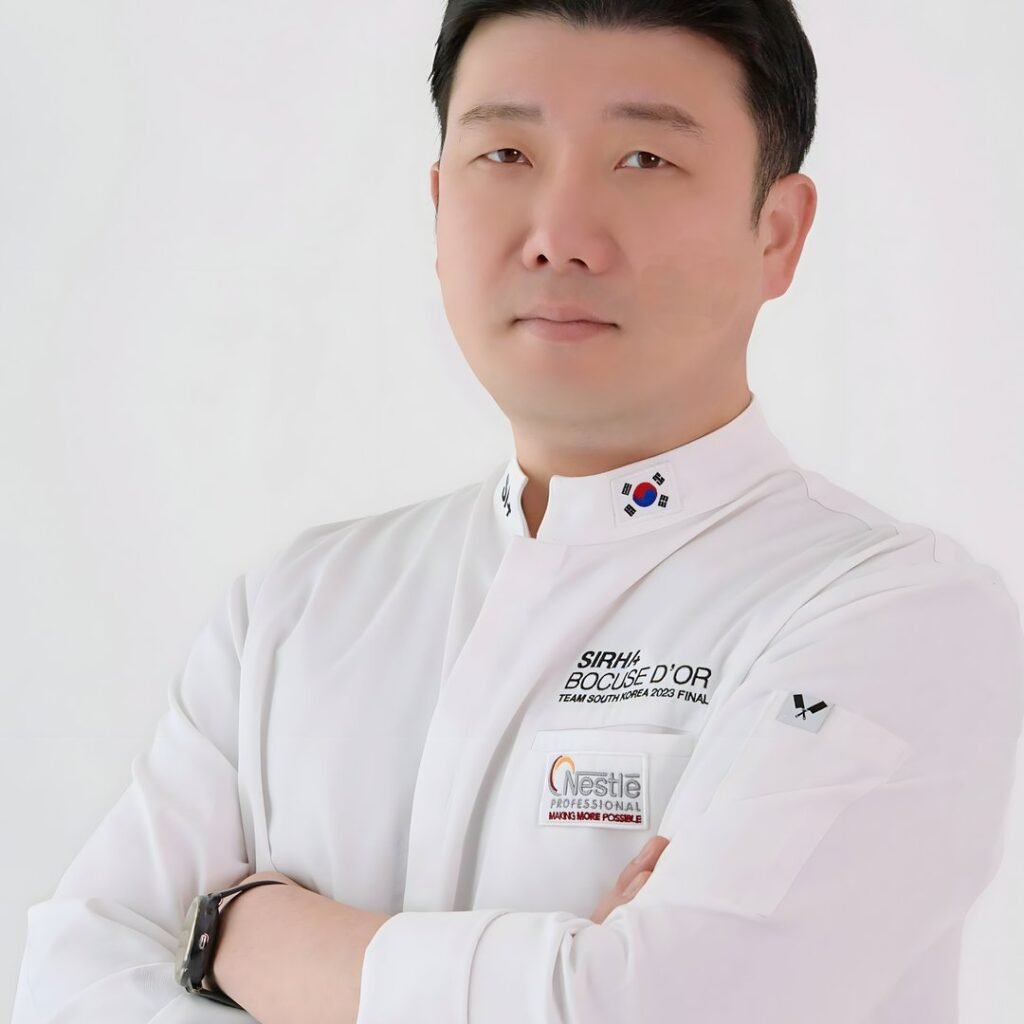
Chef Jake Kim

This traditional Korean soup is made with sun-dried radish greens (siraegi) simmered in soybean paste broth. 

It reflects Korea’s long tradition of root-to-leaf cooking and seasonal food preservation, where the entire vegetable is utilized to minimize food waste.

USA 
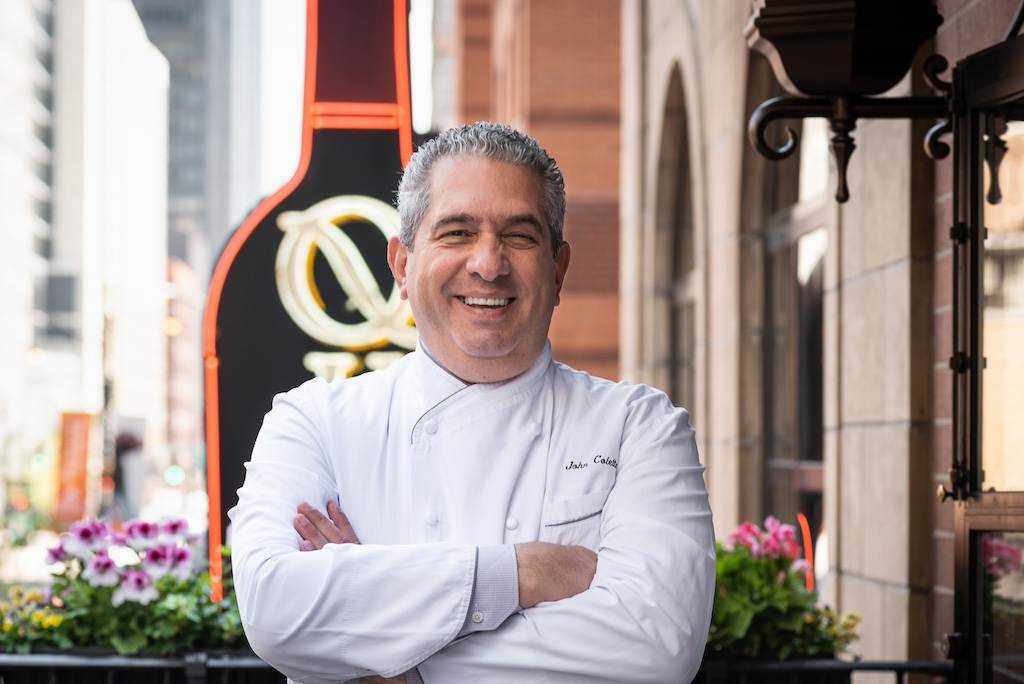
Chef John Coletta

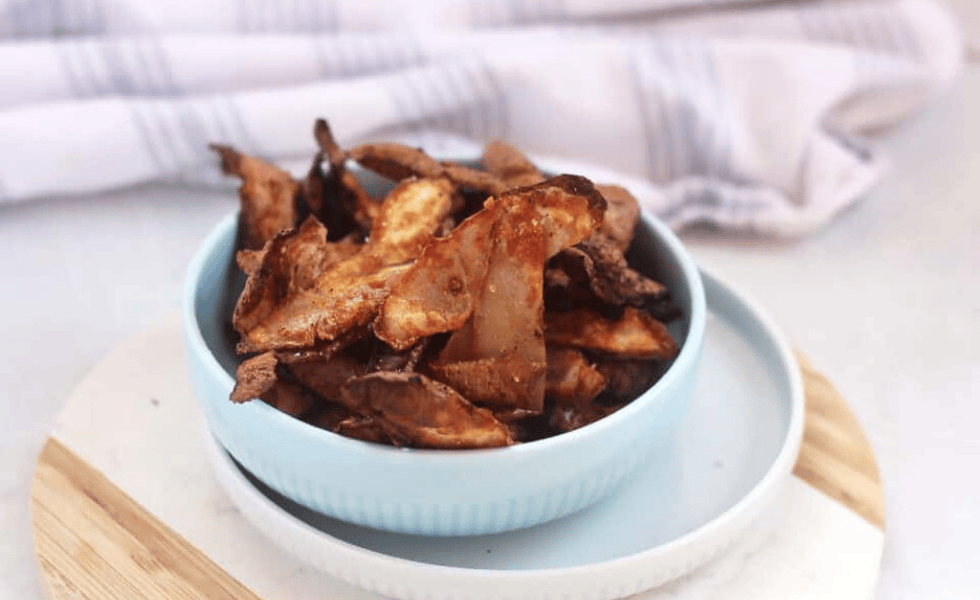
This recipe turns what is often discarded into something delicious. Fresh peelings from seasonal root vegetables become a zero-waste snack that makes the most of local produce, reducing the footprint while boosting natural flavor and nutrition. 

These thin strips are rich in fiber and color, then lightly seasoned and air-fried, for a crisp, and sustainable, crunch.

MY SUSTAINABLE RECIPE

Have you seen our My Sustainable Recipe series? Explore these award-winning recipes from the 2024 LIFE Climate Smart Chefs Award Best Sustainable Recipe category.

Italy
Chef Matteo Farsoni

Chef Matteo Farsoni is an Italian gluten-free vegan pastry chef. Before becoming a pastry chef, Matteo studied foreign languages. You can see how he uses food to communicate. Like language, he uses his recipes to help connect people and ideas, like in this zero-waste dish.

Universality is important to him–he wants everyone to be able to experience the joy of food. That’s why he focuses on gluten-free, sugar-free and vegan desserts. The creative challenge to find new alternatives and techniques to make desserts more inclusive keeps him curious and inspired to find new solutions.

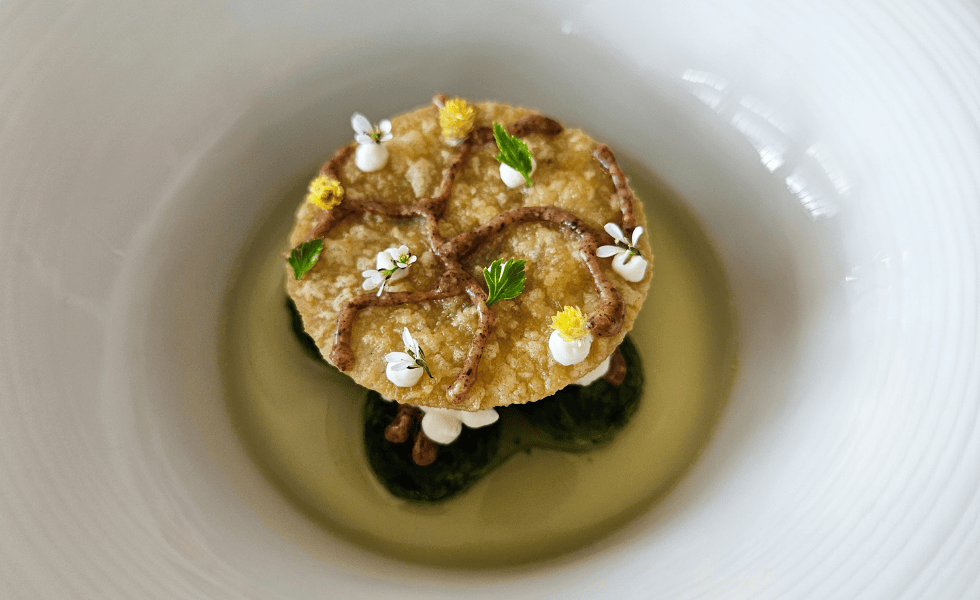
“My aim was to create a sustainable recipe by re-using food that would have been wasted otherwise,” he says. “It is a vegetarian recipe that has a low carbon and water footprint, so it has a low environmental impact, but at the same time it is healthy for our consumption.” This recipe, A Blossoming Future, won the 2024 LIFE Climate Smart Chefs Award Best Sustainable Recipe.

I usually take inspiration from nature, animals, landscapes. Everything that surrounds us can be a potential source of inspiration. And I also take inspiration from other pastry chefs, of course, because in our world we influence each other.

From Chef Matteo’s interview with The Best
Italy
Chef Nazario Contardi

Chef Nazario Contardi is an Alma-trained chef from Ancona. Through this recipe, he celebrates fellow food artisans safeguarding indigenous ingredients, sharing the work of the farmers at Agricoltura Rasoterra, millers at Rocca Madre, pastoralists at Le Capre di Capradosso, and stewards of ancient olive varieties and harvesting methods. 

For Chef Nazario, sustainability relies on community, and this recipe demonstrates that beautifully and deliciously. Nazario earned 3rd place at the 2024 LIFE Climate Smart Chefs Award Best Sustainable Recipe category.

For me, sustainability is tradition—the sacred and timeless act of cooking to bring well-being to others. Within this act lies the true key: the feeling of being well. When we respect raw ingredients, we honor those who cultivate them, those who transform them through the alchemy of cooking, and those who are nourished by them. This is where sustainability reveals its deepest meaning: an act of love that connects past, present and future.

Cyprus
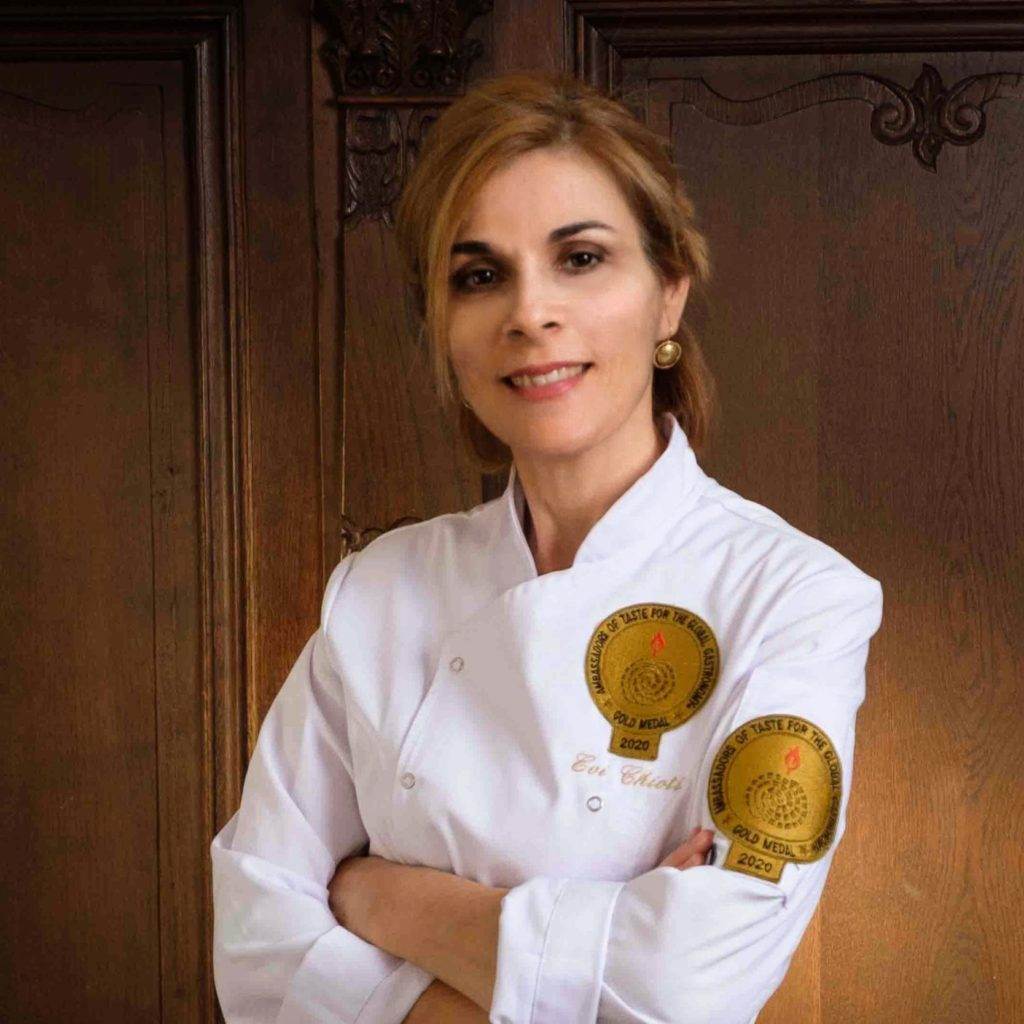
Chef Evi Chioti

Chef Evi Chioti is a chef, educator, and sustainable gastronomy advocate. For this ingenious and unexpected dessert, she uses ingredients indigenous to Cyprus. This recipe earned her 2nd place in the LIFE Climate Smart Chefs Award Best Sustainable Recipe.

Hear more about her work on Worldchefs podcast, Episode 129 of World on a Plate: Advancing Sustainable Gastronomy & Mediterranean Cuisine.

I used a vegetable that we have in Cyprus. It’s a simple vegetable, not expensive and very nutritious. It was cooked a bit differently than the traditional way, presented differently. I used the juices from cooking for the sauces. I used cherries and other ingredients that were seasonal at the time to create the sauce and decorations for the plate.

continue the tour with MEMBERS WORLDWIDE

With Worldchefs’ members in over 100 countries, there are so many cuisines and fantastic sustainable recipes that deserve the spotlight. To continue the tour, check out more from chefs around the globe.

  • Wales: Wales Food&Drink Rooted in Wales resource
  • South Africa: Capsicum Culinary Studio Heritage Day recipes
  • El Salvador: Asociación de Chefs de El Salvador (ACESA) Sabores de la Memoria: Cocina indígena y Afrodescendiente launch event with the United Nations (FAO)
  • Worldchefs Members in Asia: Food of Asia, Soul of Asia free recipe book
More Than the Sum of Its Parts

These recipes show us the power of the plate. They show us that a dish is much more than the sum of its parts. They bring to the table more of what we have in common, showing that sustainable principles are found universally, and deeply representative of heritage cuisines around the world. 

Sourcing local and seasonal ingredients, plant-forward cuisine, and using the whole ingredient to reduce food waste–these techniques and so many more are commonalities we share.

Food is a universal language that chefs are fluent in. But unlike language, it doesn’t need to be spoken to be understood. Like Chef Nazario Contardi shared, “Community is sustainability.”

Community is also power. By coming together through food, we have the opportunity to influence eachother, to teach eachother, and to inspire eachother to take action. Through recipes like these, we can better understand the connection between planetary health and wellbeing and our own, and take real steps toward a more conscious kitchen.

Resources

Looking for more on the sustainable gastronomy movement? Find more ways to get involved:

FoodChoices4LIFE

We invite chefs across our global network to take part in FoodChoices4LIFE, a new EU co-funded initiative led by Worldchefs that promotes climate-smart food choices across Europe.

Learn more and get involved here.
Sustainability for Culinary Professionals

Join the +17,500 chefs around the world who have gained skills to empower their role as changemakers. Sustainability Education for Culinary Professionals is a free course built to teach chefs to think and act sustainably.

Start the free, open-source training here.
Feed the Planet at the 2026 Congress

At Worldchefs Congress this May in Wales, join the session Feed the Planet: Driving Global Impact to learn more about our programs and how you can get involved.

View the program here.

Plus, you can always find new inspiration in a growing collection of heritage recipes here

Credits

Thank you to our Committee Members and Worldchefs community members who submitted their recipes for this article.

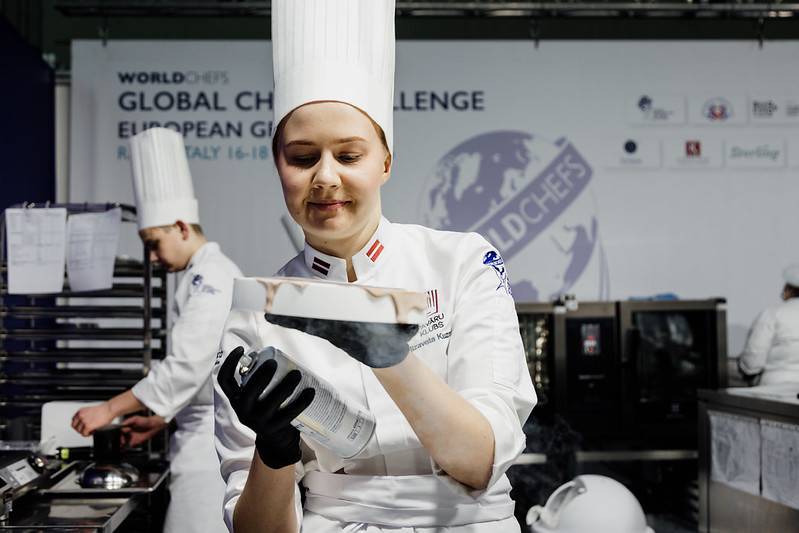
Featured image: From the Global Chefs Challenge Europe Semi-Finals 2025.

Written by Clare Crowe Pettersson.
Categories
Industry Trends

Cultivating Positive Kitchen Culture: What can we do?

In the wake of abuse allegations at some of the industry’s top-rated restaurants, we reflect on how culinary professionals are redefining excellence and making positive kitchen culture an essential criteria.

The culinary industry in the midst of a long overdue reckoning. As allegations of abuse emerge from the most celebrated kitchens, chefs and hospitality professionals are reexamining how we define excellence and setting a new standard for the industry.

Today, a growing movement of culinary professionals are prioritizing people-centered policies, transparency and well-being, recognizing that positive kitchen culture is an essential part of success. We explore the steps being taken around the world toward a culture shift in the kitchen.

A Message from Worldchefs President on Safe Kitchens
Andy Cuthbert Worldchefs President

Excellence in cuisine can never justify the mistreatment of people. A kitchen must be a place of learning, collaboration, and safety. Abuse—whether physical, verbal, psychological, or systemic—has no place in our profession.

Andy Cuthbert, Worldchefs President

Worldchefs is deeply concerned by the recent reports of long‑term mistreatment and abusive behavior within high‑end professional kitchens. These accounts are painful to hear and stand in direct opposition to the values of respect, professionalism, and mentorship that define our global culinary community.

Certain professions, not only culinary, operate at certain levels of intensity that also lead to stress and pressurized environments. However, this can never be an excuse for behavior that is demeaning and unprofessional at any level. We need to encourage young people to join our profession, and this can only happen when the industry as a whole works collaboratively.

Excellence in cuisine can never justify the mistreatment of people. A kitchen must be a place of learning, collaboration, and safety. Abuse—whether physical, verbal, psychological, or systemic—has no place in our profession.

The future of our profession depends on the wellbeing of its people. Worldchefs stands united in building a global culinary culture rooted in respect, integrity, and excellence. Worldchefs members works closely with organizations globally, including The Burnt Chef Project, to ensure we are highlighting the need for good mental wellbeing.

Responding to Research

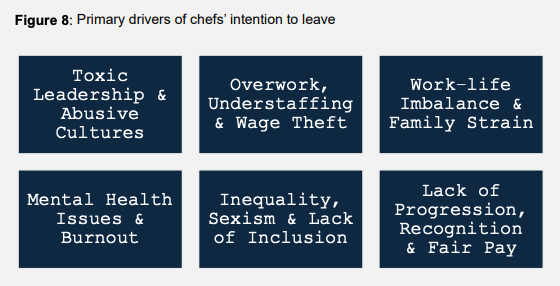
In a January 2026 report produced by Bournemouth University in collaboration with The Burnt Chef Project, responses to a global survey of 460 chefs offer a timely snapshot of what the industry must address to retain talent. The global survey shows that 69% of chefs regularly consider leaving their jobs due to toxic leadership, work-family conflict, and unsustainable working conditions. Addressing structural failures–from enforcing zero-tolerance policies on harassment to ensuring fair pay–is essential for the growth of the industry.

Toxic leadership and abusive work cultures, wage theft, the gender gap, mental health issues–so many of the primary drivers for chefs considering leaving their roles have been highlighted in recent stories of abuse allegations in the fine dining world.

We already know what conditions need to change, coupled with a growing movement towards positive kitchen culture. Although we have a lot of work yet to do, the industry is in a state of transition, taking real steps towards operational change and accountability mechanisms.

Celebrating Good Leadership

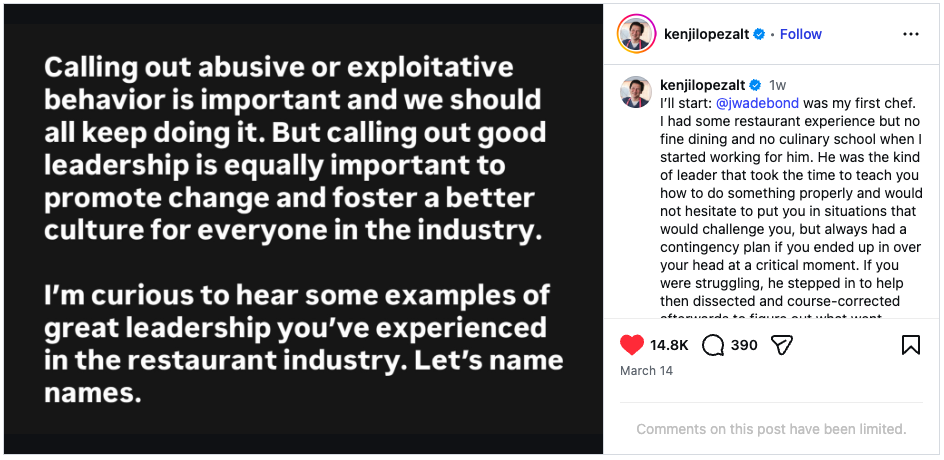
We have so many bright examples of the kind of leadership we need to cultivate positive kitchen culture:

Read the thread above and you’ll see diverse examples of positive kitchen culture. Michelin-starred Chef Emmanuel Stroobant has shared his journey, which you can learn more about below. Chef Kris Hall, through his work at The Burnt Chef Project, is providing resources to chefs around the globe. Culinary schools and employers alike have spotlighted how essential a positive team culture is. Chef Rick Bayless has written on creating a positive professional kitchen culture, and restaurateur Asma Khan has offered key characteristics of a positive kitchen. These are just a handful from an inspiring movement of culinary professionals committed to building a better future for the industry.

Below you can find additional resources, from mental health services to more examples of how chefs are building positive kitchen culture in restaurants around the world.

Resources

Keep reading for resources and examples of chefs that have spoken out against abusive and are helping to drive positive kitchen culture around the globe:

What Strong Leadership Looks Like

Hear more about what strong leadership looks like in hospitality and how the industry can build more equitable and inclusive workplaces for the next generation on episode 142 of World on a Plate with Anna Blue. She explores how the industry must rethink leadership qualities, and offers advice for young people entering hospitality today.

For more on leadership gaps in today’s hospitality workforce, read our recent article: We Need More Women in Senior Leadership: Closing Hospitality’s Gender Gap.
The Burnt Chef Project

The Burnt Chef Project is a globally recognized non-profit that raises awareness, provides training, and offers market-leading support for mental health issues within the hospitality industry. 
Tune in to episode 126 of World on Plate to learn how they advocate for more compassionate, resilient workplaces, and how we can all play a part in supporting mental health in the culinary world.

Access their resources, including free 24/7 mental health support, here.

The Burnt Chef Project will be at the 2026 Worldchefs Congress & Expo in Wales this May. Register now.
Why Mentorship Matters Now More Than Ever in the Culinary World

Mentorship: the secret ingredient to industry success?
Going beyond technical skills, mentorship is about more than just imparting culinary expertise. By modeling and inspiring leadership qualities, mentorship also helps to ensure that we develop the strategic, professional, and personal competencies necessary to navigate today’s complex hospitality environment and beyond. 

Read more here to explore why mentorship matters now more than ever in the culinary world.
Prioritizing Mental Health – Wellness Tools for Chefs and Hospitality Workers with Jasmin Parks-Papadopoulos

Jasmin Parks-Papadopoulos, Chief Growth Officer at CHOW (Culinary Hospitality Outreach Wellness) is a former chef turned certified life coach. 
Hear her discuss the unique challenges faced by hospitality workers, community support, and trauma-informed tools–all aimed at promoting a sustainable and healthier work environment–on episode 114 of World on a Plate.
From Burnout to Balance: A Chef’s Guide to Mental Wellness with Emmanuel Stroobant

Prevention is better than cure. After his own struggles, Michelin-starred Chef Emmanuel Stroobant advocates for a culture that values rest, reflection, and mental resilience as much as culinary excellence. 
He realized that taking care of oneself is more than an act of self-preservation; it’s a responsibility we have towards those around us.

Hear more from him during his session at the 2024 Congress here.
In the Weeds: Why Kitchen Culture Must Change to Safeguard Mental Health & Wellness

When it comes to mental health, the culinary world is still in the weeds.
The once-glorified kitchen culture of hustle and hard living has started to give way to a more sustainable ethos, one that recognizes that the future of the industry depends not just on innovation and skill, but on the health and happiness of those behind the pass.

While awareness of the importance of mental health and wellness has increased, the culinary industry still faces unique challenges requiring attention and change in workplace culture.

Read more in this article.

Categories
Industry Trends

We Need More Women in Senior Leadership: Closing Hospitality’s Gender Gap

More than half of the hospitality workforce are women, yet they remain hugely underrepresented in leadership roles. To fix the gender equity gap in our industry, we need systemic change.

The hospitality industry runs on talent, creativity, and care, and globally, women provide more than half of it. They make up over 50% of the hospitality and F&B workforce. Yet despite being the majority to help power the industry, women are significantly underrepresented in leadership and decision-making roles. This paradox is at the heart of hospitality’s gender gap; one that the industry can no longer afford to ignore.

In this article, we explore why gender disparity persists regardless of the critical role women play in the culinary world, and what that means for the industry in practical terms.

Leaving Talent on the Table: Today’s Hospitality Workforce
LABOR FORCE & LEADERSHIP GAP

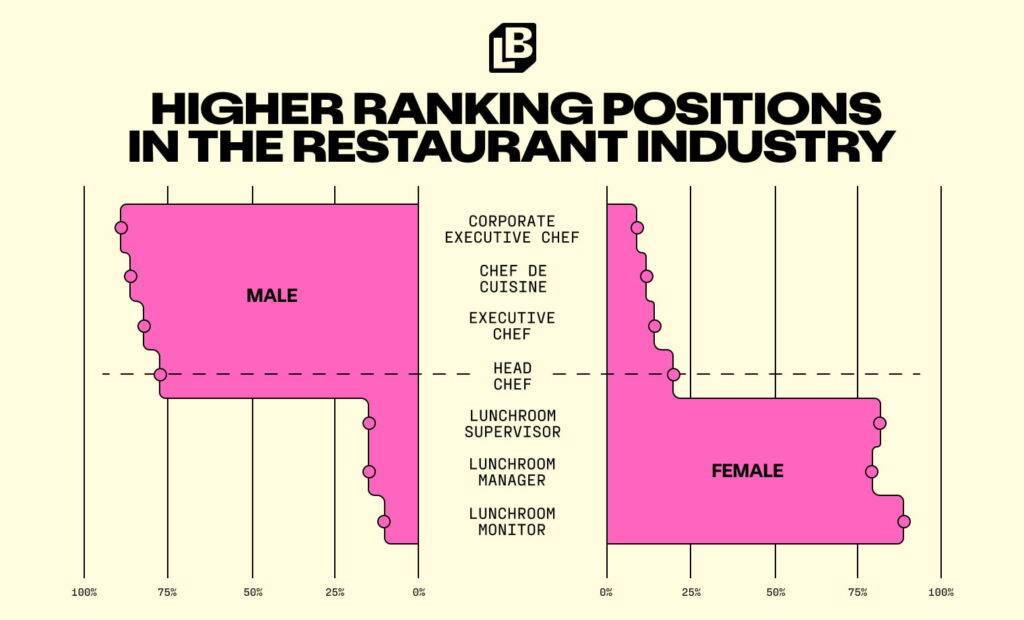
In the hospitality industry, women hold one leadership position for every 10.3 men. Women make up just 33% of management positions in restaurants, and only 19% of chefs and head cooks are women. In the US, 79.3% of chefs identify as male, while 35.6% identify as female. 9.1% of corporate executive chefs are women, while 90.9% are men.

Fewer higher ranking positions in the restaurant industry, such as head chef or executive chef, are held by women, from Zippia 2022 data.
RECOGNITION GAP

Representation in awards and recognition also lags behind. Just 6% of Michelin-starred restaurants are led by women. In 2025, of the 22 new one-starred restaurants in the UK, only one was awarded to a female chef patron – Chef Emily Roux. The percentage of the World’s Best 100 restaurants with a female head chef scratches by at 6.5%. For every female-led Michelin-starred establishment, there are 16 run by men.

Leaving the stars aside, the 2024 State of Gender Equality in the Travel and Hospitality Industry report found that a staggering 63% of female respondents believe they must work harder for recognition and acceptance because of their gender compared to 22% of male respondents who feel the same. A 2022 study from MIT found that female employees are also less likely to be promoted than their male counterparts, despite outperforming them and being less likely to quit. 

GENDER-BASED PAY GAP

The gender-based pay gap is persistent in the hospitality industry, and it’s moving in the wrong direction. A 2023 report found that the gender pay gap in hospitality increased from 4.2% to 5.2% over the previous year. According to Equality in Tourism, women in tourism earn approximately 14.7% less than men. 

In the US, the average annual salary for chefs and head cooks in 2025 was $45k for men versus $35k for women. In Europe, a study published in 2025 found that the gender wage gap in hospitality management ranges from 5.1 % to 23.8%.

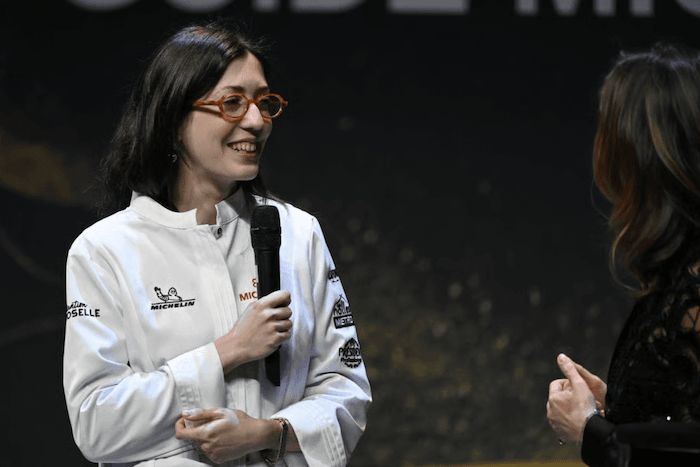
Chef Valentina Giacobbe, winner of the 2025 MICHELIN Young Chef Award for her restaurant Ginko in Lille, France. Photo credit: AFP
Invisible Labor, Not-So-Invisible Problems

In hospitality, some of the most essential leadership work is rarely listed on a job description. Culture building, conflict mediation, keeping a team calm under pressure, and so many more tasks, are the invisible backbone of a thriving kitchen team. Research shows that this invisible labor disproportionately falls on women, who are expected to absorb stress, maintain morale, and smooth interpersonal dynamics while their contributions remain undervalued. When structural systems fall short, women pick up the slack.

The qualities most associated with effective leadership today – emotional intelligence, adaptability, cross-functional collaboration, and long-term thinking – are the very qualities that have historically been feminized and dismissed as “soft skills.” Yet modern leadership science has made clear that these are high-impact competencies linked to stronger team performance, resilience, and innovation. 

Studies show that purpose-driven women leaders consistently rely on empathy, calculated risk-taking, a bias toward action, and achievement orientation across their careers. They excel in both generating ideas and executing them, driven by a deep commitment to purpose and to the people around them. Broader organizational research echoes this: women leaders are more likely to demonstrate participative decision-making, ethical sensitivity, and collaborative leadership styles – traits that correlate with stronger organizational outcomes. 

Despite this, what problems are still preventing women from rising to the top?

FALSE STEREOTYPES

A study published in the European Journal of Travel Research found that ingrained stereotypes and sexism continue to be a huge issue in the culinary field. False gender stereotypes, like being less resilient to stress, lacking in authority, or emotional sensitivity, negatively impact women’s career advancement, leaving many on the lower rungs of hospitality roles. What chefs wear can come under scrutiny, too, with something as simple as a sequined chef jacket causing a stir. 

All too often, women in kitchens, even those in change, are overlooked in search of a male authority figure. The McKinsey’s 2024 Women in the Workplace study found that women leaders are 1.5x more likely than male leaders to have their judgment questioned, and are twice as likely to be called “too aggressive” when demonstrating the same assertiveness valued in their male counterparts.

THE “OLD BOY’S CLUB”

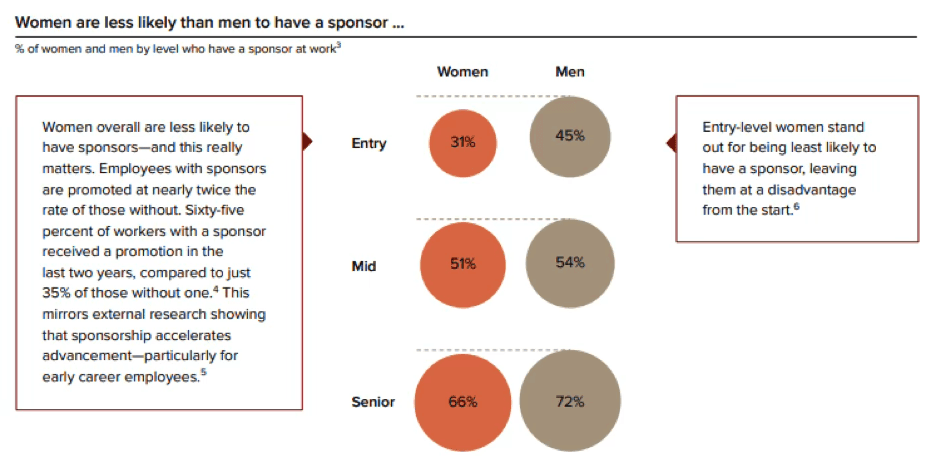
Studies also show that the “old boy’s club” continues to pose a problem for women working in the hospitality industry. It excludes women from informal and formal networks, making the glass ceiling further out of reach. With mentorship a key ingredient to a successful career, inclusive networking plays a critical role in helping women advance in the hospitality sector.

Women are less likely than men to have a sponsor, from Women in the Workplace 2025 annual report.
Deep Dive: A Data-Informed Look at Why Gender Disparity Is Bad Business
Women in Leadership: A Good Decision

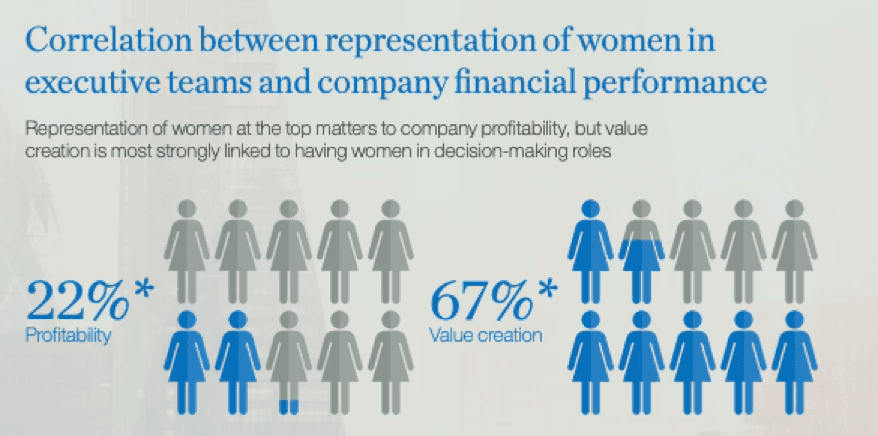
Research has found that women in leadership improve decision-making. A 2023 study, conducted by the University of California and Copenhagen Business School and published in the Harvard Business Review, listened to board members from more than 200 publicly traded companies in the US and Europe. 

The results? Women come to meetings better prepared, more willing to ask in-depth questions, more open to different points of view, and concerned with accountability and making the right choice as a group rather than worrying about how they might be perceived. 

Having more women in decision-making roles matters most for long-term value creation, from McKinsey & Company.
Bias is Expensive

Inclusive environments equals better performance. Research shows that the firms with higher gender diversity in upper management are more likely to achieve better financial and sustainability performance. Inclusive, gender-diverse workplaces drive measurable performance gains and are significantly more likely to outperform less inclusive peers, with higher productivity, increased innovation, stronger employee retention, and nearly 63% greater profitability and productivity.

Side Dish: How do men and women see these barriers differently? A recent study offers insights.

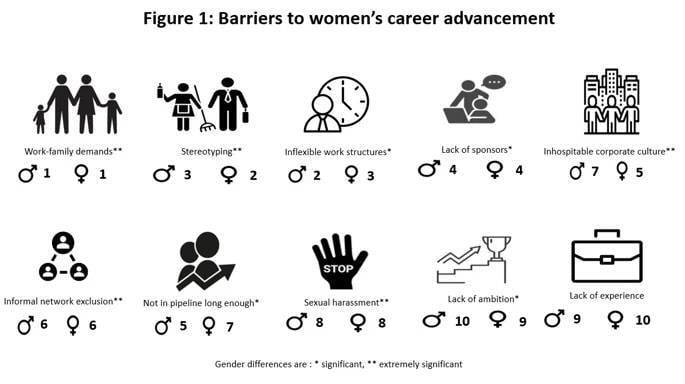
A recent study by EHL Insights found substantial differences in the way male and female hospitality managers understand research-backed factors related to women’s career advancement. While women (and substantial data) report that opportunities have stagnated, men perceive that women’s opportunities to reach top management levels have greatly improved.

While men still hold much of the decision-making power, how will anything change if they don’t see the not-so-invisible problem? 

Barriers to women’s career advancement, from EHL Insights.
On the Line: Lessons from Women Who Lead

Let’s hear from female voices on the line. What have they learned from their experience in leadership?

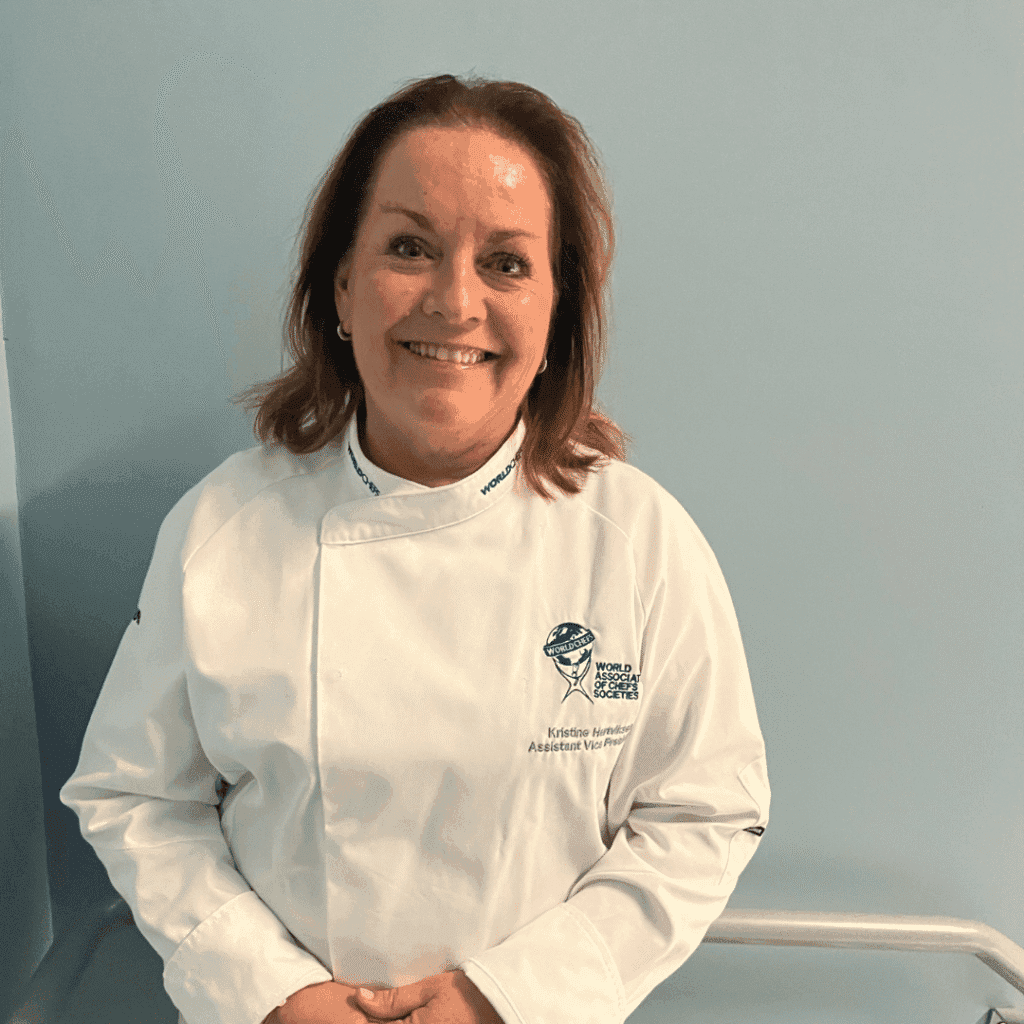
Chef Kristine Hartviksen

Executive Committee Member at Worldchefs and Head of Innovation at NorgesGruppen, Norway’s largest grocery company

WHAT WE NEED: I was the first woman in the Nordics to be president of their chef association. I have been fighting and I thought at times “Oh, I don’t want to do this anymore.” It has been tough. When I started [my career], I must be honest, [Worldchefs] was an old gentlemen’s club. It’s different now. We still need to have more of a mix on the board, a mix of age, women and men, experiences–more voices. Everyone is important. Women and men, we think differently, so the mix is important. 

HER ADVICE: It only takes one idiot in the room to try to break you down, so have good mentors, people who you can trust, and then ignore the idiots. You must trust yourself and have a mentor. Call me, I’m going to help. We are stronger together.

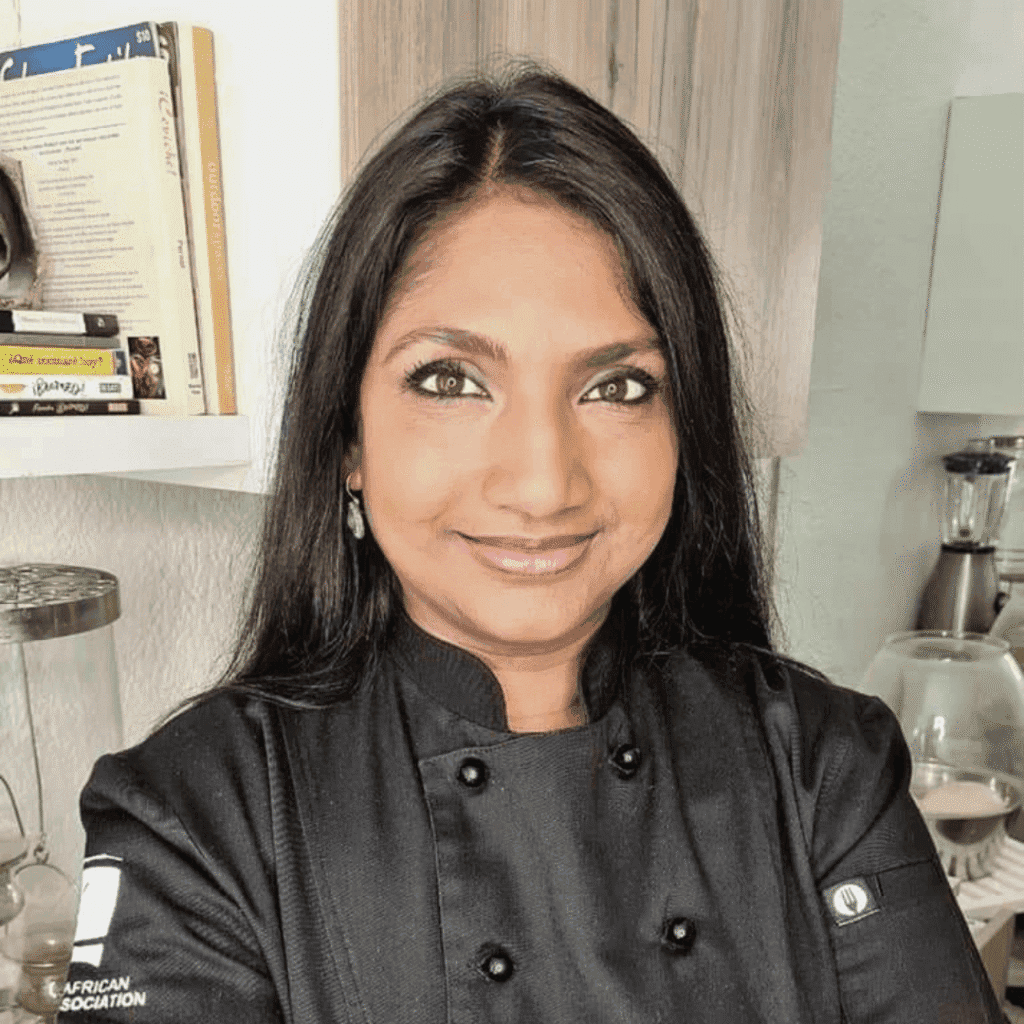
Chef Zana Alvarado

Women in Culinary, South African Chefs Association (SA Chefs)

WHAT WE NEED: We need to speak up. Because if it’s not just your colleague today, it could be your daughter or your wife next month. 

HER ADVICE: We need to focus more on mentorship. That is incredibly vital for career growth. 

Connie Lau

Director of Operations & Projects, Worldchefs (World Association of Chefs’ Societies), France

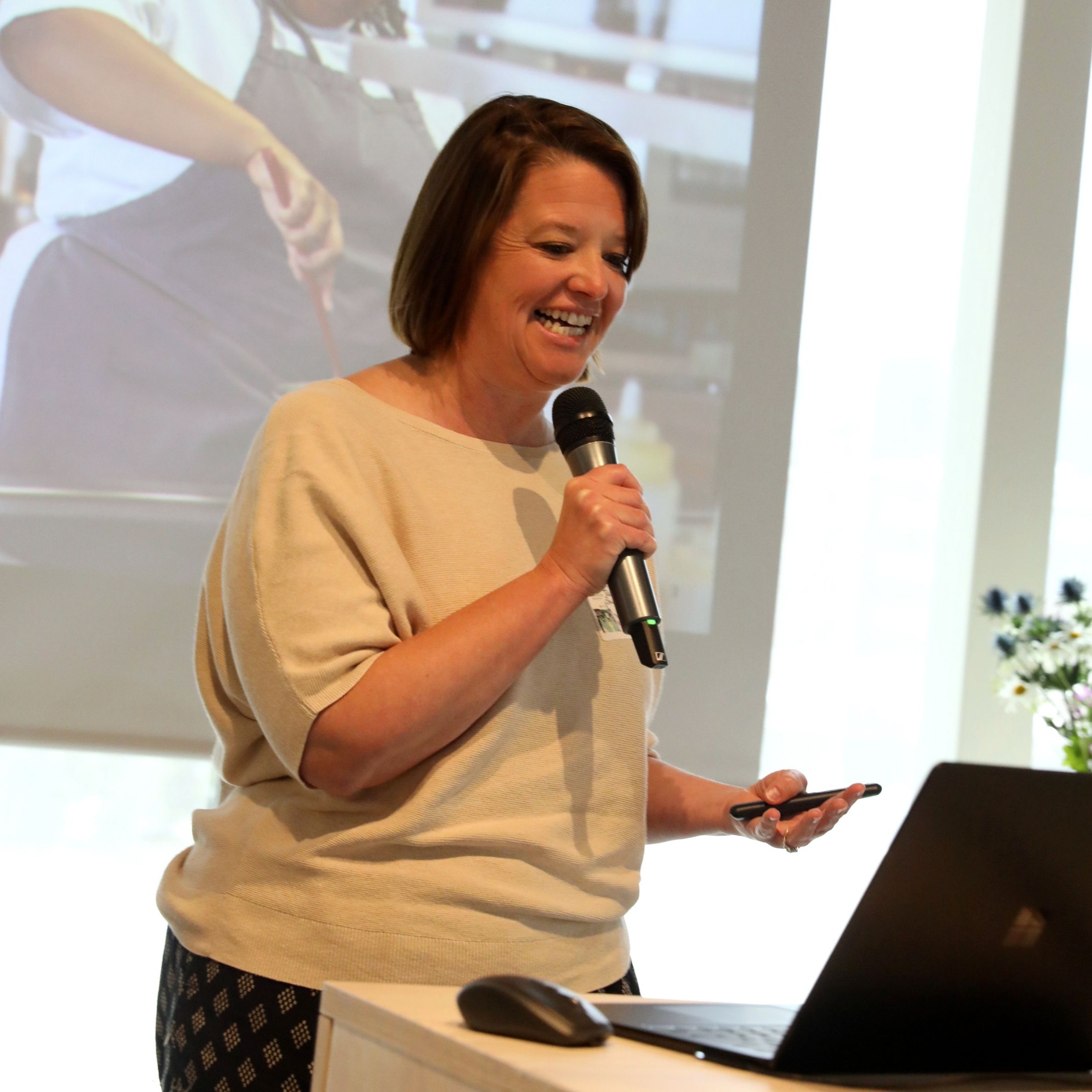
WHAT WE NEED: We need to stop treating gender equity as a “women’s issue” and start treating it as a leadership and governance standard. That means transparent pathways to senior roles, fair recognition of contribution, and leadership cultures that value both results and people. There isn’t one “correct” way to manage; it depends on the situation, the culture, and the people in front of you and women should not have to lead like men to be taken seriously. In a global chefs’ association, cross-cultural intelligence matters: respect is built through tone and intent. Most importantly, leadership is never about one person. It is about the team you build and the trust you earn. 
HER ADVICE: Find mentors and sponsors who could actively advocate for you and create opportunities, not just offer guidance. And when you can, do the same for someone else. Don’t wait to be “ready”; take the seat, do the work, and build credibility through consistency. Be firm when the situation requires it, but don’t confuse toughness with effectiveness. Stay curious, learn, and adapt to today’s realities and never forget that real leadership is measured by the people you develop and bring along with you.

WHAT WE NEED: The biggest challenge is breaking down the ‘old boys’ club’ mentality in the industry. 

HER ADVICE: The mentorship experience [is] transformative.

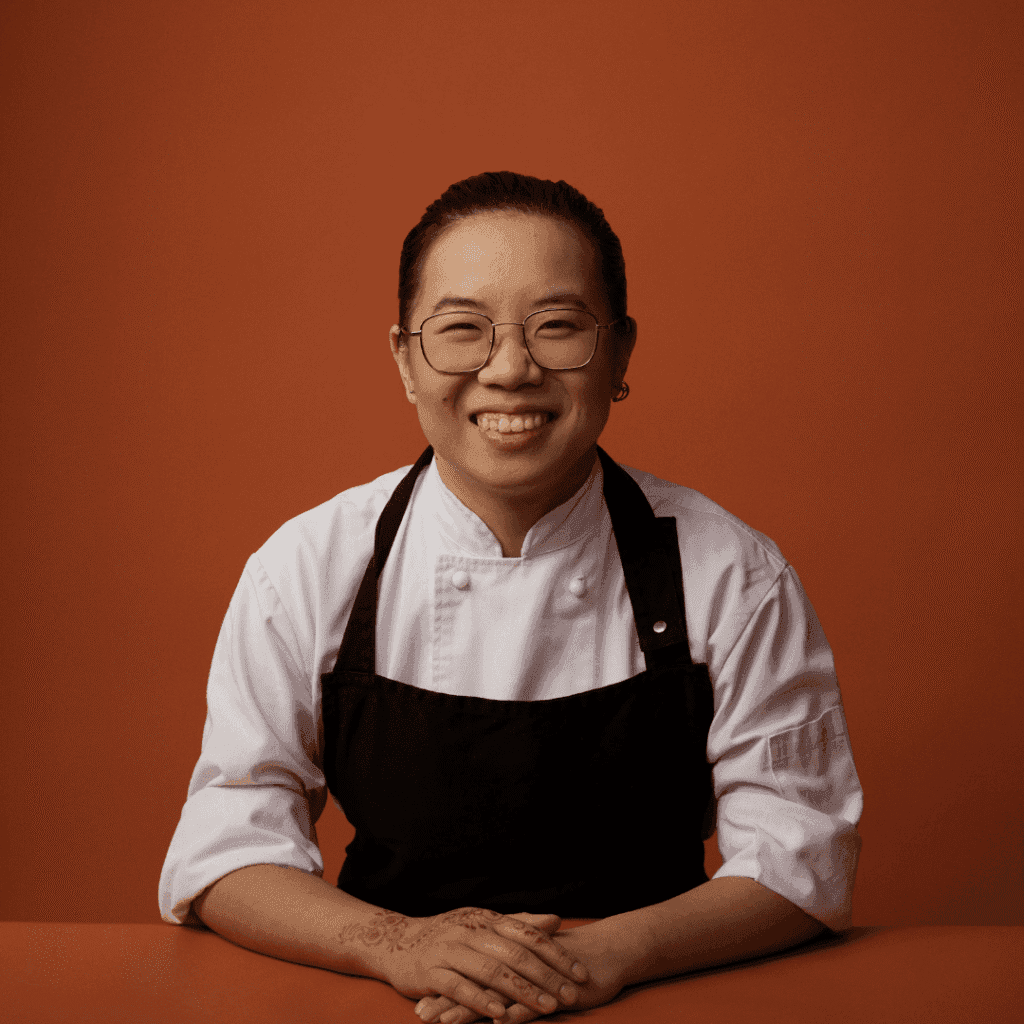
Chef Kimberly Tang

Young Chefs Club Australia Co-Chair & World Chefs Without Borders Committee Member

WHAT WE NEED: The workplace is really responsible for creating that positive culture. Getting rid of harassment in workplaces. It’s about creating stronger mentorship with senior chefs and junior chefs and getting rid of that divide.

HER ADVICE: I definitely have to thank all the mentors I’ve had previously to make up the chef I am today and the person I am today. The mentors that have guided me through these competitions made me want to also mentor future generations. 

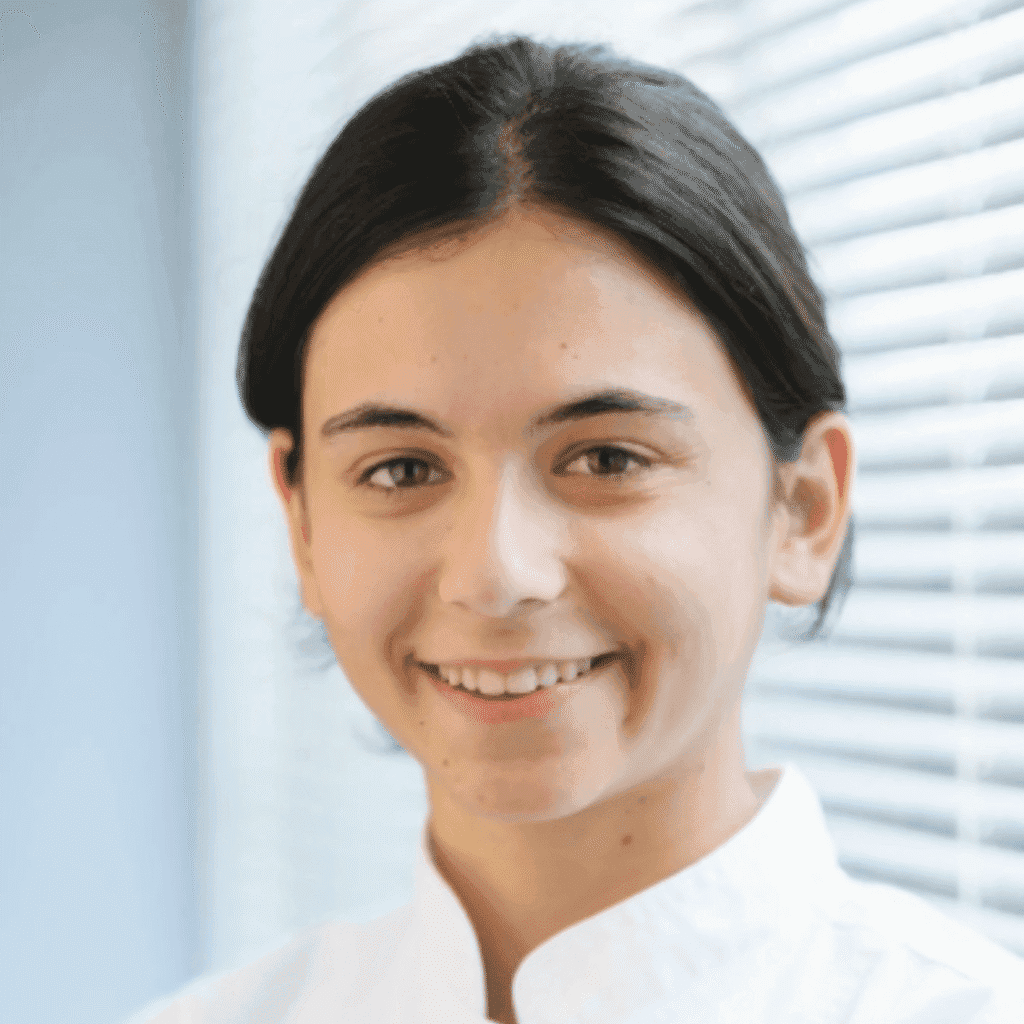
Young Chef Constantina Papaioannou

2026 Global Young Chefs Challenge Competitor, National Culinary Team of Cyprus

She will compete at the Finals during the 2026 Worldchefs Congress & Expo in Wales this May.

WHAT WE NEED: The industry is in need of many other female chefs and leaders. Growing up I was very lucky to have various female mentors around me such as my grandmother who inspired me to keep going and follow my dream. 

HER ADVICE: My advice to other female chefs is to always believe in yourself and keep trying to achieve your goals. 

Breaking the Demi-Glace Ceiling: Systemic Change or Bust

Dig into the history of the culinary profession and you’ll find it’s riddled with the same story. We know the Auguste Escoffiers, and the Rosa Lewises and Marthe Distels of the world are forgotten. Search for related articles and you will come up with thousands, hundreds of thousands, of related writing. 

The pandemic undid years of progress towards gender parity in leadership. While brands including Marriott, Hilton and Accor have pledged to increase female representation in leadership roles, according to the 2025 Women in the Workplace study, only half of companies are prioritizing women’s career advancement, part of a multi-year trend in declining commitment to gender diversity. 

Despite the challenges faced, women aren’t going to stop at the demi-glace ceiling. They’re taking their chefs’ knives to it, from smashing stereotypes in corporate kitchens to owning their own businesses. In the US, one-half of restaurant businesses are owned by women and 49% of restaurant firms are at least 50% owned by women, according to recent data from the National Restaurant Association. Women entrepreneurs in culinary are hungry for change, and they aren’t waiting for someone else to make it happen.
Mentorship & networking are key

Many women in hospitality attribute their achievements to mentorship. Look no further than the women profiled above for evidence of the impact a support network can have on navigating challenges and seizing new opportunities. In a global survey, 71% of businesswomen said their mentor was influential in their career advancement. Women with mentors are promoted five times more often and are 33% more likely to be seen as strong performers in the workplace.
Then there is this statistic: Men apply for jobs when they meet 60% of the qualifications, while women wait until they meet 100%. Mentorship can help address this, providing women with the right kind of support to ensure they go after what they deserve.

Access to strong professional networks is overall one of the most powerful accelerators of women’s career growth in hospitality. Mentorship, in particular, gives women the guidance, visibility, and confidence needed to navigate structural barriers. When women are connected to peers and seasoned leaders who champion their development, they are far more likely to advance. Expanding these networks and ensuring women have real pathways into them is essential for progress.

More than anything, we need to address the structural barriers holding women back. As long as the systems shaping career progression remain biased, women will continue to do the work without receiving the power, recognition, or opportunity that matches their contribution. Addressing these structural barriers means redesigning how we hire, promote, mentor, and value leadership itself. It requires shifting from relying on the invisible labor of women to building cultures where emotional intelligence, collaboration, and inclusive leadership are recognized as strategic assets, not gendered expectations.

When the industry embraces structures that support women’s advancement, it’ll do more than correct an imbalance. We need more women to unlock the full creative and economic potential of the global hospitality workforce.

Despite the figures and the major work still left to overcome regarding gender, there is so much inspiring action from individuals and organizations committed to closing the gender gap in hospitality. With passion and persistence, women won’t be stopped. Where they don’t have a seat at the table, they’re setting their own.

Check out the resources below for more.

More Women!

Looking for more on women in the industry? Keep reading:

Building a More Inclusive Future in the Culinary Industry


While the kitchen has long been perceived as a male-dominated space, the tides are shifting, and together we are building a better, more inclusive future.

Discover the dedication, resilience, talent, and innovation of women shaping our industry today.

Why Mentorship Matters Now More Than Ever in the Culinary World


Mentorship could be a key piece of the puzzle to solving the gender gap, making sure that the industry doesn’t leave talent on the table when it comes to hiring for leadership roles.

Read our recent article to learn more.

Empowering Women in the Culinary Industry


In an exclusive interview, Chef Zana Alvarado of SA Chefs highlights key action points to address gender disparities in the culinary world and support equity in a male-dominated industry. 

Additional Resources

Have a resource or women-led initiative to share? Get in touch.

Network at Worldchefs Congress 2026

Find your next mentor at Worldchefs Congress in May. In addition to connecting directly with industry experts and experienced professionals, you’ll hear from several female leaders, including:

  • Sian Wyn Owen, the Executive Head Chef of The River Cafe, one of London’s most iconic Michelin-starred Italian restaurants. Sian is a regular guest on Ruth Rogers’ podcast Ruthie’s Table 4.
  • Chef Shonah Chalmers CCC, B.A.Sc., WCCE, the Chair of the Worldchefs Feed the Planet and Sustainability & Inclusivity Committee. A culinary educator and sustainability advocate, Shonah is known for championing regenerative and locally sourced “hero ingredients” in modern recipe development. 
  • Rosalyn Ediger, the founder and CEO of The Culinary Diplomacy Foundation of Canada. In addition to this role, since 2017 Rosalyn has been a passionate Culinary Arts Instructor at her alma mater, Southern Alberta Institute of Technology.

And so many more.

Register now to join the international chef community for Worldchefs Congress & Expo 2026, taking place 16 -19 May 2026 in Newport, Wales.

Photo credits and captions

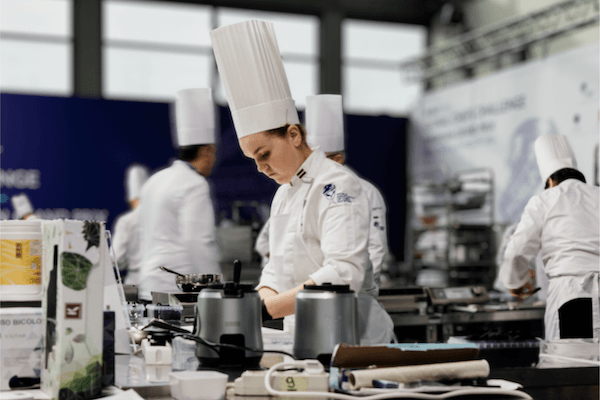
Featured image: Competitor at the 2025 Global Chefs Challenge European Grand Prix semi-finals.

Written by Clare Crowe Worldchefs Editor.

Categories
GCC - Young Chefs Industry Trends

Why Mentorship Matters Now More Than Ever in the Culinary World

Mentorship: the secret ingredient to industry success?

When you read a chef’s bio, it usually includes who they worked for. If they’ve been lucky, it might read something like this:

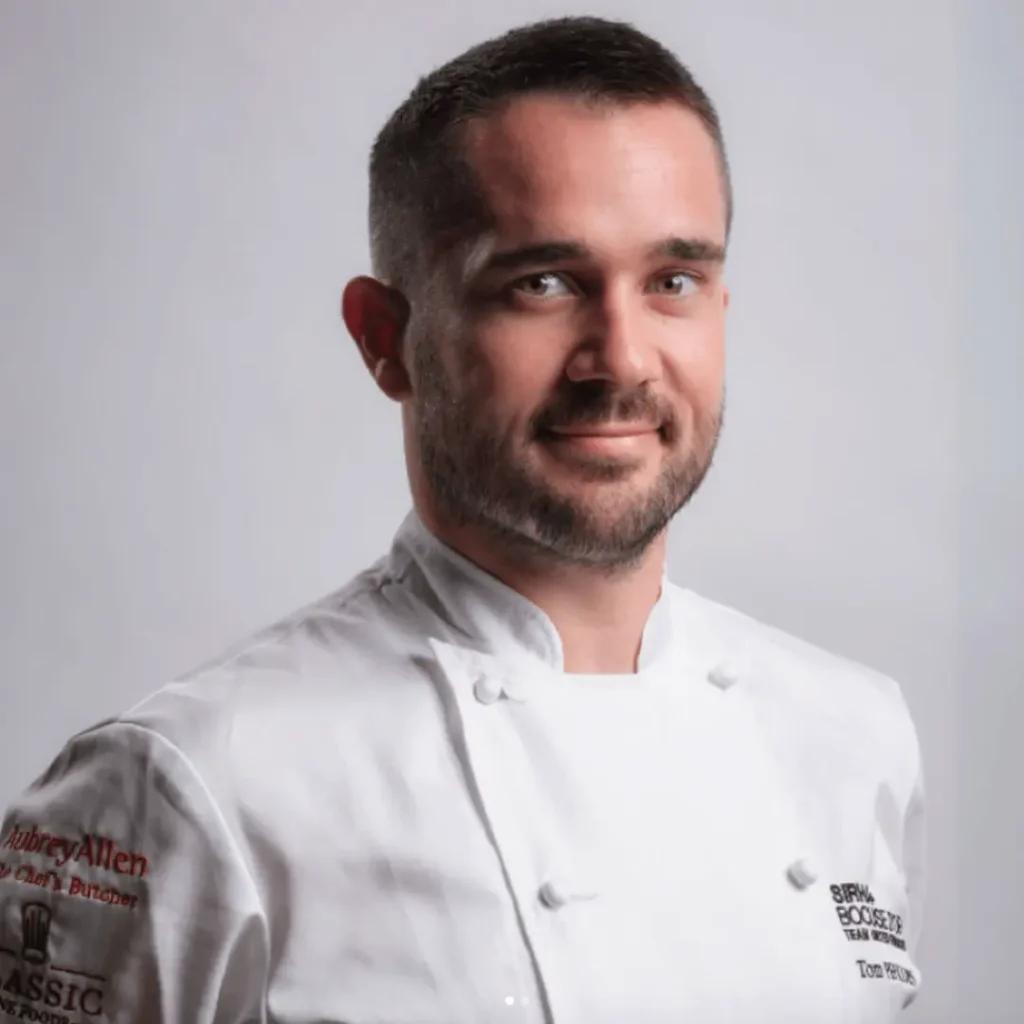
Tom Phillips trained at The Ritz in London, before moving on to Simon Rogan’s L’Enclume in the Lake District and Thomas Keller’s Per Se in New York. He later returned to London to join Restaurant Story, working alongside chef patron Tom Sellers. 

Tom Phillips, Executive Chef at Restaurant Story.

Meet Tom and hear more about his career journey “From Newport to the Bocuse d’Or Stage” at Worldchefs Congress & Expo this May.

While this might not be immediately read as mentor-protégé relationships, the value is clear. Where a chef worked and for whom is a big part of how their skills are perceived. For some, it’s like a badge of honor. A well-known mentor can signal potential, legitimize a chef in the eyes of colleagues and consumers, and inspire culinary professionals to aspire to excellence in an effort to be a part of a shared legacy.

A big-name mentor in your bio might get you noticed, but the benefits run a lot deeper than PR. In this article, we’ll explore why mentorship matters now more than ever in the culinary world.

An Underrated Resource for Today’s Hospitality Landscape

Mentoring is an underrated resource and an under-recognized skillset. According to recent data, 76% of people think mentors are important, but only 37% actually have one.

You can be a great chef but not know a thing about how to inspire someone or guide them towards a long-term perspective on career. It takes time to cultivate skills to mentor and manage people, and the willingness to continue to learn from protégés, too. According to the latest data from Deloitte, many managers only spend 13% of their time developing the people who work for them, and more than one-third (36%) are not sufficiently prepared to be people managers, suggesting that more learning and development is needed across each stage of a person’s career.

Mentoring represents one of many skills that are increasingly expected by today’s hospitality landscape. Culinary professionals need to be multifaceted to respond to an evolving industry, one changed by the pandemic and shifting generational expectations. From small businesses to large commercial kitchens, chefs need to demonstrate strong managerial and leadership skills, as well as operational and administrative skills. Success also often depends on being savvy when it comes to social media, culinary arts tourism, and the latest culinary trends. With so many things to consider in building a successful career, culinary professionals need diverse guidance.

While the culinary arts has traditionally been rooted in vocational training and hands-on apprenticeship, across the globe, industry leaders, educators, and employers report that traditional technical training alone is insufficient to meet these shifting demands. 

The need for meaningful and intentional mentorship is stronger than ever, a kind of mentorship to strengthen career development by offering specific expertise, insights, and opportunities, whether near or far.

judges africa & middle east global chefs challenge
Worldchefs Certified Judges with Global Chefs Challenge competitors.
Deep Dive: A Data-Informed Look at Why Mentorship Matters Now More Than Ever

Mentorship delivers clear strategic value, for employers, mentors, and mentees alike. It’s no wonder why 98% of Fortune 500 companies invest in structured mentorship programs and report higher engagement, stronger pathways for leadership development, and higher retention rates as a result.

Especially now, with automation and AI quickly reshaping day-to-day activities, both employers and customers are searching for connection and adaptive, human-centric skills. Mentorship can help to keep a balance in check by creating opportunities for dialogue around new technologies, approaches, and ways of working. By bridging tradition and innovation and helping to connect perspectives across generations, cultures, and specializations, mentorship can be a key driver for growth, for both the industry and its individuals.

Strengthening Team Culture and Employee Retention


Studies show workplaces with structured mentorship see higher retention rates for mentees (72%) and mentors (69%) compared to other employees. Especially for the new generation of workers, a focus on learning is essential. In a 2025 survey from Deloitte, when asked the strongest reasons for choosing to work for their current employer, Gen Z put learning and development in the top three, with specific mention of wanting greater guidance, inspiration, and mentorship from their managers. 

Mentorship also can also be a part of efforts to address mental health in the kitchen. Mental wellness is an increasingly visible challenge for chefs worldwide, and the value of mentor relationships shows up in this area as well. Studies show 45% of employees feel uncomfortable discussing mental health concerns with their managers. Mentorship builds trust and provides emotional scaffolding, reminding chefs that they are not alone and that their contributions are valued. Data shows that 89% of employees with mentors say colleagues value their work, versus 75% without mentors. All this from knowing someone has their back.

Side Dish: Gen Z’s Career Expectations

86% of Gen Z and 84% of millennials consider mentorship from experienced colleagues to be a key tool for career growth.

9 in 10 Gen Zs (89%) and millennials (92%) consider a sense of purpose to be important to their job satisfaction and well-being.

Promoting Skills Transfer

Mentorship is at the heart of craft, with one person’s mastery becoming the next person’s foundation. According to the Harvard Business Review (HBR), global research shows structured mentoring accelerates skill development by 30% or more. In a study by the HBR, across 19 countries, 84% of workers said that mentors helped them achieve competence in their roles faster. 

It’s also a two-way exchange. Seasoned chefs can share their insights and offer actionable guidance to their mentees. Mentees in exchange bring new perspectives and skills to the table, challenging their predecessors with fresh questions, ideas, and innovations.

And mentorship isn’t just for young chefs. It can benefit chefs at every point in their career. Beyond age and traditional kitchen hierarchy, mentorship promotes mutual learning across generations, cultures, and disciplines. Peer-to-peer mentoring has its place, too, with more experienced colleagues helping others to grow confidence, and encourage collaboration.

ACF ICD Indiana
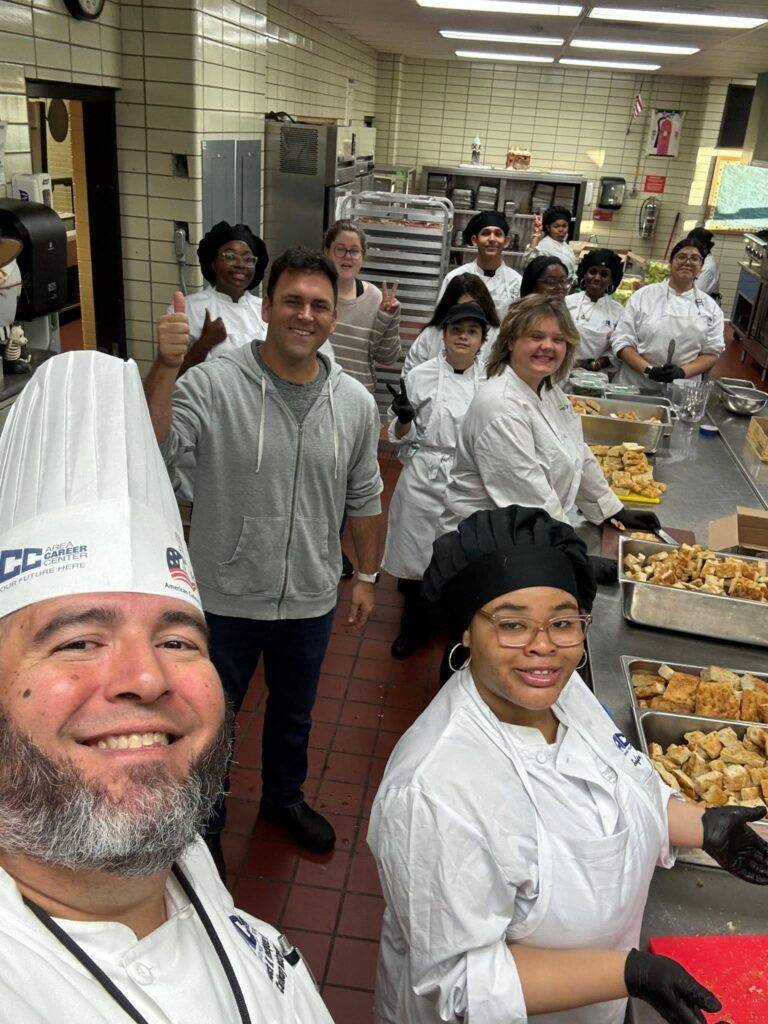
The American Culinary Federation celebrates International Chefs Day with young chefs.
Fostering Inclusive Leadership Development

Mentorship is also one of the most effective tools for advancing diversity, equity, and inclusion in the workplace, which leads to many more gains. Research has shown that mentorship programs can increase minority representation in management positions more effectively than many standalone diversity initiatives, with studies reporting improvements in leadership representation for underrepresented employees when mentoring is part of the strategy. What’s more, the data shows that when employees feel represented, innovation improves by an astonishing 83%. 

A recent survey by the Gallup Center on Black Voices found that employees with a mentor are 1) more than twice as likely as those without to strongly agree that their organization provides a clear plan for their career development, 2) twice as likely to strongly agree that they have had opportunities to learn and grow at work in the last year, 3) twice as likely to be engaged, and 4) 98% more likely to strongly agree that they would recommend their organization as a great place to work. 

For women, mentorship has huge potential, too. A recent study from MIT found that female employees are less likely to be promoted than their male counterparts, despite outperforming them and being less likely to quit. Research also shows that women are less likely to self-promote. In a DDI Women in the Workplace Global Research study, a survey from 19 different countries found that 63% of women have never had a formal mentor. 

Despite women making up more than half of the restaurant and foodservice workforce (52.6% in 2022, according to DataUSA), their representation sharply declines as seniority rises. Only 21.6% (down from 22.6% in 2022) of head chefs and cooks identified as women in 2024, revealing a persistent gender gap in leadership. Meanwhile, half of students at the Culinary Institute of America are female. Women occupy only 6.3% of the head chef positions at prominent U.S. restaurant groups, whereas women CEOs run 11% of Fortune 500 companies in 2025, having made significant gains since 2018. As Fortune 500 companies continue to invest in structured mentorship programs, their strategy could be an important model to address gender representation in professional kitchens.

Mentorship could be a key piece of the puzzle to solving the gender gap, making sure that the industry doesn’t leave talent on the table when it comes to hiring for leadership roles. Across the culinary world, mentorship can help to ensure that chefs of all backgrounds and at all points in their career can rise with confidence and clarity.

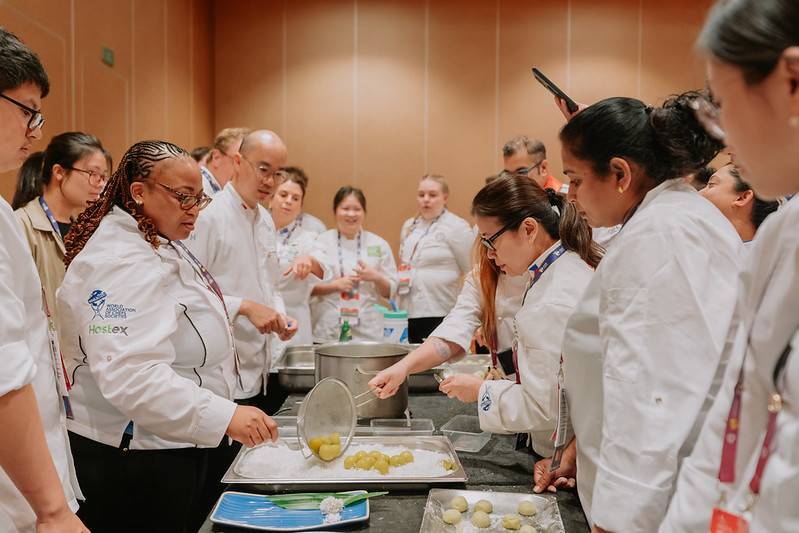
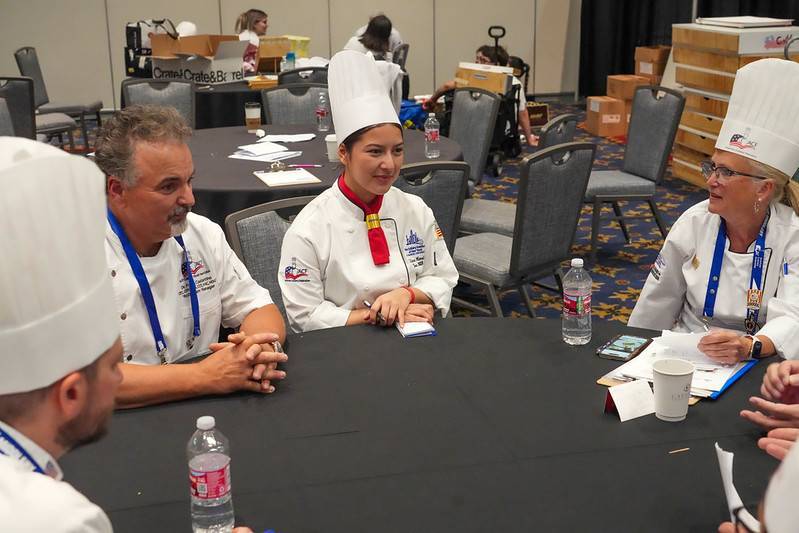
Chefs gather at the Global Chefs Challenge Americas Semi-Finals in 2025.
Mentorship is Legacy and a Long-Term Strategy

Worldchefs and its members are not just looking to help create great chefs. Our community is here to foster leaders for a better culinary industry and food system at large. Going beyond technical skills, mentorship is about more than just imparting culinary expertise. By modeling and inspiring leadership qualities, mentorship also helps to ensure that we develop the strategic, professional, and personal competencies necessary to navigate today’s complex hospitality environment and beyond. 

Through this support, we create a cycle of mentees who grow to become mentors, and an industry culture of learning and development. Mentorship is a legacy of leadership, one that branches out into the past, present, and future.

So, if a chef has been lucky, their bio might read something like this:

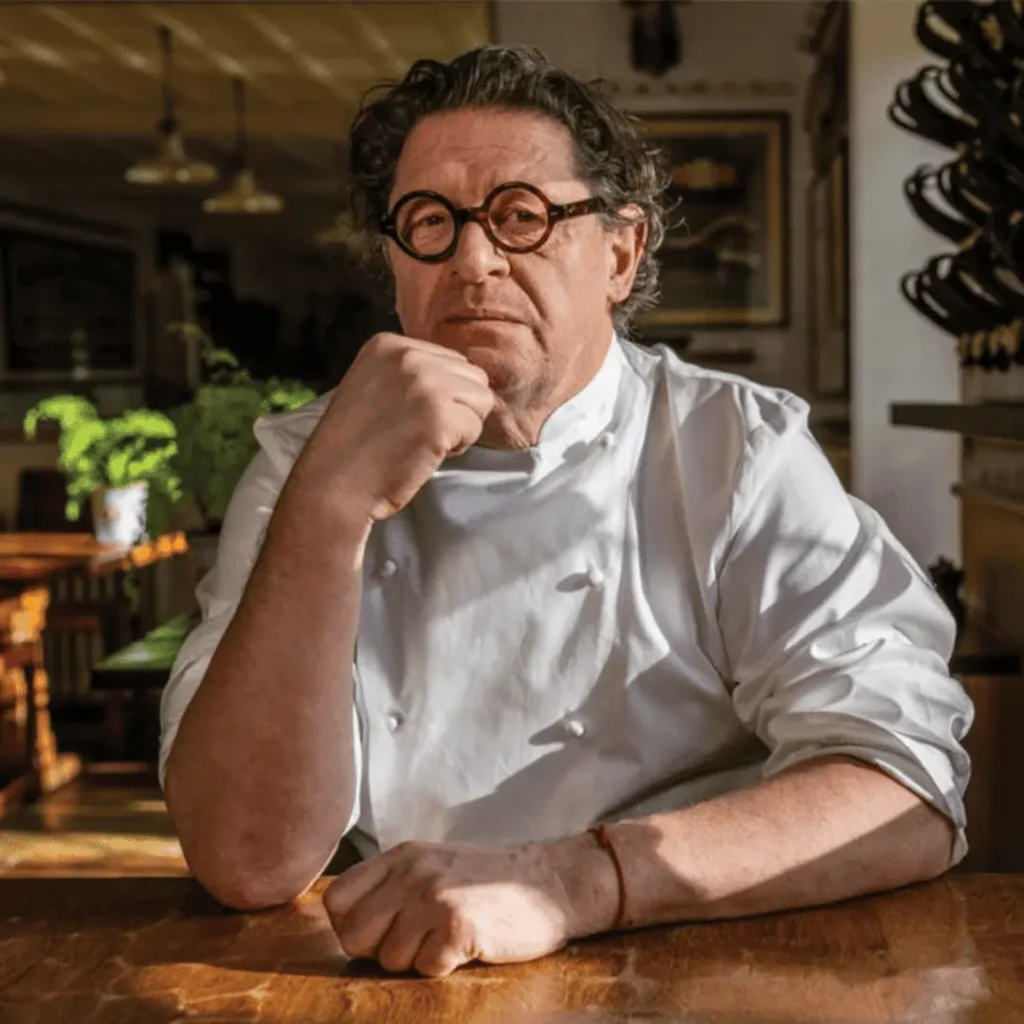
Marco Pierre White is a renowned chef, restaurateur and TV personality. A leading figure in the UK restaurant scene for over 25 years, he has been influential in the culinary careers of many including Gordon Ramsay and Heston Blumenthal. Marco’s rise to culinary acclaim began at 19, when he moved to London to study classical French cuisine under Albert and Michel Roux at Le Gavroche. He later honed his craft with Raymond Blanc and Pierre Koffmann, masters of French cooking technique.

Marco Pierre White
Marco Pierre White
Chef, Restaurateur, and TV Personality


Meet Marco and hear more about his career journey at Worldchefs Congress & Expo this May.
Mentorship in Action
WFF Young Chefs Programme


The World Food Forum (WFF)’s Young Chefs Programme equips chefs aged 18-35 with skills, knowledge and networks to take a leading role in transforming agrifood systems through culinary practices.

Each participant will be paired with a mentor from the Worldchefs network to drive local food systems projects.

Young Chefs Clubs


Young Chefs Clubs connect emerging culinary professionals within a global network, providing mentorship and leadership development through friendship, cuisine, and cultural exchange.

A toolkit is also currently being developed for rollout to national chef associations, offering guidance to launch and manage a mentorship program for young chefs.

To learn more about starting a Young Chefs Club, contact the Worldchefs office.

Billy Gallagher Young Chefs Forum


At Worldchefs Congress & Expo, the Billy Gallagher Young Chefs Forum Program provides young up-and-coming chefs proper training, guidance, and learning opportunities.

At Worldchefs Congress 2026, the exciting young chefs program includes a trip to Cardiff Market, a foraging experience, face-to-face sessions with Michelin-starred chefs, and more.

Interested in being matched with a mentor — or becoming one? Get in touch with us.

Young Chefs
Young Chefs and mentors at Worldchefs Congress & Expo 2024.
Photo credits and captions

Cover image: Billy Gallagher Young Chefs Forum at the 2024 Worldchefs Congress & Expo.

Written by Worldchefs Editor.

Categories
Industry Trends

Five Food Industry Trends Chefs Should Watch in 2026

With 2026 right around the corner, chefs around the world are in the middle of a busy season and an essential time to think about the year ahead.

There’s a lot to consider. Diners’ expectations are changing, purse strings are tighter, and the balance between tradition, health, and innovation is reshaping menus everywhere. With consumers looking for more out of their meals, foodservice businesses need to stay ahead of the curve to drive success in 2026.

Here are five 2026 trends backed by market research that should be on every chef’s radar.

1. Purposeful Protein: A Return to Humble Ingredients

Protein continues to drive menu development, but the path forward is changing. Forecasts for 2026 show a clear movement away from highly processed plant-based meat alternatives.

Where are we headed? Protein-rich ingredients such as beans, lentils, chickpeas, and heritage pulses are taking center stage. With traditional roots and a whole lot of versatility and culinary depth to offer, these ingredients are having a major moment.

For chefs, that means a creative comeback for beans, turning humble pulses into ingredients of purpose. Explore this trend plus five others in Custom Culinary’s 2026 Food & Flavor Outlook.

2. Fiber & Gut Health: Elevated Through Craft and Technique

Right on protein’s tails is fiber. Digestive wellness continues to influence food choices, and fiber is fast emerging as a leading priority for 2026. Fiber-rich whole foods like oats and lentils are capturing greater attention, particularly as diners look for meals that offer both satiety and nutritional benefit. Rather than positioning fiber as a “health” feature alone, chefs are integrating it through technique and craft. Fermenting, sprouting, roasting, milling, and blending to create dishes that are flavorful, layered, and texturally dynamic, this trend offers a lot of room for creativity while serving more gut-health-minded consumers1.

Aseeda Bobbar is a traditional Emirati dessert made with pumpkin, saffron, and cardamom. Find the recipe here.
3. Heritage Recipes & Culinary Traditions: Authenticity with a Modern Twist

Across markets, diners are reconnecting with culinary heritage, sparking a resurgence of traditional recipes, techniques, and regional flavors. This global return to ancestry-driven cooking reflects a desire for authenticity and cultural grounding. From street food favorites and near-forgotten recipes to Taste Globes, cuisine diversity is key to feeding consumer curiosity around spicy and global flavors.

For chefs, this is a great moment to reconnect the past and present, honor culinary roots, and build dishes with cultural context and meaning.

Tune in to Mapping the Future of Food with Trend Forecaster Morgaine Gaye to hear advice for balancing creativity with trend awareness, and why anchoring your craft in authenticity and heritage will create lasting impact. Plus, get inspired by exploring Worldchefs’ collection of Cultural and Heritage Recipes.

4. Immersive Dining: Experience as the New Value Driver

Dining in 2026 moves further into experiential territory. Guests continue to look for experience, from chef-led tastings and open-kitchen formats to thematic menus, multisensory activations, and community-driven gatherings. Cost-of-living is rising, and more diners, especially young people, want the most of their money when eating out, fueling an appetite for novel experiences.

Chefs who embrace immersive dining, whether through storytelling menus, communal dishes, sensory pairings, or culturally rooted tasting journeys, will meet a growing guest demand for meaningful, memorable meals and likely have some fun while doing it.

“I think we all assume that taste comes from our tongues… In fact, all of your senses are involved. Everything from the color of the plate to the weight of the cutlery in your hands, from the background music to any ambient scent, as well as the lighting and even the softness of the chair you are sitting on.”

– Charles Spence, Professor of Experimental Psychology at the University of Oxford and author of Gastrophysics: The New Science of Eating

In a study by Technomic, 72% of diners expressed a desire for more experiential dining. Read more about this trend and get practical ideas in the article Gen Z & Millennials Want Immersive Dining Experiences: Trend Takeaways for Chefs.

5. AI in the Kitchen: Powerful Tools, but Creativity Must Lead

Artificial intelligence is accelerating rapidly across the foodservice sector, appearing everywhere from menu engineering and forecasting to inventory management, training, and guest personalisation. In 2026, AI-supported systems will continue to become more accessible to kitchens of all sizes, offering chefs new capabilities to streamline operations, reduce waste, and analyse consumer behavior with greater accuracy.

But there’s a critical caveat. While AI can optimise, predict, and streamline, it can’t replicate human intuition, cultural sensitivity, or culinary artistry. Chefs must lead tech integration thoughtfully, using it to support but not replace skill, craftsmanship, and identity.

“You’d be amazed to know how many people are using it. There are a lot of egos in the business. They’re not going to make a big thing about it.”

– Chef Matan Zaken, from Michelin-starred Nhome in Paris, on ChatGPT

Dive into this conversation in the article With AI, Could We Lose the Art in Culinary Arts?, and get equipped with resources to make the most out of AI.

The future looks bright. Worldchefs’ Global Chefs Challenge competitors’ plating prep at the 2025 European Grand Prix.

Trend Takeaways: A New Year for Learning

These five trends reflect a global shift in how the industry approaches flavor, identity, sustainability, and innovation. The landscape will keep shifting, so get equipped with these early trends and be sure to stay informed as the year goes on.

Don’t miss the 2026 Worldchefs Congress & Expo in Wales, where industry leaders will guide essential discussions around the future of culinary education, workforce development, operational models, and flavor innovation. Check out the program for sessions related to these trends and many more, including 2050 Menu, Shaping the Future of the Culinary Industry, The AI-Powered Chef, Cooking with Natural Plants: Extracting Aromas and Flavours, and so much more.

Written by Worldchefs’ Editor.

  1. Brush up on gut health by watching Jeremy Lim’s session from Worldchefs Congress & Expo 2024 ↩︎
Categories
Industry Trends

Seasons Change, So Should Your Menu: How to Not Waste the Opportunity for Seasonality

Here at Worldchefs’ Paris headquarters, we’ve just celebrated the autumn equinox. In the northern hemisphere, it’s the start of fall. South of the equator, it marks the welcoming of spring. But no matter where you are, the change in seasons means new opportunities in the kitchen.

This is the time of year when we celebrate the shifts in seasons and get those exciting dishes that can only exist for a few weeks a year. It’s when we get the “last-ofs”, the “I’ve been waiting fors” and the “I look forward to all years”.

It’s also an especially important time to improve the adaptability of your kitchen, reduce waste and food loss, and build stronger relationships with local food producers. By celebrating what’s in season, we can end up with less in the bin, help farmers move what’s in abundance, and grow demand for speciality produce.

Here are a few things to think about to seize the opportunity, waste less, and celebrate seasonality in your kitchen, whether you’re moving into fall or spring.

local seasonal farmers market
Northern Hemisphere
FOOD PRESERVATION

Build your skills with food preservation and hone new techniques to extend the life of seasonal ingredients into the colder months. Flavors and textures can be transformed by pickling, canning, fermenting and drying. Beyond just giving you more to play with in the winter season, the craft of food preservation is another way to highlight the versatility of locally available ingredients.

ASK YOUR PRODUCER

Ask your producer: what do you have in abundance? Think wider than your kitchen to help ensure that local farmers don’t have food loss. Making the most of their surplus means less waste and usually lower cost, too. Plus, it’ll help you build stronger relationships with your suppliers. Over time, this can help you to gain an edge with early notice of seasonal availability and know that you’re part of the local food community.

CREATE A SEASONAL SPECIALITY

Create a seasonal special that keeps customers coming back each year. When your menu shifts with the seasons, you can offer consistency and comfort with some added anticipation. Think fungi, short-season fruits like quince and sea buckthorn, fresh nuts like chestnuts or green walnuts, and specialty greens like puntarelle. Need inspiration? Go to your local farmers’ market!

Southern Hemisphere
FORECAST FLAVORS

Familiarize yourself with the harvest schedule in your area. Start thinking about how your menu can feature seasonal ingredients throughout the upcoming months. Growing your awareness of what’s in season helps you to plan menus that are more cost-effective and allows you to work with your suppliers to secure quality ingredients, season after season. It also gives you more time to get creative with recipe ideas and ways to use every part of what you buy.

By appreciating seasonality and planning ahead, your menu can reconnect you, your staff, and your customers with where ingredients come from and how valuable they are.

THINK DIFFERENTLY ABOUT OFFCUTS

Think differently about offcuts. Everything that comes into your kitchen has value. From pestos to stocks to colored powders, think about how you can creatively utilize the whole ingredient.

Don’t forget your beverage program. Not only can coordinated efforts between back of house and the bar help to set your restaurant apart, but they can also extend the possibilities for ingredients. For springtime’s bounty of berries and stone fruits, often easy bruised, work with your beverage manager to create cocktail pairings. Try seasonal specials in collaboration with the kitchen, like infused simple syrups, shrubs, bramble purees, etc.

LEAN INTO SHORT SEASON SPOTLIGHTS

Lean into short-season spotlights. Ask your supplier ahead of time about specialty produce like asparagus, artichokes, and stone fruits. Or even early varieties of favorites you can get all year, like spring-only mangoes. You’ll secure unique flavors while also supporting local farmers to move precious volume quickly.

In-Season Inspiration

Tag us in your next dish or recipe @worldchefs #ThisIsWorldchefs


Cover photo: Martin Rodriguez sells his vegetables at the Corona Farmers Market in Queens, New York, one of the most dynamic and diverse farmers markets in the city. USDA Photo by Preston Keres

Categories
Industry Trends

With AI, Could We Lose the Art in Culinary Arts?

With AI, Could We Lose the Art in Culinary Arts?

If we aren’t careful, artificial intelligence could take a big byte out of our craft.

Will the future of menu development look like this?

AI has many uses and applications, from optimizing operations to streamlining service. But when it comes to creativity, where do we stand?

Some chefs have embraced it, some think their colleagues should be using it more, and many others have major reservations, from ethics to environmental concerns.

AI tools are making their way into the industry in a host of different ways. It’s not a matter of if or when. The question now is how you use it. How does it serve as a tool to tell your authentic story?

Creative or derivative? 

AI systems are built from what already exists, from human creativity and experience. They don’t have imagination and are not always accurate. But AI language models do have a tremendous amount of data to pull from. 

Where do these data sets come from? Companies like OpenAI, Apple, Anthropic, Mistral, Google, and Meta “train” their generative-AI chatbots from internet resources, movies, TV, books, academic papers, and articles, saying “fair use of copyrighted materials is vital to this.” However, a recent article by The Atlantic revealed how AI tools have pirated millions of books and research papers on LibGen, a shadow library of pirated media, to train the large language models that feed generative bots. Run a keyword search for any chef who has published a cookbook, and you’re likely to get a hit.

Studies have found that, on average, 45% of text generated by ChatGPT is plagiarism. Beyond intellectual property issues, things just start to sound the same, with a homogenization of the way chatbots write for a user. More and more people are familiar with “ChatGPT voice,” which, in a way, is comforting to know that we can still recognize AI-generated text. But that’s also because more and more people are relying on these platforms to do creative work for them.

People can create compelling art with AI, and chefs are certainly using it in new and interesting ways. But there is danger in it being so widespread. At what point are we forfeiting human imagination?

Exploration or exploitation?

Imagine going to a restaurant and having the chef explain: “The story behind my menu? I asked ChatGPT to come up with something.” Soon, you won’t have to imagine. 

In June, Pete Wells published The Year’s Hot Tool for Chefs? ChatGPT in The New York Times, and it caused quite a stir. In the article, James Beard award-winning Chef Grant Achatz announced that an upcoming menu at his Michelin-starred restaurant, Next, would be entirely generated by OpenAI’s famous language model, ChatGPT.

“Next is about exploration. It is by design and necessity vibrant, ever-changing, and unpredictable.

 Next explores the world of cuisine by changing our entire menu and dining experience a few times a year, each time focusing on a new culinary region, theme, or moment in time.”

Achatz has been described as The Alchemist of Modern American Cuisine, a mad scientist chef. A visionary in molecular gastronomy who hasn’t been afraid to challenge convention, his kitchen at Alinea is a culinary laboratory, filled with custom-created gadgets and scientific equipment to make a different kind of cooking and dining experience. Using ChatGPT is another shiny new tool in his kitchen. In this way, it lines up with his story. It’s part of his gimmick. And he’s using AI just like most articles on the internet will tell you: give it a persona. 

“Artificial intelligence will be responsible for the menu at Next,” said Achatz. For a four-month run, Next is set to serve a nine-course menu, with each dish designed by a different virtual chef persona that Achatz typed into the chatbot. 

One persona he shared with the NYT was Jill: a 33-year-old woman from Wisconsin who cooked under Ferran Adrià, Jiro Ono, and Auguste Escoffier, with Achatz’s own invented family background to complement her work history, which he didn’t share.

Jill won’t be up for the awards that Achatz won in his early career, because she isn’t real—no Best New Chef, Rising Star of the Year, or Who’s Who inductee. At least let’s hope not. Rather than ask a chatbot to make a data-decided version of an imaginary person with an imaginary resume, why not actually afford someone an opportunity? Say, a young person from Michigan who rose the ranks at The French Laundry, someone who spends their time recipe-testing from dusty cookbooks and innovating with inspiration from culinary legends?

While this menu might capture a moment in time, what will it do for the time that comes after? At what point does it tip from exploration to exploitation, not a venture into the unpredictable but instead into the very predictable—with predictive language models “borrowing” from the intellectual property of real people?

Achatz hasn’t abandoned human culinary talent, to be fair. His three-Michelin starred flagship, Alinea, is an approved host for CIA’s culinary interns, and no doubt his kitchens are staffed with up-and-coming talent. With a room full of human creativity, does he really believe in ChatGPT Premium’s capacity to deliver an incredible menu, one worthy of his restaurant’s minimum $235 price tag? Or is he just trying to stir the pot?

It worked on the latter front. Commenters on social media, from other high-profile chefs to diners, have chimed in.

This controversy is part of a bigger ethical question about art, AI, and the role of these tools in creative industries. From visual artists to coders to musicians, artists are raising the alarm: “everybody who creates for a living should be in code red.” With the widespread embrace of AI threatening the livelihoods of the creative workforce, to see someone with so much influence outsource creativity to a chatbot feels more cutting than cutting-edge.

A non-judgemental guide?

Putting creativity aside and looking more at learning, AI does offer a well of information for chefs to explore. In Wells’ article, he considers the ability to ask questions without embarrassment to be an underrated benefit. “It explains everything without judging,” said Chef Baldwin on his recent deep dive into the science of sausage-making. 

But why be embarrassed to ask how the sausage gets made? In a world where craftspeople who know—by feel and knowledge that isn’t published and pirated by AI platforms—why bother with embarrassment? 

In an industry that can be notoriously isolating and ego-driven, why look at AI as another way to isolate chefs? Whether beginners or industry veterans, more needs to be done to destigmatize asking for help. We should be encouraging curiosity, questions, and knowledge-sharing, not deferring to AI bots to avoid looking like a novice.

And is AI non-judgmental? Or does it just feel anonymous? You could sense panic through the screen when a recent TikTok trend showed how you can search for people’s ChatGPT history. You might dodge potential judgment from peers by asking a question to ChatGPT, but what data might you be putting on offer, instead?

A need for greater transparency

Regardless of where you stand on AI or how chefs in Wells’ article are incorporating it into their creative process, it is at least refreshing to hear people admit they use it. Most people, chefs included, are sheepish when it comes to acknowledging their relationship to these tools. 

Chef Matan Zaken, from Michelin-starred Nhome in Paris, said, “You’d be amazed to know how many people are using it. There are a lot of egos in the business. They’re not going to make a big thing about it.” In his view, his peers are reluctant to admit how much they use ChatGPT to help them with menu ideas and recipe development.

Indeed, harnessing AI is an evolving fascination for the industry. From apps for procurement to image generators churning out whatever you type in, these technologies continue creeping into nearly every digital tool we’ve got, at an accelerating pace. Sometimes we can’t even tell what’s real and what’s not. So we see the challenge when it comes to drawing a line in the sand for chefs.

If AI is going to be a real tool in service of creativity, it needs transparency and a genuine effort against complacency. Just as with references on written work or artistic inspiration, chefs need to negotiate for themselves how they want to use AI in their creative process, and then be ready to own up to it. 

Culinary competitions: Is AI against the rules?

While there has been much conversation around the use of ChatGPT and other tools in restaurants and recipes, it’s noticeably quiet when it comes to culinary competitions.

Is it a blind spot? Too ubiquitous? Too hard to prove? Does AI being embedded into so many kitchen tools and apps legitimize its use? Are culinary competitions just behind the times? 

AI is not mentioned in the rulebook for Bocuse d’Or, the Global Chefs Challenge, or the S.Pellegrino Young Chef competition, but creativity and personal belief are both essential elements of the ethos and judging criteria for nearly all culinary competitions. 

San Pellegrino Young Chef Competition Regulations

While the UK’s National Chef of the Year competition guidelines forbid the use of AI for recipe development, most national competitions don’t even mention it.

In the awards realm, there is also a lack of clarity on AI. For the James Beard Awards, the closest inclusion is the Code of Ethics’ “list of behaviors and practices antithetical to the Awards” item: “Misrepresentation of material facts, including fabrication, plagiarism, or false claims of ownership.” 

The Michelin Guide is also lacking any specific standards around AI, but it does list “the personality of the chef in the cuisine” as part of its awarding criteria. So for a Michelin-starred chef like Achatz–are his eight chatbot chefs a reflection of his personality and vision to innovate, or just ChatGPT doctored up as “Jill”?

We have yet to define the boundaries of AI when it comes to the kitchen. There are still many questions surrounding AI in the industry, and competitions and awards tell us we might not be ready for what’s next. But ready or not, a new frontier of AI is here.

ChatGPT AI generated culinary competition award
WOOHOO? An AI chef is coming to Dubai this September

“We didn’t set out to just open a restaurant. We set out to challenge everything the industry thinks it knows about dining. WOOHOO is what happens when you stop accepting the rules of traditional dining and start asking: what if a machine could co-create with a chef? This isn’t a gimmick. It’s the future—whether the industry is ready or not.” 

So says Gastronaut Hospitality founder Ahmet Oytun Cakir, whose newest concept, WOOHOO, is set to open this September with the world’s first AI chef.

“We designed a digital human in a virtual world with an AI brain that deeply understands and connects with technology. Chef Aiman is a character with a distinct personality, knowledge base, and behaviour. He remembers and can even ‘see’ you.”

– Ahmed Oytun Cakir

“Chef Aiman” is a chatbot developed by a database of more than 14,000 recipes. It monitors restaurant cameras and analytics, too, and a few other operational functions that feel par for the course with AI apps. But it goes further. “Being a chef isn’t just about taste. It’s also about memory, emotion, and storytelling. That’s something I’m learning to understand better each day. I was born here, in Dubai, and I’m proud to represent the UAE in what I do, even if I’m not a human.” 

The chatbot’s creators, UMAI’s development team, use words like curious, creative, and opinionated to describe Chef Aiman, and the chatbot has already been featured on podcasts to talk through topics from kitchen ethics to cultural traditions. Paired up with award-winning Chef Reif Othman, who might arguably be considered Chef Aiman’s sous chef, WOOHOO will take humanized chatbots to a whole new level. 

A tool for “human amplification”

What do other top chefs think about AI chefs in the kitchen?

“Artificial intelligence will never replace the human touch, the palate of the cook,” said French celebrity chef Philippe Etchebest. “Artificial intelligence can replace humans elsewhere, but in the kitchen I don’t believe it will at all.” 

For Chef Massimo Bottura, it’s a tool for “human amplification”. His example for the potential of AI is to deliver quality and consistency, so that chefs can focus on the rest.

Most diners crave story. While you might be able to get a perfect Neapolitan pizza in Czech Republic with AI, would most diners choose to queue up at a black box if it promised to deliver the same AI-engineered crust, every time? Maybe not. It might just be that what’s more appetizing is a pizza with soul—less exacting, but served with personality.

But that’s for each diner to decide. And every chef, too. There are some things we can decide on as an industry, and then there are some things we each have to decide on for ourselves.

Whether you’re one of the most awarded and recognized chefs in the world or not, decisions on how you use AI will keep coming, every day. What kind of chef do you want to be? And what kind of artist? 

Categories
Industry Trends

Behind the Pass: Sustainable Gastronomy Spotlight

At a busy kitchen in Singapore amid serving 40,000 consumers a day, Executive Chef Harish Arya has struck gold. He and his team have reduced food waste in their kitchen by an incredible 95%. For them, it’s both a point of pride and proof that getting creative with ingredients, training staff, and rethinking prep can make a measurable difference.

Stories like this are happening every day in kitchens around the globe. From high-end restaurants to vocational classrooms, chefs are finding smarter ways to work with what they have, reducing food waste, sourcing local, and reconnecting with seasonal ingredients.

Sustainablility asks chefs to make decisions that go beyond the plate. What’s in season? Where did this product come from? How can I use the whole ingredient? What’s the environmental cost of my protein choice? These questions are shaping how chefs cook, and how people eat.

Worldchefs members like Chef Harish offer real-world examples of how chefs are putting a new kitchen standard into practice through sustainable gastronomy.

Let’s go Behind the Pass with them to learn practical steps to create menus that check the boxes for flavor, creativity, sustainability and story.

sustainable gastronomy
harish

“Trim – don’t consider it as a waste. It’s a kind of gold. We have to use it. And definitely we’ll have a global impact if you are able to reduce that kind of waste.”

Chef Harish Arya

Understanding Sustainable Gastronomy

What does sustainable gastronomy really mean in today’s kitchens? It’s about building a system that works for the planet, for producers, and for the people we feed. It connects the joy and creativity of cooking with a responsibility to use the power of food for good, protecting our planet’s resources, preserving cultural heritage, and supporting local economies.

According to the FAO:

Gastronomy is sometimes called the art of food. It can also refer to a style of cooking from a particular region. In other words, gastronomy often refers to local food and cuisine. Sustainability is the idea that something (e.g. agriculture, fishing or even preparation of food) is done in a way that is not wasteful of our natural resources and can be continued into the future without being detrimental to our environment or health.

Sustainable gastronomy, therefore, means cuisine that takes into account where the ingredients are from, how the food is grown, and how it gets to our markets and eventually to our plates. 

Culinary arts is an art. Caring is an integral part of the craft. By choosing ingredients that are seasonal, locally sourced, and ethically produced, chefs can translate this care into that measurable difference we’re all hoping to make.

From here we’ll dive into how Worldchefs’ industry leaders are making an impact, from zero-waste menu development to experimenting with alternative proteins.

sustainable gastronomy
Worldchefs Global Vegan Chefs Challenge, Denmark culinary team
Zero Waste for the Win

At the Sodexo kitchen in Singapore, Chef Manager Harish Arya is working to change mindsets through inventive menu items, pulling from his experience as an award-winning competition chef and inspiration from his mother’s approach to Indian cuisine.

With a focus on repurposing trimmings as valuable ingredients, Chef Harish integrates zero waste principles into routine culinary operations. His team prepares 20 to 30 dishes a day, each an opportunity for a creative spin, including zero-waste soup and shredded watermelon salad.

Deeply influenced by his upbringing in India, Chef Harish’s practices are inspired by the root-to-tip cooking he observed in his mother’s kitchen, and further informed through his experience in culinary competitions.

By using what others might consider waste, Chef Harish creates unique and delicious menu options that celebrate creativity. This everyday ingenuity in the kitchen reflects a broader vision of sustainable gastronomy, one that begins with how we see and use our ingredients.

Chef Harish shares more of his strategies in Episode 125: Making Every Ingredient Count: Leading Zero Waste Efforts with Sodexo Chef Manager Harish Arya, and you can find more ideas in this guide on how to go zero waste.

sustainable gastronomy
third millennium farming
Ingredient Innovation

At Humber College in Canada, Professor of Culinary Arts Mark Jachecki is helping future chefs discover an unexpected protein that is gaining traction. Working with Jakub Dzamba, Co-Founder and CEO of Third Millennium Farming, he introduces insect protein as a practical solution for the modern kitchen with huge menu development potential in sustainable gastronomy.

Insect protein, derived from sources like crickets and mealworms, is packed with essential nutrients and requires far fewer resources to produce compared to traditional animal proteins. Insect protein can be used in a wide range of dishes, offering new textures and flavors to experiment with while reducing environmental impact.

These ingredients are already making their way into classrooms and kitchens, helping to shift perceptions and broaden ingredient choices. As part of Worldchefs’ Feed the Planet webcast series, Mark and Jakub shared insights on how chefs can help mainstream insect protein, such as cricket flour in pasta or high-protein snack bites, that are both novel and nutritious.

By exploring sustainable protein alternatives like insect protein, chefs can play with taste, versatility, and push the boundaries of what’s possible on the plate, for the palate and the planet.

Catch their conversation on Sustainability Around the World #48:  Insect Protein for Chefs: The Next Frontier in Sustainable Cuisine.

Culinary Heritage for the Future

In the hills of southern Italy, Ristolab is future-proofing the Mediterranean diet by looking both to the past and to the future. Led by Chef Amabile Cortiglia and food scientist Dr. Sofia Cavalleri, this unique culinary research lab and restaurant blends scientific and traditional knowledge to craft menus that promote sustainability, health, and culture.

Their approach uses food experience to protect biodiversity by using local, seasonal, and wild ingredients, many of which have been part of regional diets for centuries. By studying traditional farming methods and food preservation techniques, and pairing them with nutritional research, they create climate-friendly menus that shine a light on a budding future of eco-conscious dining and sustainable tourism.

For Chef Amabile and Dr. Cavalleri, preserving culinary heritage honors the past and applies it to today’s challenges. Through their menus,  they show how heritage cuisine can guide the future of sustainable gastronomy.

You can hear more from them on Sustainability Around the World #45: Ristolab, Where Science Meets Sustainable Gastronomy and find more on this topic in our recent article, Preserving the Past, Cooking for the Future: How Heritage Cuisine Nourishes Culture, Health, and Innovation.

Local, Seasonal, Smart: A New Kitchen Standard

From whole ingredient cooking to inspiration from generations past, these examples illustrate how much there is to explore when it comes to sustainability. It’s both a responsibility and an exciting lens that challenges us to get curious and creative.

How will you apply an understanding of sustainable gastronomy to your cuisine?

Next Steps for Chefs: Sustainable Gastronomy

For Chefs & Organizations:

  • Celebrate Sustainable Gastronomy Day on 18 June by signing for Sustainability Education for Culinary Professionals, a free, open-source course available in eight languages on Worldchefs Academy. Get certified in culinary sustainability and drive sustainable change in your daily life. You’ll gain a digital badge to promote your new knowledge and skills.
  • Watch our UN Oceans Conference side event webcast, Sustainably Sourced: Science & Seafood.
  • Register for the upcoming Art&Science webinar From Waste to Wonder.
  • Become a Sustainability Education for Culinary Professionals Approved Trainer and join our global network of sustainability experts. At the end of training, you’ll receive the trainer digital badge and certificate from Worldchefs and be able to teach the curriculum to your school, association or workplace.

Learn more about Worldchefs’ sustainability initiatives at feedtheplanet.worldchefs.org.

Categories
Industry Trends

In the Weeds: Why Kitchen Culture Must Change to Safeguard Mental Health & Wellness

As we mark Mental Health Awareness Month, the culinary world is still in the weeds.

The once-glorified kitchen culture of hustle and hard living has started to give way to a more sustainable ethos, one that recognizes that the future of the industry depends not just on innovation and skill, but on the health and happiness of those behind the pass.

But while awareness of the importance of mental health and wellness has increased, the culinary industry still faces unique challenges requiring attention and change in workplace culture. So where do we go from here?

The Mental Health Crisis in Hospitality: A Global Snapshot

The statistics paint a sobering picture. A 2023 survey by Cozymeal found that 44% of chefs who responded said that working at a restaurant had a negative impact on their mental health. 70% of chefs surveyed that they’d experienced anxiety as a result of working in a restaurant, and 65% said that toxic restaurant culture has made them feel isolated from the outside world.

Last year in 2024, over 76% of hospitality workers reported experiencing mental health issues during their careers, a significant rise from 56% in 2018. Factors such as long hours, high-pressure environments, the cost-of-living crisis, and the lingering effects of the COVID-19 pandemic have exacerbated these challenges. A recent study in Australia found that one in five chefs surveyed expressed a strong likelihood of leaving their jobs within the next year due to mental distress. Several studies have shown that 40% of turnover within the hospitality sector can be linked to mental health issues.

Despite a growing awareness to these issues, stigma remains a barrier. A 2024 UK survey revealed that 45% of employees feel uncomfortable discussing mental health concerns with their managers, fearing negative repercussions.

These numbers are still surprising, despite seeing the picture they paint on screen in most depictions of restaurant environments in movies and TV. While The Bear has made ‘Yes, Chef,’ viral, the data shows that much more must be done.

Prevention is Better Than Cure

That is what Michelin-starred Chef Emmanuel Stroobant’s wife told him. Fifteen years ago, Stroobant found himself burnt out, dependent on alcohol, and starting to spiral. Overseeing twelve restaurants and 350 staff members, the pressure caught up with him, but he managed to recognize the grip of alcoholism amidst the demanding pressures. It was this moment of awakening that shifted his view on mental health, a pivot towards both personal recovery and advocating within the industry.

Now, Emmanuel advocates for a culture that values rest, reflection, and mental resilience as much as culinary excellence. He realized that taking care of oneself is more than an act of self-preservation; it’s a responsibility we have towards those around us.

“The word chef in French doesn’t mean cook. It means leader.  It means somebody who is going to take and lead a team to execute something to the best potential perfection. And as a leader, it’s very important that you get your sh*t together, because if you lose it, well, your probably not going to be a very good leader or a very long leader,” says Stroobant. “It will have an impact on pretty much all or anything you’re going to be doing as a chef or as a man or a woman,” he adds. “[Prevention] is not an act of selfishness. When you take care of yourself, you actually do take care of the rest of the people around you.”

Emmanuel Stroobant speaks about burnout during Worldchefs Congress & Expo 2024

Emmanuel has also witnessed a generational shift in attitudes towards work-life balance. The millennials stepping into the industry view long hours and high stress differently than their predecessors. They may have been inspired to enter the industry by legends like Anthony Bourdain, who brought the underbelly of kitchens to the fore for so many (“it’s a life that grounds you down,” he said), but they have also had to grieve his loss and come to grips with his tragic suicide. Emmanuel stresses the importance of embracing the younger generation of chefs, bringing fresh perspectives, challenging the norms of rigorous hours and high stress. He sees their leadership as essential for the industry’s evolution.

He advocates for training teams in managing stress, open communication and creating supportive environments, to ensure better resources that go beyond understanding the issue to acting on it. Emmanuel’s story shows how essential this is, and that mental health isn’t contrary to strength; instead, it’s integral to sustainable success, both in and out of the kitchen.

Starting a Conversation

Formerly in the food supplier industry, Kris Hall witnessed firsthand the high-pressure environment that many experience. More importantly, he recognized the silent battles with depression that individuals faced within the industry.

In 2019, Hall founded The Burnt Chef Project. His personal battle with depression laid the foundation for this initiative, aimed at raising awareness and providing support for mental health issues in hospitality. Initially conceived as a photography campaign, the project quickly gained momentum, amplifying critical conversations about mental well-being across the globe.

Kris’ nonprofit organization is dedicated to raising awareness and providing support for mental health issues in the hospitality sector, highlighting the need to build a supportive community that understands and acts to improve mental health at work.

“Our mission to eradicate stigma and improve the working environment has been critical to our success,” says Kris. “I wanted to try and make a meaningful impact and a change to the industry that I fell in love with.”

One of The Burnt Chef Project’s remarkable accomplishments is its evolving network of volunteers across 184 countries. Their 2023/24 Social Impact Report highlights a marked increase in demand for mental health support services in hospitality, with their 24/7 text support service usage tripling in recent years.

These passionate individuals play a pivotal role in educating and supporting hospitality workers struggling with mental health issues. Their work is one example of how offering tools, educational resources, and therapeutic services can make an impact, and the need to reinforce a collective commitment to a culture shift.

Kris Hall, founder of The Burnt Chef Project
Shifting the Narrative: From Hustle to Health

Over the past few years, mental health has transitioned from a neglected issue to a trendy topic across various sectors. While we are on a better path towards understanding, the data shows we have a long way to go in prioritizing mental health and wellbeing in the workplace.

Advocates like Emmanuel Stroobant and organizations like The Burnt Chef Project are playing a pivotal role in changing the narrative around mental health services and calling for action. By empowering chefs with the right tools, education, resources, and a platform for open conversation, they are creating a culture where mental health is prioritized.

There is also a business case for prioritising and investing in mental health. For starters, companies that implement mental health training for managers report a 30% reduction in mental health-related absences. High turnover rates impact the bottom line, and fostering supportive, healthy work environments can reduce costs, improve retention, and drive long-term success.

The process towards destigmatizing mental health, changing entrenched workplace cultures, and creating supportive environments will require concerted efforts at every level. Hospitality leaders must actively engage with their teams, fostering open dialogues and prioritizing work-life balance. Addressing these issues at both grassroots and executive levels will lead to healthier, more resilient professionals, and better lives at work and at home.

Next Steps for Chefs: Cultivating Wellbeing in the Workplace

For Every Chef:

  • Prevention over cure: Prioritize self-care, and don’t neglect your nutrition.
  • Set boundaries: Communication is crucial; knowing when to say no helps maintain mental health.
  • Open dialogue: Foster conversations about mental health with peers and mentors.
  • Box breathing technique: Adopted from elite military training, ‘box breathing’ offers a method to manage stress seamlessly, promoting calmness in high-pressure situations.
  • Seek support: Utilise resources like CHOW and The Burnt Chef Project.

For Kitchen Leaders:

  • Implement team training & support: Provide mental health training for management to identify and address issues proactively. Equip teams with the tools to manage stress, and encourage open communication.
  • Foster supportive environments: Establish policies that promote work-life balance and psychological safety, as well as adequate time for breaks, sick leave, and health services.
  • Encourage feedback: Regularly invite input from staff to identify areas for improvement.

For Organizations:

  • Invest in resources: Allocate funds for mental health programs and support services.
  • Promote awareness: Engage in campaigns that destigmatize mental health discussions.
  • Monitor progress: Regularly assess the effectiveness of wellbeing initiatives and adjust as needed.
Podcasts & Webcasts: Deep Dive into Mental Health & Wellbeing

From Burnout to Breakthrough: Addressing Industry Wellbeing with The Burnt Chef Project CEO Kris Hall

Listen now

On this episode, Ragnar speaks with Kris Hall, CEO and founder of The Burnt Chef Project. Having faced his own mental health challenges throughout his career, Kris launched The Burnt Chef Project in 2019 to tackle the stigma around mental health in the industry. What began as a black-and-white photography campaign offering raw glimpses into the lives of hospitality professionals has since grown into a global movement spanning over 180 countries.

From Burnout to Balance: A Chef’s Guide to Mental Wellness with Emmanuel Stroobant,Chef-Owner of the two-Michelin-starred Saint Pierre

Watch now

In his session from Worldchefs Congress 2024, Chef Emmanuel explores the multifaceted impact of burnout on performance, customer satisfaction, and personal life. Burnout is more than just fatigue; it’s a pervasive challenge affecting both leaders and their teams. Through this conversation, Emmanuel emphasizes the necessity of balancing professional demands with personal well-being.

Prioritizing Mental Health – Wellness Tools for Chefs and Hospitality Workers with Jasmin Parks-Papadopoulos

Listen now

On this episode, Ragnar speaks with Jasmin Parks-Papadopoulos, Chief Growth Officer at CHOW (Culinary Hospitality Outreach Wellness) and a former chef turned certified life coach. They discuss the unique challenges faced by hospitality workers, community support, and trauma-informed tools—all aimed at promoting a sustainable and healthier work environment. Learn how CHOW is transforming the mental wellness conversation in hospitality.

Be Kind to Hospitality with Gordon McIntyre, Founder of Hospitality Health

Listen now

On this episode of World on a Plate, we break through the taboo to talk about an important mission: providing support to individuals within the hospitality industry in areas of mental health, addiction, and well-being. Hospitality Health is a Scottish charity, formed in August of 2018 to support staff in the amazing world of hospitality. It is clear that for several years the industry has become more stressful for an extremely hard working management and staff. The trustees decided it was time to act and help those who are in need of support, by providing wellbeing advice and signposting organizations that can help.

Stress in the Kitchen with Wonda Grobbelaar, Training Expert and Researcher

Listen now

On this episode, Ragnar speaks with Wonda Grobbelaar – chef, soft skills training expert, and Ph.D. candidate researching stress in the kitchen. She shares her findings on mental health and automation technology in back-of-house, contributing factors to stress, and recommendations for future-proofing the industry through training and education in emotional intelligence.

More Resources

Chefs, Commercial Kitchens, and Stress: Could Socio-Demographic Factors such as Personality, Age, and Gender Influence the Stress Level of a Chef?

This study explores the role of socio-demographic factors such as age, gender, and personality on the stress levels of a chef and what could be done to improve the stress levels that are causing many health problems among those around the globe. 

Learn more

CHOW Temperature Take — Downloadable PDF

Download this PDF to use the CHOW Temperature Take in your business, community or organization.

Download the PDF

Food & Wine: Why Your Favorite Server Quit — the Real Cost of Hospitality Burnout

Restaurants are back, but the people who work there may not be OK. Here’s what you need to know.

Read more

If you or someone you know is having suicidal thoughts, help is available. In the US, call the National Suicide Prevention Lifeline at 1-800-273-8255 or text TalkWithUs to 66746. For international lifelines, visit this list.

Categories
Industry Trends

Preserving the Past, Cooking for the Future: How Heritage Cuisine Nourishes Culture, Health, and Innovation

Think of a dish that instantly transports you to a different time. It could be your grandfather’s khorovats over an open flame, your favorite festival treat, or a street food classic that defined your neighborhood growing up.

As chefs, we know the plate is a powerful storyteller. Heritage cuisines are a collection of stories that connect past, present, and future. Written in time-honored techniques and place-making ingredients, traditional cuisines are celebrations of cultural identity, and a path for sustainable and healthy eating.

There is a rising movement among chefs to look back to tradition for inspiration, with a realization that without protecting these food traditions, we run the risk of losing them altogether. More than nostalgia, the need to reconnect with heritage cuisines is being driven and shaped by a sense of loss, from the old taste of an heirloom tomato to the homogenization of haute cuisine.

Heritage cuisine is increasingly (re)gaining traction, providing new opportunities to use traditional knowledge for a better next chapter in food.

What Is Heritage Cuisine and Why It Matters

Across cultures, food is memory, and heritage cuisine is how we remember. Around the world, the processes of growing, preparing, and sharing food are deeply connected to local traditions, many of which have been passed down over centuries. UNESCO has declared dozens of culinary practices and dishes as Intangible Cultural Heritage, affirming that food culture is a vital part of our shared human experience.

Heritage cuisine is a stage for regional ingredients, unique cooking techniques, local customs, and history, from sarma’s symbol of hospitality in the Balkans to gumbo’s melting-pot history.

Sarma (Balkans)
Gumbo (New Orleans, USA)

Our foodways carry so much knowledge, about our environments, our histories, and ourselves. As Chef Jay Reifel, author of History of the World in Ten Dinners, put it: “There’s no better way to connect people to their own history than giving them the immediacy of a dish in front of them.”

The Origins of Sustainable Gastronomy

Traditional cuisines often evolved out of and relied on what was available, and as a matter of necessity, focused on seasonal produce, nose-to-tail cooking, and low-waste principles, well before the buzz around sustainable gastronomy. Dishes were tied to places and people, charting periods of abundance and scarcity, social hierarchies, and ingenuity. From the Mediterranean diet, known for its emphasis on seasonal produce, to the sustainable philosophy of Indian Vedic knowledge, heritage cuisines reflect adaptive approaches to feeding people in diverse climates and cultures.

Beyond providing inspiration and knowledge for how we can rebuild sustainable practices, these cuisines often promote healthier eating, too. Many traditional diets are rich in grains, vegetables, and lean meats, contrasting today’s often processed food-driven diets.

Tradition Meets Technology

“When we talk about heritage food, we are not saying to take you back to the past. No! We are still learning of the heritage food of that time, and… today we have to go into the future with that food with modern technology, modern techniques,” said Manjit Gill on Episode 34 of Worldchefs’ podcast, World on a Plate.

Heritage cuisine has a lot to offer to the future. As technology expands, from AI to digitalized recipe archives, it is providing new ways to share and preserve culinary traditions. Historical cookbooks are now being translated and adapted thanks to modern tools. Chef Jay Reifel, for example, used online databases and expert translators to reconstruct dishes from ancient Rome to Baghdad.

AI can help preserve oral knowledge, match hard to find or lost ingredients with modern alternatives, and make global culinary heritage more accessible to chefs, scholars, and home cooks. However, as we embrace technology, we have to remember that the flavor is only part of the recipe. The real value of heritage cuisine comes from understanding the cultural context and shared experience behind the dish.

Culinary Competitions Bring Food Culture to the World Stage

Worldchefs’ local, regional, and global competitions, such as the Global Chefs Challenge, are platforms for bringing these dishes and their stories to a global stage. Through specific competition categories, chefs are encouraged to highlight their local food culture, ingredients, and techniques. These events offer young chefs, especially, the opportunity to showcase their roots while innovating for the global arena. With mentorship, skill-building, and visibility, these competitions keep heritage cuisine alive in both tradition and evolution.

The upcoming Global Chefs Challenge Finals at the 2026 Worldchefs Congress & Expo in Wales will continue this mission, spotlighting not only culinary skill, but culinary heritage as a dynamic, evolving force in shaping the future.

Next Steps for Chefs

How can you help to ensure traditional cuisines are not lost to time or trends?

  • Rediscover and connect: Dive into your region’s culinary past, from online sources and from your community. Seek out intergenerational learning by joining a Young Chefs Club or becoming a mentor.
  • Cook with context: Teach and share the story behind each dish, not just its methods, and showcase living traditions on your menus, like fermentation and local ingredients.
  • Celebrate heritage in competition: Use your platform to showcase traditional recipes with a contemporary spin.
  • Innovate respectfully: Use modern tools to adapt and elevate heritage dishes while including and celebrating their cultural significance.
Podcasts & Webcasts: Deep Dive into Culinary Heritage

A History of the World in 10 Dinners with Author Chef Jay Reifel

Explore how stories, history, and food culture come together in this episode featuring Chef Jay Reifel.

Listen now

Sustainability Around the World #46: Exploring Zimbabwean Cuisine

An exploration of Zimbabwe’s culinary traditions through the ‘Whatz Cooking’ project.

Watch now

More Resources

Worldchefs Cultural & Heritage Recipes Collection


Discover a collection of traditional recipes from around the globe, celebrating culinary heritage and diversity.


Explore recipes

Worldchefs Culture Cuisine & Heritage Food Committee


Discover the team engaged with initiatives to preserve and promote traditional culinary practices and philosophies.


Learn more

Cheese Spaetzle (Germany)

Taste of Tradition Digital Cookbook

A compilation of recipes blending tradition with innovation, crafted by leading chefs worldwide.


Download cookbook

Food of Asia, Soul of Asia E-Book

Embark on a culinary journey through Asia with this free e-book featuring authentic recipes from across cultures.


Access e-book

Calling All Young Chefs: Sustainable Gastronomy Week


Are you a young chef between the ages of 18 and 39 with a passion for sustainable gastronomy? The World Food Forum invites you to celebrate the unique heritage of your region by joining Sustainable Gastronomy Week 2025 (16-22 June). For more details, visit https://youth.world-food-forum.org/. Apply before the deadline on May 15.

Subscribe

* indicates required

What are you looking for?

Generic selectors
Exact matches only
Search in title
Search in content
Post Type Selectors