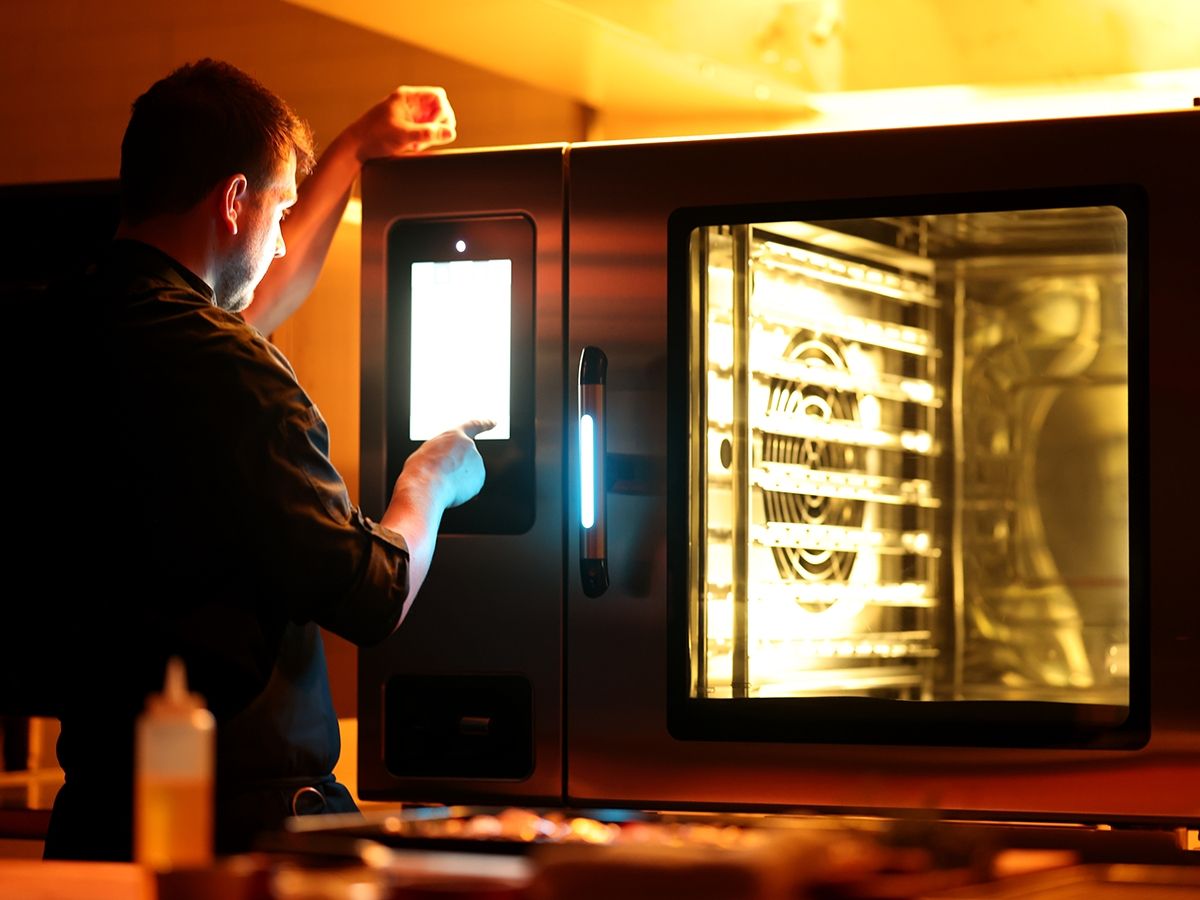
When orders start coming in faster and production demands climb, the pressure on a professional kitchen changes quickly. But while volume increases, every plate still needs to meet the same standard.
The hundredth plate of the day should deliver the same quality as the first.
That’s the challenge of high-volume foodservice. It’s not simply about producing more food. Chefs need to increase output while maintaining the consistency, quality, and attention to detail their customers expect.
Doing that successfully requires chefs to think about the entire cooking process. Where do bottlenecks occur when volume increases? Which menu items compete for the same equipment? And where does quality become harder to control when the kitchen gets busy?
The right cooking technology can help chefs address those challenges and build consistency into high-volume production.
More Volume Shouldn’t Mean Less Control
During peak service, traditional oven capacity can quickly become a limiting factor. Different foods may require different temperatures, fan speeds and cook times, leaving chefs to determine which items get oven space first.
That’s where a multi-cook approach can change the equation.
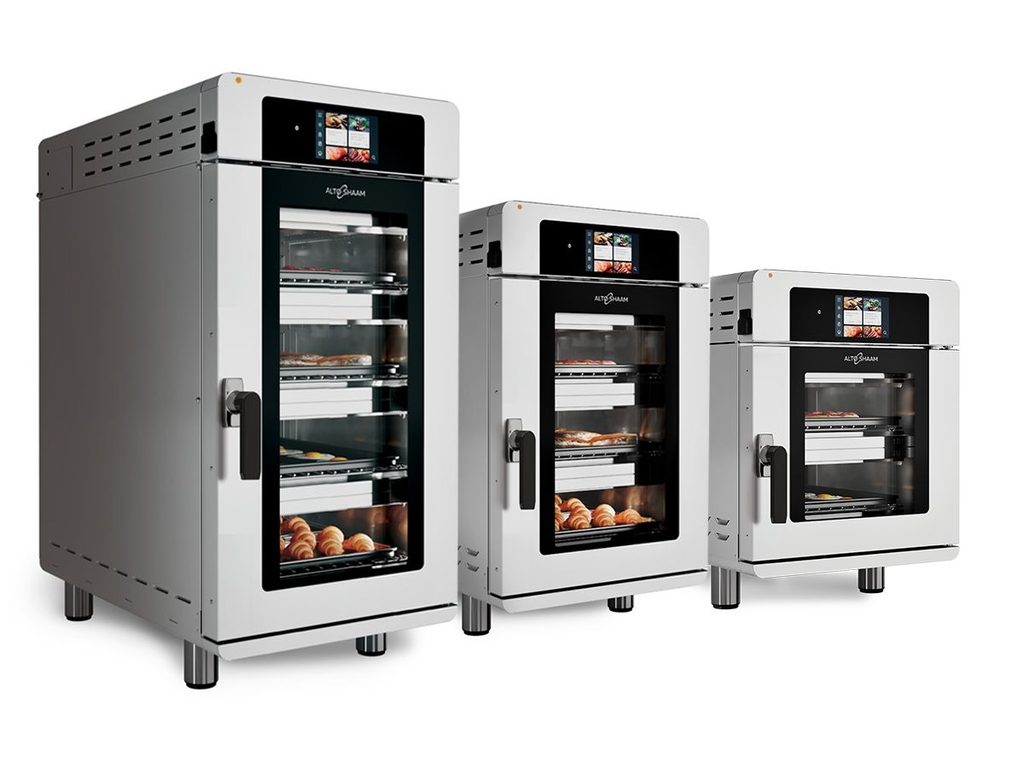
Alto-Shaam’s Vector® VMC2 Multi-Cook Ovens are designed to increase throughput and production without increasing the kitchen’s footprint. With up to four independent cooking chambers in one piece of equipment, chefs have the ability to control temperature, fan speed, and cook time in each chamber.
For a high-volume kitchen, that means increasing throughput doesn’t have to come at the expense of control. A chef isn’t simply putting more food through an oven. Different foods can still be cooked according to their individual requirements, even when they’re being prepared at the same time.
That’s an important distinction when quality matters just as much as speed.
Alto-Shaam’s Structured Air Technology®, used to power Vector multi-cook ovens, provides optimized airflow and heat distribution for consistent cooking, while programmable recipes in these ovens help teams repeat established cooking processes.
In other words, the value isn’t just more food, faster. It’s the ability to increase production while continuing to deliver consistent results.
Give Chefs More Ways to Respond to Demand
Another challenge of high-volume production is about producing different types of food, not just producing more of the same food.
A busy kitchen may need to execute a wide range of menu items requiring different cooking methods. That’s where versatile equipment can become just as important as capacity.
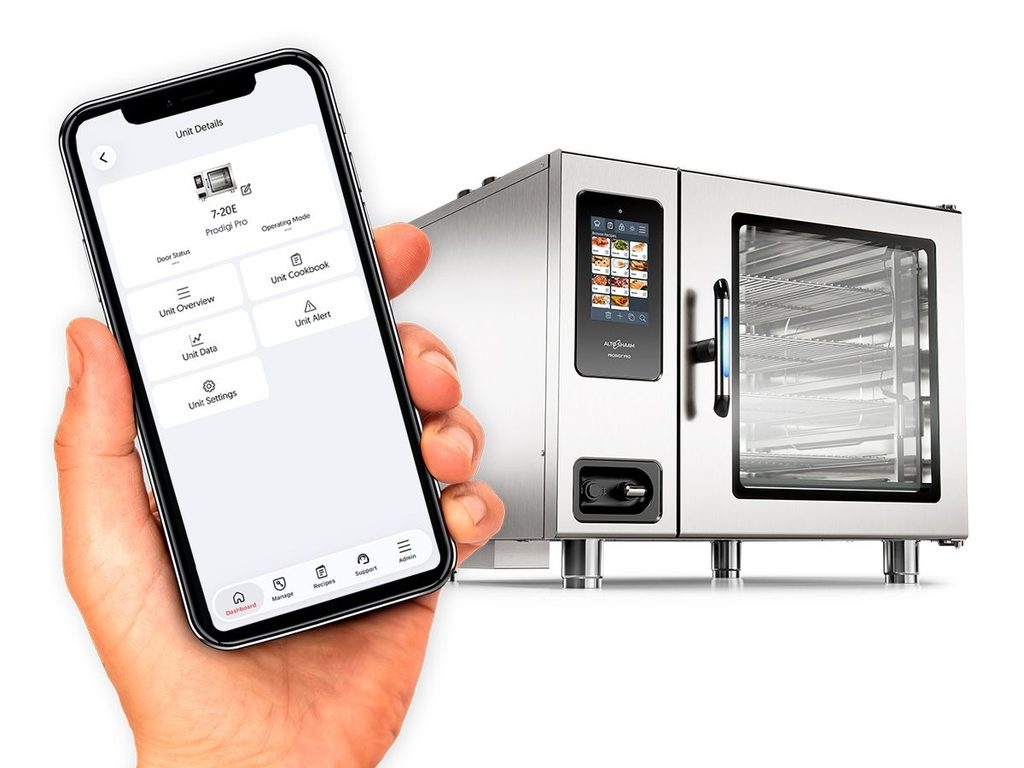
That’s where Alto-Shaam’s Prodigi™ Pro Combi Ovens can support with the combined capabilities to steam, braise, bake, roast, oven‑fry and retherm in one piece of equipment.
Rather than designing production around a single cooking method, chefs can use the versatility of combi cooking to support different menu items and fluctuations in production.
And that’s important to quality. Increasing production shouldn’t require chefs to compromise the cooking method that’s best suited to the food simply because the kitchen is busy.
Explore Prodigi™ Pro Combination Ovens!
Make Quality Repeatable
Maintaining quality during a rush isn’t only about what the equipment can cook. It’s also about how easily the process can be repeated.
As volume increases, so does the importance of having established cooking processes that culinary teams can execute consistently.
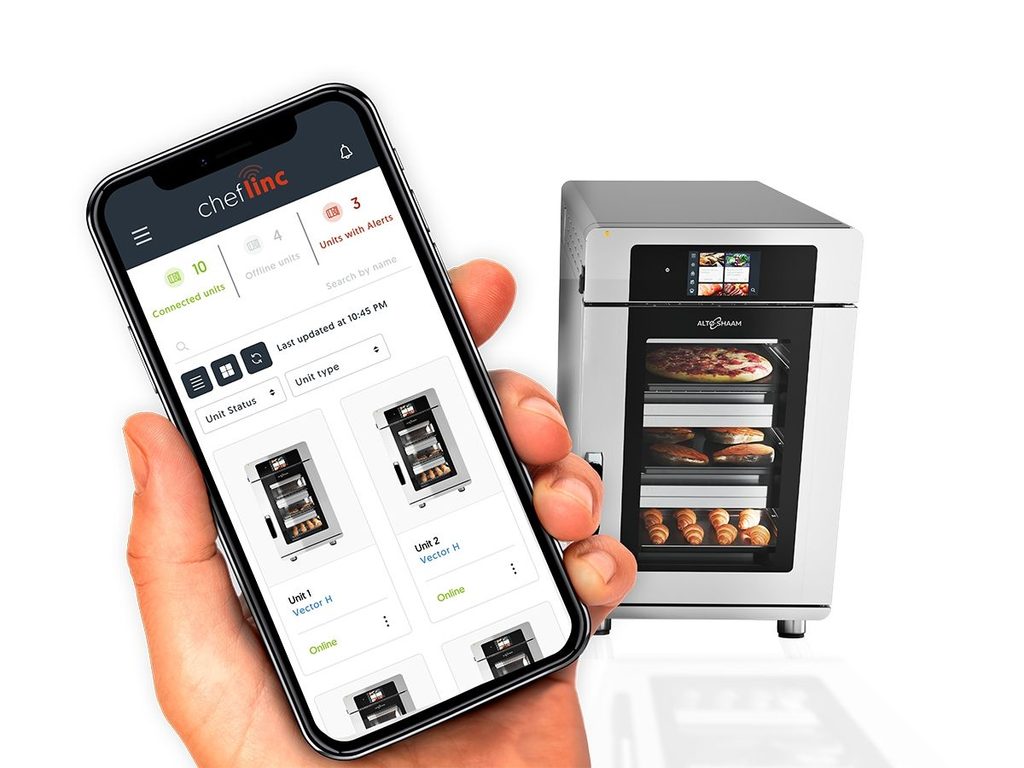
With Vector and Prodigi, programmable recipes support repeatability from cook to cook. ChefLinc™ Remote Oven Management takes that consistency a step further by giving operators a centralized place to create, manage and distribute recipes to connected ovens. Recipes, regional menus and limited-time offers can be updated across one or multiple ovens across several locations, helping culinary teams maintain standardized cooking processes without manually updating each unit.
For chefs managing busy operations, that connectivity can help ensure the recipe developed in the kitchen is the recipe the team is executing, even as menus change or production demands increase.
Learn more about ChefLinc™ Remote Oven Management.
Prepare for the Rush Without Lowering the Standard
High-volume service will always put a kitchen to the test. A successful operation isn’t one that simply gets food out faster. It’s one that can handle additional demand while continuing to deliver food the way the chef intended.
That’s ultimately the question chefs should ask when preparing their kitchens for higher volume: How can we produce more without asking our food, our team, or our guests to accept less?
By choosing cooking technology that supports greater throughput, flexible production and repeatable cooking processes, chefs can prepare their kitchens to take on more volume while keeping quality at the center of every plate.
About Alto-Shaam
Founded in 1955, Alto-Shaam develops commercial foodservice equipment designed around the needs of professional kitchen operators. The family-led company pioneered the original Cook & Hold oven and today offers a broad portfolio of cooking, holding, chilling and display solutions. Alto-Shaam has been a Worldchefs Global Partner since 2023, supporting the global chef community through innovation, equipment solutions and educational content. For more information, visit https://www.alto-shaam.com/en/about-us.
About Worldchefs
Worldchefs, the World Association of Chefs’ Societies, is a global network of national chef associations dedicated to maintaining and improving culinary standards worldwide. Founded in 1928, Worldchefs supports chefs through education, certification, competitions, sustainability initiatives, networking opportunities, and industry partnerships that advance the culinary profession.
Become a Partner
Partner with Worldchefs to get connected with our international membership of professional associations, hospitality schools, and companies around the globe.
Learn more about Worldchefs partnership opportunities at www.worldchefs.org/partnership.
Media contact:
Olivia Ruszczyk communications@worldchefs.org