Categories
Industry News

Pressure Comes With the Kitchen. Looking Out for Each Other Should Too.

Chef, you know when a service is starting to go off the rails. But can you recognise when someone on your team is reaching their limit?

10 October marks World Mental Health Day, an opportunity to reflect on a familiar reality: professional kitchens are high-pressure environments where speed, precision and the ability to think on your feet are part of the job.

But there’s a difference between rising to the challenges of a demanding service and accepting everything that happens in the heat of it as normal.

In recent years, conversations around burnout, stress and mental health in hospitality have become more open. Yet awareness alone isn’t enough. It’s time to look more closely at the habits we’ve learned to accept, the tools that can help us through difficult moments, and how we look after the people working alongside us.

When “That’s Just the Job” Goes Too Far

An occasional late finish might be unavoidable. But when overtime becomes the rule rather than the exception, that’s a different story. The same goes for consistently missed breaks, uneven workloads, or mistakes met with shouting and humiliation.

At what point do we stop seeing these situations as problems and start calling them “just life in the kitchen”?

This isn’t just a question of workplace culture. It has real consequences for whether people can see a future for themselves in the industry.

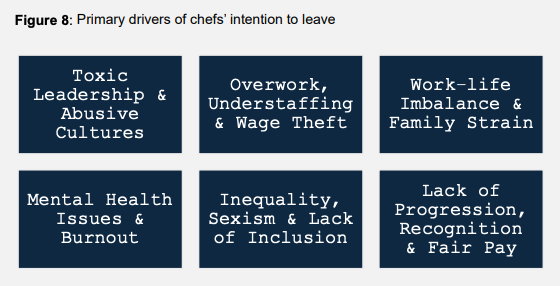
In the 2026 report Should I Stay or Should I Go? Insights from a Global Survey on Chefs’ Intention to Leave, Bournemouth University and The Burnt Chef Project surveyed 460 chefs. Of those surveyed, 69% reported often or always thinking about leaving their jobs.

And yet, many still love cooking, creating and working alongside their teams. What makes them question their future is often everything surrounding the job: unsustainable hours, understaffing, work-life conflict and harmful management practices.

The problem isn’t necessarily that chefs have lost their passion for cooking. It’s the price some feel they have to pay to keep doing what they love.

Changing that reality takes practical decisions: more sustainable schedules, breaks that are actually respected, fairer workloads and feedback that helps people improve without tearing them down.

Building a positive kitchen culture doesn’t mean lowering expectations. It means creating the conditions for people to meet high standards without consistently sacrificing their wellbeing.

Of course, even the best-run kitchens will have moments of intense pressure. And alongside the changes we need to make in our workplaces, there are personal skills worth developing too.
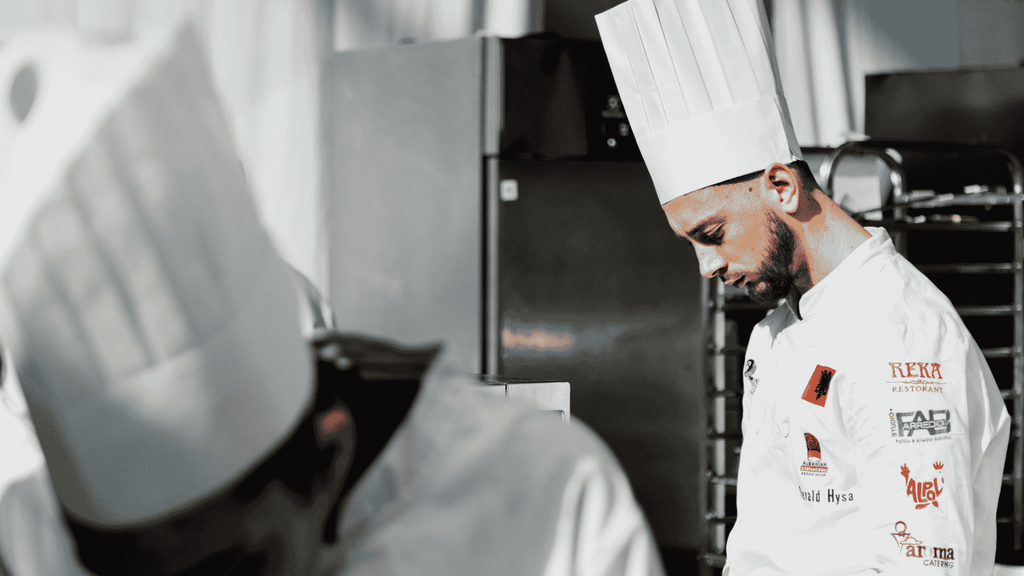
When the Heat Is On: Find Your Reset

During a busy service, it doesn’t take much for tensions to rise. A wrong order, a delayed preparation, an unexpected problem to solve while everything else keeps moving. In those moments, having a few tools to regain focus can make a difference.

TRY THIS: Small Resets for Busy Kitchens
  • Box breathing: Breathe in for four seconds, hold for four, breathe out for four, then pause for another four before repeating.
  • Physiological sigh: Take two consecutive inhales through your nose, followed by a slow, full exhale.
  • Physical grounding: Bring your attention back to your body for a moment. Notice your feet against the floor or focus on another simple physical sensation.
  • Ask yourself, “Now what?” When something goes wrong, shift your attention to the next useful step instead of dwelling on the mistake.

For more practical insights, tune in to When the Heat Is On: Mindfulness and Confidence with Melanie Underwood, an episode of World on a Plate exploring mindfulness, confidence and managing pressure in professional kitchens.

Looking Out for Each Other Starts with Listening

Looking after our mental health isn’t only about recognising our own limits. It also means paying attention to the people we spend so much of our working lives alongside.

A colleague who suddenly becomes quieter, seems constantly exhausted or struggles to concentrate may be going through a difficult time. We can’t know what’s happening based on these signs alone, but we can find an appropriate moment to check in.

And, more importantly, listen to the answer.

Active listening isn’t about immediately finding a solution. It’s about making space, avoiding quick judgements and taking what someone chooses to share seriously.

As Kris Hall, Founder and CEO of The Burnt Chef Project, explains, human connection is a fundamental part of supporting mental health in hospitality.
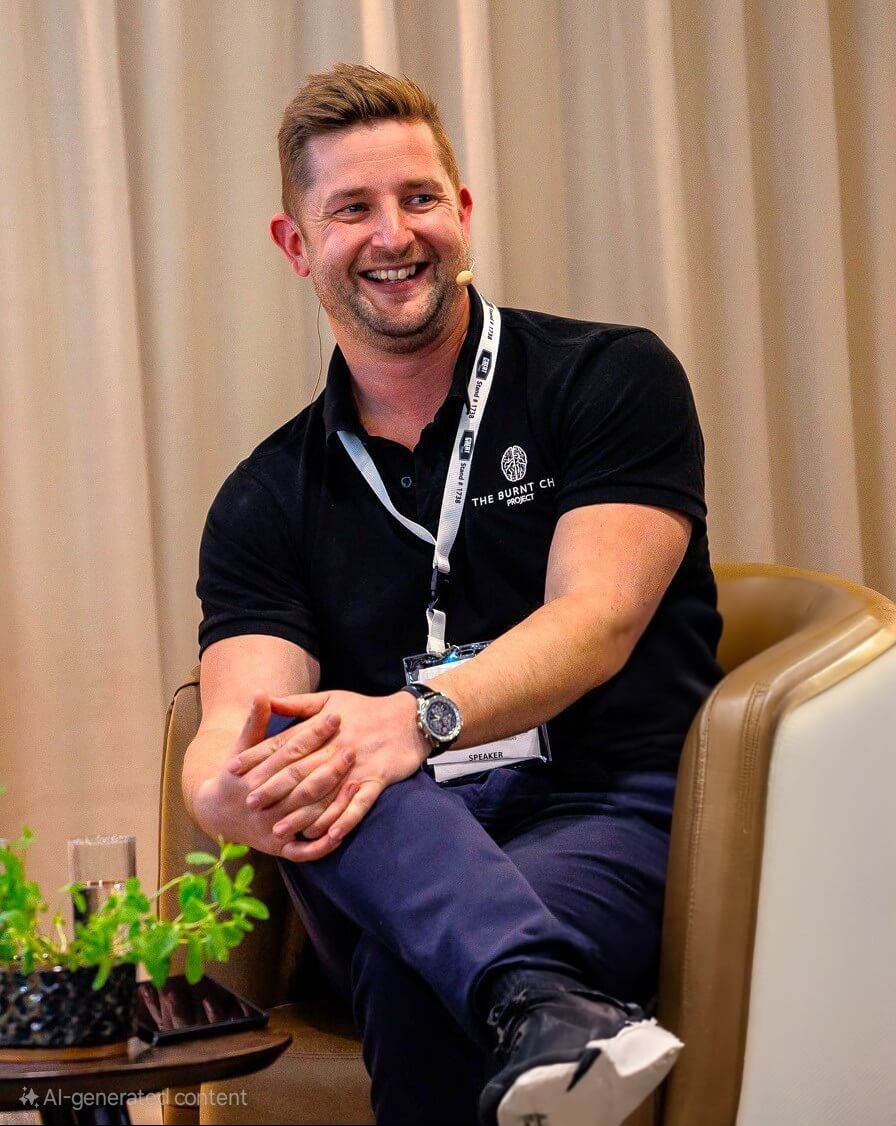
Kris Hall

What we really value, and in hospitality this is specifically true, is connection. In order for us to be able to feel like we’re seen and heard, we need to connect with another human being.

— Kris Hall, The Burnt Chef Project

A conversation is no substitute for professional support. But it can be the first step towards recognising when someone needs help.

And for those in leadership positions, listening brings another responsibility: taking concerns seriously and considering what can actually change in the way work is organised.

This also connects with the World Health Organization’s theme for World Mental Health Day 2026, “Lived experiences heard: real voices, real change”. People’s experiences should have a meaningful role in shaping the decisions that affect their wellbeing.

To explore the importance of connection and active listening, tune in to From Burnout to Breakthrough with The Burnt Chef Project CEO Kris Hall and discover the resources available through The Burnt Chef Project.

You Feed Everyone Else. Don’t Forget Yourself.

Here’s a paradox many hospitality professionals will recognise: we can spend an entire service preparing, tasting and perfecting food for others without finding a moment to sit down and eat ourselves.

Between prep, service and clean-up, even our most basic needs can slip to the bottom of the list.

Yet looking after our mental health also means paying attention to our physical wellbeing.

It’s not about following the perfect diet or expecting good nutrition to solve mental health challenges on its own. It’s about recognising the importance of eating regularly, staying hydrated and having genuine opportunities to rest and recover.

And here too, the responsibility shouldn’t fall entirely on individuals. Finding time for a proper break often depends on how work is organised and managed.

In a profession dedicated to feeding others, it’s worth remembering that the people preparing the food need nourishment, care and support too.

The Standard We Set for Each Other

A successful service takes organisation, communication, attention to detail and teamwork. We consider these essential to delivering the quality our guests expect.

So why shouldn’t we place the same importance on how we look after the people who make that service possible?

Wellbeing shouldn’t become a priority only when someone reaches breaking point. It should have a place in everyday decisions, professional training, leadership and the way we work together.

This World Mental Health Day, we can start by taking a closer look at what happens in our own kitchens: which habits need to change, which struggles we’ve learned to overlook, and how much room we give ourselves and others to ask for support.

Because a kitchen doesn’t prove its excellence only through the quality of its food or its ability to handle a demanding service. It proves it in the way it treats the people who make it all happen.

Pressure comes with the kitchen. Looking out for each other should too.
Categories
Industry Trends

Cultivating Positive Kitchen Culture: What can we do?

In the wake of abuse allegations at some of the industry’s top-rated restaurants, we reflect on how culinary professionals are redefining excellence and making positive kitchen culture an essential criteria.

The culinary industry in the midst of a long overdue reckoning. As allegations of abuse emerge from the most celebrated kitchens, chefs and hospitality professionals are reexamining how we define excellence and setting a new standard for the industry.

Today, a growing movement of culinary professionals are prioritizing people-centered policies, transparency and well-being, recognizing that positive kitchen culture is an essential part of success. We explore the steps being taken around the world toward a culture shift in the kitchen.

A Message from Worldchefs President on Safe Kitchens
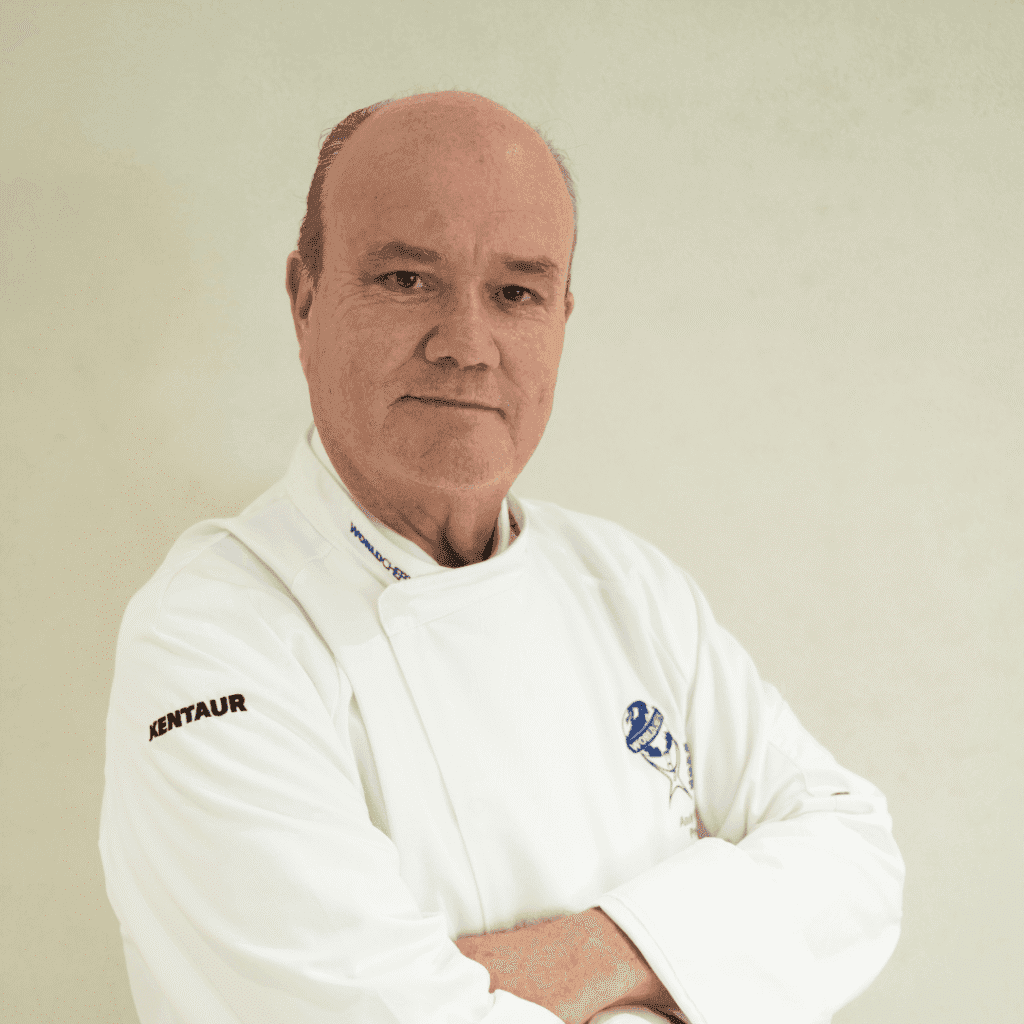
Andy Cuthbert Worldchefs President

Excellence in cuisine can never justify the mistreatment of people. A kitchen must be a place of learning, collaboration, and safety. Abuse—whether physical, verbal, psychological, or systemic—has no place in our profession.

Andy Cuthbert, Worldchefs President

Worldchefs is deeply concerned by the recent reports of long‑term mistreatment and abusive behavior within high‑end professional kitchens. These accounts are painful to hear and stand in direct opposition to the values of respect, professionalism, and mentorship that define our global culinary community.

Certain professions, not only culinary, operate at certain levels of intensity that also lead to stress and pressurized environments. However, this can never be an excuse for behavior that is demeaning and unprofessional at any level. We need to encourage young people to join our profession, and this can only happen when the industry as a whole works collaboratively.

Excellence in cuisine can never justify the mistreatment of people. A kitchen must be a place of learning, collaboration, and safety. Abuse—whether physical, verbal, psychological, or systemic—has no place in our profession.

The future of our profession depends on the wellbeing of its people. Worldchefs stands united in building a global culinary culture rooted in respect, integrity, and excellence. Worldchefs members works closely with organizations globally, including The Burnt Chef Project, to ensure we are highlighting the need for good mental wellbeing.

Responding to Research

In a January 2026 report produced by Bournemouth University in collaboration with The Burnt Chef Project, responses to a global survey of 460 chefs offer a timely snapshot of what the industry must address to retain talent. The global survey shows that 69% of chefs regularly consider leaving their jobs due to toxic leadership, work-family conflict, and unsustainable working conditions. Addressing structural failures–from enforcing zero-tolerance policies on harassment to ensuring fair pay–is essential for the growth of the industry.

Toxic leadership and abusive work cultures, wage theft, the gender gap, mental health issues–so many of the primary drivers for chefs considering leaving their roles have been highlighted in recent stories of abuse allegations in the fine dining world.

We already know what conditions need to change, coupled with a growing movement towards positive kitchen culture. Although we have a lot of work yet to do, the industry is in a state of transition, taking real steps towards operational change and accountability mechanisms.

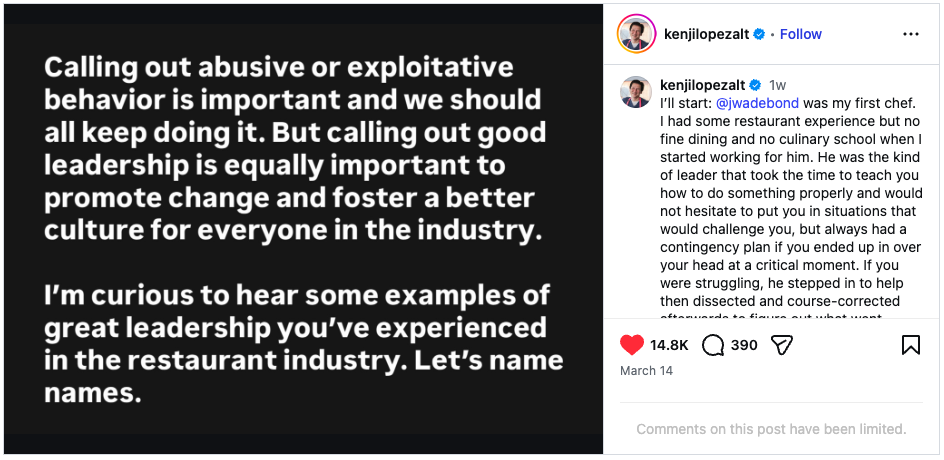
Celebrating Good Leadership

We have so many bright examples of the kind of leadership we need to cultivate positive kitchen culture:

Read the thread above and you’ll see diverse examples of positive kitchen culture. Michelin-starred Chef Emmanuel Stroobant has shared his journey, which you can learn more about below. Chef Kris Hall, through his work at The Burnt Chef Project, is providing resources to chefs around the globe. Culinary schools and employers alike have spotlighted how essential a positive team culture is. Chef Rick Bayless has written on creating a positive professional kitchen culture, and restaurateur Asma Khan has offered key characteristics of a positive kitchen. These are just a handful from an inspiring movement of culinary professionals committed to building a better future for the industry.

Below you can find additional resources, from mental health services to more examples of how chefs are building positive kitchen culture in restaurants around the world.

Resources

Keep reading for resources and examples of chefs that have spoken out against abusive and are helping to drive positive kitchen culture around the globe:

What Strong Leadership Looks Like

Hear more about what strong leadership looks like in hospitality and how the industry can build more equitable and inclusive workplaces for the next generation on episode 142 of World on a Plate with Anna Blue. She explores how the industry must rethink leadership qualities, and offers advice for young people entering hospitality today.

For more on leadership gaps in today’s hospitality workforce, read our recent article: We Need More Women in Senior Leadership: Closing Hospitality’s Gender Gap.
The Burnt Chef Project

The Burnt Chef Project is a globally recognized non-profit that raises awareness, provides training, and offers market-leading support for mental health issues within the hospitality industry. 
Tune in to episode 126 of World on Plate to learn how they advocate for more compassionate, resilient workplaces, and how we can all play a part in supporting mental health in the culinary world.

Access their resources, including free 24/7 mental health support, here.

The Burnt Chef Project will be at the 2026 Worldchefs Congress & Expo in Wales this May. Register now.
Why Mentorship Matters Now More Than Ever in the Culinary World

Mentorship: the secret ingredient to industry success?
Going beyond technical skills, mentorship is about more than just imparting culinary expertise. By modeling and inspiring leadership qualities, mentorship also helps to ensure that we develop the strategic, professional, and personal competencies necessary to navigate today’s complex hospitality environment and beyond. 

Read more here to explore why mentorship matters now more than ever in the culinary world.
Prioritizing Mental Health – Wellness Tools for Chefs and Hospitality Workers with Jasmin Parks-Papadopoulos

Jasmin Parks-Papadopoulos, Chief Growth Officer at CHOW (Culinary Hospitality Outreach Wellness) is a former chef turned certified life coach. 
Hear her discuss the unique challenges faced by hospitality workers, community support, and trauma-informed tools–all aimed at promoting a sustainable and healthier work environment–on episode 114 of World on a Plate.
From Burnout to Balance: A Chef’s Guide to Mental Wellness with Emmanuel Stroobant

Prevention is better than cure. After his own struggles, Michelin-starred Chef Emmanuel Stroobant advocates for a culture that values rest, reflection, and mental resilience as much as culinary excellence. 
He realized that taking care of oneself is more than an act of self-preservation; it’s a responsibility we have towards those around us.

Hear more from him during his session at the 2024 Congress here.
In the Weeds: Why Kitchen Culture Must Change to Safeguard Mental Health & Wellness

When it comes to mental health, the culinary world is still in the weeds.
The once-glorified kitchen culture of hustle and hard living has started to give way to a more sustainable ethos, one that recognizes that the future of the industry depends not just on innovation and skill, but on the health and happiness of those behind the pass.

While awareness of the importance of mental health and wellness has increased, the culinary industry still faces unique challenges requiring attention and change in workplace culture.

Read more in this article.

Categories
Industry Trends

In the Weeds: Why Kitchen Culture Must Change to Safeguard Mental Health & Wellness

As we mark Mental Health Awareness Month, the culinary world is still in the weeds.

The once-glorified kitchen culture of hustle and hard living has started to give way to a more sustainable ethos, one that recognizes that the future of the industry depends not just on innovation and skill, but on the health and happiness of those behind the pass.

But while awareness of the importance of mental health and wellness has increased, the culinary industry still faces unique challenges requiring attention and change in workplace culture. So where do we go from here?

The Mental Health Crisis in Hospitality: A Global Snapshot

The statistics paint a sobering picture. A 2023 survey by Cozymeal found that 44% of chefs who responded said that working at a restaurant had a negative impact on their mental health. 70% of chefs surveyed that they’d experienced anxiety as a result of working in a restaurant, and 65% said that toxic restaurant culture has made them feel isolated from the outside world.

Last year in 2024, over 76% of hospitality workers reported experiencing mental health issues during their careers, a significant rise from 56% in 2018. Factors such as long hours, high-pressure environments, the cost-of-living crisis, and the lingering effects of the COVID-19 pandemic have exacerbated these challenges. A recent study in Australia found that one in five chefs surveyed expressed a strong likelihood of leaving their jobs within the next year due to mental distress. Several studies have shown that 40% of turnover within the hospitality sector can be linked to mental health issues.

Despite a growing awareness to these issues, stigma remains a barrier. A 2024 UK survey revealed that 45% of employees feel uncomfortable discussing mental health concerns with their managers, fearing negative repercussions.

These numbers are still surprising, despite seeing the picture they paint on screen in most depictions of restaurant environments in movies and TV. While The Bear has made ‘Yes, Chef,’ viral, the data shows that much more must be done.

Prevention is Better Than Cure

That is what Michelin-starred Chef Emmanuel Stroobant’s wife told him. Fifteen years ago, Stroobant found himself burnt out, dependent on alcohol, and starting to spiral. Overseeing twelve restaurants and 350 staff members, the pressure caught up with him, but he managed to recognize the grip of alcoholism amidst the demanding pressures. It was this moment of awakening that shifted his view on mental health, a pivot towards both personal recovery and advocating within the industry.

Now, Emmanuel advocates for a culture that values rest, reflection, and mental resilience as much as culinary excellence. He realized that taking care of oneself is more than an act of self-preservation; it’s a responsibility we have towards those around us.

“The word chef in French doesn’t mean cook. It means leader.  It means somebody who is going to take and lead a team to execute something to the best potential perfection. And as a leader, it’s very important that you get your sh*t together, because if you lose it, well, your probably not going to be a very good leader or a very long leader,” says Stroobant. “It will have an impact on pretty much all or anything you’re going to be doing as a chef or as a man or a woman,” he adds. “[Prevention] is not an act of selfishness. When you take care of yourself, you actually do take care of the rest of the people around you.”

Emmanuel Stroobant speaks about burnout during Worldchefs Congress & Expo 2024

Emmanuel has also witnessed a generational shift in attitudes towards work-life balance. The millennials stepping into the industry view long hours and high stress differently than their predecessors. They may have been inspired to enter the industry by legends like Anthony Bourdain, who brought the underbelly of kitchens to the fore for so many (“it’s a life that grounds you down,” he said), but they have also had to grieve his loss and come to grips with his tragic suicide. Emmanuel stresses the importance of embracing the younger generation of chefs, bringing fresh perspectives, challenging the norms of rigorous hours and high stress. He sees their leadership as essential for the industry’s evolution.

He advocates for training teams in managing stress, open communication and creating supportive environments, to ensure better resources that go beyond understanding the issue to acting on it. Emmanuel’s story shows how essential this is, and that mental health isn’t contrary to strength; instead, it’s integral to sustainable success, both in and out of the kitchen.

Starting a Conversation

Formerly in the food supplier industry, Kris Hall witnessed firsthand the high-pressure environment that many experience. More importantly, he recognized the silent battles with depression that individuals faced within the industry.

In 2019, Hall founded The Burnt Chef Project. His personal battle with depression laid the foundation for this initiative, aimed at raising awareness and providing support for mental health issues in hospitality. Initially conceived as a photography campaign, the project quickly gained momentum, amplifying critical conversations about mental well-being across the globe.

Kris’ nonprofit organization is dedicated to raising awareness and providing support for mental health issues in the hospitality sector, highlighting the need to build a supportive community that understands and acts to improve mental health at work.

“Our mission to eradicate stigma and improve the working environment has been critical to our success,” says Kris. “I wanted to try and make a meaningful impact and a change to the industry that I fell in love with.”

One of The Burnt Chef Project’s remarkable accomplishments is its evolving network of volunteers across 184 countries. Their 2023/24 Social Impact Report highlights a marked increase in demand for mental health support services in hospitality, with their 24/7 text support service usage tripling in recent years.

These passionate individuals play a pivotal role in educating and supporting hospitality workers struggling with mental health issues. Their work is one example of how offering tools, educational resources, and therapeutic services can make an impact, and the need to reinforce a collective commitment to a culture shift.

Kris Hall, founder of The Burnt Chef Project
Shifting the Narrative: From Hustle to Health

Over the past few years, mental health has transitioned from a neglected issue to a trendy topic across various sectors. While we are on a better path towards understanding, the data shows we have a long way to go in prioritizing mental health and wellbeing in the workplace.

Advocates like Emmanuel Stroobant and organizations like The Burnt Chef Project are playing a pivotal role in changing the narrative around mental health services and calling for action. By empowering chefs with the right tools, education, resources, and a platform for open conversation, they are creating a culture where mental health is prioritized.

There is also a business case for prioritising and investing in mental health. For starters, companies that implement mental health training for managers report a 30% reduction in mental health-related absences. High turnover rates impact the bottom line, and fostering supportive, healthy work environments can reduce costs, improve retention, and drive long-term success.

The process towards destigmatizing mental health, changing entrenched workplace cultures, and creating supportive environments will require concerted efforts at every level. Hospitality leaders must actively engage with their teams, fostering open dialogues and prioritizing work-life balance. Addressing these issues at both grassroots and executive levels will lead to healthier, more resilient professionals, and better lives at work and at home.

Next Steps for Chefs: Cultivating Wellbeing in the Workplace

For Every Chef:

  • Prevention over cure: Prioritize self-care, and don’t neglect your nutrition.
  • Set boundaries: Communication is crucial; knowing when to say no helps maintain mental health.
  • Open dialogue: Foster conversations about mental health with peers and mentors.
  • Box breathing technique: Adopted from elite military training, ‘box breathing’ offers a method to manage stress seamlessly, promoting calmness in high-pressure situations.
  • Seek support: Utilise resources like CHOW and The Burnt Chef Project.

For Kitchen Leaders:

  • Implement team training & support: Provide mental health training for management to identify and address issues proactively. Equip teams with the tools to manage stress, and encourage open communication.
  • Foster supportive environments: Establish policies that promote work-life balance and psychological safety, as well as adequate time for breaks, sick leave, and health services.
  • Encourage feedback: Regularly invite input from staff to identify areas for improvement.

For Organizations:

  • Invest in resources: Allocate funds for mental health programs and support services.
  • Promote awareness: Engage in campaigns that destigmatize mental health discussions.
  • Monitor progress: Regularly assess the effectiveness of wellbeing initiatives and adjust as needed.
Podcasts & Webcasts: Deep Dive into Mental Health & Wellbeing

From Burnout to Breakthrough: Addressing Industry Wellbeing with The Burnt Chef Project CEO Kris Hall

Listen now

On this episode, Ragnar speaks with Kris Hall, CEO and founder of The Burnt Chef Project. Having faced his own mental health challenges throughout his career, Kris launched The Burnt Chef Project in 2019 to tackle the stigma around mental health in the industry. What began as a black-and-white photography campaign offering raw glimpses into the lives of hospitality professionals has since grown into a global movement spanning over 180 countries.

From Burnout to Balance: A Chef’s Guide to Mental Wellness with Emmanuel Stroobant,Chef-Owner of the two-Michelin-starred Saint Pierre

Watch now

In his session from Worldchefs Congress 2024, Chef Emmanuel explores the multifaceted impact of burnout on performance, customer satisfaction, and personal life. Burnout is more than just fatigue; it’s a pervasive challenge affecting both leaders and their teams. Through this conversation, Emmanuel emphasizes the necessity of balancing professional demands with personal well-being.

Prioritizing Mental Health – Wellness Tools for Chefs and Hospitality Workers with Jasmin Parks-Papadopoulos

Listen now

On this episode, Ragnar speaks with Jasmin Parks-Papadopoulos, Chief Growth Officer at CHOW (Culinary Hospitality Outreach Wellness) and a former chef turned certified life coach. They discuss the unique challenges faced by hospitality workers, community support, and trauma-informed tools—all aimed at promoting a sustainable and healthier work environment. Learn how CHOW is transforming the mental wellness conversation in hospitality.

Be Kind to Hospitality with Gordon McIntyre, Founder of Hospitality Health

Listen now

On this episode of World on a Plate, we break through the taboo to talk about an important mission: providing support to individuals within the hospitality industry in areas of mental health, addiction, and well-being. Hospitality Health is a Scottish charity, formed in August of 2018 to support staff in the amazing world of hospitality. It is clear that for several years the industry has become more stressful for an extremely hard working management and staff. The trustees decided it was time to act and help those who are in need of support, by providing wellbeing advice and signposting organizations that can help.

Stress in the Kitchen with Wonda Grobbelaar, Training Expert and Researcher

Listen now

On this episode, Ragnar speaks with Wonda Grobbelaar – chef, soft skills training expert, and Ph.D. candidate researching stress in the kitchen. She shares her findings on mental health and automation technology in back-of-house, contributing factors to stress, and recommendations for future-proofing the industry through training and education in emotional intelligence.

More Resources

Chefs, Commercial Kitchens, and Stress: Could Socio-Demographic Factors such as Personality, Age, and Gender Influence the Stress Level of a Chef?

This study explores the role of socio-demographic factors such as age, gender, and personality on the stress levels of a chef and what could be done to improve the stress levels that are causing many health problems among those around the globe. 

Learn more

CHOW Temperature Take — Downloadable PDF

Download this PDF to use the CHOW Temperature Take in your business, community or organization.

Download the PDF

Food & Wine: Why Your Favorite Server Quit — the Real Cost of Hospitality Burnout

Restaurants are back, but the people who work there may not be OK. Here’s what you need to know.

Read more

If you or someone you know is having suicidal thoughts, help is available. In the US, call the National Suicide Prevention Lifeline at 1-800-273-8255 or text TalkWithUs to 66746. For international lifelines, visit this list.

Subscribe

* indicates required

What are you looking for?

Generic selectors
Exact matches only
Search in title
Search in content
Post Type Selectors

OUR NETWORK

Discover our network of Chef Associations

Explore our membership options

Connect with chefs around the world

Browse our network of schools

YOUNG CHEFS

Explore our young chef clubs across the globe

Learn, mentor and develop young chefs

Empowering the next generation of culinary leaders

Access events and mentorship from Michelin star chefs

OUR EVENTS

Learn how to judge competitions

Webinars, livestreams and webcasts

Join us at tradeshows across the globe

COMPETITIONS

- Qualifiers coming soon

- Judges coming soon

Tool for competition organizers and judges

FOR JUDGES

Start your certification pathway

Start your certification pathway

See upcoming seminars and hosting information

CERTIFICATION & RECOGNITION

For Chef

Showcase your talent globally

For Employers

Recognize your team’s skills

For Schools

Learn about Recognition of Quality Culinary Education

LEARNING & EDUCATION

Start your culinary journey with free online courses

Discover our catalogue of quality training programs

Learn to apply the fundamentals of sustainability in the kitchen

Find a Worldchefs certified chef

PARTNER WITH US

Explore partnership opportunities

MAKE AN IMPACT

Driving sustainable change

Delivering global humanitarian relief and aid

Inspiring the next generation through food

Driving sustainable change across communities

Developing future leaders of the culinary profession

Integrate your branding and products to one of the biggest competition of the world.