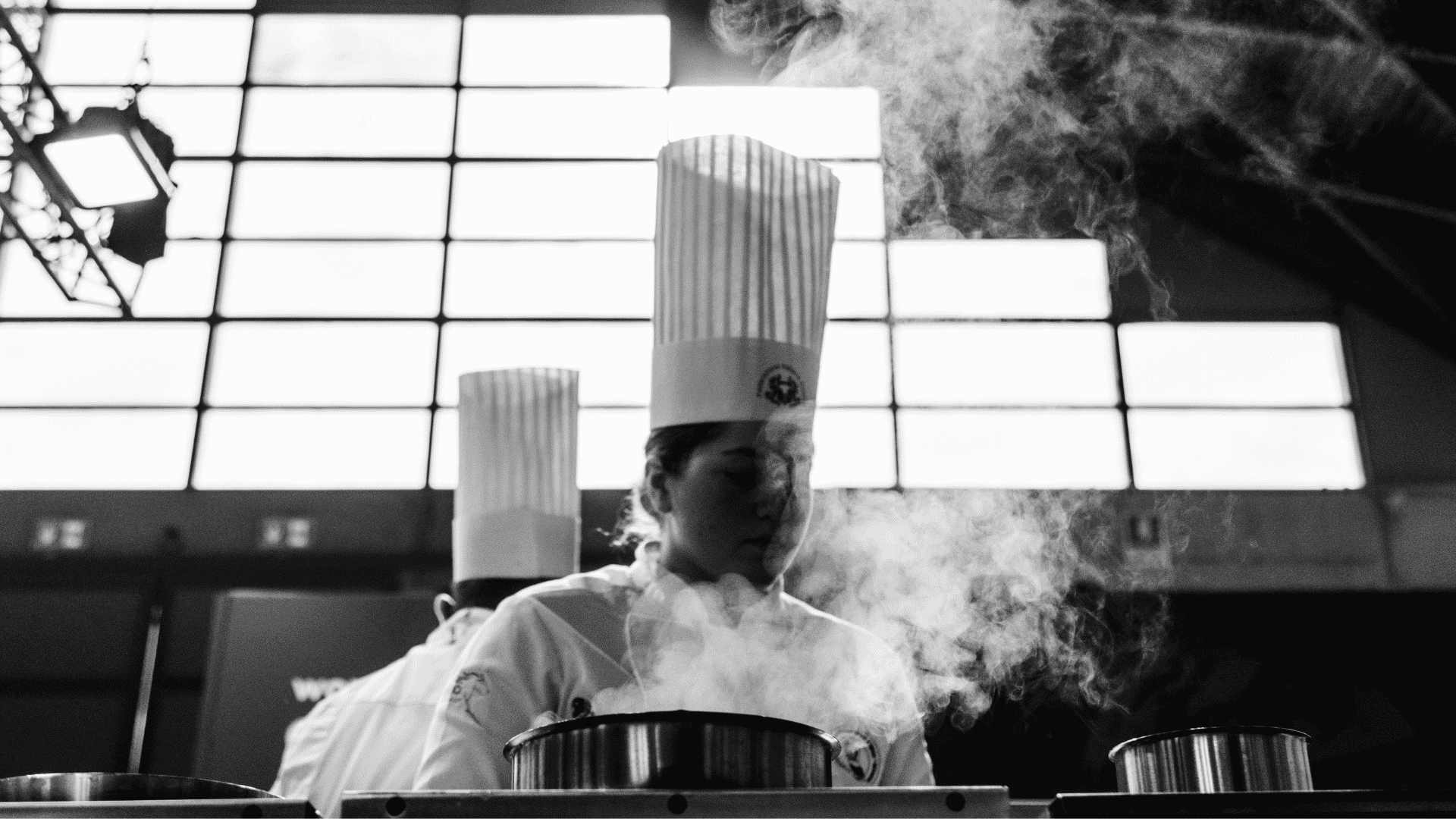
Chef, you know when a service is starting to go off the rails. But can you recognise when someone on your team is reaching their limit?
10 October marks World Mental Health Day, an opportunity to reflect on a familiar reality: professional kitchens are high-pressure environments where speed, precision and the ability to think on your feet are part of the job.
But there’s a difference between rising to the challenges of a demanding service and accepting everything that happens in the heat of it as normal.
In recent years, conversations around burnout, stress and mental health in hospitality have become more open. Yet awareness alone isn’t enough. It’s time to look more closely at the habits we’ve learned to accept, the tools that can help us through difficult moments, and how we look after the people working alongside us.
When “That’s Just the Job” Goes Too Far
An occasional late finish might be unavoidable. But when overtime becomes the rule rather than the exception, that’s a different story. The same goes for consistently missed breaks, uneven workloads, or mistakes met with shouting and humiliation.
At what point do we stop seeing these situations as problems and start calling them “just life in the kitchen”?
This isn’t just a question of workplace culture. It has real consequences for whether people can see a future for themselves in the industry.
In the 2026 report Should I Stay or Should I Go? Insights from a Global Survey on Chefs’ Intention to Leave, Bournemouth University and The Burnt Chef Project surveyed 460 chefs. Of those surveyed, 69% reported often or always thinking about leaving their jobs.
And yet, many still love cooking, creating and working alongside their teams. What makes them question their future is often everything surrounding the job: unsustainable hours, understaffing, work-life conflict and harmful management practices.
The problem isn’t necessarily that chefs have lost their passion for cooking. It’s the price some feel they have to pay to keep doing what they love.
Changing that reality takes practical decisions: more sustainable schedules, breaks that are actually respected, fairer workloads and feedback that helps people improve without tearing them down.
Building a positive kitchen culture doesn’t mean lowering expectations. It means creating the conditions for people to meet high standards without consistently sacrificing their wellbeing.
Of course, even the best-run kitchens will have moments of intense pressure. And alongside the changes we need to make in our workplaces, there are personal skills worth developing too.
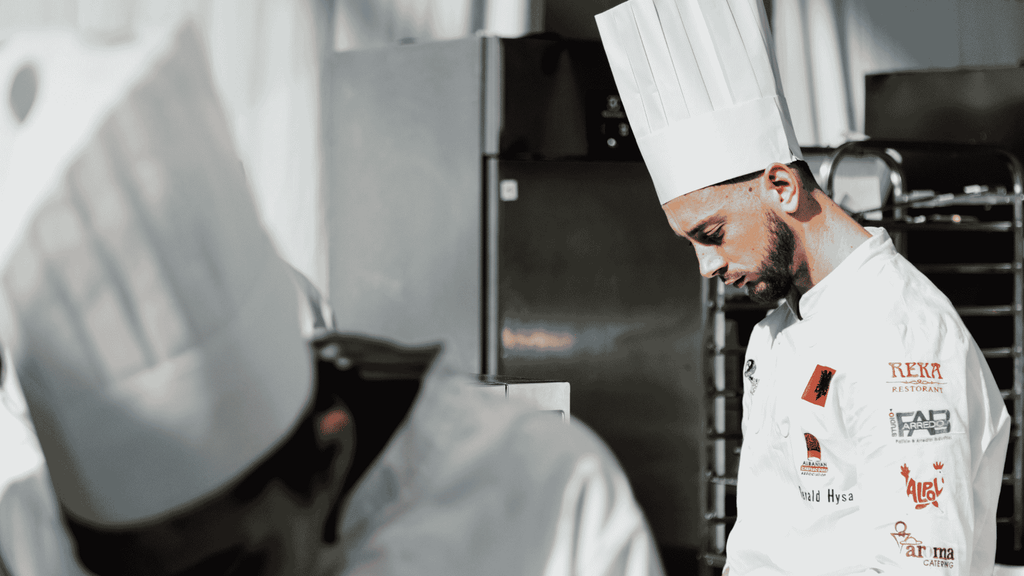
When the Heat Is On: Find Your Reset
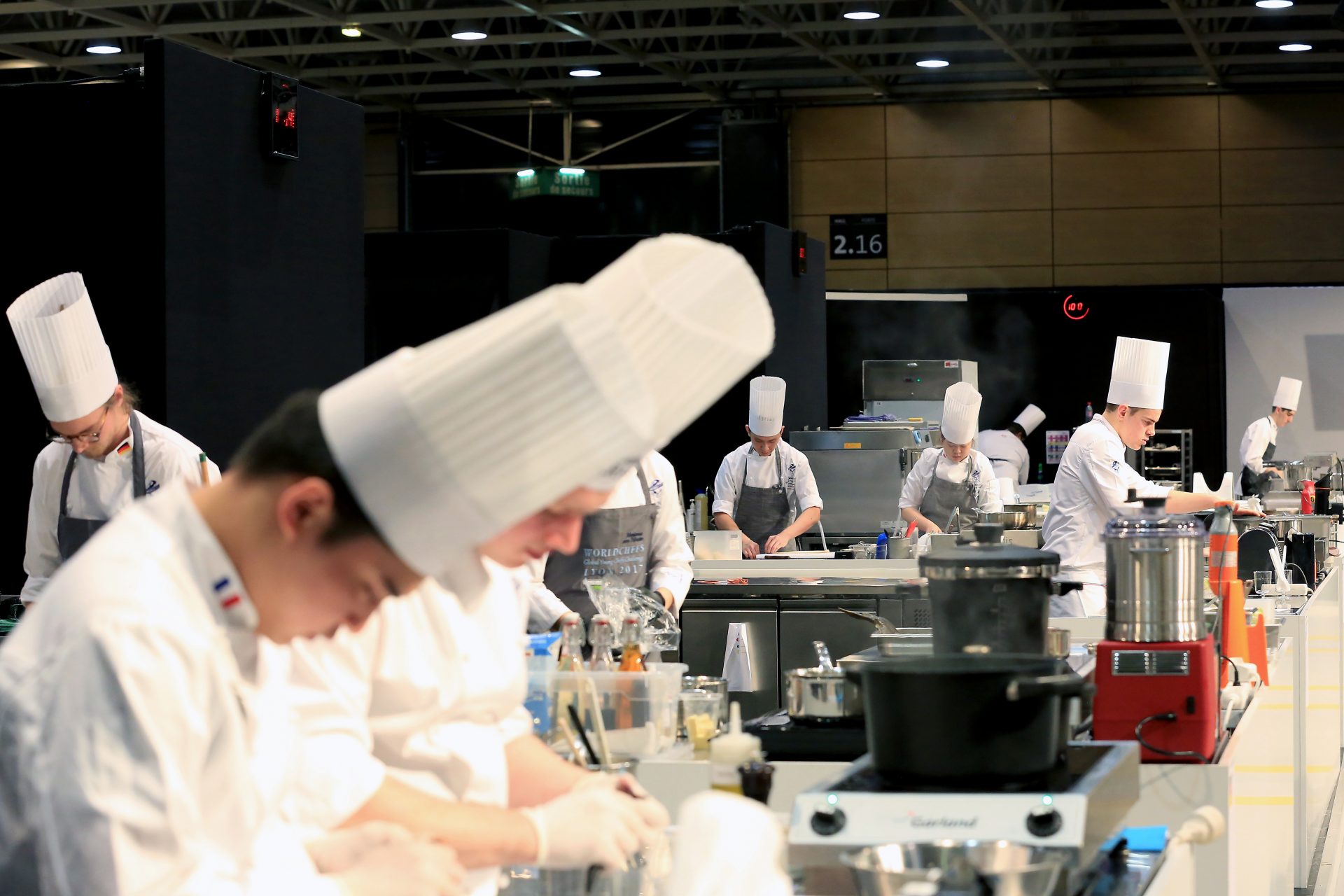
During a busy service, it doesn’t take much for tensions to rise. A wrong order, a delayed preparation, an unexpected problem to solve while everything else keeps moving. In those moments, having a few tools to regain focus can make a difference.
TRY THIS: Small Resets for Busy Kitchens
- Box breathing: Breathe in for four seconds, hold for four, breathe out for four, then pause for another four before repeating.
- Physiological sigh: Take two consecutive inhales through your nose, followed by a slow, full exhale.
- Physical grounding: Bring your attention back to your body for a moment. Notice your feet against the floor or focus on another simple physical sensation.
- Ask yourself, “Now what?” When something goes wrong, shift your attention to the next useful step instead of dwelling on the mistake.
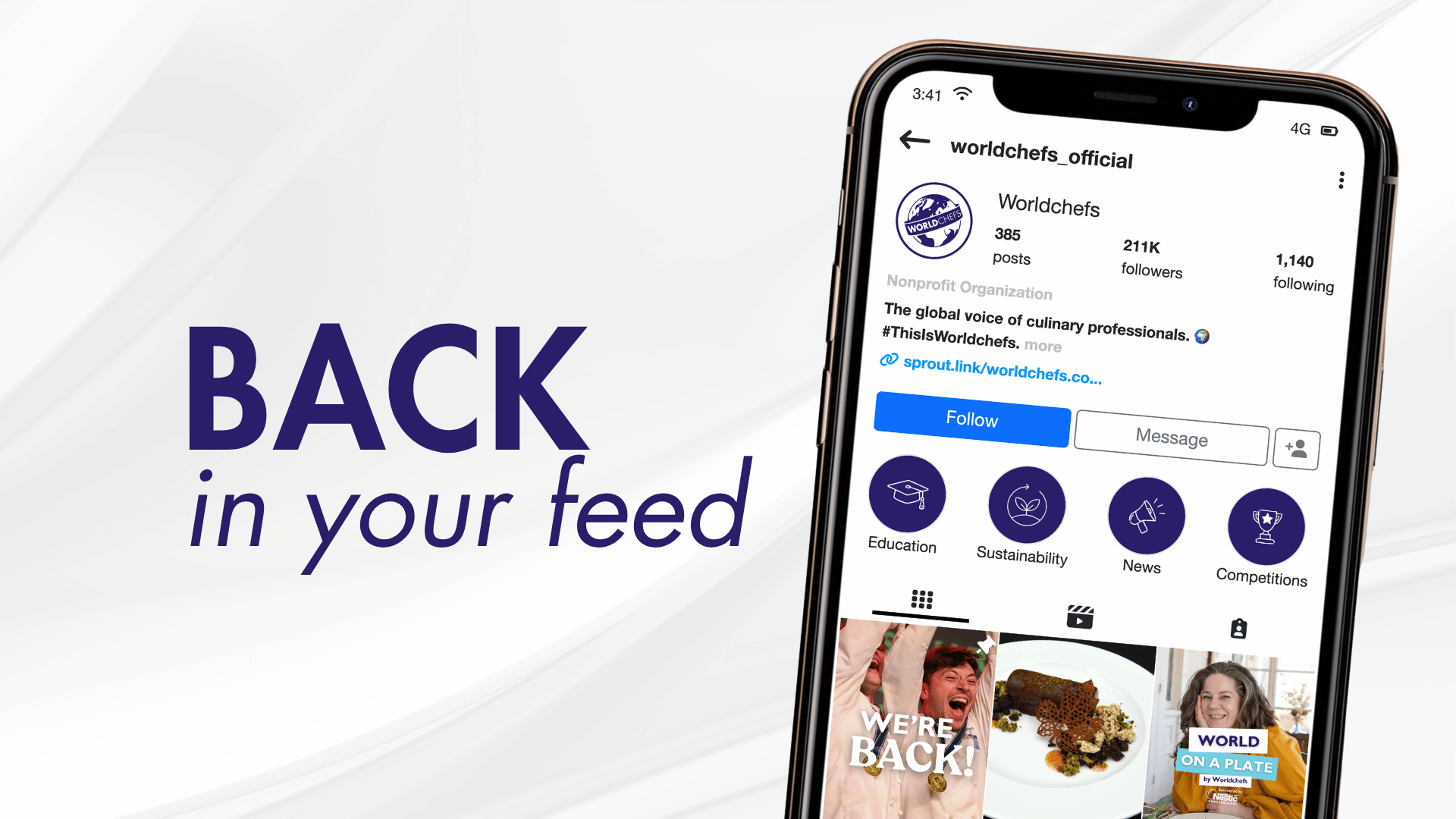
For more practical insights, tune in to When the Heat Is On: Mindfulness and Confidence with Melanie Underwood, an episode of World on a Plate exploring mindfulness, confidence and managing pressure in professional kitchens.
Looking Out for Each Other Starts with Listening
Looking after our mental health isn’t only about recognising our own limits. It also means paying attention to the people we spend so much of our working lives alongside.
A colleague who suddenly becomes quieter, seems constantly exhausted or struggles to concentrate may be going through a difficult time. We can’t know what’s happening based on these signs alone, but we can find an appropriate moment to check in.
And, more importantly, listen to the answer.
Active listening isn’t about immediately finding a solution. It’s about making space, avoiding quick judgements and taking what someone chooses to share seriously.
As Kris Hall, Founder and CEO of The Burnt Chef Project, explains, human connection is a fundamental part of supporting mental health in hospitality.
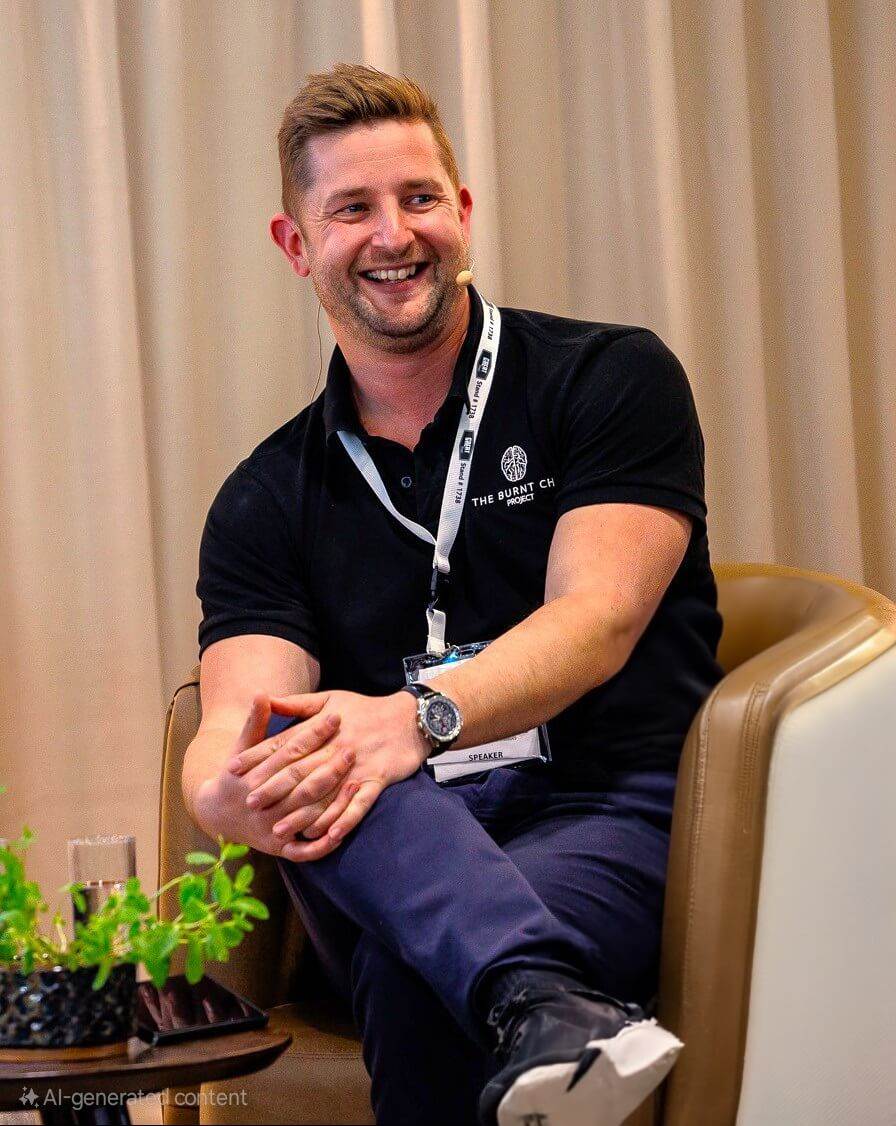
What we really value, and in hospitality this is specifically true, is connection. In order for us to be able to feel like we’re seen and heard, we need to connect with another human being.
— Kris Hall, The Burnt Chef Project
A conversation is no substitute for professional support. But it can be the first step towards recognising when someone needs help.
And for those in leadership positions, listening brings another responsibility: taking concerns seriously and considering what can actually change in the way work is organised.
This also connects with the World Health Organization’s theme for World Mental Health Day 2026, “Lived experiences heard: real voices, real change”. People’s experiences should have a meaningful role in shaping the decisions that affect their wellbeing.
To explore the importance of connection and active listening, tune in to From Burnout to Breakthrough with The Burnt Chef Project CEO Kris Hall and discover the resources available through The Burnt Chef Project.
You Feed Everyone Else. Don’t Forget Yourself.
Here’s a paradox many hospitality professionals will recognise: we can spend an entire service preparing, tasting and perfecting food for others without finding a moment to sit down and eat ourselves.
Between prep, service and clean-up, even our most basic needs can slip to the bottom of the list.
Yet looking after our mental health also means paying attention to our physical wellbeing.
It’s not about following the perfect diet or expecting good nutrition to solve mental health challenges on its own. It’s about recognising the importance of eating regularly, staying hydrated and having genuine opportunities to rest and recover.
And here too, the responsibility shouldn’t fall entirely on individuals. Finding time for a proper break often depends on how work is organised and managed.
In a profession dedicated to feeding others, it’s worth remembering that the people preparing the food need nourishment, care and support too.
The Standard We Set for Each Other
A successful service takes organisation, communication, attention to detail and teamwork. We consider these essential to delivering the quality our guests expect.
So why shouldn’t we place the same importance on how we look after the people who make that service possible?
Wellbeing shouldn’t become a priority only when someone reaches breaking point. It should have a place in everyday decisions, professional training, leadership and the way we work together.
This World Mental Health Day, we can start by taking a closer look at what happens in our own kitchens: which habits need to change, which struggles we’ve learned to overlook, and how much room we give ourselves and others to ask for support.
Because a kitchen doesn’t prove its excellence only through the quality of its food or its ability to handle a demanding service. It proves it in the way it treats the people who make it all happen.
Pressure comes with the kitchen. Looking out for each other should too.