For Deaf Awareness Month, we asked Signs of Good Food about deaf culture in the kitchen. They are showing how much deaf chefs bring to the line, and how the industry must reframe what a great kitchen looks like through communication, culture, and community.
Heard. Yes, Chef. Fire table five.
Kitchens are loud. Hoods roar, tickets print, someone’s always yelling “behind.” Sometimes your cook doesn’t hear it. Sometimes your cook can’t.
But deaf cooks and chefs have been running kitchens without that call all along. They sign across the pass, catch a glance in the mirror stationed in front of them, and warn you with an elbow tap instead of a shout. Around the world, deaf chefs are opening restaurants where sign language is part of the hospitality, and a distinct culinary community is taking shape.
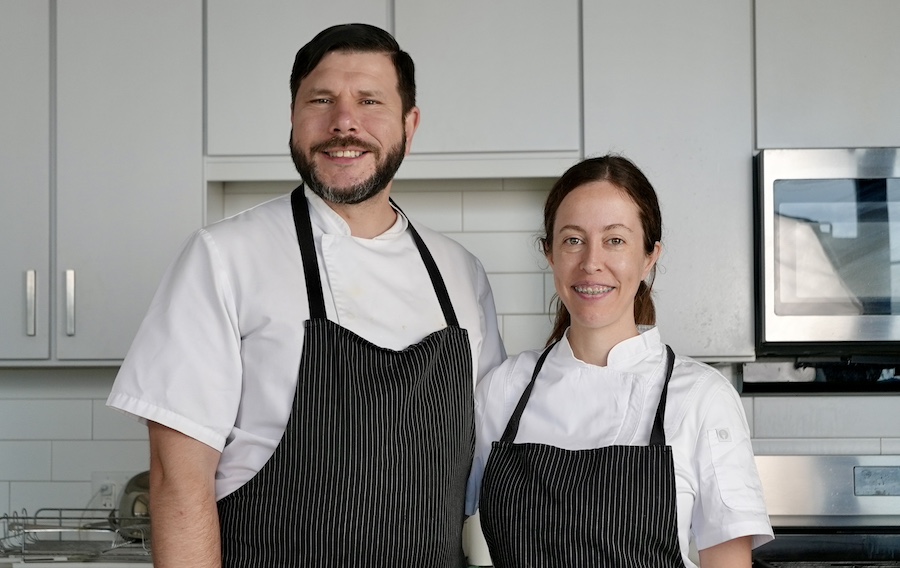
For Deaf Awareness Month, we talked with Bri Herold and David Uzzell of Signs of Good Food about what deaf culture brings to the kitchen, from the line to the dining room.
Tell us about Signs of Good Food. How did it get started?
Bri: Signs of Good Food really grew out of the way we already talked about food with each other. David has spent more than 15 years working in restaurants, and Bri is an engineer with a background in biology and chemistry, so we tend to look at the same dish from very different perspectives. David looks at food through the lens of someone who has spent his career in professional kitchens—how it tastes, how it’s made, and what it takes to execute it well. Bri wants to know why it works, how we can experiment with it at home, and why the restaurant industry does things the way it does.
We have been having those conversations for over a decade, and we started sharing them on social media two years ago after a trip to the Minnesota State Fair, when Bri said, “Let’s make a video about this weird deep-fried ranch.” Bri made the video, kept going, and she just grew Signs of Good Food from there.
The name represents what we were already doing: looking for the signs that make food good while sharing it through the sign language we use to communicate. Today, we use recipes, experiments, restaurant experiences, and sign language to explore one question that still drives everything we do: what makes food good?
You two work as a team. How is what you do enriched by both your perspectives?
Bri: Our perspectives are pretty different, which is exactly what makes us work so well as a team. David brings more than 15 years of experience in professional kitchens and front-of-house management, while Bri approaches food as an engineer, scientist, and curious home cook. David often knows from experience that something works, while Bri wants to know why—and how to make that knowledge easy to understand and share. We usually end up learning something new from each other every day.
That dynamic carries over into everything we do, from our food edutainment content to the occasional private dining experience. Most recently, we hosted multi-course dinners in Houston, Texas, and Latrobe, Pennsylvania, centered around good food and sign language. We develop the menus and prep together, then take on different roles during service: Bri typically runs expo, while David leads the kitchen and hospitality. Whenever we can, we bring other deaf and/or signing people onto our team, which adds even more perspectives to the experience.
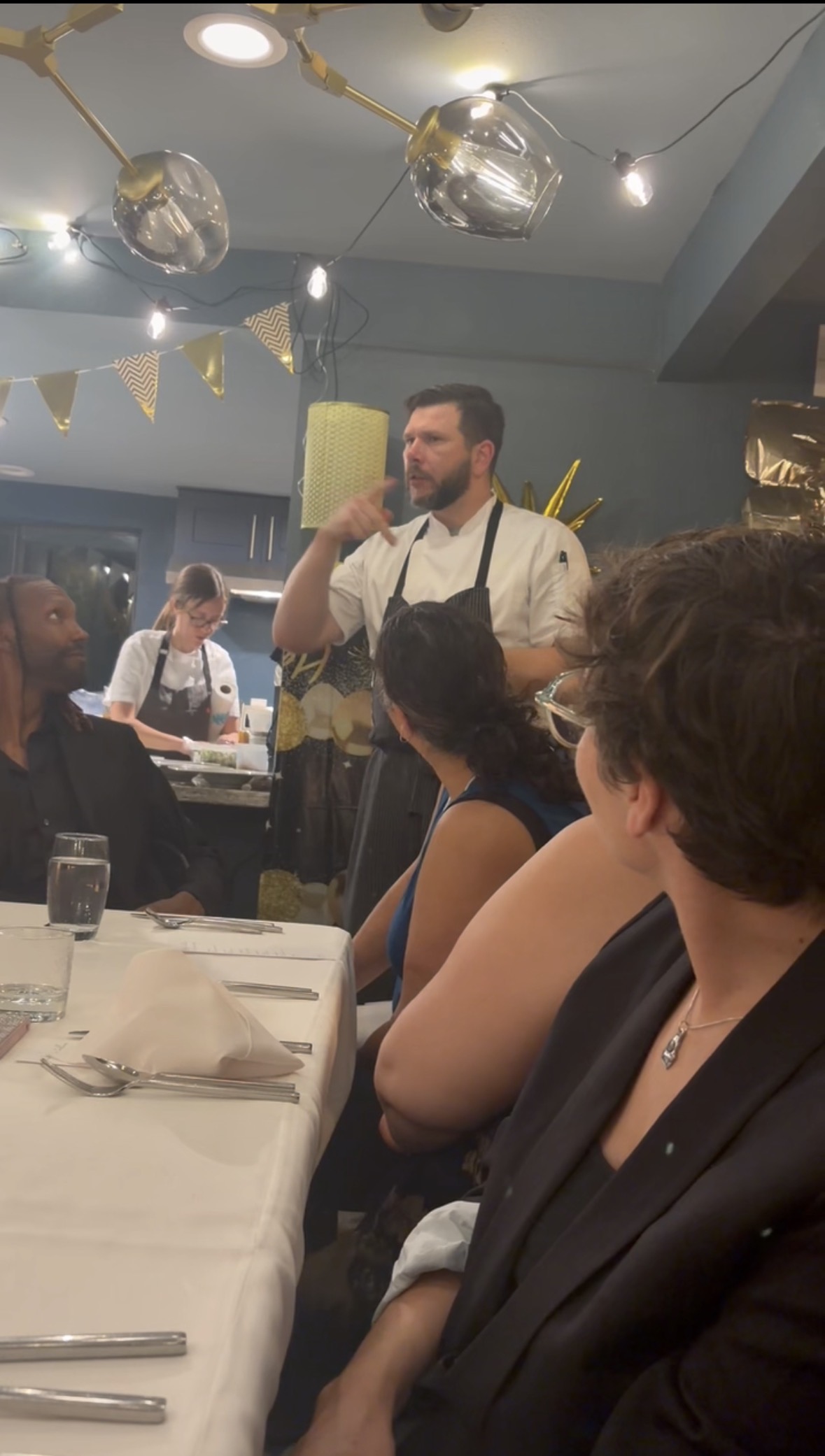
Success shouldn’t depend on how much adversity someone is willing to tolerate. Everyone deserves a seat at the table, including the people putting food on it.
Chef David Uzzell
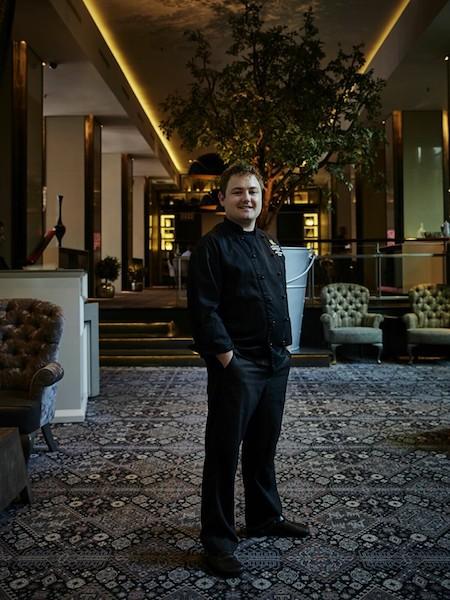
David, you’ve had a remarkable career in the kitchen, from cooking at the White House to working with José Andrés. How has working in F&B changed over the course of your career, and what are the biggest gaps you still see today?
David: In the 15 years I’ve been in the industry, the biggest change I’ve seen is that we’re becoming more thoughtful about the people behind the stove. We’re talking more about mental health and work-life balance, recognizing what immigrants, women, and people with disabilities bring to the table, and being more open about issues like pay fairness between the front and back of house.
But while the conversation has changed, there’s still a gap between talking about inclusion and actually running an inclusive restaurant. Deaf cooks can struggle to get hired because restaurants worry that communication differences will slow down a fast-paced kitchen where everyone else can hear. Those assumptions can prevent someone from getting a chance before a restaurant has even seen what they can do. And getting hired is only the first hurdle. Deaf cooks also need the same access to information, mentorship, and opportunities to develop that their hearing peers receive.
That’s one of the biggest gaps I still see: signing deaf people rarely hold leadership positions in the industry. I can count on one hand the number of signing deaf people I know who lead a hearing-staffed kitchen or manage a hearing-run restaurant. Too often, deaf people have to create those opportunities for themselves, work a hundred times harder to outshine everyone else, or find a boss willing to take a bet on them.
Since moving into front of house and management, I’ve been rethinking some of the treatment I accepted as a line cook and even as a chef. Success shouldn’t depend on how much adversity someone is willing to tolerate. Everyone deserves a seat at the table, including the people putting food on it.
September is Deaf Awareness Month. What are the most important ways that the industry can better support deaf chefs?
David: The biggest thing the industry needs to reframe is how we think about working with deaf people. There can be an assumption that hiring a deaf person means extra work—communicating differently, changing a system, or learning something new. But kitchens already require people to adapt to one another. We learn how our coworkers communicate, develop shorthand during service, and change systems when they aren’t working. Working with a deaf person is simply another version of learning how to work with the people on your team.
And often, those changes make the kitchen better for everyone. Sign language cuts through a loud kitchen. Visual timers work when five timers are beeping at once. Written lineup notes ensure everyone gets the same information. Mirrors improve visibility, and a tap with your elbow when passing behind someone adds another layer of caution.
This reframing becomes especially important when it comes to development. Restaurants may not realize how easily a deaf cook can be left out of incidental learning—the information hearing cooks pick up by overhearing conversations, instructions, and feedback. Deaf cooks may not even know what they’re missing. Over time, that adds up and can affect their opportunities to learn, grow, and advance.
I’ve experienced that myself. I had already worked as a chef de partie at a Michelin-starred restaurant when I entered another Michelin-starred restaurant as a prep cook because I wanted the opportunity to work in that particular kitchen. I asked to have a conversation about how we could work together and how I could grow there, including something as basic as access to the information shared during daily line-up. But for my entire time there, I stood through those line-ups without knowing what was being said. When I asked to have a conversation about it, the answer was simply no.
Supporting deaf chefs starts with recognizing that we’re already doing this kind of work in our kitchens—learning how people communicate, adapting systems, and figuring out what different people need to succeed. Deaf cooks also need to advocate for themselves and do their work well, but that isn’t always easy when there’s a power imbalance or when they’re missing access to information and opportunities. That’s why awareness matters: it puts everyone in a better place to start that conversation.
Can you share some of your most memorable experiences on the other side of the pass? What can restaurants do to better accommodate deaf diners?
Bri: When we go to restaurants, we usually send a note in advance letting them know that we’re deaf and that we use sign language. We’ll suggest a few alternatives to speaking to us, like notecards or printed information about the menu, and we enjoy seeing how different restaurants approach it. There’s room to have fun and be creative with accessibility—it can become part of the hospitality experience rather than something separate from it.
A couple of memorable meals come to mind. At a three-Michelin-star restaurant in New York, the team gave us notecards with extremely thoughtful 3D diagrams describing some of the most intricate courses—how to eat each dish, what the different ingredients were, and even which utensils to use. At a starred restaurant in Chicago, our captain delivered the entire meal in American Sign Language, which absolutely blew us away. Those experiences made us feel like the restaurants had really thought about how we could experience the meal as fully as everyone else.
But what’s interesting is that we returned to both restaurants a few years later, and the magic had evaporated. The New York restaurant gave us generic printed notecards instead of the thoughtful explanations we had received before. At the restaurant in Chicago, a server spoke to us to confirm our allergies and still got them wrong. That goes beyond hospitality—it becomes a safety issue. We had to pull out a phone to transcribe the conversation and then hand it to our captain throughout the meal just so we could understand enough to avoid getting sick. And we haven’t always been able to avoid it. Bri has had to excuse herself from the table and be sick during a nice dinner because a restaurant doubled down and insisted on communicating with us in a way we had explained we couldn’t access.
We’ve had plenty of great restaurant experiences over the years, but even the best restaurants in the world have room to improve when it comes to consistency with deaf diners who use sign language, especially with something as serious as allergies. Great hospitality shouldn’t depend on who happens to be working that night. Read the reservation notes, discuss accessibility needs during pre-shift or make a plan ahead of time, and, if you’re unsure what will work, reach out to the guest beforehand and ask. Often, it really is that simple.
What resources do you recommend for chefs, deaf and hearing alike, to help build a more inclusive workplace?
David: We recommend starting with resources created by deaf people and organizations. Bill Vicars’ YouTube channel is a great free starting point for learning ASL. Lingvano is another sign language learning resource that we frequently see recommended by new signers.
We’re also developing resources at Signs of Good Food specifically for the food and hospitality industry. They include signs and strategies that deaf people can use in both back- and front-of-house roles, and that hearing people can use when working with deaf colleagues, serving deaf guests, or even communicating with each other. I’m currently putting many of these approaches into practice as Assistant General Manager of Diane’s Place in Minneapolis, Minnesota.
What advice would you give to young chefs today?
David: Take care of your body, invest in good shoes, keep your knives sharp, keep your station clean, make mistakes and learn from them, and don’t get into hard drugs. Be curious and be ready to work hard.
Beyond that, especially early in your career, move around. Apply to the interesting restaurants you’ve heard about. Take lots of notes, ask lots of questions, write down the answers, and keep a copy somewhere because eventually you will lose a notebook. Understand that whether you’re one day or fifteen years into cooking, you’re always going to learn something new. That’s part of the job, and it’s part of what makes it fun.
For young deaf chefs, I’d add two things. First, by virtue of being deaf, you’re already memorable, so make it count. Be kind to your colleagues and build relationships because you never know what doors those connections might open later.
Second, find the right team. A good team will include you, show curiosity about you as a person, and make an effort to figure out what works. It might not be perfect, but they’ll try. Speak up sooner rather than later about what’s working and what needs to change, especially before habits set in. Don’t accept being shut out of meetings or pre-shifts. Figure out how to make those situations accessible; for example, there are good transcription tools that can help you keep pace.
And if a restaurant treats you like an inconvenience instead of part of the team, that’s a red flag. Pack up your knives and find another kitchen. I spent too long thinking I had to grind it out in toxic workplaces to move up, but you can learn from my mistakes. Kitchens are always looking for good people, and the great ones won’t care that you’re deaf—they’ll care whether you can bring the noise.
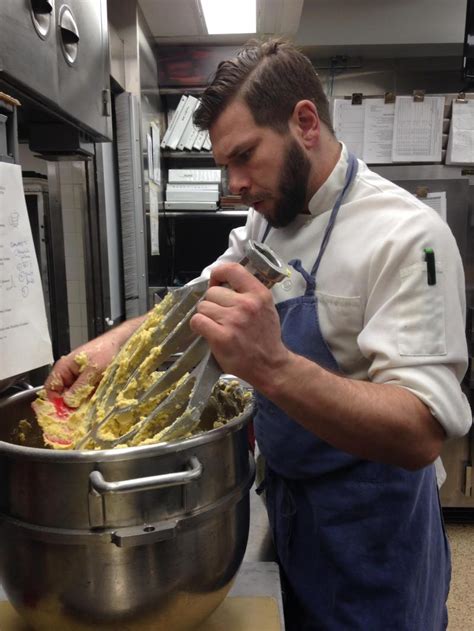
Working with a deaf person is simply another version of learning how to work with the people on your team.
Chef David Uzzell
For culinary professionals interested in getting involved or being a part of the Deaf Food Atlas, where can they learn more?
Bri: Our Deaf Food Atlas currently features 148 open deaf-owned or deaf-staffed food businesses around the world, with 184 locations documented in total (36 have since closed). Deaf food businesses interested in being included can visit signsofgoodfood.com or send us a message on any of our social media platforms. We read every message and always love hearing from new businesses. It’s a unique and growing community, and we’re still witnessing a lot of firsts. Washington, D.C., for example, didn’t get its first deaf-owned restaurant until 2020. We’re excited to see a distinct culinary community starting to take shape around the world, where sign language is central to the hospitality experience.
Lastly, what is your favorite food-related sign? In ASL or other languages.
Bri: Recently our favorite food signs have been POTATO in Japanese Sign Language and PICKLE in the Minnesotan dialect of ASL. We love seeing how food signs differ—or sometimes stay surprisingly similar—across sign languages and cultures. Many food signs are iconic, meaning the sign visually reflects the food, how it’s eaten, or how it’s prepared. Sometimes, just by seeing a sign, you can learn something about another culture’s relationship with food.
We share signs like these on our social media because, to us as deaf people, they’re another part of understanding the signs of good food. And if you visit a restaurant on our Deaf Food Atlas in another country, you might even find yourself using one of those signs—or learning a new one from the people you meet there.
Sign language across the pass, a tap on the back for behind, visual aids to improve safety and efficiency—developing systems through the leadership of deaf cooks and chefs is just developing better systems.
Yet, deaf colleagues are often left out of opportunities to advance in the industry, especially at leadership levels. That needs to change. Mastering kitchen communication requires learning, adapting, and advocating for better systems.
When we bridge the gap between talking about inclusion and running an inclusive restaurant, we can achieve better team culture, better service, and a better industry.
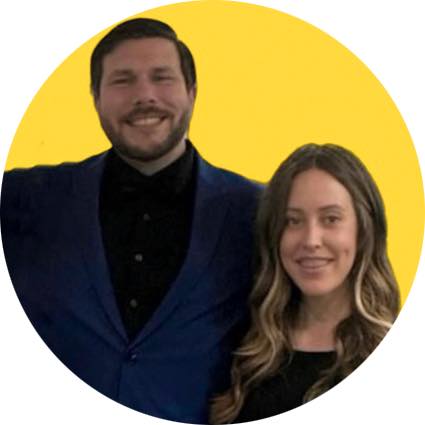
Follow David and Bri on Instagram at @signsofgoodfood and read more about their work at signsofgoodfood.com.
About Signs of Good Food
David Uzzell is a deaf chef with a history degree and more than 15 years of experience in the restaurant industry, primarily in fine dining. Bri Herold is a deaf engineer with a background in biology and chemistry who is curious about food science and nutrition and how to use that knowledge to take dinner to the next level.
Together, they test, translate, and simplify professional techniques for curious cooks at every level, sharing food knowledge through recipes, experiments, and sign language. They encourage people to play with their food, explore what makes it good, and feel confident making something delicious with what they have at home.
Credits
Sincere thanks to Bri and David for this interview.
Written by Clare Crowe Pettersson.