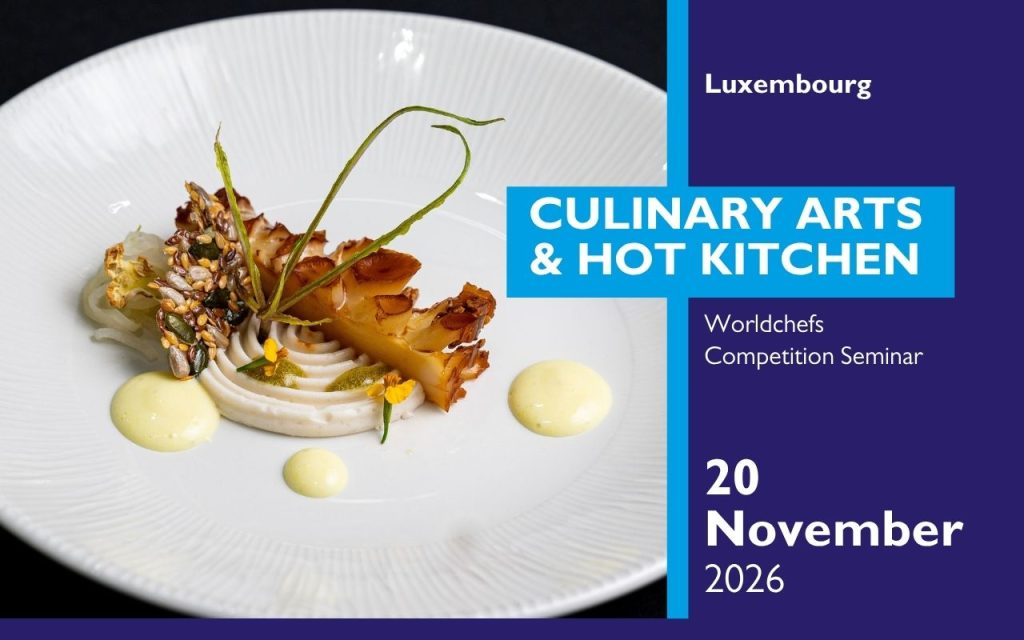
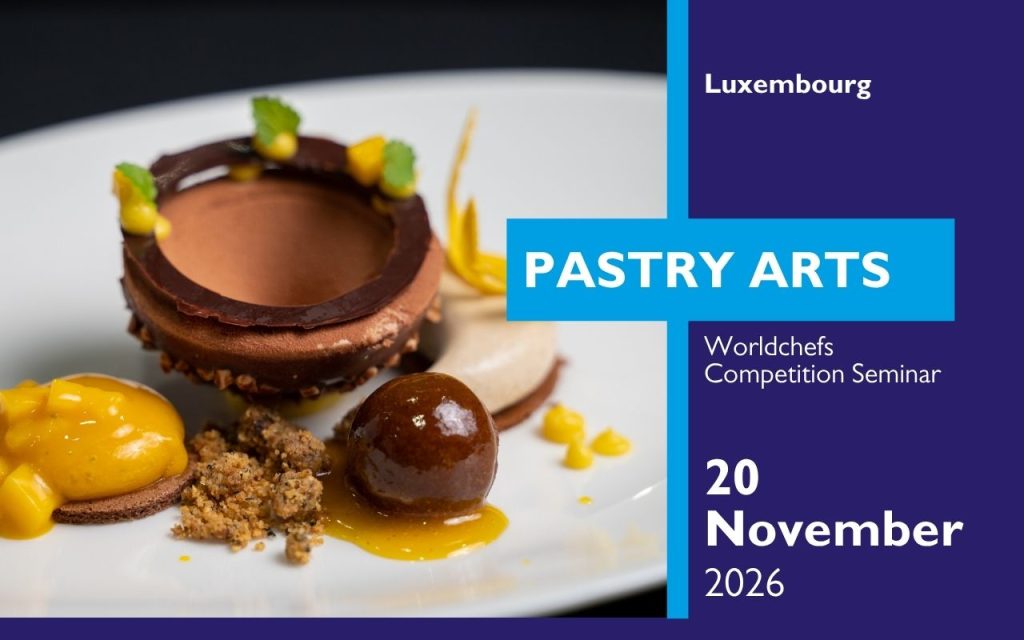
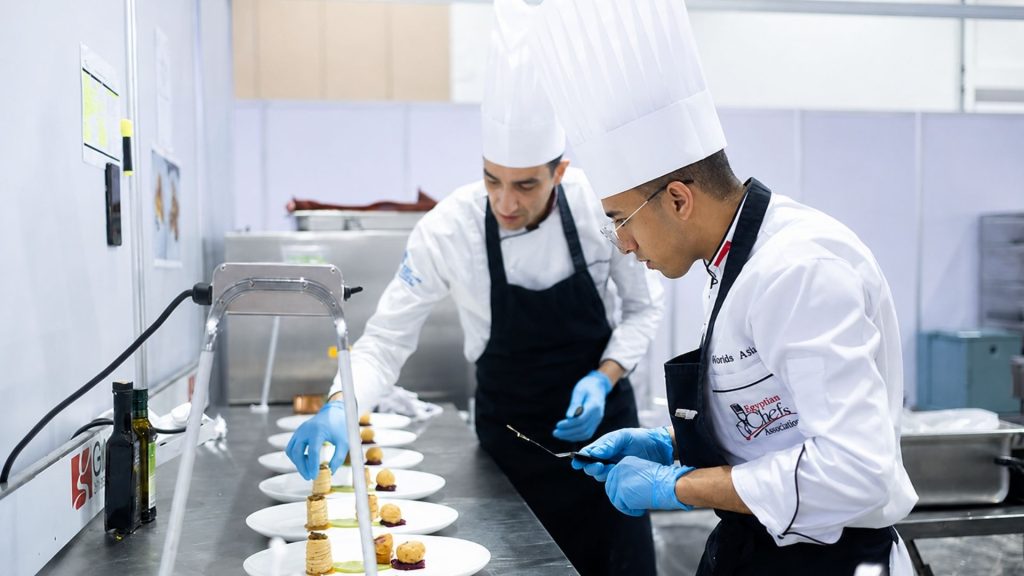
Worldchefs is bringing two Competition Seminarsto Luxembourg for chefs, competitors, trainers, and aspiring judges ready to take the next step in the competition arena. Designed to provide a clear understanding of international culinary competition standards, these seminars help participants stay up to date on rules, judging criteria, presentation expectations, service process, and current culinary trends.
Hosted in person at LuxExpo The Box on 20 November 2026, the seminars will focus on two key areas of competition: Culinary Arts & Hot Kitchen and Pastry Arts. The seminars will take place just one day before the RAK Porcelain Culinary World Cup 2026 opens at the same venue, giving participants a valuable opportunity to learn, prepare, and connect ahead of one of the world’s leading culinary competitions.
Register today and get ready to elevate your skills, prepare for your next competition, and connect with Worldchefs members and culinary professionals in Luxembourg.
Learn indispensable tips to excel in culinary competitions, and understand the service process and presentation details to make sure you know everything from the very beginning to the end.
Be the first to discover current culinary trends, innovations in modern kitchen equipment, and the latest technologies used in competition.
Engage with renowned chef instructors and get inspired alongside a diverse and driven class of competition chefs, aspiring judges, and influencers in the culinary space.
Judges: Why attend?
Keep up to date with culinary trends, and discover all the latest rules necessary to provide fair judgment during competition events.
Engage with renowned chef instructors and network with a diverse and driven class of competition chefs, aspiring judges, and influencers in the culinary space.
Current judges: All Worldchefs Certified Judges are required to attend a Competition Seminar every five years.
Future judges: Take the first step towards becoming a Worldchefs Certified Judge. Participants receive a certificate of participation after attending a Competition Seminar. This certificate of completion is one of the mandatory requirements when submitting a Worldchefs Certified Judge application.
A Wider Worldchefs Presence in Luxembourg
Held on the eve of the RAK Porcelain Culinary World Cup 2026, the Luxembourg Competition Seminars are part of a key moment for the international culinary community. From 21 to 25 November, chefs, teams, exhibitors, and culinary professionals from around the world will gather at LuxExpo The Box for this leading culinary competition.
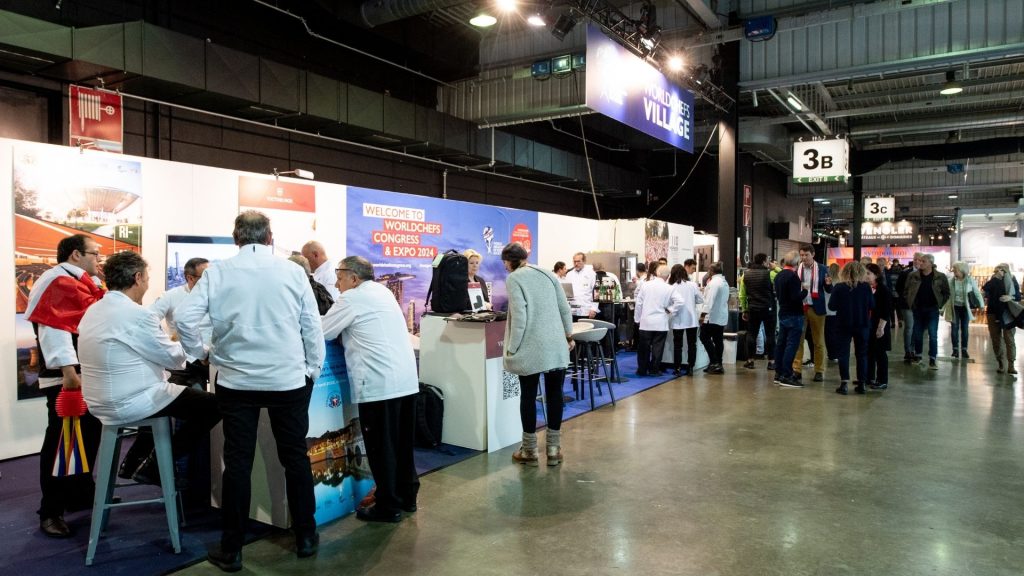
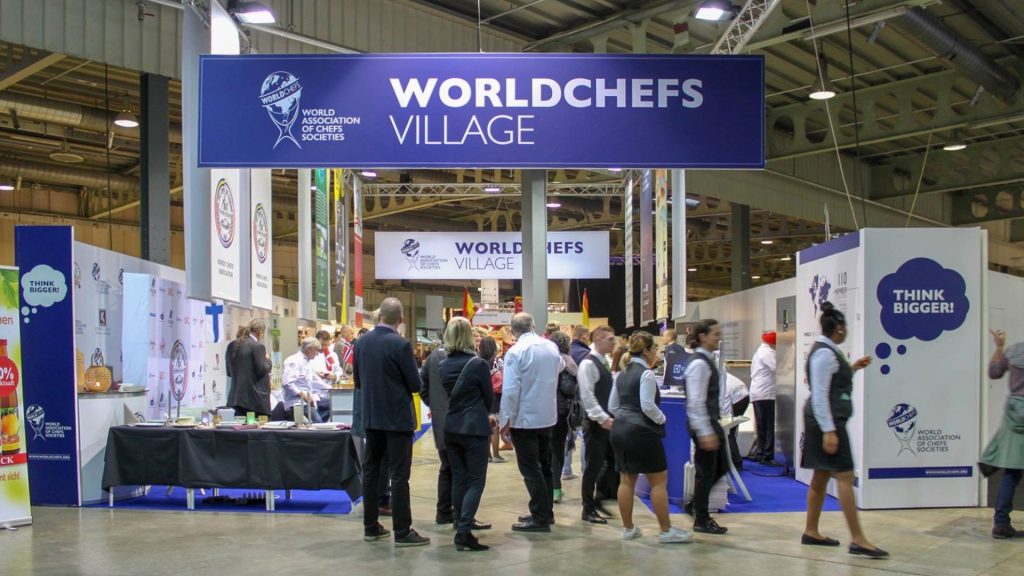
During the event, Worldchefs Village will provide a dedicated space for Worldchefs members, National Member Chef Associations, Worldchefs Recognized Schools, partners, and industry professionals to meet, exchange, and connect. Together, the seminars, the competition, and Worldchefs Village make Luxembourg a central meeting point for culinary learning, competition, and global networking.
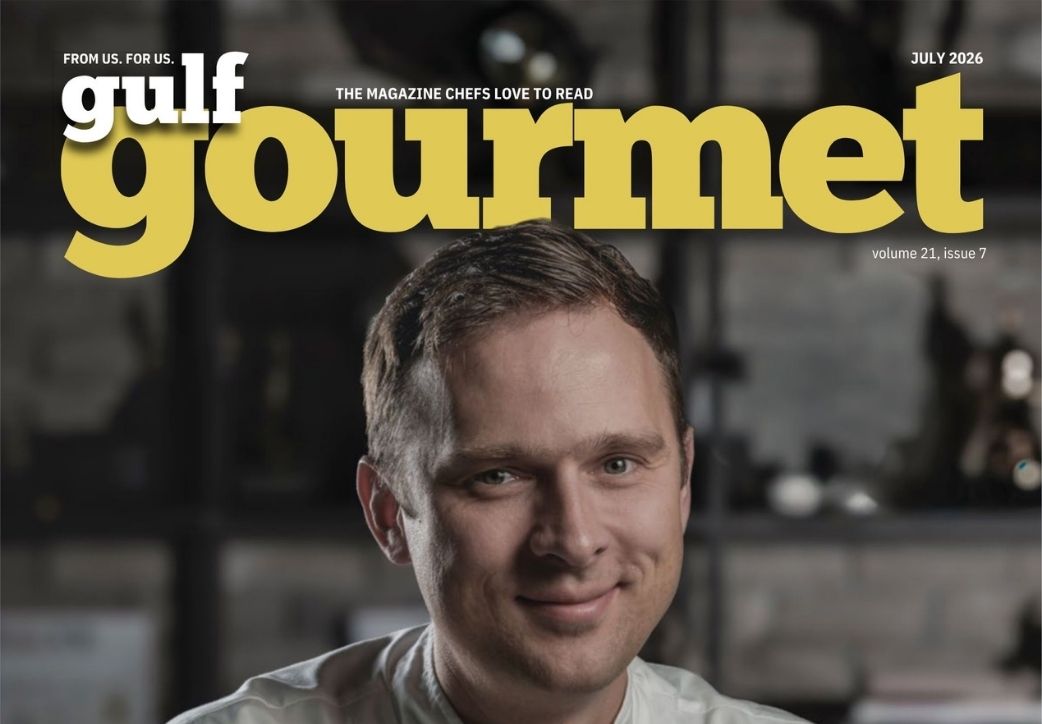
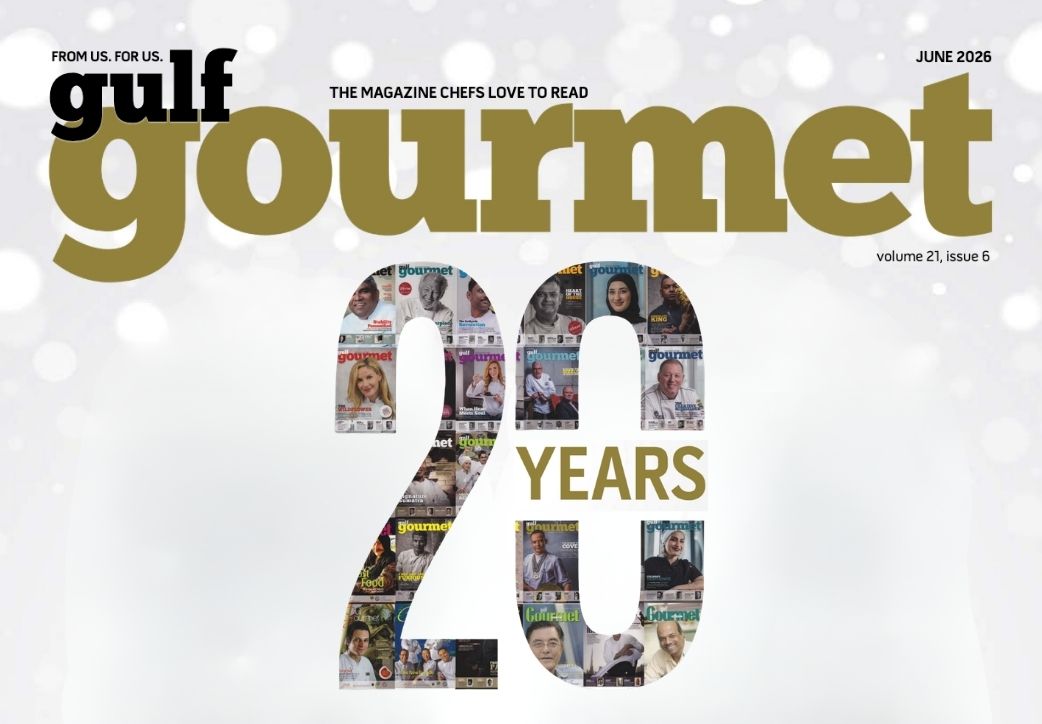
In the July 2026 edition of Gulf Gourmet Magazine, meet Chef Yury Evfimenko and discover a flavour universe shaped by first-class dining, global cuisine, and culinary curiosity.
The Emirates Culinary Guild (ECG) is the association of professional chefs of the UAE. It is a non-profit-making organisation, organised by volunteers dedicated solely to the advancement of culinary art in the UAE.
The World Association of Chefs Societies (Worldchefs) (www.worldchefs.org) is the 105-nation fellowship of the world’s various professional chefs’ organisations.
The ECG received its charter into Worldchefs at a ceremony in Stavanger, Norway on June 28, 1994, during the Worldchefs 26th World Congress. Worldchefs endorses the ECG as the authorized professional culinary association for the UAE. The ECG, thereby, has an international culinary focus and multi-national support for the staging of its various competitions, seminars and events.
The aims of the ECG, broadly, are:
To encourage and inspire young chefs through training and competition.
To enhance internationally the culinary prestige of the UAE.
To encourage UAE nationals to consider a career within the hospitality industry.
Social media plays a large part in the Guilds self-promotion and the Gulf Gourmet magazine drive awareness around the globe.
Follow these links for more information on the Emirates Culinary Guild:
Following the devastating earthquakes that struck Venezuela on 24 June 2026, families across affected areas are facing urgent and immediate needs. Many have lost their homes, access to basic services, and the security of daily life.
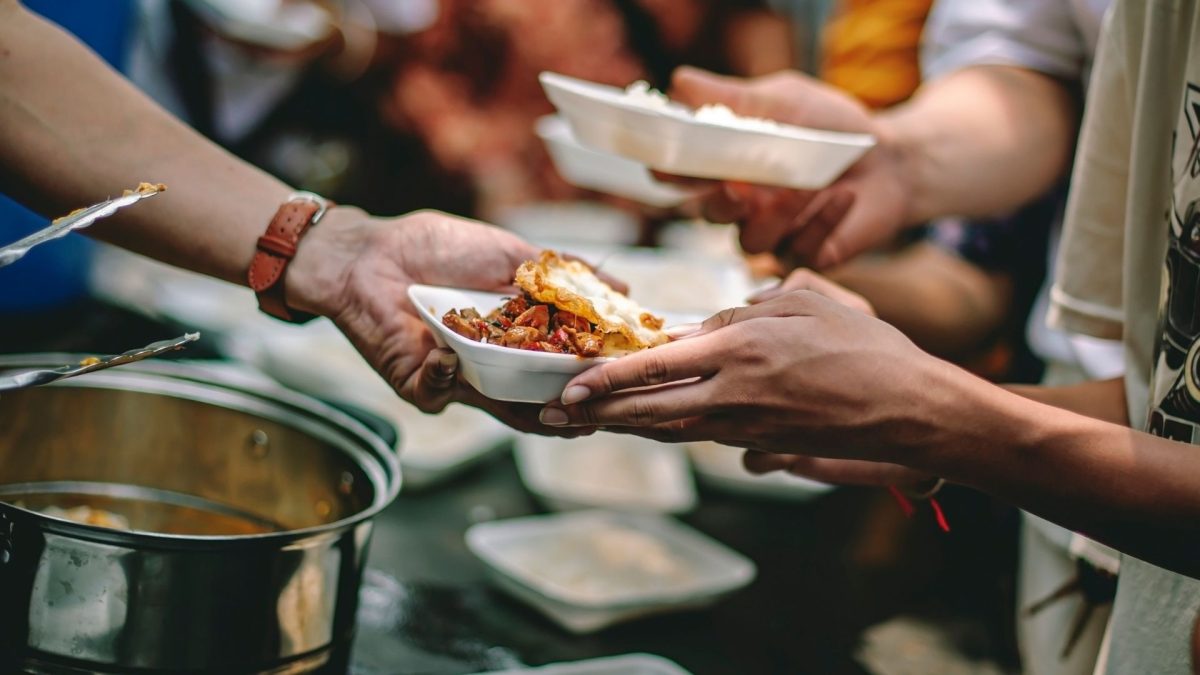
In moments like these, the global culinary community has a powerful role to play. Chefs know what it means to nourish people in their most vulnerable moments. Through the WCWB Venezuela Earthquake Relief Fund, donations will support food relief, emergency nutrition, and community assistance for those impacted by the disaster.
We urge chefs, national member associations, partners, and friends of Worldchefs to donate, share this appeal, and help mobilize support within their communities.
Together, we can help bring support and hope to the people of Venezuela.
How You Can Help
Join us in supporting relief efforts by donating to provide direct aid to those affected. Your contribution will help provide emergency food assistance, essential supplies, and support for affected communities.
Together, we can stand in solidarity with the victims of these earthquakes, offering hope and support in their time of need. Every contribution counts and brings us closer to helping communities rebuild and recover.
Organization name: World Association of Chefs Societies Bank name: BNP Paribas Bank address: 81 Boulevard de Sébastopol, 75002 Paris, France IBAN: FR76 3000 4024 8400 0103 3959 223 Account No: 00010339592 SWIFT/BIC: BNPAFRPP
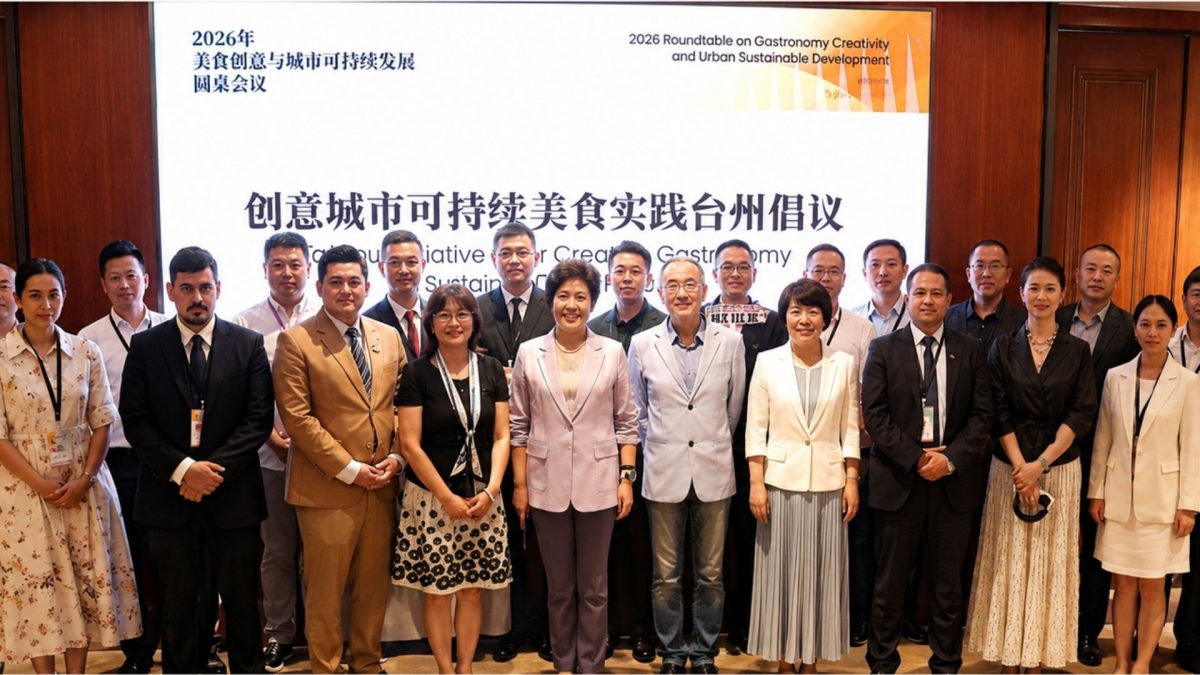
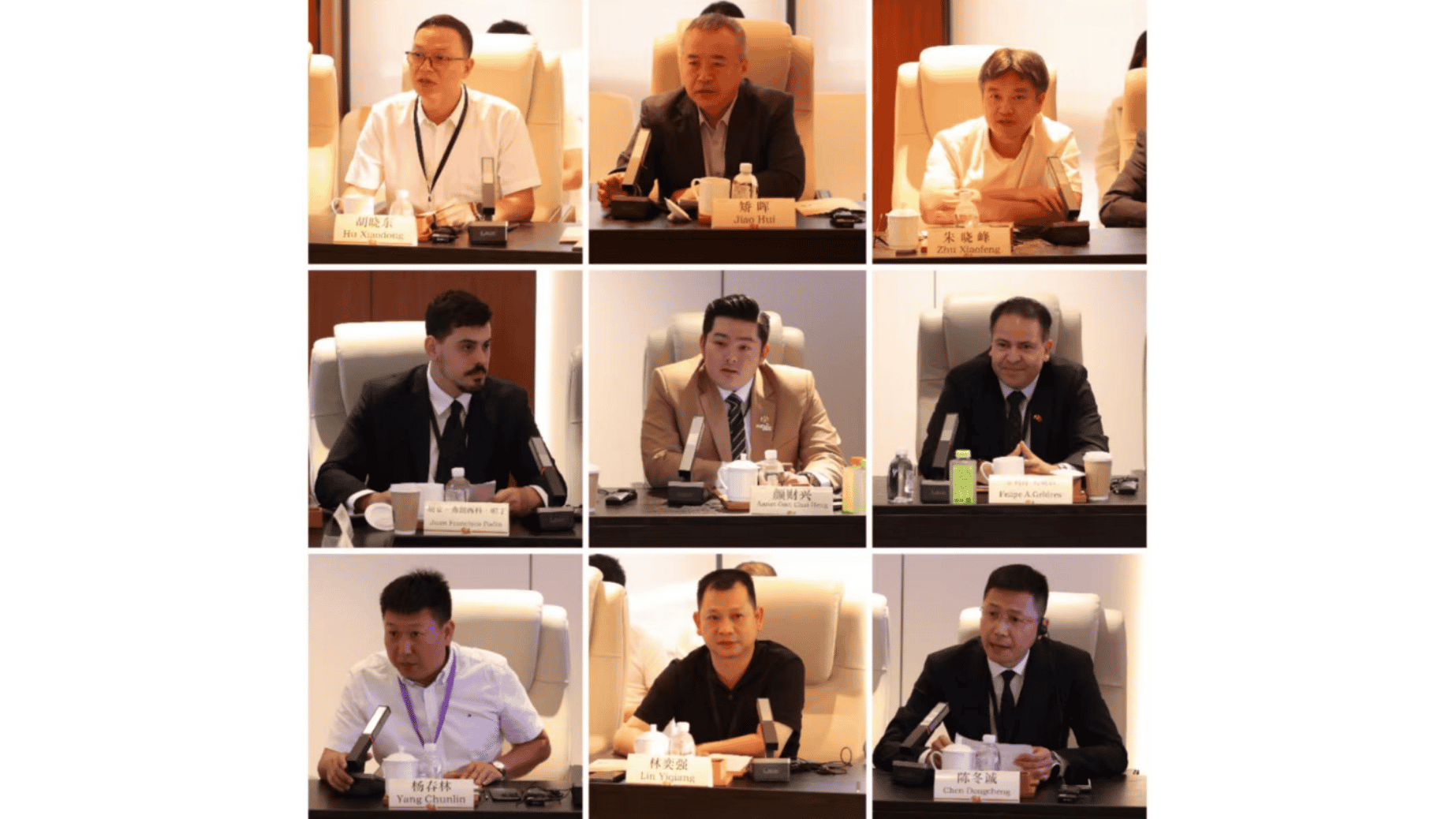
The China Cuisine Association (CCA), a Worldchefs national member, brought together culinary, diplomatic, government, industry, and academic representatives in Taizhou, Zhejiang Province, for the 2026 Roundtable on Food Creativity and Sustainable Urban Development.
Held on 14 June 2026, ahead of the 10th anniversary of the United Nations Sustainable Gastronomy Day, the event focused on strengthening knowledge exchange and multilateral cooperation in gastronomy creativity, positioning gastronomy as a driver of sustainable urban development.
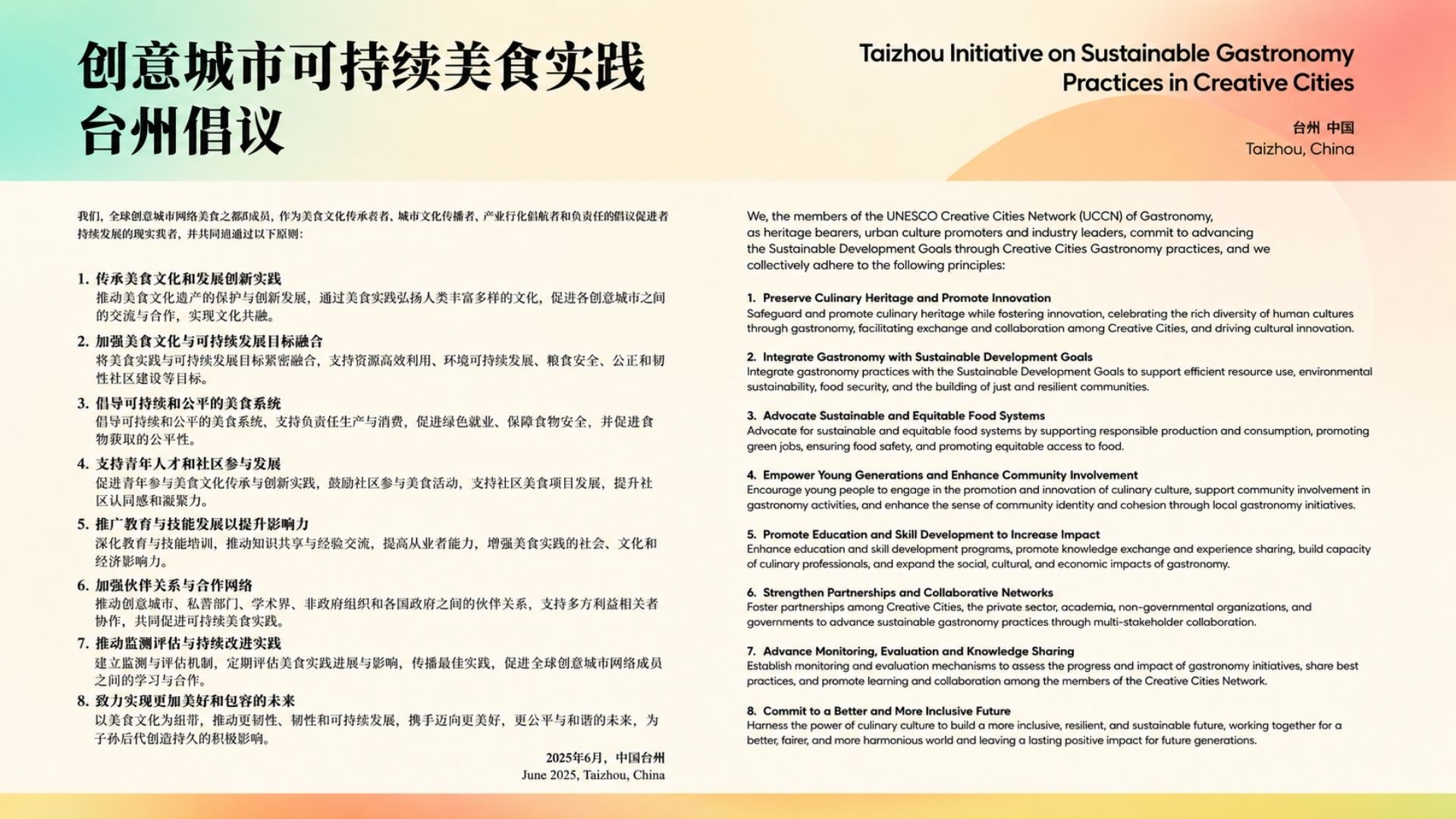
A key outcome of the roundtable was the release of the Taizhou Initiative on Sustainable Gastronomy Practice in Creative Cities, calling for greater collaboration between cities and global partners through sustainable gastronomy, cultural exchange, and creative development.
The Taizhou Initiative on Sustainable Gastronomy Practice in Creative Cities released during the 2026 Roundtable
The roundtable welcomed representatives from the Consulates General of Argentina, Chile, and Malaysia in Shanghai, alongside government, industry, and academic delegates from five UNESCO Creative Cities of Gastronomy in China — Chengdu, Shunde, Yangzhou, Chaozhou, and Quanzhou — as well as distinguished practitioners from Taizhou.
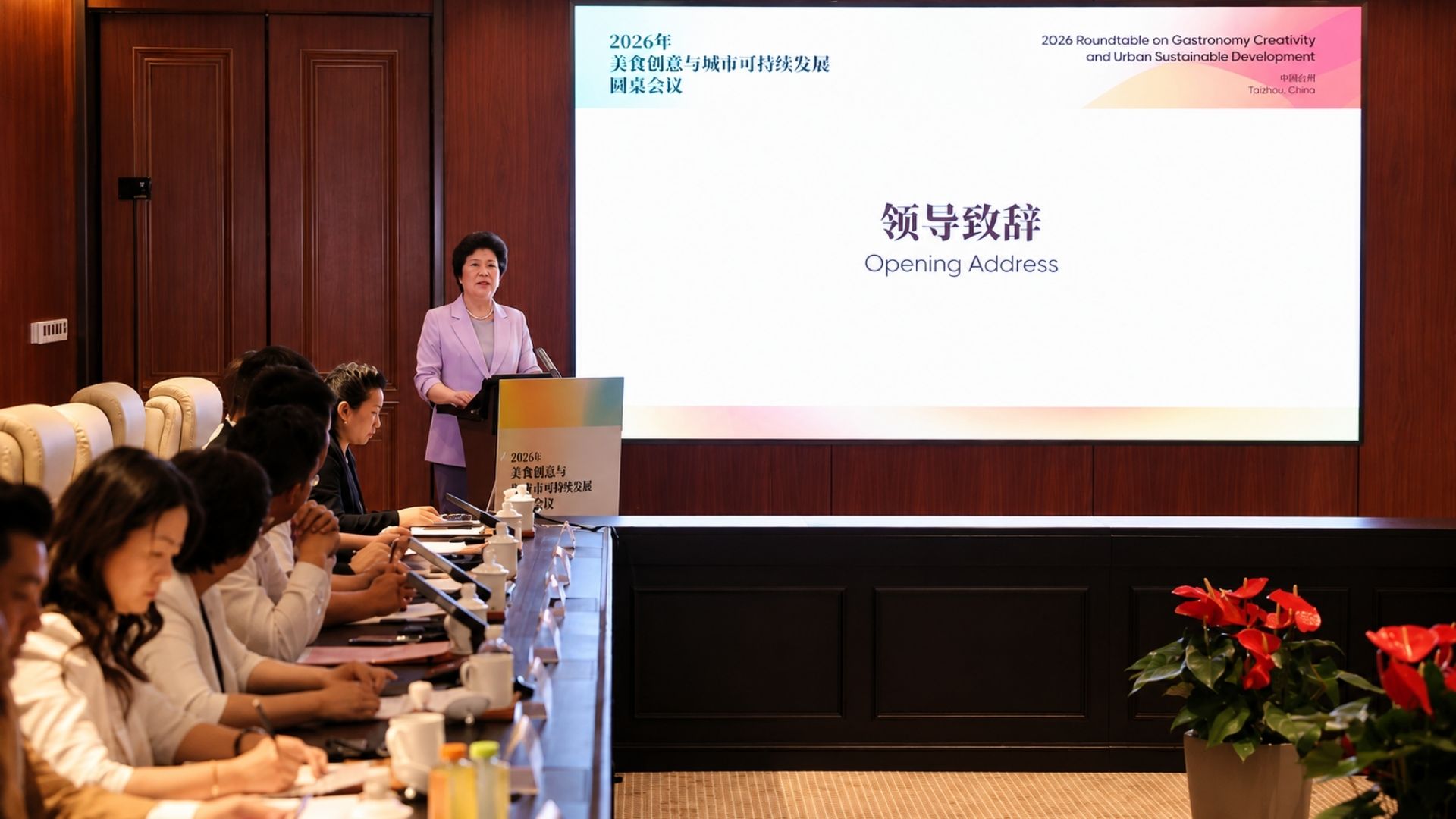
“We have supported cities nationwide in systematically advancing food heritage preservation, culinary industry cultivation, and international exchange. While presenting Chinese gastronomy to the world, we actively benchmark against global best practices in creative cities — learning from each other and continuously elevating the international profile of China’s gastronomic cities,” said Yang Liu, President of the China Cuisine Association.
Yang Liu, President of the China Cuisine Association, delivers opening remarks
Cheng Weibo, Vice Mayor of Taizhou Municipal Government, highlighted Taizhou’s three-pillar approach to sustainable gastronomy: ecological stewardship through globally recognized agricultural heritage systems, industrial leadership in kitchenware manufacturing and culinary technology export, and cross-sector cultural diplomacy that elevates local cuisine into a vehicle for international exchange.
Professor Jia Yunfeng, UN Tourism Expert and Senior Researcher at the University of Münster, Germany, delivered the keynote address “Food Creativity and Sustainable Urban Development: An International Perspective.”
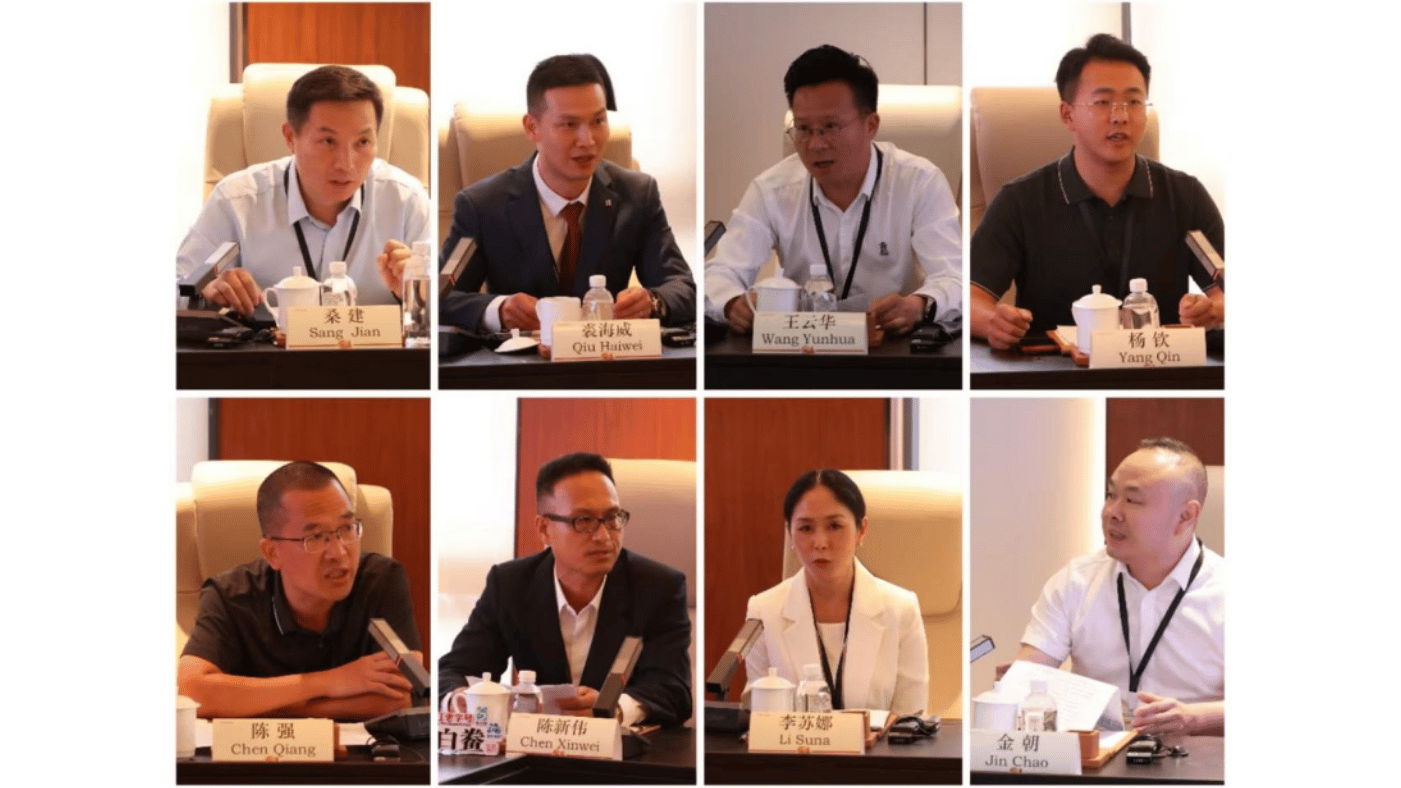
Two thematic dialogues, “Gastronomy: Driving Sustainable Urban Development” and “Food × Creation: Cross-sector Innovation and Diverse Symbiosis,” explored cross-sector integration, culinary diplomacy, communication strategies, and international collaboration in the “Gastronomy+” ecosystem. The discussions also featured vivid, on-the-ground case studies from Taizhou and development pathways shared by representatives from China’s five Creative Cities of Gastronomy.
Representatives and delegates at the 2026 Roundtable
Looking ahead, the China Cuisine Association will continue to leverage multiple UN international days as anchor points to build regularized exchange and cooperation mechanisms with global partners. Through multilateral platforms, CCA will work hand-in-hand with cities to tell China’s gastronomic story, strengthen China’s culinary industry, and elevate China’s gastronomic city brands, contributing to global sustainable development in creative cities.
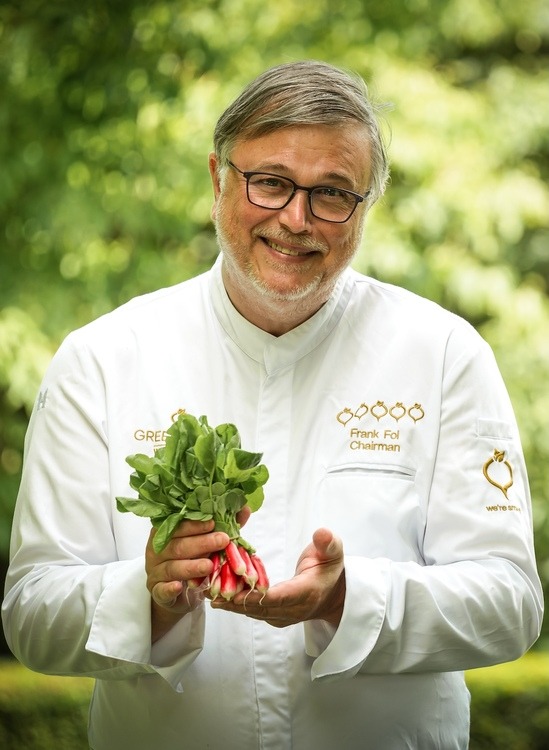
A chef’s recommendation is more than a selling point. It’s an opportunity to rebuild trust and drive change.
From chefs’ specials to viral recipes, what a chef recommends means more now than ever. Whether it’s a new ingredient or an issue they advocate for, people care what’s cooking.
Why? Every restaurant visit is a small exercise in trust. If a chef suggests a dish, a customer orders it not because they’ve studied its origins, ingredients, or technique. They try it because they trust the chef.
That trust is powerful. It can help to shape what and how people eat. It is fundamental in systems change and development, a binding agent — an essential ingredient of growth, societal well-being, and governance. Trust is also sorely lacking in so many institutions today, and much more difficult to add than a bit of salt.
The food service sector occupies a unique position between producers, policymakers, and consumers, making it a powerful driver for healthier and more sustainable food choices. Restaurants are increasingly serving as educational spaces and cultural conduits. In the halls of the United Nations, school canteens, community kitchens and boardrooms, chefs are showing up to deliver important recommendations.
Chefs have been recognized as agents of change for decades. But today they have a bigger platform than ever to drive change, as trusted messengers in their communities and in the global movement towards good food for all. In this article, we explore how building trust, insights from behavioral science, and global initiatives are providing chefs everywhere with opportunities to make an impact.
Trusted Messengers: Chefs deliver more than food & flavor
WHAT IS A TRUSTED MESSENGER?
We’re borrowing the termfrom public health. Trusted messengers are who people turn to for reliable, unbiased information. They can take many forms, from individuals to organizations. Be it a local health clinic, hairdresser, preacher or chef, who communities consider to be trusted messengers varies based on shared experience, identity, values, and built relationships. They earn this confidence by participating in and understanding culture. Their position and perceived credibility means they can deliver messages that make sense to their community, messages that are more likely to have influence.
Beyond being respected sources of information, trusted messengers are also conduits, helping to deliver information across their network. They are essential in communicating the needs and concerns of their community to others. They help to center values by sharing them in an authentic way, and by doing so, ensure that our food systems are grounded in lived experience and wellbeing, not just technical solutions.
Who delivers a message matters. They are the bridge between information and action. Whether or not the messenger is trusted makes all the difference.
CHEFS & THE STATE OF TRUST
We don’t really need references to write that trust, broadly, is at a low point. The research might still stun. The 2026 Edelman Trust Barometer finds that 70% of the global survey’s 33,938 respondents across 28 nations are hesitant or unwilling to trust someone who has different values, information sources, approaches to societal problems, or backgrounds than them. Optimism is at a low, too, with just 32% of people globally believing the next generation will be better off.
While trust in institutions, media, and others wanes, greater transparency is also being demanded, especially when it comes to food. Despite the pessimism, people care about and are actively seeking information on what they eat. The question is: who do people trust enough to listen to?
In the face of a global food crisis, the news isn’t always easy to swallow. But who would shoot the messenger when they’re bringing you a delicious meal? Perhaps this is one of the many reasons behind why chefs make strong trusted messengers, and why recent research shows that food service professionals are increasingly viewed as trusted voices.
The new Consumer Observatory Trust Report from EIT Food – The State of Trust in Europe’s Food System tracks how trust has evolved between 2021 and 2025 across five key Food System actors: farmers, retailers, restaurants and caterers, manufacturers, and public authorities. Key findings from the report include:
Farmers continue to lead on trust: 68% of Europeans trust them in 2025.
Retailers are regaining trust, now at 54%.
Restaurants and caterers see the biggest gain, rising from 48% to 53%.
Authorities and manufacturers are improving, yet remain among the least trusted actors.
Transparency, competence, and care are the key drivers of trust recovery.
The Edelman Trust Barometer survey has also shown gains in food influencers as trusted voices, especially when it comes to leveraging relationships to boost institutional trust. A key finding in Trust’s 2026 report illustrated that trusted voices in food can open doors. People who trust influencers say they would trust or consider trusting a company they currently distrust if it were vouched for by someone they already trust, such as a food or lifestyle influencer (62%, among the 48% who trust an influencer). In a time when consumer confidence is desperately lacking, who or what a chef gets behind can also help to broker trust.
The data show that chefs yield power. As connectors and food culture custodians, they serve as a direct link between diverse food systems actors through their daily interactions with food producers and diners alike. Their expertise and credibility give them a unique platform to educate on topics ranging from nutrition and biodiversity to local sourcing and agroecology. Their reach helps shape food choices across the food web.
Food is deeply connected to emotion, memory, and personal histories. As storytellers, chefs make tangible what usually gets lost in technical jargon or policy dialogue. Through the universal language of food, they translate complex issues into relatable, actionable messages that resonate with decision makers, from heads of household to heads of state.
Rising trust in restaurants, caterers, and food influencers demonstrates the growing influence of chefs as trusted messengers. It also offers an opportunity to inform how we can rebuild trust, centering identity, values, and community engagement. Trust is a prerequisite for meaningful behavior change. By understanding where and why trust is making gains, communities, advocates, and policymakers can better support the movement towards healthier and more sustainable diets.
Today, everyone has to take action to make our planet a better place. Working on sustainability can be done with little action: more plants in your food, less waste, using blue water to cook, grey water to clean, etc. Every small action makes a difference. Let’s do this together.
TRUST & CHANGING WHAT WE EAT: LEVERAGING BEHAVIORAL SCIENCE
We know that cost, convenience, and taste are top considerations when it comes to consumer choices. Yet even in a cost-of-living crisis, 88% of consumers consider trust to be just as important as price and quality. Chefs, as trusted messengers, can inform these choices. People listen to chefs; they act on their recommendations. This is a bigger deal than most might realize.
What we choose to eat has far-reaching impacts on both markets and climate. Consumers’ purchasing decisions account for about 60% of the world’s GDP and constitute nearly half of food-related greenhouse gas emissions. The food environment impacts how people make these choices, and while it can be forced using strategies like taxes and bans, these measures only go so far. To get to the root, we need to change behavior.
When it comes to shifting consumer food decisions, research shows that positive and engaging experiences do more than fear-based messaging. The emerging field of culinary psychology explores how memory, culture, emotion, and environment shape what and how we eat. Chefs influence behavior through many different methods, including menu architecture, plating, portion perception, and sensory cues, to create satisfying, health-conscious experiences while maintaining people’s sense of autonomy. Essentially, they make change fun rather than fearful.
Stelios Kiosses, psychotherapist, Course Director at the University of Oxford, and author of Culinary Psychology: Food Choices and the Mind-Body Connection, is a pioneering voice in the emerging field of culinary psychology. With over three decades of clinical experience, Stelios explores how food is inseparably connected to how we think, feel, and live. In this podcast, he discusses the ways chefs and culinary experiences can influence wellbeing, behavior, and satisfaction.
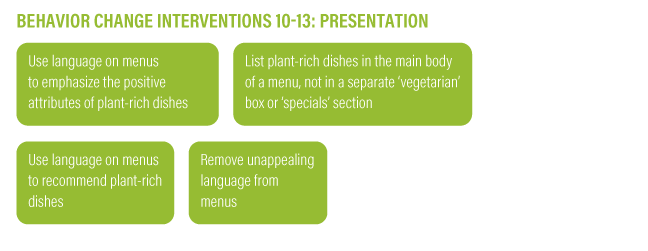
Everyday success stories and the latest research show that co-creating behavioral change interventions with restaurants works. Simple strategies, like using more appealing language to describe a plant-rich dish, are helping to accelerate better consumer choices. For example, Panera Bread swapped the menu item name “Low Fat Vegetarian Black Bean Soup” to “Cuban Black Bean Soup” in trial markets and saw a 13% sales boost. Simple. Ditching “-isms” and making plant-rich dishes the default in schools, hospitals, businesses, and workplaces is yielding remarkable results, too. With the help of behavior science, simple changes like these are having a big impact.
WRI’s Better Buying Lab outlines the top 23 ‘behavior change’ strategies drawing on cutting edge academic research into how people choose food, as well as insights from experts in the food service industry about what works and what doesn’t.
Behavioral change interventions in the food service sector have great potential in the puzzle toward healthier and more sustainable food choices, shifting consumer choices in a positive and engaging way. Chefs, as key voices working at the systems level, have a huge part to play.
From changing menus to participating in global initiatives, chefs are putting behavior change playbooks into action, leveraging behavioral science and using their expertise to cultivate trust and connection through transparency, competency, and care.
Transparency, Competency, Care: Feeding community trust
The recently released EIT report outlined transparency, competence, and care as the key drivers of trust recovery. When you think about it, those three elements are essential to the way professional kitchens operate.
To be successful, chefs need to bring transparency, competence, and care into every part of their work, from procurement and menu development to food safety and plating. Opportunities to lean into these priorities and to build trust show up in their daily decisions and interactions with suppliers, colleagues, and diners.
With a larger platform than ever to effect change, chefs around the globe are channeling their expertise, credibility, and platforms to empower communities and help to redesign a better food system. International initiatives like FoodChoices4Life and the World Food Forum’s Young Chefs Programme are working in collaboration with Worldchefs to grow the movement through education, mentorship, and practical guidance for culinary professionals everywhere. Emergency food relief efforts between World Central Kitchen and World Chefs Without Borders are showing the public that when systems fail, we can trust that chefs will be on the frontlines to feed their communities. And so many local programs are making social impact a key part of their culinary practice.
Through global initiatives and the actions of an increasing number of culinary associations, schools, and industry leaders, the food service sector continues to build skills to feed greater community trust, within the industry and beyond.
“This initiative is an incredible opportunity to work with young chefs from across the globe as they champion sustainable food systems in their communities, tackling issues such as food waste, nutrition, biodiversity, food heritage, and women’s empowerment,” says Jordann Norbert, Chief Executive Officer at EcoFood Training and Certification Agency and mentor for the FAO World Food Forum Young Chefs Programme (YCC). Learn more about the YCC here.
Takeaways
Chefs are more than food influencers. They are trusted messengers, policy advocates, and system shapers. Their expertise and storytelling capacity are powerful resources in achieving good food for all. By leveraging their influence, chefs can foster shared experience and community trust, impact behavior change and consumer habits, and reach policy and decision makers. From immigration reform and school meals to supporting small-scale producers and protecting biodiversity, chefs are actively engaged in issues that matter most.
As business owners, market drivers, and community builders, empowering their potential as trusted messengers is essential in recovering trust across the food web and working together towards a healthy, fair, and delicious food future.
Education is fundamental in this process. Open source resources to educate chefs on sustainable practices and behavioral science are bringing more culinary professionals into the fold. Mentorship and training programs like the Young Chefs Programme are equipping the next generation of industry leaders with the networks and know-how needed to tackle the world’s biggest challenges. All of this work is recovering trust — and recovering hope.
Systems change requires that we work together, and that requires trust. Chefs are connectors at every point in the food system and invite diverse voices to the table. Their invitation to action helps to drive meaningful engagement across communities, sectors, and demographics, and fights back against insularity.
Where can we build trust and connect to find common ground? The chef’s table is a great place for both.
Resources
Education is essential to continue to grow the movement and to strengthen every chef’s capacity as a trusted messenger and changemaker.
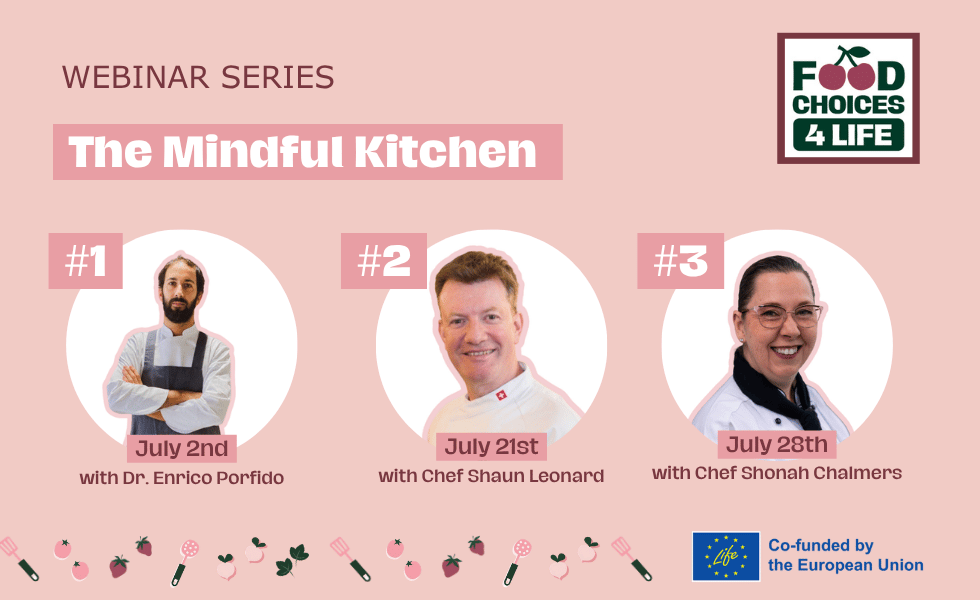
Worldchefs’ is offering three upcoming webinars as part of the FoodChoices4LIFE initiative:
The Mindful Kitchen. Designed for future-forward culinary professionals, the series explores how chefs can lead the transition toward more sustainable food systems through climate-smart kitchen practices, menu design, and guest engagement.
Across three connected episodes, top global experts will show how to bridge the gap between global food systems, daily kitchen operations, and consumer menu psychology, giving chefs practical tools to cut costs, eliminate waste, and inspire climate-smart dining.
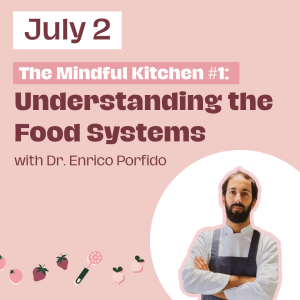
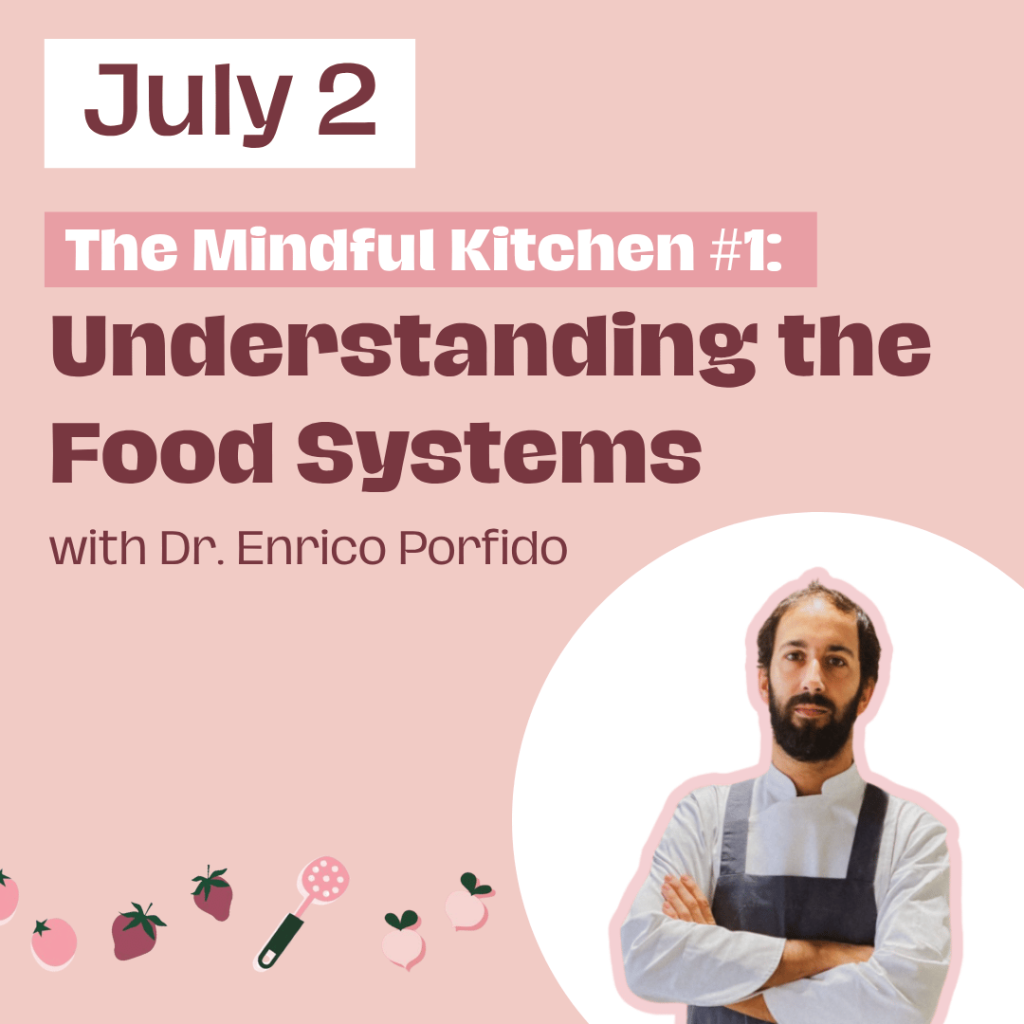
The series begins on July 2, 2026, with The Mindful Kitchen #1: Understanding the Food Systems, featuring Dr. Enrico Porfido from the Universitat de Barcelona. This foundational webinar explores the global farm-to-fork network, the role of food policies, and how chefs can use menus and guest experiences to encourage climate-smart dining.
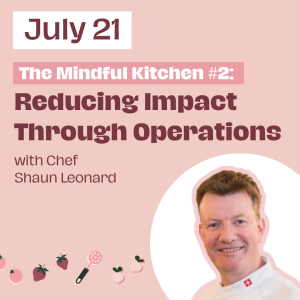
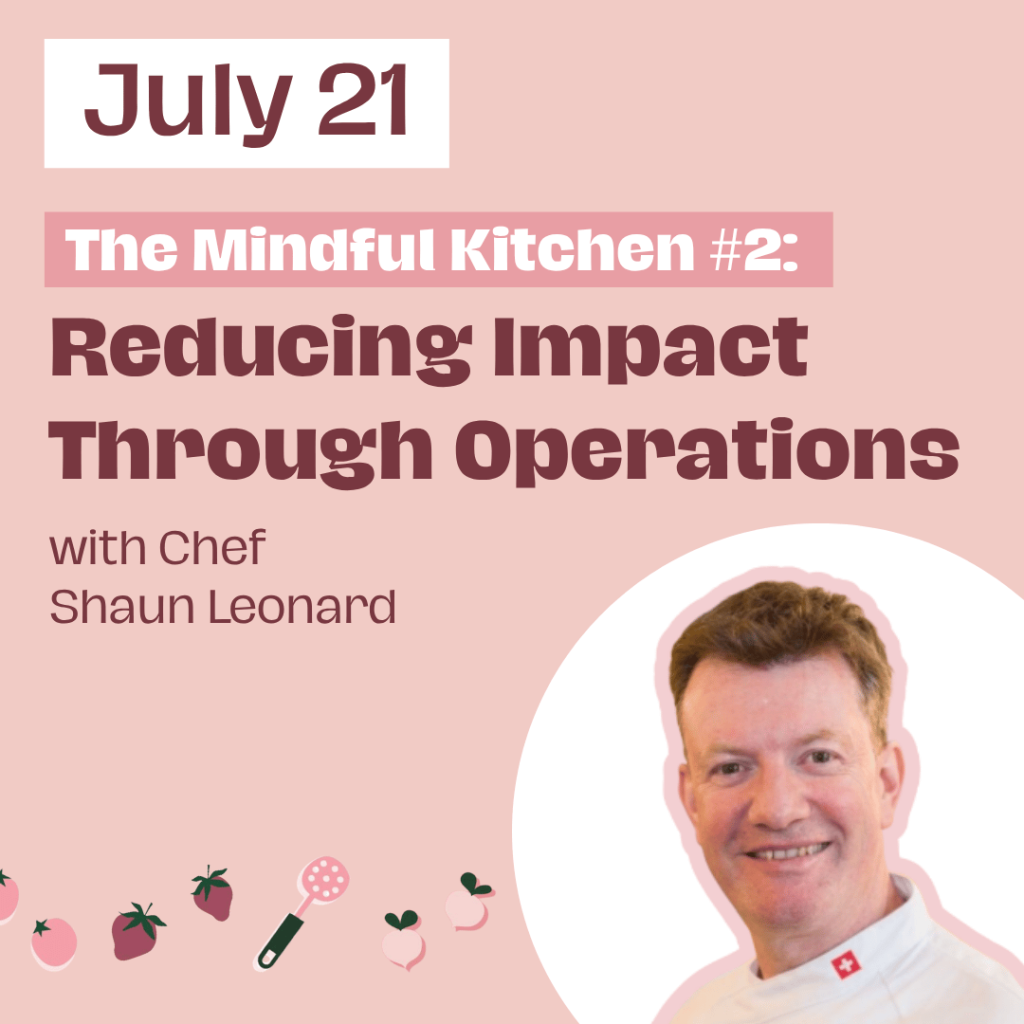
On July 21, 2026, Chef Shaun Leonard of BHMS Swiss Culinary Academy leads The Mindful Kitchen #2: Reducing Impact Through Operations. Focused on zero-waste kitchen strategies, the session will cover full-product utilization, food waste tracking, upcycling techniques, and building a sustainability-driven kitchen culture.
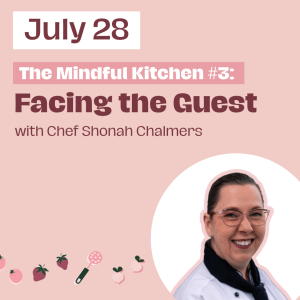
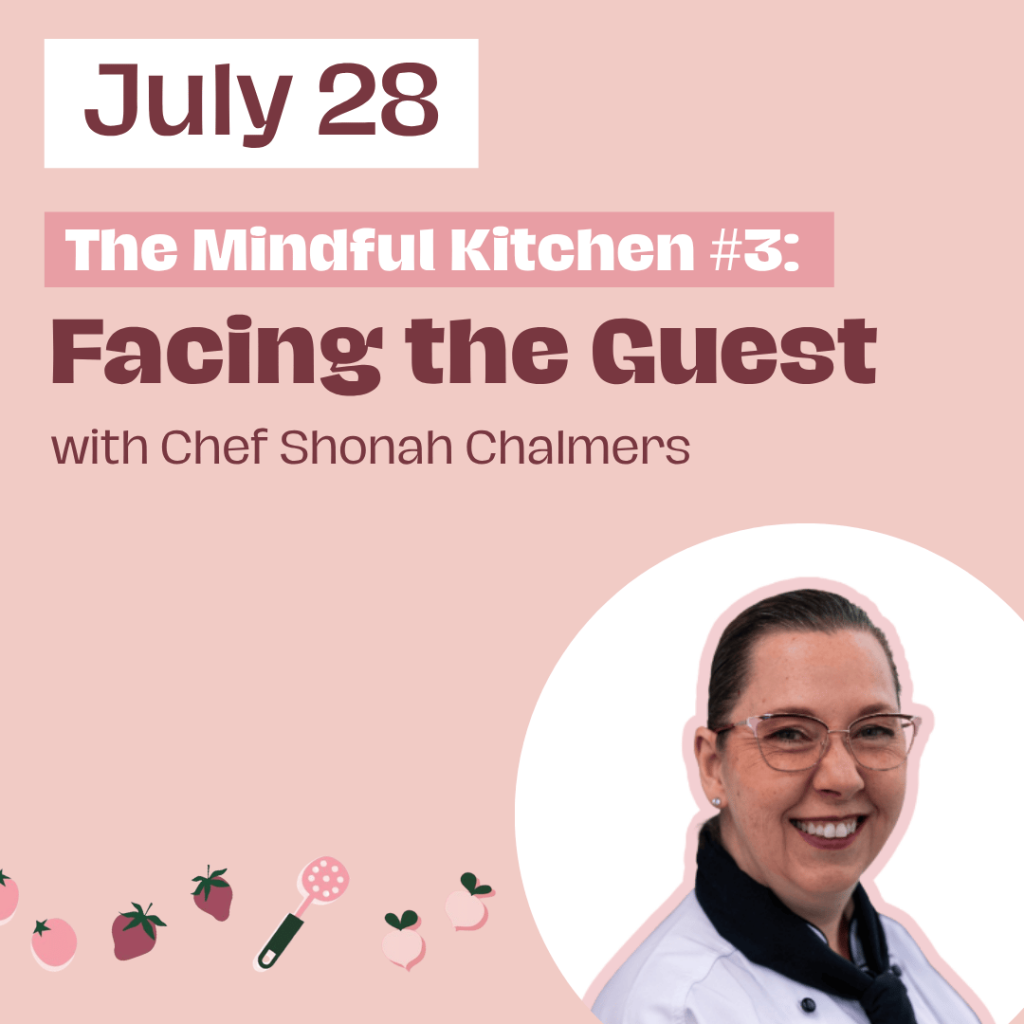
The series concludes on July 28, 2026, with The Mindful Kitchen #3: Facing the Guest, presented by Chef Shonah Chalmers. This session dives into menu psychology, sustainable menu engineering, and subtle guest communication techniques that help drive climate-smart choices in food service environments.
Please note: Signing up for the first webinar will automatically register you for all three.
Learn more about FoodChoices4Life in the latest edition of Worldchefs Magazine: Issue 32.
About FoodChoices4LIFE
FoodChoices4LIFE is a European initiative empowering citizens and food professionals to accelerate climate action and behavioral change in food systems. Building on the legacy of previous EU LIFE projects, this initiative promotes healthier, more sustainable diets through education, awareness campaigns, and practical tools.
AbouttheFoodChoices4LIFE Partners
Worldchefs: Worldchefs is a non-political professional organisation, dedicated to maintaining and improving the culinary standards of global cuisines. We accomplish these goals through education, training, and professional development of our membership. As an authority and opinion leader on food, Worldchefs represents a global voice on all issues related to the culinary profession.
EUFIC (Coordinator): The European Food Information Council (EUFIC) is a consumer-oriented non-profit organisation, founded to make the science behind food and health more accessible and easier to understand among the public. Our mission is to produce science-based content to empower and facilitate healthier and more sustainable diets and lifestyles among European citizens.
University of Tuscia: University of Tuscia, founded in Viterbo in 1979, rapidly developed into a well-established cultural reference. With over 10,000 students and 200 faculty members, it is recognized for research in forestry, climate change, and innovation in food systems, including food loss and waste reduction. The Department for Innovation in Biological, Agri-food and Forest Systems is now engaged in the FoodChoices4Life project.
Interested in advocacy?
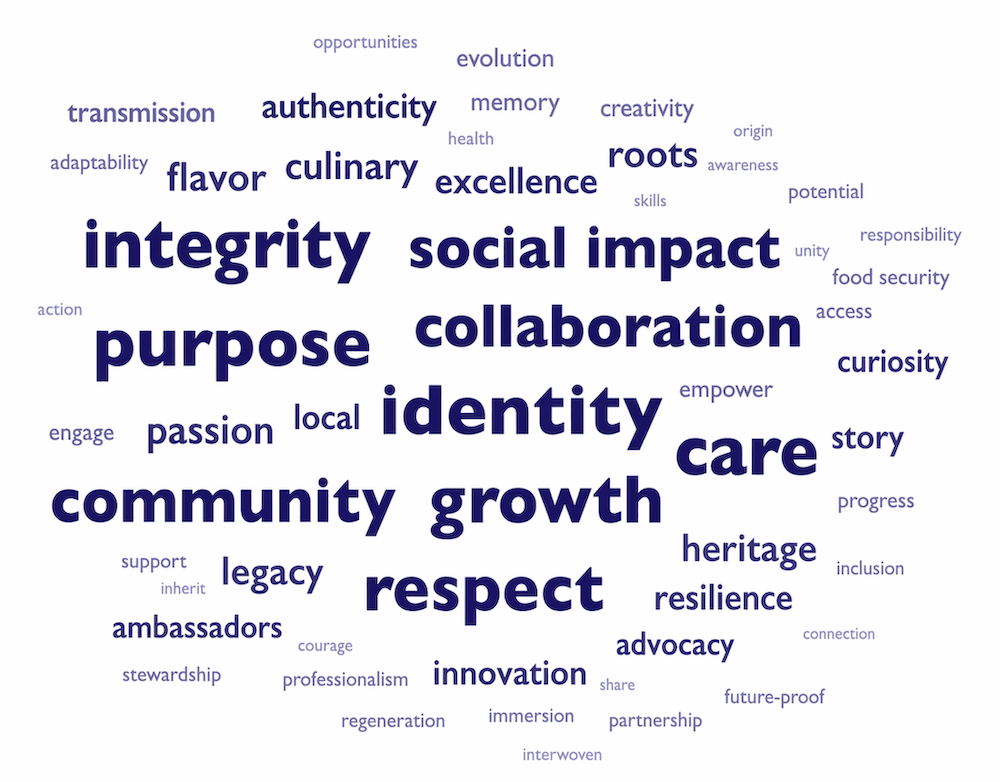
We asked Worldchefs’ national associations, Education Partners, and Executive Committee to share words that reflect the priorities of their members at this moment. Here’s what matters most to chefs. It’s one reason to stay optimistic.
If you are interested in getting involved in global advocacy, or if you have a local project to share, we want to hear from you.
Contact the Worldchefs team to talk more about the many ways you can get involved in advocacy related to a wide range of topics.
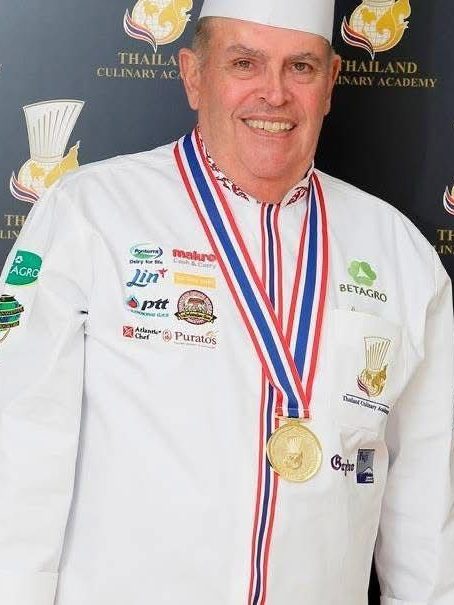
June 23, 2026 – Worldchefs is deeply saddened to learn of the passing of Chef Kurt Pozzato, a respected Swiss chef and mentor whose career and influence touched culinary communities across Asia and beyond.
Born in Switzerland, Chef Kurt built a remarkable career in Asia, a region he called home for much of his life. His professional journey took him through senior culinary roles in Bangkok, Jakarta, Seoul, and Manila, before joining CPC in Korea in 1984 and later serving as the first Executive Chef for Caterplan Asia.
Throughout his career, Chef Kurt was known for his dedication to culinary training, mentorship, and the development of young chefs. An Honorary Life Member of the Emirates Culinary Guild, he remained closely involved in the wider culinary competition community, reflecting a lifelong commitment to sharing knowledge and strengthening the profession.
Kurt Pozzato will be remembered as a generous mentor and a true gentleman of the kitchen. His legacy lives on through the many chefs he guided, encouraged, and inspired throughout his life.
Thoughts and condolences from all chefs of the World Association of Chefs Societies to the friends and family of Chef Kurt.
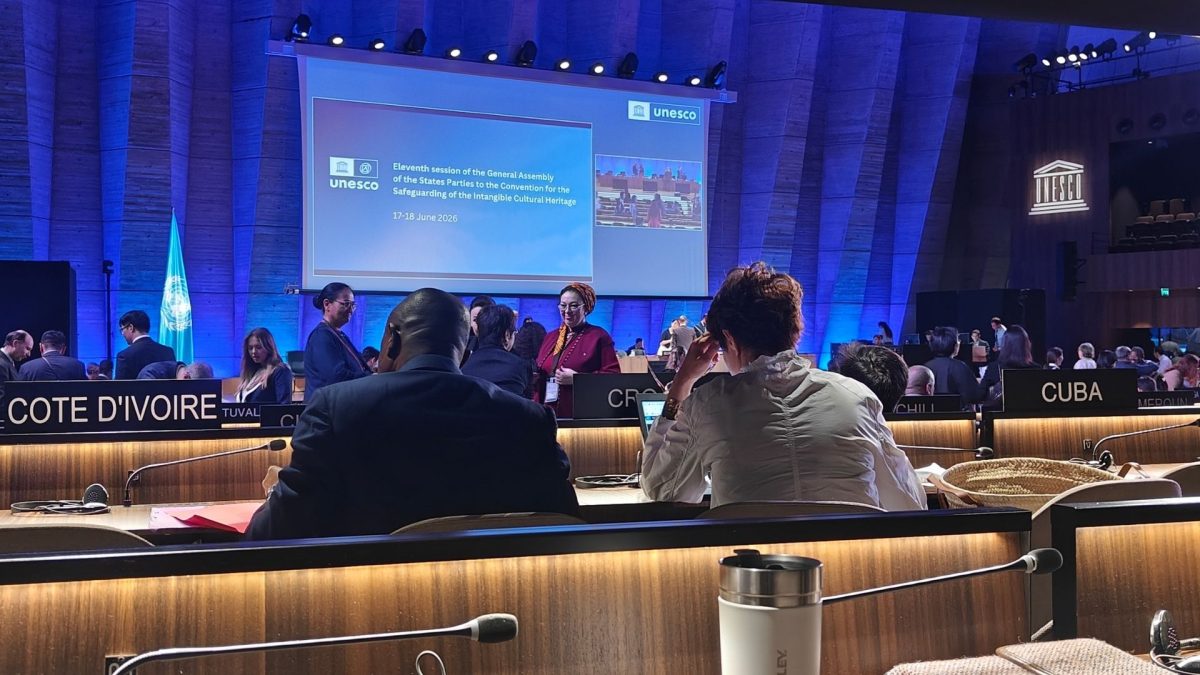
As part of Worldchefs’ growing work around education, sustainability and cultural heritage, Director of Operations and Projects Connie Lau represented the organization at UNESCO Headquarters during the 11th General Assembly of the States Parties to the Convention for the Safeguarding of the Intangible Cultural Heritage. Following the meeting, Worldchefs reflects on the discussions and what they mean for chefs around the world.
Worldchefs joined international discussions on living heritage during the 11th session of the General Assembly of the States Parties to the Convention for the Safeguarding of the Intangible Cultural Heritage, held at UNESCO Headquarters in Paris on 17 and 18 June 2026.
The session brought together representatives from governments, cultural institutions, non-governmental organizations and other stakeholders to exchange perspectives on the future implementation of the Convention and the shared responsibility of safeguarding intangible cultural heritage around the world.
For Worldchefs, the experience offered an important opportunity to reflect on culinary heritage not only as a cultural expression, but as living knowledge shaped by people, places, skills and traditions.
Learning from the International Community
Several interventions during the session provided important lessons for Worldchefs.
Romania highlighted the importance of ensuring that people and organizations have the knowledge and skills needed to safeguard living heritage. South Africa and Oman demonstrated how heritage can be connected with sustainable development, local identity and community participation. Jordan provided a powerful reminder of the threats that war, conflict and displacement can pose to heritage. When communities can no longer practise or transmit their traditions, the loss extends beyond physical places. Knowledge, identity, memory and cultural continuity are also placed at risk.
Together, these discussions reinforced the importance of connecting heritage protection with education, sustainability and community resilience. They also raised an important question for Worldchefs: how can the culinary profession contribute to keeping living heritage active, respected and relevant?
Culinary Heritage Is Living Heritage
Under the UNESCO Convention, intangible cultural heritage is recognized as the practices, expressions, knowledge and skills that communities identify as part of their cultural heritage. It is passed from generation to generation and continues to evolve as communities respond to their environment, history and changing circumstances.
Following this understanding, culinary heritage can also be seen as living heritage. In the culinary world, this can include knowledge and practices linked to farming, ingredients, recipes, preparation techniques, eating traditions, celebrations and rituals.
A recipe is rarely only a list of ingredients. It may represent a family history, a particular landscape, a seasonal rhythm, a local product, or a community’s relationship with nature.
Chefs can help support the transmission of this knowledge by learning from communities, supporting local producers, practising traditional skills, documenting techniques and sharing the stories behind food. Their role, however, must be rooted in respect.
Culinary heritage belongs first to the communities, families, producers and traditional knowledge holders who practise and sustain it. Chefs can contribute by listening, learning and helping pass this knowledge forward responsibly.
Education and capacity-building will be central to how Worldchefs continues to explore culinary heritage.
Young chefs need opportunities to learn directly from experienced chefs, local producers, farmers, communities and traditional knowledge holders. Through practical training, mentorship and community engagement, they can develop the skills to understand, practise and transmit culinary traditions.
They should also learn how culinary heritage connects with sustainable development, responsible sourcing, cultural identity, local economies and community resilience.
Connie Lau
“Safeguarding culinary heritage starts with people. By training young chefs to learn from communities, practise traditional skills and pass this knowledge forward, we can protect cultural identity while creating lasting value for chefs, cities and sustainable local development.
I was also very pleased to connect with representatives from Cambodia’s Ministry of Culture and Fine Arts, KHA, a heritage organisation in Korea, and the Executive Secretary representing Cabo Verde. These connections open the door to further discussions with UNESCO and other relevant stakeholders on how we can move this work forward together.”
– Connie Lau, Director of Operations and Projects at Worldchefs
The goal is not to preserve traditions as something fixed in the past. Living heritage evolves as communities respond to their environment, history and changing circumstances. The challenge is to carry traditions forward while respecting their origins and the people to whom they belong.
From Reflection to Action: Worldchefs Village
Worldchefs’ attendance at the General Assembly was not only an opportunity to listen. It also opened space to consider how the organisation’s global network can help connect international heritage discussions with practical action.
This direction will be reflected through upcoming Worldchefs Village activations, including the Culinary World Cup 2026 in Luxembourg-Kirchberg from 21 to 25 November 2026 and Sirha Lyon from 21 to 25 January 2027.
Worldchefs Village provides national chef associations, regions, tourism organisations, culinary schools, producers and partners with an international platform to showcase culinary identity and regional food culture.
Heritage-focused showcases can bring together traditional and regional ingredients, culinary demonstrations, preparation techniques, local producers, craftspeople, recipes and the stories behind them. The purpose goes beyond presenting traditional dishes. It is also about helping audiences understand the people, places, skills and values behind the food.
Through these platforms, culinary heritage can support chefs, strengthen regional visibility, promote responsible tourism and create opportunities for local producers and communities.
Looking Ahead to Paris 2028
Worldchefs will celebrate its 100th anniversary at the Worldchefs Congress & Expo 2028 in Paris, the city where the organisation was founded in 1928.
This milestone offers an opportunity to connect the history of Worldchefs with the future of the culinary profession. It can bring together chefs, young people, educators, cultural institutions, cities, communities, governments and international partners around a shared question: how can culinary knowledge be protected, respected and carried forward for the next 100 years?
Creating Lasting Value
Safeguarding culinary heritage cannot be achieved by one organisation or profession alone. It requires cooperation between communities, chefs, educators, producers, researchers, cultural organisations, governments, cities and tourism bodies.
For chefs, this work can deepen cultural knowledge, strengthen professional skills and open new opportunities to serve as educators and responsible storytellers.
For cities and regions, culinary heritage can strengthen identity, responsible tourism and relationships with local producers.
For communities, it can help maintain knowledge, create economic opportunities and ensure that younger generations remain connected to their traditions.
Worldchefs can contribute its international network, culinary expertise and platforms for education and visibility. Its national association members bring the local knowledge, professional expertise and community relationships needed to turn this ambition into meaningful action.
Worldchefs’ attendance at the UNESCO General Assembly reinforced the importance of connecting culinary heritage, sustainability and youth education. The next step is to continue the dialogue with relevant stakeholders and explore practical ways to train young people, support communities, strengthen capacity and ensure that culinary knowledge remains alive, respected and relevant.
Heritage connects us with where we come from. Education gives us the ability to carry it forward.
Worldchefs is proud to announce three upcoming webinars as part of the FoodChoices4LIFE initiative: The Mindful Kitchen. Designed for future-forward culinary professionals, the series explores how chefs can lead the transition toward more sustainable food systems through climate-smart kitchen practices, menu design, and guest engagement.
Through three connected webinar sessions, participants will gain concrete insights and actions to influence sustainable food choices.
The series begins on July 2, 2026, with The Mindful Kitchen #1: Understanding the Food Systems, featuring Dr. Enrico Porfido from the Universitat de Barcelona. This foundational webinar explores the global farm-to-fork network, the role of food policies, and how chefs can use menus and guest experiences to encourage climate-smart dining.
On July 21, 2026, Chef Shaun Leonard of BHMS Swiss Culinary Academy leads The Mindful Kitchen #2: Reducing Impact Through Operations. Focused on zero-waste kitchen strategies, the session will cover full-product utilization, food waste tracking, upcycling techniques, and building a sustainability-driven kitchen culture.
The series concludes on July 28, 2026, with The Mindful Kitchen #3: Facing the Guest, presented by Chef Shonah Chalmers. This session dives into menu psychology, sustainable menu engineering, and subtle guest communication techniques that help drive climate-smart choices in foodservice environments.
All webinars will take place at 2 PM CET and will be streamed on Zoom, Facebook Live, and YouTube. Zoom participants will also receive a digital badge and certificate upon completion.
Join us for this engaging webinar series and discover how you can drive impact and inspire smarter food choices and sustainable kitchen leadership. See you then!
Please note: Signing up for the first webinar will automatically register you for all three.
About FoodChoices4LIFE
FoodChoices4LIFE is a European initiative empowering citizens and food professionals to accelerate climate action and behavioral change in food systems. Building on the legacy of previous EU LIFE projects, this initiative promotes healthier, more sustainable diets through education, awareness campaigns, and practical tools.
Co-funded by the European Union. Views and opinions expressed are, however, those of the author(s) only and do not necessarily reflect those of the European Union or CINEA. Neither the European Union nor the granting authority can be held responsible for them.
AbouttheFoodChoices4LIFE Partners
Worldchefs: Worldchefs is a non-political professional organisation, dedicated to maintaining and improving the culinary standards of global cuisines. We accomplish these goals through education, training, and professional development of our membership. As an authority and opinion leader on food, Worldchefs represents a global voice on all issues related to the culinary profession.
EUFIC (Coordinator): The European Food Information Council (EUFIC) is a consumer-oriented non-profit organisation, founded to make the science behind food and health more accessible and easier to understand among the public. Our mission is to produce science-based content to empower and facilitate healthier and more sustainable diets and lifestyles among European citizens.
University of Tuscia: University of Tuscia, founded in Viterbo in 1979, rapidly developed into a well-established cultural reference. With over 10,000 students and 200 faculty members, it is recognized for research in forestry, climate change, and innovation in food systems, including food loss and waste reduction. The Department for Innovation in Biological, Agri-food and Forest Systems is now engaged in the FoodChoices4Life project.
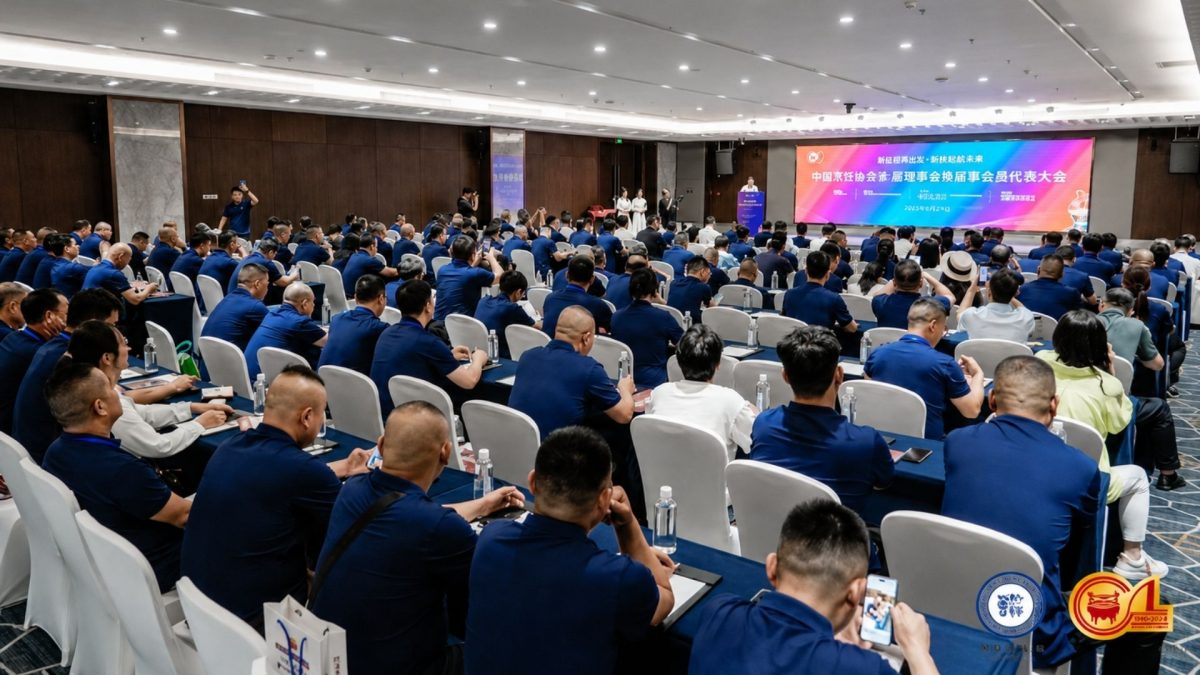
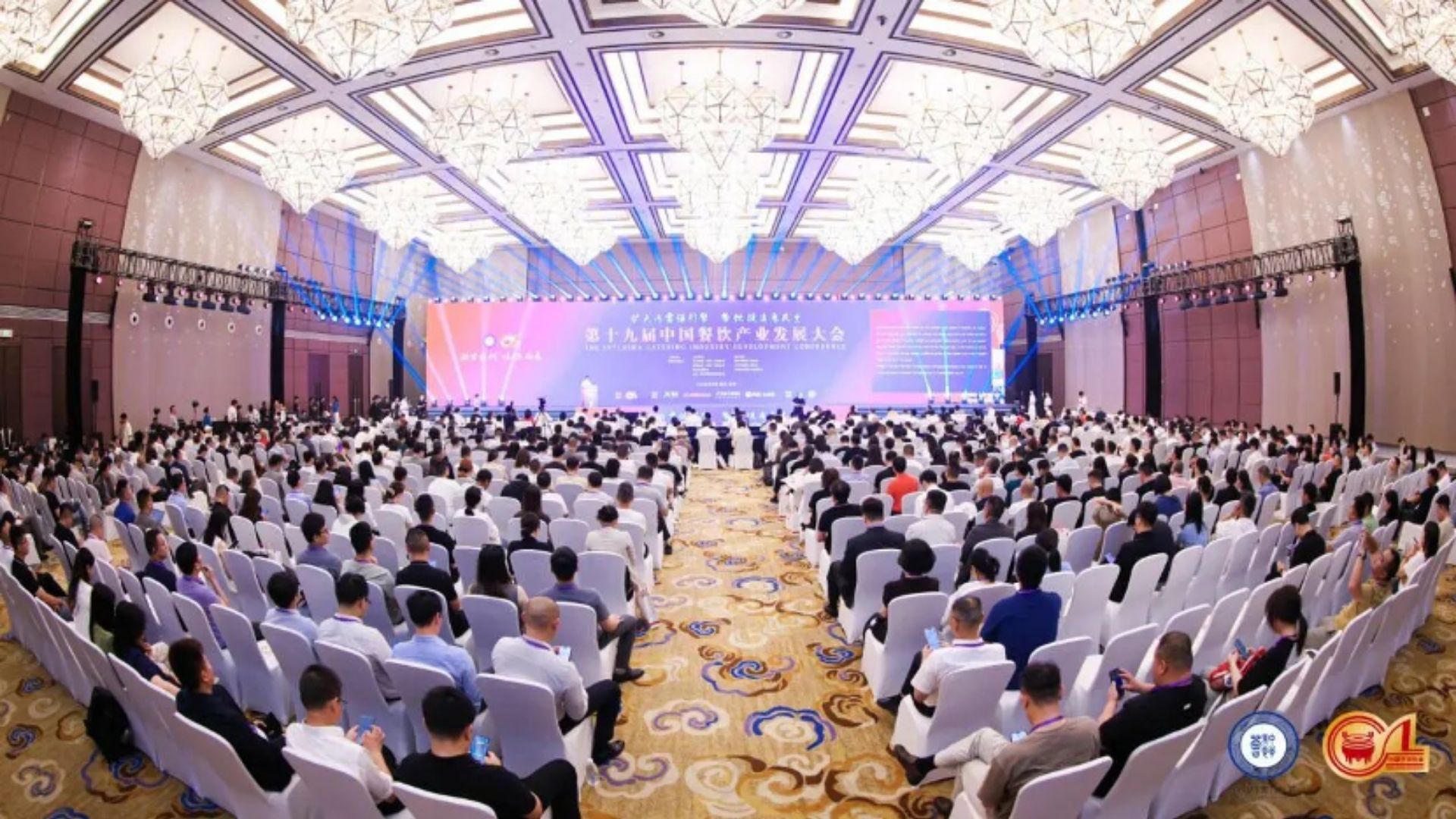
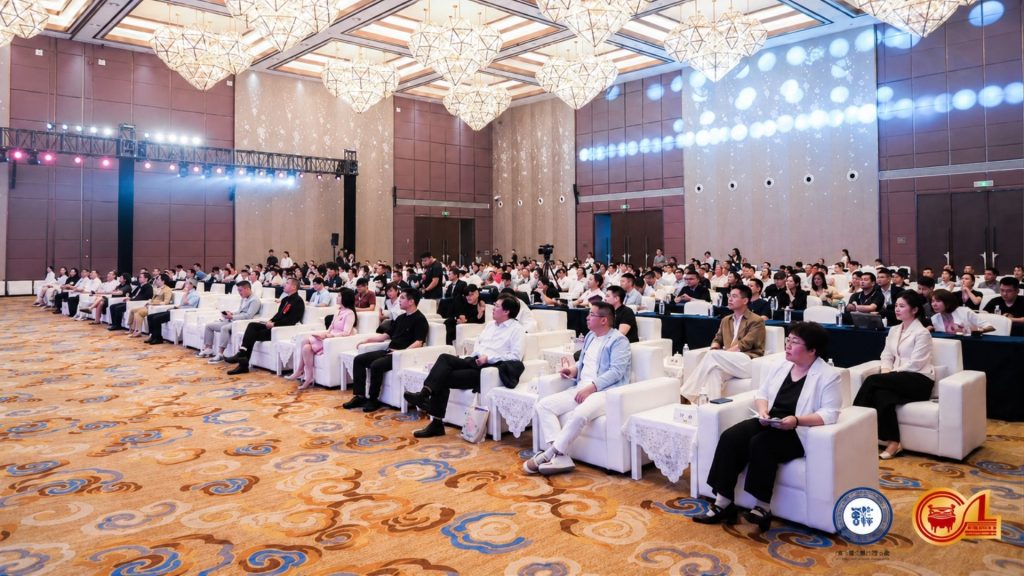
More than 600 representatives from across China’s catering sector gathered in Taizhou, Zhejiang Province, for the 19th China Catering Industry Development Conference, held from 15 to 16 June 2026.
Organized by the China Cuisine Association (CCA), a Worldchefs national member, the conference brought together government authorities, industry associations, leading catering enterprises, supply chain companies, educational institutions, and media organizations to discuss the future development of China’s catering industry.
Under the theme “Strengthening Domestic Demand through Catering Development and Improving People’s Livelihood through Quality Enhancement,” the conference focused on the high-quality development of China’s catering industry and explored new pathways for innovation, digital transformation, cultural communication, and sustainable growth.
19th China Catering Industry Development Conference in Taizhou
At the opening ceremony, Yang Liu, President of the China Cuisine Association, released the annual report “Expanding Capacity, Enhancing Quality, and Moving Forward through Innovation – Analysis of China’s Catering Industry in 2025 and Outlook for 2026.” The report highlighted that China’s catering industry has entered a new stage driven by quality, efficiency, and value creation rather than scale expansion.
Distinguished speakers from the Ministry of Commerce of China, the Zhejiang Provincial Department of Commerce, the China General Chamber of Commerce, and the Taizhou Municipal Government discussed industry trends, consumption recovery, service-sector innovation, and the role of catering in stimulating domestic demand. Taizhou’s growing position as a culinary destination was also highlighted, as the city advances its application to become a UNESCO Creative City of Gastronomy, supported by over 60,000 catering businesses and a food industry value chain exceeding RMB 60 billion.
A series of keynote presentations addressed topics such as artificial intelligence, platform economy development, food safety management, and consumer behavior. Experts from academia, industry research institutes, and leading technology platforms shared insights on how emerging technologies are reshaping the future of hospitality and food service. The nationwide public welfare initiative “China Catering Industry Against Food Waste Action” was also launched during the conference, reaffirming the industry’s commitment to sustainability, responsible consumption, and green development.
Yang Liu, President of the China Cuisine Association
AI Empowerment Marks New Milestone
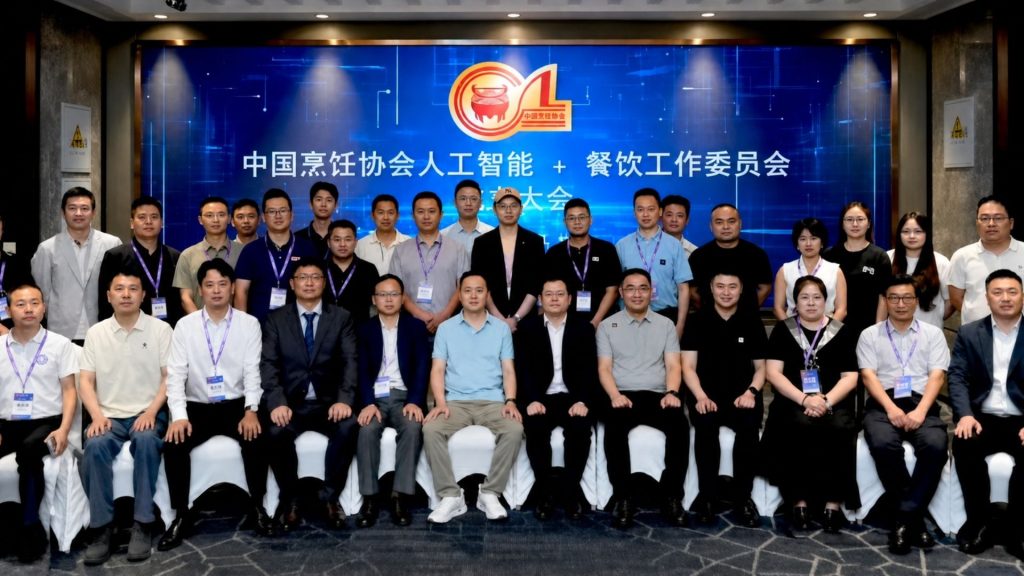
A major highlight of the conference was the establishment of the CCA Artificial Intelligence + Catering Working Committee, marking a significant step in the digital transformation of China’s catering sector.
The committee aims to develop industry standards for AI applications, promote AI talent cultivation, accelerate technology adoption across restaurant operations and supply chains, and foster innovative business models driven by intelligent technologies.
During the meeting, CCA also released a national research report on artificial intelligence adoption in the catering industry based on 2,446 valid survey responses, providing valuable guidance for future digital transformation initiatives.
Strengthening Cultural Communication through Gastronomy
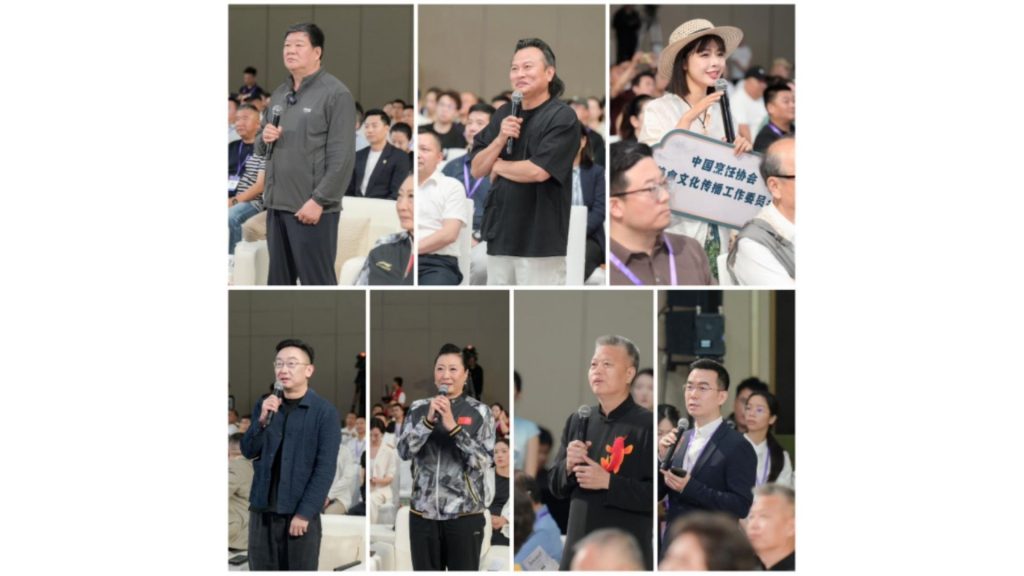
The conference also witnessed the establishment of the CCA Food Culture Communication Working Committee, reflecting the industry’s growing emphasis on cultural storytelling, brand building, and international communication.
The committee brings together media professionals, culinary experts, cultural scholars, tourism representatives, and content creators to promote Chinese food culture through innovative communication channels and international cooperation.
During the inaugural Food Culture Communication Dialogue, participants explored culinary storytelling and cultural heritage, food tourism integration, youth engagement and culinary innovation, and the international communication of Chinese cuisine.
The event concluded with the launch of the CCA Food Culture Communication Matrix, a collaborative platform dedicated to enhancing the global visibility and influence of Chinese culinary culture.
On 16 June, the “Food Power on Screen, Taste Shared Worldwide” dialogue was held in Taizhou, along with the launch of a China Cuisine Association food communication committee and platform. The event explored how cuisine connects with culture, art, and sports, emphasizing storytelling as a tool to globalize regional Chinese food.
“Food Power on Screen, Taste Shared Worldwide” dialogue in Taizhou
Industry Collaboration and Sustainable Development
The conference also launched the nationwide public welfare initiative “China Catering Industry Against Food Waste Action,” reaffirming the industry’s commitment to sustainability, responsible consumption, and green development.
Several specialized industry forums were held alongside the conference, including the 2026 Catering Entrepreneurs Conference and the 2026 Catering Brand Conference. Business leaders discussed quality development, brand innovation, international expansion, supply chain modernization, and AI-driven business transformation.
In addition, the CCA Rural Banquet and Catering Services Committee was formally established, aiming to standardize and modernize China’s rapidly growing rural banquet and off-premise catering sector while strengthening food safety and industry professionalism.
Looking Ahead
The 19th China Catering Industry Development Conference demonstrated the Chinese catering industry’s determination to embrace innovation, digital intelligence, cultural confidence, and sustainable development.
As China’s catering industry continues to evolve, the China Cuisine Association remains committed to promoting international exchange, advancing industry standards, fostering innovation, and sharing the richness of Chinese culinary culture with the world.
The Emirates Culinary Guild (ECG) is the association of professional chefs of the UAE. It is a non-profit-making organisation, organised by volunteers dedicated solely to the advancement of culinary art in the UAE.
The World Association of Chefs Societies (Worldchefs) (www.worldchefs.org) is the 105-nation fellowship of the world’s various professional chefs’ organisations.
The ECG received its charter into Worldchefs at a ceremony in Stavanger, Norway on June 28, 1994, during the Worldchefs 26th World Congress. Worldchefs endorses the ECG as the authorized professional culinary association for the UAE. The ECG, thereby, has an international culinary focus and multi-national support for the staging of its various competitions, seminars and events.
The aims of the ECG, broadly, are:
To encourage and inspire young chefs through training and competition.
To enhance internationally the culinary prestige of the UAE.
To encourage UAE nationals to consider a career within the hospitality industry.
Social media plays a large part in the Guilds self-promotion and the Gulf Gourmet magazine drive awareness around the globe.
Follow these links for more information on the Emirates Culinary Guild:
We use cookies on our website to give you the most relevant experience by remembering your preferences and repeat visits. By clicking “Accept All”, you consent to the use of ALL the cookies. However, you may visit "Cookie Settings" to provide a controlled consent.
This website uses cookies to improve your experience while you navigate through the website. Out of these, the cookies that are categorized as necessary are stored on your browser as they are essential for the working of basic functionalities of the website. We also use third-party cookies that help us analyze and understand how you use this website. These cookies will be stored in your browser only with your consent. You also have the option to opt-out of these cookies. But opting out of some of these cookies may affect your browsing experience.
Necessary cookies are absolutely essential for the website to function properly. These cookies ensure basic functionalities and security features of the website, anonymously.
Cookie
Duration
Description
cookielawinfo-checkbox-analytics
11 months
This cookie is set by GDPR Cookie Consent plugin. The cookie is used to store the user consent for the cookies in the category "Analytics".
cookielawinfo-checkbox-functional
11 months
The cookie is set by GDPR cookie consent to record the user consent for the cookies in the category "Functional".
cookielawinfo-checkbox-necessary
11 months
This cookie is set by GDPR Cookie Consent plugin. The cookies is used to store the user consent for the cookies in the category "Necessary".
cookielawinfo-checkbox-others
11 months
This cookie is set by GDPR Cookie Consent plugin. The cookie is used to store the user consent for the cookies in the category "Other.
cookielawinfo-checkbox-performance
11 months
This cookie is set by GDPR Cookie Consent plugin. The cookie is used to store the user consent for the cookies in the category "Performance".
viewed_cookie_policy
11 months
The cookie is set by the GDPR Cookie Consent plugin and is used to store whether or not user has consented to the use of cookies. It does not store any personal data.
Functional cookies help to perform certain functionalities like sharing the content of the website on social media platforms, collect feedbacks, and other third-party features.
Performance cookies are used to understand and analyze the key performance indexes of the website which helps in delivering a better user experience for the visitors.
Analytical cookies are used to understand how visitors interact with the website. These cookies help provide information on metrics the number of visitors, bounce rate, traffic source, etc.
Advertisement cookies are used to provide visitors with relevant ads and marketing campaigns. These cookies track visitors across websites and collect information to provide customized ads.