Categories
Industry Trends

We Need More Women in Senior Leadership: Closing Hospitality’s Gender Gap

More than half of the hospitality workforce are women, yet they remain hugely underrepresented in leadership roles. To fix the gender equity gap in our industry, we need systemic change.

The hospitality industry runs on talent, creativity, and care, and globally, women provide more than half of it. They make up over 50% of the hospitality and F&B workforce. Yet despite being the majority to help power the industry, women are significantly underrepresented in leadership and decision-making roles. This paradox is at the heart of hospitality’s gender gap; one that the industry can no longer afford to ignore.

In this article, we explore why gender disparity persists regardless of the critical role women play in the culinary world, and what that means for the industry in practical terms.

Leaving Talent on the Table: Today’s Hospitality Workforce
LABOR FORCE & LEADERSHIP GAP

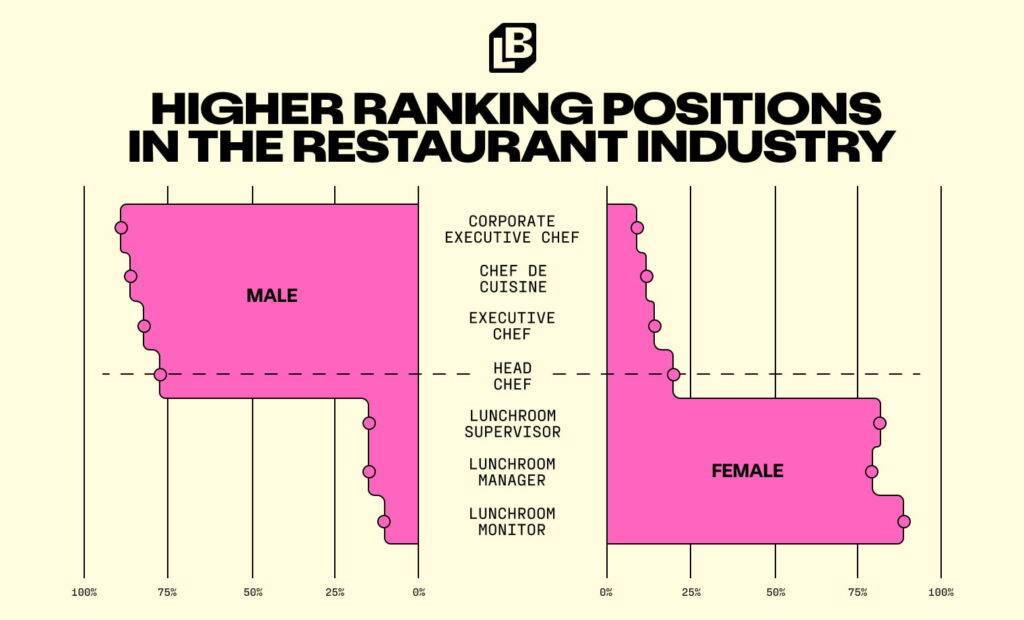
In the hospitality industry, women hold one leadership position for every 10.3 men. Women make up just 33% of management positions in restaurants, and only 19% of chefs and head cooks are women. In the US, 79.3% of chefs identify as male, while 35.6% identify as female. 9.1% of corporate executive chefs are women, while 90.9% are men.

Fewer higher ranking positions in the restaurant industry, such as head chef or executive chef, are held by women, from Zippia 2022 data.
RECOGNITION GAP

Representation in awards and recognition also lags behind. Just 6% of Michelin-starred restaurants are led by women. In 2025, of the 22 new one-starred restaurants in the UK, only one was awarded to a female chef patron – Chef Emily Roux. The percentage of the World’s Best 100 restaurants with a female head chef scratches by at 6.5%. For every female-led Michelin-starred establishment, there are 16 run by men.

Leaving the stars aside, the 2024 State of Gender Equality in the Travel and Hospitality Industry report found that a staggering 63% of female respondents believe they must work harder for recognition and acceptance because of their gender compared to 22% of male respondents who feel the same. A 2022 study from MIT found that female employees are also less likely to be promoted than their male counterparts, despite outperforming them and being less likely to quit. 

GENDER-BASED PAY GAP

The gender-based pay gap is persistent in the hospitality industry, and it’s moving in the wrong direction. A 2023 report found that the gender pay gap in hospitality increased from 4.2% to 5.2% over the previous year. According to Equality in Tourism, women in tourism earn approximately 14.7% less than men. 

In the US, the average annual salary for chefs and head cooks in 2025 was $45k for men versus $35k for women. In Europe, a study published in 2025 found that the gender wage gap in hospitality management ranges from 5.1 % to 23.8%.

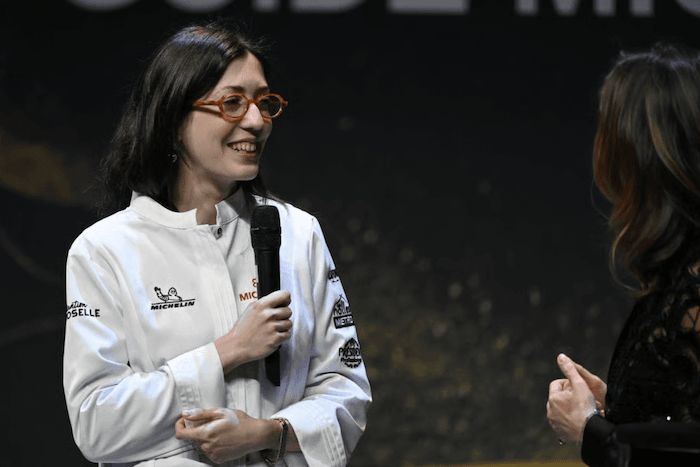
Chef Valentina Giacobbe, winner of the 2025 MICHELIN Young Chef Award for her restaurant Ginko in Lille, France. Photo credit: AFP
Invisible Labor, Not-So-Invisible Problems

In hospitality, some of the most essential leadership work is rarely listed on a job description. Culture building, conflict mediation, keeping a team calm under pressure, and so many more tasks, are the invisible backbone of a thriving kitchen team. Research shows that this invisible labor disproportionately falls on women, who are expected to absorb stress, maintain morale, and smooth interpersonal dynamics while their contributions remain undervalued. When structural systems fall short, women pick up the slack.

The qualities most associated with effective leadership today – emotional intelligence, adaptability, cross-functional collaboration, and long-term thinking – are the very qualities that have historically been feminized and dismissed as “soft skills.” Yet modern leadership science has made clear that these are high-impact competencies linked to stronger team performance, resilience, and innovation. 

Studies show that purpose-driven women leaders consistently rely on empathy, calculated risk-taking, a bias toward action, and achievement orientation across their careers. They excel in both generating ideas and executing them, driven by a deep commitment to purpose and to the people around them. Broader organizational research echoes this: women leaders are more likely to demonstrate participative decision-making, ethical sensitivity, and collaborative leadership styles – traits that correlate with stronger organizational outcomes. 

Despite this, what problems are still preventing women from rising to the top?

FALSE STEREOTYPES

A study published in the European Journal of Travel Research found that ingrained stereotypes and sexism continue to be a huge issue in the culinary field. False gender stereotypes, like being less resilient to stress, lacking in authority, or emotional sensitivity, negatively impact women’s career advancement, leaving many on the lower rungs of hospitality roles. What chefs wear can come under scrutiny, too, with something as simple as a sequined chef jacket causing a stir. 

All too often, women in kitchens, even those in change, are overlooked in search of a male authority figure. The McKinsey’s 2024 Women in the Workplace study found that women leaders are 1.5x more likely than male leaders to have their judgment questioned, and are twice as likely to be called “too aggressive” when demonstrating the same assertiveness valued in their male counterparts.

THE “OLD BOY’S CLUB”

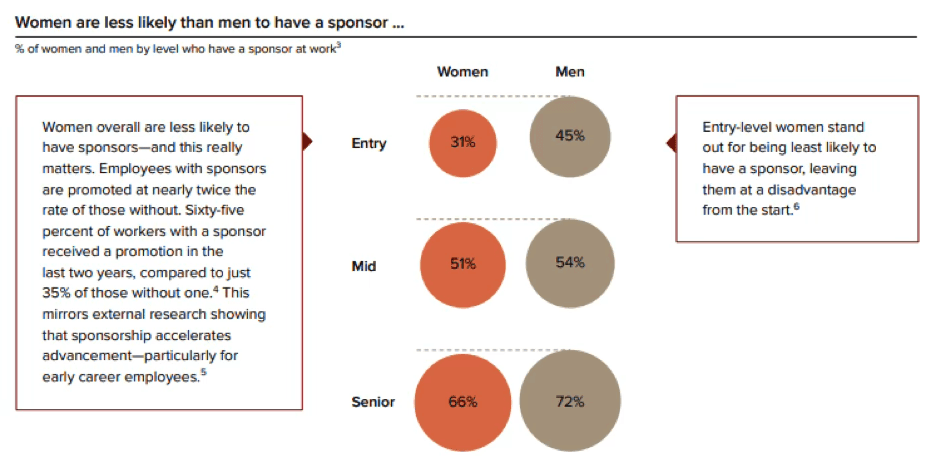
Studies also show that the “old boy’s club” continues to pose a problem for women working in the hospitality industry. It excludes women from informal and formal networks, making the glass ceiling further out of reach. With mentorship a key ingredient to a successful career, inclusive networking plays a critical role in helping women advance in the hospitality sector.

Women are less likely than men to have a sponsor, from Women in the Workplace 2025 annual report.
Deep Dive: A Data-Informed Look at Why Gender Disparity Is Bad Business
Women in Leadership: A Good Decision

Research has found that women in leadership improve decision-making. A 2023 study, conducted by the University of California and Copenhagen Business School and published in the Harvard Business Review, listened to board members from more than 200 publicly traded companies in the US and Europe. 

The results? Women come to meetings better prepared, more willing to ask in-depth questions, more open to different points of view, and concerned with accountability and making the right choice as a group rather than worrying about how they might be perceived. 

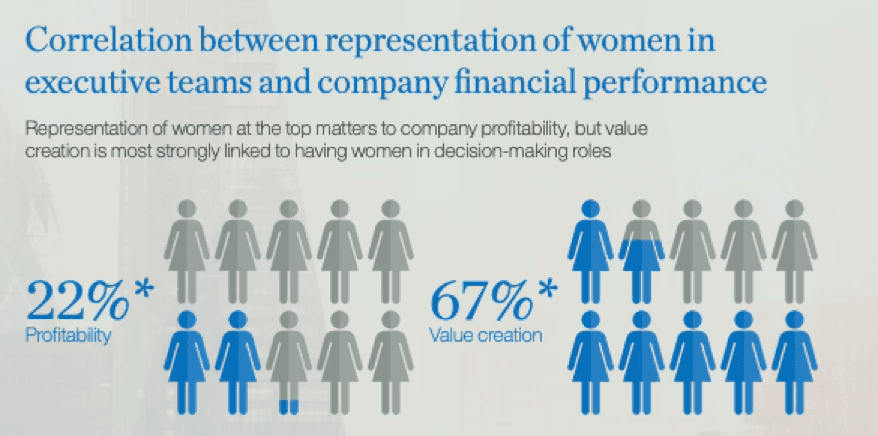
Having more women in decision-making roles matters most for long-term value creation, from McKinsey & Company.
Bias is Expensive

Inclusive environments equals better performance. Research shows that the firms with higher gender diversity in upper management are more likely to achieve better financial and sustainability performance. Inclusive, gender-diverse workplaces drive measurable performance gains and are significantly more likely to outperform less inclusive peers, with higher productivity, increased innovation, stronger employee retention, and nearly 63% greater profitability and productivity.

Side Dish: How do men and women see these barriers differently? A recent study offers insights.

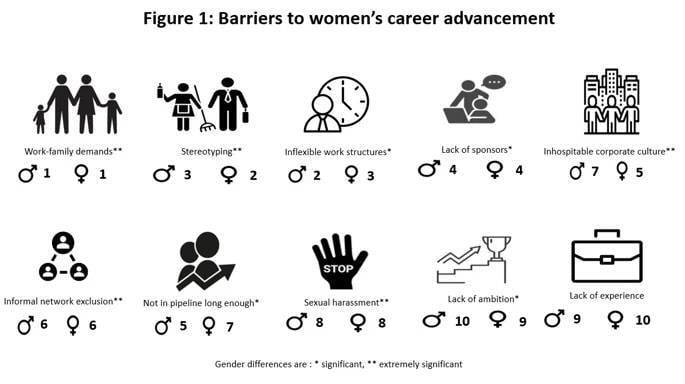
A recent study by EHL Insights found substantial differences in the way male and female hospitality managers understand research-backed factors related to women’s career advancement. While women (and substantial data) report that opportunities have stagnated, men perceive that women’s opportunities to reach top management levels have greatly improved.

While men still hold much of the decision-making power, how will anything change if they don’t see the not-so-invisible problem? 

Barriers to women’s career advancement, from EHL Insights.
On the Line: Lessons from Women Who Lead

Let’s hear from female voices on the line. What have they learned from their experience in leadership?

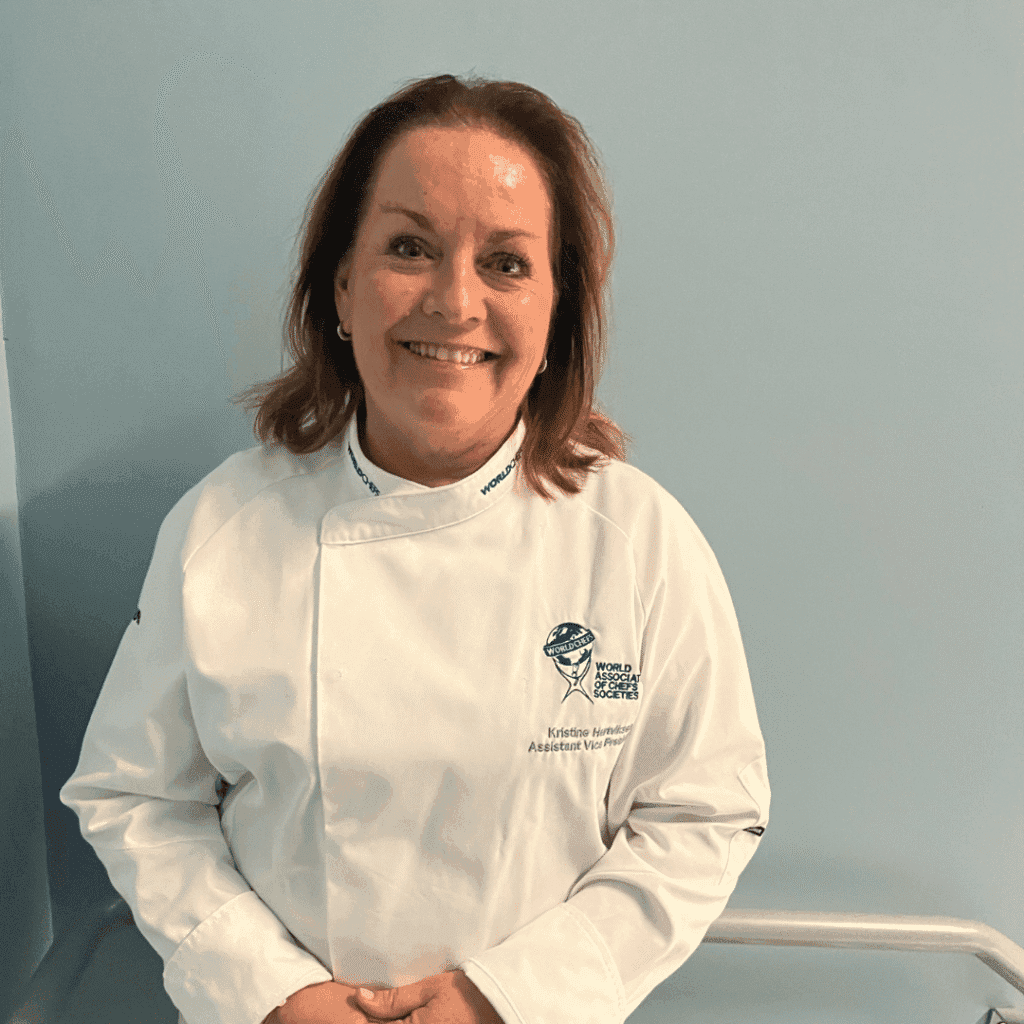
Chef Kristine Hartviksen

Executive Committee Member at Worldchefs and Head of Innovation at NorgesGruppen, Norway’s largest grocery company

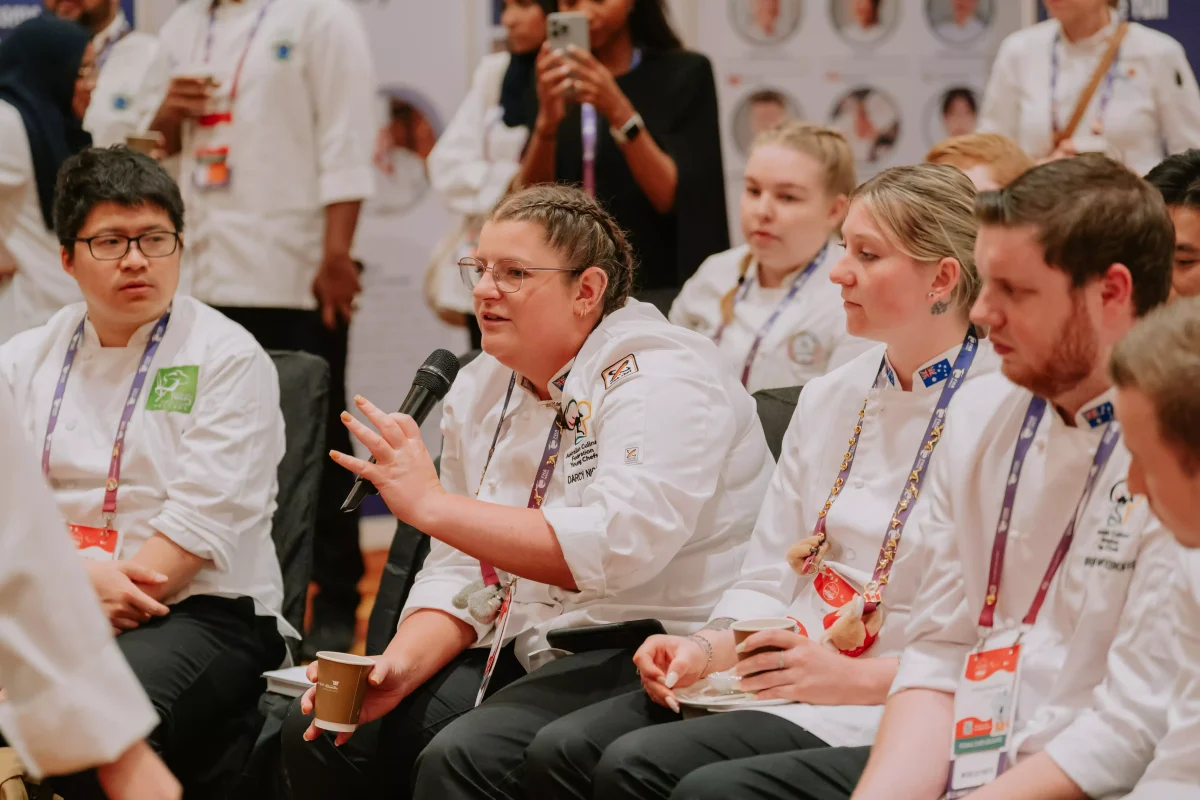
WHAT WE NEED: I was the first woman in the Nordics to be president of their chef association. I have been fighting and I thought at times “Oh, I don’t want to do this anymore.” It has been tough. When I started [my career], I must be honest, [Worldchefs] was an old gentlemen’s club. It’s different now. We still need to have more of a mix on the board, a mix of age, women and men, experiences–more voices. Everyone is important. Women and men, we think differently, so the mix is important. 

HER ADVICE: It only takes one idiot in the room to try to break you down, so have good mentors, people who you can trust, and then ignore the idiots. You must trust yourself and have a mentor. Call me, I’m going to help. We are stronger together.

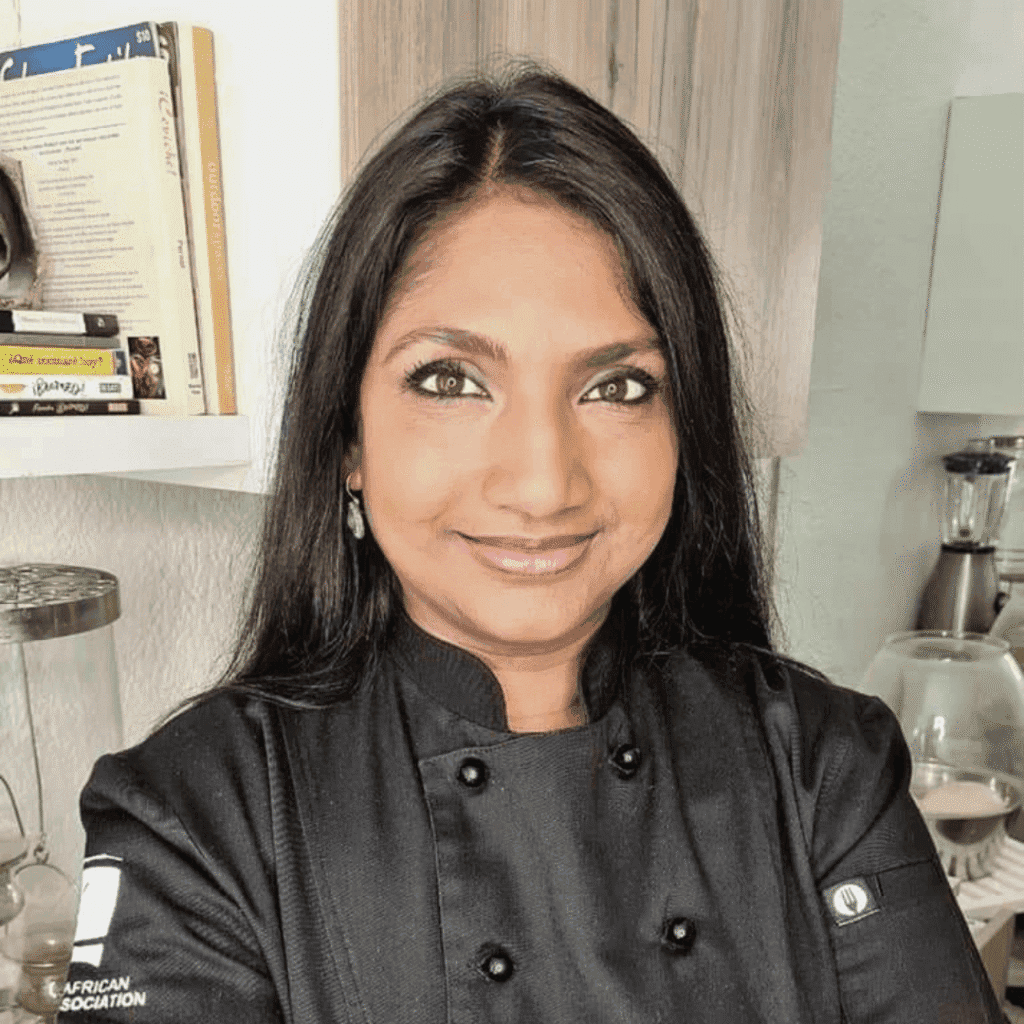
Chef Zana Alvarado

Women in Culinary, South African Chefs Association (SA Chefs)

WHAT WE NEED: We need to speak up. Because if it’s not just your colleague today, it could be your daughter or your wife next month. 

HER ADVICE: We need to focus more on mentorship. That is incredibly vital for career growth. 

Connie Lau

Director of Operations & Projects, Worldchefs (World Association of Chefs’ Societies), France

WHAT WE NEED: We need to stop treating gender equity as a “women’s issue” and start treating it as a leadership and governance standard. That means transparent pathways to senior roles, fair recognition of contribution, and leadership cultures that value both results and people. There isn’t one “correct” way to manage; it depends on the situation, the culture, and the people in front of you and women should not have to lead like men to be taken seriously. In a global chefs’ association, cross-cultural intelligence matters: respect is built through tone and intent. Most importantly, leadership is never about one person. It is about the team you build and the trust you earn. 

HER ADVICE: Find mentors and sponsors who could actively advocate for you and create opportunities, not just offer guidance. And when you can, do the same for someone else. Don’t wait to be “ready”; take the seat, do the work, and build credibility through consistency. Be firm when the situation requires it, but don’t confuse toughness with effectiveness. Stay curious, learn, and adapt to today’s realities and never forget that real leadership is measured by the people you develop and bring along with you.

WHAT WE NEED: The biggest challenge is breaking down the ‘old boys’ club’ mentality in the industry. 

HER ADVICE: The mentorship experience [is] transformative.

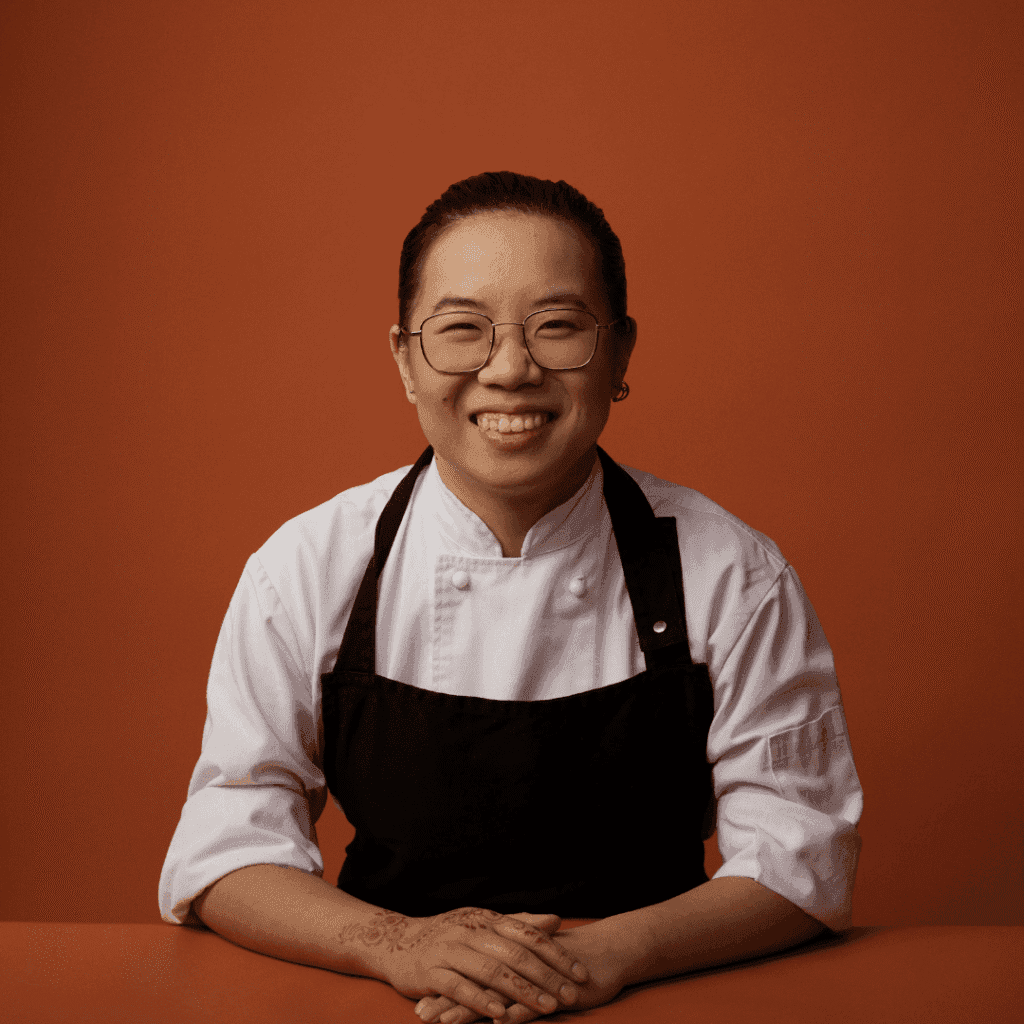
Chef Kimberly Tang

Young Chefs Club Australia Co-Chair & World Chefs Without Borders Committee Member

WHAT WE NEED: The workplace is really responsible for creating that positive culture. Getting rid of harassment in workplaces. It’s about creating stronger mentorship with senior chefs and junior chefs and getting rid of that divide.

HER ADVICE: I definitely have to thank all the mentors I’ve had previously to make up the chef I am today and the person I am today. The mentors that have guided me through these competitions made me want to also mentor future generations. 

Young Chef Constantina Papaioannou

2026 Global Young Chefs Challenge Competitor, National Culinary Team of Cyprus

She will compete at the Finals during the 2026 Worldchefs Congress & Expo in Wales this May.

WHAT WE NEED: The industry is in need of many other female chefs and leaders. Growing up I was very lucky to have various female mentors around me such as my grandmother who inspired me to keep going and follow my dream. 

HER ADVICE: My advice to other female chefs is to always believe in yourself and keep trying to achieve your goals. 

Breaking the Demi-Glace Ceiling: Systemic Change or Bust

Dig into the history of the culinary profession and you’ll find it’s riddled with the same story. We know the Auguste Escoffiers, and the Rosa Lewises and Marthe Distels of the world are forgotten. Search for related articles and you will come up with thousands, hundreds of thousands, of related writing. 

The pandemic undid years of progress towards gender parity in leadership. While brands including Marriott, Hilton and Accor have pledged to increase female representation in leadership roles, according to the 2025 Women in the Workplace study, only half of companies are prioritizing women’s career advancement, part of a multi-year trend in declining commitment to gender diversity. 

Despite the challenges faced, women aren’t going to stop at the demi-glace ceiling. They’re taking their chefs’ knives to it, from smashing stereotypes in corporate kitchens to owning their own businesses. In the US, one-half of restaurant businesses are owned by women and 49% of restaurant firms are at least 50% owned by women, according to recent data from the National Restaurant Association. Women entrepreneurs in culinary are hungry for change, and they aren’t waiting for someone else to make it happen.

Mentorship & networking are key

Many women in hospitality attribute their achievements to mentorship. Look no further than the women profiled above for evidence of the impact a support network can have on navigating challenges and seizing new opportunities. In a global survey, 71% of businesswomen said their mentor was influential in their career advancement. Women with mentors are promoted five times more often and are 33% more likely to be seen as strong performers in the workplace.

Then there is this statistic: Men apply for jobs when they meet 60% of the qualifications, while women wait until they meet 100%. Mentorship can help address this, providing women with the right kind of support to ensure they go after what they deserve.

Access to strong professional networks is overall one of the most powerful accelerators of women’s career growth in hospitality. Mentorship, in particular, gives women the guidance, visibility, and confidence needed to navigate structural barriers. When women are connected to peers and seasoned leaders who champion their development, they are far more likely to advance. Expanding these networks and ensuring women have real pathways into them is essential for progress.

More than anything, we need to address the structural barriers holding women back. As long as the systems shaping career progression remain biased, women will continue to do the work without receiving the power, recognition, or opportunity that matches their contribution. Addressing these structural barriers means redesigning how we hire, promote, mentor, and value leadership itself. It requires shifting from relying on the invisible labor of women to building cultures where emotional intelligence, collaboration, and inclusive leadership are recognized as strategic assets, not gendered expectations.

When the industry embraces structures that support women’s advancement, it’ll do more than correct an imbalance. We need more women to unlock the full creative and economic potential of the global hospitality workforce.

Despite the figures and the major work still left to overcome regarding gender, there is so much inspiring action from individuals and organizations committed to closing the gender gap in hospitality. With passion and persistence, women won’t be stopped. Where they don’t have a seat at the table, they’re setting their own.

Check out the resources below for more.

More Women!

Looking for more on women in the industry? Keep reading:

Building a More Inclusive Future in the Culinary Industry


While the kitchen has long been perceived as a male-dominated space, the tides are shifting, and together we are building a better, more inclusive future.

Discover the dedication, resilience, talent, and innovation of women shaping our industry today.

Why Mentorship Matters Now More Than Ever in the Culinary World


Mentorship could be a key piece of the puzzle to solving the gender gap, making sure that the industry doesn’t leave talent on the table when it comes to hiring for leadership roles.

Read our recent article to learn more.

Empowering Women in the Culinary Industry


In an exclusive interview, Chef Zana Alvarado of SA Chefs highlights key action points to address gender disparities in the culinary world and support equity in a male-dominated industry. 

Additional Resources

Have a resource or women-led initiative to share? Get in touch.

Network at Worldchefs Congress 2026

Find your next mentor at Worldchefs Congress in May. In addition to connecting directly with industry experts and experienced professionals, you’ll hear from several female leaders, including:

  • Sian Wyn Owen, the Executive Head Chef of The River Cafe, one of London’s most iconic Michelin-starred Italian restaurants. Sian is a regular guest on Ruth Rogers’ podcast Ruthie’s Table 4.
  • Chef Shonah Chalmers CCC, B.A.Sc., WCCE, the Chair of the Worldchefs Feed the Planet and Sustainability & Inclusivity Committee. A culinary educator and sustainability advocate, Shonah is known for championing regenerative and locally sourced “hero ingredients” in modern recipe development. 
  • Rosalyn Ediger, the founder and CEO of The Culinary Diplomacy Foundation of Canada. In addition to this role, since 2017 Rosalyn has been a passionate Culinary Arts Instructor at her alma mater, Southern Alberta Institute of Technology.

And so many more.

Register now to join the international chef community for Worldchefs Congress & Expo 2026, taking place 16 -19 May 2026 in Newport, Wales.

Photo credits and captions

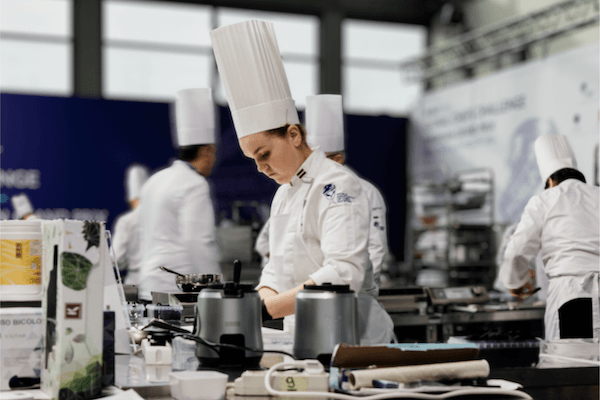
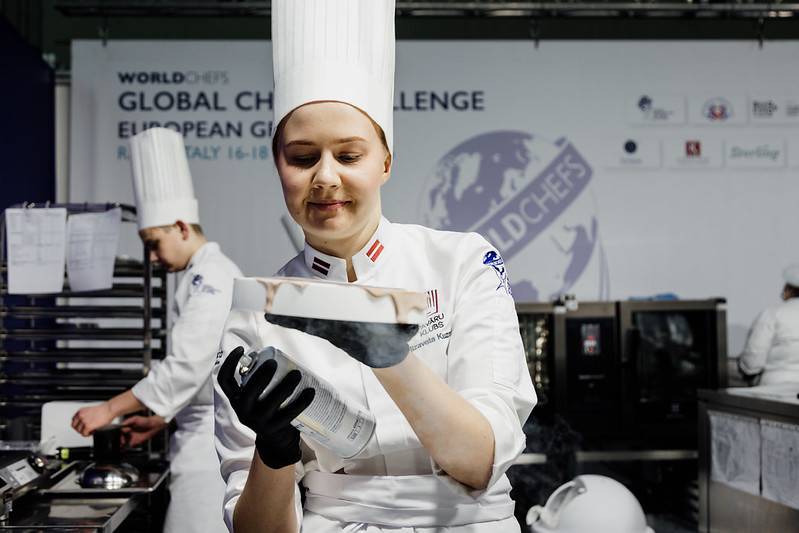
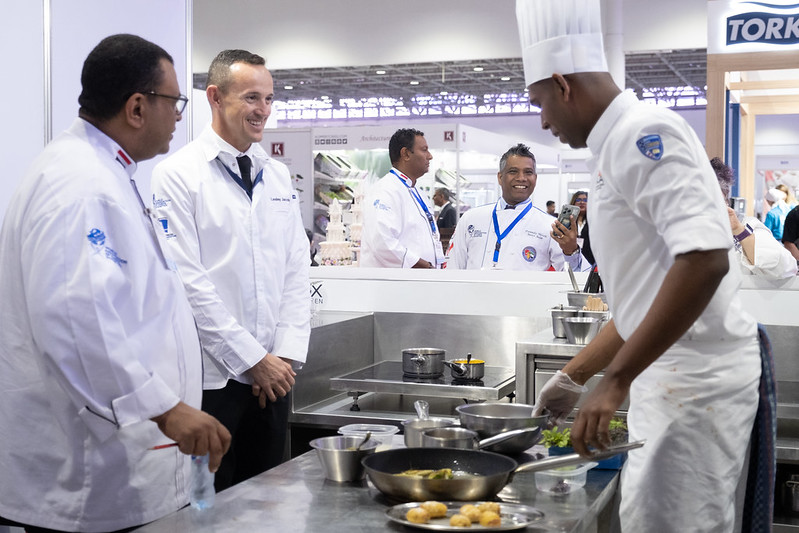
Featured image: Competitor at the 2025 Global Chefs Challenge European Grand Prix semi-finals.

Written by Clare Crowe Worldchefs Editor.

Categories
Industry Trends

Why Mentorship Matters Now More Than Ever in the Culinary World

Mentorship: the secret ingredient to industry success?

When you read a chef’s bio, it usually includes who they worked for. If they’ve been lucky, it might read something like this:

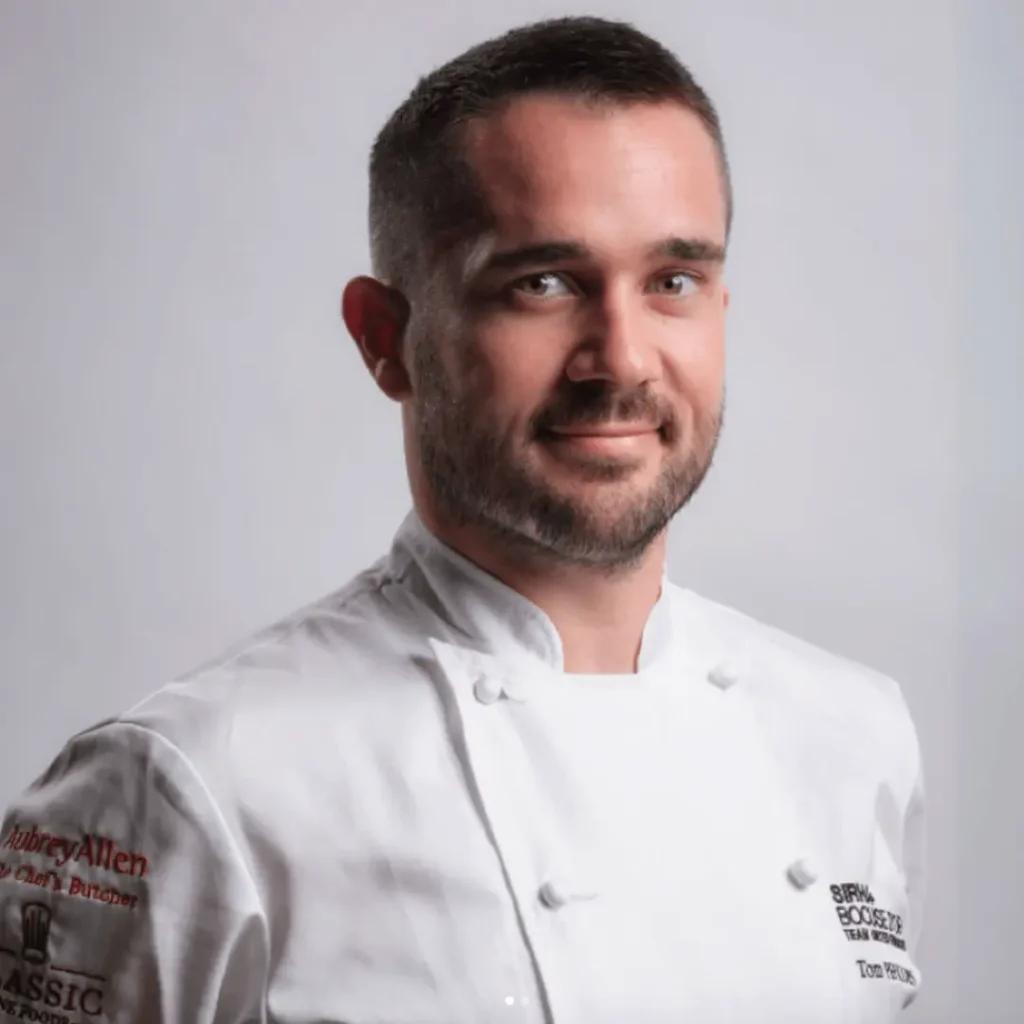
Tom Phillips trained at The Ritz in London, before moving on to Simon Rogan’s L’Enclume in the Lake District and Thomas Keller’s Per Se in New York. He later returned to London to join Restaurant Story, working alongside chef patron Tom Sellers. 

Tom Phillips, Executive Chef at Restaurant Story.

Meet Tom and hear more about his career journey “From Newport to the Bocuse d’Or Stage” at Worldchefs Congress & Expo this May.

While this might not be immediately read as mentor-protégé relationships, the value is clear. Where a chef worked and for whom is a big part of how their skills are perceived. For some, it’s like a badge of honor. A well-known mentor can signal potential, legitimize a chef in the eyes of colleagues and consumers, and inspire culinary professionals to aspire to excellence in an effort to be a part of a shared legacy.

A big-name mentor in your bio might get you noticed, but the benefits run a lot deeper than PR. In this article, we’ll explore why mentorship matters now more than ever in the culinary world.

An Underrated Resource for Today’s Hospitality Landscape

Mentoring is an underrated resource and an under-recognized skillset. According to recent data, 76% of people think mentors are important, but only 37% actually have one.

You can be a great chef but not know a thing about how to inspire someone or guide them towards a long-term perspective on career. It takes time to cultivate skills to mentor and manage people, and the willingness to continue to learn from protégés, too. According to the latest data from Deloitte, many managers only spend 13% of their time developing the people who work for them, and more than one-third (36%) are not sufficiently prepared to be people managers, suggesting that more learning and development is needed across each stage of a person’s career.

Mentoring represents one of many skills that are increasingly expected by today’s hospitality landscape. Culinary professionals need to be multifaceted to respond to an evolving industry, one changed by the pandemic and shifting generational expectations. From small businesses to large commercial kitchens, chefs need to demonstrate strong managerial and leadership skills, as well as operational and administrative skills. Success also often depends on being savvy when it comes to social media, culinary arts tourism, and the latest culinary trends. With so many things to consider in building a successful career, culinary professionals need diverse guidance.

While the culinary arts has traditionally been rooted in vocational training and hands-on apprenticeship, across the globe, industry leaders, educators, and employers report that traditional technical training alone is insufficient to meet these shifting demands. 

The need for meaningful and intentional mentorship is stronger than ever, a kind of mentorship to strengthen career development by offering specific expertise, insights, and opportunities, whether near or far.

judges africa & middle east global chefs challenge
Worldchefs Certified Judges with Global Chefs Challenge competitors.
Deep Dive: A Data-Informed Look at Why Mentorship Matters Now More Than Ever

Mentorship delivers clear strategic value, for employers, mentors, and mentees alike. It’s no wonder why 98% of Fortune 500 companies invest in structured mentorship programs and report higher engagement, stronger pathways for leadership development, and higher retention rates as a result.

Especially now, with automation and AI quickly reshaping day-to-day activities, both employers and customers are searching for connection and adaptive, human-centric skills. Mentorship can help to keep a balance in check by creating opportunities for dialogue around new technologies, approaches, and ways of working. By bridging tradition and innovation and helping to connect perspectives across generations, cultures, and specializations, mentorship can be a key driver for growth, for both the industry and its individuals.

Strengthening Team Culture and Employee Retention


Studies show workplaces with structured mentorship see higher retention rates for mentees (72%) and mentors (69%) compared to other employees. Especially for the new generation of workers, a focus on learning is essential. In a 2025 survey from Deloitte, when asked the strongest reasons for choosing to work for their current employer, Gen Z put learning and development in the top three, with specific mention of wanting greater guidance, inspiration, and mentorship from their managers. 

Mentorship also can also be a part of efforts to address mental health in the kitchen. Mental wellness is an increasingly visible challenge for chefs worldwide, and the value of mentor relationships shows up in this area as well. Studies show 45% of employees feel uncomfortable discussing mental health concerns with their managers. Mentorship builds trust and provides emotional scaffolding, reminding chefs that they are not alone and that their contributions are valued. Data shows that 89% of employees with mentors say colleagues value their work, versus 75% without mentors. All this from knowing someone has their back.

Side Dish: Gen Z’s Career Expectations

86% of Gen Z and 84% of millennials consider mentorship from experienced colleagues to be a key tool for career growth.

9 in 10 Gen Zs (89%) and millennials (92%) consider a sense of purpose to be important to their job satisfaction and well-being.

Promoting Skills Transfer

Mentorship is at the heart of craft, with one person’s mastery becoming the next person’s foundation. According to the Harvard Business Review (HBR), global research shows structured mentoring accelerates skill development by 30% or more. In a study by the HBR, across 19 countries, 84% of workers said that mentors helped them achieve competence in their roles faster. 

It’s also a two-way exchange. Seasoned chefs can share their insights and offer actionable guidance to their mentees. Mentees in exchange bring new perspectives and skills to the table, challenging their predecessors with fresh questions, ideas, and innovations.

And mentorship isn’t just for young chefs. It can benefit chefs at every point in their career. Beyond age and traditional kitchen hierarchy, mentorship promotes mutual learning across generations, cultures, and disciplines. Peer-to-peer mentoring has its place, too, with more experienced colleagues helping others to grow confidence, and encourage collaboration.

ACF ICD Indiana
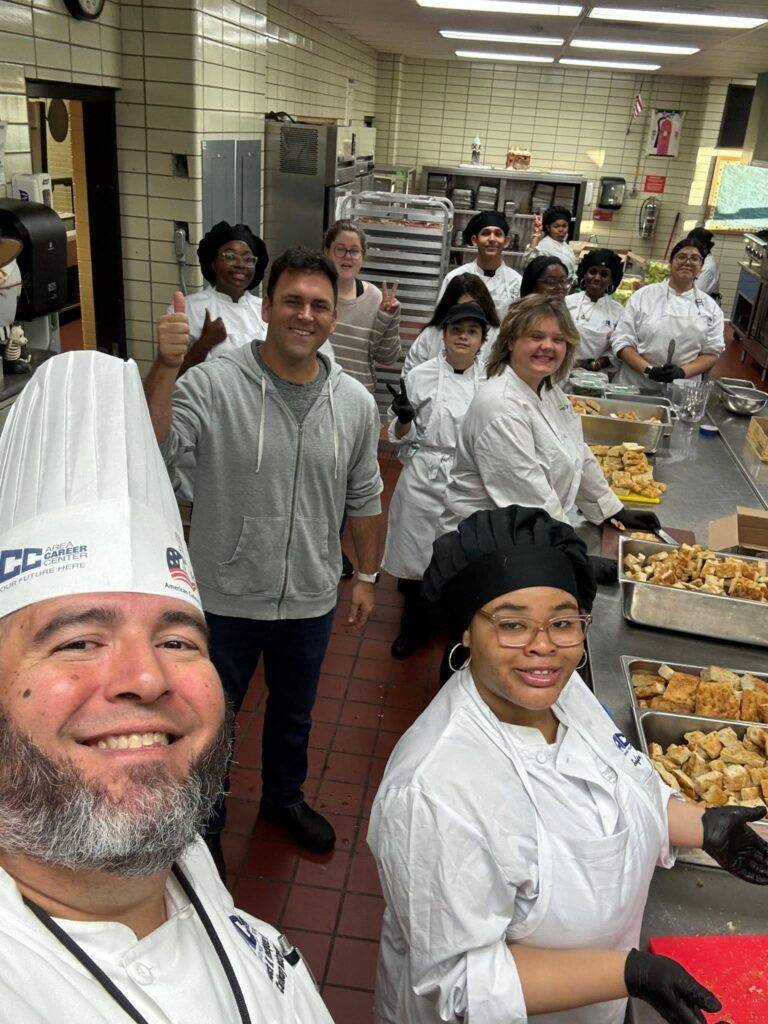
The American Culinary Federation celebrates International Chefs Day with young chefs.
Fostering Inclusive Leadership Development

Mentorship is also one of the most effective tools for advancing diversity, equity, and inclusion in the workplace, which leads to many more gains. Research has shown that mentorship programs can increase minority representation in management positions more effectively than many standalone diversity initiatives, with studies reporting improvements in leadership representation for underrepresented employees when mentoring is part of the strategy. What’s more, the data shows that when employees feel represented, innovation improves by an astonishing 83%. 

A recent survey by the Gallup Center on Black Voices found that employees with a mentor are 1) more than twice as likely as those without to strongly agree that their organization provides a clear plan for their career development, 2) twice as likely to strongly agree that they have had opportunities to learn and grow at work in the last year, 3) twice as likely to be engaged, and 4) 98% more likely to strongly agree that they would recommend their organization as a great place to work. 

For women, mentorship has huge potential, too. A recent study from MIT found that female employees are less likely to be promoted than their male counterparts, despite outperforming them and being less likely to quit. Research also shows that women are less likely to self-promote. In a DDI Women in the Workplace Global Research study, a survey from 19 different countries found that 63% of women have never had a formal mentor. 

Despite women making up more than half of the restaurant and foodservice workforce (52.6% in 2022, according to DataUSA), their representation sharply declines as seniority rises. Only 21.6% (down from 22.6% in 2022) of head chefs and cooks identified as women in 2024, revealing a persistent gender gap in leadership. Meanwhile, half of students at the Culinary Institute of America are female. Women occupy only 6.3% of the head chef positions at prominent U.S. restaurant groups, whereas women CEOs run 11% of Fortune 500 companies in 2025, having made significant gains since 2018. As Fortune 500 companies continue to invest in structured mentorship programs, their strategy could be an important model to address gender representation in professional kitchens.

Mentorship could be a key piece of the puzzle to solving the gender gap, making sure that the industry doesn’t leave talent on the table when it comes to hiring for leadership roles. Across the culinary world, mentorship can help to ensure that chefs of all backgrounds and at all points in their career can rise with confidence and clarity.

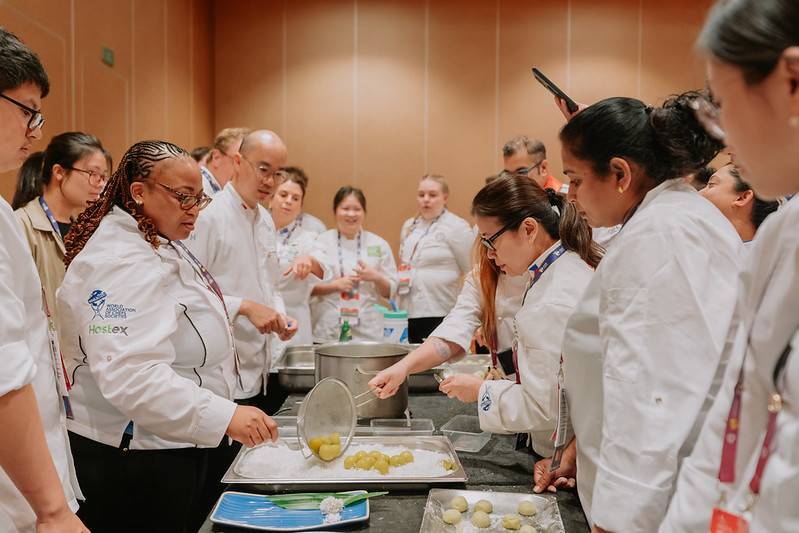
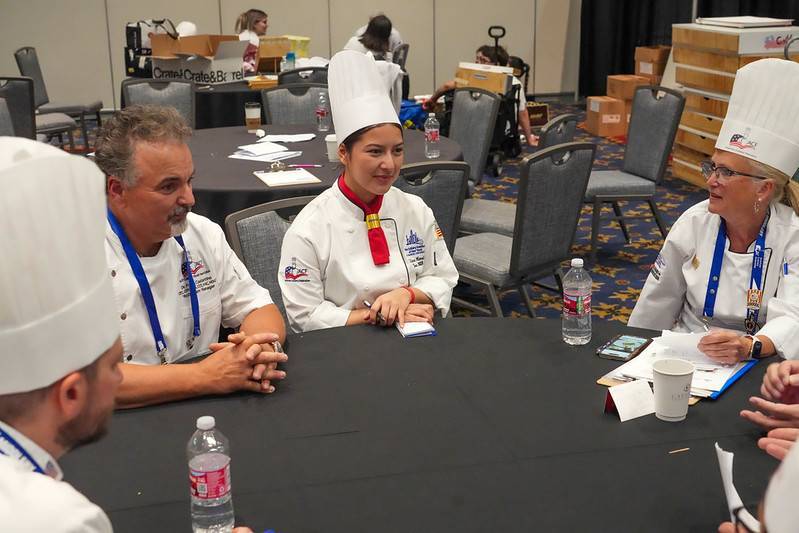
Chefs gather at the Global Chefs Challenge Americas Semi-Finals in 2025.
Mentorship is Legacy and a Long-Term Strategy

Worldchefs and its members are not just looking to help create great chefs. Our community is here to foster leaders for a better culinary industry and food system at large. Going beyond technical skills, mentorship is about more than just imparting culinary expertise. By modeling and inspiring leadership qualities, mentorship also helps to ensure that we develop the strategic, professional, and personal competencies necessary to navigate today’s complex hospitality environment and beyond. 

Through this support, we create a cycle of mentees who grow to become mentors, and an industry culture of learning and development. Mentorship is a legacy of leadership, one that branches out into the past, present, and future.

So, if a chef has been lucky, their bio might read something like this:

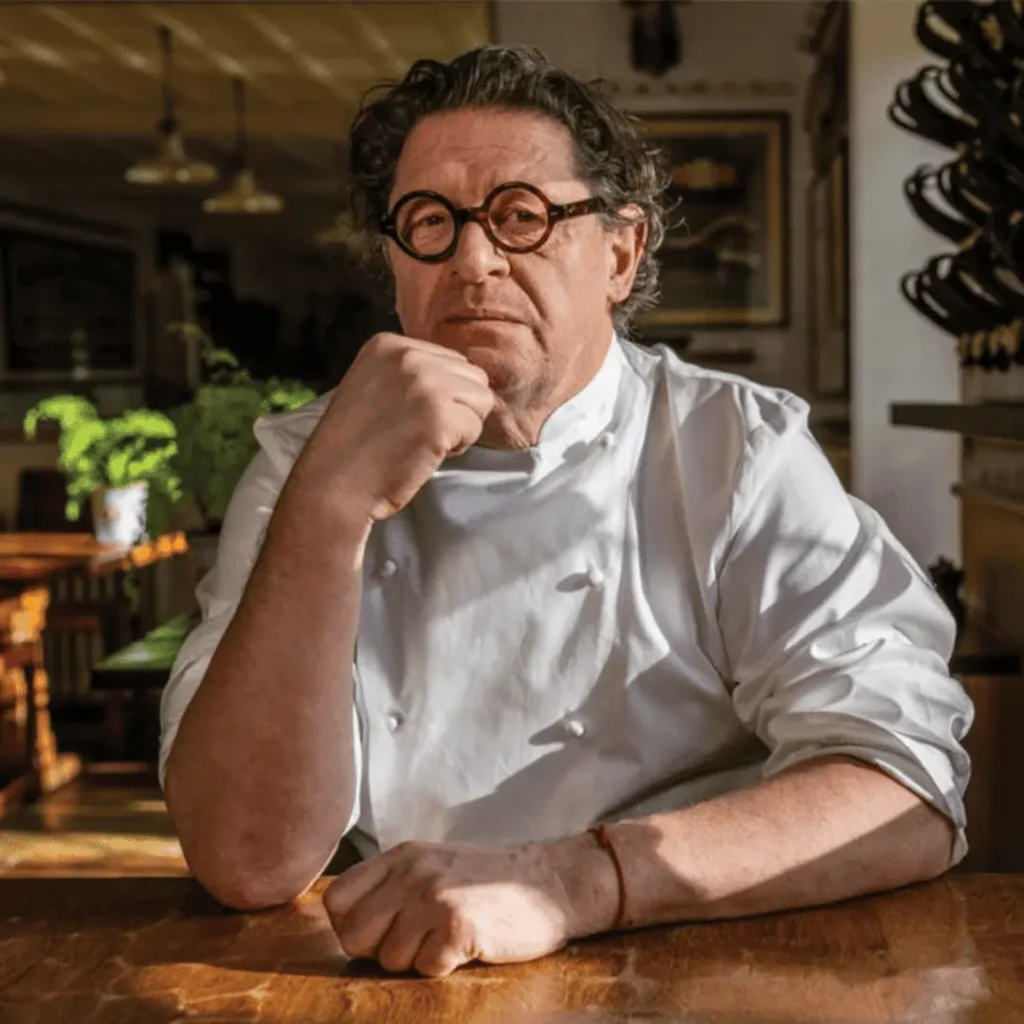
Marco Pierre White is a renowned chef, restaurateur and TV personality. A leading figure in the UK restaurant scene for over 25 years, he has been influential in the culinary careers of many including Gordon Ramsay and Heston Blumenthal. Marco’s rise to culinary acclaim began at 19, when he moved to London to study classical French cuisine under Albert and Michel Roux at Le Gavroche. He later honed his craft with Raymond Blanc and Pierre Koffmann, masters of French cooking technique.

Marco Pierre White
Marco Pierre White
Chef, Restaurateur, and TV Personality


Meet Marco and hear more about his career journey at Worldchefs Congress & Expo this May.
Mentorship in Action
WFF Young Chefs Programme


The World Food Forum (WFF)’s Young Chefs Programme equips chefs aged 18-35 with skills, knowledge and networks to take a leading role in transforming agrifood systems through culinary practices.

Each participant will be paired with a mentor from the Worldchefs network to drive local food systems projects.

Young Chefs Clubs


Young Chefs Clubs connect emerging culinary professionals within a global network, providing mentorship and leadership development through friendship, cuisine, and cultural exchange.

A toolkit is also currently being developed for rollout to national chef associations, offering guidance to launch and manage a mentorship program for young chefs.

To learn more about starting a Young Chefs Club, contact the Worldchefs office.

Billy Gallagher Young Chefs Forum


At Worldchefs Congress & Expo, the Billy Gallagher Young Chefs Forum Program provides young up-and-coming chefs proper training, guidance, and learning opportunities.

At Worldchefs Congress 2026, the exciting young chefs program includes a trip to Cardiff Market, a foraging experience, face-to-face sessions with Michelin-starred chefs, and more.

Interested in being matched with a mentor — or becoming one? Get in touch with us.

Young Chefs
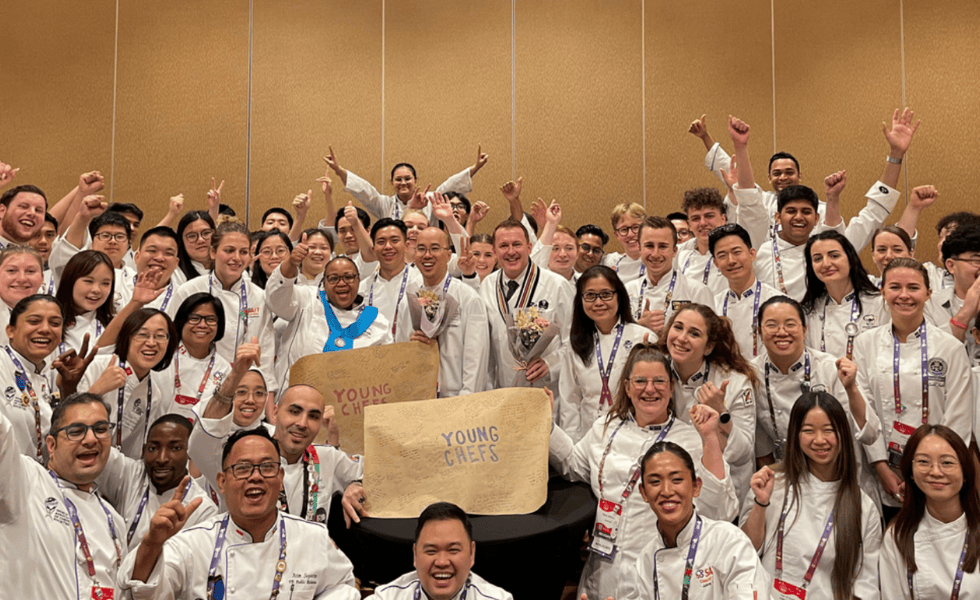
Young Chefs and mentors at Worldchefs Congress & Expo 2024.
Photo credits and captions

Cover image: Billy Gallagher Young Chefs Forum at the 2024 Worldchefs Congress & Expo.

Written by Worldchefs Editor.

Categories
Industry Trends

Behind the Pass: Sustainable Gastronomy Spotlight

At a busy kitchen in Singapore amid serving 40,000 consumers a day, Executive Chef Harish Arya has struck gold. He and his team have reduced food waste in their kitchen by an incredible 95%. For them, it’s both a point of pride and proof that getting creative with ingredients, training staff, and rethinking prep can make a measurable difference.

Stories like this are happening every day in kitchens around the globe. From high-end restaurants to vocational classrooms, chefs are finding smarter ways to work with what they have, reducing food waste, sourcing local, and reconnecting with seasonal ingredients.

Sustainablility asks chefs to make decisions that go beyond the plate. What’s in season? Where did this product come from? How can I use the whole ingredient? What’s the environmental cost of my protein choice? These questions are shaping how chefs cook, and how people eat.

Worldchefs members like Chef Harish offer real-world examples of how chefs are putting a new kitchen standard into practice through sustainable gastronomy.

Let’s go Behind the Pass with them to learn practical steps to create menus that check the boxes for flavor, creativity, sustainability and story.

sustainable gastronomy
harish

“Trim – don’t consider it as a waste. It’s a kind of gold. We have to use it. And definitely we’ll have a global impact if you are able to reduce that kind of waste.”

Chef Harish Arya

Understanding Sustainable Gastronomy

What does sustainable gastronomy really mean in today’s kitchens? It’s about building a system that works for the planet, for producers, and for the people we feed. It connects the joy and creativity of cooking with a responsibility to use the power of food for good, protecting our planet’s resources, preserving cultural heritage, and supporting local economies.

According to the FAO:

Gastronomy is sometimes called the art of food. It can also refer to a style of cooking from a particular region. In other words, gastronomy often refers to local food and cuisine. Sustainability is the idea that something (e.g. agriculture, fishing or even preparation of food) is done in a way that is not wasteful of our natural resources and can be continued into the future without being detrimental to our environment or health.

Sustainable gastronomy, therefore, means cuisine that takes into account where the ingredients are from, how the food is grown, and how it gets to our markets and eventually to our plates. 

Culinary arts is an art. Caring is an integral part of the craft. By choosing ingredients that are seasonal, locally sourced, and ethically produced, chefs can translate this care into that measurable difference we’re all hoping to make.

From here we’ll dive into how Worldchefs’ industry leaders are making an impact, from zero-waste menu development to experimenting with alternative proteins.

sustainable gastronomy
Worldchefs Global Vegan Chefs Challenge, Denmark culinary team
Zero Waste for the Win

At the Sodexo kitchen in Singapore, Chef Manager Harish Arya is working to change mindsets through inventive menu items, pulling from his experience as an award-winning competition chef and inspiration from his mother’s approach to Indian cuisine.

With a focus on repurposing trimmings as valuable ingredients, Chef Harish integrates zero waste principles into routine culinary operations. His team prepares 20 to 30 dishes a day, each an opportunity for a creative spin, including zero-waste soup and shredded watermelon salad.

Deeply influenced by his upbringing in India, Chef Harish’s practices are inspired by the root-to-tip cooking he observed in his mother’s kitchen, and further informed through his experience in culinary competitions.

By using what others might consider waste, Chef Harish creates unique and delicious menu options that celebrate creativity. This everyday ingenuity in the kitchen reflects a broader vision of sustainable gastronomy, one that begins with how we see and use our ingredients.

Chef Harish shares more of his strategies in Episode 125: Making Every Ingredient Count: Leading Zero Waste Efforts with Sodexo Chef Manager Harish Arya, and you can find more ideas in this guide on how to go zero waste.

sustainable gastronomy
third millennium farming
Ingredient Innovation

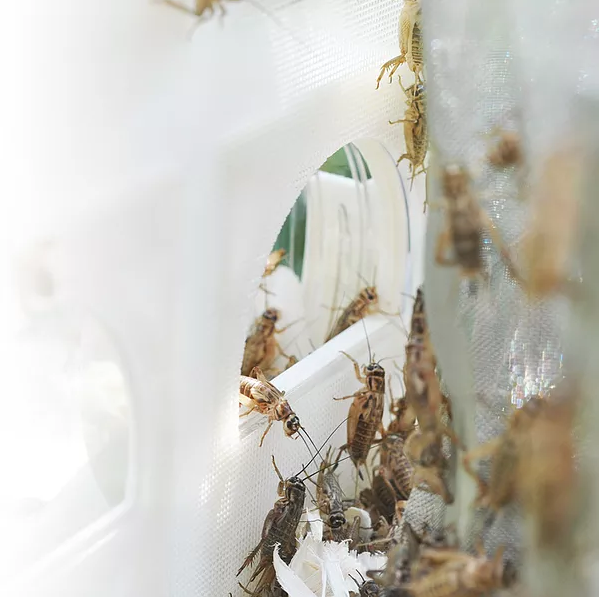
At Humber College in Canada, Professor of Culinary Arts Mark Jachecki is helping future chefs discover an unexpected protein that is gaining traction. Working with Jakub Dzamba, Co-Founder and CEO of Third Millennium Farming, he introduces insect protein as a practical solution for the modern kitchen with huge menu development potential in sustainable gastronomy.

Insect protein, derived from sources like crickets and mealworms, is packed with essential nutrients and requires far fewer resources to produce compared to traditional animal proteins. Insect protein can be used in a wide range of dishes, offering new textures and flavors to experiment with while reducing environmental impact.

These ingredients are already making their way into classrooms and kitchens, helping to shift perceptions and broaden ingredient choices. As part of Worldchefs’ Feed the Planet webcast series, Mark and Jakub shared insights on how chefs can help mainstream insect protein, such as cricket flour in pasta or high-protein snack bites, that are both novel and nutritious.

By exploring sustainable protein alternatives like insect protein, chefs can play with taste, versatility, and push the boundaries of what’s possible on the plate, for the palate and the planet.

Catch their conversation on Sustainability Around the World #48:  Insect Protein for Chefs: The Next Frontier in Sustainable Cuisine.

Culinary Heritage for the Future

In the hills of southern Italy, Ristolab is future-proofing the Mediterranean diet by looking both to the past and to the future. Led by Chef Amabile Cortiglia and food scientist Dr. Sofia Cavalleri, this unique culinary research lab and restaurant blends scientific and traditional knowledge to craft menus that promote sustainability, health, and culture.

Their approach uses food experience to protect biodiversity by using local, seasonal, and wild ingredients, many of which have been part of regional diets for centuries. By studying traditional farming methods and food preservation techniques, and pairing them with nutritional research, they create climate-friendly menus that shine a light on a budding future of eco-conscious dining and sustainable tourism.

For Chef Amabile and Dr. Cavalleri, preserving culinary heritage honors the past and applies it to today’s challenges. Through their menus,  they show how heritage cuisine can guide the future of sustainable gastronomy.

You can hear more from them on Sustainability Around the World #45: Ristolab, Where Science Meets Sustainable Gastronomy and find more on this topic in our recent article, Preserving the Past, Cooking for the Future: How Heritage Cuisine Nourishes Culture, Health, and Innovation.

Local, Seasonal, Smart: A New Kitchen Standard

From whole ingredient cooking to inspiration from generations past, these examples illustrate how much there is to explore when it comes to sustainability. It’s both a responsibility and an exciting lens that challenges us to get curious and creative.

How will you apply an understanding of sustainable gastronomy to your cuisine?

Next Steps for Chefs: Sustainable Gastronomy

For Chefs & Organizations:

  • Celebrate Sustainable Gastronomy Day on 18 June by signing for Sustainability Education for Culinary Professionals, a free, open-source course available in eight languages on Worldchefs Academy. Get certified in culinary sustainability and drive sustainable change in your daily life. You’ll gain a digital badge to promote your new knowledge and skills.
  • Watch our UN Oceans Conference side event webcast, Sustainably Sourced: Science & Seafood.
  • Register for the upcoming Art&Science webinar From Waste to Wonder.
  • Become a Sustainability Education for Culinary Professionals Approved Trainer and join our global network of sustainability experts. At the end of training, you’ll receive the trainer digital badge and certificate from Worldchefs and be able to teach the curriculum to your school, association or workplace.

Learn more about Worldchefs’ sustainability initiatives at feedtheplanet.worldchefs.org.

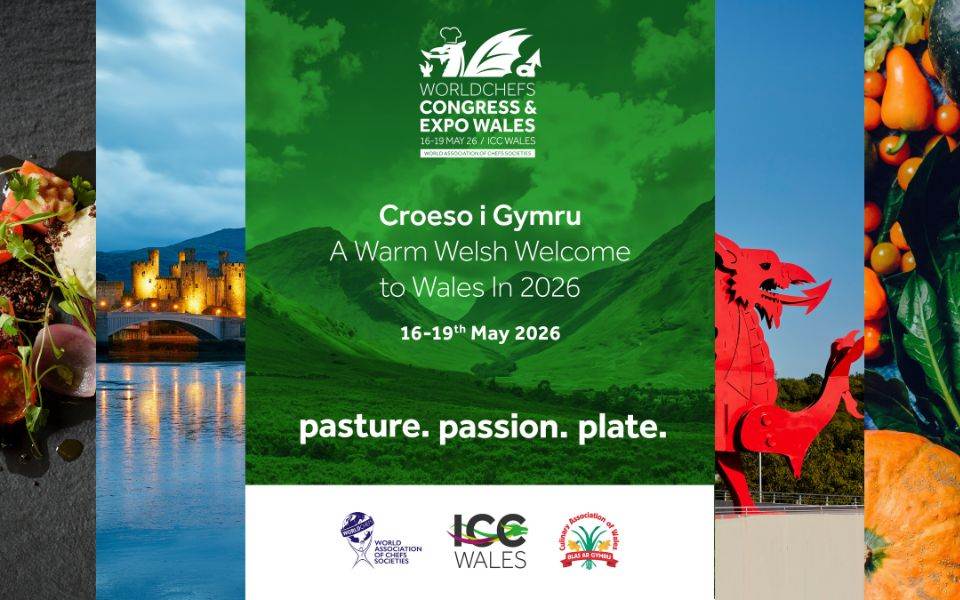
Wales to Host Worldchefs Congress & Expo 2026, Bringing the Global Culinary Community Together

Wales to Host Worldchefs Congress & Expo 2026, Bringing the Global Culinary Community Together to Newport, Wales.

Newport, Wales, 27 March 2025 – Wales has been selected to host the prestigious Worldchefs Congress & Expo 2026, a global event expected to bring 1,000 chefs from across the globe to Newport from 16-19 May 2026. The event will be a global meeting point for industry leaders, offering world-class educational sessions, culinary competitions, and networking opportunities.

The successful bid, led by the Culinary Association of Wales (CAW) in partnership with International Convention Centre Wales (ICC Wales), the Celtic Manor Resort, and the Welsh Government, marks a major milestone for the nation’s culinary and hospitality industry. The event, held biennially, will serve as a platform to showcase Wales’ world-class produce, rich culinary heritage, and vibrant food and drink industry to an international audience.

“This is a significant landmark event for Wales. It’s the culinary equivalent of hosting the football World Cup finals,” said Arwyn Watkins, OBE, President of the Culinary Association of Wales. “The hard work starts now to ensure that we maximize this opportunity. Our goal is to create a lasting legacy by engaging culinary students and professionals across the UK, raising awareness about the rewarding career opportunities in hospitality.”

The theme for the 2026 Congress, “Pasture, Passion, Plate,” reflects the journey of food from its origins to the final dish, celebrating sustainability, craftsmanship, and the love of cooking.

  • Pasture represents the land, the source of our ingredients, and the commitment to sustainable agriculture. Wales’ lush landscapes and thriving farming traditions provide some of the world’s finest produce—from grass-fed lamb to artisan cheeses and fresh seafood.
  • Passion is the driving force behind every great chef, farmer, and food producer, fueling innovation while honoring tradition.
  • Plate is the final destination, where ingredients and creativity come together to tell a story of culture, history, and sustainability.

ICC Wales’ late Chief Executive Ian Edwards had expressed his excitement for the event, stating, “Hosting this prestigious congress is a brilliant opportunity to showcase Wales’ wealth of produce and growing food industry to the world. With our track record of hosting major international events, we are confident in delivering an unforgettable experience.”

Former Minister for Rural Affairs Lesley Griffiths added, “This will be a tremendous opportunity to showcase Welsh produce to the world. Congratulations to everyone involved in securing this achievement.”

“We look forward to bring this global gathering to such a vibrant culinary destination. Wales’ rich food heritage, commitment to sustainability, and passion for hospitality make it the perfect stage for this edition of our industry’s most influential event,” says Worldchefs Managing Director Ragnar Fridriksson. “The Worldchefs team looks forward to working closely with our Welsh partners to create an unforgettable experience for chefs and culinary professionals worldwide.”

In addition, internationally renowned Welsh mezzo-soprano Katherine Jenkins OBE has been announced as an Ambassador for the Culinary Association of Wales, adding further prestige and visibility to the event.

“It’s a huge coup and an honor for the Culinary Association of Wales to have Katherine as our ambassador,” said Arwyn Watkins, OBE. “Her global influence will help elevate the profile of this major international culinary event and showcase Wales on the world stage.”

The Worldchefs Congress & Expo 2026 will take place from 16–19 May 2026 at ICC Wales, with delegates accommodated at the Celtic Manor Resort and surrounding hotels.

For more information and to register, visit worldchefscongress.org.

About Worldchefs

The World Association of Chefs’ Societies, known as Worldchefs, is a federation made up of 110 national chef associations. A leading voice in the hospitality industry, Worldchefs carries years of history since its founding in 1928 at the Sorbonne by the venerable Auguste Escoffier.

Representing a mobilized international membership of culinary professionals, Worldchefs is committed to advancing the profession and leveraging the influence of the chef jacket for the betterment of the industry and humanity at large.

Worldchefs is dedicated to raising culinary standards and social awareness through these core focus areas:

  • Education – Worldchefs offers support for education and professional development through the landmark Worldchefs Academy online training program, a diverse network of Worldchefs Education Partners and curriculum, and the world’s first Global Culinary Certification recognizing on-the-job skillsin hospitality;
  • Networking – Worldchefs connects culinary professionals around the world through their online community platform and provides a gateway for industry networking opportunities through endorsed events and the biennial Worldchefs Congress & Expo;
  • Competition – Worldchefs sets global standards for competition rules, provides Competition Seminars and assurance of Worldchefs Certified Judges, and operates the prestigious Global Chefs Challenge;
  • Humanitarianism & Sustainability – Worldchefs Feed the Planet and World Chefs Without Borders programs relieve food poverty, deliver crisis support, and promote sustainability across the globe.

About Worldchefs Congress & Expo

The global leading platform that brings together chef delegates and professionals from across the five continents, Worldchefs Congress & Expo delivers a unique program to help industry players network and expand their professional bonds. 

This includes presentations and workshops from leading experts in the industry, impactful educational programs including the Worldchefs Educators’ Forum, specialized events designed to uplift the next generation of chefs such as the Bill Gallagher Young Chefs Forum, the Global Chefs Challenge Finals culinary competition, an international trade exhibition, and diverse activities to enhance both your personal and professional network. 

For more information on Worldchefs Congress, kindly refer here: www.worldchefscongress.org

– END –
Media Contact:
Olivia Ruszczyk
communications@worldchefs.org


What to expect? Here is a recap of Singapore 2024…

Categories
Industry Trends

Top 5 Culinary Industry and Career Trends for 2025

The professional kitchen has always been a place of innovation, from establishing the brigade system to last-minute menu changes on the fly. While cooking is about instinct, it’s also about technology, strategy, and adaptability.

What skills will define the next generation of chefs? What tools will transform tomorrow’s menu? In this article, we explore five top culinary industry and career trends for 2025, backed by insights from Worldchefs’ programs and expert-led discussions, plus ways chefs can get equipped with the tools, certifications, and education needed to thrive.

1. Digital Credentials for Workplace Empowerment

The demand for verifiable skills and continuous learning is driving the adoption of digital credentials. Culinary professionals are increasingly looking to online certifications and digital credentials to showcase their expertise. Digital badges, such as those offered through Worldchefs webinars, help professionals gain global recognition and career mobility to position themselves for long-term success, especially as hiring practices evolve to prioritize certified competencies over traditional resumes.

For culinary schools and employers, investing in work-based training and a skills recognition tool like Global Culinary Certification is more important than ever to attract quality staff and develop a stronger team. Digital badges help build a successful employer brand, boost retention levels, and foster a work culture committed to professional development.

culinary industry
trends
2025
digital credentials

2. AI in the Kitchen

The integration of AI into the F&B industry is changing the game for culinary associations, restaurants, and foodservice professionals. AI can work for you in different ways. Understanding how to leverage AI can improve efficiency, enhance cost-saving measures, and help support creativity.

Worldchefs is committed to helping culinary associations and chefs embrace technology as a tool for innovation rather than a replacement for craftsmanship. Explore AI insights and recommended tools here: Resources to Harness the Power of Technology.

culinary industry
trends
2025
AI

3. Leadership and Skills Development

In 2025, setting yourself apart in the culinary industry means embracing continuous education and developing essential skills. Whether through open-source courses like those on Worldchefs Academy or top-tier education programs offered by Worldchefs Education Partners around the globe, investing in skills development is key.

In addition to structured learning, mentorship, global networking events, and leadership training are becoming essential for aspiring chefs who want to stand out. Chefs who expand their expertise in team leadership and business management will have a competitive edge in the evolving industry.

Showcasing a commitment to continuous learning and growth is equally as important, and achievable through international skills recognition frameworks like Global Culinary Certification.

culinary industry
trends
2025
certification
4. Food as Medicine

Consumer awareness around nutrition and wellness is driving the demand for chefs who understand the connection between food and health. Chefs are incorporating functional foods, plant-based diets, and specialized nutrition programs into their menus to meet consumer demand for healthier options.

Worldchefs has covered food as medicine in depth, featuring insights from industry experts, including Certified Executive Chef Nazim Khan and Dr. Timothy Harlan, in their World on a Plate podcast episodes, and at the 2024 Worldchefs Congress.

culinary industry
trends
2025
food as medicine

5. The Business Case for Sustainability

Sustainability is no longer optional, it’s a business imperative. Consumer awareness and demand for sustainable sourcing, waste reduction, and ethical operations continues to reshape the way foodservice businesses operate. Chefs and restaurateurs are integrating sustainable practices into their business models as a fundamental strategy for success.

For actionable strategies to improve operations in your kitchen, take the free Sustainability Education for Culinary Professionals course on Worldchefs Academy. Learn how sustainability can drive both profitability and positive impact, plus, get a digital badge that you can add to your LinkedIn, CV, or socials to showcase how you’re building skills for a better future.

culinary industry
trends
2025
sustainability

Stay Ahead of the Curve

As the largest global network of professional chef associations and culinary education institutions, Worldchefs is shaping the future of the industry by equipping chefs with the knowledge and skills needed to stay ahead. From leveraging artificial intelligence to enhance efficiency to understanding the connection between food and health and embedding sustainability into daily operations, Worldchefs is here to help our membership adapt, innovate, and lead.

Keep learning and leading the way forward in 2025! Be sure to follow Worldchefs on Instagram @worldchefs and LinkedIn, and subscribe to newsletters for the latest industry insights.

Subscribe

* indicates required

What are you looking for?

Generic selectors
Exact matches only
Search in title
Search in content
Post Type Selectors