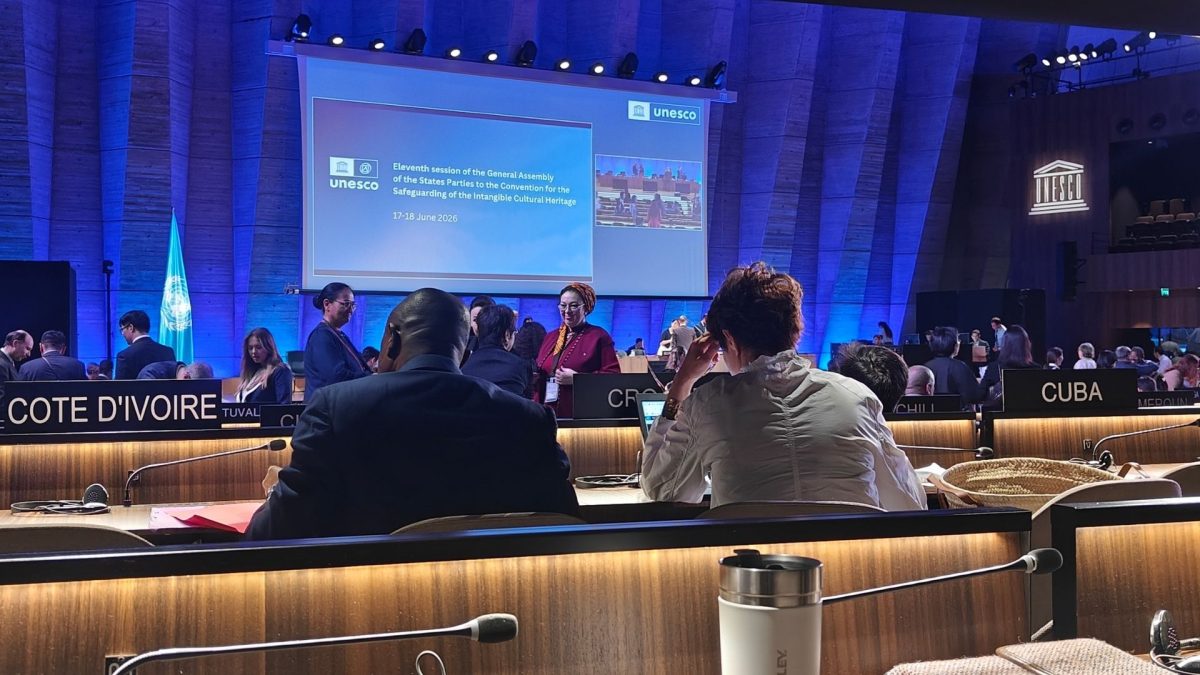
As part of Worldchefs’ growing work around education, sustainability and cultural heritage, Director of Operations and Projects Connie Lau represented the organization at UNESCO Headquarters during the 11th General Assembly of the States Parties to the Convention for the Safeguarding of the Intangible Cultural Heritage. Following the meeting, Worldchefs reflects on the discussions and what they mean for chefs around the world.
Worldchefs joined international discussions on living heritage during the 11th session of the General Assembly of the States Parties to the Convention for the Safeguarding of the Intangible Cultural Heritage, held at UNESCO Headquarters in Paris on 17 and 18 June 2026.
The session brought together representatives from governments, cultural institutions, non-governmental organizations and other stakeholders to exchange perspectives on the future implementation of the Convention and the shared responsibility of safeguarding intangible cultural heritage around the world.
For Worldchefs, the experience offered an important opportunity to reflect on culinary heritage not only as a cultural expression, but as living knowledge shaped by people, places, skills and traditions.
Learning from the International Community
Several interventions during the session provided important lessons for Worldchefs.
Romania highlighted the importance of ensuring that people and organizations have the knowledge and skills needed to safeguard living heritage. South Africa and Oman demonstrated how heritage can be connected with sustainable development, local identity and community participation. Jordan provided a powerful reminder of the threats that war, conflict and displacement can pose to heritage. When communities can no longer practise or transmit their traditions, the loss extends beyond physical places. Knowledge, identity, memory and cultural continuity are also placed at risk.
Together, these discussions reinforced the importance of connecting heritage protection with education, sustainability and community resilience. They also raised an important question for Worldchefs: how can the culinary profession contribute to keeping living heritage active, respected and relevant?
Culinary Heritage Is Living Heritage
Under the UNESCO Convention, intangible cultural heritage is recognized as the practices, expressions, knowledge and skills that communities identify as part of their cultural heritage. It is passed from generation to generation and continues to evolve as communities respond to their environment, history and changing circumstances.
Following this understanding, culinary heritage can also be seen as living heritage. In the culinary world, this can include knowledge and practices linked to farming, ingredients, recipes, preparation techniques, eating traditions, celebrations and rituals.
A recipe is rarely only a list of ingredients. It may represent a family history, a particular landscape, a seasonal rhythm, a local product, or a community’s relationship with nature.
Chefs can help support the transmission of this knowledge by learning from communities, supporting local producers, practising traditional skills, documenting techniques and sharing the stories behind food. Their role, however, must be rooted in respect.
Culinary heritage belongs first to the communities, families, producers and traditional knowledge holders who practise and sustain it. Chefs can contribute by listening, learning and helping pass this knowledge forward responsibly.
Training the Next Generation
Education and capacity-building will be central to how Worldchefs continues to explore culinary heritage.
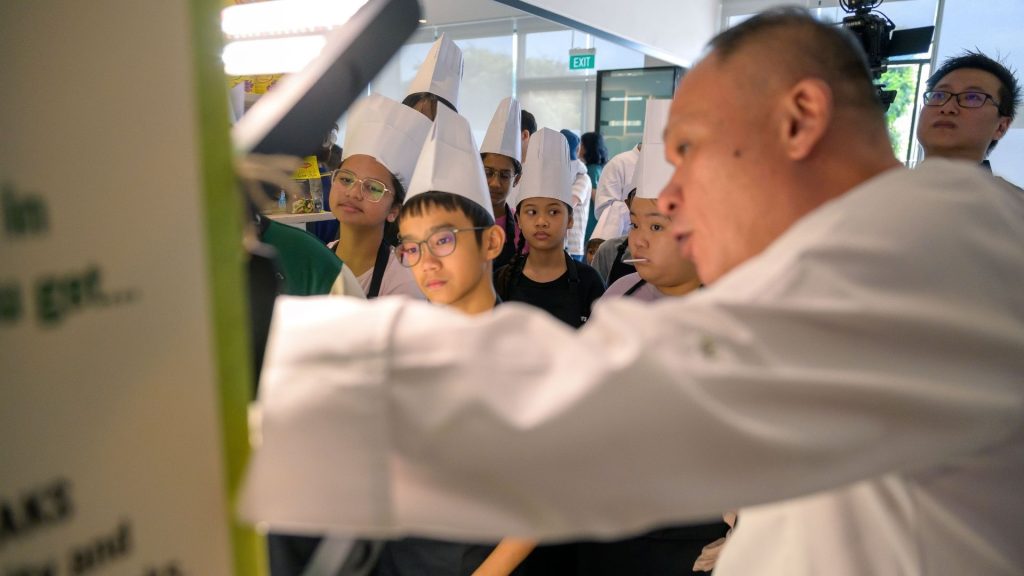
Young chefs need opportunities to learn directly from experienced chefs, local producers, farmers, communities and traditional knowledge holders. Through practical training, mentorship and community engagement, they can develop the skills to understand, practise and transmit culinary traditions.
They should also learn how culinary heritage connects with sustainable development, responsible sourcing, cultural identity, local economies and community resilience.

“Safeguarding culinary heritage starts with people. By training young chefs to learn from communities, practise traditional skills and pass this knowledge forward, we can protect cultural identity while creating lasting value for chefs, cities and sustainable local development.
I was also very pleased to connect with representatives from Cambodia’s Ministry of Culture and Fine Arts, KHA, a heritage organisation in Korea, and the Executive Secretary representing Cabo Verde. These connections open the door to further discussions with UNESCO and other relevant stakeholders on how we can move this work forward together.”
– Connie Lau, Director of Operations and Projects at Worldchefs
The goal is not to preserve traditions as something fixed in the past. Living heritage evolves as communities respond to their environment, history and changing circumstances. The challenge is to carry traditions forward while respecting their origins and the people to whom they belong.

From Reflection to Action: Worldchefs Village
Worldchefs’ attendance at the General Assembly was not only an opportunity to listen. It also opened space to consider how the organisation’s global network can help connect international heritage discussions with practical action.
This direction will be reflected through upcoming Worldchefs Village activations, including the Culinary World Cup 2026 in Luxembourg-Kirchberg from 21 to 25 November 2026 and Sirha Lyon from 21 to 25 January 2027.
Worldchefs Village provides national chef associations, regions, tourism organisations, culinary schools, producers and partners with an international platform to showcase culinary identity and regional food culture.
Heritage-focused showcases can bring together traditional and regional ingredients, culinary demonstrations, preparation techniques, local producers, craftspeople, recipes and the stories behind them. The purpose goes beyond presenting traditional dishes. It is also about helping audiences understand the people, places, skills and values behind the food.
Through these platforms, culinary heritage can support chefs, strengthen regional visibility, promote responsible tourism and create opportunities for local producers and communities.
Looking Ahead to Paris 2028
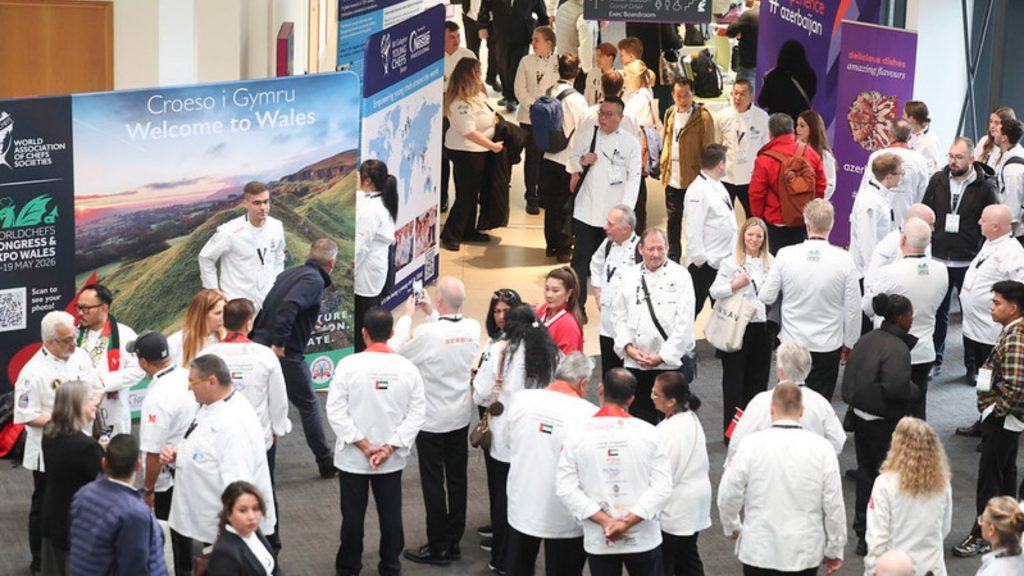
Worldchefs will celebrate its 100th anniversary at the Worldchefs Congress & Expo 2028 in Paris, the city where the organisation was founded in 1928.
This milestone offers an opportunity to connect the history of Worldchefs with the future of the culinary profession. It can bring together chefs, young people, educators, cultural institutions, cities, communities, governments and international partners around a shared question: how can culinary knowledge be protected, respected and carried forward for the next 100 years?
Creating Lasting Value
Safeguarding culinary heritage cannot be achieved by one organisation or profession alone. It requires cooperation between communities, chefs, educators, producers, researchers, cultural organisations, governments, cities and tourism bodies.
For chefs, this work can deepen cultural knowledge, strengthen professional skills and open new opportunities to serve as educators and responsible storytellers.
For cities and regions, culinary heritage can strengthen identity, responsible tourism and relationships with local producers.
For communities, it can help maintain knowledge, create economic opportunities and ensure that younger generations remain connected to their traditions.
Worldchefs can contribute its international network, culinary expertise and platforms for education and visibility. Its national association members bring the local knowledge, professional expertise and community relationships needed to turn this ambition into meaningful action.
Worldchefs’ attendance at the UNESCO General Assembly reinforced the importance of connecting culinary heritage, sustainability and youth education. The next step is to continue the dialogue with relevant stakeholders and explore practical ways to train young people, support communities, strengthen capacity and ensure that culinary knowledge remains alive, respected and relevant.
Heritage connects us with where we come from. Education gives us the ability to carry it forward.