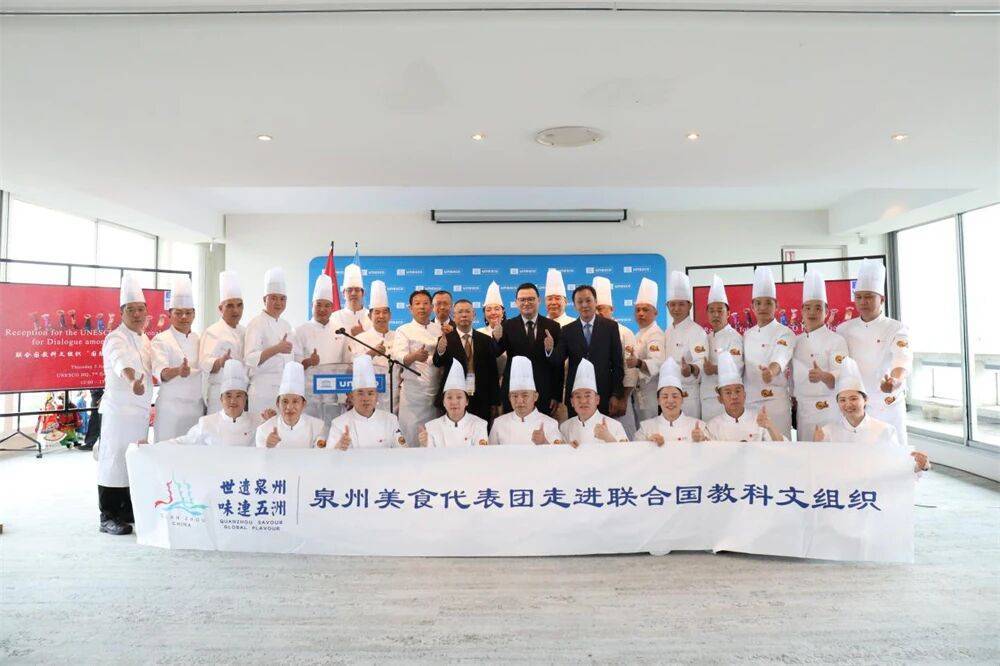
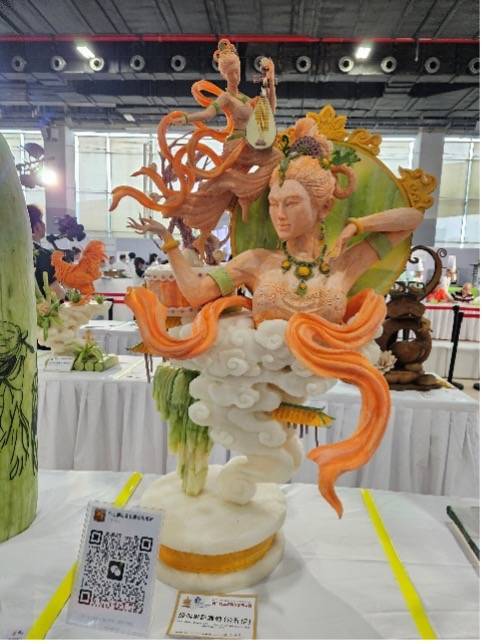
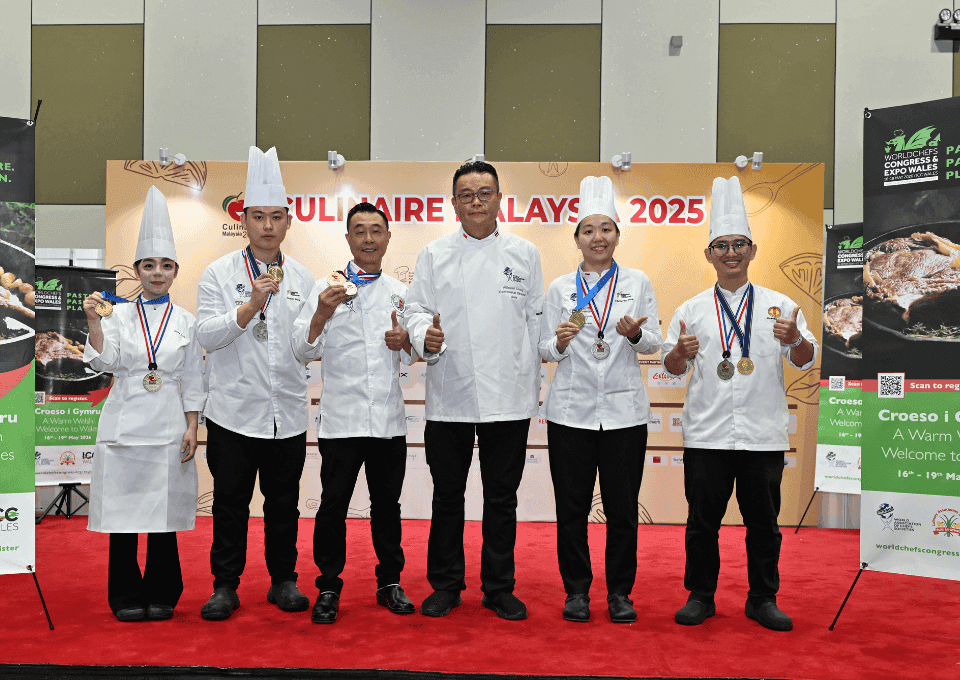
With the municipal government’s high-priority commitment and the full support of the China Cuisine Association, Quanzhou has been honored as a UNESCO certified “City of Gastronomy.” For Worldchefs, this milestone is especially meaningful. The China Cuisine Association, our respected national member, has demonstrated how a chef association can collaborate strategically with local government to drive sustainable development through food. Their success offers a powerful case study in how culinary organizations can champion culture, community, and creativity. It is aligned with Worldchefs’ own UN-focused initiatives on sustainability, heritage preservation, and food as a force for positive change. Read below to learn more:
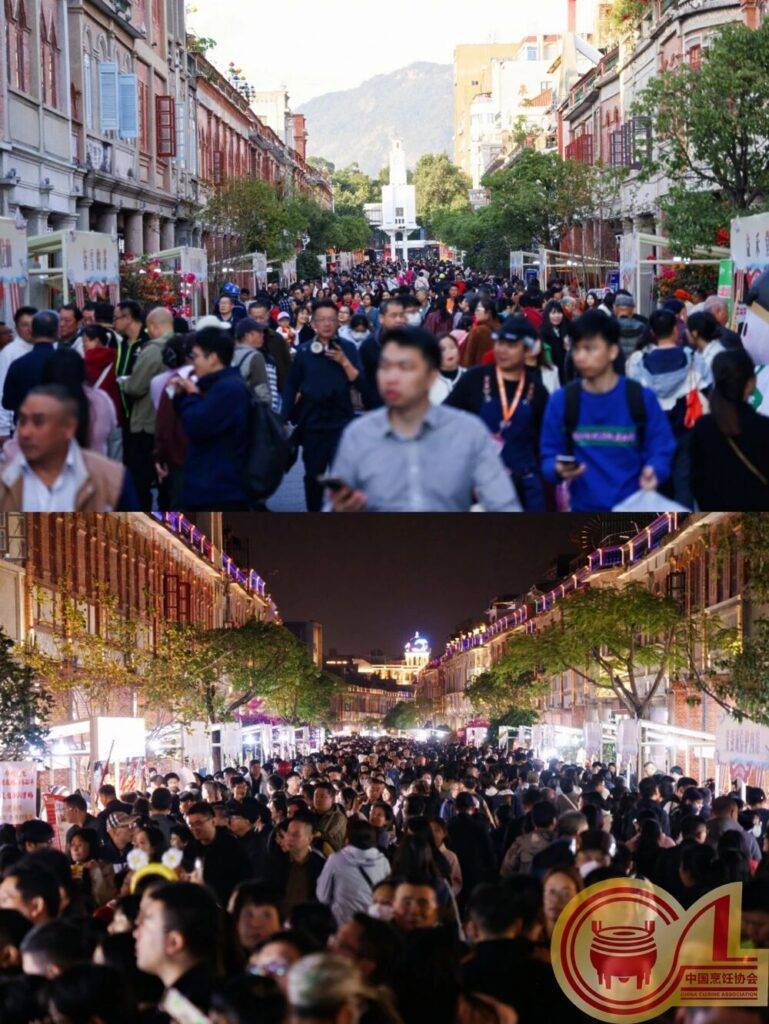
UNESCO officially announced on its website on 31 October that Quanzhou has been admitted to the Creative Cities Network as a City of Gastronomy, becoming the seventh city in China to receive this prestigious title. The achievement is the fruit of the Quanzhou municipal government’s high-level planning and vigorous promotion, as well as the professional and fully support of the China Cuisine Association. Together, they have struck a fresh note in taking Chinese culinary culture to the world.
Since launching its bid for the UNESCO “Creative City of Gastronomy”, the Quanzhou municipal government has elevated the campaign to a strategic engine for cultural continuity and sustainable urban growth. A dedicated task force has been assembled and a road map unveiled to inventory the city’s culinary assets—Minnan classics, diaspora flavors and centuries-old Maritime Silk Road foodways—while integrating them with tourism, intangible heritage and local industry, laying a robust foundation for the bid.
Quanzhou sets up special task force to launch UNESCO “City of Gastronomy” bid
The China Cuisine Association (CCA) has brought its full professional weight to bear, partnering seamlessly with the Quanzhou government to power every stage of the bid. An elite task-force of gastronomy scholars dispatched to the port city has catalogued centuries-old recipes and diaspora dishes, helping craft a standardized taxonomy of Quanzhou flavors. Leveraging its national network, the CCA has also opened a knowledge corridor with Chengdu, Shunde and Chaozhou—already crowned UNESCO Creative Cities of Gastronomy—so that Quanzhou can import best-practice playbooks on both the application process and post-designation industry growth. Throughout, the association has supplied line-by-line coaching to refine the dossier, keeping the city’s submission on the fast track.
One of the eight thematic pillars of UNESCO’s Creative Cities Network, the “City of Gastronomy” designation is designed to harness food as a driver of sustainable urban development. China’s tally already stands at six—Chengdu, Shunde (Foshan), Macao, Yangzhou, Huai’an and Chaozhou—spread across the country’s culinary map. Quanzhou’s entry now expands that roster, adding a vibrant coastal strand of Minnan and maritime-silk-road flavors to the nation’s gastronomic mosaic.
China Cuisine Association lends weight to Quanzhou’s global push for its culinary heritage
Looking ahead, the China Cuisine Association and the Quanzhou municipal government vow to deepen their partnership, using the newly won “City of Gastronomy” as a springboard for culinary innovation. Together they aim to turn Quanzhou into a global cultural bridge that exports Minnan flavors while importing ideas, and to keep feeding Chinese wisdom into the world’s expanding Creative Cities Network.
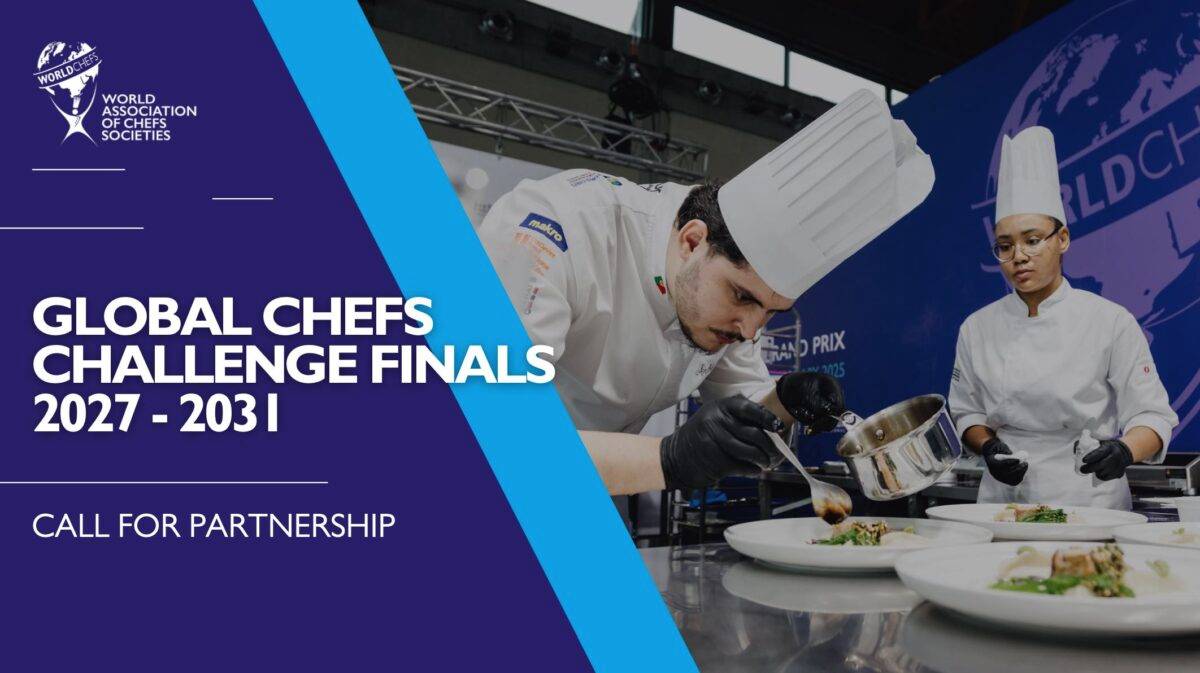
Worldchefs has launched a Call for Partnership to host the Global Chefs Challenge Finals 2027–2031, inviting national chef associations, event organizers, and destination partners to bid for the right to stage Worldchefs’ flagship culinary competition.
Worldchefs invites bids to host the Global Chefs Challenge Finals 2027–2031, calling on national chef associations and event partners to submit proposals to stage three consecutive editions of the organization’s flagship culinary competition.
Hosting the Finals positions the partner destination as the home of a global competition, boosting international visibility, attracting government and sponsor support, and creating lasting economic and industry impact. Download the Call for Partnership to review eligibility requirements and more information.
Paris, 12 November 2025 – The World Association of Chefs’ Societies (Worldchefs), the largest international body of professional chefs’ associations, has announced the opening of the bidding process to host the Global Chefs Challenge Finals 2027–2031, marking a new chapter for the organization’s flagship culinary competition.
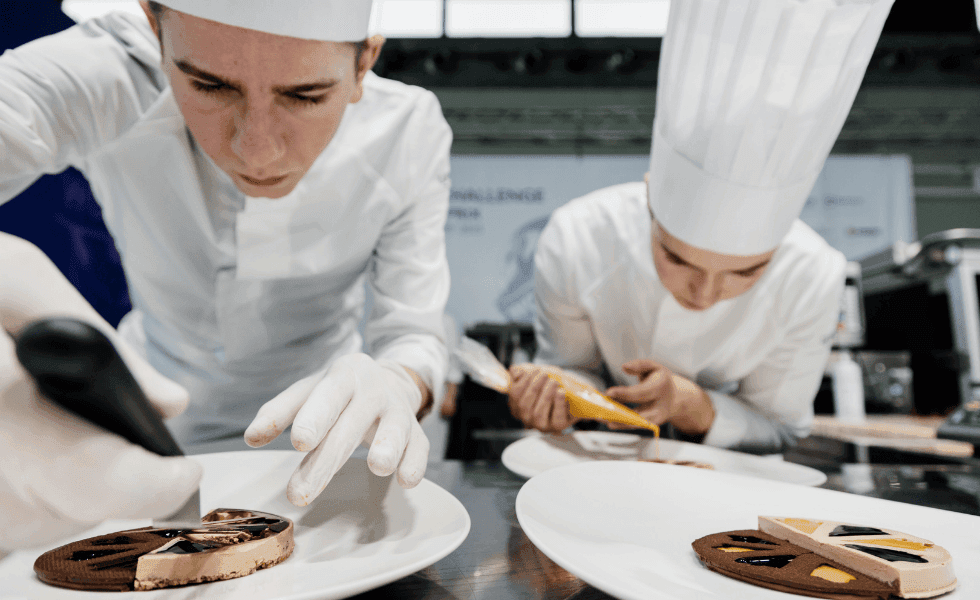
Held biennially since its inception in 2008, the Global Chefs Challenge brings together top chefs from around the world to compete in multiple categories, including the Global Chefs Challenge, the Global Pastry Chefs Challenge, the Global Vegan Chefs Challenge, and the Global Young Chefs Challenge.
Worldchefs is now inviting proposals from national chef associations and experienced event organizers to host the Finals for three consecutive editions, held every two years, from 2027 to 2031. The aim is to establish a permanent or recurring host city in partnership with a major international food exhibition.
The selected host will be expected to deliver top-tier infrastructure, jointly secure sponsor and government support, and help elevate the competition’s global visibility and impact.
A New Chapter for a Flagship Competition
Culinary competitions are at the heart of what we do at Worldchefs. They are central to our identity as chefs and play a vital role within our associations
Andy Cuthbert, Worldchefs President
Over the course of the competition’s nearly two-decade-long run, the Global Chefs Challenge Finals have been held alongside the Worldchefs Congress & Expo. In a strategic move, the Finals will now be hosted as a standalone Worldchefs-branded event. This shift allows for greater visibility, wider participation, and enhanced partnerships, while avoiding scheduling conflicts with other major international competitions.
“Culinary competitions are at the heart of what we do at Worldchefs. They are central to our identity as chefs and play a vital role within our associations,” said Andy Cuthbert, President of Worldchefs. “To elevate the Global Chefs Challenge to even greater heights, we have reimagined it as an independent global event, one that reflects the prestige and professionalism of our craft and the passion of our international community.”
A Partnership for Global Gastronomy
The selected host city, as host of the prestigious competition, will be the official home and hub for culinary excellence, partnering with Worldchefs to deliver the world-class culinary competition. Integrated with a major international food or hospitality trade show, the event will build on the existing competition categories to reflect the evolving landscape of global gastronomy.
Bringing together international competitors, judges, sponsors, and media representatives from around the world, hosting the Finals presents a unique opportunity to:
Establish a reputation as a culinary capital;
Boost international visibility through Worldchefs’ global media and industry network;
Generate significant economic, educational, and cultural value through tourism and talent exchange; and
Establish a lasting legacy in culinary education, sustainability, and skills development.
Eligibility and Hosting Criteria
To be considered, proposals must:
Be submitted jointly by an active Worldchefs National Member Association and an experienced event management partner;
Demonstrate proven experience hosting international food, hospitality, or culinary competitions;
Provide suitable facilities, including a minimum 1,000 sqm venue with competition arena, kitchens, and hospitality areas;
Show strong government and sponsor support, and a commitment to sustainability and inclusion.
Priority will be given to destinations offering international accessibility and a track record of major culinary or trade events.
In line with Worldchefs’ global mission, host partners must demonstrate responsible event practices, including:
Use of local, seasonal, and sustainably sourced ingredients;
Waste reduction and food donation initiatives;
Green venue standards and plastic-free operations; and
An inclusive, respectful environment for all participants and guests.
Worldchefs encourages hosts to submit a short post-event sustainability report to highlight outcomes and best practices.
Submit an Expression of Interest
Worldchefs will review all submissions and select a host destination for the 2027–2031 cycle in 2026, following consultation with its Board of Directors and Culinary Committee.
For full partnership details, eligibility criteria, and submission requirements, interested parties can download a Call for Partnership document.
Global Chefs Challenge Finals at Worldchefs Congress & Expo 2026
Worldchefs Congress & Expo is a hallmark tradition of Worldchefs, and has been organized in cities around the world throughout its illustrious 98-year history. The forum brings together delegates from across the five continents to network and expand their professional bonds. The unique program delivers presentations and workshops from leading experts in the hospitality industry, impactful educational programs including the Worldchefs Educators’ Forum, specialized events designed to uplift the next generation of chefs such as the Bill Gallagher Young Chefs Forum, an international trade exhibition, the Global Chefs Challenge competition, and diverse activities to enhance both personal and professional networks.
The 2026 Worldchefs Congress & Expo and Global Chefs Challenge Finals will be held in Wales, hosted by the Culinary Association of Wales.
The World Association of Chefs’ Societies, known as Worldchefs, is a federation made up of 110 national chef associations. A leading voice in the hospitality industry, Worldchefs carries years of history since its founding in 1928 at the Sorbonne by the venerable Auguste Escoffier.
Representing a mobilized international membership of culinary professionals, Worldchefs is committed to advancing the profession and leveraging the influence of the chef jacket for the betterment of the industry and humanity at large.
Worldchefs is dedicated to raising culinary standards and social awareness through these core focus areas:
Humanitarianism & Sustainability – Worldchefs Feed the Planet and World Chefs Without Borders programs relieve food poverty, deliver crisis support, and promote sustainability across the globe.
Education – Worldchefs offers support for education and professional development through the Worldchefs Academy online training program, a diverse network of Worldchefs Education Partners and curriculum, and the world’s first Global Culinary Certification recognizing on-the-job skills in hospitality;
Networking – Worldchefs connects culinary professionals around the world and provides a gateway for industry networking opportunities through endorsed events and the biennial Worldchefs Congress & Expo;
Competition – Worldchefs sets global standards for competition rules, provides Competition Seminars and assurance of Worldchefs Certified Judges, and operates the prestigious Global Chefs Challenge.
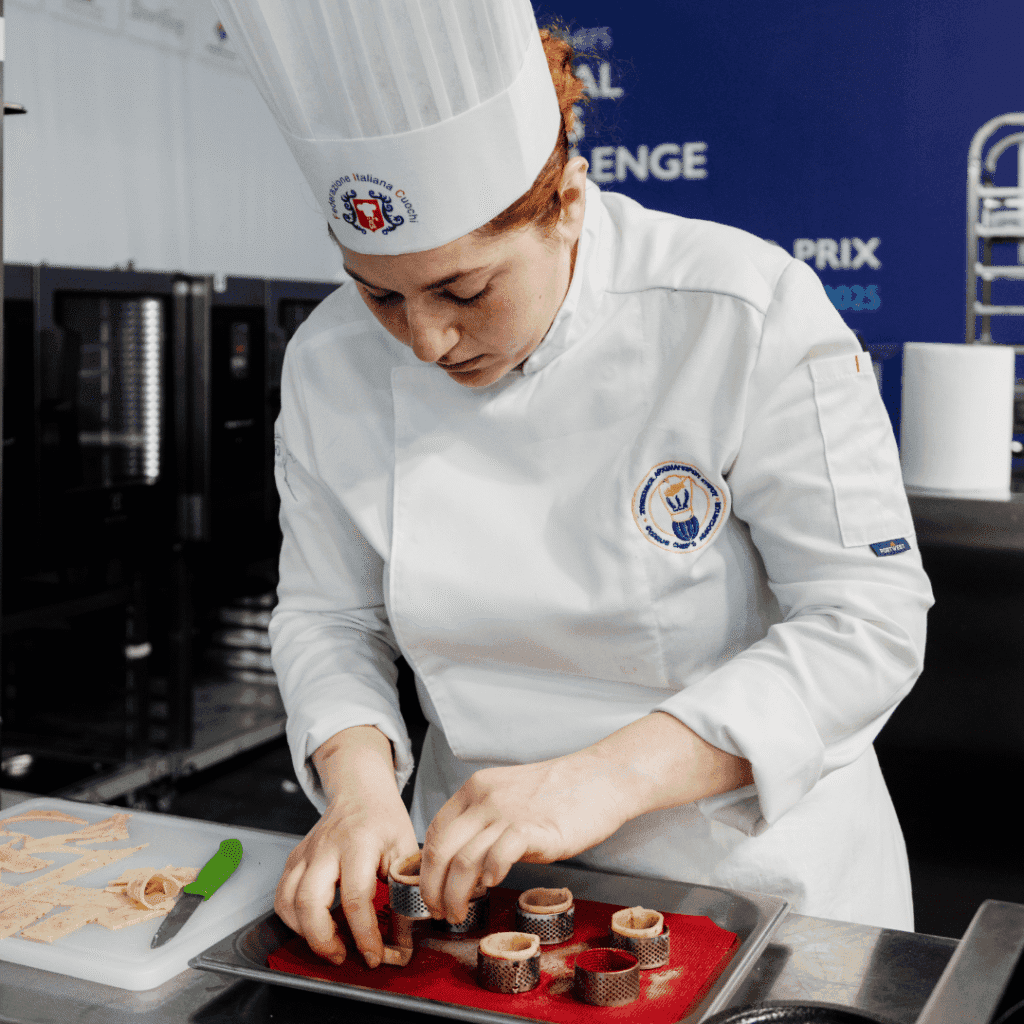
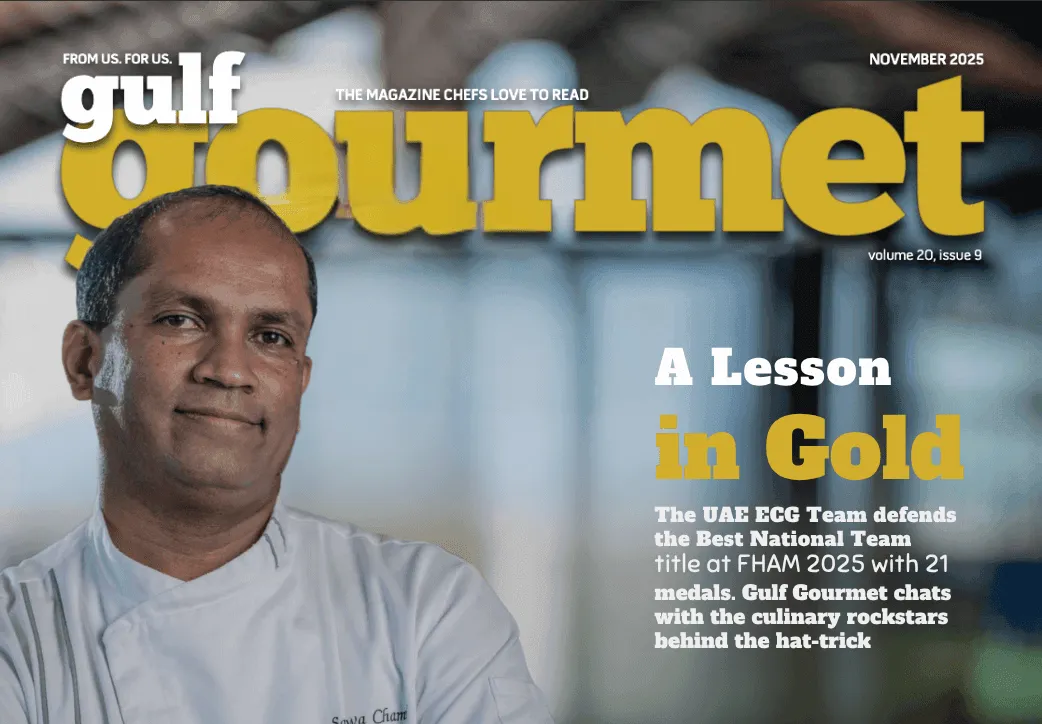
In the November 2025 edition of Gulf Gourmet Magazine, hear from the culinary aces of FHAM Global Culinary Challenge 2025, explore the concept of robots in the kitchen, and read inspiring stories about work culture and mental health in the F&B industry.
The Emirates Culinary Guild (ECG) is the association of professional chefs of the UAE. It is a non-profit-making organisation, organised by volunteers dedicated solely to the advancement of culinary art in the UAE.
The World Association of Chefs Societies (Worldchefs) (www.worldchefs.org) is the 105-nation fellowship of the world’s various professional chefs’ organisations.
The ECG received its charter into Worldchefs at a ceremony in Stavanger, Norway on June 28, 1994, during the Worldchefs 26th World Congress. Worldchefs endorses the ECG as the authorized professional culinary association for the UAE. The ECG, thereby, has an international culinary focus and multi-national support for the staging of its various competitions, seminars and events.
The aims of the ECG, broadly, are:
To encourage and inspire young chefs through training and competition.
To enhance internationally the culinary prestige of the UAE.
To encourage UAE nationals to consider a career within the hospitality industry.
Social media plays a large part in the Guilds self-promotion and the Gulf Gourmet magazine drive awareness around the globe.
Follow these links for more information on the Emirates Culinary Guild:
The article below has been written and provided by Joanna Ochniak, member of Worldchefs Culture, Cuisine & Heritage Food Committee.
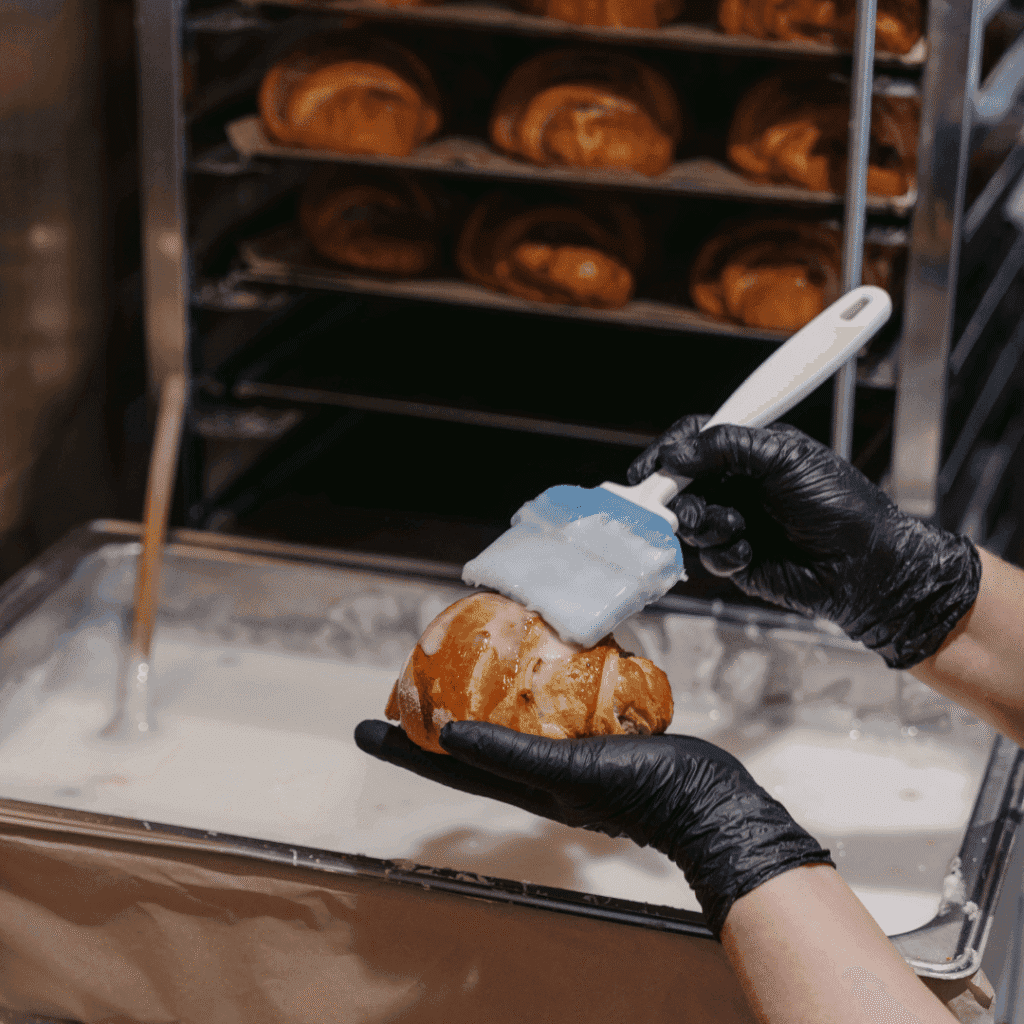
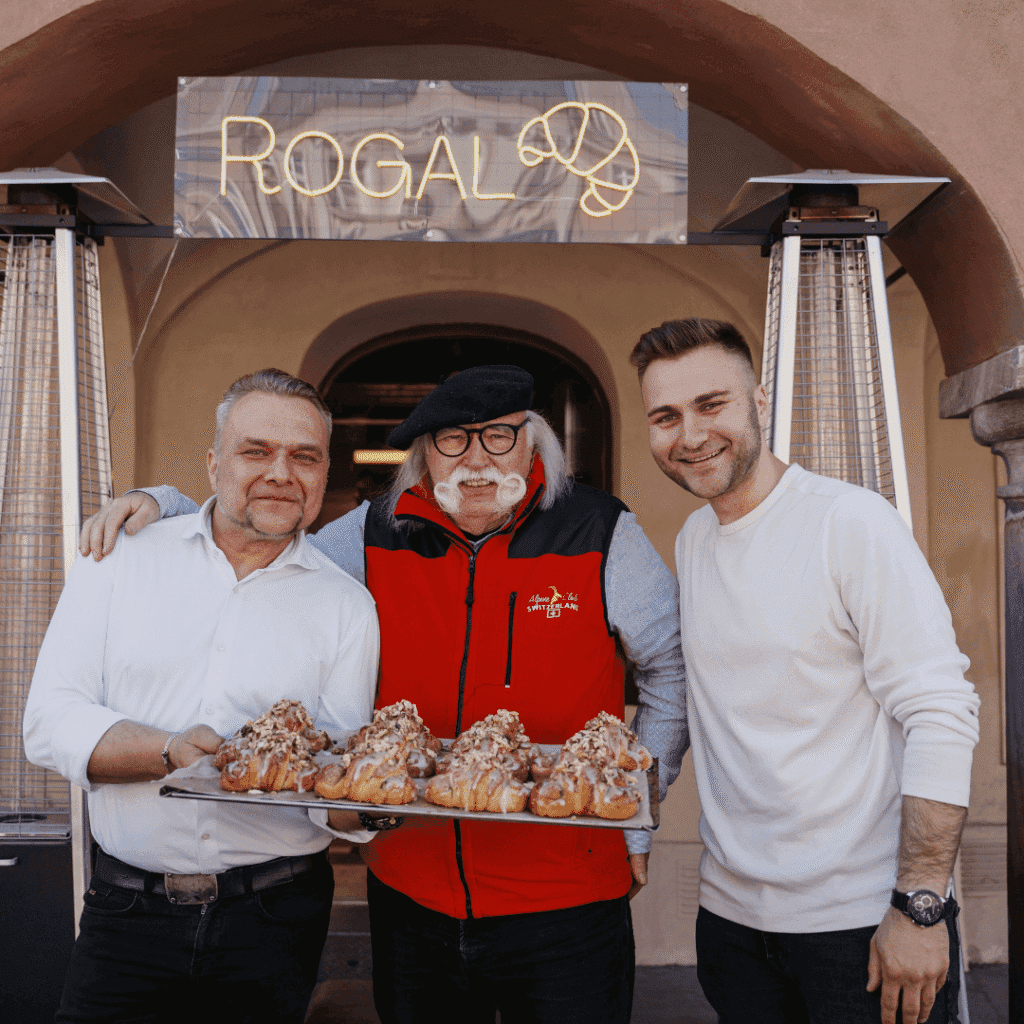
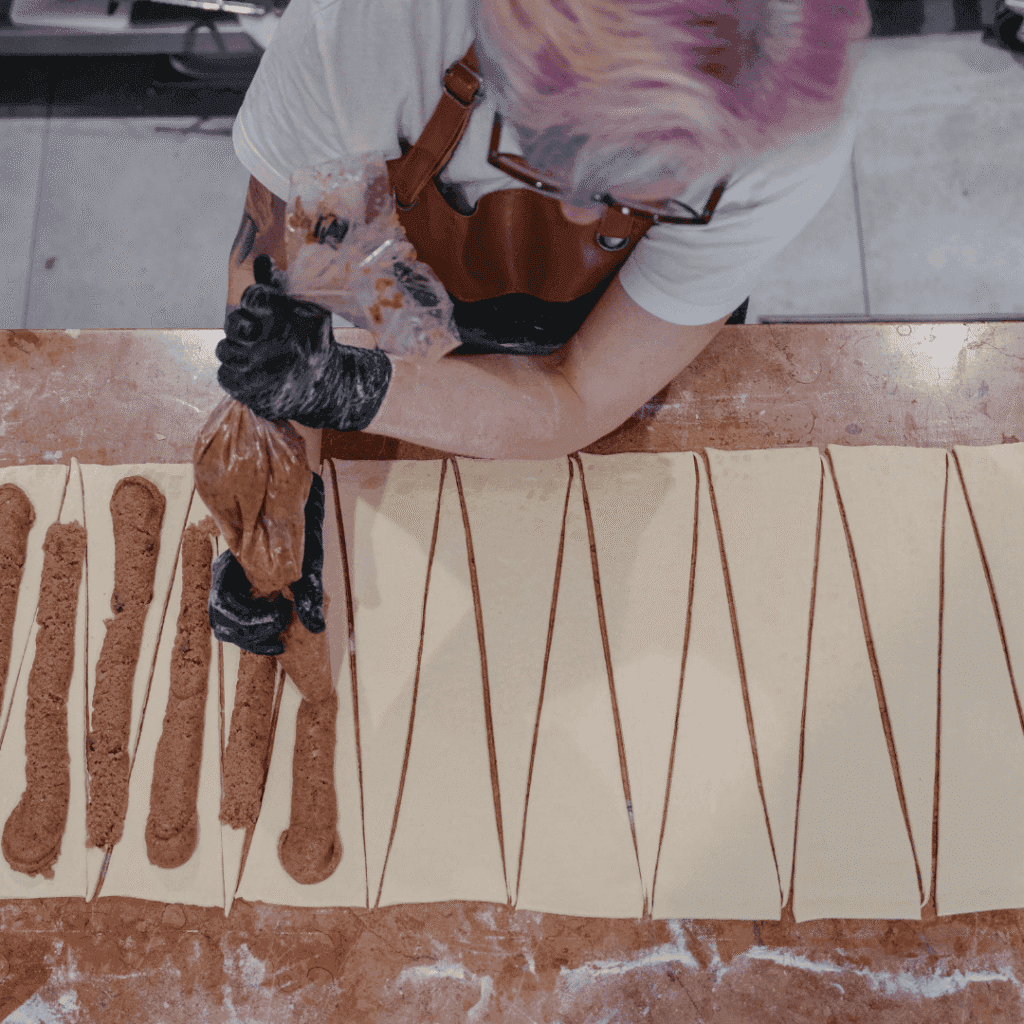
In Poznan, Poland, November 11th is not only the country’s National Independence Day – it is, above all, the Feast of St. Martin, the city’s patron and a symbol of compassion. On this day, St. Marcin Street turns into a vibrant parade of joy, music, and the irresistible aroma of freshly baked croissants. These pastries, known as Rogale Świętomarcińskie – St. Martin’s Croissants – have become a true emblem of generosity, unity, and the joy of sharing.
The Legend Behind St. Martin’s Croissant
Legend has it that long ago, a Poznań baker, inspired by the story of St. Martin sharing his cloak with a beggar, baked crescent-shaped pastries resembling horseshoes and gave them to the less privileged. That act of kindness began a tradition that has survived to this day. The St. Martin’s Croissant is more than just a pastry – it is a story about community and a reminder that good deeds always return to those who share them.
A Protected Culinary Treasure
Today, the St. Martin’s Croissant holds the Protected Geographical Indication (PGI) status, and its recipe – based on flaky puff-yeast dough filled with white poppy seeds, dried fruits, nuts, and almond essence – is carefully guarded by master confectioners. Every year in Poznań and across the Greater Poland region, between 250 and 400 tons of these croissants are baked – that’s about 1.5 to 2.5 million pieces.
During the November 11th celebrations alone, hundreds of tons are sold and enjoyed by locals and visitors, while the annual sales reach 500 to 700 tons. For a few sweet days each November, the scent of croissants fills the entire city, making Poznań, Poland, the true capital of this delicious tradition.
The art of baking St. Martin’s Croissants is a living tradition – one that continues to evolve and spark passionate discussions among bakers. Today, a friendly debate continues: should the dough be made with butter or margarine? Each choice has its devoted defenders. Some emphasize the authentic richness of butter, while others point to the historical use of margarine in earlier recipes. Perhaps this diversity itself is what keeps the tradition alive – because no matter the fat used, the St. Martin’s Croissant continues to unite people through its flavor and meaning.
Preserving Culture for the Future
As a member of the Worldchefs Committee on Heritage and Cultural Cuisine, I [Joanna Ochniak], am working on including the St. Martin’s Croissant on the UNESCO Intangible Cultural Heritage List – so that the world may discover its symbolic meaning and cultural value. The St. Martin’s Croissant is more than a dessert – it is a sweet manifesto of kindness, craftsmanship, and the human heart.
Official EU Registration: Regulation (EU) No 597/2013 of 19 June 2013 Protected Geographical Indication (PGI) – “Rogal Świętomarciński” Region: City of Poznań and surrounding counties in the Greater Poland Voivodeship
Product Definition
A traditional, crescent-shaped confection made from puff-yeast dough and filled with a rich mixture of white poppy seeds, nuts, raisins, and candied fruit. The croissant symbolizes the horseshoe of St. Martin’s horse – a gesture of kindness that inspired Poznań’s most famous tradition.
Key Product Characteristics
Feature
PGI Specification (Official EU Document)
Shape
Crescent or horseshoe, with glossy icing and chopped nuts on top
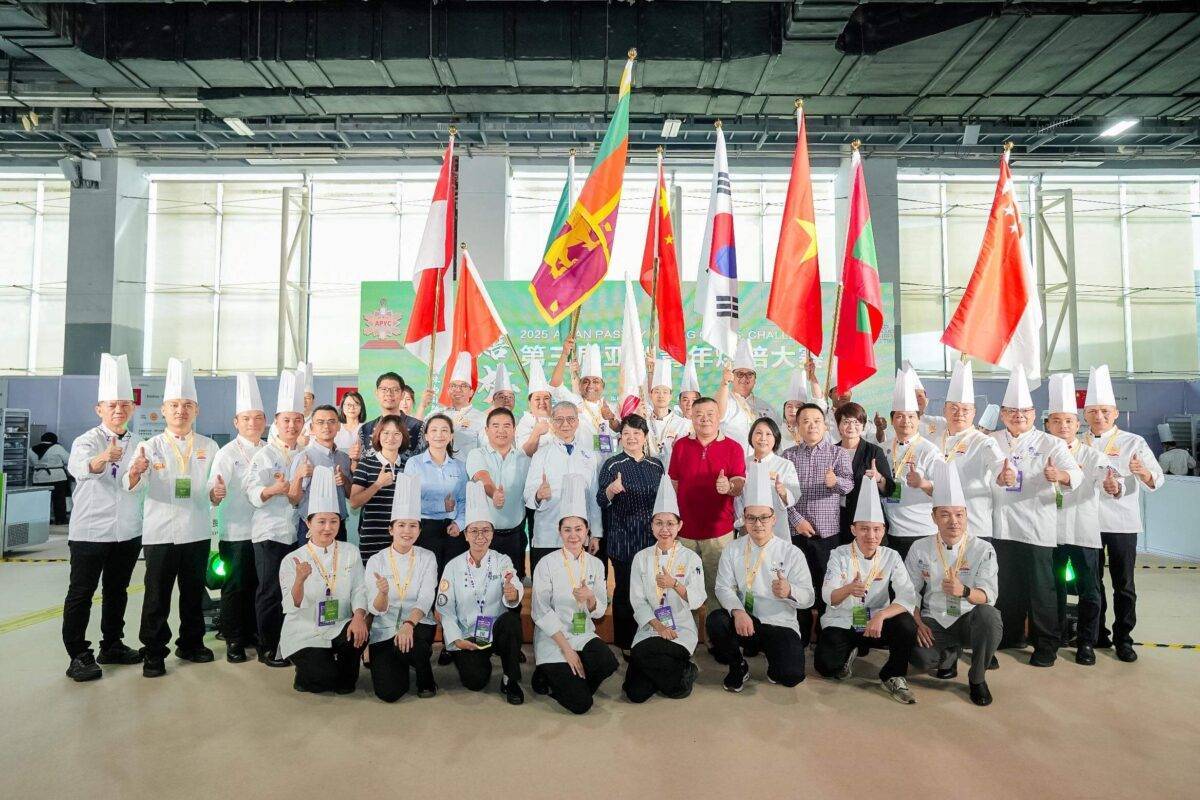
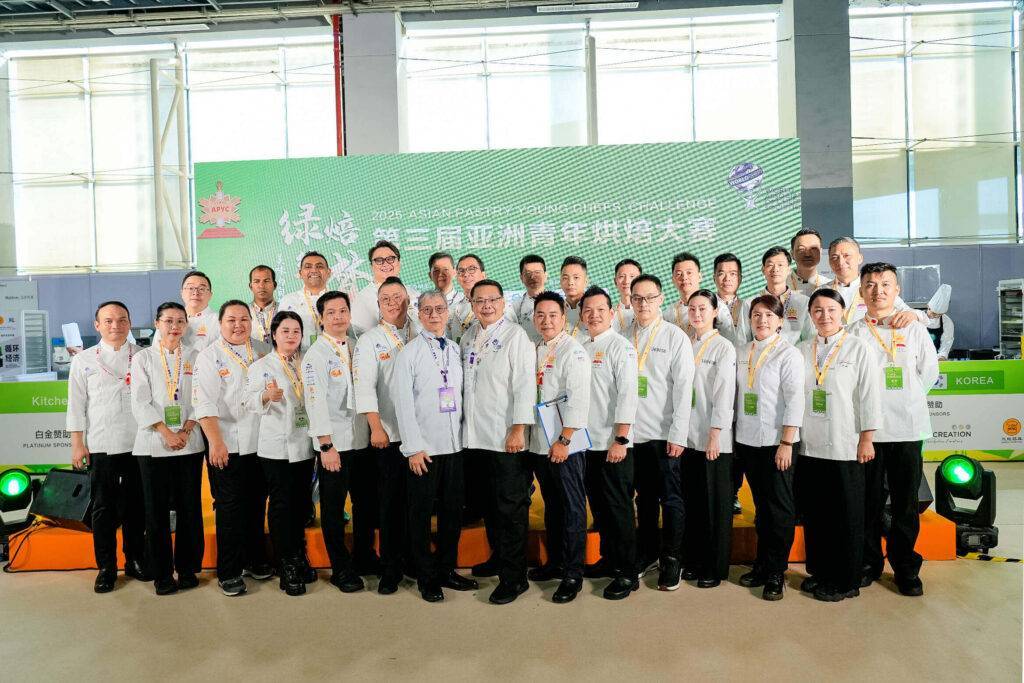
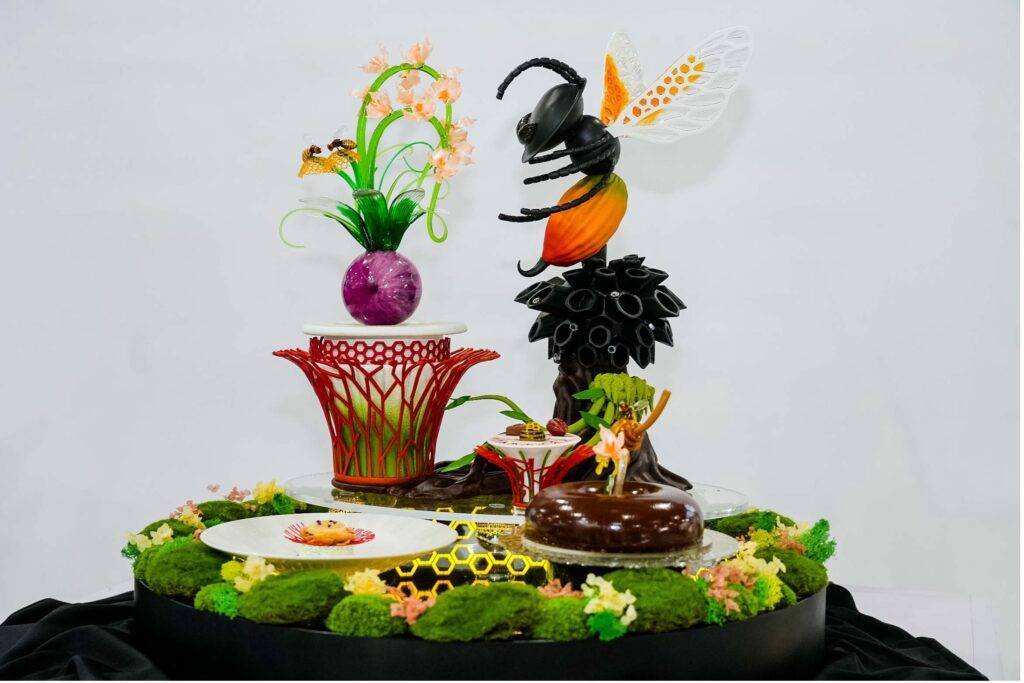
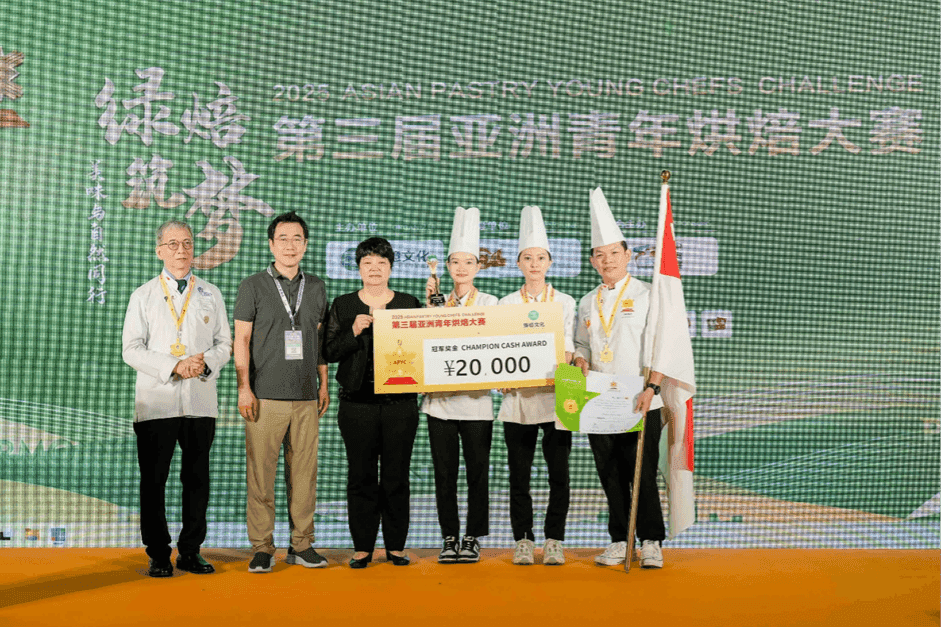
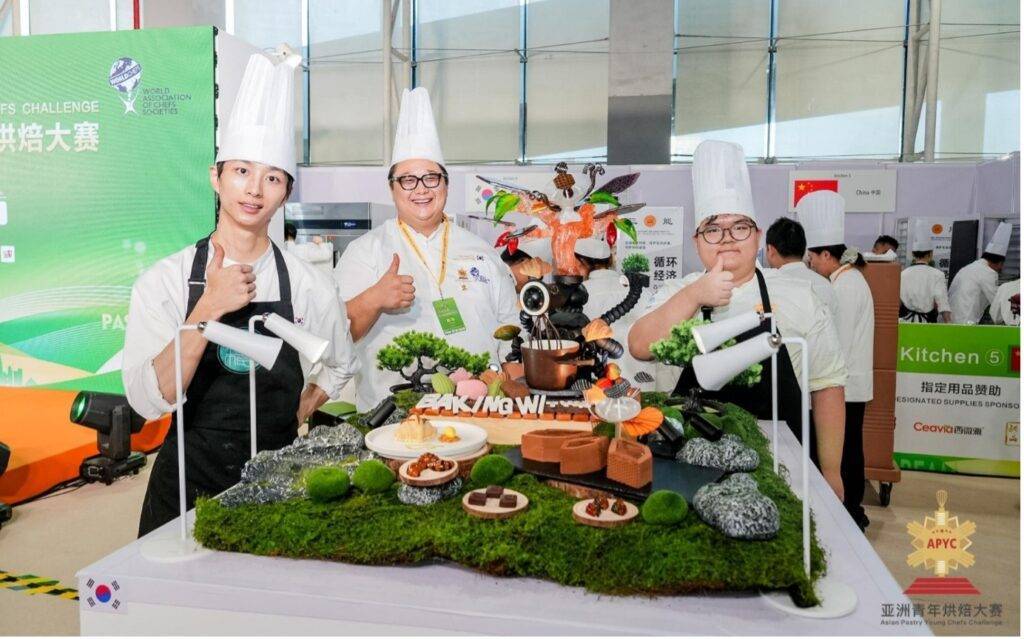
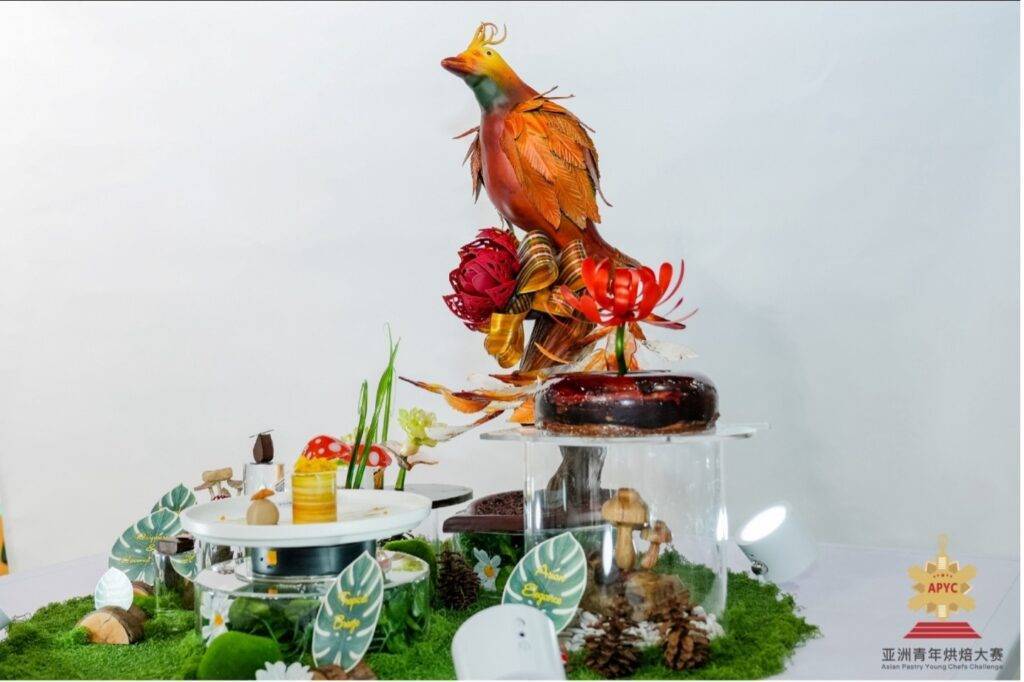
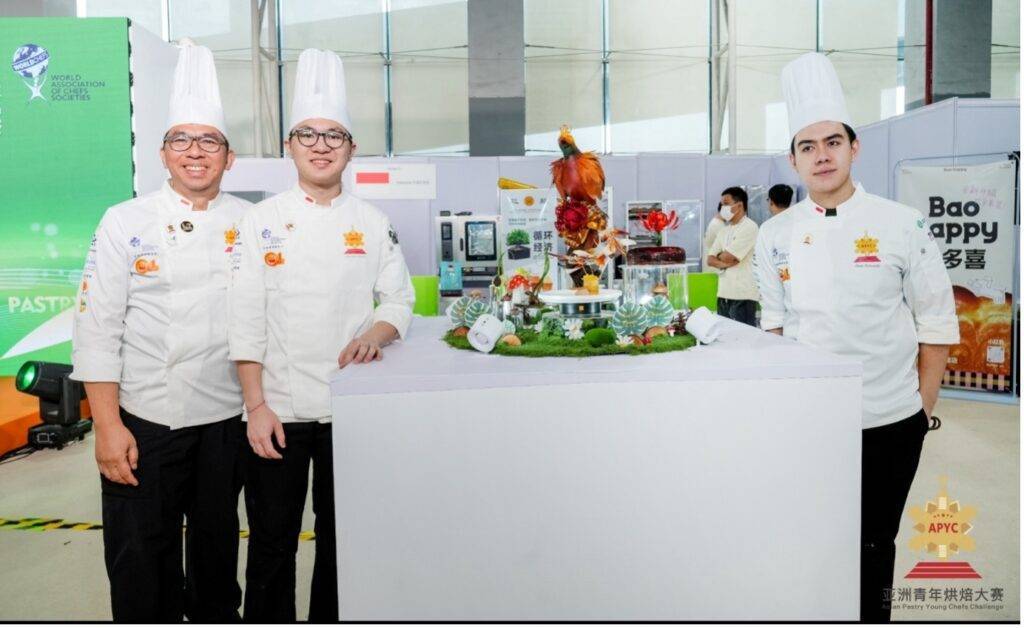
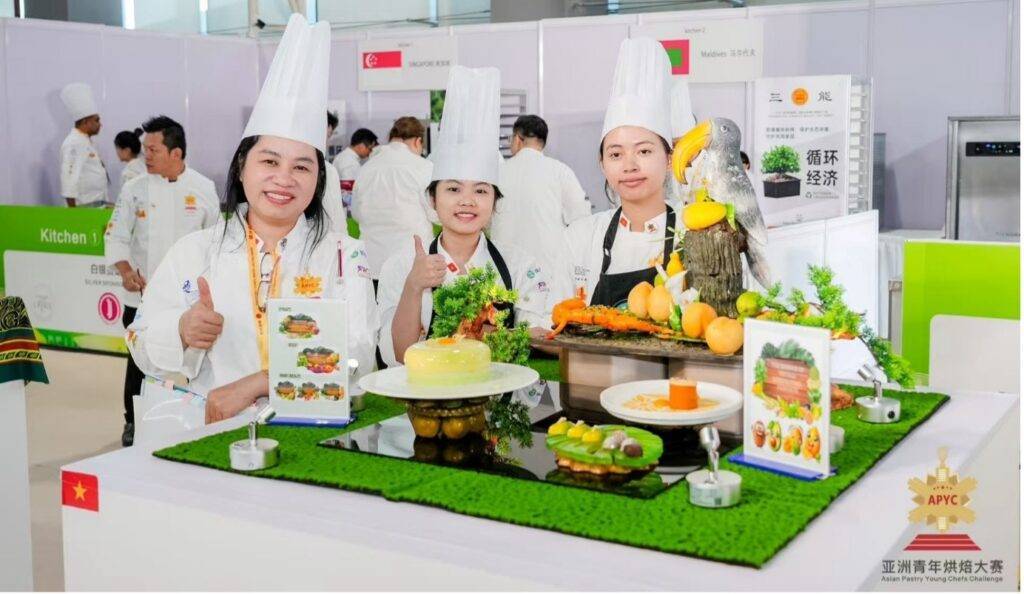
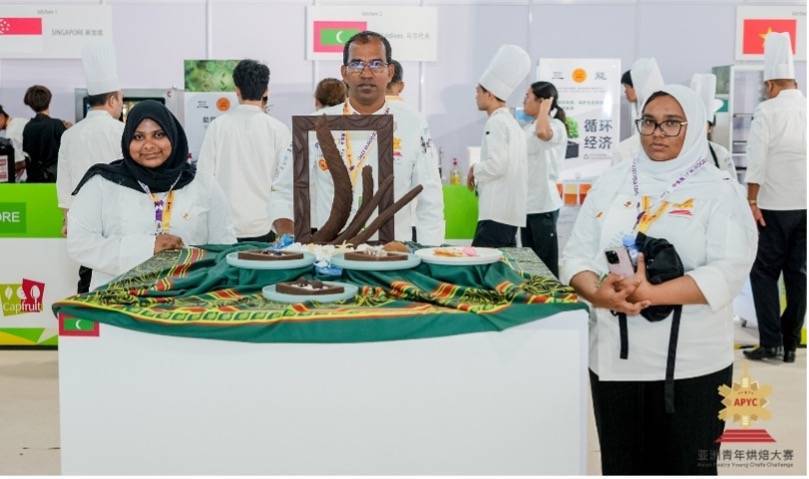
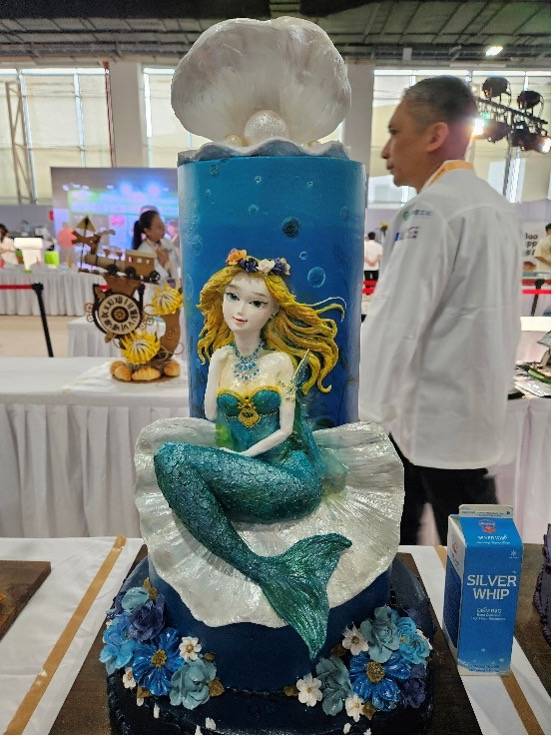
The third Asian Pastry Young Chefs Challenge (APYC) 2025 marked a historic milestone as China’s first national young pastry chef competition to receive endorsement from the World Association of Chefs’ Societies (Worldchefs). The event was organized in collaboration with the China Cuisine Association, Guangdong (China) Imported Food Association, Constellar Worldex, and JIYI (Shenzhen) Cultural Planning Committee. It took place from September 26-28, 2025, during the Guangzhou Import and Export Commodity Fair.
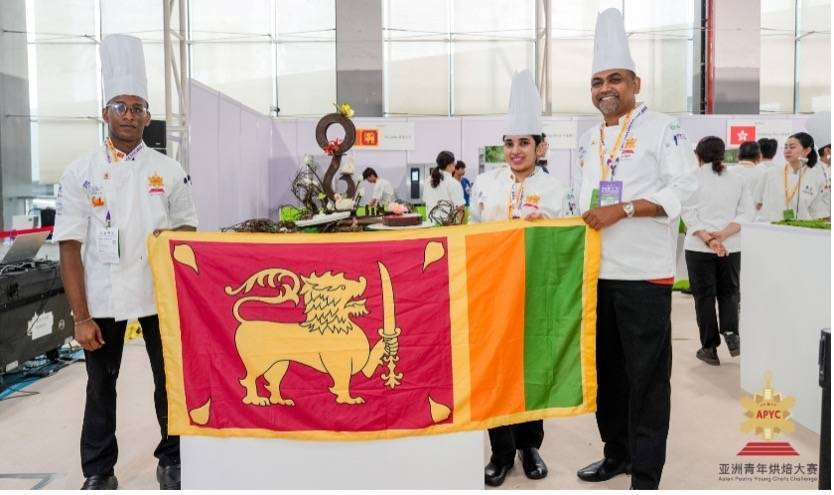
This Worldchefs-endorsed event continues to gain momentum, achieving recognition both within China and internationally. This year, APYC welcomed teams from nine Asian countries and regions. Teams included China, Indonesia, South Korea, Singapore, Maldives, Hong Kong China, Macau China, Sri Lanka and Vietnam.
Blending Tradition, Innovation, and Sustainability
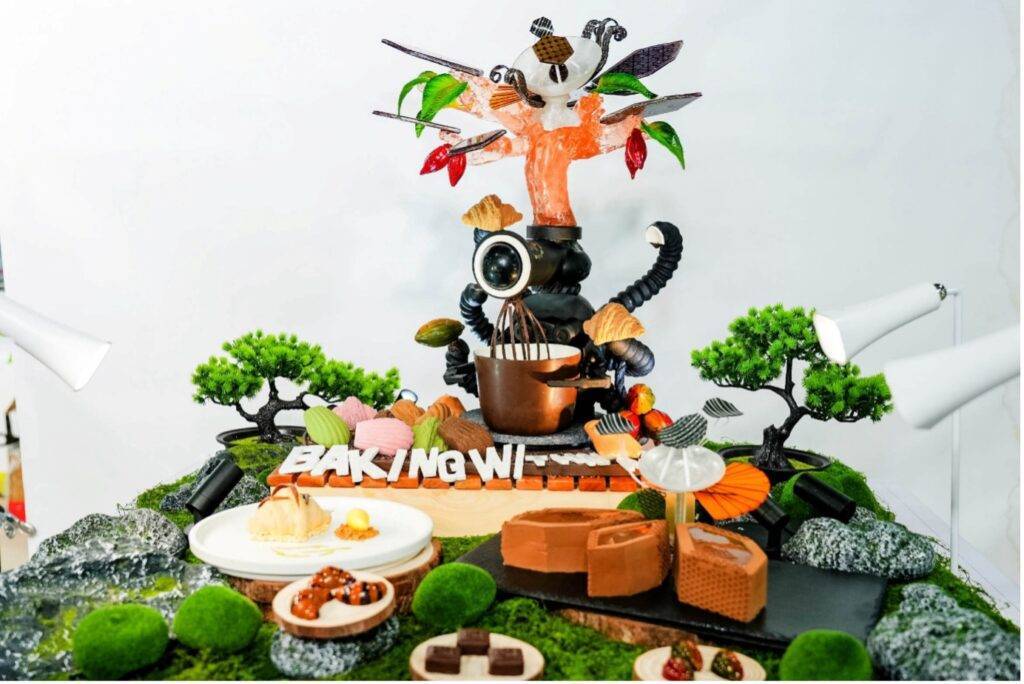
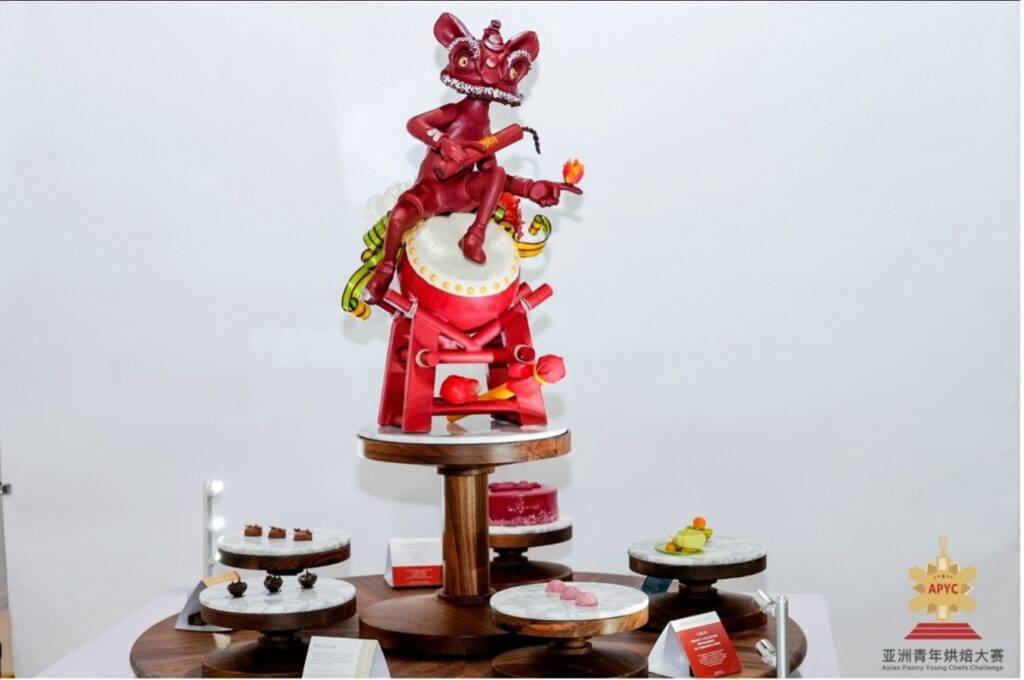
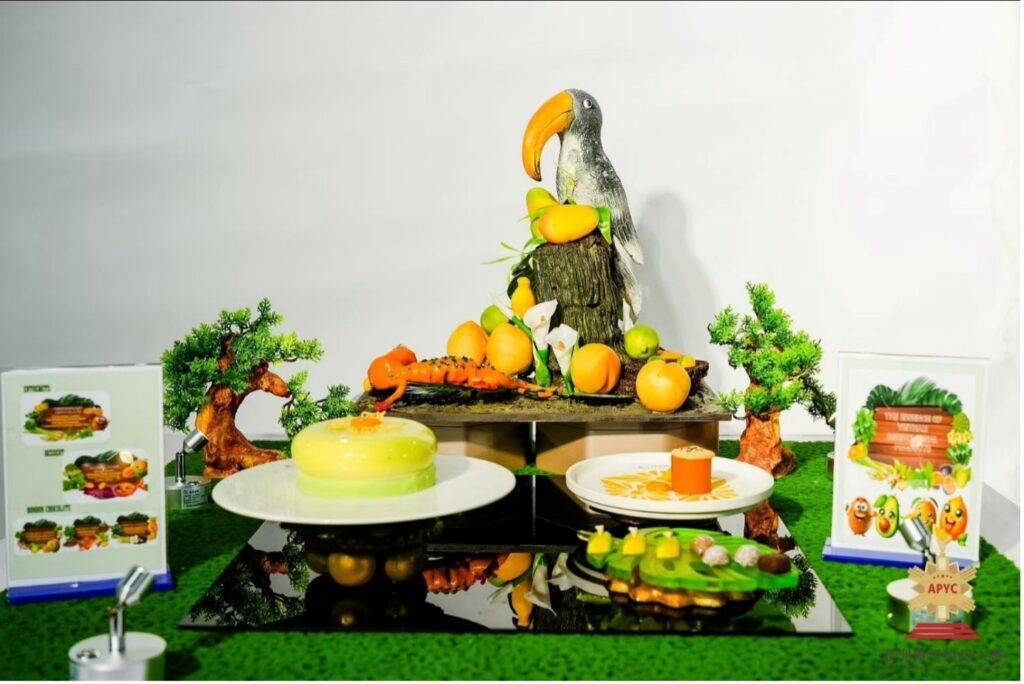
The theme was “BAKING WITH NATURE: A Challenge of Flavour and Sustainability.” Participants showcased their creativity by combining traditional pastry skills with modern techniques, promoting cultural exchange and culinary collaboration. The championship encourages participants to use eco-friendly ingredients and apply innovative baking techniques. They also are challenged to incorporate regional cultural elements to promote sustainable practices in the pastry industry.
A diverse and talented group of individuals joined this year’s competition.
Please find below the summary of participants registered for the Asian Pastry Art Challenge – Individual Categories:
Grand Total: 78 Participants
Patisserie Art Displays Total: 36 participants Open Category: 19 participants Young Chefs Category: 17 participants
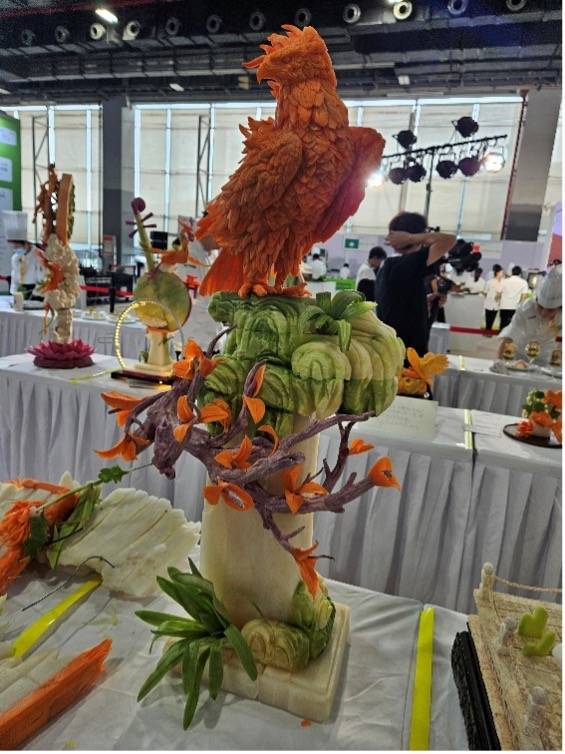
Individual Classic Fruit and Vegetable Carving, Total: 24 participants Open Category: 1 participant Young Chefs Category: 23 participants
The Ultimate Durian Dessert Challenge 2025 Live Dessert Challenge: 16 participants
Thank You to Our Judges
This year’s competition was made possible by the strong support of Worldchefs Continental Pastry Judges: Chef Ringo Chan (Hong Kong), Chef Eric Kim (Korea), Chef Gary Lim (Singapore).
They served as Assistant Chief Judges and also acted as auditors of the final competition scores, ensuring that the scoring procedures were fair and accurate.
Together with four other certified Continental Pastry Judges: Chef Lim Kim Wah (Singapore), Chef Roger Fok (Hong Kong), Chef Cherry Lee (Vietnam) and Chef Mohammad (Maldives)
Led by International Pastry Judge Kenny Kong as Chairman of the Jury, the judging panel upheld the highest international standards of excellence throughout the event.
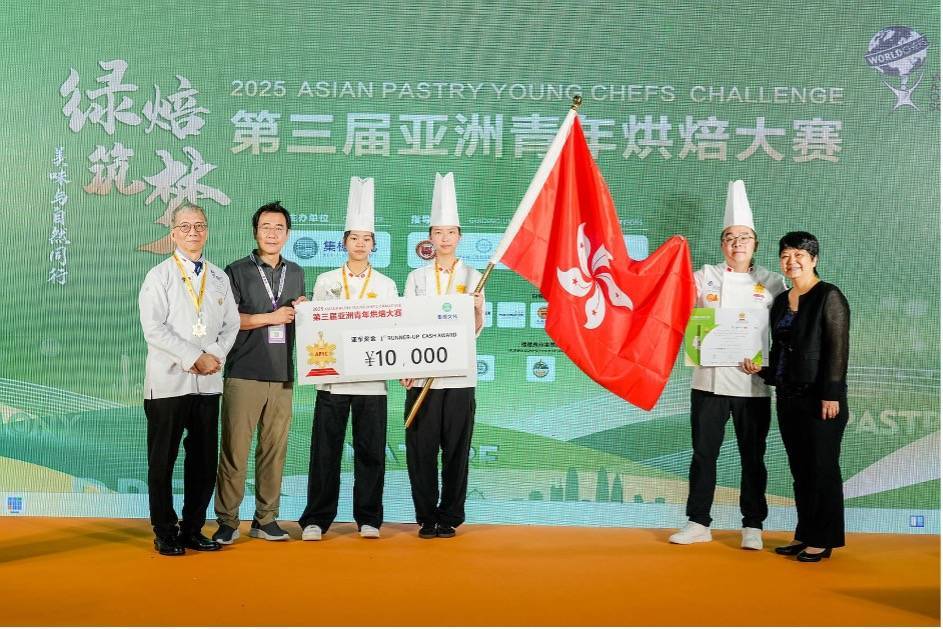
After seven hours of intense and inspiring competition, the official results of the Asian Pastry Art Challenge 2025 were announced as follows:
🏆 Champion Singapore Team Best Artistic Showpiece Best Plated Dessert
🥈 First Runner-Up Hong Kong Team Best Chocolate Pralines
🥉 Second Runner-Up South Korea Team Best Chocolate Cake
🌟 Special Awards Indonesia Team Best Media Chocolate Degustation Gold Medal
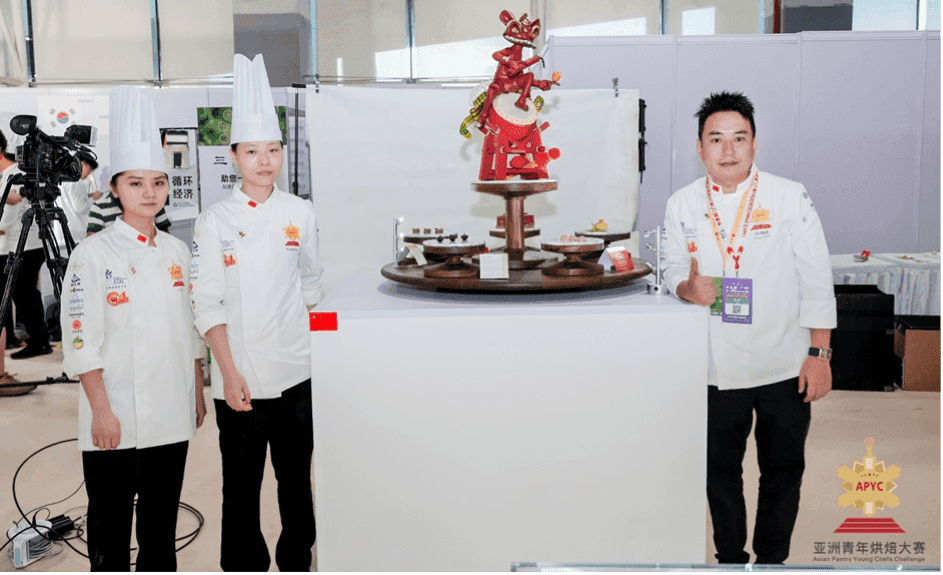
China Team Silver Medal Best Team Spirit
Bronze Medals Vietnam, Macau China, Sri Lanka, and Maldives Teams
Relive the competition by watching the video below:
Congratulations to all participating teams for their outstanding creativity, craftsmanship, and dedication. This year’s challenge showcased the incredible talent and diversity across Asia’s pastry community.
It garnered significant attention, with a live broadcast reportedly reaching 1.1 million views across its two-day stream.
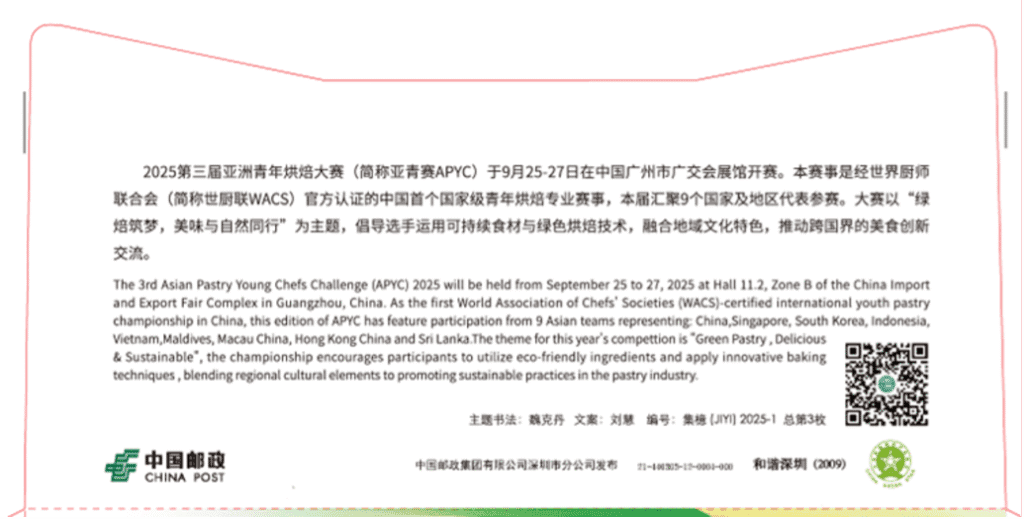
Additionally, the Asian Pastry Young Chefs Challenge received approval from China Post, which launched a First Day Cover with Stamp on September 25-27, 2025, commemorating this milestone event.
In the world of gastronomy, few names resonate with the same warmth and reverence as Chef Billy Gallagher. His legacy is not only etched in the records of the South African Hospitality Industry but lives on in the hearts and hands of young chefs across the globe.
Since 2015, the Billy Gallagher Young Chefs Tour is a testament to this enduring influence, a journey that celebrates mentorship, international exchange, and the vibrant culinary heritage of South Africa.
A Vision That Changed Lives
Held biennially in honour of the late Chef Billy Gallagher, the Bill Gallagher Young Chefs Tour is more than a just an event. It is a living tribute to a man whose life was dedicated to nurturing talent and fostering global connections through food. Chef Gallagher believed that the future of cuisine depended on investing in young chefs, providing them with opportunities to learn, grow, and experience the world beyond their own kitchens.
The Journey: A Tapestry of Flavours and Friendships
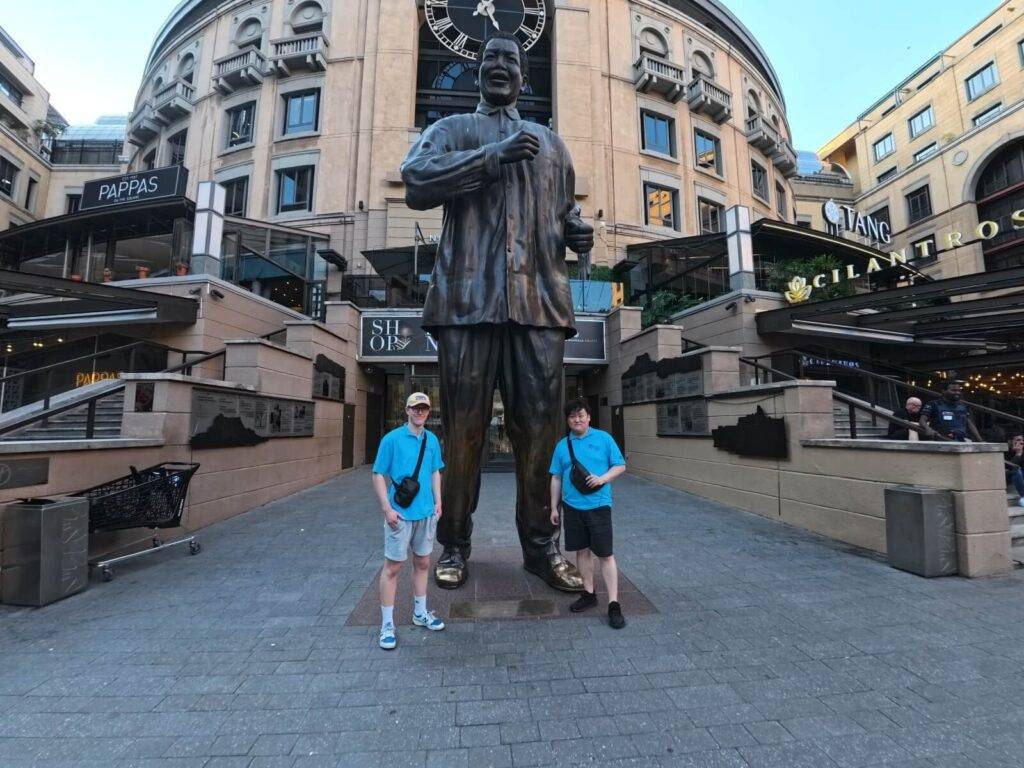
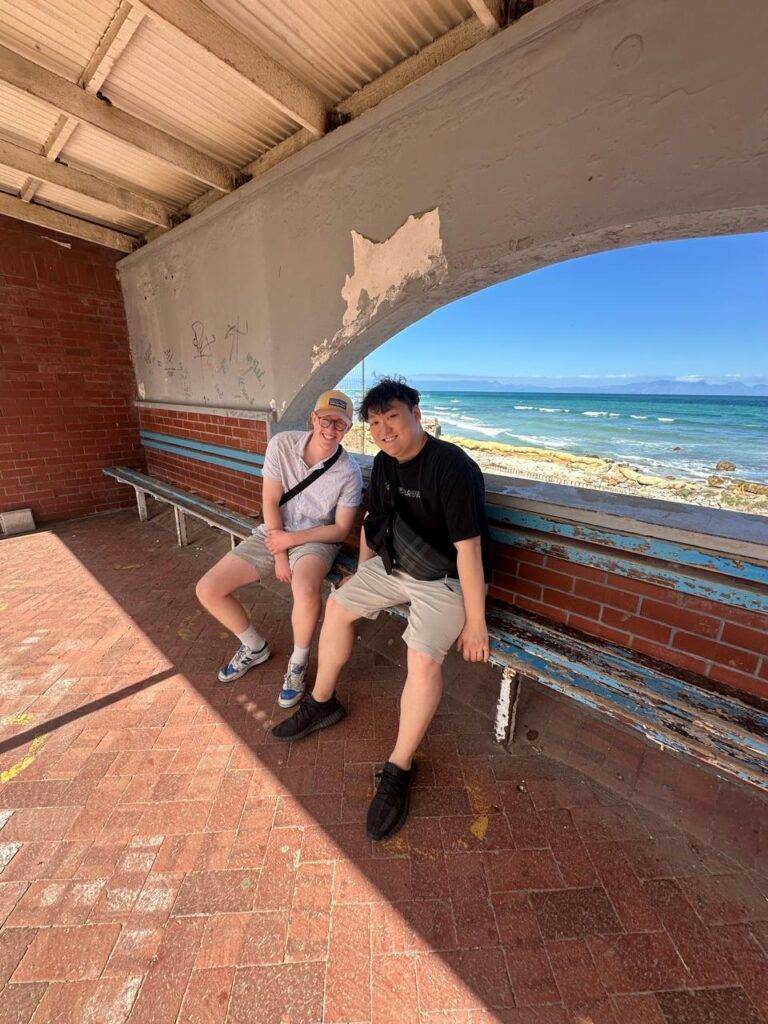
This year’s tour brought together Chef Olav Tennfjord from Norway and Chef Shin Jiwoong from South Korea. Their two-week odyssey in South Africa began in Johannesburg, wound through the winelands and markets of Cape Town, celebrated heritage in KwaZulu-Natal, and concluded in the wild beauty of the Dinokeng Game Reserve.
Johannesburg: Where Heritage Meets Innovation
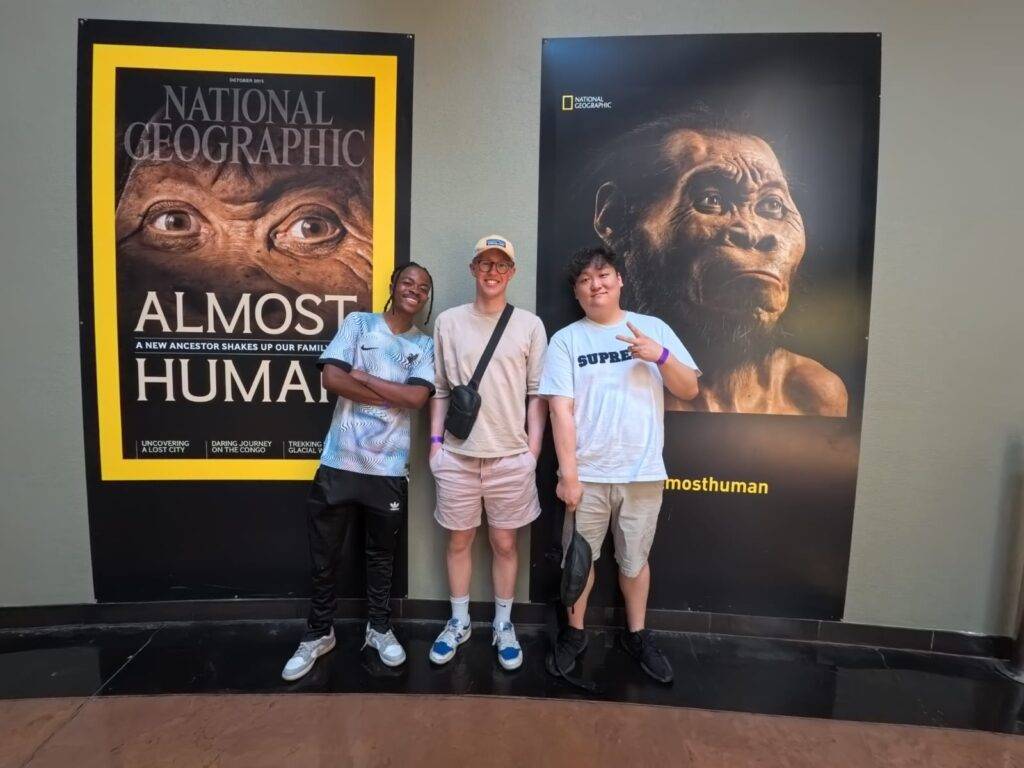
The adventure began at Maropeng, the Cradle of Humankind, where the chefs reflected on humanity’s shared origins and the artistry of food. A moving visit to Chef Gallagher’s resting place in Fourways set the tone for a journey rooted in gratitude and inspiration. Behind-the-scenes tours of the Palazzo and Pivot Hotels at Montecasino revealed the precision and teamwork that define South Africa’s hospitality industry. Evenings were spent at iconic venues like The Saxon Boutique Hotel and Sandton Sun, where creativity and craftsmanship took centre stage.
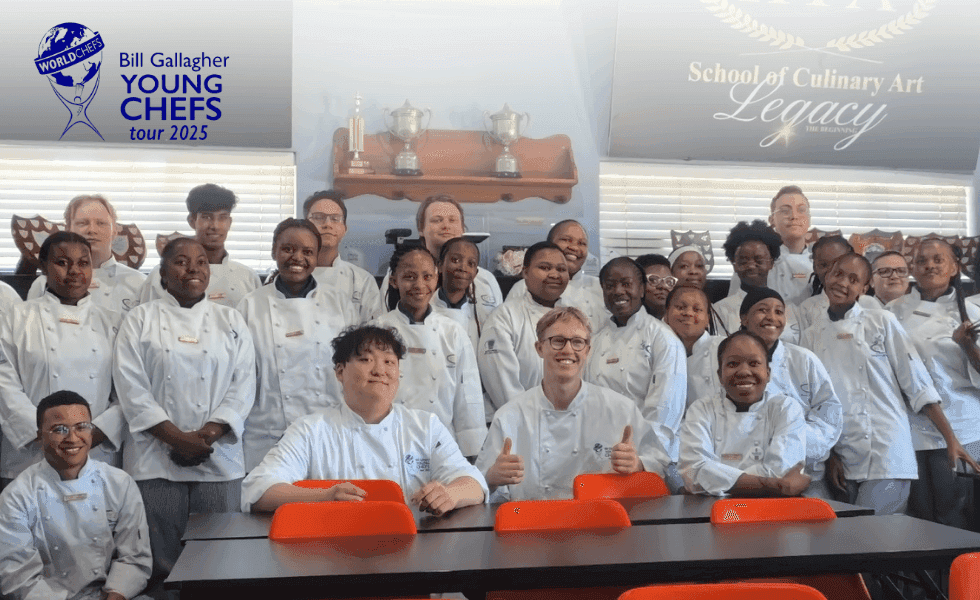
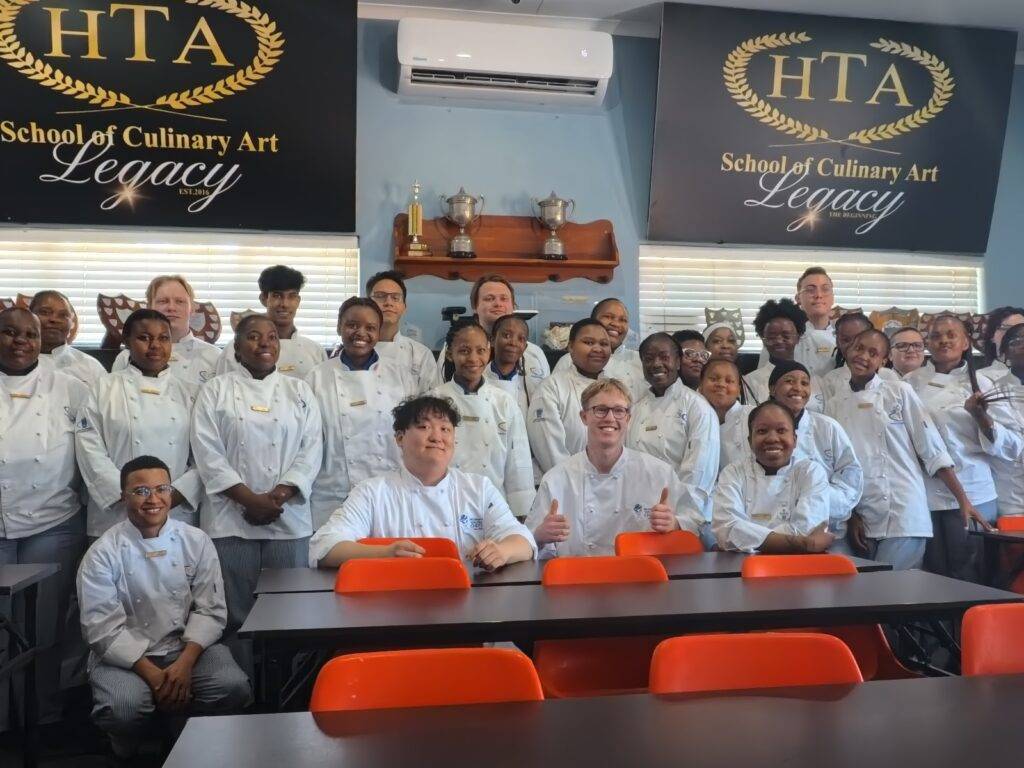
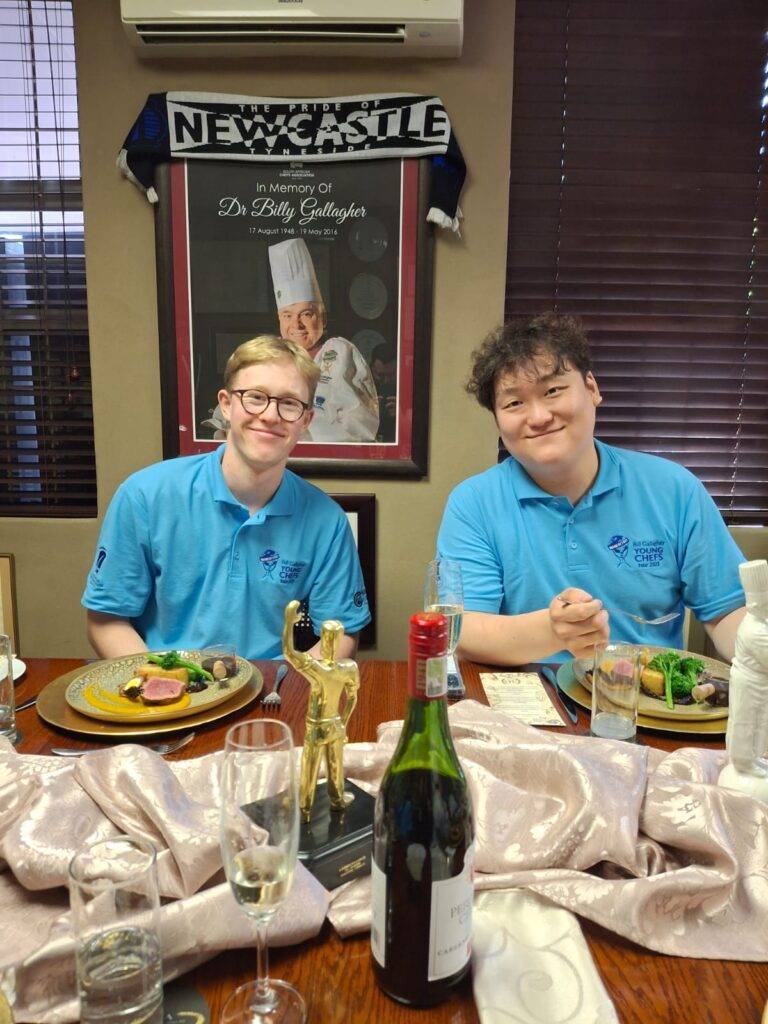
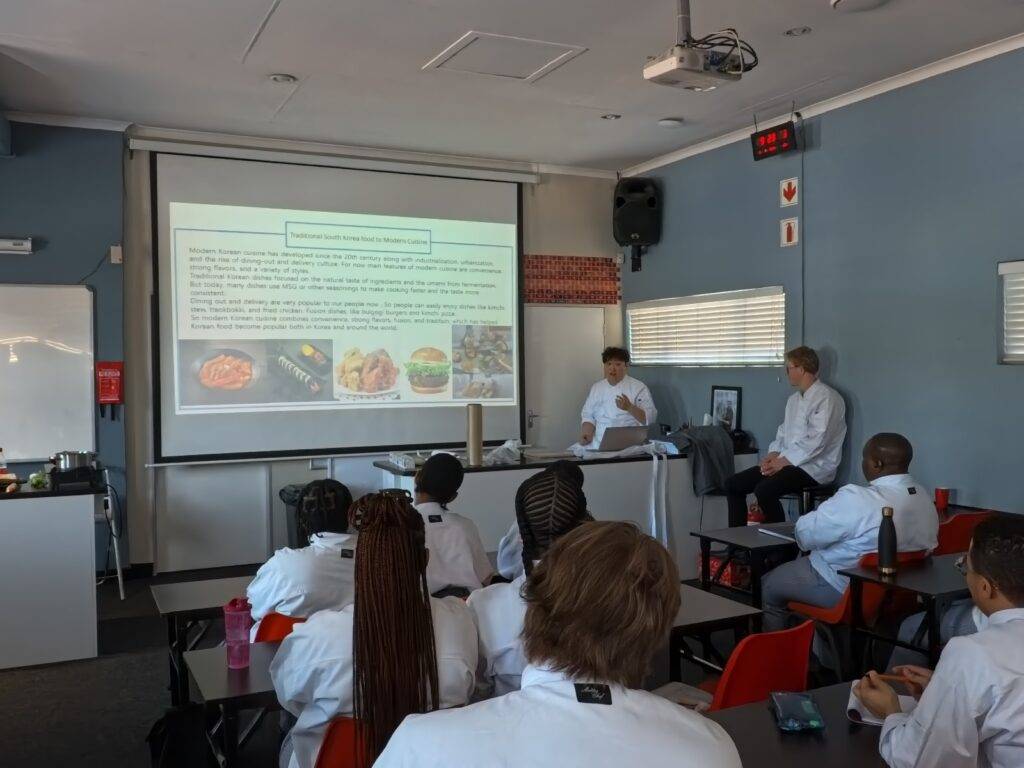
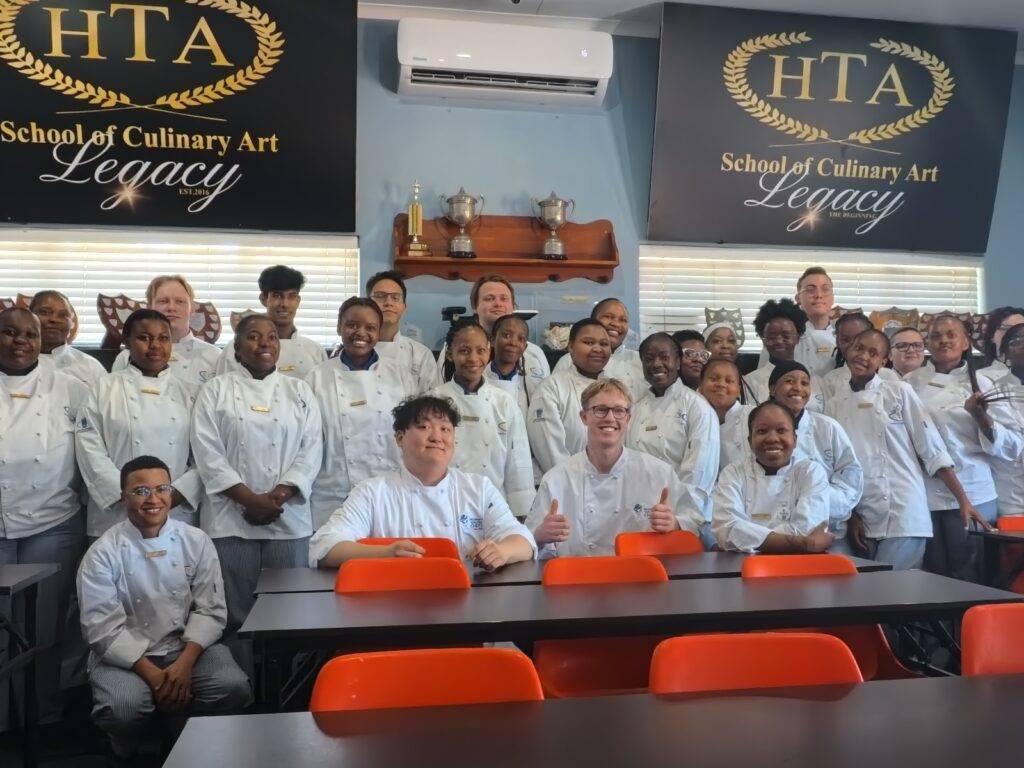
At the HTA School of Culinary Art, after a number of skills demonstrations, the group gathered for a South African themed lunch in the Billy Gallagher Boardroom. A space that displays a lifetime of achievements, citations and accolades. The experience reminded participants of what is possible and that they are part of something bigger—a global family of chefs.
Cape Town: A Symphony of Flavour
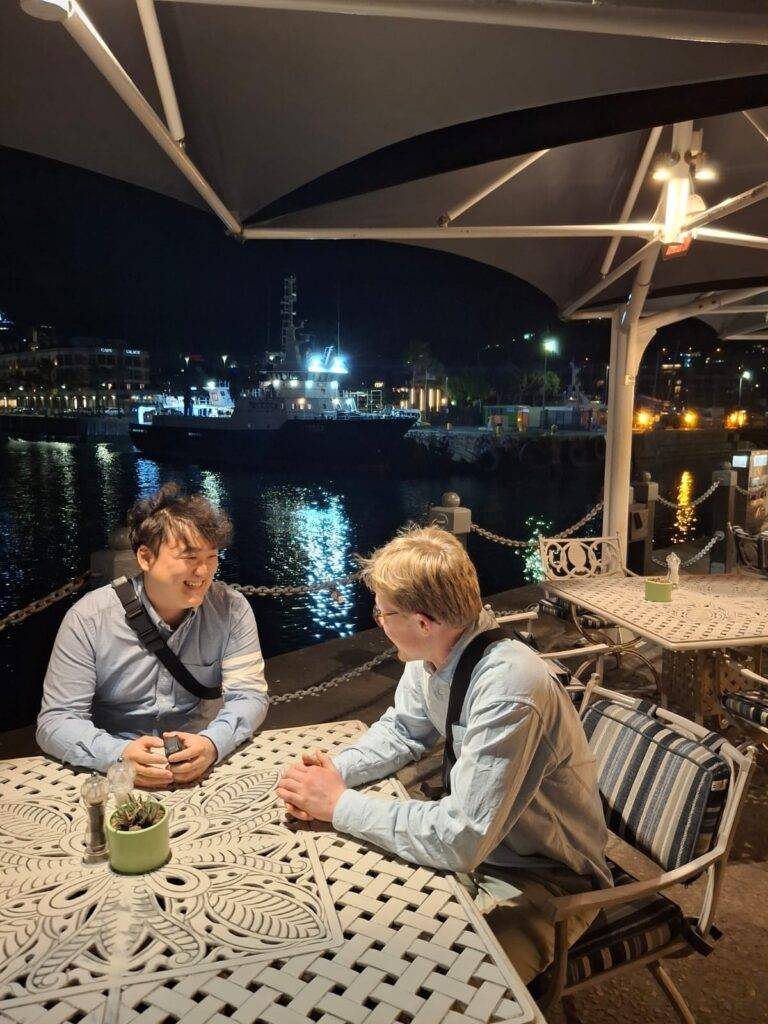
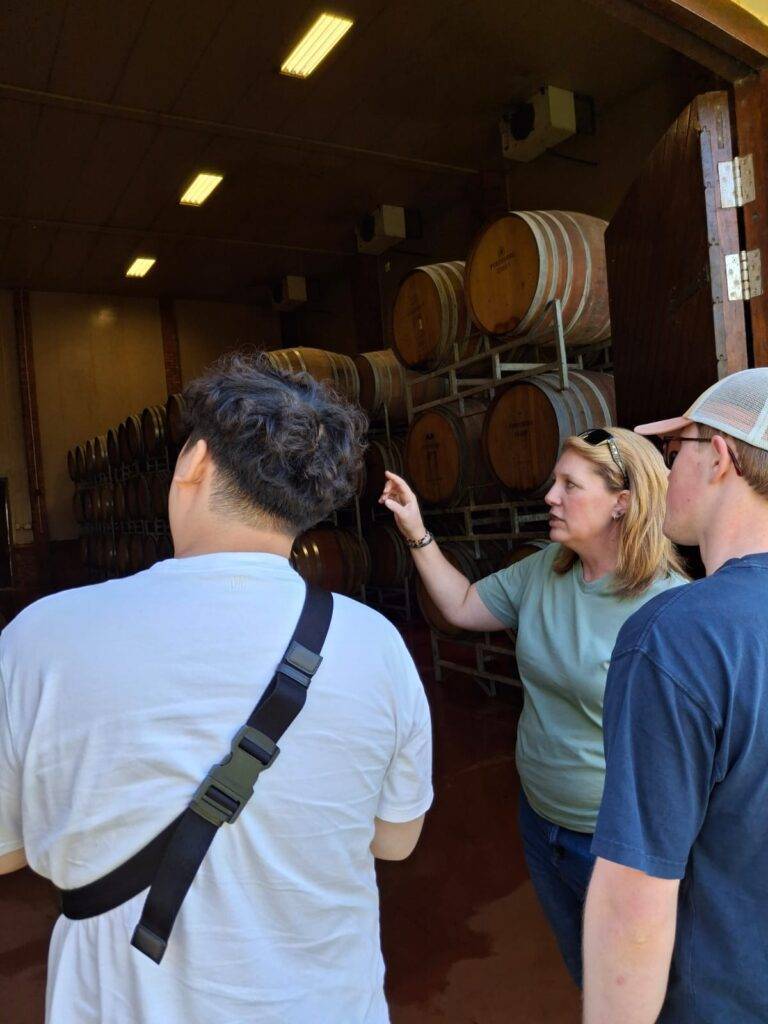
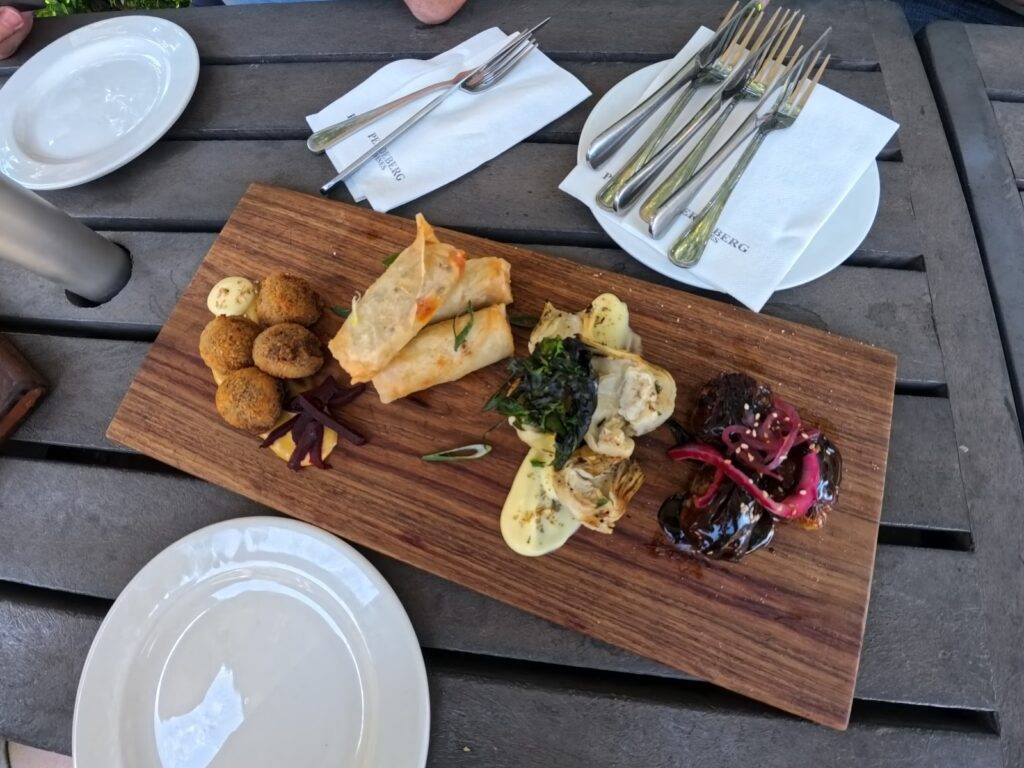
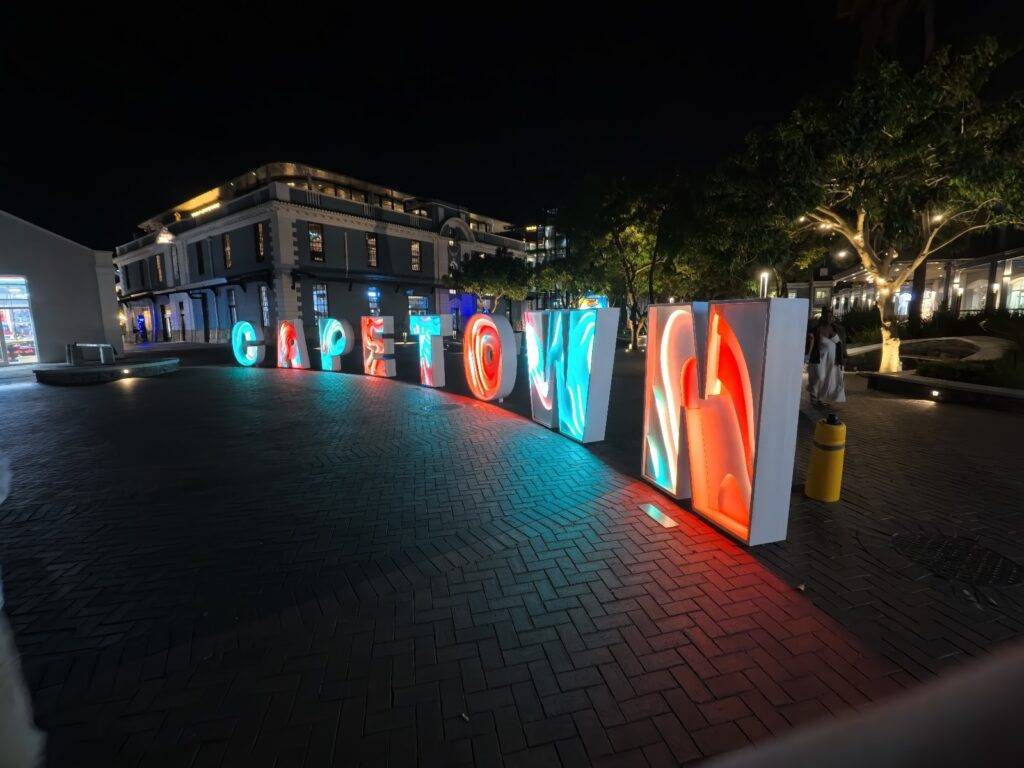
Arriving in Cape Town, the young chefs were welcomed by panoramic views of Table Mountain, and the warm hospitality of Southern Sun Cape Sun. Days were filled with cheese-making at Ciao-Ciao, wine tastings at Perdeberg and Spier, and explorations of the intricate supply networks at Wild Peacock. Dining at Palm House Boutique Hotel with Chef Greg Henderson, and the refined artistry of the acclaimed Chorus Restaurant by Bertus Basson, the group experienced the diversity and sophistication of Cape cuisine.
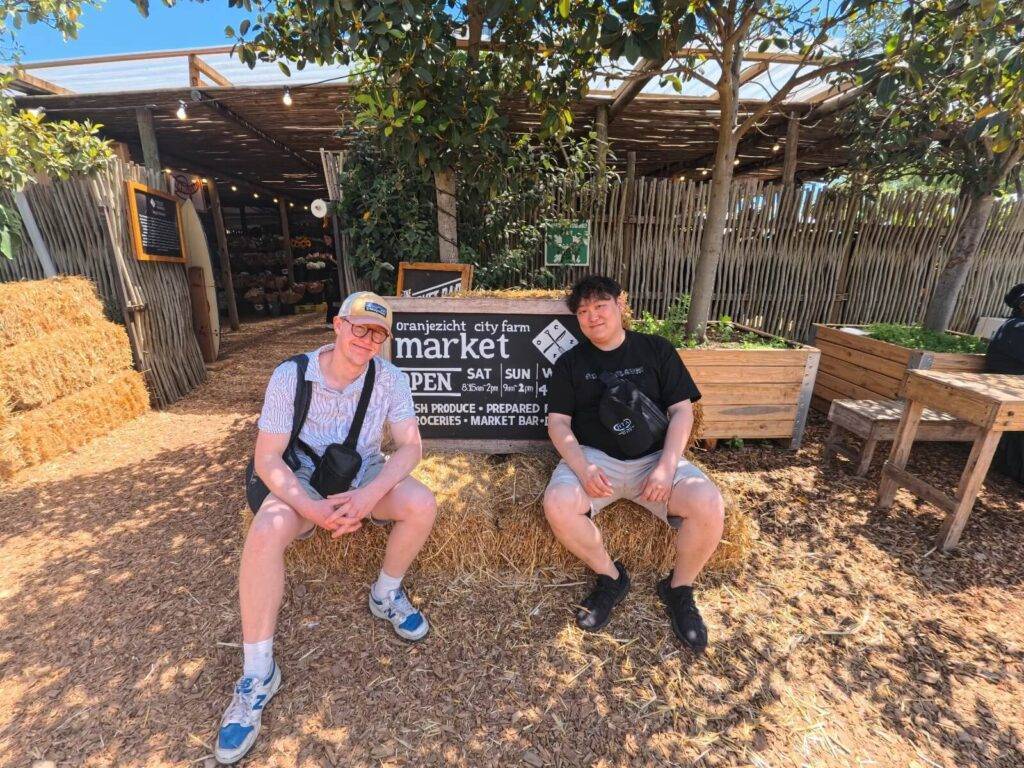
From the penguin colony at Boulders Beach to the bustling Oranjezicht City Farm Market and Makers Landing at the V&A Waterfront, the chefs immersed themselves in the city’s creative spirit. The vibrant street food scene, including the famous Gatsby sandwich, offered new perspectives on South Africa’s culinary diversity.
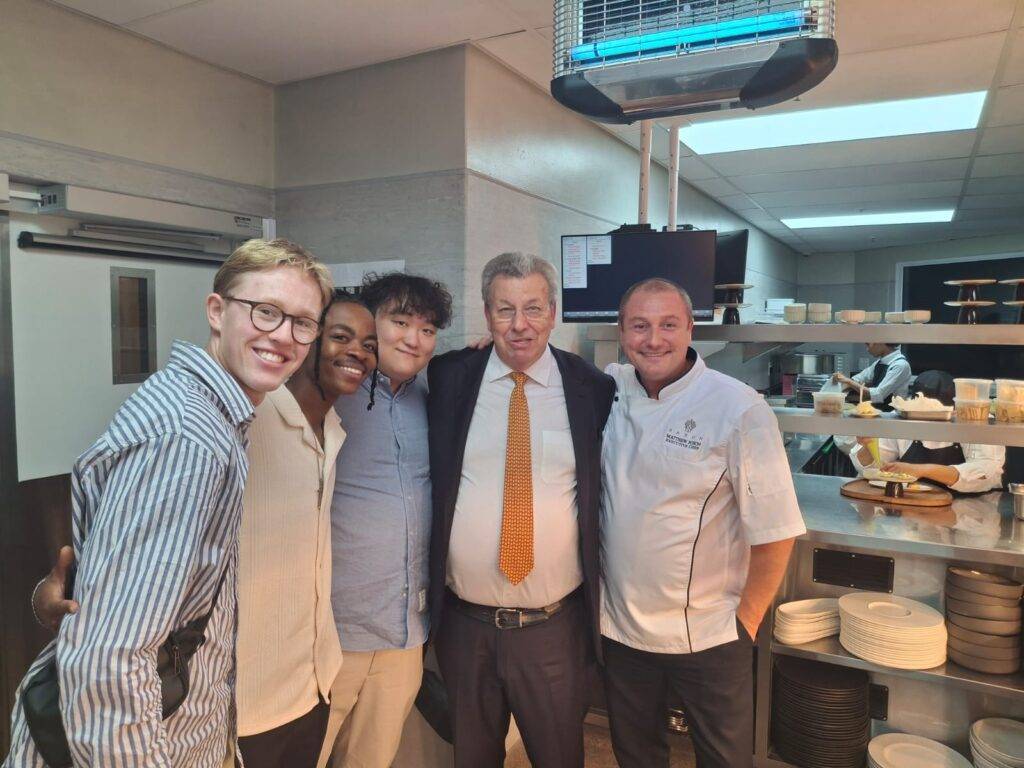
The final dinner at Terrarium Restaurant, hosted by Chef Chris Erasmus, Jodi Gillespie, and Anlou Erasmus, left the group deeply inspired by the harmony between nature and culinary innovation.
KwaZulu-Natal: Celebrating Heritage
In KwaZulu-Natal, the group checked in at the legendary Beverly Hills Hotel in Umhlanga, coinciding with International Chefs Day, a fitting backdrop for celebrating culinary unity and global friendships.
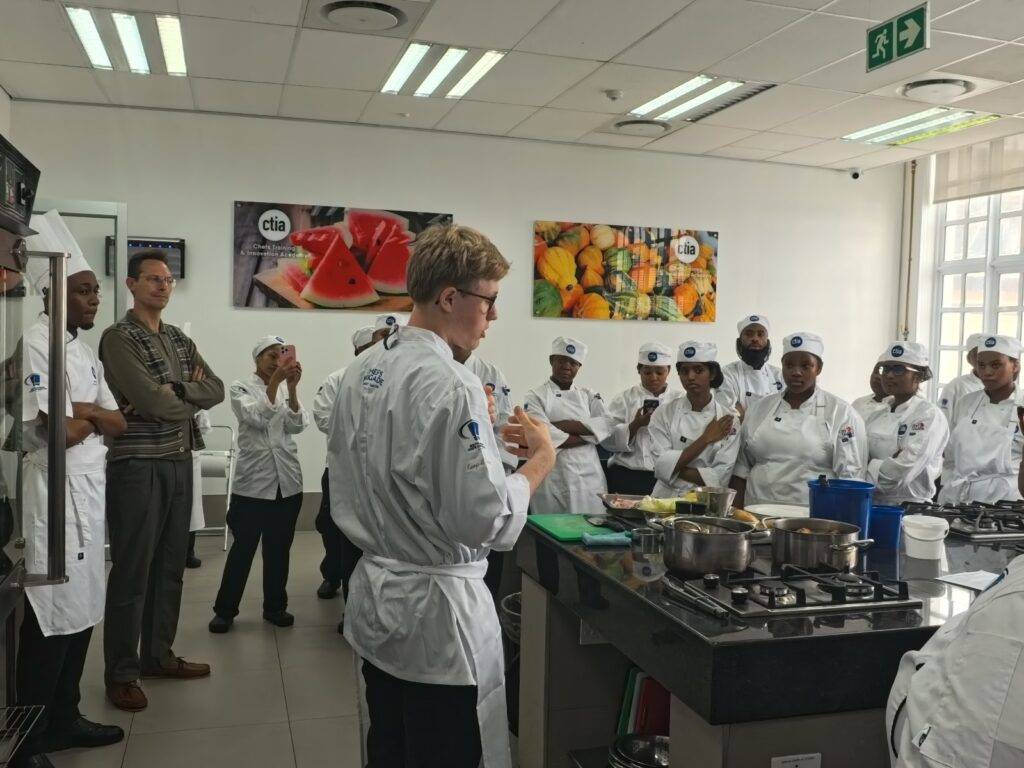
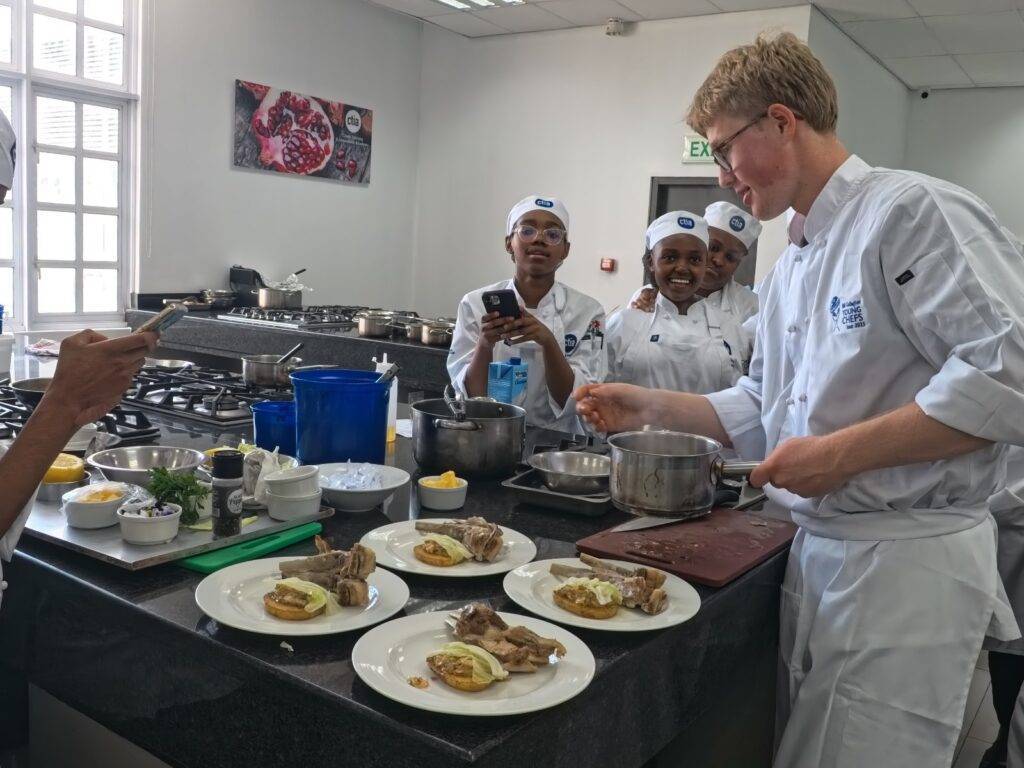
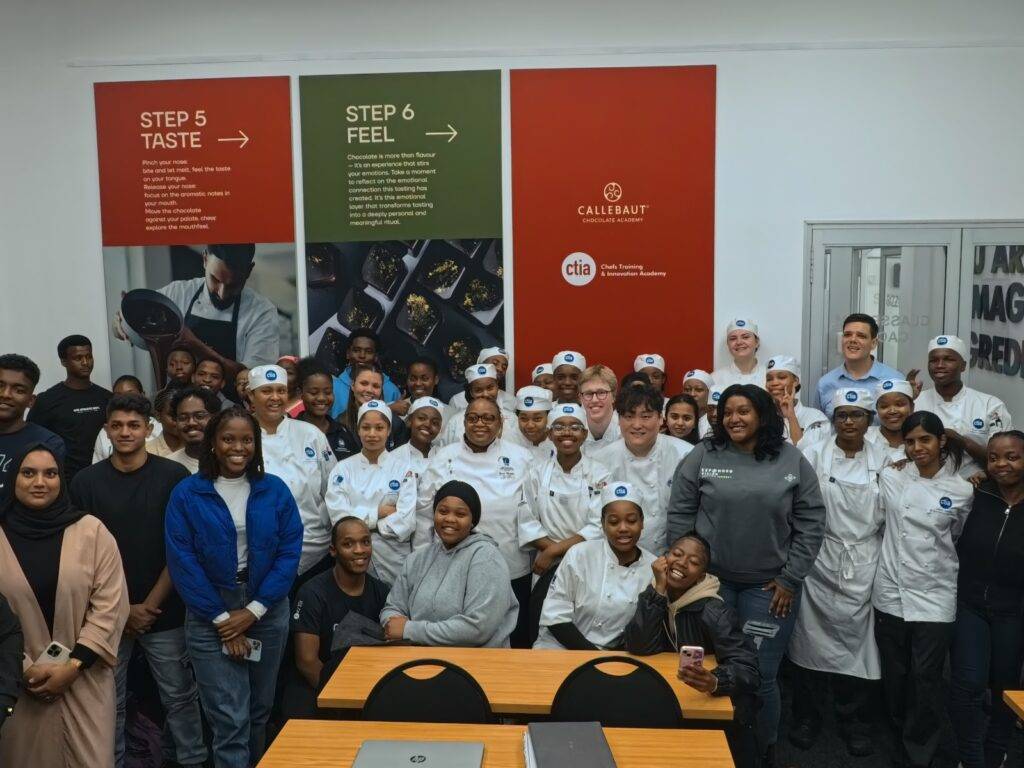
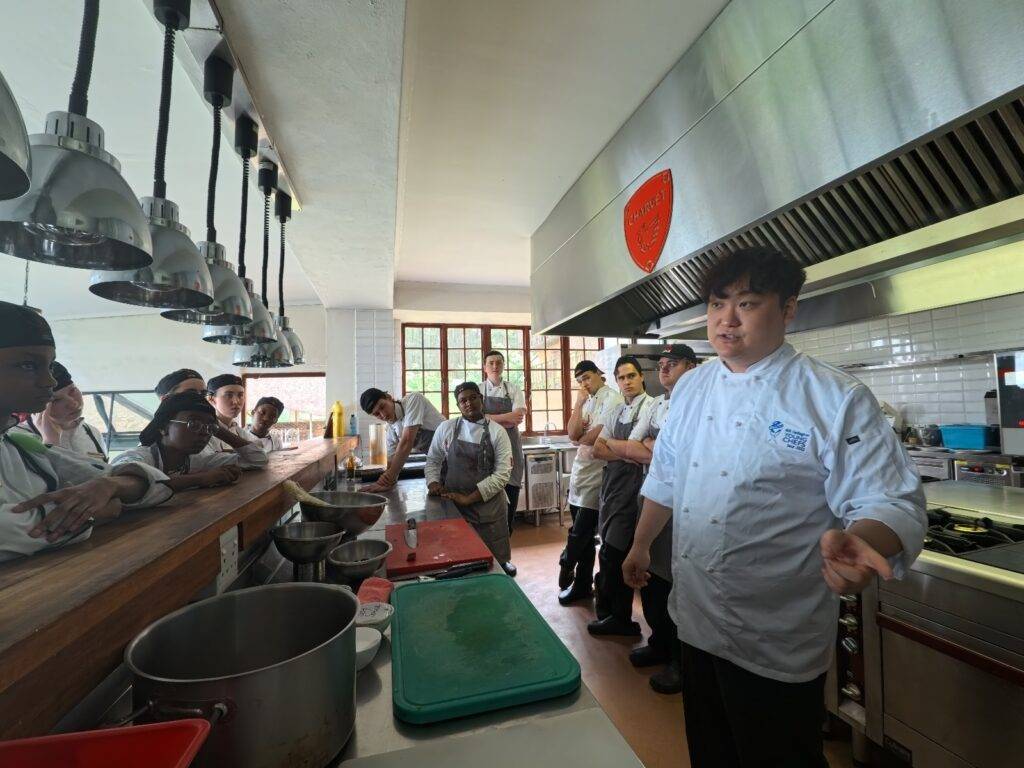
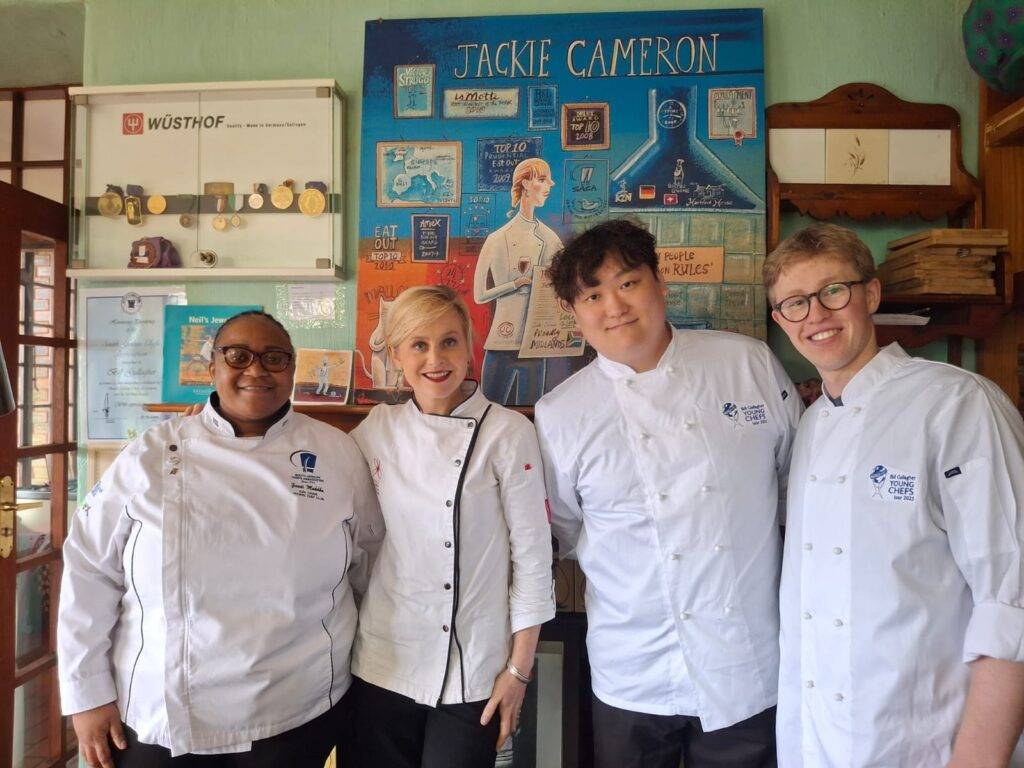
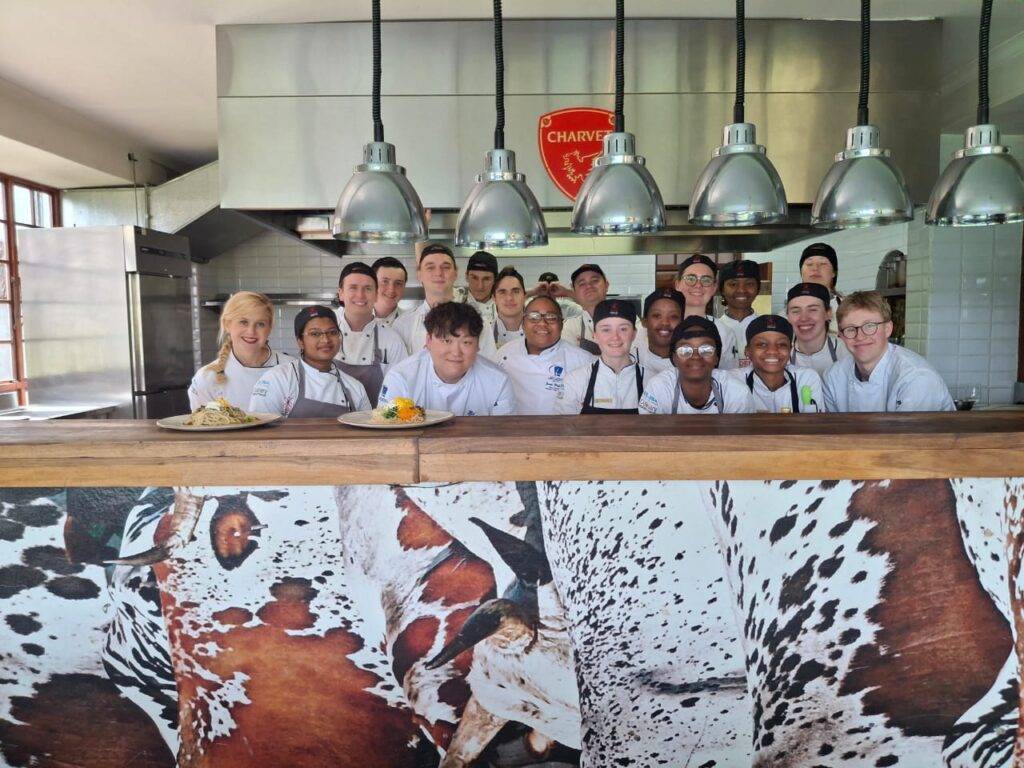
Visits to CTIA Culinary School, the Jackie Cameron School of Food & Wine and Mount Edgecombe offered rich opportunities for learning and cultural exchange. The day’s highlight was a lively cooking demonstration, where international and local chefs shared their food traditions, reinforcing the universal language of the kitchen.
The day featured a diverse range of culinary experiences, including Chef Shin’s engaging Korean cooking demonstration, Chef Olav’s presentation of an authentic Norwegian dish, and a traditional Durban Bunny Chow skilfully prepared by Chef Sbu. The event was characterised by insightful learning and rich flavours.
Before departing, the chefs toured Chef’s Brigade and Unilever Food Solutions, concluding this segment with a distinguished dinner hosted by Chef Coo Pillay (President, SA Chefs Association) and Chef Heinz Brunner (Worldchefs Honorary Life Member). This occasion served as a meaningful homage to both friendship and professional legacy.
Dinokeng Game Reserve: A Fitting Finale
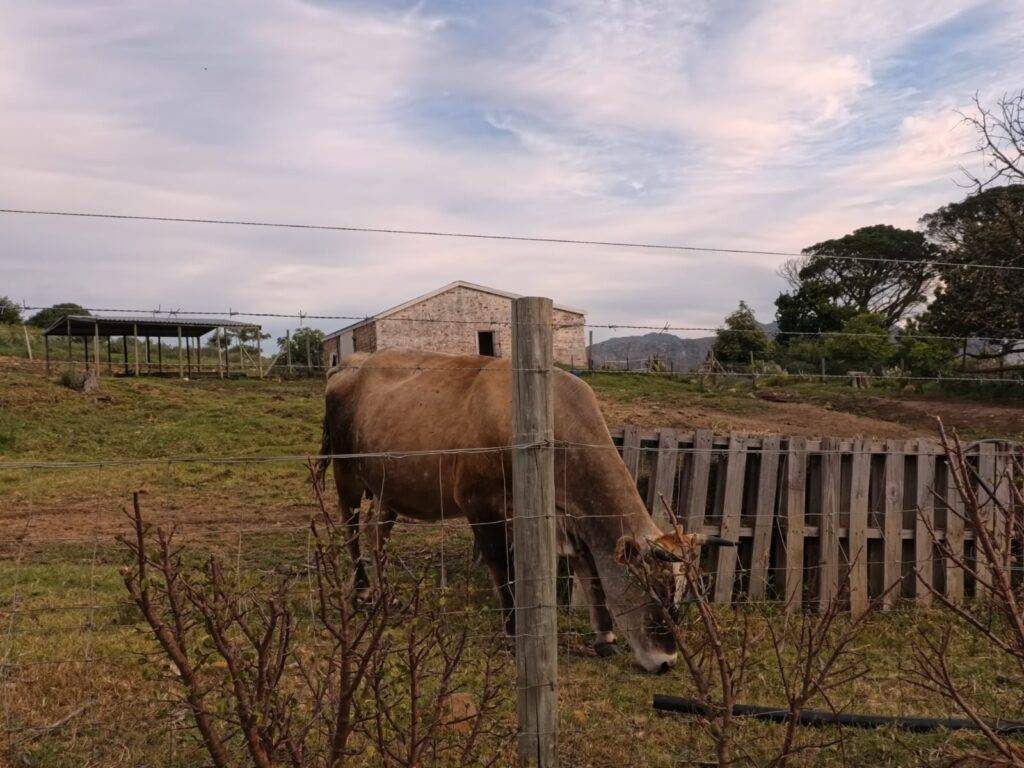
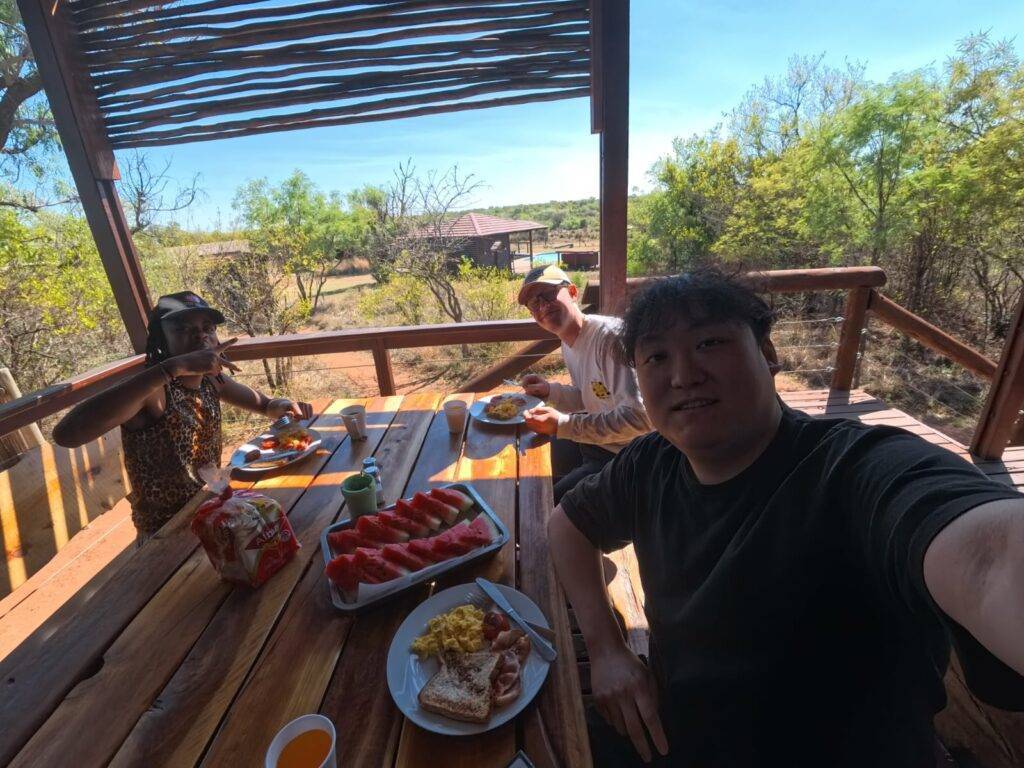
The tour’s final chapter unfolded in the tranquil Dinokeng Game Reserve. Here, under the African sky, the young chefs cooked over open flames, reflecting on the lessons learned and friendships forged. The experience emphasised the importance of simplicity, passion, and respect for tradition, values that Chef Gallagher championed throughout his life.
The Power of International Exchange
The Billy Gallagher Young Chefs Tour 2025 is a shining example of how international exchange enriches both chefs and the communities they visit. By bringing together diverse perspectives and culinary traditions, the tour not only honours Chef Gallagher’s legacy but also strengthens the bonds that unite the global culinary community.
Travelling through South Africa, the participants discovered the value of learning from one another, inspired by Chef Gallagher’s dream for young chefs to see the world, be inspired, and inspire others in return. The legacy continues, shaping the future of gastronomy.
Looking Ahead
With the continued success of the biennial tour, plans are already underway for 2027, with renewed efforts to support deserving young chefs from around the world. The journey continues, fuelled by the spirit of mentorship, discovery, and the belief that food can change lives.
Sincere appreciation to Worldchefs, Southern Sun Hotels, SA Chefs Association, Bill Gallagher & Associates, as well as all the partners, mentors, and hosts whose support made this exceptional experience possible.
– END –
Media Contact: Duane Riley Billy Gallagher Young Chefs Tour Coordinator 📧 Duane.Riley@bgaa.co.za 🌐 bgaa.co.za
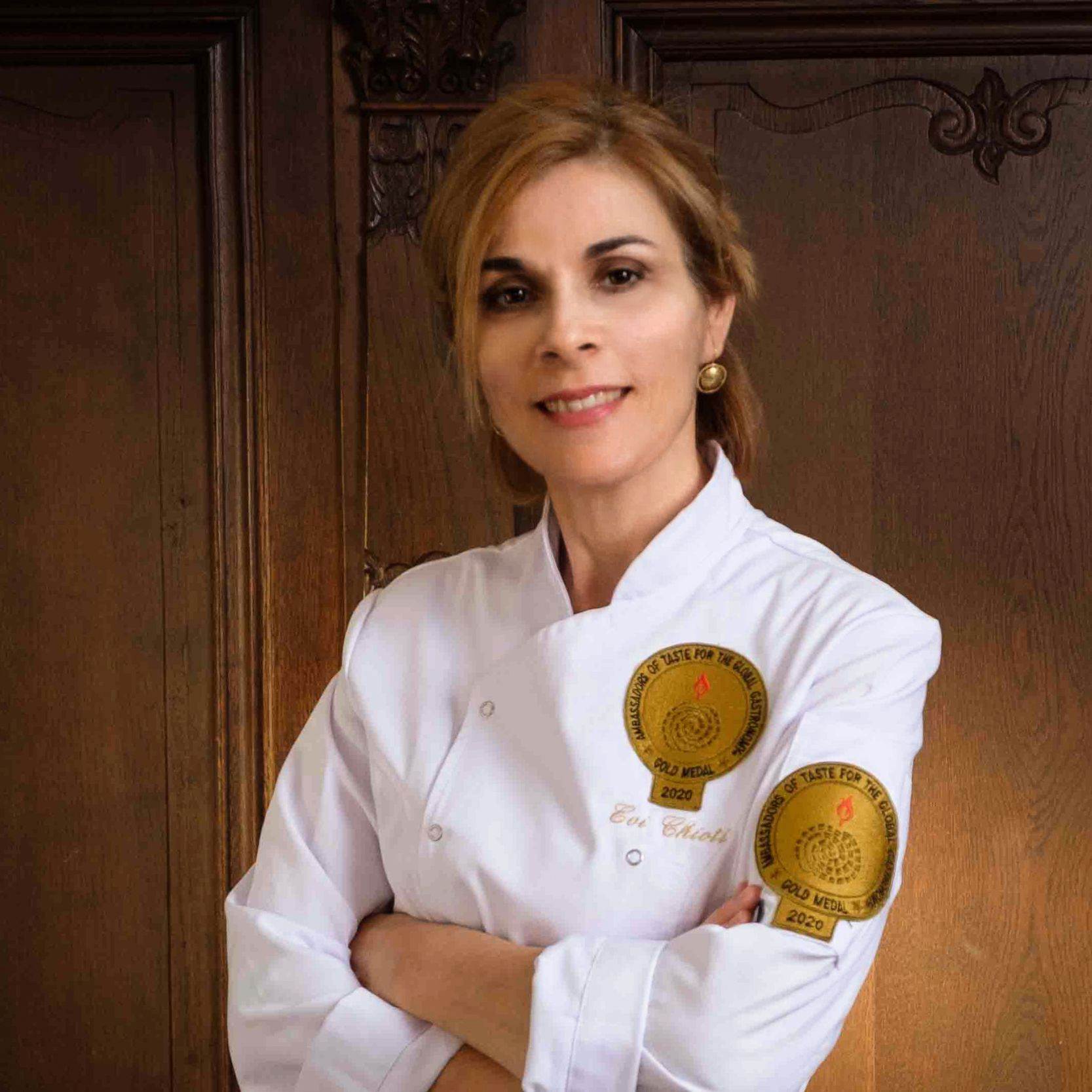
Executive Chef Evi Chioti is an active member of the Cyprus Chefs Association and an accomplished advocate for sustainable gastronomy. From her early days in a family of hospitality professionals to becoming the first woman awarded the Ambassadors of Taste for the Global Gastronomy® Gold Medal, Evi has built a remarkable career as a chef and educator. Today, she is co-owner of the restaurant La Maison Fleurie in Cyprus, a Jury Member with the International Taste Institute, and a member of the Academie Culinaire de France. Her leadership has helped develop innovative educational programs for chefs, secure government support for culinary training, and promote sustainable food practices.
In 2024, Evi earned 2nd place with her recipe Colocasia Rose Delicacy at the LIFE Climate Smart Chefs Awards in the category of “Best Sustainable Recipe.”
“I prepared a plate that was a very low carbon recipe and also nice tasting, nice presentation… I used a vegetable that we have in Cyprus, it’s a simple vegetable, not expensive and very nutritional. It was cooked a bit diff than the traditional way, presented different, I used the juices I used for cooking for the sauces. I used cherries and other ingredients that were seasonal at the time to create the sauce, decorations for the plate.”
– Evi Chioti
To hear more from Evi, tune in to episode 129 of Worldchefs podcast, World on a Plate.
Discover Evi’s sustainable recipe below!
Colocasia – Sustainable Recipe
BY EVI CHIOTI
Ingredients
847155 – Taro, raw.. – GB23, 500g
Celery, raw.. – GB23, 120g 2 x full length stick
Onions, raw.. – GB23, 150g 1 x medium
Tomato puree.. – GB23, 17g 1 x tablespoon
Oil, olive.. – GB23, 4.2g 1 x teaspoon
Water, tap, drinking.. – N, 200g 1 x Average glass
Coriander seeds.. – GB23, 2g 1 x teaspoon
Sea Salt.. – N, 5g 1 x level teaspoon
Pepper, black.. – GB23, 0.1g 1 x average sprinkle
Wine, red.. – GB23, 125g 1 x small bottle/glass
Onions, red, raw.. – N, 118g 1 x small onion
Water, tap, drinking.. – N, 100g ½ x Average glass
Wine vinegar.. – N, 200g 17 ½ x tablespoon
Sugar, Demerara.. – GB23, 5g 1 x teaspoon
Sea Salt.. – N, 2g 2 x 1g
Pepper, black.. – GB23, 1g 1 x 1g
Cloves, dried.. – N, 2g 0.01 x 1 cup
Oil, vegetable, average.. – GB23, 12.6g 1 x tablespoon
Seaweed, agar, dried.. 10g
Cherries, flesh and skin, raw, weighed with stones.. – GB23, 200g 2 ⅔ x Average Portion
Wine vinegar.. – N, 30g 6 x Average Portion
Onions, red, raw.. – N, 118g 1 x small onion
Sea Salt.. – N, 2g 2 x 1g
Sugar, Demerara.. – GB23, 5g 1 x teaspoon
Seaweed, agar, dried.. 10g
Percentages: Taros (30.4%), Water (18.3%), Red Onions (14.4%), Wine Vinegar (14%) (Sulphites), Cherries, Flesh And Skin, Raw, Weighed With Stones (12.2%), Onions (9.1%), Red Wine (7.6%)
Instructions
Remove the skin from the taro (Colocasia), and cut lengthwise in slices (1 cm thick).
Cook in a casserole with olive oil on high heat, add salt, pepper, and coriander. Remove when they get a golden color.
Add in the casserole celery and onion, cook them for five minutes, and add the taro slices on top.
Mix the tomato puree with red wine, water, and seasonings, and add to the casserole.
Low the heat, cover, and cook for about one hour.
When the taro is cooked, form the slices one above the other into a terrine mold and leave to cool overnight in the fridge. Use casserole juices as a liquid cooking for other dishes.
making the rose pearls
To make the rose pearls you must use the juice of pickled onions.
Slice red onion and put in a jar.
Boil water, vinegar, salt, sugar, cloves and pepper.
When boiled for 5 min add to the jar with onions and leave for a night. This is a preparation that needs to be done the day before.
In another small jar freeze the vegetable oil.
Next day boil 100 ml of pickled onion juice with 10 gr, agar-agar powder. Boil for two min and remove from heat.
Leave it to cool for five min.
Transfer the liquid into a squeeze bottle and drizzle it slowly into the chilled oil.
Strain and rinse the spheres in cold water. Spheres can be preserved in pickled onion juice for a long time to use for different preparations.
Cherry and red onions chutney
For the cherry and red onions chutney, simmer cherries, onions, vinegar, sugar, salt, pepper, and geranium leaves (for rose aroma).
Use the chutney to accompany the taro terrine and prepare some cherry spheres and deco transparent film , according to the technique explained above for the rose pearls.
Notes concerning ingredient reuse and recipe sustainability:
Taro is cooked with vegetable juices in a covered cooking pot, a slow cooking method. This allows the vegetables to become tender and delicious, mixing flavors together and using a minimum of water. Cooking juices can be used as a cooking liquid for other preparations and in this case, I used this liquid to cook vegetable stuffing for my another dish. Techniques used for pickled onions and cherry chutney that are used in the recipe are energy-saving preservation methods, as they can preserve content out of the fridge. In addition, decorations and pearls are made of the juices of onions and cherries. All ingredients are available fresh in small local markets from individual producers.
Following five Regional Semi-Finals, and with additional finalists from Finland (IKA 2024 Winner) and host nation Wales, the stage is set for a showcase of the world’s top culinary talent.
Five regional semi-finals, one global stage – Finalists from across Europe, Africa & Middle East, the Americas, Asia, and the Pacific Rim are preparing to compete in Wales at the Global Chefs Challenge Finals 2026.
Four categories of excellence – Global Chefs, Global Pastry Chefs, Global Vegan Chefs, and Global Young Chefs will showcase their skill, creativity, and innovation.
See the Global Chefs Challenge live in Wales – Join us in Wales to catch all the action at the Worldchefs Congress & Expo 2026.
Paris, 28 October 2025 – After an extraordinary year of competition spanning five continents, Worldchefs is proud to announce the finalists who will compete in the Global Chefs Challenge Finals 2026, taking place during the Worldchefs Congress & Expo, 16–19 May 2026, at the International Convention Centre Wales in Newport.
Representing the world’s top culinary talent, they now advance to the Finals in Wales, joined by Finland, winner of IKA 2024, and host nation Wales, competing on home soil for the first time in Worldchefs’ 98-year history.
A Journey Around the Culinary World
From the European Grand Prix in Rimini to the final Pacific showdown in the Cook Islands, the 2025 season celebrated the artistry, innovation, and professionalism that define Worldchefs competitions. Chefs competed across four categories: Global Chefs Challenge, Global Pastry Chefs Challenge, Global Vegan Chefs Challenge, and the Global Young Chefs Challenge (Hans Bueschkens Trophy).
“We are proud to announce the finalists for the prestigious Worldchefs Global Chefs Challenge competition! This remarkable achievement reflects not only culinary excellence but also the dedication, creativity, and professionalism that define the very best in our profession,” said Rick Stephen, Worldchefs Vice President and Culinary Competition Committee Chair. “As a finalist, they will represent their country on the global stage, competing among the world’s most talented chefs. It’s a moment of pride not only for the individual, but for our entire culinary community of Worldchefs.”
Highlights from the 2025 Regional Semi-Finals
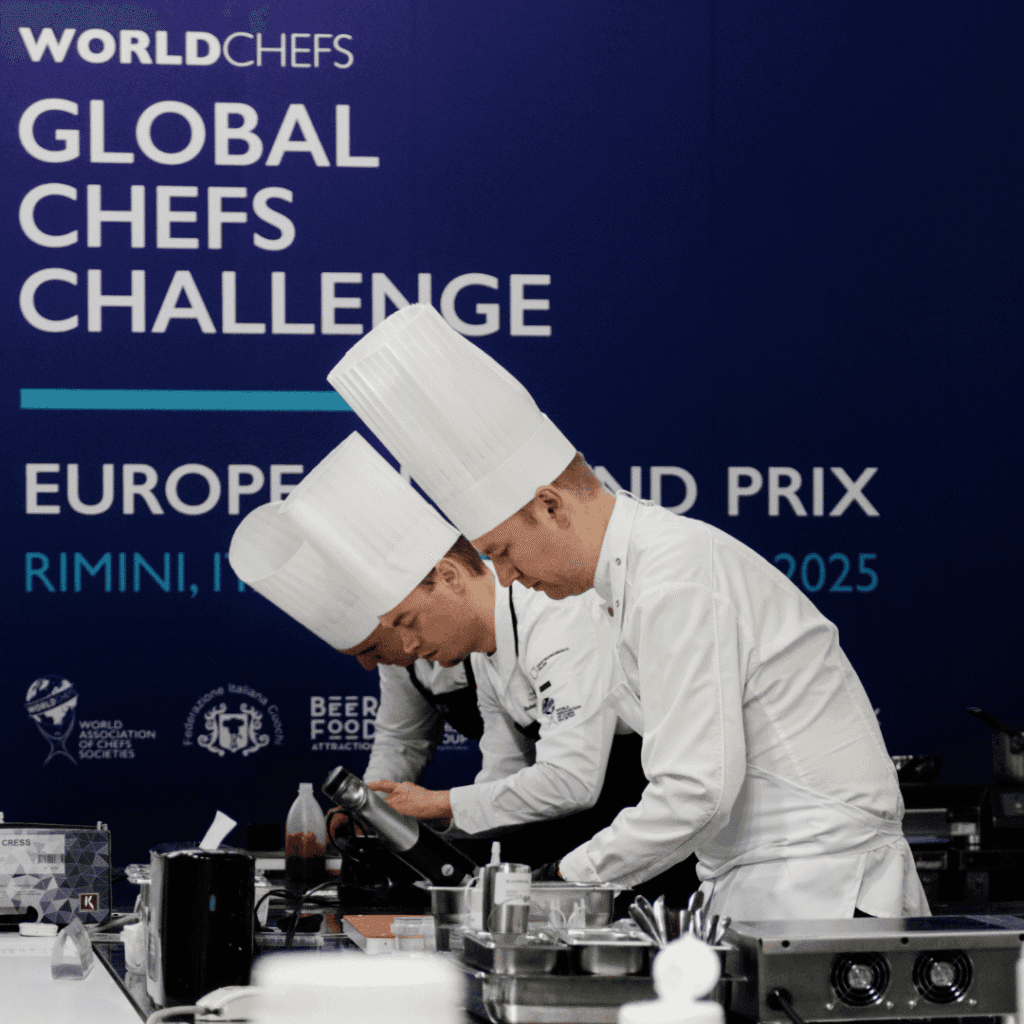
Europe – European Grand Prix 2025, Rimini, Italy
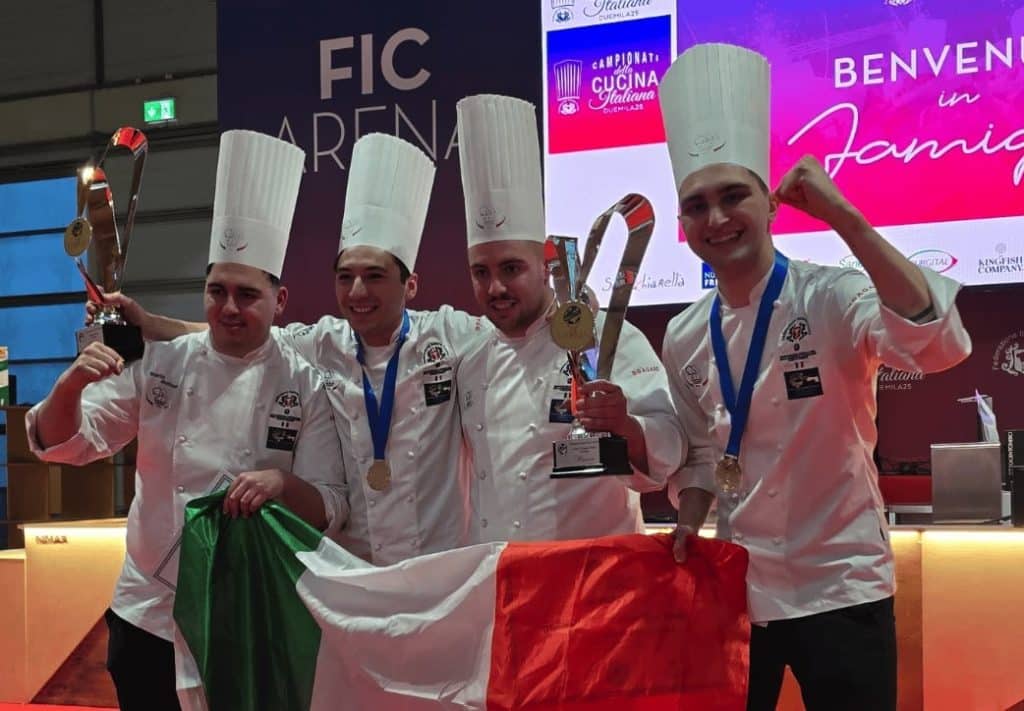
Over 50 chefs competed in Rimini for the first regional semi-finals of the season. Italy’s Giuseppe De Vincenzo claimed top honors in the European Grand Prix.
Africa & Middle East – Sharjah, United Arab Emirates
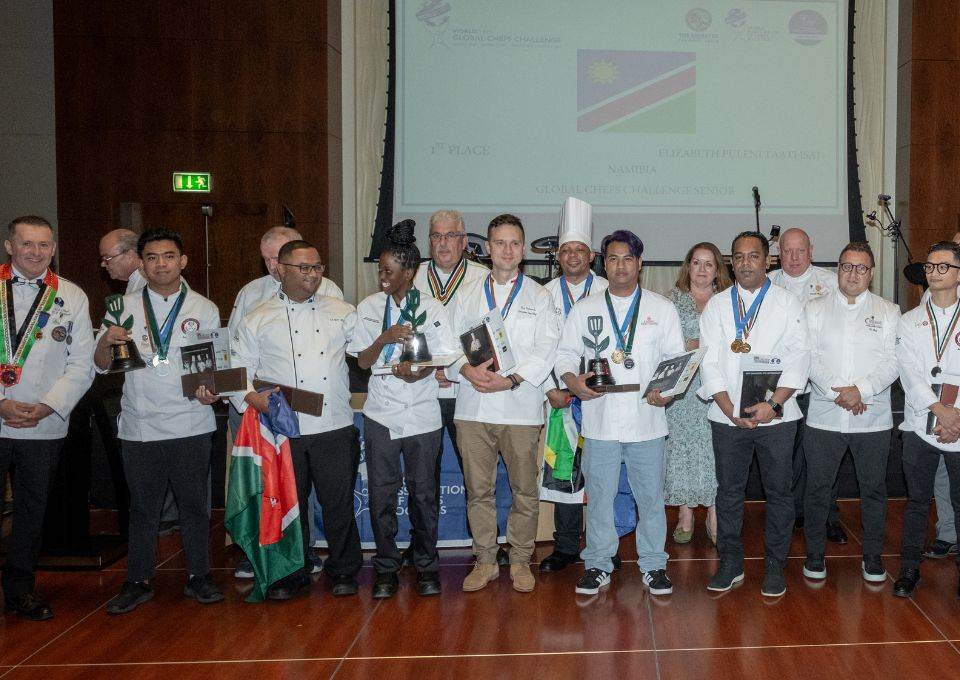
Held during ExpoCulinaire and the Emirates Salon Culinaire, the event celebrated regional excellence. Elizabeth Puleni Taati Isai (Namibia) and Yury Evfimento (UAE) will continue to the finals in the Global Chefs category.
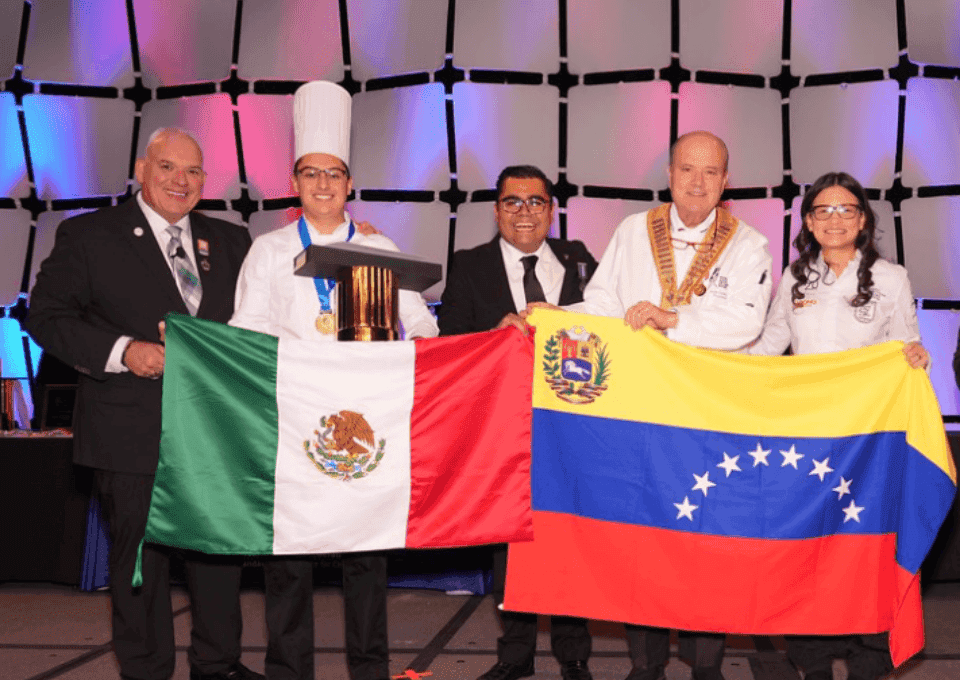
Hosted during the ACF National Convention, the Americas Semi-Finals spotlighted dynamic performances. Derek R. Mazzocoli (USA) and Jaime Leal Cruz (Mexico) led the pack, qualifying for the finals.
Featuring 51 teams from 14 countries, Asia’s semi-final shone with innovation and technical mastery. Stanton Wong Hau Zhe (Singapore) and Trinh Tuan Dung (Vietnam) were among the standout winners.
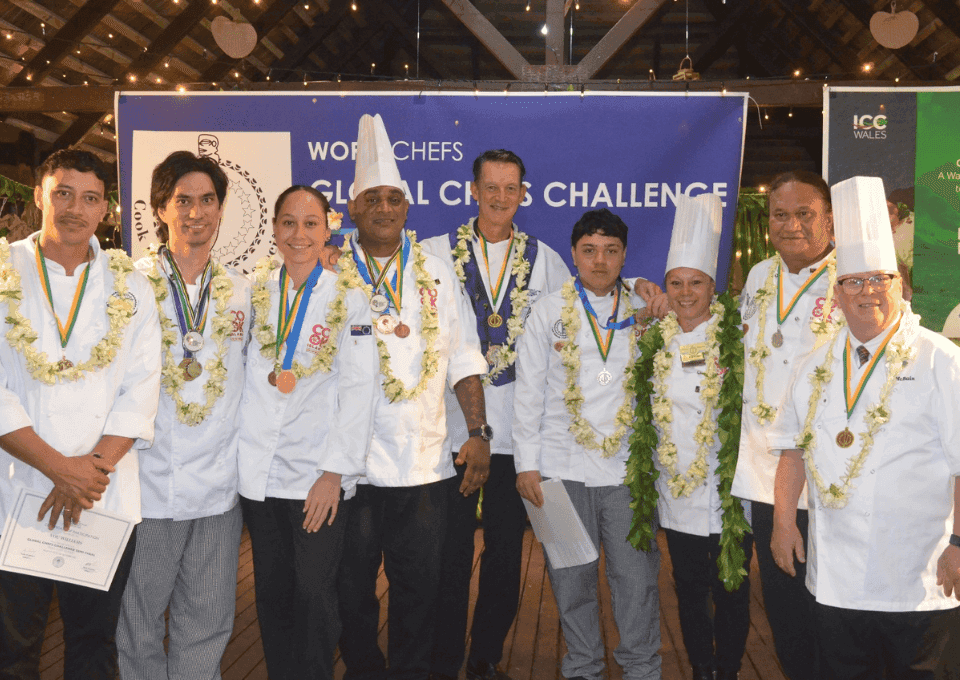
The semi-finals season concluded in the Cook Islands, where Leslie Chan (Australia) and Navneet Reddy (Fiji) earned their tickets to Wales, among others.
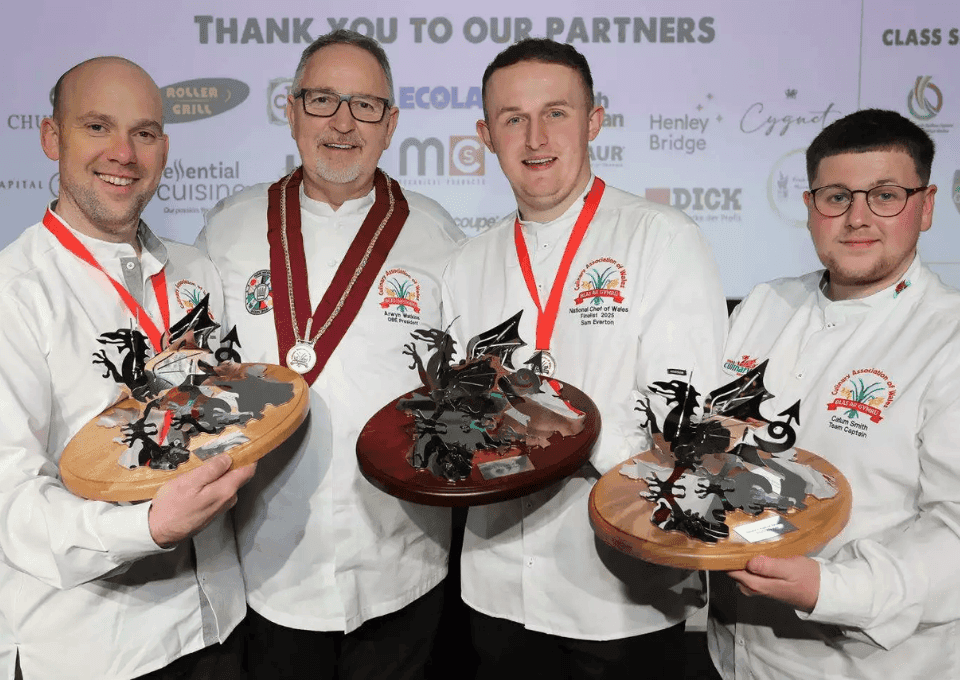
Wales will proudly compete in each category, led by Sam Everton, Calum Smith, Ryan Jones, and Andrew Minto, following their victories at the Welsh International Culinary Championships.
To relive the action from the 2025 semi-finals, click here.
Meet the Finalists
Hopefully, I can win a medal at the Global Chef Challenge finals on home soil next year.
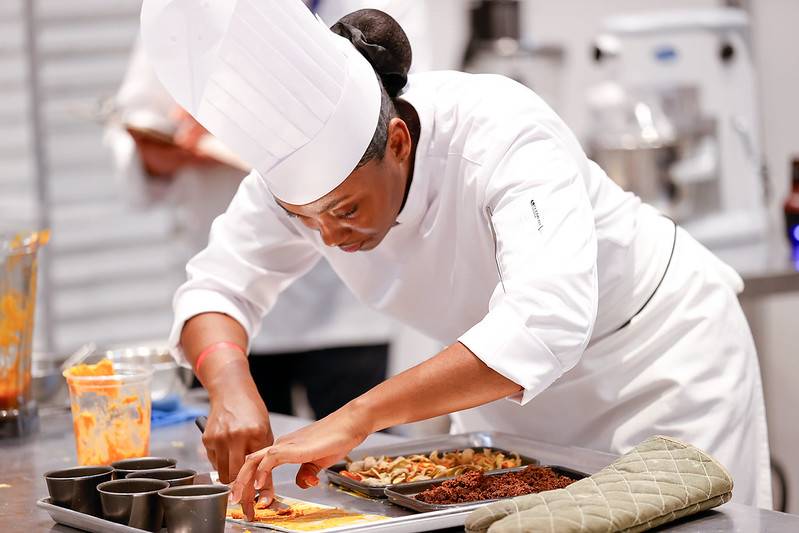
Representing Wales in the Global Chefs Challenge is Sam Everton, lecturer at Coleg Ceredigion, Cardigan who works weekends at the Michelin accredited Yr Hen Printworks, Cardigan.
Global Chefs Challenge Finalists
Australia: Leslie Chan
Denmark: Tommy Jespersen
Fiji: Navneet Reddy
Finland (IKA 2024 Winner): Katja Tuomainen
Iceland: Hinrik Órn Lárusson
Italy: Giuseppe De Vincenzo
Mexico: Jaime Leal Cruz
Namibia: Elizabeth Puleni Taati Isai
Netherlands: Ruben van Zanten
Portugal: André Serra
Singapore: Stanton Wong Hau Zhe
Slovakia: Andreo Roth
UAE: Yury Evfimento
USA: Derek R. Mazzocoli
Vietnam: Tuan Dung Trinh
Wales (Host): Sam Everton
Global Pastry Chefs Challenge Finalists
Czech Republic: Karolína Hávová
Fiji: Vikash Chetty
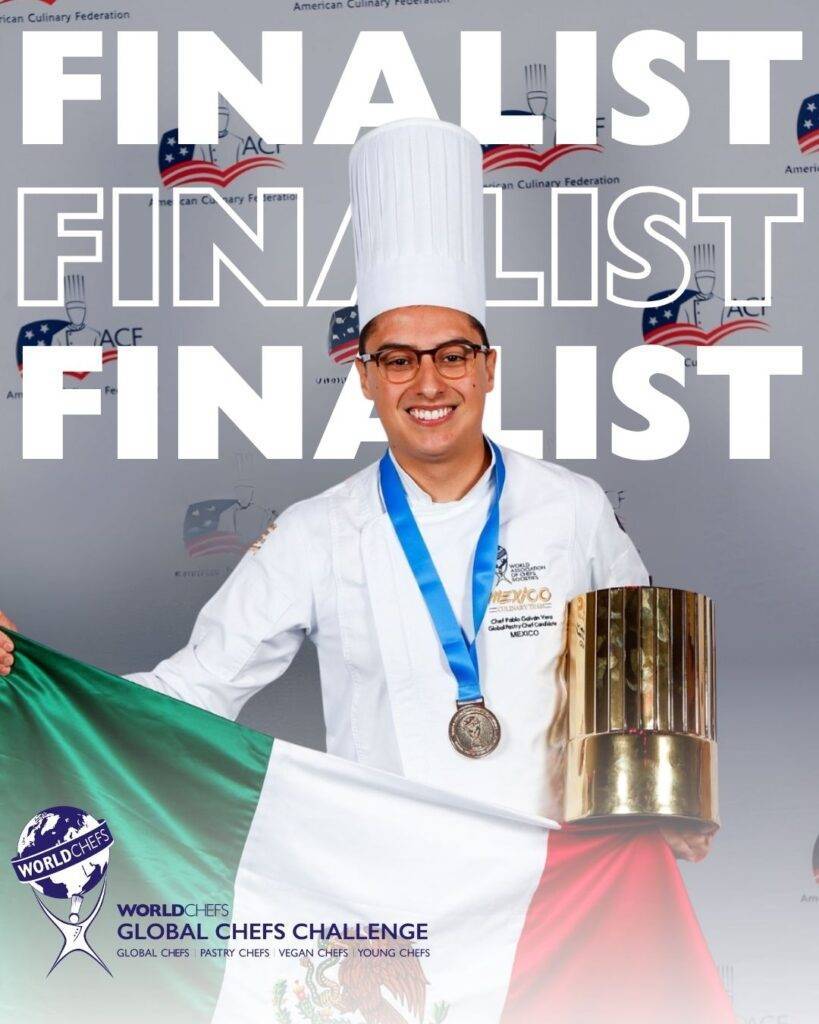
Mexico: Pablo Galvan
Norway: Martine Espeland
Serbia: Milan Lukovic
Singapore: Cheng Yen Ping
UAE: Ruwan Kumara Phille Gedara
Wales (Host): Andrew Minto
Global Vegan Chefs Challenge Finalists
Denmark: Bjarke Jeppesen
Fiji: Abinesh Sharma
Hong Kong: Ben Chan Chi Bun
Italy: Luigi D’Antonio
Romania: Alin Vadean
UAE: Janam Maharjan
USA: Michael J. Stamets
Wales (Host): Ryan Jones
Global Young Chefs Challenge Finalists (Hans Bueschkens Trophy)
Australia: Liam Brnic
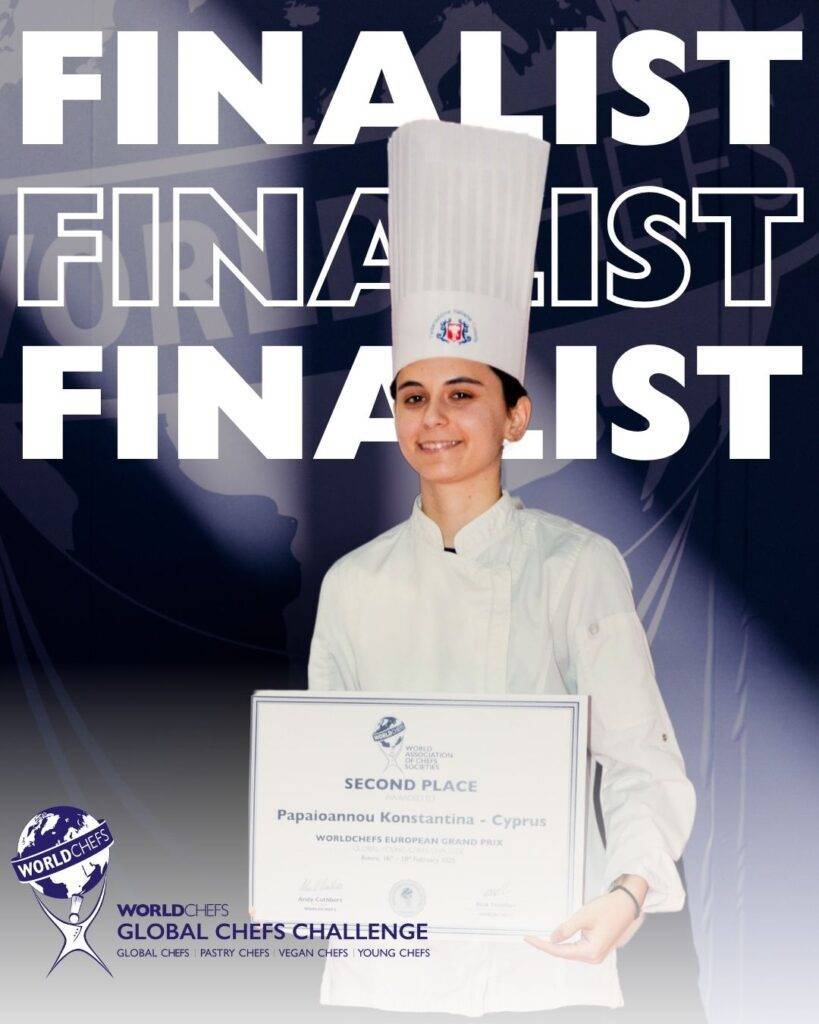
Cyprus: Constantina Papaioannou
Norway: Trym Karlsen
Qatar: Kevin Glorial Putra Pamara
Romania: Antohi Paul
Taiwan: Yi-Hsuan Hung
USA: Yeishalee Santana
Wales (Host): Calum Smith
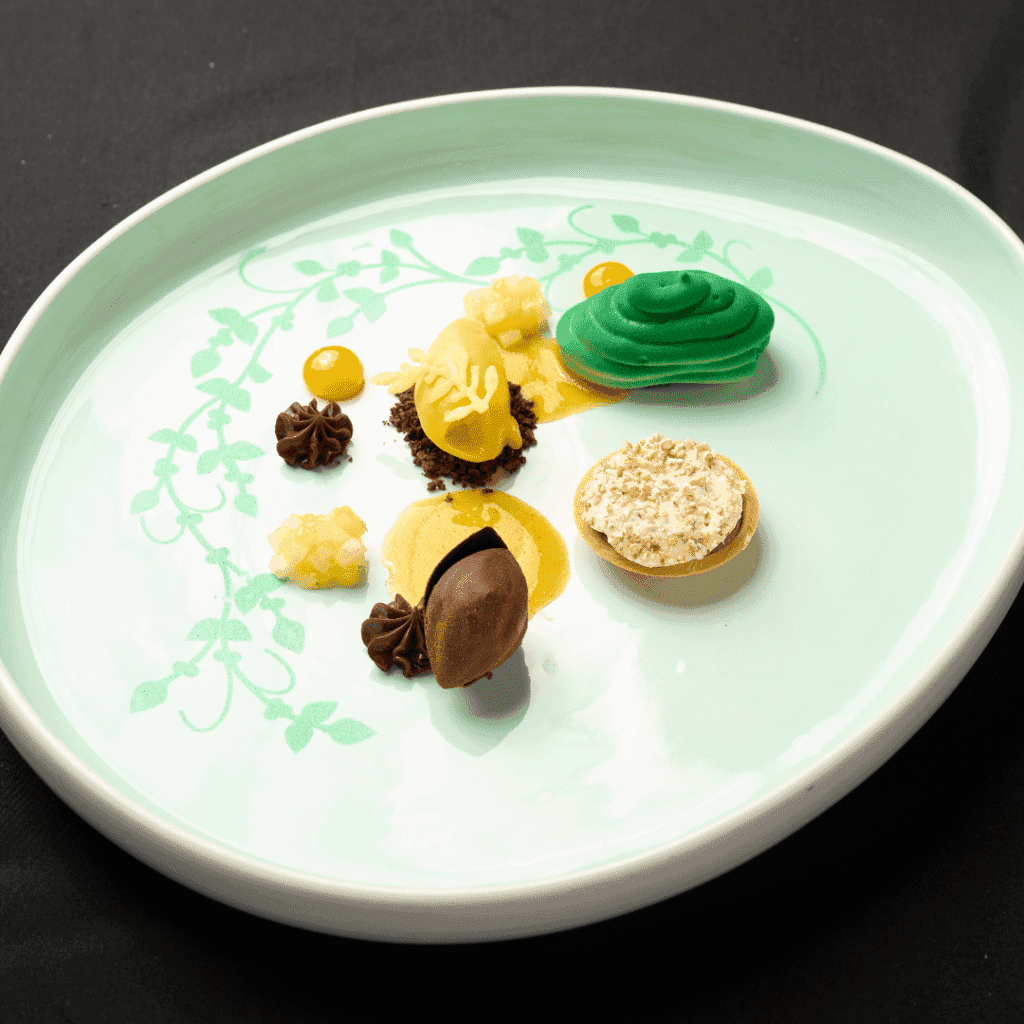
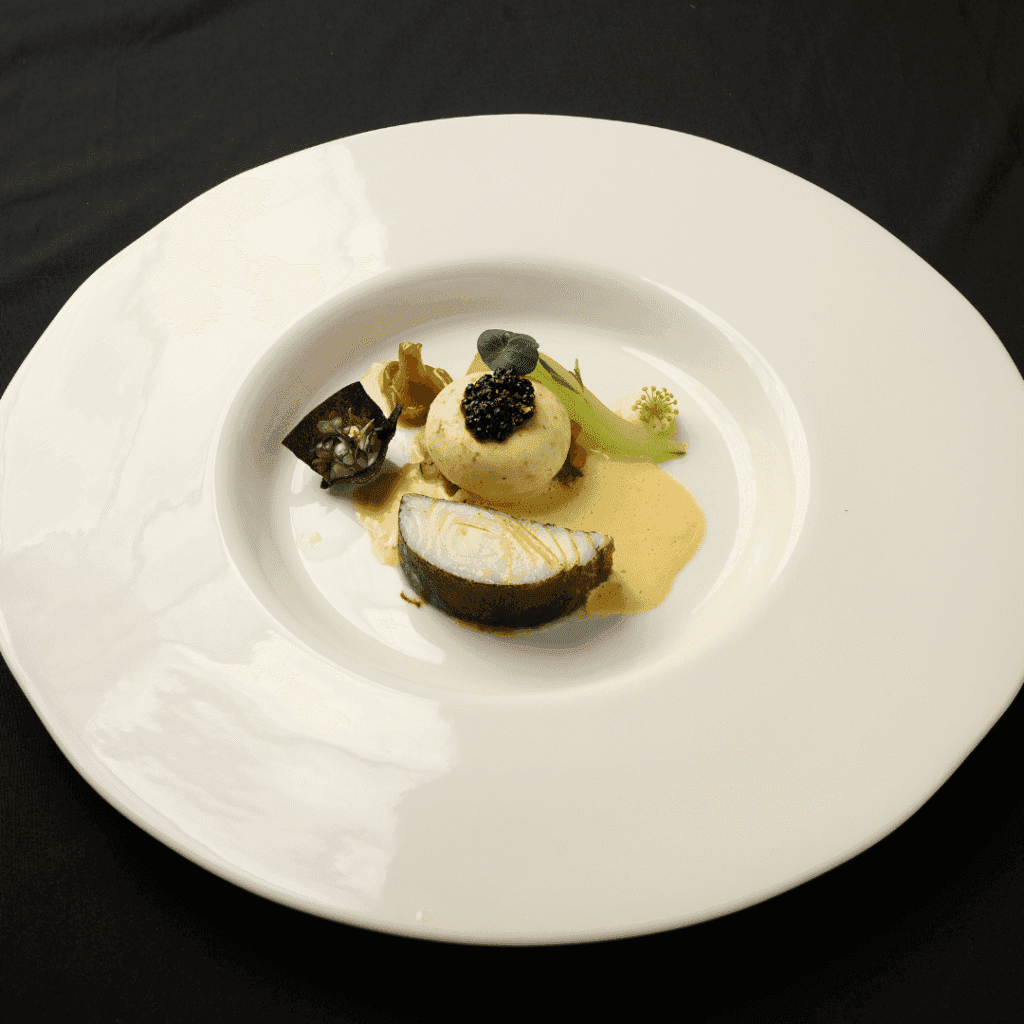
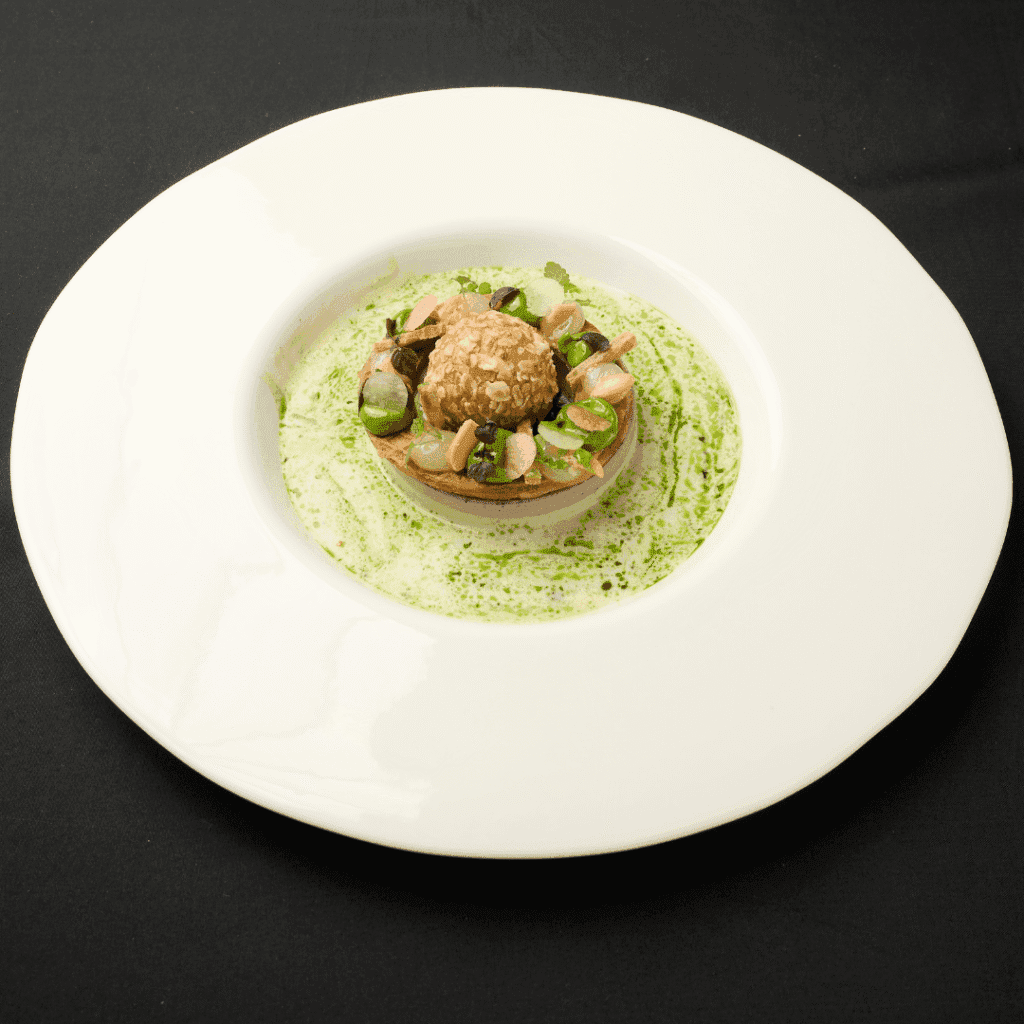
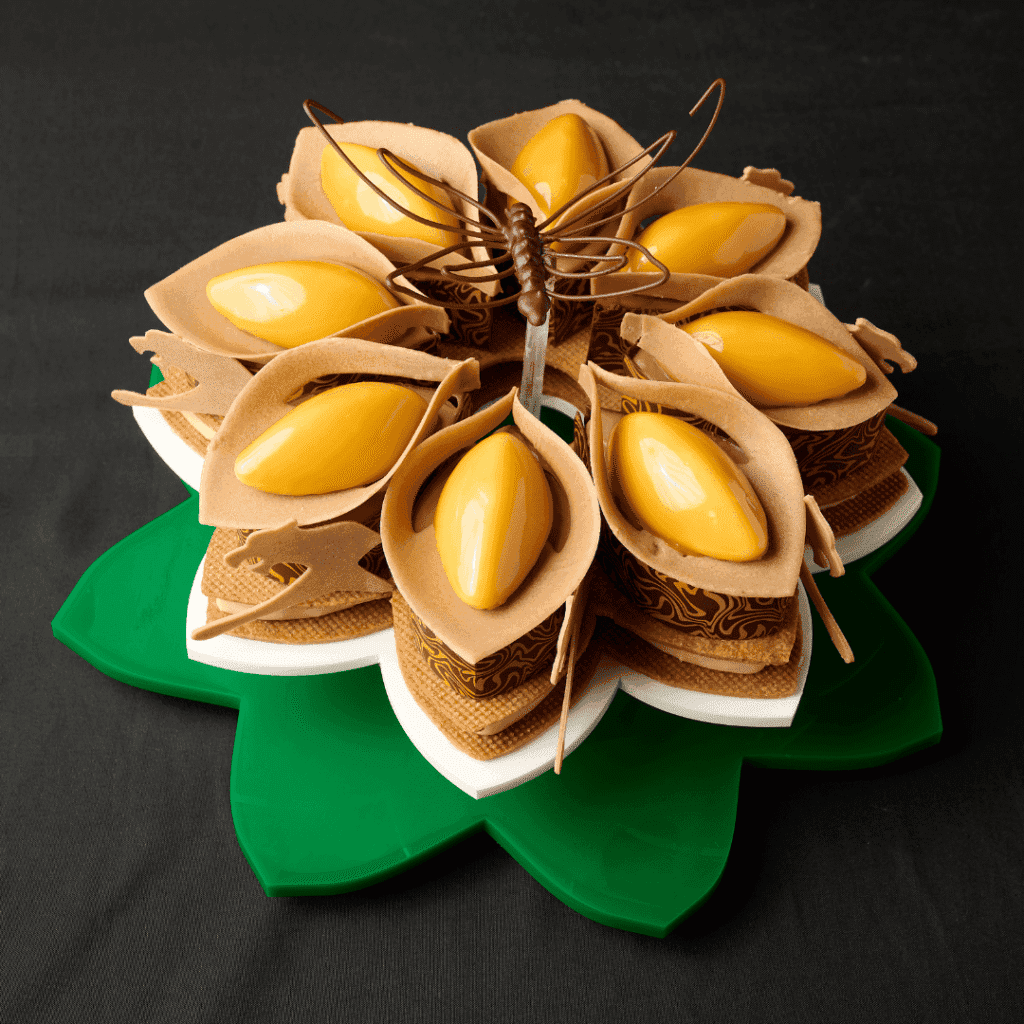
Winning dishes from the Global Chefs Challenge Finals 2024.
Hear from the Finalists
The Road to Wales
We all believe [mental training] is very important. It brings you security and a good base you can stand on. If you face challenges during the competition, your coaches cannot help. You have to help yourself. This brings you self-confidence and the instruments to work on the challenges if something happens.
2024 Worldchefs’ Global Chef Challenge winner, Ale Mordasini traces his inspiring journey from apprenticing in Switzerland to winning the Global Chefs Challenge Finals 2024 in Singapore on this episode of World on a Plate.
The Global Chefs Challenge is where the world’s top chefs meet to compete in four competition categories. Selected through top performance at the Worldchefs Regional Semi-Finals in 2025, qualifying teams will go head-to-head at the Global Chef Challenge Finals. Here, the best and brightest convene to show mastery in the culinary arts.
Catch the action live at Worldchefs Congress & Expo in Wales!
Network and expand your professional bonds with the most influential culinary body worldwide. Join us for Worldchefs Congress & Expo 2026, taking place 16–19 May 2026 in Newport, Wales. This edition’s theme, ‘Pasture, Passion, Plate,’celebrates the journey of food from its origins to the final dish and highlights how food connects us all—from farm to fork, across borders and cultures.
“We look forward to welcoming all of our talented and driven Global Chefs Challenge competitors to Worldchefs Congress in Wales,” says Andy Cuthbert, Worldchefs President. “The event is always a highlight of the Congress, with so much energy from the competition kitchens and cheering fans.”
Don’t miss this opportunity to be part of a global gathering that shapes the future of food. Plus, check out Welsh chefs’ top picks for your trip to Wales.
For a £200 discount, register by October 31 and enjoy early bird rates.
Global Chefs Challenge Finals at Worldchefs Congress & Expo 2026
Worldchefs Congress & Expo is a hallmark tradition of Worldchefs, and has been organized in cities around the world throughout its illustrious 98-year history. The forum brings together delegates from across the five continents to network and expand their professional bonds. The unique program delivers presentations and workshops from leading experts in the hospitality industry, impactful educational programs including the Worldchefs Educators’ Forum, specialized events designed to uplift the next generation of chefs such as the Bill Gallagher Young Chefs Forum, an international trade exhibition, the Global Chefs Challenge competition, and diverse activities to enhance both personal and professional networks.
The 2026 Worldchefs Congress & Expo and Global Chefs Challenge Finals will be held in Wales, hosted by the Culinary Association of Wales.
The World Association of Chefs’ Societies, known as Worldchefs, is a federation made up of 110 national chef associations. A leading voice in the hospitality industry, Worldchefs carries years of history since its founding in 1928 at the Sorbonne by the venerable Auguste Escoffier.
Representing a mobilized international membership of culinary professionals, Worldchefs is committed to advancing the profession and leveraging the influence of the chef jacket for the betterment of the industry and humanity at large.
Worldchefs is dedicated to raising culinary standards and social awareness through these core focus areas:
Humanitarianism & Sustainability – Worldchefs Feed the Planet and World Chefs Without Borders programs relieve food poverty, deliver crisis support, and promote sustainability across the globe.
Education – Worldchefs offers support for education and professional development through the Worldchefs Academy online training program, a diverse network of Worldchefs Education Partners and curriculum, and the world’s first Global Culinary Certification recognizing on-the-job skills in hospitality;
Networking – Worldchefs connects culinary professionals around the world and provides a gateway for industry networking opportunities through endorsed events and the biennial Worldchefs Congress & Expo;
Competition – Worldchefs sets global standards for competition rules, provides Competition Seminars and assurance of Worldchefs Certified Judges, and operates the prestigious Global Chefs Challenge.
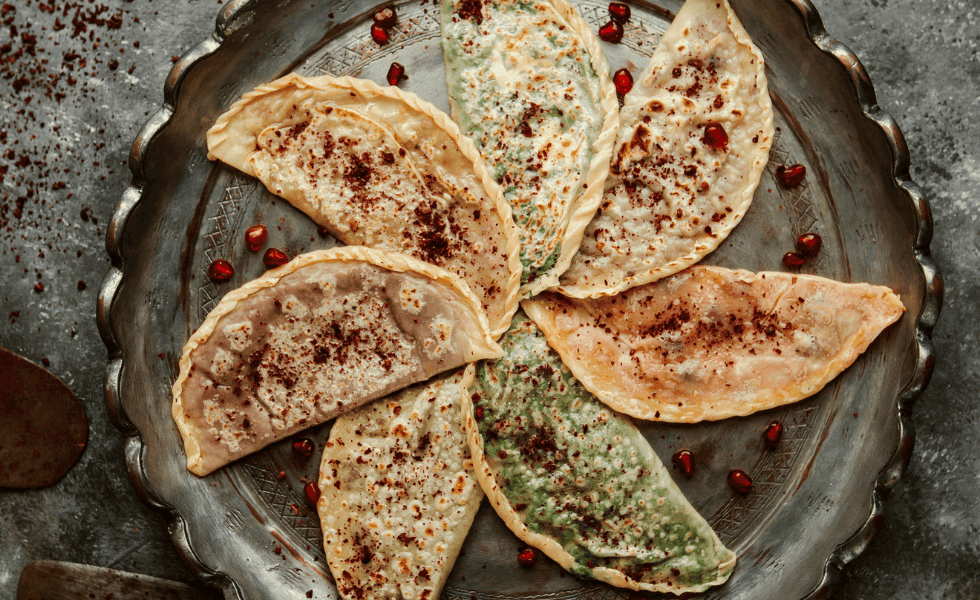
Gutabs are a sort of folded flatbread stuffed with different fillings such as meat, an assortment of fresh green herbs, cheese or pumpkin. They are cooked on an iron disk called a ‘saj.’ In Baku and the Absheron region of Azerbaijan, gutabs are drizzled with melted butter and served with yoghurt and pomegranate. They can also be sprinkled with sumakh, rolled into tubes and eaten with your hands. Azerbaijanis often serve gutabs with ayran – a cold yoghurt drink mixed with salt and herbs.
RECIPES Adapted by ORKHAN MUKHTAROV
Gutab with Meat– Recipe
Ingredients
For the dough:
350 g wheat flour
200 ml watter
Salt
For the filling:
500 minced lamb or 250 gr minced lamb and 250 gr minced beef
250 gr onion
Salt and Pepper
12 g lavashana
Instructions
Soak the small piece of lavashana in water until it dissolves. It will dissolve more quickly in hot water. If you use tomato paste, mix it also with a little bit of water.
Peel and chop the onion. Mix the minced meat with the chopped onion. Add salt and pepper and lavashana or tomato paste liquid. Set the mixture aside.
Mix the flour, water and salt to make dough. Separate the dough into 150 gram balls.
Place the dough balls on a tea towel and cover with clingfilm. Leave the balls to rest for 5-10 minutes.
Roll out the dough balls until they are 3 mm thick. Traditionally a thin, light rolling pin, ohlov, is used. Use a small plate to shape the rolled-out dough into rounds approximately 20 cm in diameter.
Spread the mincemeat mixture thinly on one half of the dough round. Fold in half into a semi-circle, pressing the edges together.
Kutabs are traditionally cooked on a saj, a convex iron griddle. A large frying pan turned upside down can be an excellent substitute for a saj. But it works only with gas stoves. If you have an electric stove, use a usual pan. Place two gutabs at a time on the hot pan. Traditionally gutabs are cooked without oil or butter. In our family we like to cook gutabs in a little bit of oil or butter (not much!). Turn over after 2-3 minutes or when the gutab begins to brown and cook on the other side.
If you didn’t use oil or butter when cooking, spread the cooked gutabs with melted butter or melted clarified butter while still hot and place one on top of the other to serve.
Meat gutabs are often served with sumac, a red ground powder which has a zesty flavor.
Gutab with Herbs– Recipe
Ingredients
For the dough:
350 g
200 ml water
Salt
For the filling:
1 egg
1-2 tsp plain yoghurt
Salt and Pepper
3 onions
A variety of green herbs:
Sorrel (or lemon juice)
Spinach
Coriander
Dill
Instructions
Wash the herbs. Dry them very good and chop them. If herbs will give some juice, squeeze it out. Sprinkle with salt.
Chop onions and pan them with some butter. You can use vegetable oil. Put the egg, yoghurt and panned onion into the herbs mix and mix good.
Make dough with the flour, egg, yoghurt, water and salt. The dough must be soft enough to roll out and not stick to fingers. Make the dough into small balls, roughly 50-60 grams. Roll out each ball into a thin circle approximately 27 cm in diameter. Spread the herb mixture on one half of the gutab and fold into a semi-circular shape.
Gutabs are traditionally cooked on a saj, a convex iron griddle. But I always use an ordinary frying pan. Place one or two gutabs at a time on the hot saj/pan. Do not use oil or butter during cooking. Turn over after 2-3 minutes or when the gutab begins to brown and cook on the other side.
Gutab with Pumpkin – Recipe
Ingredients
For the dough:
350 g wheat flour
200 ml watter
Salt
For the filling:
1 middle pumpkin (appr. 2 kg)
2 piece onion
1 piece pomegranate
Salt and Pepper
Butter
Instructions
Cut the pumpkin into small pieces, remove the skin and put it into the pot. Let the pumpkin simmer. Do not add water. Cook the pumpkin until the juice evaporates. Taste the pumpkin. If it is not sweet enough, add 1 tbsp of sugar.
Chop the onion and fry in the butter until slightly golden brown. Add to the pumpkin and mix them well. Add pomegranate seeds.
Mix the flour, water and salt to make dough. Separate the dough into 150 gram balls. Place the dough balls on a tea towel and cover with clingfilm. Leave the balls to rest for 5-10 minutes.
Roll out the dough balls until they are 2 mm thick. Traditionally with a thin, light rolling pin – ohlov . Use a small plate to shape the rolled-out dough into rounds approximately 20 cm in diameter. Spread the filling thinly (appr. 50 gr per kutab) on one half of the dough round. Fold in half into a semi-circle, pressing the edges together.
Gutabs are traditionally cooked on a saj, a convex iron griddle. A large frying pan turned upside down can be an excellent substitute for a saj. But it only works with gas stoves. If you have an electric stove, use a regular pan.
We use cookies on our website to give you the most relevant experience by remembering your preferences and repeat visits. By clicking “Accept All”, you consent to the use of ALL the cookies. However, you may visit "Cookie Settings" to provide a controlled consent.
This website uses cookies to improve your experience while you navigate through the website. Out of these, the cookies that are categorized as necessary are stored on your browser as they are essential for the working of basic functionalities of the website. We also use third-party cookies that help us analyze and understand how you use this website. These cookies will be stored in your browser only with your consent. You also have the option to opt-out of these cookies. But opting out of some of these cookies may affect your browsing experience.
Necessary cookies are absolutely essential for the website to function properly. These cookies ensure basic functionalities and security features of the website, anonymously.
Cookie
Duration
Description
cookielawinfo-checkbox-analytics
11 months
This cookie is set by GDPR Cookie Consent plugin. The cookie is used to store the user consent for the cookies in the category "Analytics".
cookielawinfo-checkbox-functional
11 months
The cookie is set by GDPR cookie consent to record the user consent for the cookies in the category "Functional".
cookielawinfo-checkbox-necessary
11 months
This cookie is set by GDPR Cookie Consent plugin. The cookies is used to store the user consent for the cookies in the category "Necessary".
cookielawinfo-checkbox-others
11 months
This cookie is set by GDPR Cookie Consent plugin. The cookie is used to store the user consent for the cookies in the category "Other.
cookielawinfo-checkbox-performance
11 months
This cookie is set by GDPR Cookie Consent plugin. The cookie is used to store the user consent for the cookies in the category "Performance".
viewed_cookie_policy
11 months
The cookie is set by the GDPR Cookie Consent plugin and is used to store whether or not user has consented to the use of cookies. It does not store any personal data.
Functional cookies help to perform certain functionalities like sharing the content of the website on social media platforms, collect feedbacks, and other third-party features.
Performance cookies are used to understand and analyze the key performance indexes of the website which helps in delivering a better user experience for the visitors.
Analytical cookies are used to understand how visitors interact with the website. These cookies help provide information on metrics the number of visitors, bounce rate, traffic source, etc.
Advertisement cookies are used to provide visitors with relevant ads and marketing campaigns. These cookies track visitors across websites and collect information to provide customized ads.