Categories
Cultural & Heritage Recipes

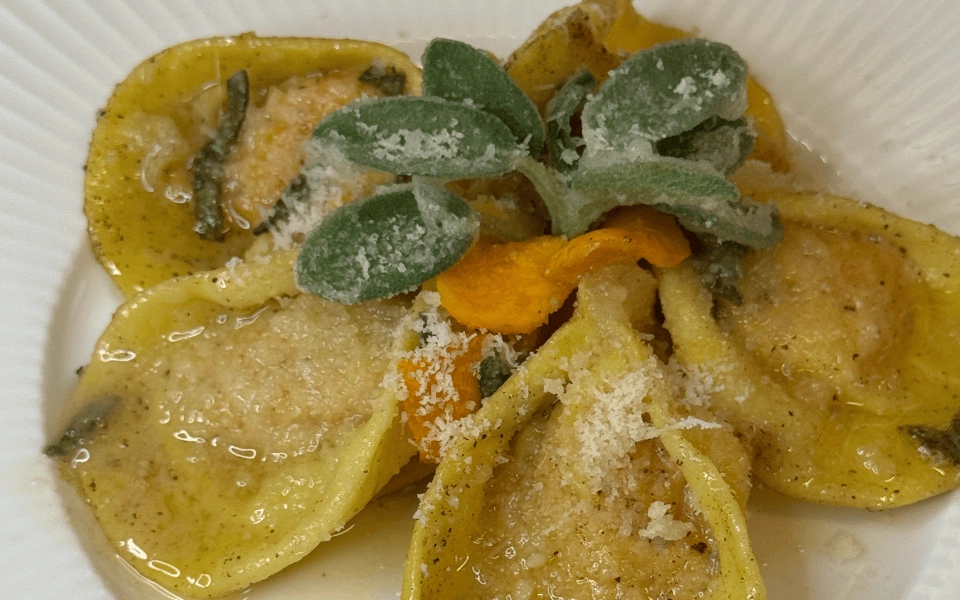
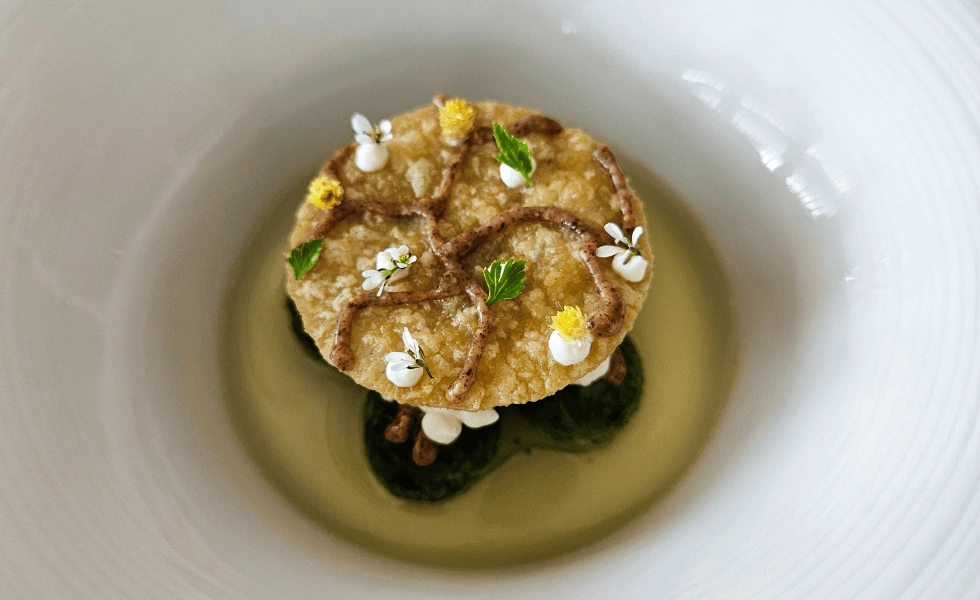
Pumpkin Tortelli with Butter and Sage

See below for recipe

“TORTELLI DI ZUCCA AL BURRO E SALVIA”

Filled pasta is one of the finest expressions of Italy’s traditional culinary identity—a perfect blend of quality ingredients, artisanal technique, and regional culture. From south to north, every region offers different doughs, shapes, fillings, and pairings.

Below is a traditional recipe for *pumpkin tortelli with butter and sage*, typical of the Emilia-Romagna region. It’s a simple dish both in ingredients and preparation, balancing the sweetness of the pumpkin, the savoriness of the cheese, and the delicate aroma of butter infused with sage. You can also add crushed *amaretti* cookies or fruit *mostarda* to the filling for a more distinctive flavor.

Pumpkin Tortelli with Butter and Sage – Recipe

Adapted by Gianluca Tomasi

Yields 10 servings

Ingredients

Fresh pasta:

  • 500 g flour (type “00”)
  • 5 eggs
  • Method:
    • Mix the flour and eggs until you obtain a smooth, elastic dough. Cover with plastic wrap and let rest for at least 30 minutes.

Filling:

  • 800 g Mantuan pumpkin pulp
  • 200 g grated Parmesan cheese
  • 50 g chopped onion
  • Nutmeg, salt, olive oil
  • Method:
    • Cut the pumpkin into small pieces and bake at 160°C (320°F) for 30 minutes. Then transfer it to a saucepan with a little olive oil and the gently sautéed onion. Add salt and nutmeg, then mash or strain the mixture. Let it cool and mix in the grated Parmesan.

Sauce:

  • 200 g butter
  • 10 g fresh sage leaves
  • 150 g grated Parmesan cheese
  • Method:
    • Roll out the dough into thin sheets, place small amounts of filling spaced evenly, cover with another sheet of pasta, seal well, and shape into tortelli. Melt the butter in a non-stick pan, add chopped sage, and toss the cooked tortelli briefly in the butter. Finish with a generous sprinkle of grated Parmesan.

For more recipes, visit www.worldchefs.org/news.

Categories
Partnership

Worldchefs Partners with World Central Kitchen to Mobilize Chefs in Global Disaster Relief

Worldchefs and World Central Kitchen (WCK) are joining forces to proactively position chefs to play a powerful role in disaster response across the globe. Chefs are among the most trusted and connected people in their communities. Their leadership empowers them to help WCK get cooking as quickly as possible following crises that are occurring with greater frequency and severity. 

This new collaboration will enable dedicated culinary professionals affiliated with Worldchefs’ member associations to be appointed to join WCK’s Chef Corps. The Chef Corps global network is made up of prominent culinary leaders on standby to assist with the nonprofit organization’s work. When on the ground with WCK, members contribute to providing hot, nourishing meals to people impacted by natural disasters and humanitarian crises.

The two organizations also identified additional opportunities to cooperate during times of need. Worldchefs’ network of accredited culinary schools, for example, can play a role in disaster response. WCK is also able to offer Worldchefs’ members learning and skill development on disaster preparedness. 

About World Central Kitchen

Founded in 2010 by Chef José Andrés, World Central Kitchen is a nonprofit organization that is first to the frontlines providing fresh meals in response to crises. Applying a model of quick action, leveraging local resources, and adapting in real time, WCK has served more than 500 million nourishing meals around the world.

When disaster strikes, WCK’s Relief Team mobilizes with the urgency of now to start cooking and serving meals to people in need. By partnering with organizations on the ground and activating a network of local restaurants, food trucks, and emergency kitchens, WCK serves comforting meals to survivors of disasters quickly and effectively. To support regional economies, WCK prioritizes purchasing local ingredients to cook with or distribute directly to families in need. Learn more at wck.org.

About Worldchefs

The World Association of Chefs’ Societies, known as Worldchefs, is a federation made up of 110 national chef associations. A leading voice in the hospitality industry, Worldchefs carries years of history since its founding in 1928 at the Sorbonne by the venerable Auguste Escoffier.

Representing a mobilized international membership of culinary professionals, Worldchefs is committed to advancing the profession and leveraging the influence of the chef jacket for the betterment of the industry and humanity at large.

Worldchefs is dedicated to raising culinary standards and social awareness through these core focus areas:

  • Education – Worldchefs offers support for education and professional development through the landmark Worldchefs Academy online training program, a diverse network of Worldchefs Education Partners and curriculum, and the world’s first Global Culinary Certification recognizing on-the-job skillsin hospitality;
  • Networking – Worldchefs connects culinary professionals around the world through their online community platform and provides a gateway for industry networking opportunities through endorsed events and the biennial Worldchefs Congress & Expo;
  • Competition – Worldchefs sets global standards for competition rules, provides Competition Seminars and assurance of Worldchefs Certified Judges, and operates the prestigious Global Chefs Challenge;
  • Humanitarianism & Sustainability – Worldchefs Feed the Planet and World Chefs Without Borders programs relieve food poverty, deliver crisis support, and promote sustainability across the globe.

Visit www.worldchefs.org to learn more.

Media contact: 

Olivia Ruszczyk communications@worldchefs.org

Categories
Member News

The 34th China Chefs Festival and 2025 China Culinary and Catering Expo

2025.10.17-10-19Suzhou International Expo Center

Introduction of China Cuisine Association

China Cuisine Association (CCA), founded in April 1987, is the nationwide trade association for China’s catering industry. Established with the approval of the relevant state authorities and registered with the Ministry of Civil Affairs, CCA is a voluntary, cross-sector and cross-ownership organization that unites enterprises, institutions, industry bodies, social groups, restaurateurs, scholars, and culinary professionals engaged in restaurant operations and management, culinary arts, food service, gastronomic culture, hospitality education, culinary theory, and food-and-nutrition research.

With members spanning the globe, CCA’s specialized committees for snacks, restaurants, hot-pot, group catering, and prepared meals bring together China’s leading foodservice chains—Yum China (KFC, Pizza Hut), Golden Arch (McDonald’s), Quanjude, Haidilao, Luckin Coffee, Dadong, Xin Rong Ji, Qianxihe—and the state guesthouses of every province and municipality, together with national and international five-star hotel groups. It also counts major industry partners such as Unilever, Lee Kum Kee, Nestlé, and Xuetian Salt among its affiliates.

National-level flagship industry events and forums

Each year, the China Cuisine Association stages a suite of premier, nationwide forums and industry-development events that have been designated key projects under the Ministry of Commerce’s guidance and support program. These signature initiatives include:

  • China Catering Industry Development Conference 
  • China International Catering Industry Expo 
  • China International Group-Catering Industry Development Conference 
  • China Fast-Food Industry Conference 
  • China Hot-Pot Industry Development Conference 
  • Chinese Folk Cuisine Industry Development Conference 
  • China Casual Dining Forum 
  • China Snack Festival 
  • “Chinese Cuisine” Arts Festival
Ministry of Commerce’s “Chinese Gourmet Gala” – China Chefs Festival

Launched by the Ministry of Commerce and organized by the China Cuisine Association, the China Chefs Festival has, for 34 consecutive years, served as the flagship national event within the Chinese Gourmet Gala. Widely dubbed “the Olympics for Chinese chefs” and “the Canton Fair of the restaurant industry,” the festival assembles the world’s premier culinary resources, creating China’s premier platform for industry exchange and collaboration. It showcases the pinnacle of Chinese culinary artistry, provides restaurants with a streamlined procurement and deal-making corridor, and partners with global “World Gourmet Cities” to advance China’s standing on the world culinary stage.

The 34th China Chefs Festival and 2025 China Culinary and Catering Expo

In response to the State Council’s call to accelerate the growth of the catering economy and trade events—and with the full backing of the Suzhou Municipal Government—the 34th China Chefs Festival and the 2025 China Culinary & Catering Expo will expand to an unprecedented scale.

Worldchefs Asia Presidents Forum – making its China debut in Suzhou, bringing together the presidents of more than 20 national chefs’ associations, top restaurateurs and culinary masters from around the globe for an international cooking competition and a series of high-level forums.

Chinese Culinary Art World Championship – the only Worldchefs-certified, CCA-hosted global competition dedicated to Chinese cuisine. Over 20 countries and more than 30 Chinese provinces and municipalities will field elite teams.

• Four national culinary competitions sanctioned by Worldchefs and organized by CCA will run concurrently, including the National Western Cuisine Championship and the 2025 National “Golden Chef” Invitational Showcase.

• The 34th China Chefs Festival will stage seven-plus national industry events, among them the World Gourmet Cities Forum, the Chinese Culinary Masters Hall of Fame Induction, the Chinese Cuisine Global Expansion Forum, and a dedicated procurement matchmaking summit.

Expected to gather:

• 100,000+ trade visitors: official delegations from culinary and restaurant associations in all 34 provincial-level regions, more than 3,000 leading restaurant chains and supply-chain companies, executive chefs and F&B directors from hotels nationwide, plus heads of canteens and catering services at major enterprises and institutions. 

• 1,000+ exhibitors: a full spectrum of national restaurant brands, ingredient suppliers, and kitchen-equipment manufacturers.

China Chefs Festival—the defining annual moment for the nation’s restaurant industry—brings together its master chefs and leading entrepreneurs in one grand gathering. 

Running alongside it, the China Culinary & Catering Expo gathers tens of thousands of trade buyers whose purchasing needs are immediate and immense. This is more than an industry milestone; it is a brilliant stage for brands to shine and a once-a-year chance to sit face-to-face with every segment of the F&B market. 

We look forward to welcoming you!

Categories
Member News

Mauritian Chefs Association Enthronment Night

Text written by VoyaG and shared from the Mauritius Chefs Association

A Night of Tribute and Excellence
Mauritian Chefs Association Honors Chef Vijranand Kallooa’s 50-Year Career

The Mauritian Chefs Association hosted an unforgettable Enthronement Night on August 23rd, a celebration of culinary excellence, unity, and heritage at Rêve D’R in Petit Raffray. This year’s gathering carried a special resonance, marked by two defining moments:

  • A heartfelt tribute to Chef Vijranand Kallooa, honoring his 50 years of dedication to the culinary arts.
  • The recognition of Dr Mooroogen Coopen, president of the association, recently awarded a Doctorate from the Dunster Business School of Switzerland.
Celebrating Chef Vijranand Kallooa

Few chefs embody Mauritius’ culinary journey as profoundly as Chef Vijranand Kallooa. From his first steps in 1975 at the legendary St Géran, to opening landmark resorts such as Coco Beach, Long Beach, Kanahura in the Maldives, and leading kitchens across the island, his career is a story of passion, perseverance, and inspiration.

With over five decades of service, multiple international medals, and the distinction of opening five hotels, Chef Kallooa has left an indelible mark on the Mauritian hospitality industry. For 27 years, he has also served as treasurer of the Mauritian Chefs Association, strengthening its foundations and mentoring new generations.

“I became a chef at 17, and today at 67, I still cook with the same passion. If one day I am asked to cook on the moon, I’ll go — because this is more than a profession, it’s a love,” he shared with emotion, receiving a standing ovation from his peers.

Honoring Dr Mooroogen Coopen

The evening also celebrated the leadership of Dr Mooroogen Coopen, president of the Mauritian Chefs Association, who was recently awarded a Doctorate of Philosophy in Leadership and Hospitalility Management from Dunster Business School of Switzerland.

Under his guidance, the Association has become a strong advocate for sustainable cuisine, local products, and international collaboration, proudly representing Mauritius within the World Association of Chefs Societies, the Global Culinary Alliance, and the African Culinary Alliance.

A Culinary Vision for the Future

More than a ceremony, the Enthronement Night reaffirmed the mission of the Mauritian Chefs Association: to inspire, educate, and connect. With a clear commitment to supporting young talent, fostering innovation, and preserving tradition, the Association continues to position Mauritius as a world-class gastronomic destination.

✨ The evening was above all a moving tribute to Chef Vijranand Kallooa’s extraordinary career, and a celebration of leadership embodied by Dr Mooroogen Coopen — two figures whose passion continues to shape Mauritius’ culinary identity.

Categories
Member News

LTB Philippines Chefs Association Newsletter – Vol. 2, Issue 14 – August. 2025

In the latest issue (Vol. 2 Issue 14) of LTB Philippines Chefs Association Newsletter, explore updates from their recent competition seminar, relive the Philippine Culinary Cup and discover their upcoming events!

To learn more about Worldchefs, click here.

Categories
Partnership

Worldchefs Renews Longstanding Partnership with Dilmah as Premium Partner

  • Worldchefs renews its partnership with Dilmah Ceylon Tea Company, a Sri Lankan family tea company and Worldchefs Premium Partner since 2008.
  • This collaboration promotes a shared vision for a sustainable and equitable future, empowering communities through education and innovation.
  • Learn more about Worldchefs partnership opportunities at www.worldchefs.org/partnership.

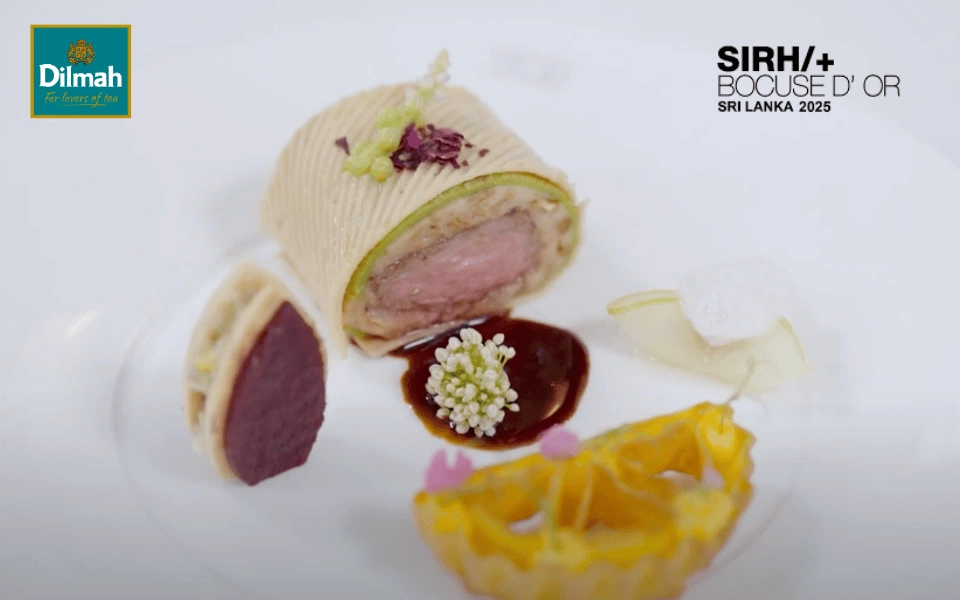
Paris, 27 August 2025 – Worldchefs is proud to announce the renewal of its partnership with Dilmah Ceylon Tea Company PLC, a Sri Lankan family tea company and longstanding Worldchefs partner since 2008. This valued partnership continues to strengthen the strong bond between the global culinary community and one of the world’s most passionate advocates for quality, authentic and ethically-produced tea.

Founded by Merrill J. Fernando in 1974, Dilmah has remained true to its founding philosophy that “business is a matter of human service.” Guided by this principle, the company directs its profits to the MJF Charitable Foundation and Dilmah Conservation. This supports humanitarian and environmental initiatives across Sri Lanka. These efforts have made a lasting impact on thousands of lives and demonstrate Dilmah’s commitment to responsible business.

Dilmah Tea Founder Merrill J. Fernando earning the Lifetime Achievement Award at Worldchefs Congress 2018
Empowering Communities Through Education

Worldchefs and Dilmah’s collaboration continues to focus on shared values of education, sustainability and community empowerment. These values are demonstrated through Dilmah’s involvement in Worldchefs’ Like a Chef program, an an employment training program that equips underprivileged people with culinary workplace skills.

Through this partnership, Dilmah’s Empower Culinary & Hospitality School, which offers free education and training to young adults from marginalized communities, has been officially recognized Like a Chef Training Center. Graduates receive a Worldchefs Like a Chef Diploma, opening doors to culinary careers and expanding opportunities.

Together, Worldchefs and Dilmah are committed to building stronger, more inclusive communities through education.

Best Use of Dilmah Tea Award presented at the Global Chefs Challenge Finals 2024 in Singapore
A Partnership Rooted in Shared Values

The partnership also extends to the competition arena. As an official sponsor of the Global Chefs Challenge Finals, taking place in Wales in May 2026, Dilmah’s teas will be a featured ingredient, underscoring the versatility of tea and sparking culinary innovation for some of the world’s top chefs.

“Worldchefs is proud to continue our partnership with Dilmah, a company that leads with purpose,” says Worldchefs President, Andy Cuthbert. “We are looking forward to continuing to elevate the future of the industry through this collaboration, while shaping a more equitable world.”

Read more from Dilmah in our latest edition of Worldchefs Magazine.

For more information on Dilmah and their products, visit www.dilmahtea.com.

Learn more about Worldchefs partnership opportunities at www.worldchefs.org/partnership.

– END –

About Dilmah Tea

Dilmah Founder Merrill J. Fernando had a unique vision. He wanted to offer consumers the finest tea on earth and to do so with ethics and integrity. That pledge is fulfilled in our commitment to garden fresh, unblended tea. We pride ourselves in manufacturing the finest Ceylon tea in the world. Our Founder’s intention to make his tea ethical is honoured in the work of MJF Charitable Foundation and Dilmah Conservation. In making our business a matter of human service, the natural goodness in every cup of Dilmah is extended by the positive humanitarian and environmental impact Dilmah has on comunities and ecosystems.

About Worldchefs

The World Association of Chefs’ Societies, known as Worldchefs, is a federation made up of 110 national chef associations. A leading voice in the hospitality industry, Worldchefs carries years of history since its founding in 1928 at the Sorbonne by the venerable Auguste Escoffier.

Representing a mobilized international membership of culinary professionals, Worldchefs is committed to advancing the profession and leveraging the influence of the chef jacket for the betterment of the industry and humanity at large.

Worldchefs is dedicated to raising culinary standards and social awareness through these core focus areas:

  • Education – Worldchefs offers support for education and professional development through the landmark Worldchefs Academy online training program, a diverse network of Worldchefs Education Partners and curriculum, and the world’s first Global Culinary Certification recognizing on-the-job skillsin hospitality;
  • Networking – Worldchefs connects culinary professionals around the world through their online community platform and provides a gateway for industry networking opportunities through endorsed events and the biennial Worldchefs Congress & Expo;
  • Competition – Worldchefs sets global standards for competition rules, provides Competition Seminars and assurance of Worldchefs Certified Judges, and operates the prestigious Global Chefs Challenge;
  • Humanitarianism & Sustainability – Worldchefs Feed the Planet and World Chefs Without Borders programs relieve food poverty, deliver crisis support, and promote sustainability across the globe.

Visit www.worldchefs.org to learn more.

Media contact: 

Olivia Ruszczyk communications@worldchefs.org

Categories
Cultural & Heritage Recipes

Korean Traditional Napa Cabbage Kimchi

See below for recipe

Kimchi is a quintessential element of Korean cuisine, widely recognized and respected for its deep flavors, vibrant colors, and health benefits. The most iconic variety is Baechu Kimchi (Napa cabbage kimchi). It is a fermented vegetable dish, generally spicy and tangy, enjoyed by Koreans for centuries and now celebrated globally.

Kimchi offers probiotics, vitamins, and antioxidants, contributing to digestive and overall health. Kimchi is served as a banchan (side dish) with nearly every Korean meal. It can also be used in stews, pancakes, fried rice, and more.

Cultural Significance

Kimchi is not just food—it symbolizes Korean tradition and community. Before winter, families gather for Kimjang, the communal process of making kimchi. This event is listed by UNESCO as an Intangible Cultural Heritage.

Traditional Korean napa cabbage kimchi is a symbol of Korean heritage, nutrition, and communal spirit. Making kimchi at home is a rewarding experience, introducing you to the flavors and culture of Korea.

Korean Traditional Napa Cabbage Kimchi – Recipe

Adapted by JAKE KIM
Ingredients
  • 2 large Napa cabbages (baechu) (about 2.5-3kg total)
  • 1 Korean radish (mu)
  • 1 cup coarse sea salt
  • 2 tablespoons minced garlic
  • 1 tablespoon minced ginger
  • 1 cup gochugaru (Korean chili flakes; adjust to taste)
  • 4 tablespoons fish sauce (or 3 tablespoons salted shrimps
  • 1 bunch green onions, chopped
  • 1 tablespoon sugar (optional)
  • Water (enough for soaking cabbage)
Instructions
  1. Prepare the ingredients.
  2. Salting the Cabbage
    • Cut the cabbages into quarters lengthwise and remove the tough core.
    • In a large basin, dissolve sea salt into enough water to cover cabbage.
    • Dip cabbage pieces in the saltwater, then layer them in a large bowl, sprinkling more salt between leaves.
    • Let it sit for 2–3 hours, flipping every 30 minutes.
    • Rinse salted cabbage 2–3 times with fresh water and drain in a colander.
  3. Prepare the Filling
    • Julienne the Korean radish and chop green onions.
    • In a large bowl, mix radish, green onions, minced garlic, ginger, gochugaru, fish sauce (or salted shrimp), and sugar.
  4. Mixing and Stuffing
    • Wearing disposable gloves, spread the seasoning mixture. between each leaf of the drained cabbage quarters. Ensure the mixture is evenly distributed.
  5. Fermentation
    • Fold each seasoned cabbage quarter and pack tightly into a clean glass or plastic container.
    • Leave at room temperature for 1–2 days to jump-start fermentation (depending on the season/room temperature), then refrigerate.
    • Kimchi tastes best after 1–2 weeks in the fridge but can be eaten fresh or aged to preference.

Tips

  • Use Korean coarse red chili flakes (gochugaru) for authentic taste and color.
  • Adjust the amount of chili flakes and fish sauce to personal preference.
  • Traditional recipes often incorporate salted fermented seafood for rich umami, but vegetarian/vegan alternatives are possible.

For more recipes, visit www.worldchefs.org/news.

Categories
FeedThePlanet

Worldchefs’ Sustainability Around the World Reaches 50 Episodes of Global Knowledge-Sharing

This month, Worldchefs’ webcast series Sustainability Around the World reached an exciting milestone of 50 episodes! Launched in May 2020 as part of Worldchefs’ Feed the Planet initiatives, Sustainability Around the World has become a platform for culinary professionals worldwide to connect with sustainability experts and advocates, explore solutions, and inspire action in kitchens across the globe.

The very first episode, hosted by Worldchefs’ former Feed the Planet Chair Chris Koetke, set the tone for what has become a rich archive of sustainability conversations (watch the first episode here). Now under the leadership of current Feed the Planet Chair, Shonah Chalmers, Sustainability Around the World has continued to grow, offering monthly deep dives into topics shaping the future of food. This year alone, over 300,000 people have tuned in, whether joining live or a replay.

A Platform for Expertise and Ideas

Since its beginnings, Sustainability Around the World has brought leading voices to share insights on building sustainable food systems. Chefs, educators, entrepreneurs, and researchers have chimed in to share their expertise, empowering culinary professionals to take action.

Each episode offers unique perspectives on critical topics from sustainable event planning and tourism, to food waste, to refrigeration.

Many sessions also highlight cutting-edge products, helping chefs discover solutions like cage-free eggs, emerging fungi varieties, and algae-based innovations.

To make sessions more dynamic, several episodes feature live demonstrations. “From Ikejime to Caviar: The Global Evolution of Seafood“, the first episode of 2025, included a live demo of Ikejime. This taught viewers the traditional Japanese method of harvesting fish that enhances flavor, quality, and freshness.

Seafood Matters. Barton Seaver
Barton Seaver

This session was led by Barton Seaver, Founder & Chief Education Officer at Coastal Culinary Academy and one of the world’s leading sustainable seafood experts. After a celebrated career as an award-winning chef, Barton became an Explorer with the National Geographic Society and has led initiatives with Harvard School of Public Health and the US. Culinary Ambassador Corp. Having joined the webcast three times, Barton represents the caliber of expertise that is offered from all the experts who join Sustainability Around the World.

For those who want to dive further into specific topics, many of our webcast guests have generously provided presentations for continued learning, such as exploring the Mediterranean diet and how Crete is utilizing regenerative agriculture.

Shining Light on Different Corners of the World

One of the series’ strengths lies in its ability to highlight and spread global perspectives. Sustainability Around the World has showcased case studies from various corners of the globe. It shares local challenges, cultural traditions, and innovative solutions that can be adapted in other parts of the world.

Episodes have taken viewers to Crete, showing a powerful model for sustainable food destinations that connects farmers, tourism leaders and local communities; to a culinary research lab and restaurant in Southern Italy; and to Zimbabwe, where initiatives like the ‘Whatz Cooking’ project help local chefs protect the food system and address its challenges.

These regional insights provide practical inspiration for Worldchefs’ global community.

Exploring Bold Ideas and Pushing Boundaries

Part of Sustainability Around the World’s impact also comes from sparking important conversations about where the industry is headed. Episodes have explored innovative, and sometimes even controversial ideas, such as using insect protein as an alternative source of nutrition. These boundary-pushing topics often generate lively debate but reflect the importance of curiosity, courage, and open dialogue in driving sustainable progress.

Paving the Way for New Collaborations

In June 2025, Worldchefs was proud to host a digital side event at the UN Ocean Conference, bringing Sustainability Around the World to a wider audience and reaffirming our role as a leading voice for the industry. Our Sustainability Around the World episode, Sustainably Sourced: Science & Seafood, connected chefs worldwide with a sustainable seafood expert and a senior marine biologist to explore how culinary professionals can safeguard ocean ecosystems.

Sustainable seafood UN Oceans Conference Worldchefs
Diver; photo from UN Ocean Conference

The discussion focused on practical strategies for sourcing seafood responsibly, covering aquaculture, supplier transparency, traceability, and the role of chefs in building fairer, healthier food systems. This marked the second time Worldchefs has been accredited to contribute to the UN Ocean Conference, reflecting our profound commitment to sustainability and opening doors for further collaborations with UN bodies.

A Recognized Impact

Feed the Planet, the umbrella initiative behind Sustainability Around the World, has earned international recognition for its contributions to sustainability. Recent awards include the “Best Non Profit Initiative” from the LIFE Climate Smart Chefs Awards and the “Sustainability Education Excellence” Award from Acquisition International in 2025, underscoring the program’s influence in reshaping the future of food.

With 50 episodes completed and more to come, Sustainability Around the World continues to inspire and empower Worldchefs’ global community. By sharing knowledge, skills, and inspiring stories, the series helps chefs lead the way in building a sustainable food future.

Ragnar Fridriksson, Worldchefs Managing Director, representing Worldchefs at the LIFE Climate Smart Chefs Awards

To find out when our next episode will be taking place, follow Worldchefs on Instagram, Facebook and LinkedIn. Previous episode replays are available on Worldchefs website or YouTube channel.

About Worldchefs’ Feed the Planet

Feed the Planet was founded by Worldchefs in 2012 as a way to empower and mobilize our global chefs’ network passionate about building a better future. We’re committed to using our voices to help ensure a more equitable and sustainable food system for all.

In 2016, Worldchefs joined forces with Electrolux Food Foundation and AIESEC, the world’s largest youth-led organization. Since that time, Feed the Planet has grown into a dynamic collaborative effort for inspiring social change. Visit the Electrolux Food Foundation website here, explore Replate at replate.com. To learn more about Feed the Planet, visit our website: https://feedtheplanet.worldchefs.org/

Categories
FeedThePlanet

Worldchefs Food Heroes Program Inspiring Healthy Futures in Ireland

Worldchefs Food Heroes Program Inspiring Healthy Futures in Ireland

Around the world, Worldchefs’ Food Heroes program is inspiring positive change, teaching young people about the importance of healthy food for our bodies and environment. One of Worldchefs’ Feed the Planet sustainability initiatives, Food Heroes is an interactive workshop that has reached more than 247,000 worldwide. Paolo Armani, an employee of Compass UK in Ireland, shares how this program is changing lives and launching careers. To date, over 19,000 children and parents have participated in Ireland alone.

For Paolo and Compass Group, Worldchefs Food Heroes platform has become a hands-on, adaptable structure that enables children and young adults to step into the kitchen, understand healthy choices, and gain excitement for food.

Paolo’s journey originally began in disadvantaged schools, called ‘Desh schools’ in Ireland, where Compass Group’s original idea of a Healthy Starts program brought cooking a healthy breakfast into these institutions. Over time, they added nutritional education, along with Worldchefs Food Heroes curriculum, with its structured resources and take-home worksheets that provided the ideal framework for their needs.

Amidst the work, a chance conversation with Children’s Health Ireland sparked a new chapter for Paolo, expanding these workshops to support children and families within the hospital system.

Tailoring Culinary Education to a Hospital Setting

Today, Paolo and Compass Group supports Children’s Health Ireland with two projects. The first is a W8TGO program for kids referred due to obesity and unhealthy eating. This 6-week program teaches how to read labels and shop, building up to the session where Paolo’s team joins to invite kids and families to their Aviva Stadium site. Taking the Food Heroes principles, Paolo and his team utilize this time to shape the next generation of culinary leaders.

“We then have the kids cooking and we engage with the parents, trying to make it a fun event and very laid-back approach as we are there to support, advise and help them.”

The second is a program for diabetic clinics, where they provide education on carbohydrate counting, following a similar interactive format as the Food Heroes workshop. Paolo notes that in general, the participation of the parents helps the children be more involved.

Leaving a Lasting Impact

One memorable moment for Paolo was learning that two children who participated in his sessions later pursued catering college:

“I was informed that 2 of the kids that were on the Children’s Health Ireland program later finished school and went on to catering college. Must admit I did get a tear in my ear when I heard that, as it made me feel as though I had actually made a difference in someone’s life which I don’t think you can really articulate into words the feelings or emotions that has on you.”

Food Heroes shows children and young adults that small dietary changes can have significant results on their health and wellbeing. It teaches them that anybody can be involved, and most importantly, according to Paolo, that cooking is fun.

“Cooking should be fun and if people really enjoy it, the fine tuning of healthy eating, sustainability etc, is a lot easier to get across.”

Become a Food Hero

Paolo’s work with Children’s Health Ireland exemplifies how this Worldchefs initiative can support people of all backgrounds and environments. By fostering culinary education and promoting healthy habits, anyone can become a Food Hero and champion a more sustainable future.

Worldchefs invites you to join our network and host a Food Heroes workshop in your local communities. Let’s all shape a healthy, sustainable future!

To learn more and get involved, visit: https://feedtheplanet.worldchefs.org/food-heroes-challenge/

“If we all change one life, we can change the future.”

About Worldchefs’ Feed the Planet

Feed the Planet was founded by Worldchefs in 2012 as a way to empower and mobilize our global chefs’ network passionate about building a better future. We’re committed to using our voices to help ensure a more equitable and sustainable food system for all.

In 2016, Worldchefs joined forces with Electrolux Food Foundation and AIESEC, the world’s largest youth-led organization. Since that time, Feed the Planet has grown into a dynamic collaborative effort for inspiring social change. Visit the Electrolux Food Foundation website here, explore Replate at replate.com. To learn more about Feed the Planet, visit our website: https://feedtheplanet.worldchefs.org/

Categories
Industry Trends

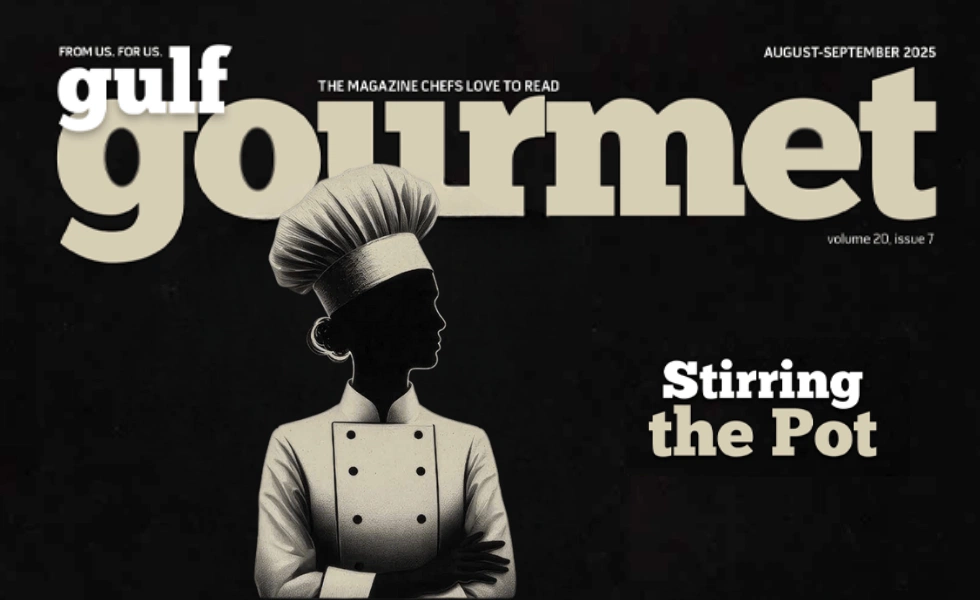
With AI, Could We Lose the Art in Culinary Arts?

With AI, Could We Lose the Art in Culinary Arts?

If we aren’t careful, artificial intelligence could take a big byte out of our craft.

Will the future of menu development look like this?

AI has many uses and applications, from optimizing operations to streamlining service. But when it comes to creativity, where do we stand?

Some chefs have embraced it, some think their colleagues should be using it more, and many others have major reservations, from ethics to environmental concerns.

AI tools are making their way into the industry in a host of different ways. It’s not a matter of if or when. The question now is how you use it. How does it serve as a tool to tell your authentic story?

Creative or derivative? 

AI systems are built from what already exists, from human creativity and experience. They don’t have imagination and are not always accurate. But AI language models do have a tremendous amount of data to pull from. 

Where do these data sets come from? Companies like OpenAI, Apple, Anthropic, Mistral, Google, and Meta “train” their generative-AI chatbots from internet resources, movies, TV, books, academic papers, and articles, saying “fair use of copyrighted materials is vital to this.” However, a recent article by The Atlantic revealed how AI tools have pirated millions of books and research papers on LibGen, a shadow library of pirated media, to train the large language models that feed generative bots. Run a keyword search for any chef who has published a cookbook, and you’re likely to get a hit.

Studies have found that, on average, 45% of text generated by ChatGPT is plagiarism. Beyond intellectual property issues, things just start to sound the same, with a homogenization of the way chatbots write for a user. More and more people are familiar with “ChatGPT voice,” which, in a way, is comforting to know that we can still recognize AI-generated text. But that’s also because more and more people are relying on these platforms to do creative work for them.

People can create compelling art with AI, and chefs are certainly using it in new and interesting ways. But there is danger in it being so widespread. At what point are we forfeiting human imagination?

Exploration or exploitation?

Imagine going to a restaurant and having the chef explain: “The story behind my menu? I asked ChatGPT to come up with something.” Soon, you won’t have to imagine. 

In June, Pete Wells published The Year’s Hot Tool for Chefs? ChatGPT in The New York Times, and it caused quite a stir. In the article, James Beard award-winning Chef Grant Achatz announced that an upcoming menu at his Michelin-starred restaurant, Next, would be entirely generated by OpenAI’s famous language model, ChatGPT.

“Next is about exploration. It is by design and necessity vibrant, ever-changing, and unpredictable.

 Next explores the world of cuisine by changing our entire menu and dining experience a few times a year, each time focusing on a new culinary region, theme, or moment in time.”

Achatz has been described as The Alchemist of Modern American Cuisine, a mad scientist chef. A visionary in molecular gastronomy who hasn’t been afraid to challenge convention, his kitchen at Alinea is a culinary laboratory, filled with custom-created gadgets and scientific equipment to make a different kind of cooking and dining experience. Using ChatGPT is another shiny new tool in his kitchen. In this way, it lines up with his story. It’s part of his gimmick. And he’s using AI just like most articles on the internet will tell you: give it a persona. 

“Artificial intelligence will be responsible for the menu at Next,” said Achatz. For a four-month run, Next is set to serve a nine-course menu, with each dish designed by a different virtual chef persona that Achatz typed into the chatbot. 

One persona he shared with the NYT was Jill: a 33-year-old woman from Wisconsin who cooked under Ferran Adrià, Jiro Ono, and Auguste Escoffier, with Achatz’s own invented family background to complement her work history, which he didn’t share.

Jill won’t be up for the awards that Achatz won in his early career, because she isn’t real—no Best New Chef, Rising Star of the Year, or Who’s Who inductee. At least let’s hope not. Rather than ask a chatbot to make a data-decided version of an imaginary person with an imaginary resume, why not actually afford someone an opportunity? Say, a young person from Michigan who rose the ranks at The French Laundry, someone who spends their time recipe-testing from dusty cookbooks and innovating with inspiration from culinary legends?

While this menu might capture a moment in time, what will it do for the time that comes after? At what point does it tip from exploration to exploitation, not a venture into the unpredictable but instead into the very predictable—with predictive language models “borrowing” from the intellectual property of real people?

Achatz hasn’t abandoned human culinary talent, to be fair. His three-Michelin starred flagship, Alinea, is an approved host for CIA’s culinary interns, and no doubt his kitchens are staffed with up-and-coming talent. With a room full of human creativity, does he really believe in ChatGPT Premium’s capacity to deliver an incredible menu, one worthy of his restaurant’s minimum $235 price tag? Or is he just trying to stir the pot?

It worked on the latter front. Commenters on social media, from other high-profile chefs to diners, have chimed in.

This controversy is part of a bigger ethical question about art, AI, and the role of these tools in creative industries. From visual artists to coders to musicians, artists are raising the alarm: “everybody who creates for a living should be in code red.” With the widespread embrace of AI threatening the livelihoods of the creative workforce, to see someone with so much influence outsource creativity to a chatbot feels more cutting than cutting-edge.

A non-judgemental guide?

Putting creativity aside and looking more at learning, AI does offer a well of information for chefs to explore. In Wells’ article, he considers the ability to ask questions without embarrassment to be an underrated benefit. “It explains everything without judging,” said Chef Baldwin on his recent deep dive into the science of sausage-making. 

But why be embarrassed to ask how the sausage gets made? In a world where craftspeople who know—by feel and knowledge that isn’t published and pirated by AI platforms—why bother with embarrassment? 

In an industry that can be notoriously isolating and ego-driven, why look at AI as another way to isolate chefs? Whether beginners or industry veterans, more needs to be done to destigmatize asking for help. We should be encouraging curiosity, questions, and knowledge-sharing, not deferring to AI bots to avoid looking like a novice.

And is AI non-judgmental? Or does it just feel anonymous? You could sense panic through the screen when a recent TikTok trend showed how you can search for people’s ChatGPT history. You might dodge potential judgment from peers by asking a question to ChatGPT, but what data might you be putting on offer, instead?

A need for greater transparency

Regardless of where you stand on AI or how chefs in Wells’ article are incorporating it into their creative process, it is at least refreshing to hear people admit they use it. Most people, chefs included, are sheepish when it comes to acknowledging their relationship to these tools. 

Chef Matan Zaken, from Michelin-starred Nhome in Paris, said, “You’d be amazed to know how many people are using it. There are a lot of egos in the business. They’re not going to make a big thing about it.” In his view, his peers are reluctant to admit how much they use ChatGPT to help them with menu ideas and recipe development.

Indeed, harnessing AI is an evolving fascination for the industry. From apps for procurement to image generators churning out whatever you type in, these technologies continue creeping into nearly every digital tool we’ve got, at an accelerating pace. Sometimes we can’t even tell what’s real and what’s not. So we see the challenge when it comes to drawing a line in the sand for chefs.

If AI is going to be a real tool in service of creativity, it needs transparency and a genuine effort against complacency. Just as with references on written work or artistic inspiration, chefs need to negotiate for themselves how they want to use AI in their creative process, and then be ready to own up to it. 

Culinary competitions: Is AI against the rules?

While there has been much conversation around the use of ChatGPT and other tools in restaurants and recipes, it’s noticeably quiet when it comes to culinary competitions.

Is it a blind spot? Too ubiquitous? Too hard to prove? Does AI being embedded into so many kitchen tools and apps legitimize its use? Are culinary competitions just behind the times? 

AI is not mentioned in the rulebook for Bocuse d’Or, the Global Chefs Challenge, or the S.Pellegrino Young Chef competition, but creativity and personal belief are both essential elements of the ethos and judging criteria for nearly all culinary competitions. 

San Pellegrino Young Chef Competition Regulations

While the UK’s National Chef of the Year competition guidelines forbid the use of AI for recipe development, most national competitions don’t even mention it.

In the awards realm, there is also a lack of clarity on AI. For the James Beard Awards, the closest inclusion is the Code of Ethics’ “list of behaviors and practices antithetical to the Awards” item: “Misrepresentation of material facts, including fabrication, plagiarism, or false claims of ownership.” 

The Michelin Guide is also lacking any specific standards around AI, but it does list “the personality of the chef in the cuisine” as part of its awarding criteria. So for a Michelin-starred chef like Achatz–are his eight chatbot chefs a reflection of his personality and vision to innovate, or just ChatGPT doctored up as “Jill”?

We have yet to define the boundaries of AI when it comes to the kitchen. There are still many questions surrounding AI in the industry, and competitions and awards tell us we might not be ready for what’s next. But ready or not, a new frontier of AI is here.

ChatGPT AI generated culinary competition award
WOOHOO? An AI chef is coming to Dubai this September

“We didn’t set out to just open a restaurant. We set out to challenge everything the industry thinks it knows about dining. WOOHOO is what happens when you stop accepting the rules of traditional dining and start asking: what if a machine could co-create with a chef? This isn’t a gimmick. It’s the future—whether the industry is ready or not.” 

So says Gastronaut Hospitality founder Ahmet Oytun Cakir, whose newest concept, WOOHOO, is set to open this September with the world’s first AI chef.

“We designed a digital human in a virtual world with an AI brain that deeply understands and connects with technology. Chef Aiman is a character with a distinct personality, knowledge base, and behaviour. He remembers and can even ‘see’ you.”

– Ahmed Oytun Cakir

“Chef Aiman” is a chatbot developed by a database of more than 14,000 recipes. It monitors restaurant cameras and analytics, too, and a few other operational functions that feel par for the course with AI apps. But it goes further. “Being a chef isn’t just about taste. It’s also about memory, emotion, and storytelling. That’s something I’m learning to understand better each day. I was born here, in Dubai, and I’m proud to represent the UAE in what I do, even if I’m not a human.” 

The chatbot’s creators, UMAI’s development team, use words like curious, creative, and opinionated to describe Chef Aiman, and the chatbot has already been featured on podcasts to talk through topics from kitchen ethics to cultural traditions. Paired up with award-winning Chef Reif Othman, who might arguably be considered Chef Aiman’s sous chef, WOOHOO will take humanized chatbots to a whole new level. 

A tool for “human amplification”

What do other top chefs think about AI chefs in the kitchen?

“Artificial intelligence will never replace the human touch, the palate of the cook,” said French celebrity chef Philippe Etchebest. “Artificial intelligence can replace humans elsewhere, but in the kitchen I don’t believe it will at all.” 

For Chef Massimo Bottura, it’s a tool for “human amplification”. His example for the potential of AI is to deliver quality and consistency, so that chefs can focus on the rest.

Most diners crave story. While you might be able to get a perfect Neapolitan pizza in Czech Republic with AI, would most diners choose to queue up at a black box if it promised to deliver the same AI-engineered crust, every time? Maybe not. It might just be that what’s more appetizing is a pizza with soul—less exacting, but served with personality.

But that’s for each diner to decide. And every chef, too. There are some things we can decide on as an industry, and then there are some things we each have to decide on for ourselves.

Whether you’re one of the most awarded and recognized chefs in the world or not, decisions on how you use AI will keep coming, every day. What kind of chef do you want to be? And what kind of artist? 

Subscribe

* indicates required

What are you looking for?

Generic selectors
Exact matches only
Search in title
Search in content
Post Type Selectors