Photos: Gian Luca Pallai
Seeds kept in 800-year-old pots, a banana blossom rescued from an urban farm, wild rice from the Great Lakes: at the World Food Forum 2026, young chefs showed the world’s food leaders what is already cooking.
Every October, Rome becomes a meeting point for the future of food. During the World Food Forum flagship event, scientists, policymakers, investors and young leaders fill the headquarters of the UN’s Food and Agriculture Organization (FAO) to tackle one challenge, summed up this year in four words: “Innovate today. Nourish tomorrow.”
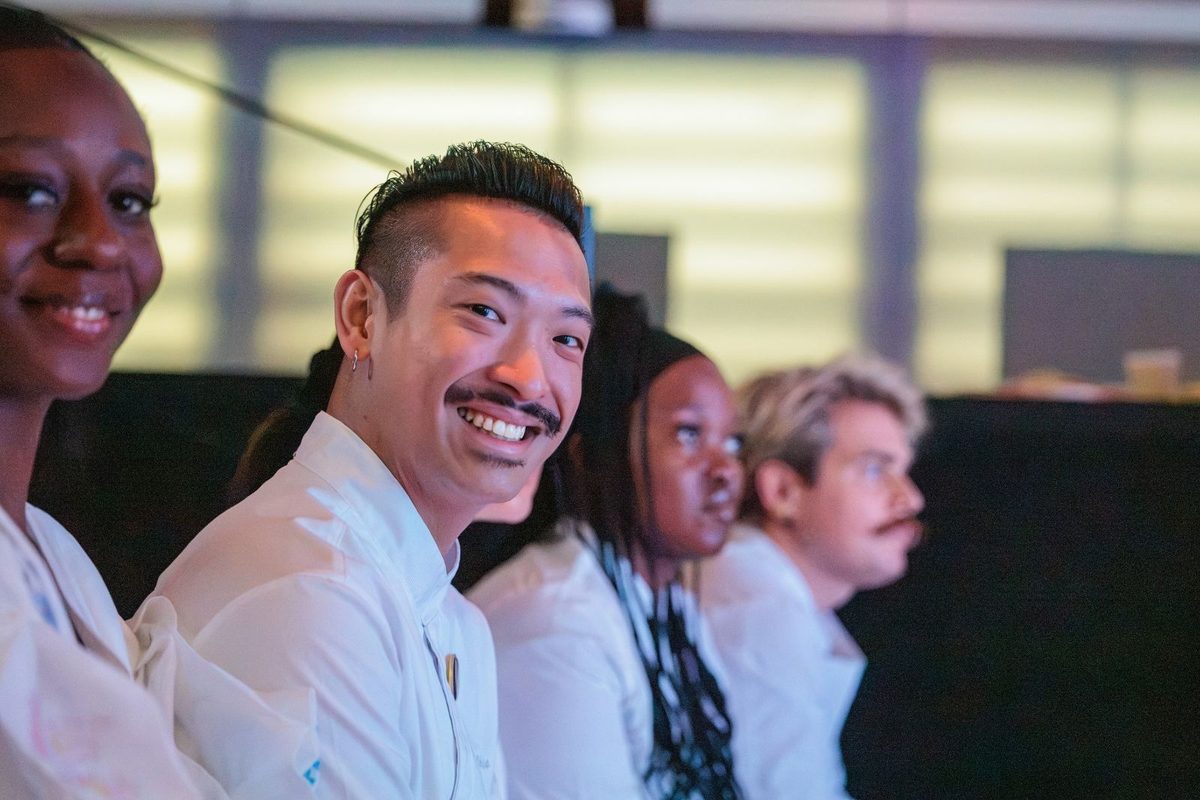
Among those young leaders was a group of chefs. Through the Young Chefs Programme (YCP), run by theWorld Food Forum in collaboration with Worldchefs, they had spent the past year working with mentors on projects in their own communities: reviving forgotten grains, cutting food waste, keeping culinary traditions alive. In Rome, across three sessions led by Worldchefs and its partners, they brought that work to the stage.
The last of those sessions ended with a signature. On World Food Day, FAO and Worldchefs agreed to take the Young Chefs Programme from a single international cohort to national programmes around the world. From 2027, young chefs in many more countries will be able to find a mentor, join masterclasses and follow an FAO-developed curriculum close to home.
Lessons from the Front Row: Reflections on the World Food Forum
For a closer look at the week, we turned to those who lived it from the inside, from the pavilion stage to the signing table.
Chef Andy Cuthbert, President, Worldchefs
You began your career as a 16-year-old washing dishes in Melbourne. What went through your mind as you listened to the 2026 Young Chefs Programme cohort present their projects?
I was completely humbled. I started out washing dishes in Melbourne at sixteen, became a cook, and there I was at FAO, representing Worldchefs and listening to these young chefs. I can only take my hat off to them. The depth they spoke with was remarkable, from ancient seeds to fermentation to the work they do for their own communities.
And they aren’t waiting to be asked. They’re already going into schools, teaching children online, foraging for ingredients. They hold the local knowledge, and they have the insight to start conversations on a global scale. Seeing them in the front row, right where they belong, leading the way, fills me with hope.
You closed the Custodians of Food Heritage session by signing a new agreement with FAO. Why does this partnership matter for Worldchefs?
It matters a great deal. We need to work with like-minded people, and we need a voice that can be heard around the world. As the Young Chefs Programme moves into its next phase, there is no better place to begin than Rome. After all, all roads lead to Rome.
We hope the partnership will bring more knowledge and more people into the programme. But for me, as President of Worldchefs, the most important thing it brings is awareness, and hopefully more young people choosing our industry. We talk a lot about sustainability and food waste, but what about the sustainability of hospitality itself, from the farmer all the way to the cook in the kitchen?
Training young cooks has been part of Worldchefs’ purpose since our founding in 1928. On 12 October 2028, we will celebrate our centenary at the Sorbonne in Paris, and I want all these young chefs with us for the next hundred years.
What is the one message you want every young chef to take back to their kitchen?
We keep talking about the “young chefs of the future.” They’re not the future. Young chefs are now. If we want everything we heard in Rome to happen, we have to involve the people who will make it happen, and support them in every way we can to turn their dreams into reality.
Food is what brings us together. Not politics, not religion, but food. On our own, each of us holds only a little food knowledge, but a room full of young chefs can multiply it many times over. We need to keep showing the world what collaboration makes possible.
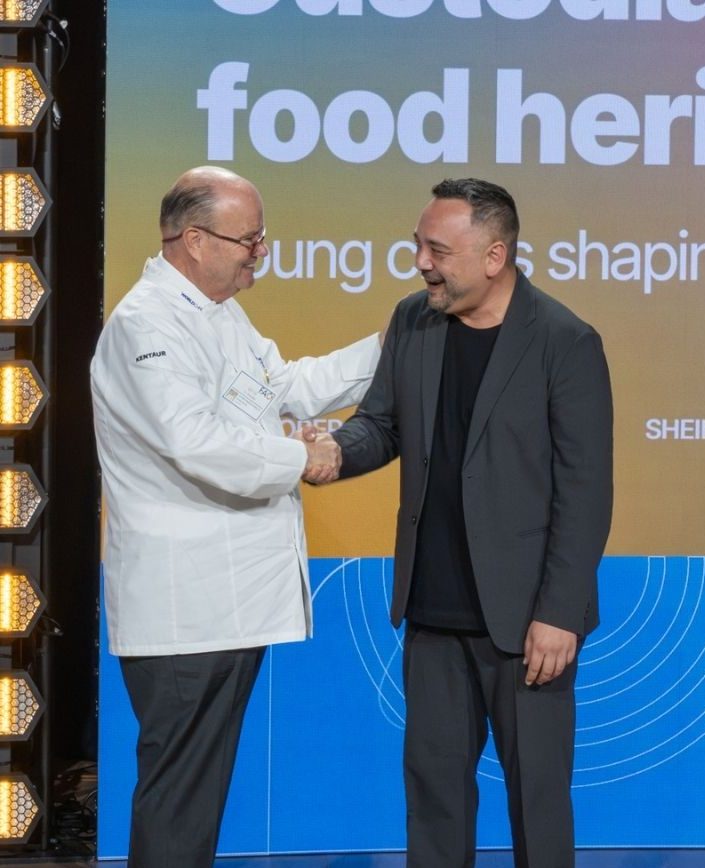
Food is what brings us together. Not politics, not religion, but food. On our own, each of us holds only a little food knowledge, but a room full of young chefs can multiply it many times over.
Chef Andy Cuthbert, President, Worldchefs
Connie Lau, Deputy Managing Director, Worldchefs
What was the highlight of your week in Rome?
Spending a week surrounded by passionate young chefs was a real joy! At the Biocultural Diversity and Food Heritage Pavilion, we brought together young chefs, culinary professionals and partners from different countries, giving them a platform to share their stories, experiences and ideas.
There were several special moments. After months of working closely with our FAO colleagues and the Young Chefs Committee, seeing Worldchefs and FAO officially sign our agreement to expand the Young Chefs Programme was a proud milestone.
I was also delighted to showcase Cook4Climate, part of the EU-funded FoodChoices4LIFE project, which offers free resources and practical ways to encourage healthier, more sustainable food choices. It was equally rewarding to bring our partners, EUFIC and the Electrolux Food Foundation, into the conversation to share their initiatives and demonstrate how collaboration can create positive impact across the culinary industry and beyond.
But what touched me most was seeing young chefs take the main stage, sharing their own projects and the difference they are already making in their communities. It reminded me why investing in people matters so much.
At the Young Chefs Shaping the Future of Food session, your message was simple: act now. What does that look like in practice?
Everyone has a role to play in building better food systems, but no one can do it alone.
For me, it starts with connecting people, bringing different sectors together, trusting science and evidence, and most importantly, turning conversations into action. That means creating real opportunities for young chefs through education, mentorship, international exchange and partnerships. It also means connecting their ideas with the right people and resources to help make them happen.
We often talk about investing in technology and innovation, but we must not forget to invest in our most valuable resource: people.
What would you like to say to the young chefs who joined us in Rome, and to those who will join the programme next?
I want them to know that we are in their corner. Their voices and ideas matter, and they are already making a difference today.
At Worldchefs, we want to help open doors, connect them with opportunities and support them in achieving their ambitions.
We all have our own dreams. Believe it or not, we also have the power to help someone else’s dream come true.
And that, to me, is what makes this work so meaningful.
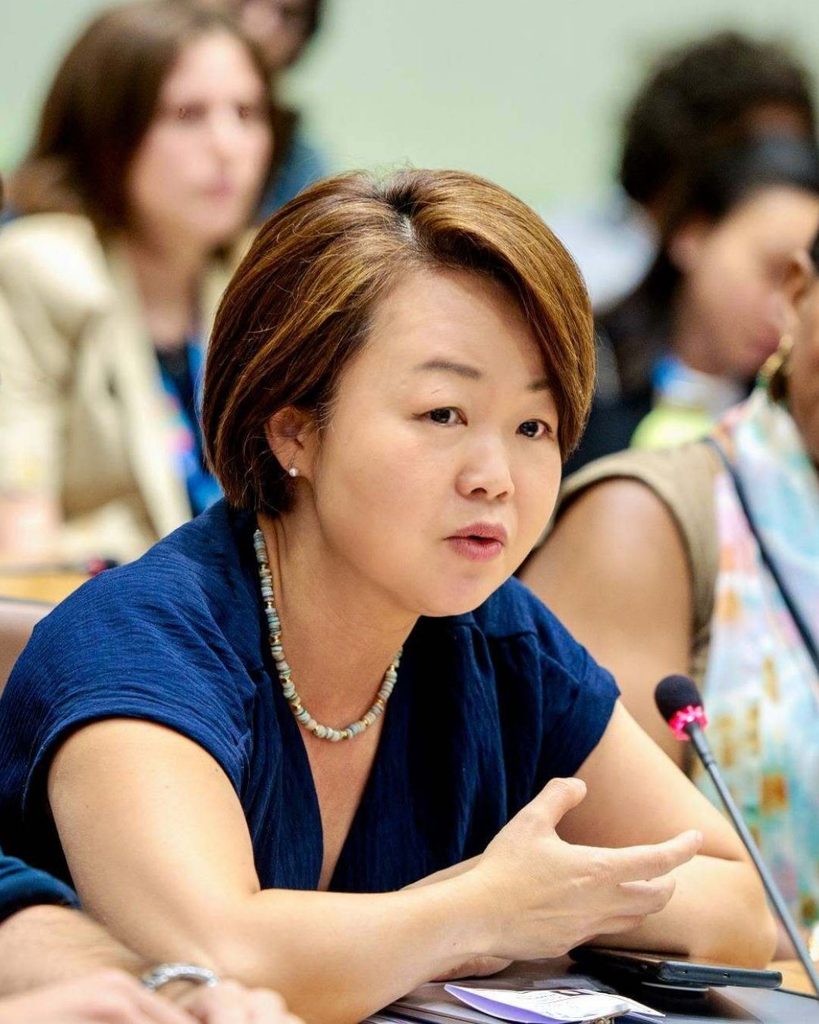
We often talk about investing in technology and innovation, but we must not forget to invest in our most valuable resource: people.
Connie Lau, Deputy Managing Director, Worldchefs
Ajla Dunga, Project Officer, Worldchefs
You co-moderated Young Chefs Shaping the Future of Food with FAO. What did the discussion focus on?
It was inspiring to hear from such passionate voices across different sectors, each bringing a wealth of experience: Kazuki Kitaoka and David Laborde from FAO, Sara Roversi of the Future Food Institute, YCP chef Mahalia Wilson and Cosimo Scarano of the Electrolux Food Foundation.
The roundtable looked at how chefs can help make big issues like the cost of a healthy diet and malnutrition easier for people to grasp, and how they can be part of the solution. We were clear that chefs can’t be expected to solve these problems on their own, but there is always room for them to get involved, whether by working with ministries to shape policy or by serving nutritious food that helps fight malnutrition.
To create a bigger impact, though, young chefs, and young people in general, need the right tools and partnerships. Providing those tools is what the Youth and Women Office has been doing, and building lasting partnerships was a key thread of the session. We also discussed how a young chef can realistically take an idea and grow it into a well-established project.
Nine Chefs, Nine Plates: The Young Chefs Programme Recipe Book
If our team’s reflections kept returning to one idea, it is that young chefs are already doing the work. Their recipe book is the proof you can taste.
The nine chefs behind it belong to the 2026 cohort of the Young Chefs Programme, many of whom presented their work in Rome. Over the past year, each worked with a Worldchefs mentor to turn a challenge in their own community into a project, and into a dish. The result is the YCP Recipe Book: a journey from Dakar to the Great Lakes, built around ingredients that communities grow, forage or fish, but that the wider world too often overlooks.
Every recipe also introduces the people who keep those ingredients alive: the farmers, foragers, fishers and processors whose knowledge comes with every plate.
| Dish | Chef | Origin | Hero ingredient | Course |
| Banana Heart and Lump Crab Cake with “Ginataang Puso ng Saging” Curry | Safa Nessmarie Rodas | Philippines / Macao | Banana blossom | Main |
| Black & Green Tagliolini, Sake, Seaweed and Shōchū | Leonardo Ortolani | Italy (Rome) | Spelt and einkorn | Main |
| Taste of the Lake Soup | Derek Nicholas | USA, Great Lakes Region | Manoomin (wild rice) | Soup |
| Ugba with Tigernut-Creamed Millet and Greens | Eniola Grace Okeola | Nigeria | Millet, tigernut, ugba | Main |
| Ackee, Callaloo & Sweet Potato Bowl | Mahalia Wilson | Jamaica | Ackee and callaloo | Main |
| Sorghum Amaranth with Grilled Sardines and Citrus Coconut Sauce | Lihle Mahambehlala | South Africa | Sorghum and amaranth | Main |
| Spicy Chorizo Prawn Croissant | Daniel Chio | Macau, China | Surplus croissants | Main |
| Fonio Temaki Roll | Ndagou Ndiaye | Senegal | Fonio | Appetizer |
| Pine Ice Cream | Rebecca van Bommel | Canada | Pine syrup and pine tea | Dessert |
Old grains, new pride
Some of Africa’s oldest grains have spent too long labelled as hardship food. Three chefs serve them with pride. Ndagou Ndiaye rolls fonio into a Senegalese temaki, brightened with mango and a hibiscus (bissap) sauce. Lihle Mahambehlala plates sorghum as a whole grain beside amaranth leaves — a weed to many — and sardines charred on the braai. And Chef Neeola (Eniola Okeola) coaxes millet into something close to a risotto, creamy with tigernut milk and glossed with atili oil.
One kitchen’s scrap, another’s centrepiece
On an urban farm in Macao, Safa Nessmarie Rodas spotted a banana blossom nobody planned to eat and built crab cakes and a Filipino coconut curry around it. Across the city, Daniel Chio gave yesterday’s breakfast croissants a second life, co-creating a chorizo and prawn filling with participants at the Fuhong Society of Macau. In Rome, Leonardo Ortolani lets time do the work, fermenting kitchen scraps and market surplus into sake, garums and vinegars.
Plates that carry a history
Derek Nicholas’s Taste of the Lake Soup follows an Anishinaabeg prophecy to the food that grows on water: manoomin, the wild rice of the Great Lakes, with lotus root and a dusting of cattail pollen. Mahalia Wilson’s bowl tastes of Jamaican Sunday mornings — ackee, callaloo and gungo peas, chosen as much for iron and fibre as for heritage. And Rebecca van Bommel looks past the maple to Canada’s pines, drawing on the syrup-making traditions of Turtle Island for an ice cream that tastes of the forest.
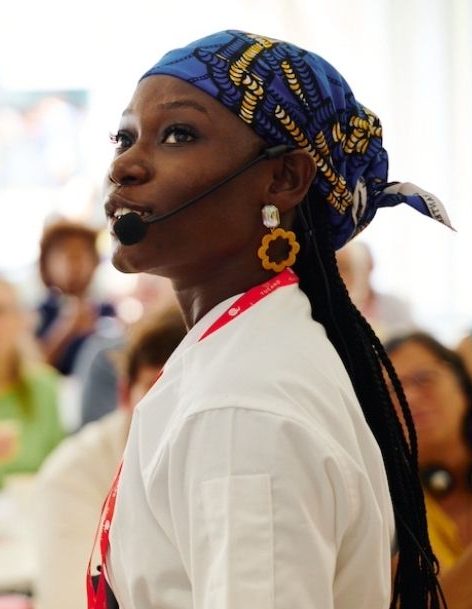
The future of food will be shaped by decisions made in policy rooms, laboratories, farms, markets and kitchens. Chefs should be part of those conversations…
Chef Neeola, Young Chefs Programme 2026
Download the YCP Recipe Book (PDF) and bring one of these dishes into your kitchen. Read more about Chef Neeola’s work in our World Food Day interview.
From Rome to Your Country: National Young Chefs Programmes in 2027
From policy rooms in Rome to market stalls in Lagos, Kingston and Macao, this year’s World Food Forum made one thing clear: chefs are not only cooking the future of food, they are helping to decide it.
The next chapter opens in 2027, and it could open in your country. Those interested in establishing a National Young Chefs Programme can write to Culture@World-Food-Forum.org.
Our thanks to the team, our partners at FAO and the World Food Forum, and every young chef who joined us in Rome.
Explore more
- Meet the young chefs of the 2026 Young Chefs Programme and the mentors who guided them, with their bios, countries and projects.
- Read the full announcement of the FAO–Worldchefs agreement to take the Young Chefs Programme worldwide from 2027.
- Take a closer look at our three sessions at the World Food Forum flagship event, their themes and speakers.
- Read our interview with Chef Neeola on bringing shea butter back into Nigerian kitchens.
About the Young Chefs Programme
The World Food Forum (WFF)’s Young Chefs Programme (YCP) equips chefs (aged 18-35) with skills, knowledge and networks to take a leading role in transforming agrifood systems through culinary practices. From advancing better nutrition to promoting food security and biodiversity, its ultimate goal is to create leaders that can inspire and guide other chefs to advocate for more sustainable and healthier consumption habits. Each participant is paired with a mentor from the World Association of Chefs’ Societies network.
About Worldchefs
The World Association of Chefs’ Societies, known as Worldchefs, is a federation made up of 110 national chef associations. A leading voice in the hospitality industry, Worldchefs carries years of history since its founding in 1928 at the Sorbonne by the venerable Auguste Escoffier.
Representing a mobilized international membership of culinary professionals, Worldchefs is committed to advancing the profession and leveraging the influence of the chef jacket for the betterment of the industry and humanity at large.
Worldchefs is dedicated to raising culinary standards and social awareness through these core focus areas:
- Education – Worldchefs offers support for education and professional development through the landmark Worldchefs Academy online training program, a diverse network of Worldchefs Education Partners and curriculum, and the world’s first Global Culinary Certification recognizing on-the-job skills in hospitality;
- Networking – Worldchefs connects culinary professionals around the world through their online community platform and provides a gateway for industry networking opportunities through endorsed events and the biennial Worldchefs Congress & Expo;
- Competition – Worldchefs sets global standards for competition rules, provides Competition Seminars and assurance of Worldchefs Certified Judges, and operates the Worldchefs Global Championships;
- Humanitarianism & Sustainability – Worldchefs Feed the Planet and World Chefs Without Borders programs relieve food poverty, deliver crisis support, and promote sustainability across the globe.
Credits
Sincere thanks to Andy Cuthbert, Connie Lau and Ajla Dunga for their reflections, and to the 2026 YCP cohort for their recipes.
WFF Flagship Event 2026 Photos: Gian Luca Pallai