

Cover photo: World Chefs Without Borders come together in Venezuela to support earthquake victims with comforting meals.
While the latest global estimates of hunger show gradual improvement, progress is too slow and too fragile.
How can chefs help to end hunger? Here’s what you need to know.
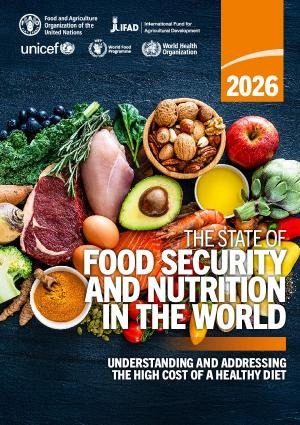
Meet SOFI. Published by five UN agencies every year, the State of Food Security and Nutrition in the World (SOFI) report is considered the most comprehensive global evidence base we have on food security and nutrition. Jointly prepared by IFAD and the Food and Agriculture Organization of the United Nations (FAO), the United Nations Children’s Fund (UNICEF), the World Food Programme (WFP) and the World Health Organization (WHO), it provides the latest data and analysis on hunger, food security and nutrition worldwide, including updated estimates on the cost and affordability of healthy diets.
It might sound technical, but what it offers are insights into the stories of daily life for people all around the globe. Hunger is an everyday reality for an estimated 645 million people. One third of the global population can’t afford healthy diets, and costs keep rising. Dietary diversity is out of reach for many, especially women and children. Obesity rates are steadily on the rise.
There is a bright spot. The 2026 SOFI shows that for the third consecutive year, the number of hungry people is declining. But progress is fragile and uneven, and it needs all the help it can get.
In this article, we look at key takeaways from the report, and what chefs can do to help end hunger and malnutrition in all its forms.
What Chefs Should Know
Hunger is not inevitable
According to the 2026 SOFI report, an estimated 645 million people (7.8 percent of the global population) faced hunger in 2025. That’s nearly 14 million fewer people than in 2024 and 43 million fewer than at the 2022 peak.
Three consecutive years with global hunger on the decline is great news. It also shows that hunger is a political choice, and that with the right policies and action on the ground, good food for all can be a reality. There are diverse success stories to share and learn from, including economic policies, social protection, and investments.
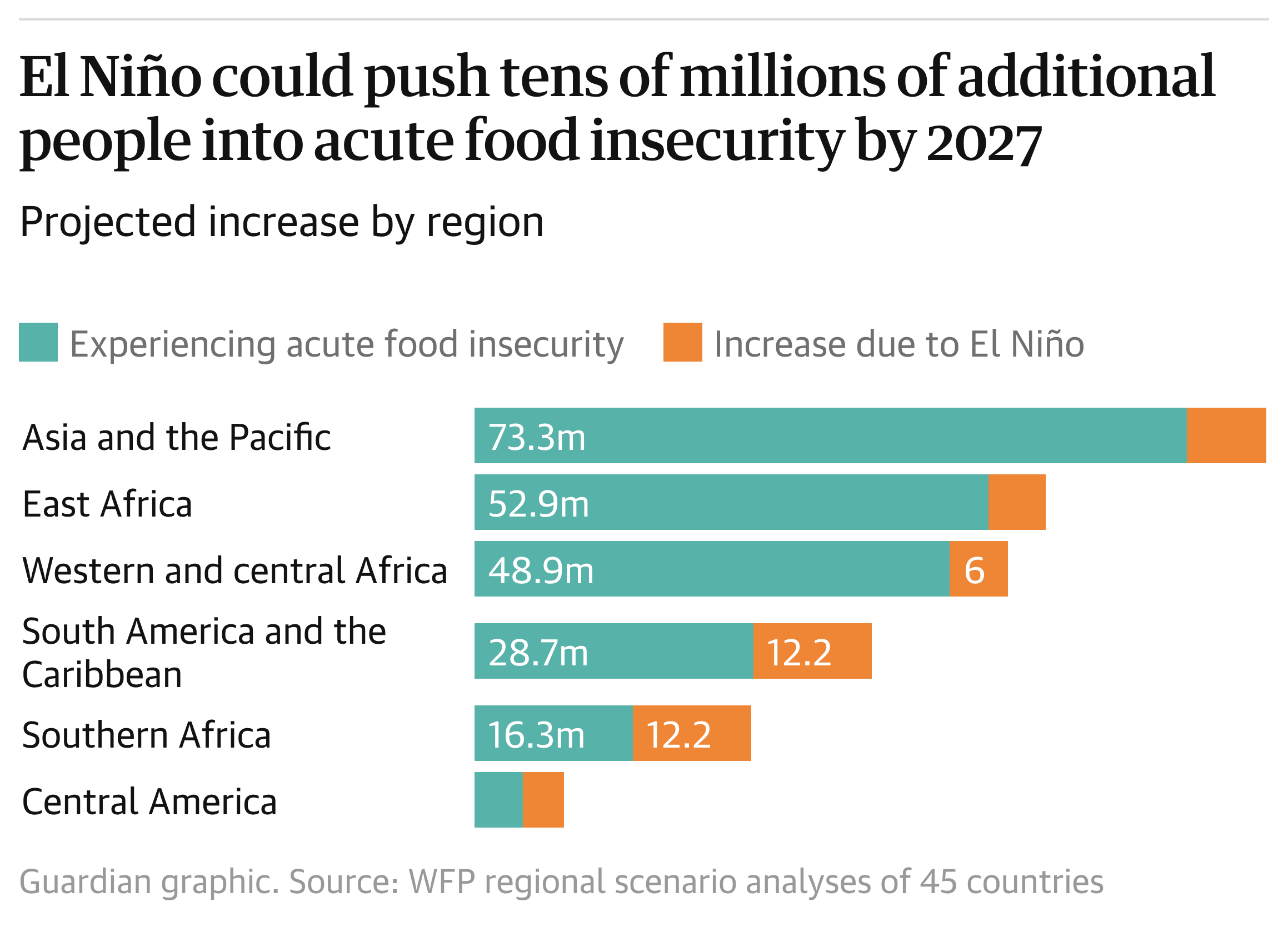
We have intense challenges ahead to keep bending the hunger curve. Experts are warning us to gear up for greater shocks from extreme climate events like El Niño, war and conflict, and further reductions in development and humanitarian financing.
WHAT CHEFS CAN DO
There is no silver bullet, one-size-fits-all solution to global hunger. That is why it’s so important to get out into your community and understand its unique challenges and opportunities.
Grow your food web. Talk to your suppliers, your colleagues and employers, your customers, your neighbors, your political representatives. Get informed about local policies and raise your voice! Chefs are truly powerful advocates when it comes to the right to food, and increasingly have access to spaces where they can deliver messages from their communities back home to global decision makers.
The cost of a healthy diet is rising
We have all felt it. Inflation and the cost of living crisis has impacted everyone, and the hospitality industry is no stranger to the impacts of rising food costs. Globally, one in three people can’t afford a healthy diet, and prices keep going up. Over the last five years, the cost of a healthy diet has risen by 25%.
We know that food prices shape what people eat, and what people eat shapes the future. From the day-to-day sacrifices families must make to the $8.1 trillion of estimated annual hidden cost to global health from diseases related to nutrition (SOFI 2026), the challenge to make healthy diets affordable matters far more than just the bottom line. When healthy food is off the table, everything else suffers, from global health to the opportunities for future generations.
WHAT CHEFS CAN DO
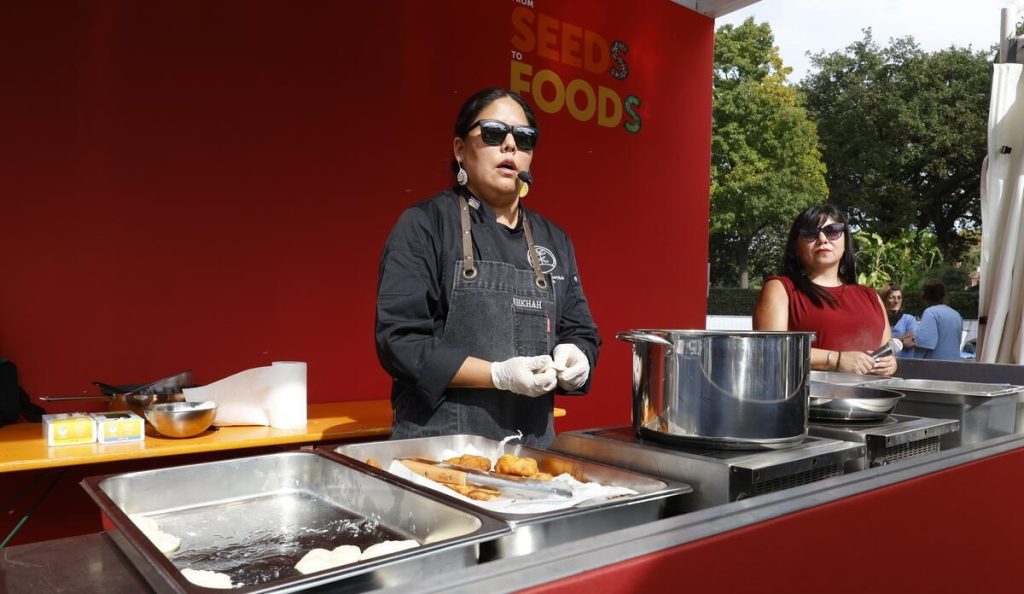
Affordability affects people’s choices in a big way. We know that chefs can help to advise and change what and how people eat. How can chefs make healthy and delicious food more affordable? Cook with and educate diners on nutritious ingredients indigenous to where you are. There are so many incredible options that have been underutilized or forgotten. Serve more beans, peas, and lentils.
What you serve can inspire others and offer solutions to help put healthier food back on the table. Work with your local farmers and food producers – they are struggling, and already bracing for a deeply challenging year ahead as temperatures rise.
What defines a “good” restaurant?
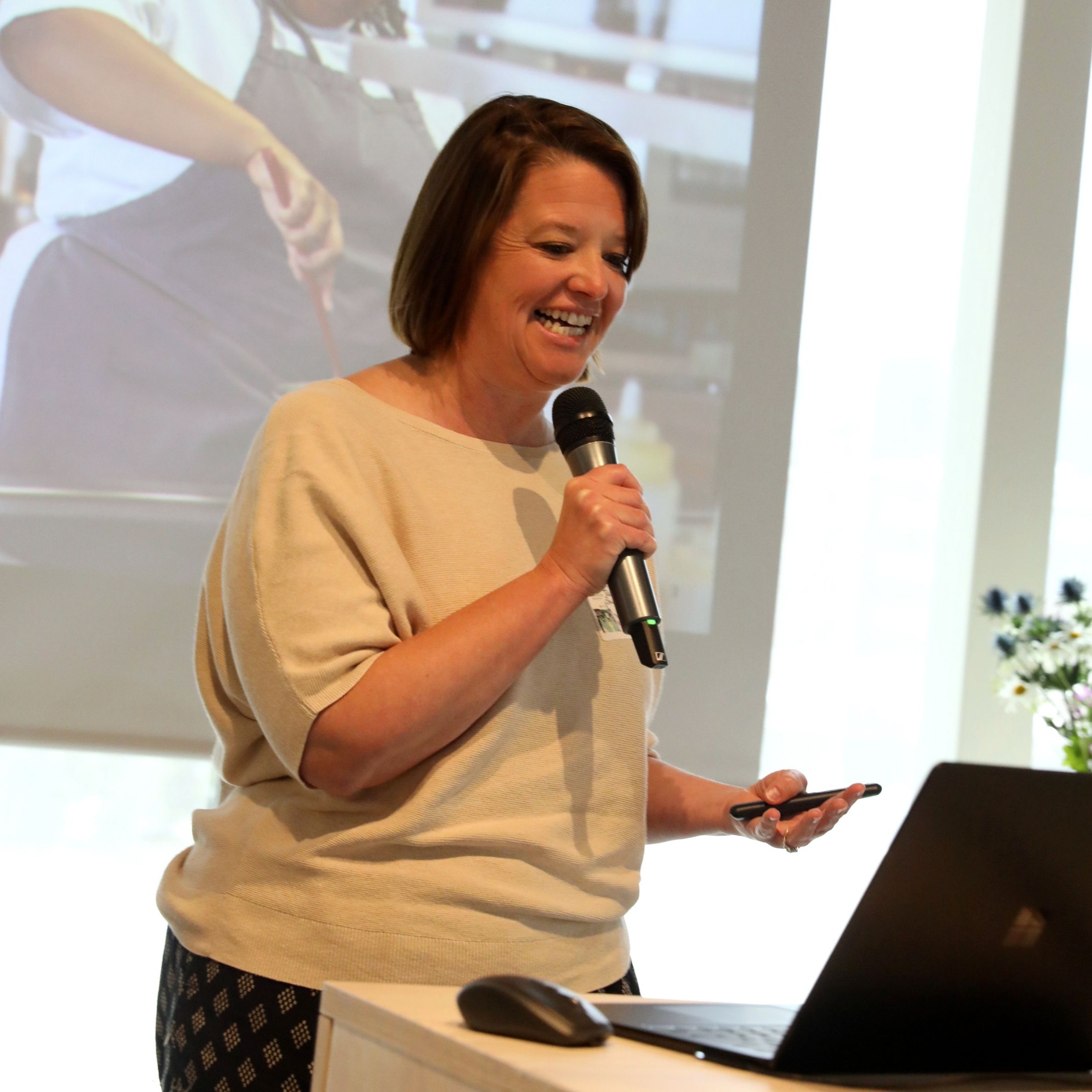
Here how the Sustainable Restaurant Association is doing its part in the global movement towards environmentally restorative and socially progressive hospitality. Listen to World on a Plate Episode 147 with Juliane Caillouette Noble, CEO of The SRA.
We are talking about our environmental impact as a sector. We are talking about the food that we serve, where it comes from, how it gets into our restaurants […]
Juliane Caillouette Noble, CEO of The SRA
But what it means to be socially progressive as a sector is also a really important part of the definition because, fundamentally, we are an industry filled with people. And if we don’t think about the sustainability of the people in our industry, it doesn’t really matter the impact we have on the environment, because those choices are made by humans every day in our sector.
Aid cuts impact the most vulnerable
Famines are supposed to be rare. In 2025, an unprecedented two famines were declared – Gaza and Sudan. Right now, conflict is the primary driver of acute food insecurity and malnutrition for millions of people worldwide (GNAFC 2026). Meanwhile, in the last year we’ve seen a sharp decline in humanitarian and development financing for food crises. Funding has fallen back to levels last seen a decade ago, limiting the ability of governments and humanitarian actors to respond effectively and save lives.
Healthy diets depend on equity and justice, and we know our global system is deeply inequitable. While prevention is better than reaction, those facing hunger can’t wait. Conflicts will continue to disrupt supply chains, erode purchasing power and access to food, and make diminished aid budgets even more stretched.
WHAT CHEFS CAN DO
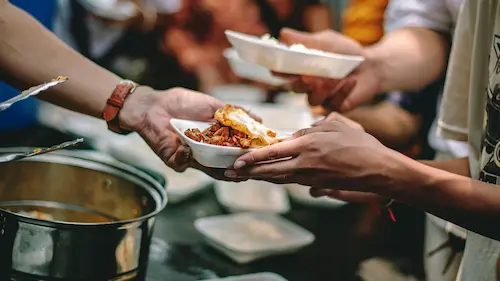
Chefs are feeding hope, delivering food aid to those in need despite restricted humanitarian access. Donate or get involved with relief efforts like World Chefs Without Borders, or research how your chef association or local organizations are working to respond in times of crisis.
Takeaways & Ways to Take Action
We live in an age of polycrisis. So many of our problems are intertwined – climate, conflict, cost of living, global health. It is overwhelming, but not hopeless.
Chefs’ superpower is bringing it back to the plate. Healthy, affordable, delicious food is a human right, and it can be a reality. Use your recipes to tell a story of how it could be. Your supply chains, ingredients, and passion for feeding people can help to create a model for today and for the future.
Advocate, act, and feed hope. Here are a few ways to take action today:
👩🏽🍳 Empower Young Leaders
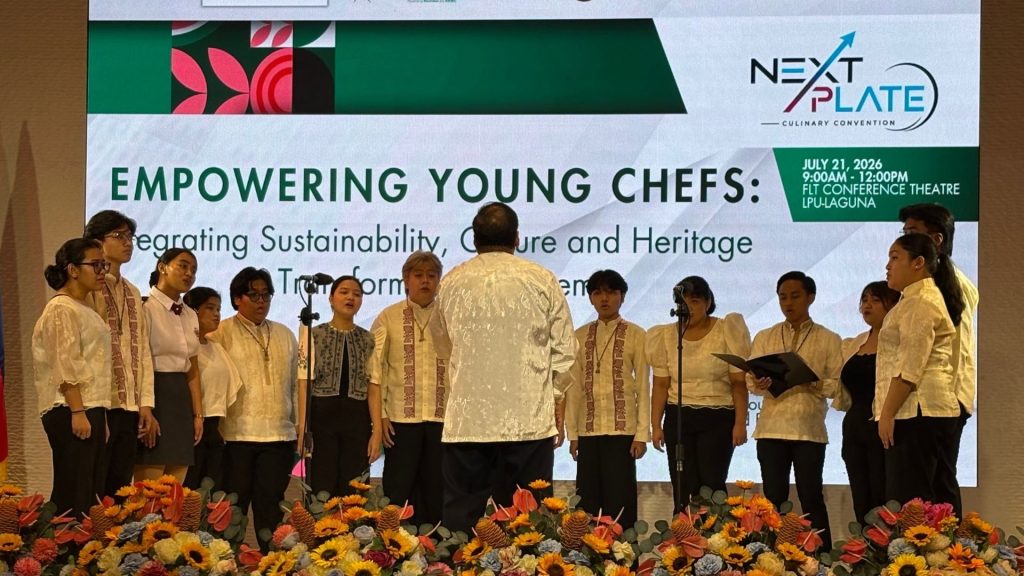
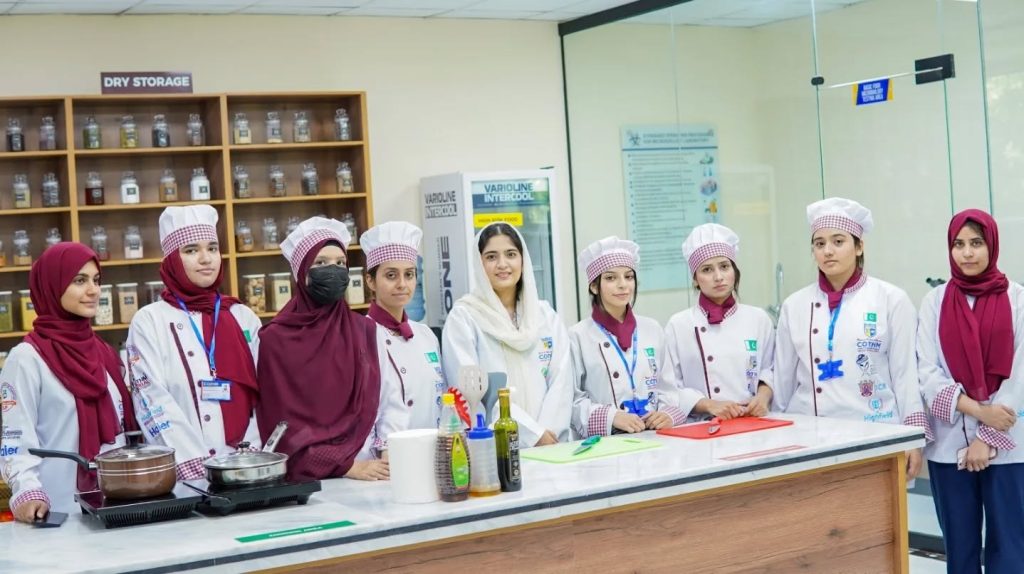
Young people are at the center of this story. They are at the heart of the issues we’re facing, and the most promising solutions. From International Chefs Day to Young Chef development, we need to empower the next generation and let them lead.
💌 Donate to Emergency Relief Efforts
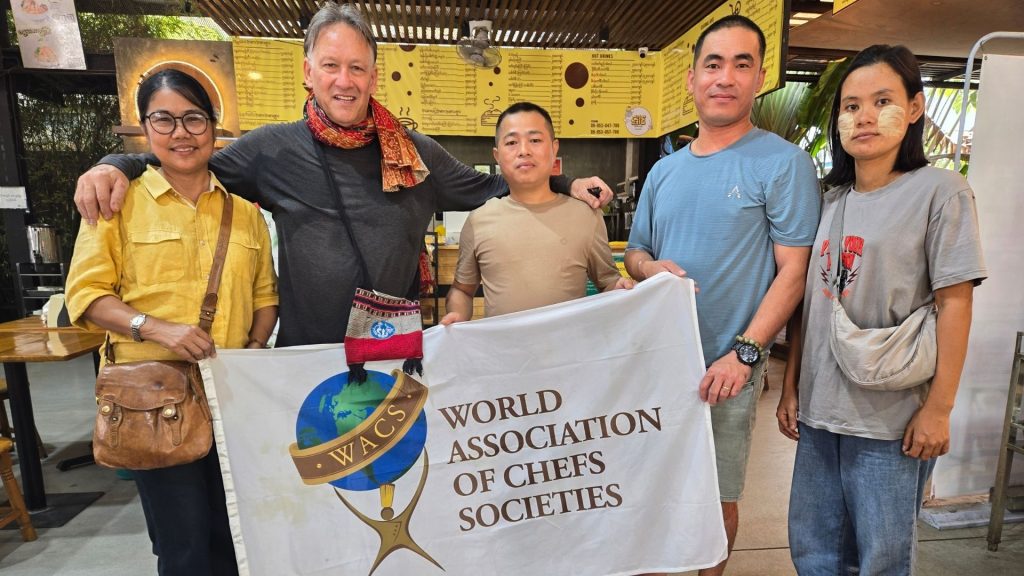
World Chefs Without Borders is currently welcoming donations to support emergency relief efforts in Venezuela and Myanmar. Donations will help to provide direct aid on the ground, funding emergency food assistance, essential supplies, and support for affected communities.
📍Cook4Climate Opportunity for EU-based Chefs
Chefs shape what millions of people eat every day, which makes your kitchen one of the most powerful places to act on climate. Cook4Climate gives you the tools, training, and support to serve food that’s better for your guests and for the planet. An EU-wide initiative taking place in October 2026 and October 2027, Cook4Climate is part of Worldchefs’ EU-funded FoodChoices4LIFE project. Learn more and apply to get involved here.
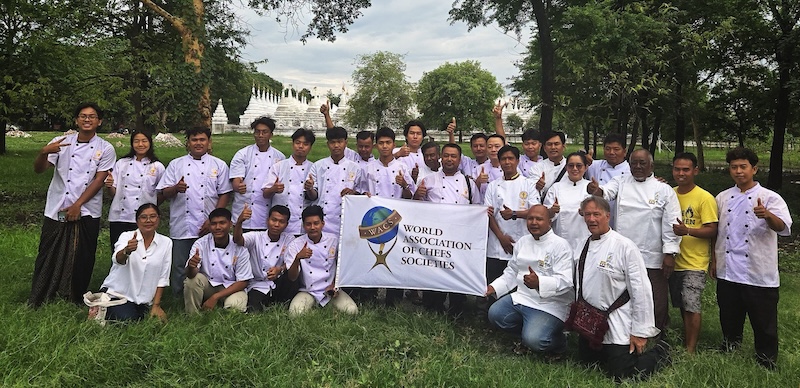
There are countless inspiring initiatives around the globe. Contact your Worldchefs’ national association or local programs to find out what opportunities you can get involved in, and share your stories with us.

More Resources
For a more in-depth look at the 2026 SOFI report, follow this link.
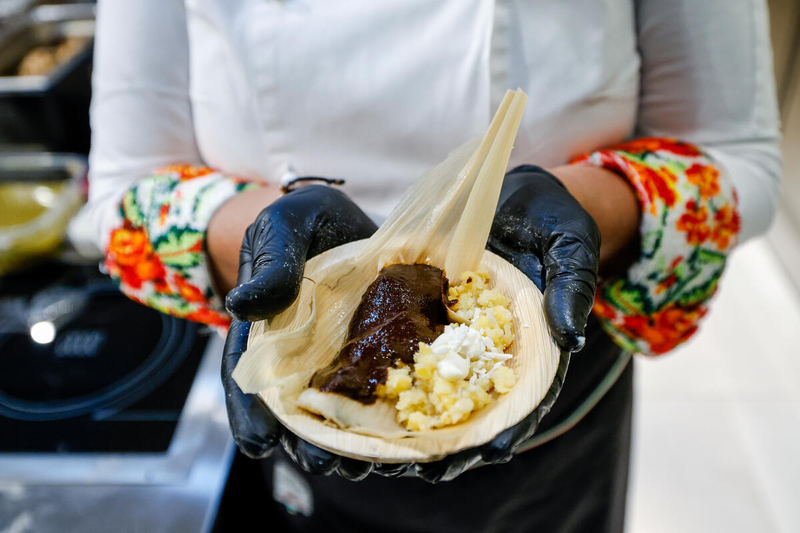
For more on how food makes the future, read our July article:
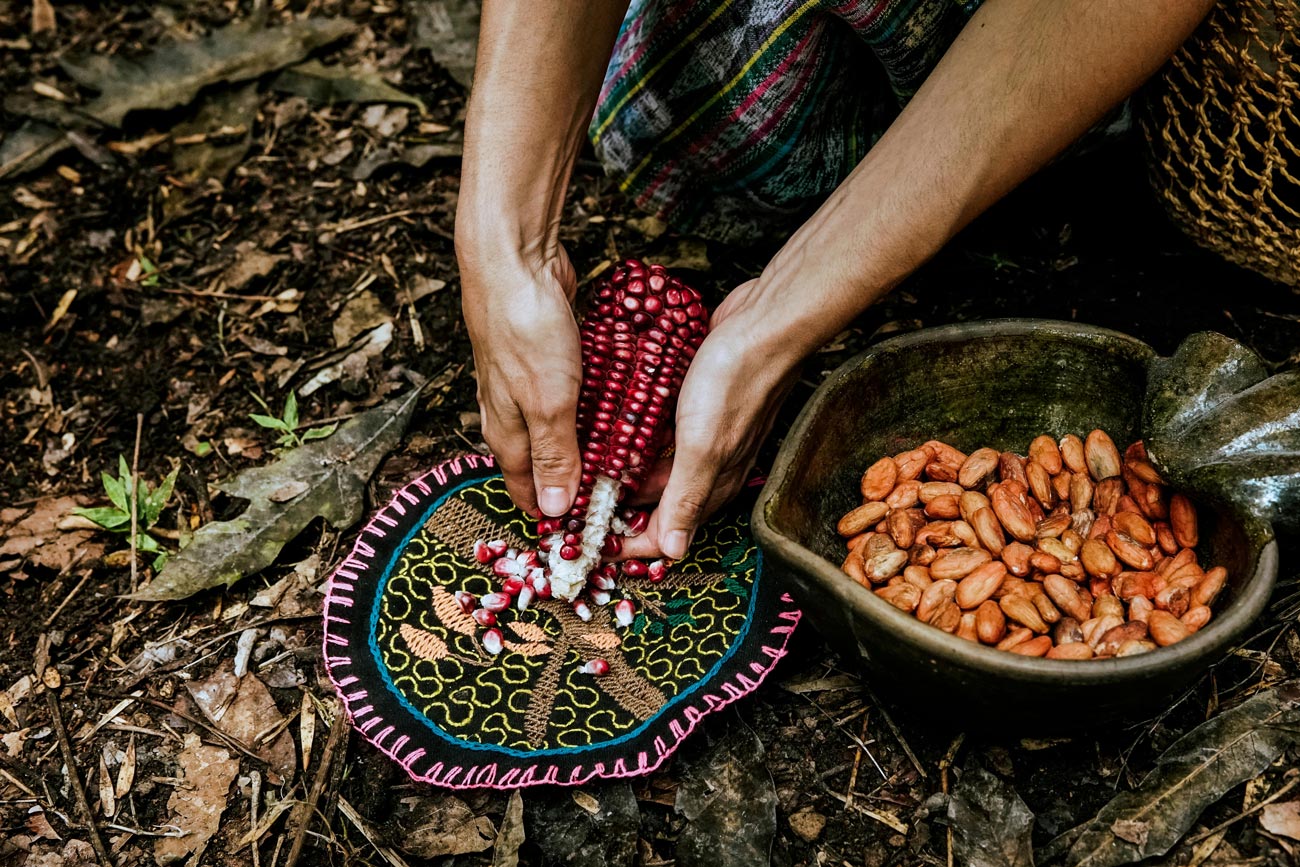
Right now, you are building the pantry you’ll pass on. Your contribution to culinary heritage is taking shape with each recipe you test, each ingredient choice you make.
Would it make a menu you’d be proud of?
Find Worldchefs at the World Food Forum this October
Find Worldchefs at the World Food Forum (WFF) from 8 to 16 October 2026 at the FAO headquarters in Rome!
Learn more about the event and explore the full agenda here.
Credits
Image of Chef Stephanie Baryluk courtesy of FAO/Giuseppe Carotenuto.
Images of Juliane Caillouette Noble courtesy of Miriam Pres.
This article was authored by Clare Crowe Pettersson.