With 2026 right around the corner, chefs around the world are in the middle of a busy season and an essential time to think about the year ahead.
There’s a lot to consider. Diners’ expectations are changing, purse strings are tighter, and the balance between tradition, health, and innovation is reshaping menus everywhere. With consumers looking for more out of their meals, foodservice businesses need to stay ahead of the curve to drive success in 2026.
Here are five 2026 trends backed by market research that should be on every chef’s radar.
1. Purposeful Protein: A Return to Humble Ingredients
Protein continues to drive menu development, but the path forward is changing. Forecasts for 2026 show a clear movement away from highly processed plant-based meat alternatives.
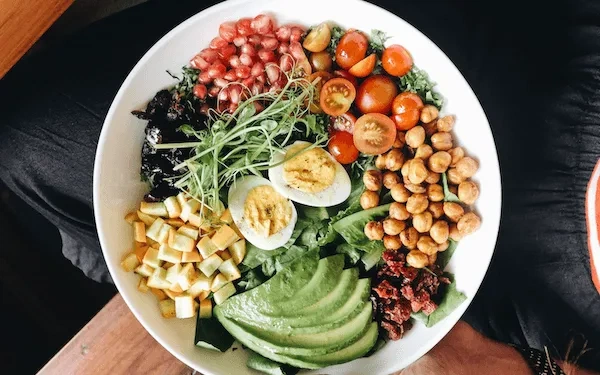
Where are we headed? Protein-rich ingredients such as beans, lentils, chickpeas, and heritage pulses are taking center stage. With traditional roots and a whole lot of versatility and culinary depth to offer, these ingredients are having a major moment.
For chefs, that means a creative comeback for beans, turning humble pulses into ingredients of purpose. Explore this trend plus five others in Custom Culinary’s 2026 Food & Flavor Outlook.
2. Fiber & Gut Health: Elevated Through Craft and Technique
Right on protein’s tails is fiber. Digestive wellness continues to influence food choices, and fiber is fast emerging as a leading priority for 2026. Fiber-rich whole foods like oats and lentils are capturing greater attention, particularly as diners look for meals that offer both satiety and nutritional benefit. Rather than positioning fiber as a “health” feature alone, chefs are integrating it through technique and craft. Fermenting, sprouting, roasting, milling, and blending to create dishes that are flavorful, layered, and texturally dynamic, this trend offers a lot of room for creativity while serving more gut-health-minded consumers1.
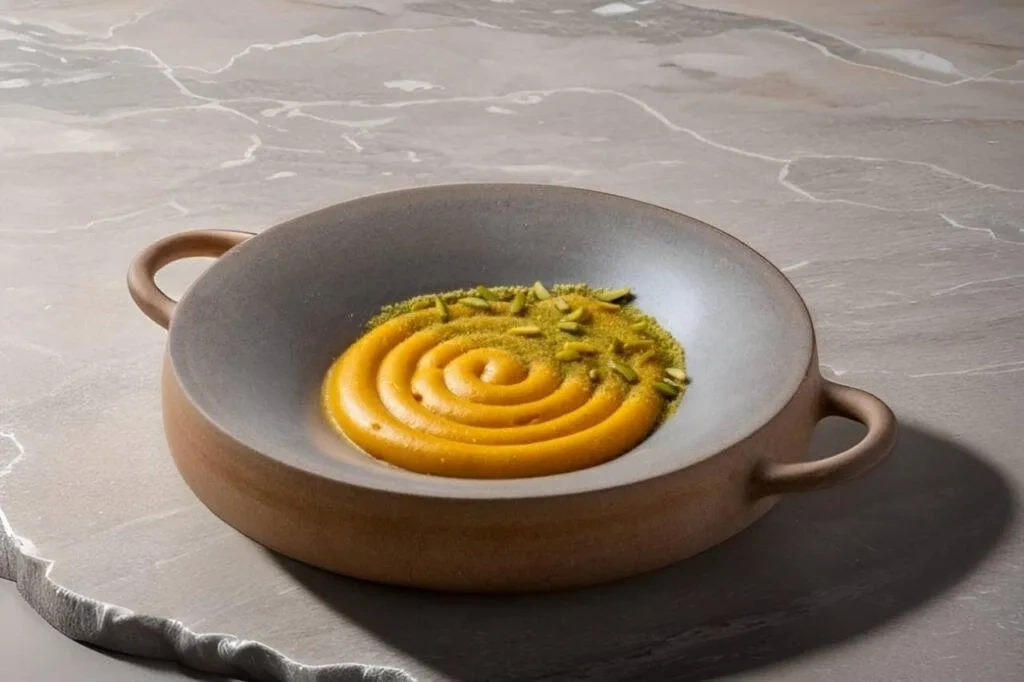
3. Heritage Recipes & Culinary Traditions: Authenticity with a Modern Twist
Across markets, diners are reconnecting with culinary heritage, sparking a resurgence of traditional recipes, techniques, and regional flavors. This global return to ancestry-driven cooking reflects a desire for authenticity and cultural grounding. From street food favorites and near-forgotten recipes to Taste Globes, cuisine diversity is key to feeding consumer curiosity around spicy and global flavors.
For chefs, this is a great moment to reconnect the past and present, honor culinary roots, and build dishes with cultural context and meaning.
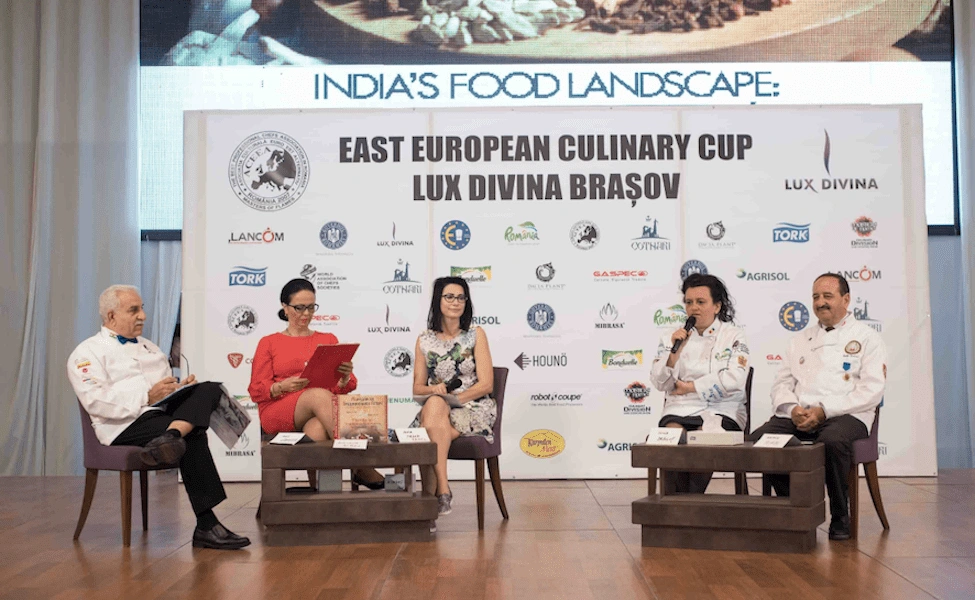
Tune in to Mapping the Future of Food with Trend Forecaster Morgaine Gaye to hear advice for balancing creativity with trend awareness, and why anchoring your craft in authenticity and heritage will create lasting impact. Plus, get inspired by exploring Worldchefs’ collection of Cultural and Heritage Recipes.
4. Immersive Dining: Experience as the New Value Driver
Dining in 2026 moves further into experiential territory. Guests continue to look for experience, from chef-led tastings and open-kitchen formats to thematic menus, multisensory activations, and community-driven gatherings. Cost-of-living is rising, and more diners, especially young people, want the most of their money when eating out, fueling an appetite for novel experiences.
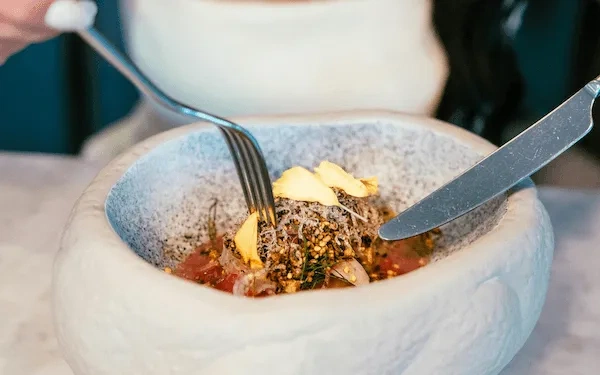
Chefs who embrace immersive dining, whether through storytelling menus, communal dishes, sensory pairings, or culturally rooted tasting journeys, will meet a growing guest demand for meaningful, memorable meals and likely have some fun while doing it.
“I think we all assume that taste comes from our tongues… In fact, all of your senses are involved. Everything from the color of the plate to the weight of the cutlery in your hands, from the background music to any ambient scent, as well as the lighting and even the softness of the chair you are sitting on.”
– Charles Spence, Professor of Experimental Psychology at the University of Oxford and author of Gastrophysics: The New Science of Eating
In a study by Technomic, 72% of diners expressed a desire for more experiential dining. Read more about this trend and get practical ideas in the article Gen Z & Millennials Want Immersive Dining Experiences: Trend Takeaways for Chefs.
5. AI in the Kitchen: Powerful Tools, but Creativity Must Lead
Artificial intelligence is accelerating rapidly across the foodservice sector, appearing everywhere from menu engineering and forecasting to inventory management, training, and guest personalisation. In 2026, AI-supported systems will continue to become more accessible to kitchens of all sizes, offering chefs new capabilities to streamline operations, reduce waste, and analyse consumer behavior with greater accuracy.
But there’s a critical caveat. While AI can optimise, predict, and streamline, it can’t replicate human intuition, cultural sensitivity, or culinary artistry. Chefs must lead tech integration thoughtfully, using it to support but not replace skill, craftsmanship, and identity.
“You’d be amazed to know how many people are using it. There are a lot of egos in the business. They’re not going to make a big thing about it.”
– Chef Matan Zaken, from Michelin-starred Nhome in Paris, on ChatGPT
Dive into this conversation in the article With AI, Could We Lose the Art in Culinary Arts?, and get equipped with resources to make the most out of AI.
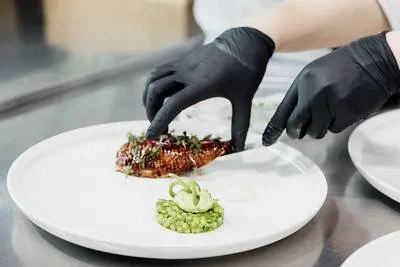

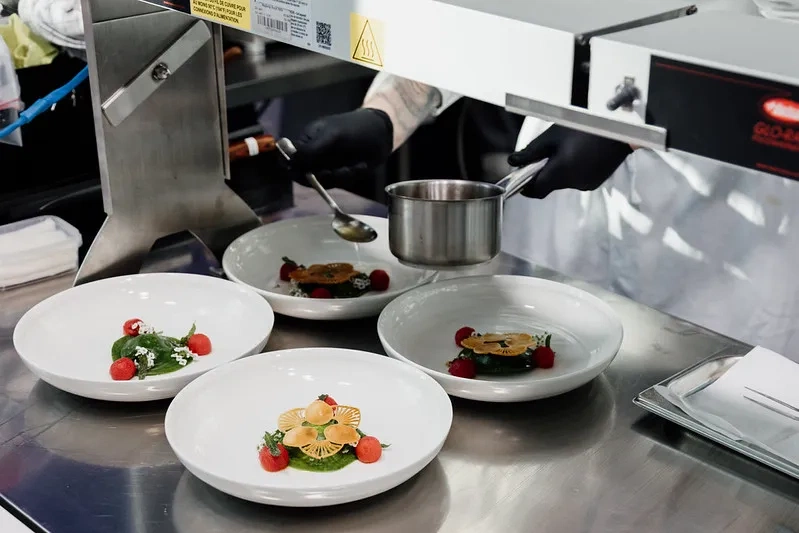
The future looks bright. Worldchefs’ Global Chefs Challenge competitors’ plating prep at the 2025 European Grand Prix.
Trend Takeaways: A New Year for Learning
These five trends reflect a global shift in how the industry approaches flavor, identity, sustainability, and innovation. The landscape will keep shifting, so get equipped with these early trends and be sure to stay informed as the year goes on.
Don’t miss the 2026 Worldchefs Congress & Expo in Wales, where industry leaders will guide essential discussions around the future of culinary education, workforce development, operational models, and flavor innovation. Check out the program for sessions related to these trends and many more, including 2050 Menu, Shaping the Future of the Culinary Industry, The AI-Powered Chef, Cooking with Natural Plants: Extracting Aromas and Flavours, and so much more.
Written by Worldchefs’ Editor.
- Brush up on gut health by watching Jeremy Lim’s session from Worldchefs Congress & Expo 2024 ↩︎