In the wake of abuse allegations at some of the industry’s top-rated restaurants, we reflect on how culinary professionals are redefining excellence and making positive kitchen culture an essential criteria.
The culinary industry in the midst of a long overdue reckoning. As allegations of abuse emerge from the most celebrated kitchens, chefs and hospitality professionals are reexamining how we define excellence and setting a new standard for the industry.
Today, a growing movement of culinary professionals are prioritizing people-centered policies, transparency and well-being, recognizing that positive kitchen culture is an essential part of success. We explore the steps being taken around the world toward a culture shift in the kitchen.
A Message from Worldchefs President on Safe Kitchens
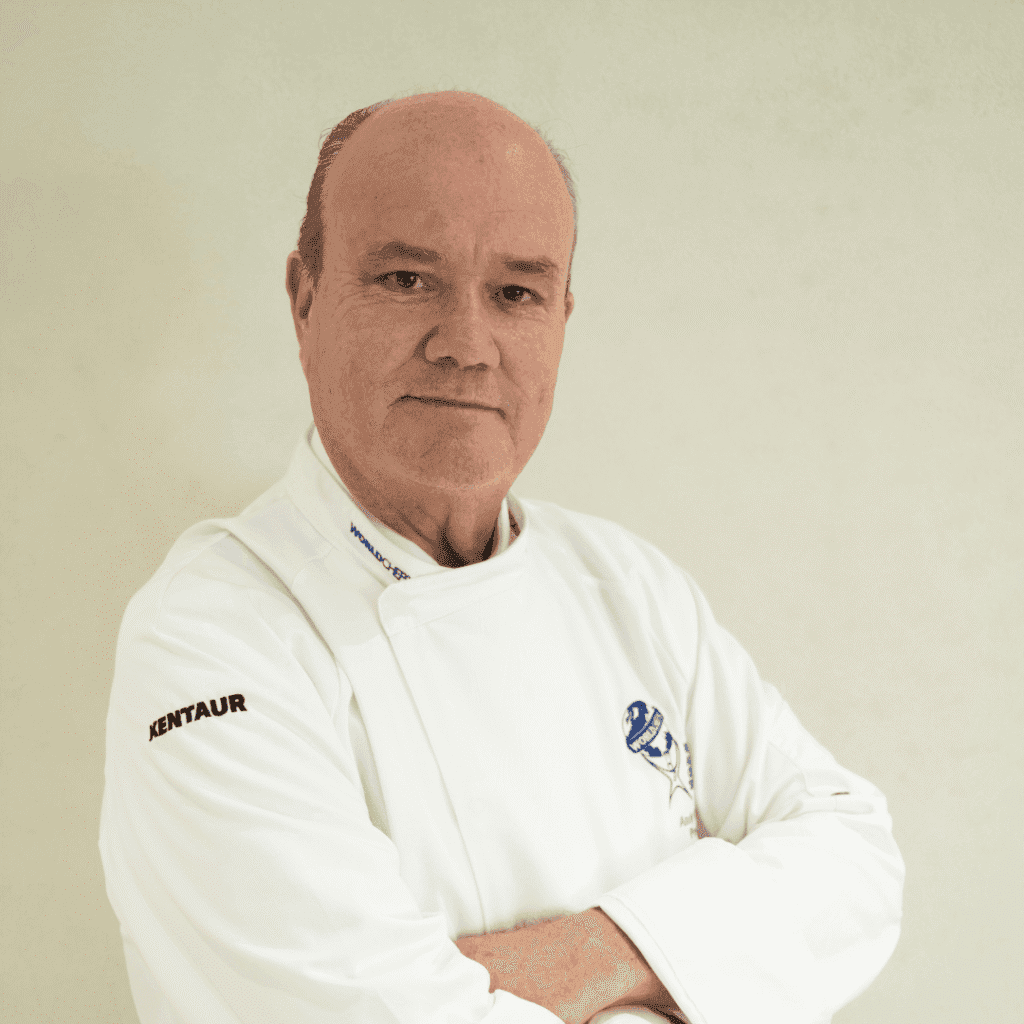
Excellence in cuisine can never justify the mistreatment of people. A kitchen must be a place of learning, collaboration, and safety. Abuse—whether physical, verbal, psychological, or systemic—has no place in our profession.
Andy Cuthbert, Worldchefs President
Worldchefs is deeply concerned by the recent reports of long‑term mistreatment and abusive behavior within high‑end professional kitchens. These accounts are painful to hear and stand in direct opposition to the values of respect, professionalism, and mentorship that define our global culinary community.
Certain professions, not only culinary, operate at certain levels of intensity that also lead to stress and pressurized environments. However, this can never be an excuse for behavior that is demeaning and unprofessional at any level. We need to encourage young people to join our profession, and this can only happen when the industry as a whole works collaboratively.
Excellence in cuisine can never justify the mistreatment of people. A kitchen must be a place of learning, collaboration, and safety. Abuse—whether physical, verbal, psychological, or systemic—has no place in our profession.
The future of our profession depends on the wellbeing of its people. Worldchefs stands united in building a global culinary culture rooted in respect, integrity, and excellence. Worldchefs members works closely with organizations globally, including The Burnt Chef Project, to ensure we are highlighting the need for good mental wellbeing.
Responding to Research
In a January 2026 report produced by Bournemouth University in collaboration with The Burnt Chef Project, responses to a global survey of 460 chefs offer a timely snapshot of what the industry must address to retain talent. The global survey shows that 69% of chefs regularly consider leaving their jobs due to toxic leadership, work-family conflict, and unsustainable working conditions. Addressing structural failures–from enforcing zero-tolerance policies on harassment to ensuring fair pay–is essential for the growth of the industry.
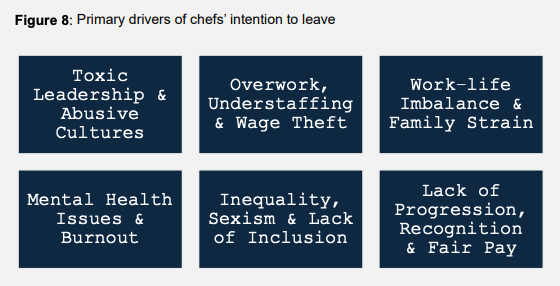
Toxic leadership and abusive work cultures, wage theft, the gender gap, mental health issues–so many of the primary drivers for chefs considering leaving their roles have been highlighted in recent stories of abuse allegations in the fine dining world.
We already know what conditions need to change, coupled with a growing movement towards positive kitchen culture. Although we have a lot of work yet to do, the industry is in a state of transition, taking real steps towards operational change and accountability mechanisms.
Celebrating Good Leadership
We have so many bright examples of the kind of leadership we need to cultivate positive kitchen culture:
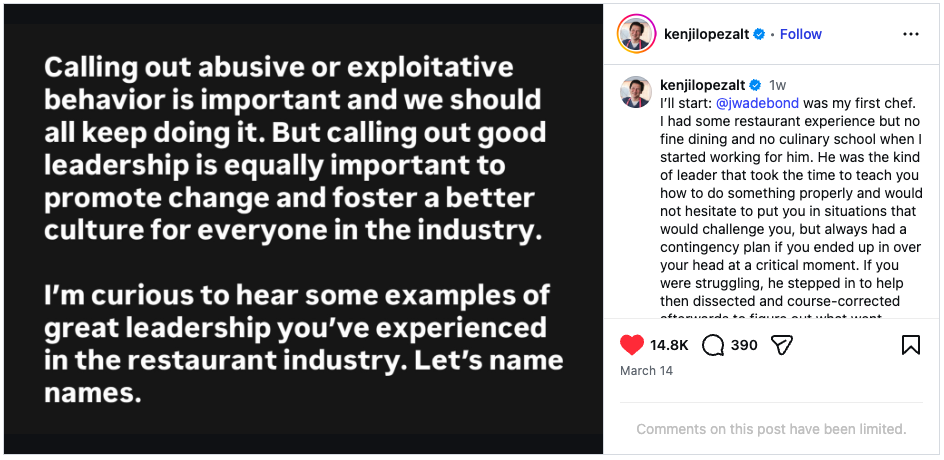
Read the thread above and you’ll see diverse examples of positive kitchen culture. Michelin-starred Chef Emmanuel Stroobant has shared his journey, which you can learn more about below. Chef Kris Hall, through his work at The Burnt Chef Project, is providing resources to chefs around the globe. Culinary schools and employers alike have spotlighted how essential a positive team culture is. Chef Rick Bayless has written on creating a positive professional kitchen culture, and restaurateur Asma Khan has offered key characteristics of a positive kitchen. These are just a handful from an inspiring movement of culinary professionals committed to building a better future for the industry.
Below you can find additional resources, from mental health services to more examples of how chefs are building positive kitchen culture in restaurants around the world.
Resources
Keep reading for resources and examples of chefs that have spoken out against abusive and are helping to drive positive kitchen culture around the globe:
| What Strong Leadership Looks Like Hear more about what strong leadership looks like in hospitality and how the industry can build more equitable and inclusive workplaces for the next generation on episode 142 of World on a Plate with Anna Blue. She explores how the industry must rethink leadership qualities, and offers advice for young people entering hospitality today. For more on leadership gaps in today’s hospitality workforce, read our recent article: We Need More Women in Senior Leadership: Closing Hospitality’s Gender Gap. | The Burnt Chef Project The Burnt Chef Project is a globally recognized non-profit that raises awareness, provides training, and offers market-leading support for mental health issues within the hospitality industry. Tune in to episode 126 of World on Plate to learn how they advocate for more compassionate, resilient workplaces, and how we can all play a part in supporting mental health in the culinary world. Access their resources, including free 24/7 mental health support, here. The Burnt Chef Project will be at the 2026 Worldchefs Congress & Expo in Wales this May. Register now. | Why Mentorship Matters Now More Than Ever in the Culinary World Mentorship: the secret ingredient to industry success? Going beyond technical skills, mentorship is about more than just imparting culinary expertise. By modeling and inspiring leadership qualities, mentorship also helps to ensure that we develop the strategic, professional, and personal competencies necessary to navigate today’s complex hospitality environment and beyond. Read more here to explore why mentorship matters now more than ever in the culinary world. |
| Prioritizing Mental Health – Wellness Tools for Chefs and Hospitality Workers with Jasmin Parks-Papadopoulos Jasmin Parks-Papadopoulos, Chief Growth Officer at CHOW (Culinary Hospitality Outreach Wellness) is a former chef turned certified life coach. Hear her discuss the unique challenges faced by hospitality workers, community support, and trauma-informed tools–all aimed at promoting a sustainable and healthier work environment–on episode 114 of World on a Plate. | From Burnout to Balance: A Chef’s Guide to Mental Wellness with Emmanuel Stroobant Prevention is better than cure. After his own struggles, Michelin-starred Chef Emmanuel Stroobant advocates for a culture that values rest, reflection, and mental resilience as much as culinary excellence. He realized that taking care of oneself is more than an act of self-preservation; it’s a responsibility we have towards those around us. Hear more from him during his session at the 2024 Congress here. | In the Weeds: Why Kitchen Culture Must Change to Safeguard Mental Health & Wellness When it comes to mental health, the culinary world is still in the weeds. The once-glorified kitchen culture of hustle and hard living has started to give way to a more sustainable ethos, one that recognizes that the future of the industry depends not just on innovation and skill, but on the health and happiness of those behind the pass. While awareness of the importance of mental health and wellness has increased, the culinary industry still faces unique challenges requiring attention and change in workplace culture. Read more in this article. |


