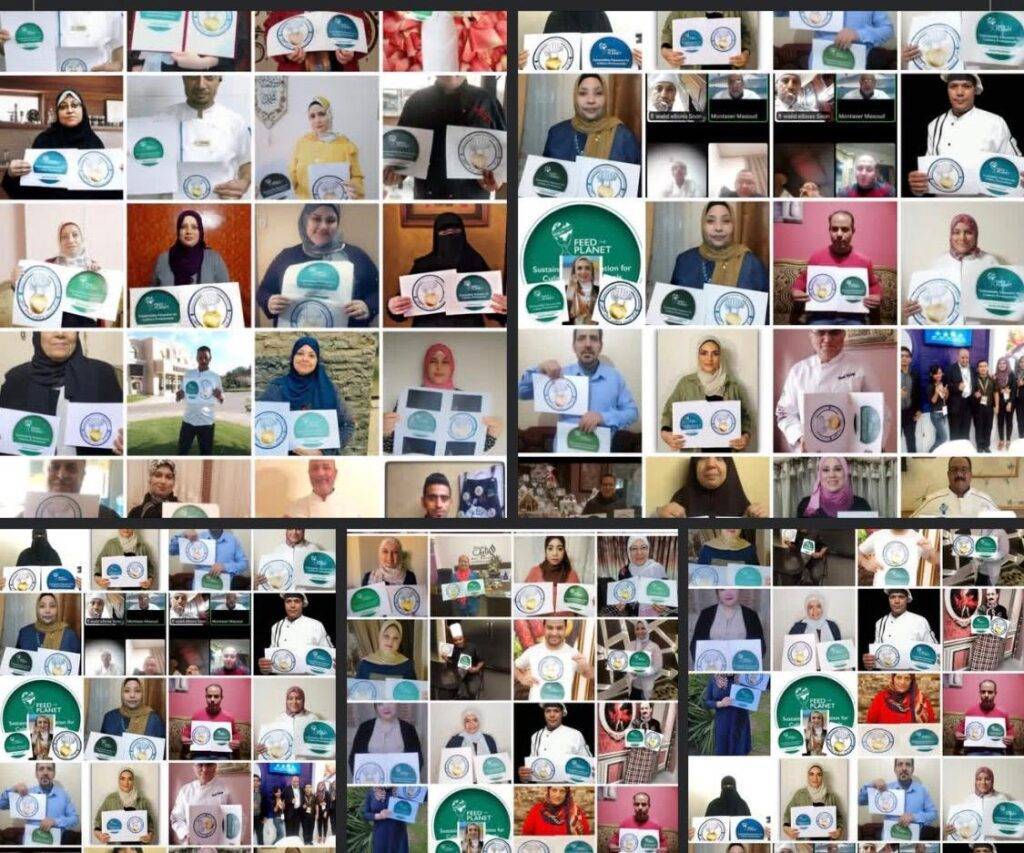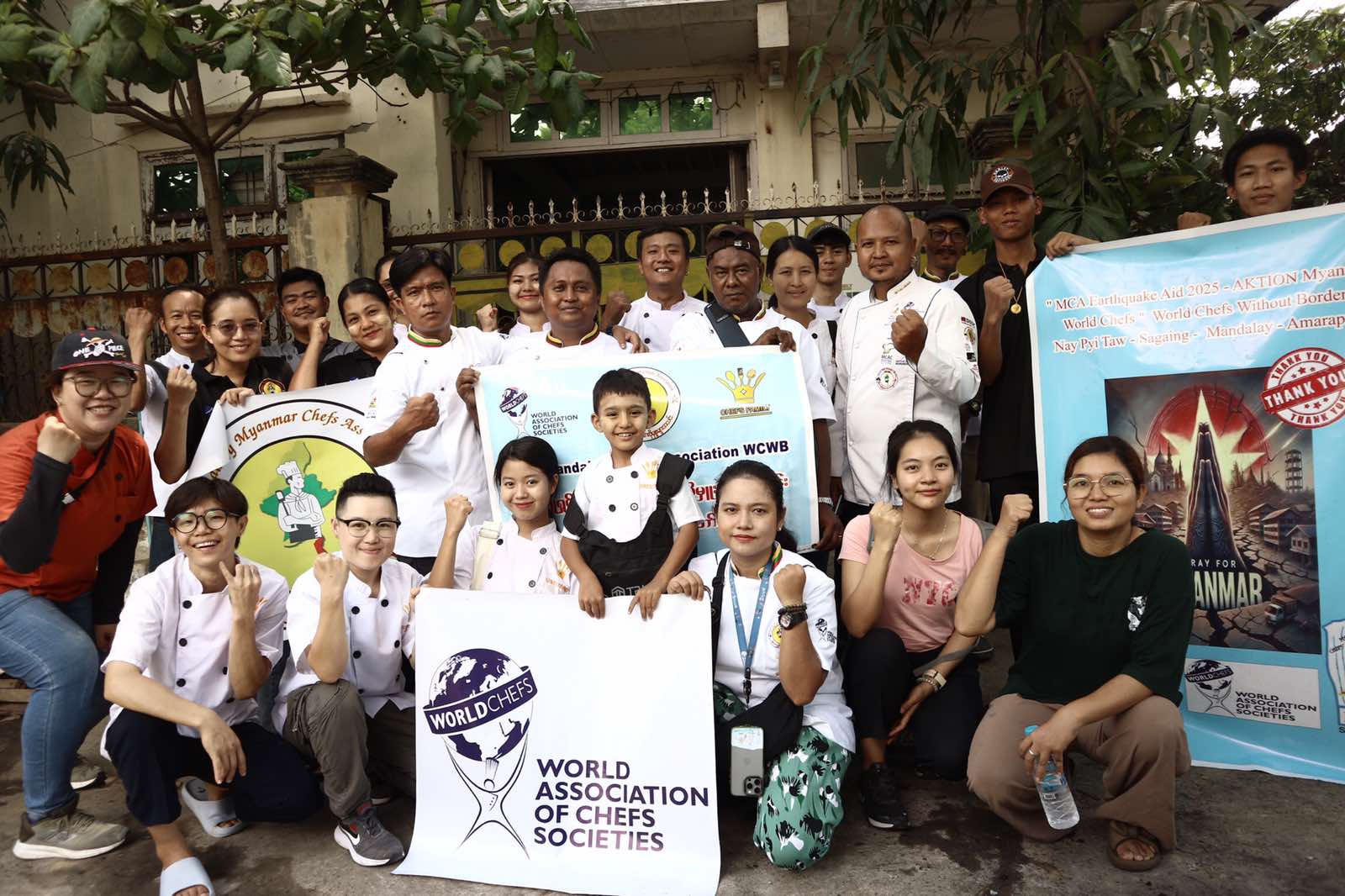
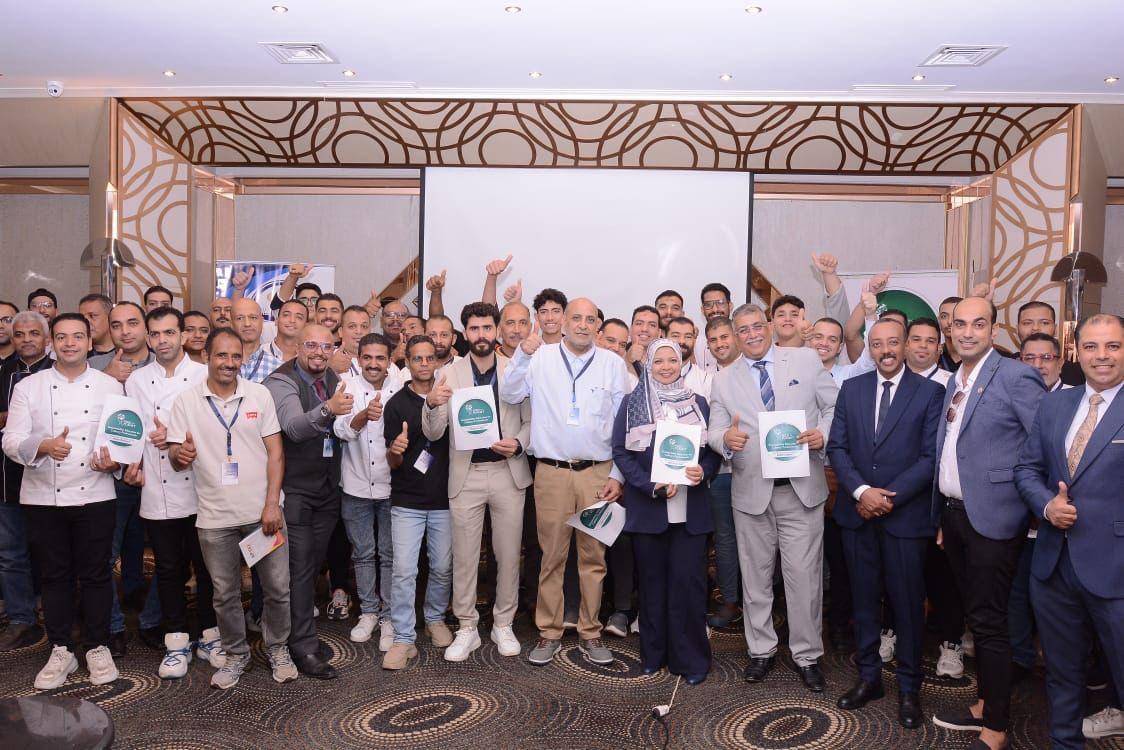
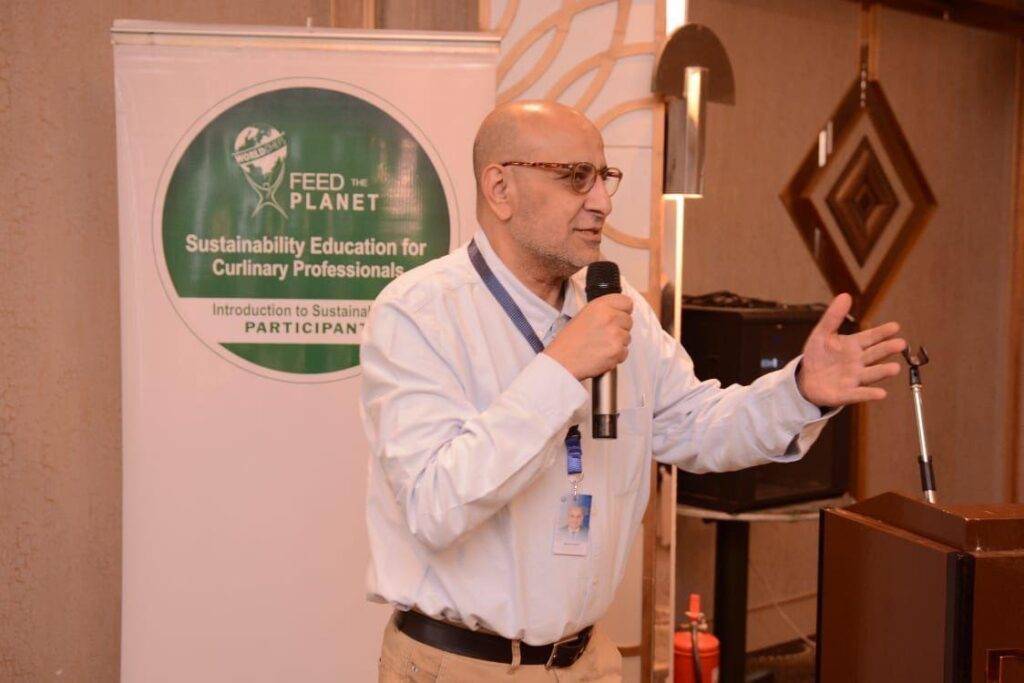
For Dr. Montaser Masoud, sustainability is a shared responsibility and a way of life. As a Worldchefs–certified Sustainability Education trainer, Montaser has spent the past five years working alongside chefs, educators, engineers, and food producers across the Arab world, Africa, and beyond to embed sustainable thinking into everyday culinary practice.
His journey shows that real change does not happen in isolation. It happens through mentorship, community engagement, and collaboration, adapting global sustainability principles to local realities.
Building Sustainable Communities Through Culinary Education
Montaser’s work began with the belief that food professionals are powerful agents of change. Through both in-person workshops and online training, he has focused on equipping chefs and food industry professionals with practical tools to reduce waste, conserve resources, and prioritize local sourcing.
In Egypt, this approach reached an international stage during COP27, where Montaser helped implement a sustainability-focused culinary initiative under the auspices of the United Nations. By collaborating with stakeholders and inviting participants to engage directly, the initiative highlighted menus built around local grains and fruits and demonstrated how sustainability can be both practical and delicious.
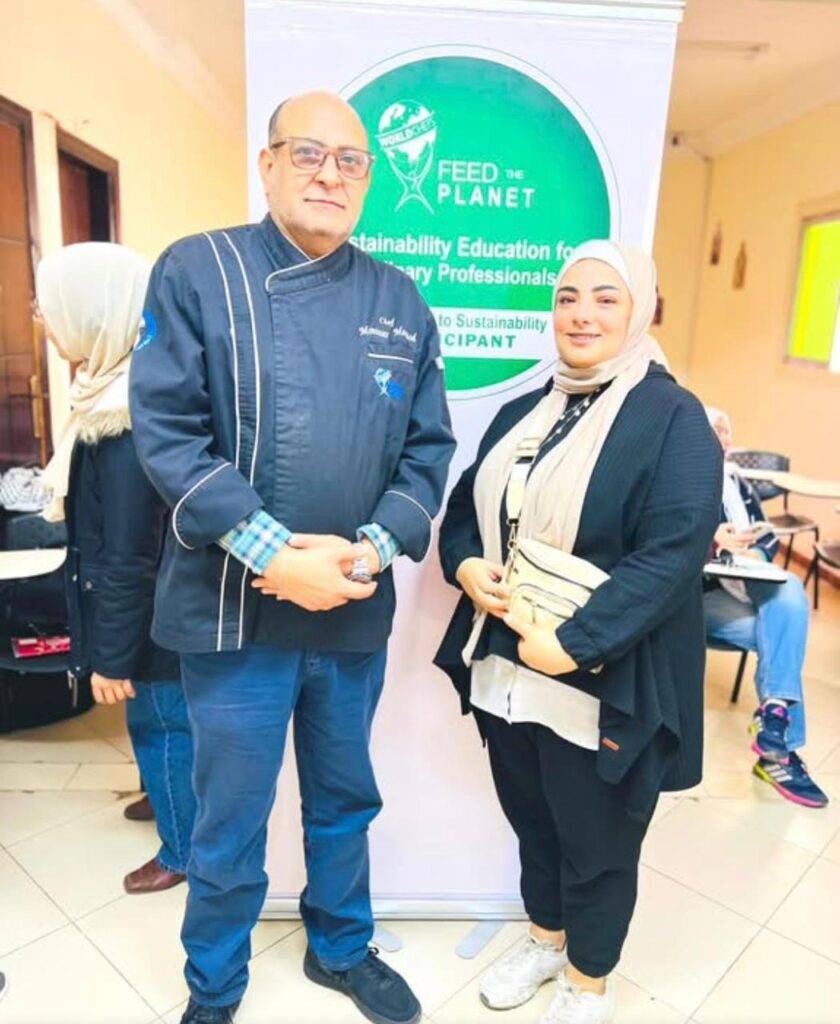
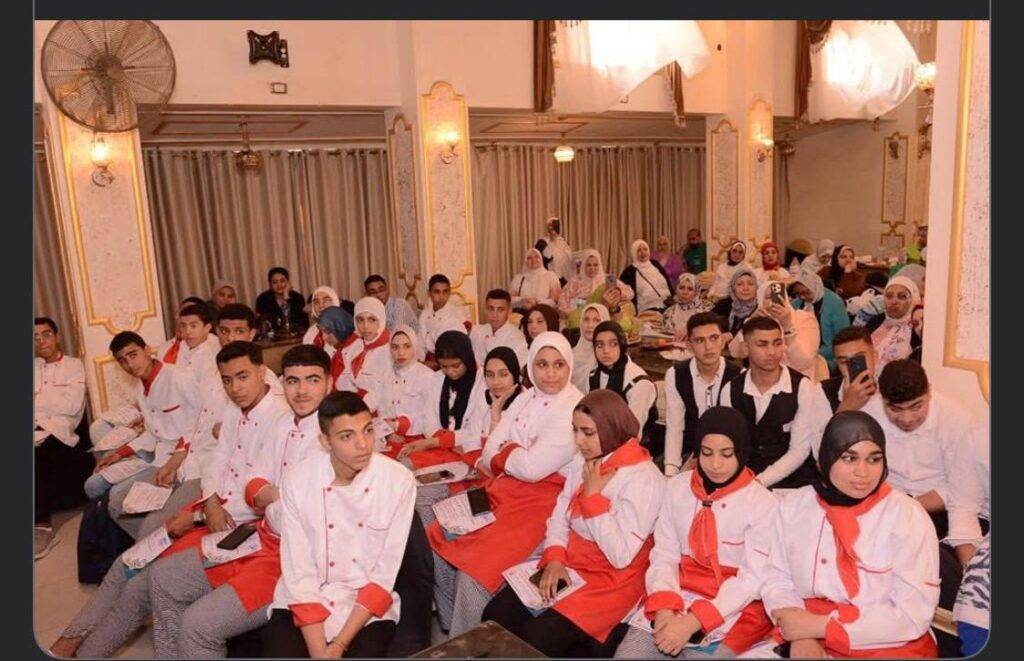
Beyond major events, Montaser has worked closely with colleges, institutes, unions, and hotels, delivering Worldchefs’ sustainability education to more than 1,000 chefs in Egypt alone. These sessions emphasize food safety, responsible production, and efficient use of water and energy.
Collaboration Across Borders
Each country Montaser has worked in reflects a different expression of sustainability shaped by culture, resources, and community needs.
In Morocco, collaboration took the form of the first sustainability-focused culinary competition in the Arab world, where more than 180 participants cooked exclusively with local ingredients and embraced plant-forward menus. The competition was not about winning, but about demonstrating how shared learning can shift mindsets.
In Algeria, mentorship led to innovation. After completing sustainability training, one participant launched a closed-loop fish farming project, reusing pond water to grow tomatoes and significantly reducing water consumption. The project became a local example of how sustainability education can inspire tangible solutions.
In Nigeria, the impact was quieter but deeply meaningful. After virtual training sessions, a local participant worked directly with farmers to improve land care and agricultural practices. Though the group was small, the experience reinforced that sustainability grows through grassroots collaboration.
Aligning With National and Regional Visions
In Saudi Arabia, Montaser’s work aligned closely with Vision 2030, enabling collaboration with major hotels and institutions. Over 750 chefs have been trained in recent years, with sustainability increasingly recognized as a professional requirement within the Kingdom’s culinary sector.
Across Tunisia and the Gulf countries, sustainability education often began with shared conversations rather than formal definitions. Farmers, chefs, and producers were already practicing sustainability intuitively, even if they did not label it as such. Exchanges allowed sustainability to become even more present, empowered by knowledge sharing.
A Collective Effort for the Future of Food
Montaser’s story is about what becomes possible when sustainability education is shared openly and adapted collaboratively. With over 36 years of experience in the culinary field and having trained thousands of students, Montaser’s impact reflects the power of sustained collaboration between educators and chefs, institutions and communities, global frameworks and local action.
Protecting the future of food and our industry demands collaboration from across borders and generations.
To learn more about Worldchefs sustainability initiatives and get involved, visit https://feedtheplanet.worldchefs.org/.
To apply to become a certified Sustainability Education trainer, click here.