
China Cuisine Association Shares Spring Festival Culture with the World through Intangible Culinary Heritage
On February 10, at the invitation of the Permanent Delegation of China to UNESCO, the China Cuisine Association traveled to UNESCO Headquarters in Paris, France, to participate in the 2026 Spring Festival Temple Fair. Featuring intangible cultural heritage (ICH) delicacies and time-honored Chinese brands from seven provinces—Beijing, Liaoning, Zhejiang, Hubei, Guangdong, Sichuan, and Shanxi—covering ten cities, the event showcased the culinary philosophy and cultural significance embodied in the Spring Festival, a world-recognized intangible cultural heritage.
UNESCO Director-General Khaled El-Enany, Deputy Director-General Xing Qu, President of the General Conference Khondker M. Talha, Chairperson of the Executive Board Nasser Bin Hamad Al Hinzab, along with Yang Xinyu, Permanent Delegate of China to UNESCO, and Yang Liu, President of the China Cuisine Association, attended the event.
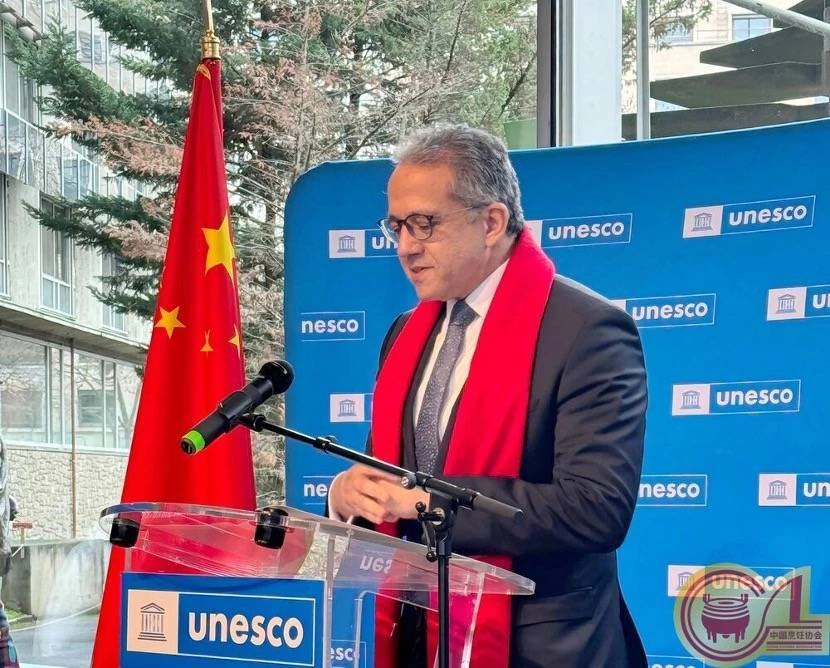
In his remarks, the Director-General emphasized that the Year of the Horse symbolizes courage and progress, reflecting the spirit of forging ahead in the face of challenges. The inscription of the Spring Festival on the Representative List of the Intangible Cultural Heritage of Humanity not only highlights the global influence of Chinese culture, but also injects new momentum into exchanges and mutual learning among civilizations. In today’s increasingly uncertain international environment, such a spirit of perseverance and advancement is particularly vital. UNESCO stands ready to further strengthen cooperation with China on this occasion.
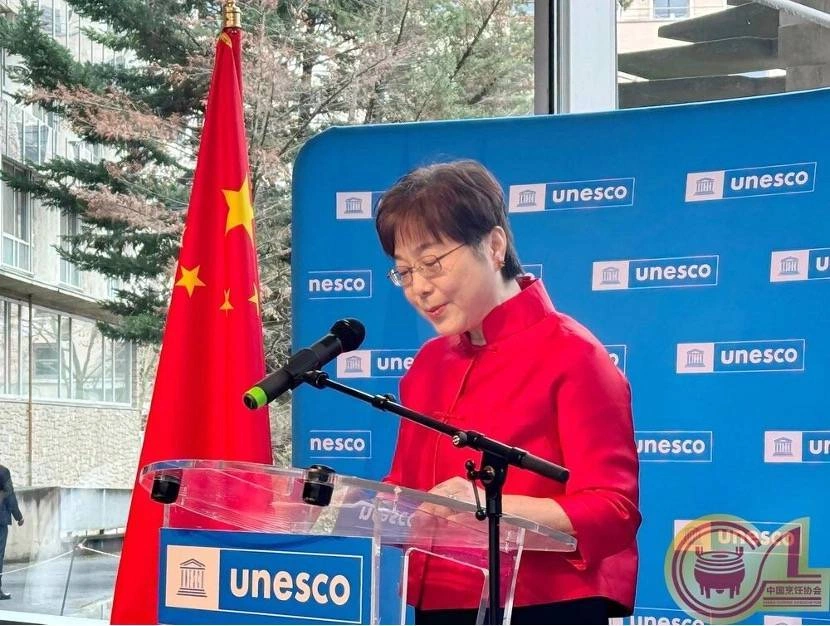
Yang Xinyu, Permanent Delegate of China to UNESCO, noted in her speech that holding the Spring Festival celebration in the form of a temple fair at UNESCO Headquarters allowed guests to experience traditional Chinese festive customs firsthand. These traditions, passed down through generations, demonstrate the profound historical heritage and contemporary relevance of Chinese culture.
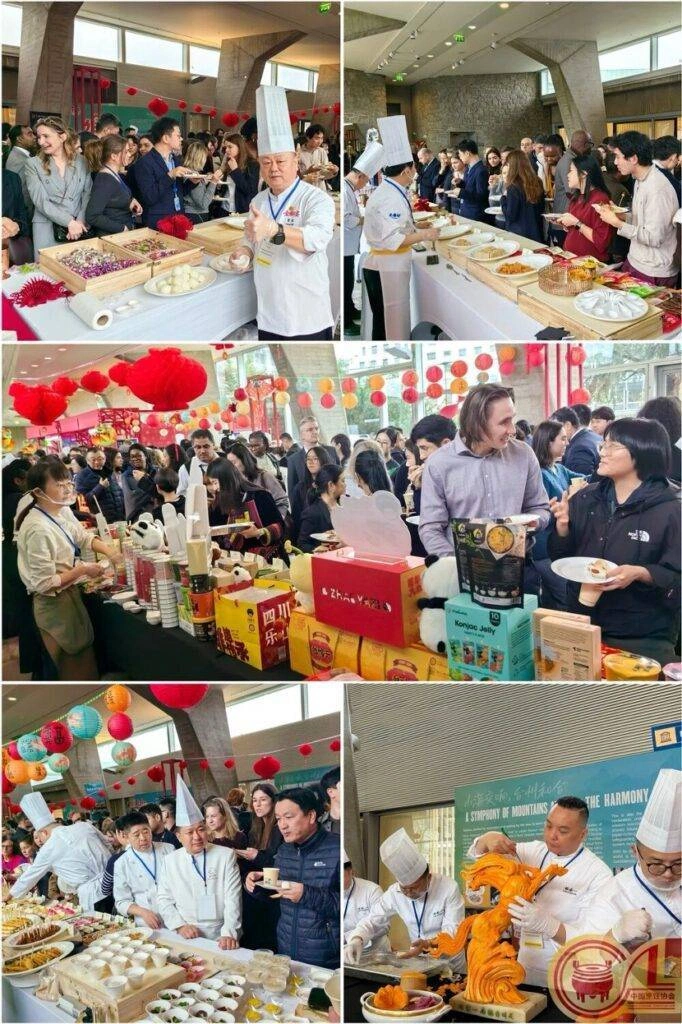
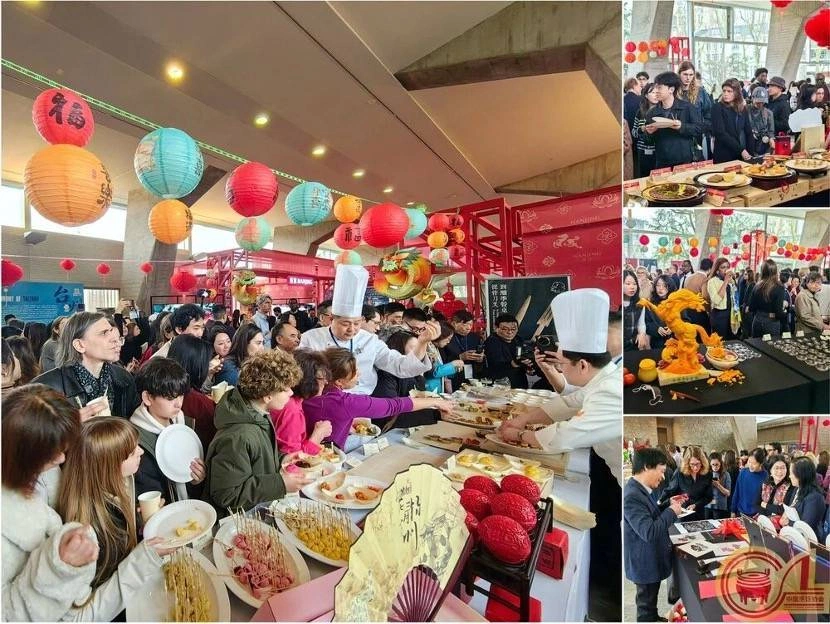
At the event, regional flavors complemented one another, each expressing both local characteristics and auspicious New Year symbolism. Taizhou’s honey-glazed roasted rice cake, crispy outside and soft inside, conveyed wishes for “rising higher year after year.” Yangzhou’s soup dumplings, with delicate wrappers and savory fillings, embodied the light and refined elegance of Huaiyang cuisine. Shantou’s steamed mackerel rice dish highlighted the beauty of natural flavors through simplicity. Hubei’s honey-glazed lotus root, tender and sweet, symbolized reunion and good fortune. In the Sichuan exhibition area, sweet-skinned duck offered rich, aromatic sweetness, while Qiaojiao beef soup delivered a mellow and flavorful broth. Shenyang’s guobaorou (sweet and sour crispy beef) was crispy on the outside and tender within, with a bright sweet-sour taste. Beijing’s traditional fried pastries, Youxiang, added a crisp and fragrant touch. Together, these vibrant dishes conveyed the everyday warmth, seasonal wisdom, and cultural meanings embedded in Chinese New Year cuisine.
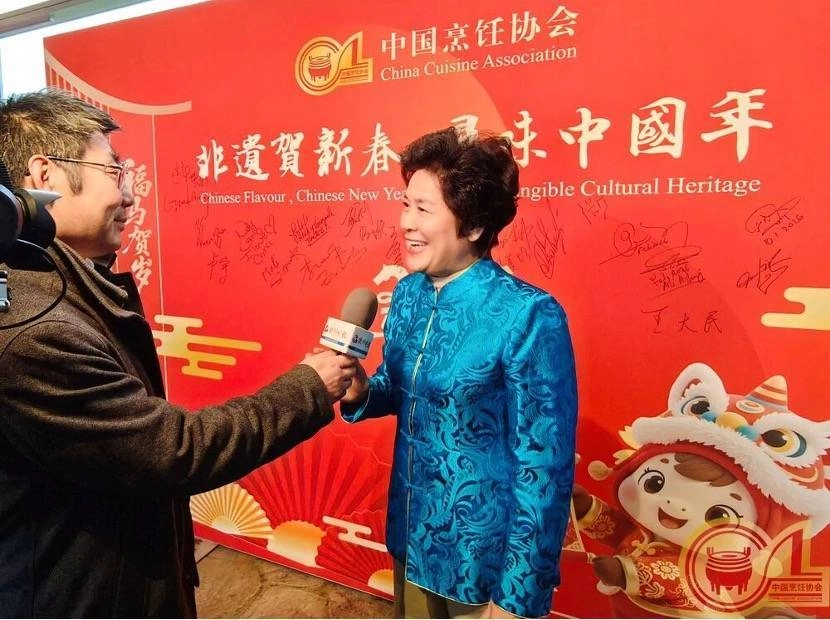
President Yang Liu stated that “Spring Festival — the Social Practices of the Chinese People in Celebration of the Traditional New Year” was inscribed on UNESCO’s Representative List of the Intangible Cultural Heritage of Humanity in December 2024. Presenting Spring Festival culture through cuisine at UNESCO Headquarters was not only a showcase of culinary craftsmanship, but also a vivid practice of dialogue and mutual learning among civilizations.
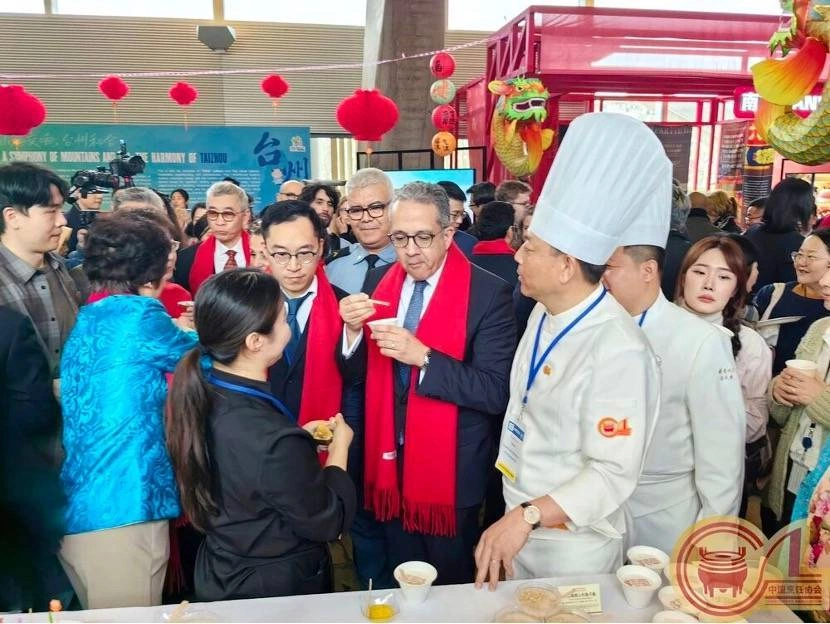
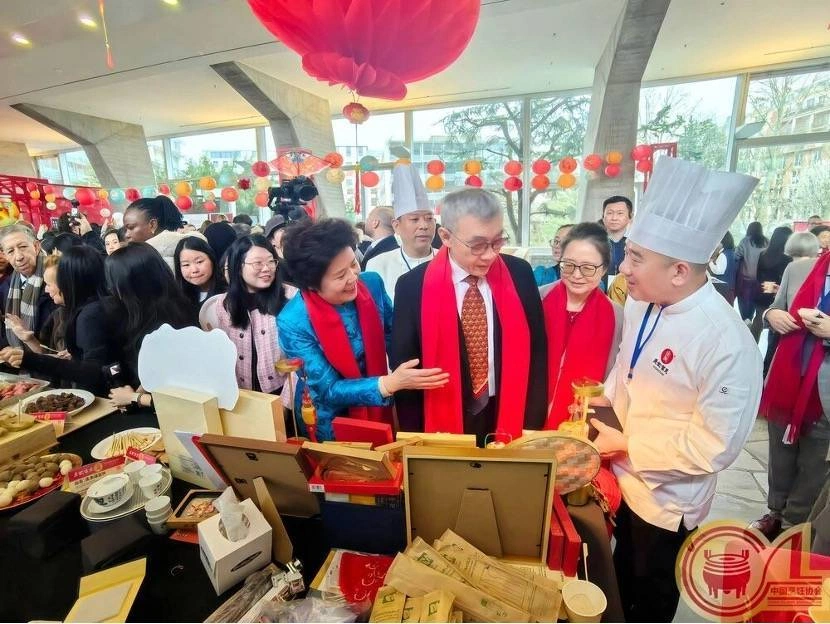
The event brought together more than 500 participants, including senior UNESCO officials, permanent representatives from various countries, and distinguished guests from different sectors, to celebrate the traditional Chinese Lunar New Year. Through immersive tasting experiences and interactive exchanges, Director-General Khaled El-Enany and other attendees experienced the vibrant vitality of Chinese culinary culture and appreciated the inclusiveness and rich diversity of Chinese civilization. The values of reunion and blessing embodied in the Spring Festival transcend cultural differences and resonate broadly across civilizations.
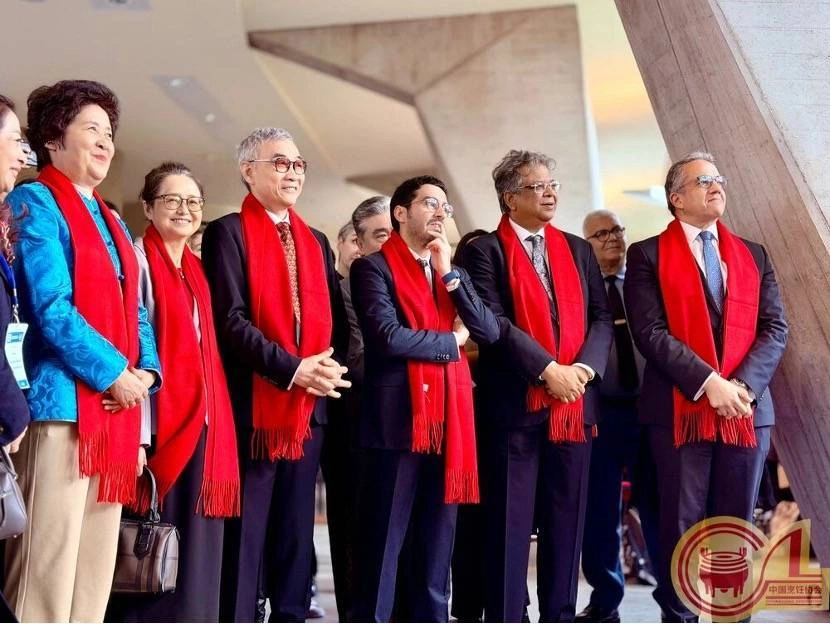
Using food as a bridge to connect civilizations and flavor as a medium to promote dialogue and mutual learning, this Spring Festival temple fair enabled the world to perceive a China that is credible, lovable, and respectable amid the warmth of everyday life and human connection. It also provided a sustainable pathway for the international expression of Chinese culinary culture. The China Cuisine Association will continue to deepen the exploration of intangible cultural heritage culinary resources and expand international exchanges and cooperation, promoting the enduring vitality of China’s outstanding traditional culture on a broader global stage.