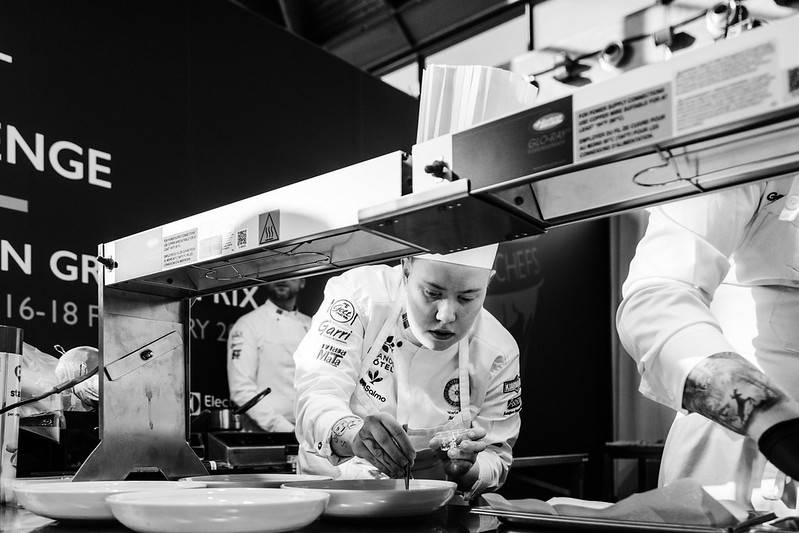
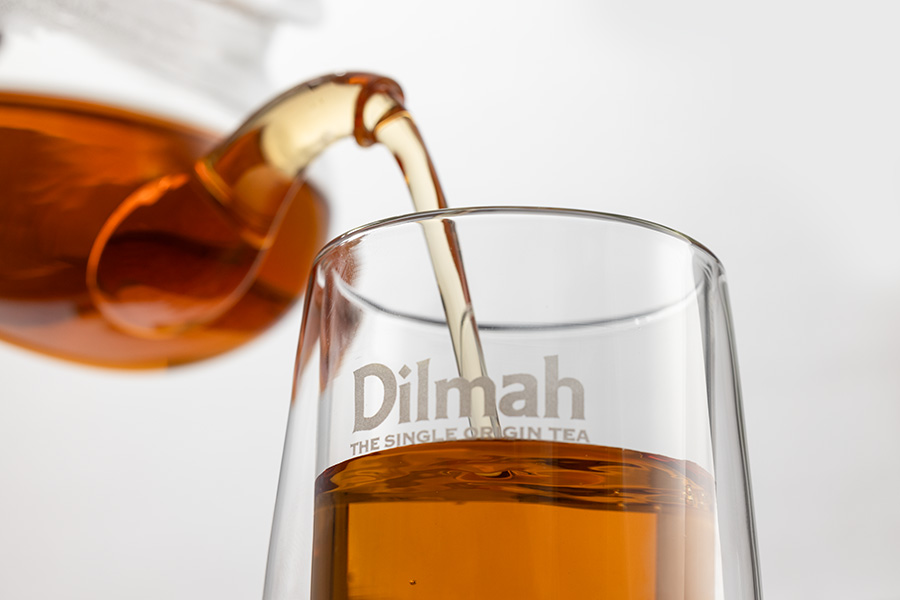
A great kitchen is built on ingredients.
Not simply ingredients that fill a pantry, but ingredients with a story, a provenance and a purpose. Olive oil is selected for its origin. Chocolate for the character of its cacao. Vinegar for the depth created through time. Wine for the expression of its terroir.
So why should tea be any different?
For too long, tea has been relegated to the beverage station, something prepared after the meal rather than something that can shape it.
But tea has never been merely a beverage. It is an ingredient with remarkable culinary potential.
Think of Tea as a Flavour, Not a Beverage
Ask a chef what tea tastes like and the answer is rarely simple.
A tea can be floral and delicate. Bright and citrusy. Toasted and profound. Naturally sweet. Earthy. Herbaceous. It can carry gentle tannins, lingering umami or an aromatic finish.
These are not just tasting notes. They are culinary tools.
A fragrant Ceylon tea can bring aromatic lift to a dessert. A robust black tea can add depth to a reduction or marinade. A delicate green tea can introduce freshness without overwhelming a delicate ingredient. A smoky, roasted character can build complexity into a savoury dish.
The question, then, is not “How do I cook with tea?”. It is: “What can tea do for this dish?” That shift in thinking is where the opportunity begins.
Origin Changes Everything
For a chef, provenance is never a footnote. It influences the ingredient, the technique and ultimately the experience on the plate. At Dilmah, we believe tea deserves the same consideration.
Think of wine. A sommelier would never describe a wine simply as “red”. The vineyard, region, producer and vintage all contribute to its character. Tea is no different. Dilmah’s commitment to Single Origin Pure Ceylon Tea means the tea is grown, handpicked, crafted and packed in Sri Lanka, where it originates. From the mist-covered highlands to the warmer low-grown regions, differences in altitude, climate, rainfall and soil create distinctive expressions of Ceylon Tea.
For chefs, this is more than provenance. It is a flavour map.
Understanding where a tea comes from allows it to be approached with the same precision as any other serious culinary ingredient, considered for its character, matched to other ingredients and selected for the role it needs to play.
What Happens When Chefs Start Thinking Differently?
This is where tea becomes interesting. Because once tea leaves the beverage menu, its possibilities multiply. It can become:
- A broth.
- A beurre blanc.
- A marinade.
- An infused butter.
- A glaze.
- A dessert.
- A pastry.
- A bread.
- A cocktail.
- A zero-proof creation.
And perhaps most importantly, tea can add complexity without competing for attention. The finest culinary ingredients know when to lead and when to support. Tea can do both.
From the School of Tea to the Professional Kitchen
When the Dilmah Founder, Merrill J. Fernando founded Dilmah, his ambition extended beyond producing tea. He wanted the world to understand it, its origin, craftsmanship, character and possibilities.
That philosophy continues through the Dilmah School of Tea, where chefs, pastry professionals, sommeliers, mixologists and hospitality professionals from more than 100 countries have explored tea through a gastronomic lens.
The purpose is not simply to teach another collection of recipes. It is to change the way professionals think about tea. Because once you understand tea’s flavour architecture, you begin to see it differently. You stop asking where tea belongs on the menu. And start asking where it belongs on the plate.
The Hospitality Opportunity
Today’s guests are looking for more than something delicious. They remember discovery.
A tea pairing that transforms a familiar course. A dessert finished tableside with an aromatic infusion. A breakfast where tea appears across several courses. A zero-proof creation with the complexity traditionally associated with a cocktail.
These are not gimmicks. They are opportunities to create distinctive culinary experiences around an ingredient guests already know, but may never have experienced this way.
For chefs and hospitality professionals, that distinction matters. Because when menus become increasingly competitive, innovation does not always require an exotic new ingredient. Sometimes, it means looking again at the ingredient already in the kitchen.
For more than three decades, Dilmah has worked alongside chefs, hotels, culinary institutions and hospitality professionals to explore what tea can become.
Our belief is simple: Tea belongs wherever flavour is created.
Not simply beside the cup. Not simply at the end of the meal. But in the hands of the chef, where provenance becomes possibility, flavour becomes experience, and an ingredient as familiar as tea can become something entirely unexpected.
The next time you reach for tea, don’t ask what to brew. Ask what to create.
About Dilmah Tea
Sri Lankan family tea company Dilmah, was established by Merrill J. Fernando to bring quality, Single Origin Ceylon Tea, garden fresh and unblended, to tea drinkers around the world. His Dilmah Tea brand was the first genuinely ethical tea brand, bringing a smile to the faces of the underprivileged in Sri Lanka, whilst giving consumers quality, authenticity and natural goodness in their cup of tea. For more information, visit https://www.dilmahtea.com/.
Become a Worldchefs Partner
Partner with Worldchefs to get connected with our international membership of professional associations, hospitality schools, and companies around the globe.
Learn more about Worldchefs partnership opportunities at www.worldchefs.org/partnership.
Media contact:
Olivia Ruszczyk communications@worldchefs.org