Christmas traditions, and the food we prepare for the holidays, have, over the past twenty years, shifted noticeably away from tradition and the deeper meaning of Christmas. As commercialization grows stronger each year, it becomes easier to lose sight of what this season truly stands for: peace, love, family togetherness, and the traditional gastronomic treasures that belong to our heritage.
And yet, holidays would not be holidays without family — and without the food that gathers us around a shared table. Unlike in earlier times, today’s festive spread is often far more abundant. With so many dishes on offer, we hardly know what to taste first. The expansion of retail chains and large shopping centers across Croatia, combined with aggressive marketing campaigns and the availability of inexpensive goods (especially imported products), has profoundly reshaped the way Croatians celebrate: how we shop, what we cook, and what we serve at Christmas.
Not so long ago, holiday customs and meals were closely tied to regional production. Each part of Croatia relied mostly on what was locally available — foods rooted in local farming and seasonal rhythms. Short supply chains mattered, even if we didn’t call them that: people bought from neighbors who produced something, from local markets, and often through workplaces and unions that sourced goods (especially meat) from nearby farmers and traders.
Today, Christmas in Croatia increasingly resembles Christmas elsewhere in the world. Still, subtle regional differences remain — and their roots run deep. So what do we actually eat for the holidays across Croatia?
Holiday Dishes Across Croatia
Christmas preparations begin weeks in advance. Menus are planned, old cookbooks are pulled from shelves, yet most of us already know what will be on the table in the days leading up to Christmas and on Christmas Day itself. Nearly everyone has at least one dish without which Christmas simply would not feel like Christmas — a dish most often made in the region we come from.
Christmas Eve (Badnjak) is typically marked by meatless dishes, fish, and a variety of salads. People rarely overindulge, because the following day brings a celebratory feast — often several courses, with roast at the center. And what turns in the oven depends on the region.
Slavonia — Rakija and Strict Fasting on Christmas Eve
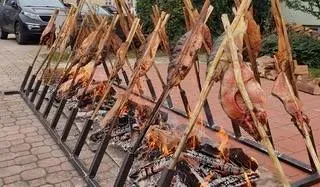
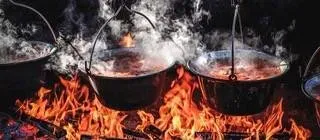
In Slavonia, Christmas Eve begins ceremonially, already at breakfast, often with a glass of rakija — very commonly a honey rakija — and simple meatless food. An old custom was to eat nothing until the evening meal, which would be plentiful and fish-based; today, many families prepare fiš paprikaš already for lunch. Alongside fiš, the menu may include freshwater fish such as trout, catfish, or carp. One of the best-known specialties is carp on the forked stake (šaran s rašlja).
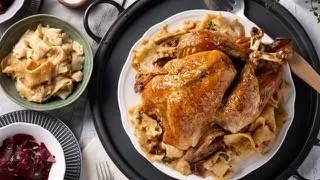
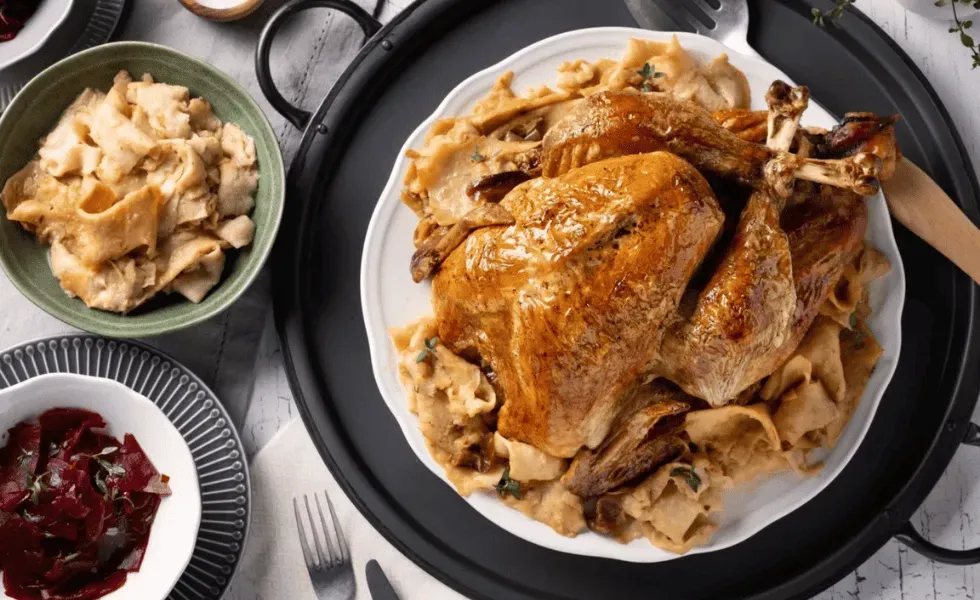
On Christmas Day, the table most often features roast pork or roast chicken. In recent years, turkey with mlinci has also become more common. Desserts are plentiful: walnut roll (orahnjača), poppy seed roll (makovnjača), and an array of traditional cookies (such as tašne and šape) — often with a festive cake as well.
Central Croatia — Duck as a Festive Favorite
Across Central Croatia, Christmas Eve is also typically celebrated with freshwater fish dishes and salads, led by bean salad, but also French salad and other legume-based variations.
In Međimurje, families may roast duck for Christmas; geese and turkeys are also popular, and sarma often appears in the days after Christmas.
Zagreb — Turkey with Mlinci
In Zagreb, Christmas Eve menus feature many kinds of fish — freshwater and sea fish alike. Squid is common in various preparations, and cod is increasingly present. Side dishes often include bean salad, as well as French salad or cabbage salad.
For Christmas roast, the centerpiece is most often turkey, paired with the indispensable mlinci. Many households also serve roast potatoes and štrukli, and sometimes aspic (hladetina) as a starter. Desserts include walnut and poppy seed rolls and plenty of dry cookies.
Istria and Kvarner — Cod, Fish Soup, and Maneštra
Along with roasted sea fish, Istrians often prepare cod on Christmas Eve. Fish soup and meatless pasta dishes are common, too. Traditional Istrian meatless holiday foods include maneštra with chickpeas, posutice (homemade pasta), broskva na padelu (greens braised with potatoes), and cod. In earlier times, supa — a warm mix of wine, bread, and sugar — was also prepared.
For Christmas Day, Istrians often roast turkey and bake homemade bread. Desserts may include kroštule, crescent cookies and rolls, čupavci, walnut roll, or bishop’s bread with dried fruit.
Lika — Sarma, Lamb, and “Pole” Potatoes
Christmas Eve in Lika often features meatless dishes with sea fish. On Christmas Day, sarma is common, followed by lamb or roast piglet. A signature side dish is pole — potatoes cut in half and roasted, especially delicious when baked on the hearth in embers.
Dalmatia — From Cod on Christmas Eve to Pašticada and Fritule
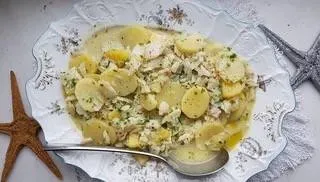
In Dalmatia, cod is a must on Christmas Eve — most often “na bijelo”, gently cooked with wine, spices, and potatoes. Alongside cod, households may serve other sea fish depending on availability.
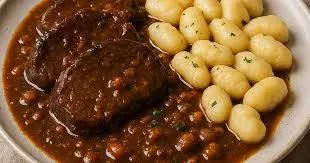
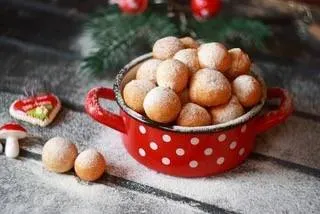
For Christmas Day, many families roast tuka (turkey), and pašticada (slow-cooked beef in a rich sauce) is a classic festive dish. Desserts often feature dried fruit sweets such as mandulat (Split and surrounding area) or hiba (fig-based sweets) and koromač on Vis. In many places, fritule are still made — often after the Christmas Eve dinner.
With our warmest wishes for the season ahead, we hope you enjoy the richness and diversity of Croatia’s holiday table — and the true spirit of Christmas.
– Croatian Chefs Association