
How to Teach a Generation Z Student
This article was originally published in Issue 29 of the SA Chefs Magazine.
Elsu Gericke, Head of Education and Development at SA Chefs, has some advice on how to train and work with our future culinary leaders.
Training institutions across the country are gearing up to receive a fresh intake of eager students in 2022. The uncertainty and loss of the last couple of years are still weighing heavy on the minds of our future culinary leaders, and yet these students are still determined to follow their dreams and make their mark in kitchens around the globe. I wanted to have a look at who these young chefs are and highlight some of their generation’s characteristics to better understand how they learn and what we can expect from them during their training and in our workplaces.
THEY ARE DIGITAL NATIVES
Generation Z is the first true digital native generation. Born into a world where the internet and smartphones are the norm, this generation relies heavily on information from the internet and social media for everything from food choices, research, and trends. The list goes on, but where has it gone wrong? Kale has faced a lot of backlash from health professionals, claiming that eating raw kale is not good for you and could be the most contaminated vegetable on supermarket shelves. A study revealed about 60% of kale samples tested positive for a type of human carcinogenic, featuring on The Environmental Working Group’s “Dirty Dozen” list. Furthermore, according to the IIN kale’s nutrient-dense profile may also affect the thyroid, blood-clotting and function of the gut. So, for those with related health conditions, there really can be too much of a good thing.
THEY WELCOME DIVERSITY
Kelp is not a staple in Western cultures like it has been for many years in Japan and across Asia, but this could be about to change. A strong As the most diverse generation to date, Gen Z easily relate to people of all races, religions and backgrounds and they not only welcome it but expect it in their professional and personal lives.
THEY CRAVE FINANCIAL SECURITY
They have witnessed their parents struggle financially during the 2007 to 2009 recession as well as the current Covid pandemic. As their families prioritised financial health over professional fulfilment, they crave security – and their choices reflect this.
THEY ARE ENTREPRENEURS
Entrepreneurship and a desire for independence is at an all-time high. Many members of this generation have seen how quickly a job can be lost, even one with a seemingly stable company. As a result, they’re choosing career paths that will pave the way to self-employment. Several other traits also influence the way these students behave and absorb ideas – these include environmental consciousness, a desire for human interaction and taking care of their mental health.
TIPS FOR TEACHING GEN Z
Taking all of these factors into account, lecturers and training providers can adopt various teaching methods to ensure their culinary students stay engaged and ultimately become the chefs we want them to be.
• Communicate continuously and provide immediate feedback.
• Allow them to bring their devices into the classroom or kitchen. Gen Z students see them as an extension of their hands, so use it to your advantage.
• Provide smaller, more frequent projects and assessments.
• Personalise the learning content.
• Beware – they will tune out if they are not engaged.
Our industry and the future of our culinary world lies in the hands of this generation and by learning who they are and what makes them tick we are bound to have an incredible talent pool soon. On behalf of the Education Committee of SA Chefs, I would like to welcome all new culinary students and wish all returning students a very happy and prosperous 2022. We look forward to sharing a year full of information sharing, engagement and opportunity with you.

Check out SA Chef Issue 29
We get hooked on sustainable seafood, find out what it takes to be a private chef, check out what’s cooking at The Spade in Khayelitsha, and more.
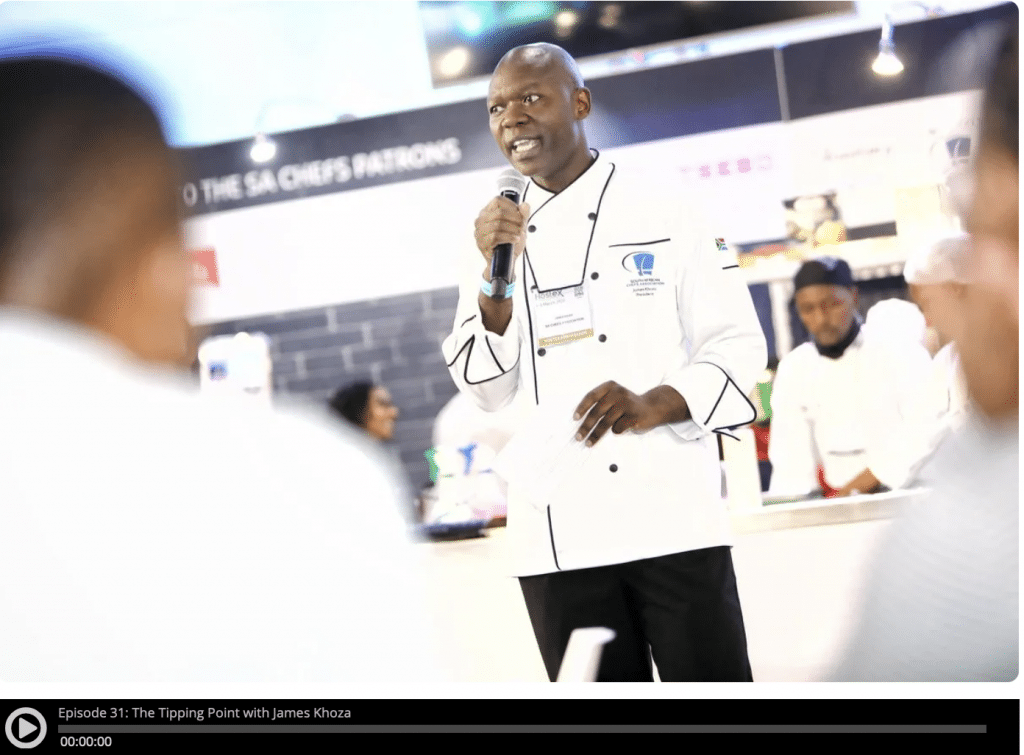
You can hear more from South Africa on World on a Plate. Tune in to Episode 31: The Tipping Point with James Khoza, President of the South African Chefs Association