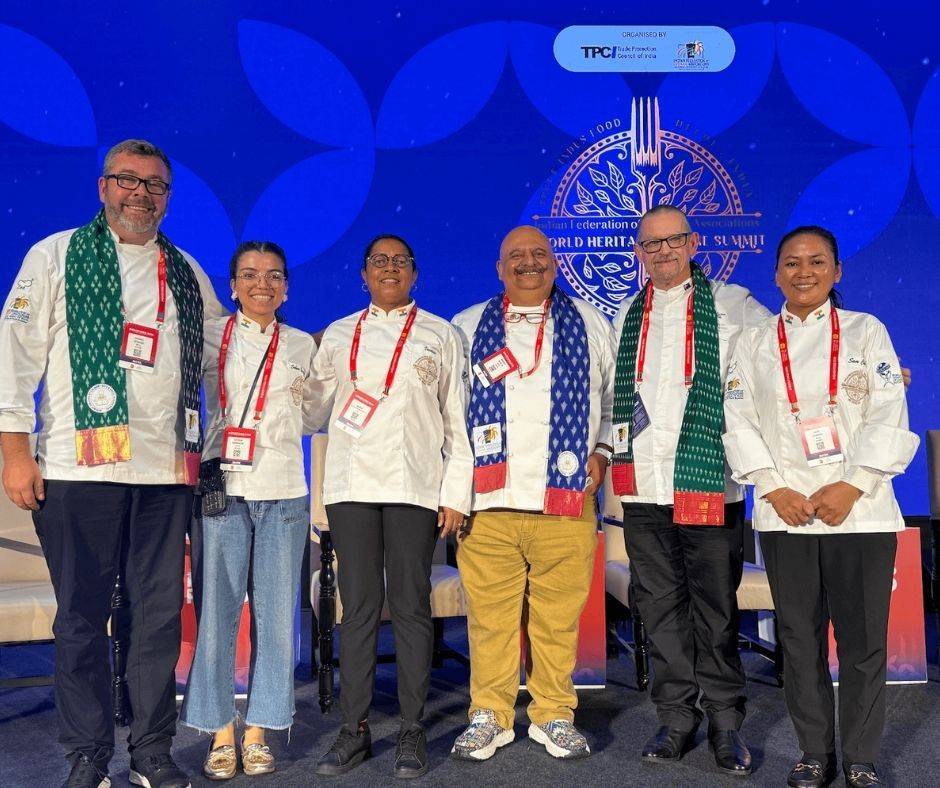
Read the below message from Peter Tischhauser, Worldchefs’ Culture Cuisine & Heritage Food Committee Chair, about his visit to India for the World Culinary Heritage Conference.
My recent visit to India for the World Culinary Heritage Conference was more than a professional engagement, it was a deeply grounding experience that reinforced why culture, cuisine, and heritage are inseparable.
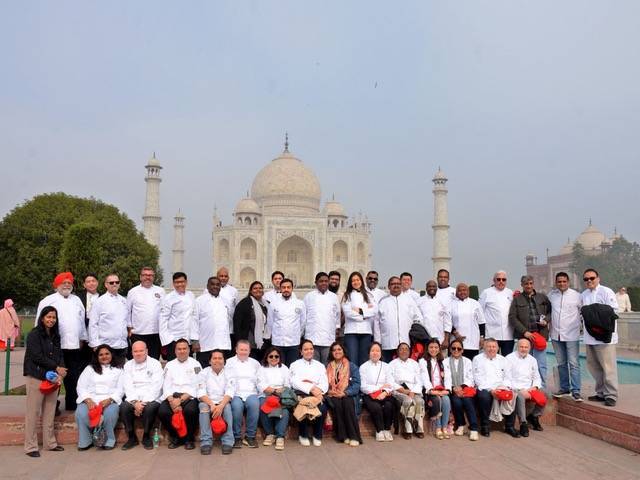
India is a country where history is not confined to museums or textbooks; it lives in everyday life, in markets, kitchens, and family tables. This was perhaps most powerfully felt during our visit to the Taj Mahal. Standing before a structure that has endured for centuries, crafted with precision, patience, and profound respect for tradition, I was struck by how closely it mirrors the story of food. Like great architecture, great cuisine is built over time… refined, preserved, and passed down through generations.
Throughout the conference, there was a strong and recurring emphasis on mastering the fundamentals: understanding ingredients, respecting spices, and recognizing their purpose, balance, and nutritional value. These principles are timeless. They are the same foundations that underpin heritage recipes across cultures, whether in India, Australia, or elsewhere in the world. Food, at its best, tells the story of a place and its people.
One of the most meaningful discussions centred on the responsibility we share as chefs to pass this knowledge forward. Preserving culinary heritage is about identity. When young chefs learn the stories behind traditional dishes — often taught in the same way a grandmother teaches a family recipe — they gain more than technique. They gain connection, pride, and a sense of belonging within their culinary culture.
This industry has given me the opportunity to travel, to learn, and to form lasting friendships across borders. Giving back through mentorship and advocacy for heritage cuisine is both a privilege and a responsibility I take seriously. Seeing chefs around the world now reintroducing traditional dishes, using regional products and time-honored methods, is an encouraging sign that cultural cuisine is not being lost, but rediscovered.

India reminded me that when we honor the past, whether through architecture, food, or shared traditions, we strengthen the future of our craft.