
Buckwheat is Part of the Cultural Code of Russia
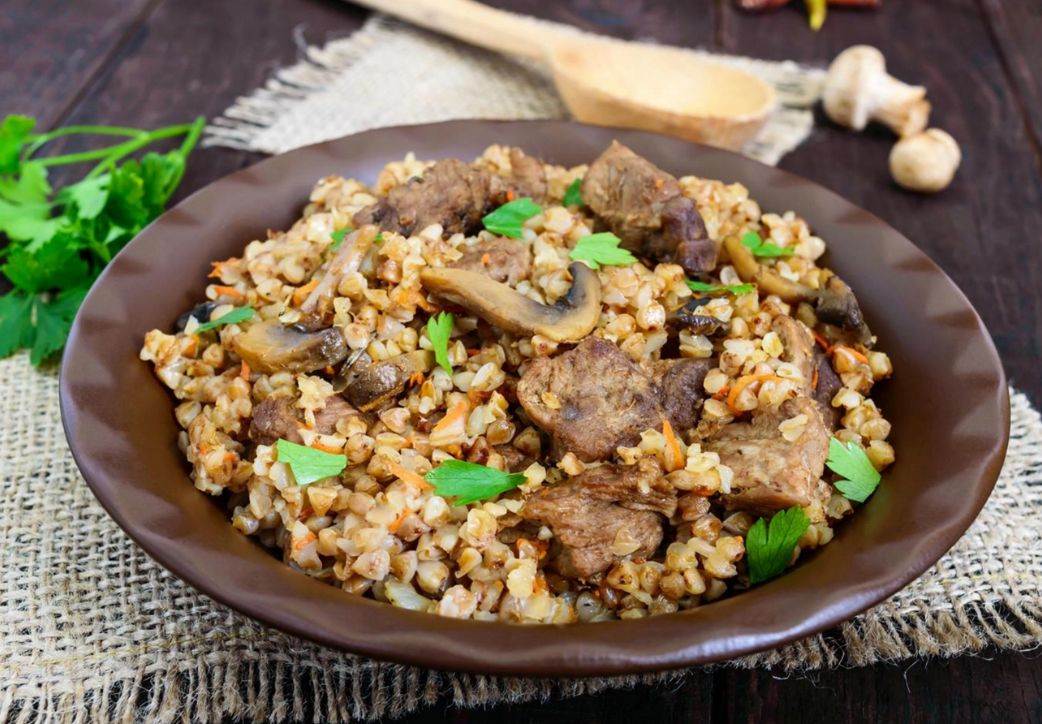
Buckwheat groats are a product that has been familiar to every Russian citizen since early childhood. Its unique taste and aroma evoke associations with home warmth and traditional dishes.
Russia is the largest producer of buckwheat in the world. Only 18 countries in the world grow buckwheat on their territory, 7 of them are former republics of the Soviet Union.
Russia is the leader in its production and annually produces half of the world’s volume – about 1.5 million tons per year.
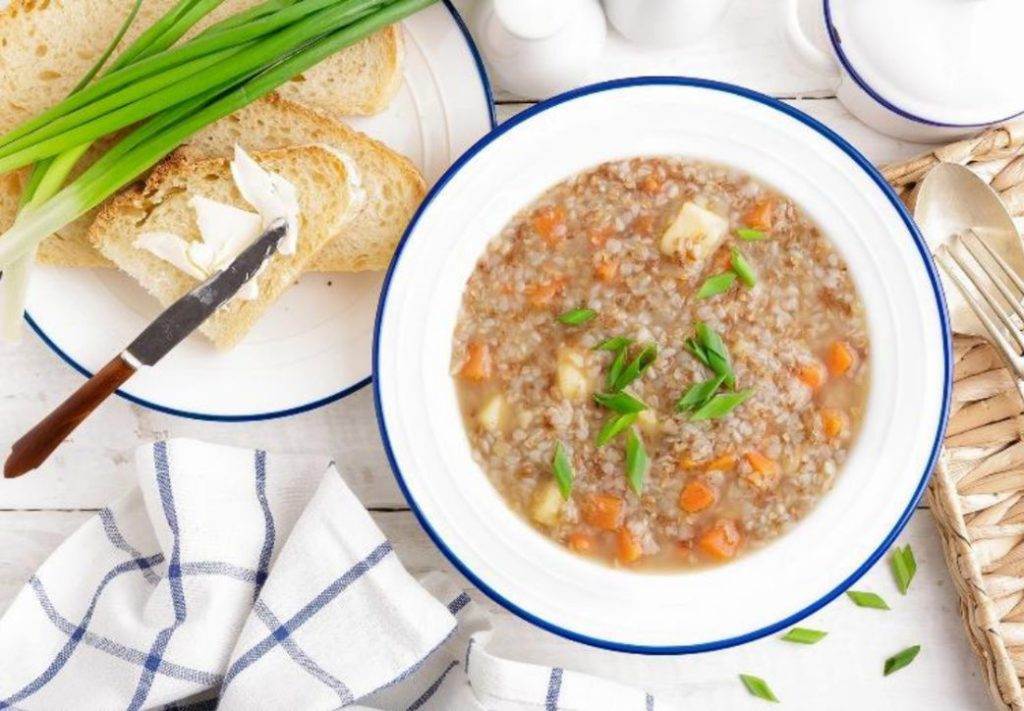
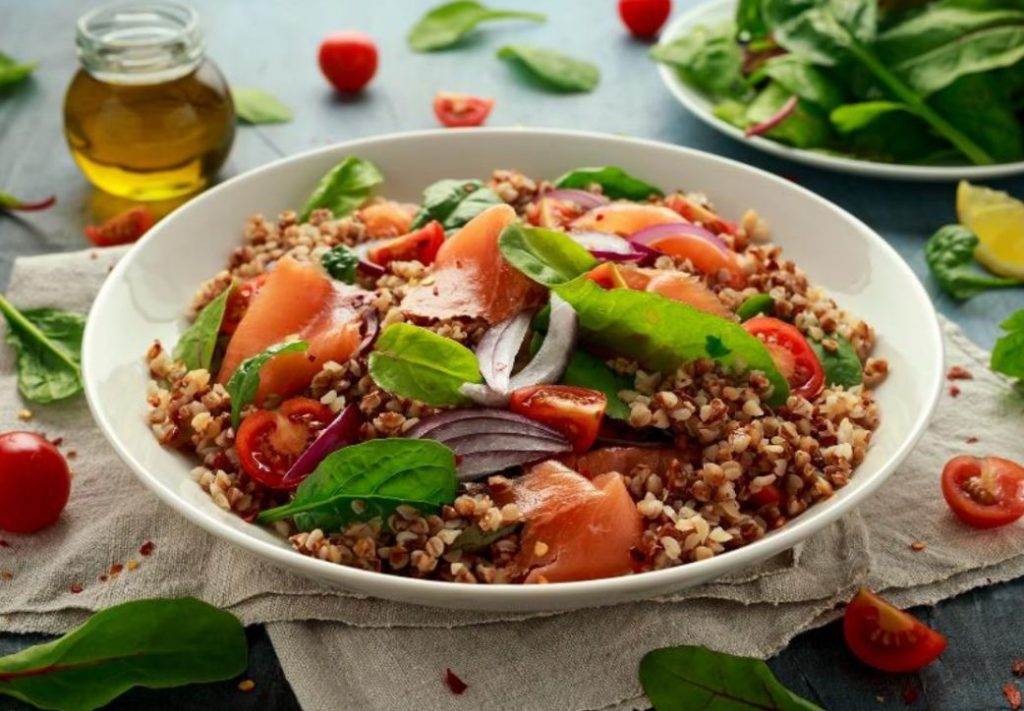
Buckwheat is used to make side dishes, soup dressings, lenten cutlets, various fillings, salads, pancakes, pastries, desserts, kvass, beer and even tea – it is a “superfood” for Russia. This product has a rich composition of trace elements, vitamins and antioxidants.
Buckwheat has a perfectly balanced natural complex, including:
- fat-soluble vitamins A and E,
- water-soluble vitamins B1, B2, B6, B9 and PP,
- macronutrients: potassium, sodium, calcium, magnesium, sulfur, phosphorus, iron and chlorine,
- trace elements: manganese, copper, zinc, cobalt, molybdenum, chromium, nickel, iodine and fluorine.
It is difficult to overestimate the beneficial properties of buckwheat – porridge from it contains a record amount of vegetable protein – 12.6 g per 100 g of cereals. On average, 100 g of this cereal contains 14 g of water, 68 g of carbohydrates, 3 g of fat, 13 g of protein, 2 g of minerals.
Buckwheat is definitely a food filled with life!
Buckwheat dishes are recommended to raise hemoglobin, strengthen blood vessels, reduce cholesterol levels, and help with coronary heart disease. The potassium and phosphorus contained in the cereal support the endocrine system, strengthen bone and muscle tissue, and promote the removal of free radicals. It is included in the diet for liver diseases, helps to fight swelling, and increases the effectiveness of drug therapy for atherosclerosis and hypertension. Due to the high content of organic acids, buckwheat dishes promote the absorption of food, improve digestion. Nutritionists recommend including cereals in the daily diet of people who are higher in weight, have diabetes mellitus and other conditions caused by metabolic disorders and the immune system.
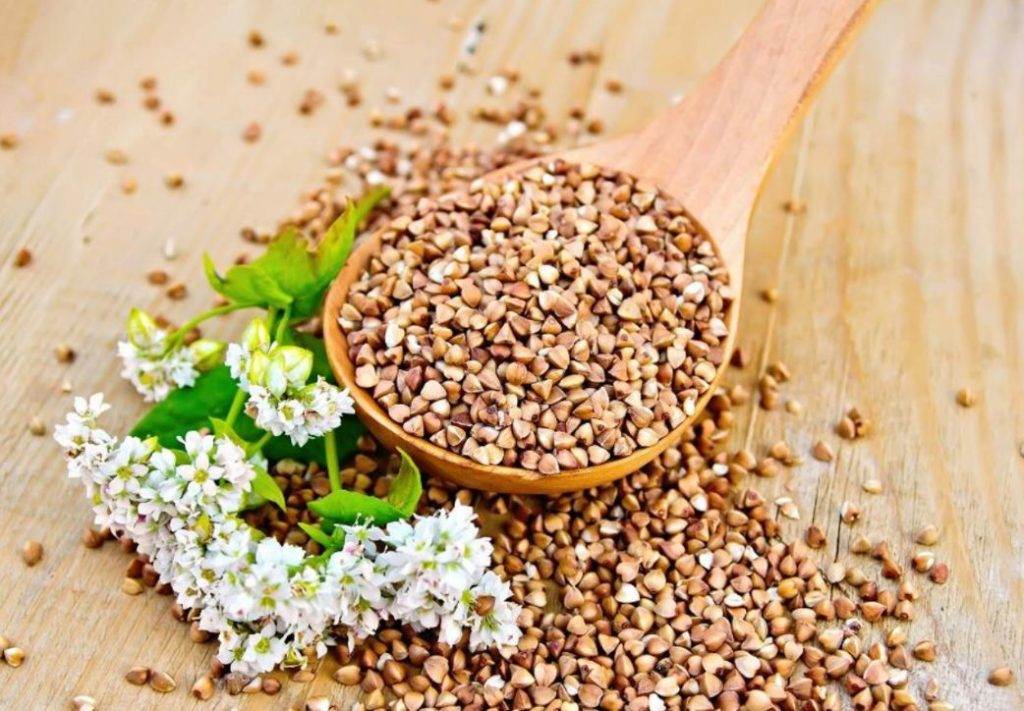
Buckwheat is a brown cereal. There are several types of buckwheat, but the edible one is called “seed”.
The first people who discovered buckwheat in their fields mistook it for a nut. Their attention was attracted by ripe grains, resembling miniature beech fruits: each grain had three facets, a shell and a kernel inside.
In Latin, buckwheat is called fagopurum, which translates as “beech-like nut”. In Western Europe, it is often called “beech wheat”, and in India, “black rice”. In South Asia, buckwheat still grows wild.
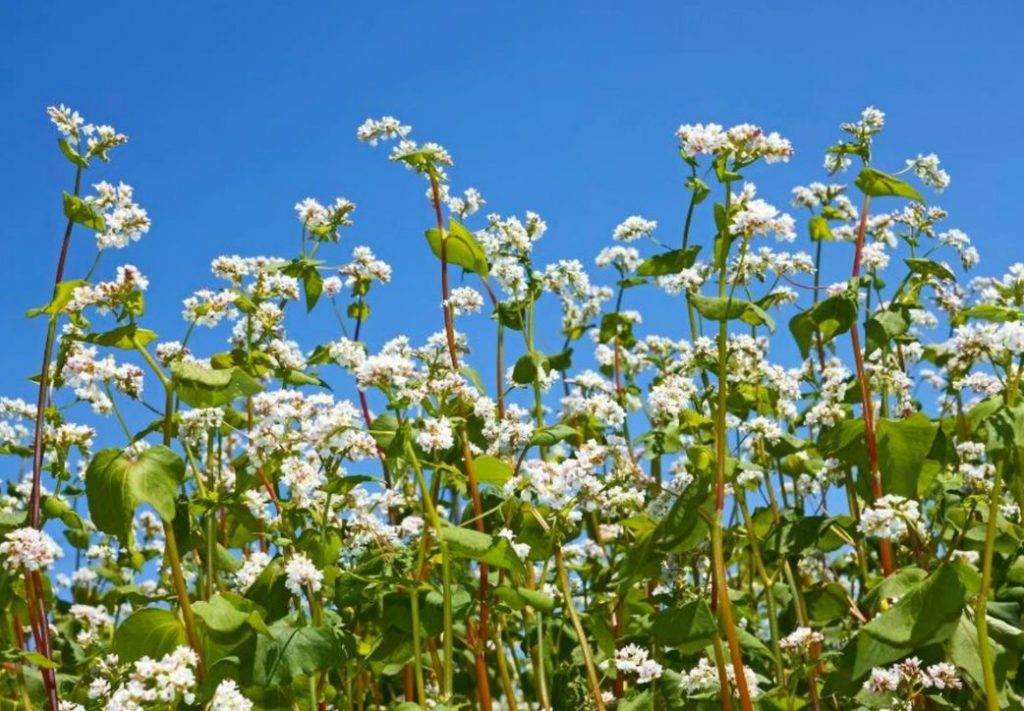
There are many versions of the appearance of this plant in Russia, but already at the beginning of our first millennium, buckwheat was grown in Southern Siberia, which is confirmed by archaeological finds.
Despite its beneficial properties, only the Slavs were able to truly appreciate the taste and nutritional value of buckwheat. Buckwheat dishes are rightfully considered an integral part of the Russian national cuisine. In Russia, buckwheat is a symbol of stability, reflecting the mood of society. When a financial crisis or other shocks are brewing in the country, people first of all seek to create a strategic reserve of this cereal at home, buying it for future use.
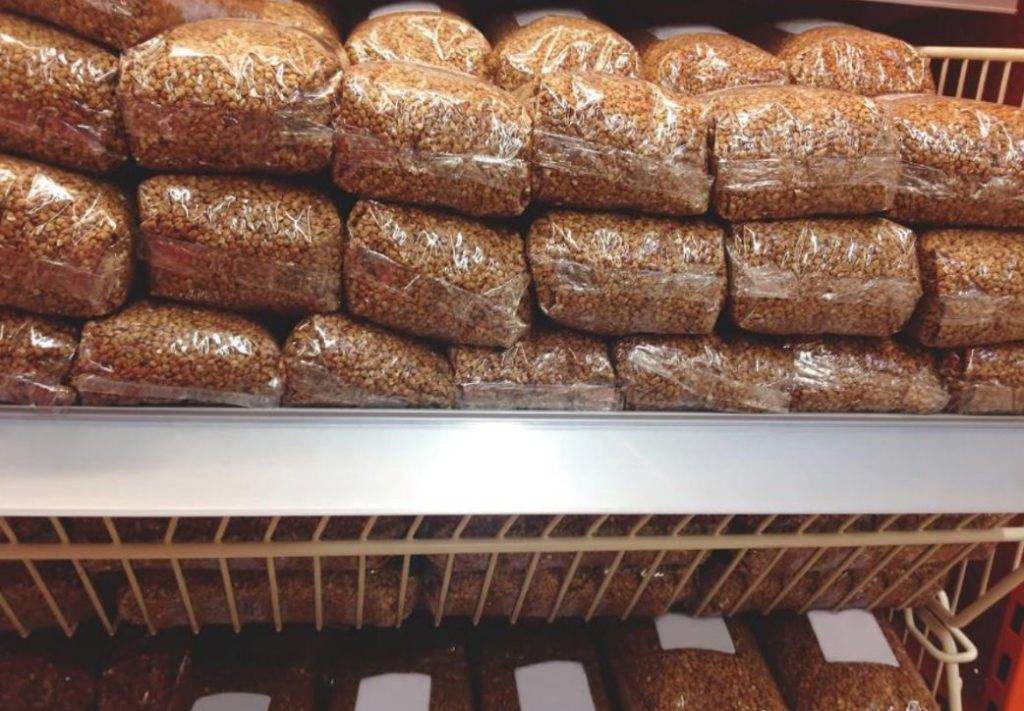
In addition, buckwheat is included in the list of products that are stored in the state reserve. It is designed to provide for the population in case of emergencies, to provide humanitarian assistance during hostilities and to regulate prices in times of economic crisis. This cereal was indispensable in difficult times and throughout history saved many families in Russia from starvation.
Buckwheat loves sunlight and a warm climate, but in general it is unpretentious. It is not afraid of weeds and is rarely attacked by pests, which allows growers to harvest a rich harvest without the use of chemicals and pesticides. Buckwheat is not just a food product, it is a cereal with a real Russian character!
It is easy to prepare: just pour water over it and boil it without stirring.
The proportions that must be observed when cooking is also simple: one part of cereal to two parts of water. From the X century to the present day, buckwheat has always been in abundance in Russia. Another plus is its price: it is half the price of wheat. It can be stored in conditions that are not suitable for other cereals and flakes. The satiety and excellent taste of buckwheat porridge are generally recognized in Russia, they have become an integral part of Russian folklore, literature and even cinema. There are mentions of buckwheat porridge in the work of many great Russian poets and writers.
In what form to eat buckwheat is up to you. There are a lot of culinary solutions. In any version, it will be delicious and healthy, and we will definitely share with you the recipes for these dishes.
ARTICLE by chef ALLA MISHINA
For more recipes, visit www.worldchefs.org/news